World
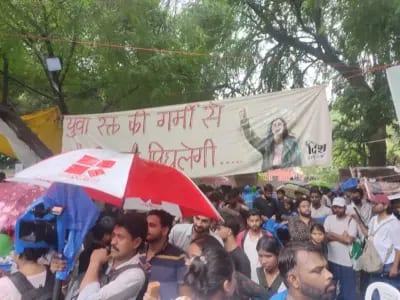
Complementary forces: Why activism needs art to drive action
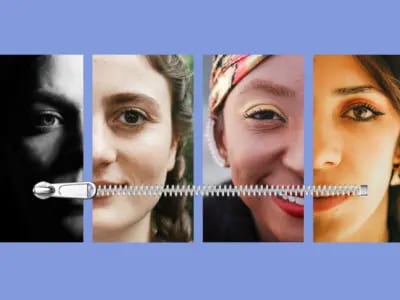
"Artistic activism uses the emotional experience of art as a prompt for action and directs that action towards change, turning a complex problem into a clear public message."
International news in seven languages
Topic
"Artistic activism uses the emotional experience of art as a prompt for action and directs that action towards change, turning a complex problem into a clear public message."
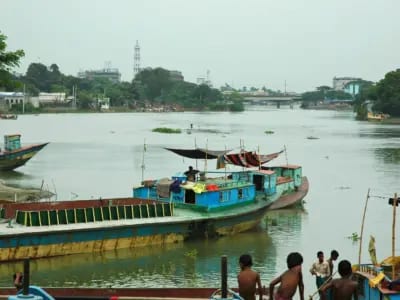
Bangladesh’s traditionally nomadic Bede community faces severe displacement from floods and eroding rivers. Lacking fixed addresses, they struggle to access citizenship documents, healthcare, and education as they transition to land.
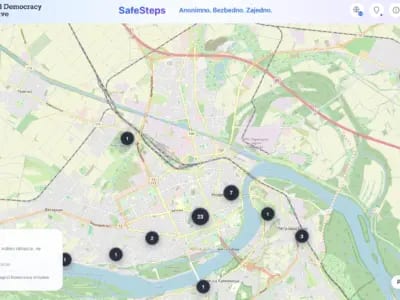
“Many incidents of harassment, intimidation, or discomfort in public spaces never become official complaints. Some women do not believe reporting will lead to change.”
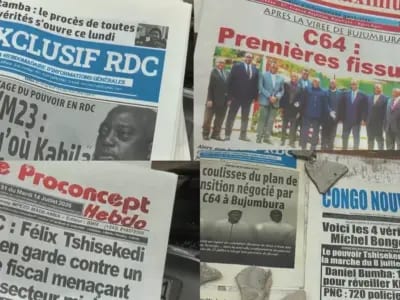
70 AI-powered fake news sites have generated 318 articles on the eastern DRC conflict, relations with Rwanda, and contested mineral resources.
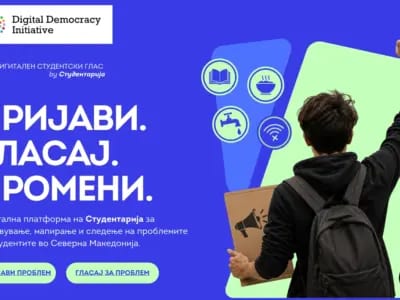
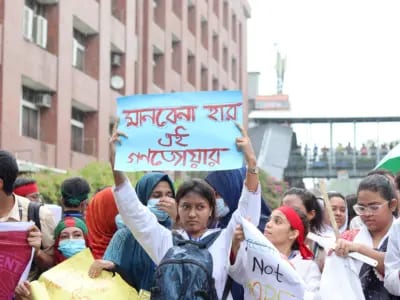
“Our idea is not simply to collect complaints, but to transform individual students’ experiences into evidence that can be used for advocacy and for creating change.”
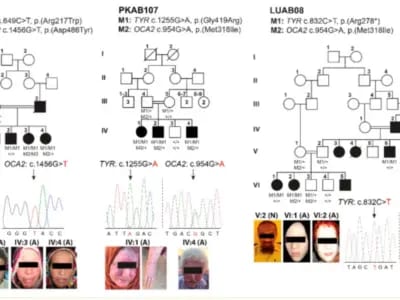
Pakistan keeps no national data on people with albinism. Without a count, they lack tailored support in schools, healthcare, and jobs, while rising heat raises their health risks, experts say.
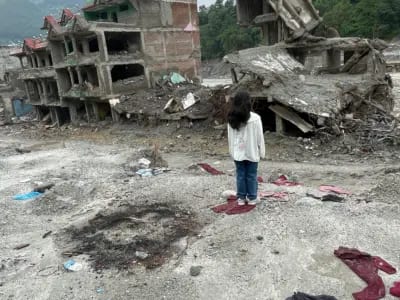
Nepal’s flood-hit communities face a long road to recovery as damaged infrastructure, lost livelihoods, and questions over aid transparency complicate efforts to rebuild homes, restore services, and livelihoods.
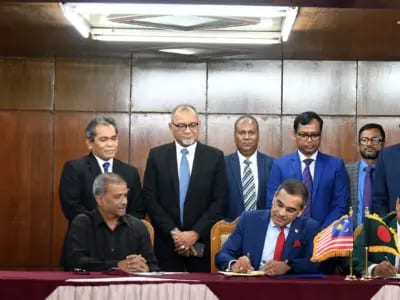
Bangladesh and Malaysia have made several government-level agreements for labour migration over the years, but problems such as syndication, excessive recruitment costs and human rights abuses remain unresolved.
For Mozambican youth, freedom of expression exists in law, but speaking out can come with a cost. Music became a powerful space for criticism and resistance.
The controversial reciprocal trade agreements (ARTs) gives the U.S. a great deal of power, which could adversely affect digital connectivity, increase digital divides, and reduce economic growth in signatory countries.
Over 1,180 Facebook posts and 100 TikTok videos analyzed showed how a genuine farmers’ protest was inflated by clusters of accounts sharing identical messages, then folded into anti-government, anti-EU and pro-Kremlin narratives.
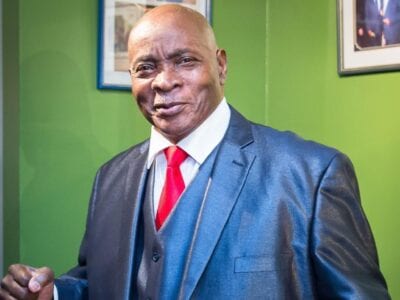
“What does it mean to be King in a country of reverence sometimes to nothing and other times to everything? It means you dare to be yourself.”
Mob violence is rising in Bangladesh as unchecked impunity, weak law enforcement, and social media instigations drive lethal crowd attacks, challenging institutional responses, justice delivery, and overall state accountability.
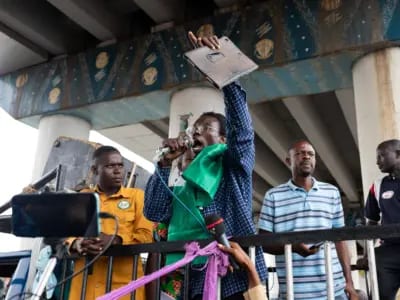
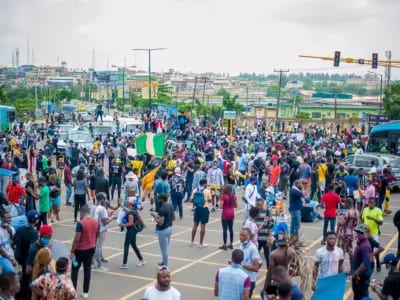
The protests strengthened the political consciousness of some young Nigerians and encouraged greater participation in elections, governance and activism. For others, the experience produced fear, distrust and disillusionment.
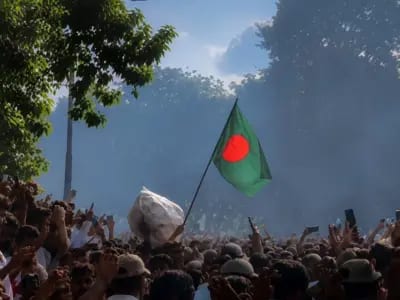
Bangladesh’s 2024 uprising toppled a government, but two years later, reforms to police, judiciary, cyber laws, and state institutions remain contested, incomplete, and debated, leaving citizens asking whether real change occurred.
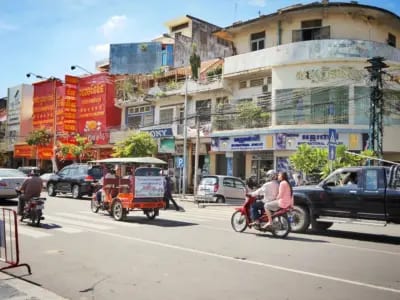
Thousands of Bangladeshis travelled to Cambodia for promised jobs, only to encounter Technology-facilitated trafficking and cyber-scamming networks, with 98 percent reportedly failing to receive the work they were promised.
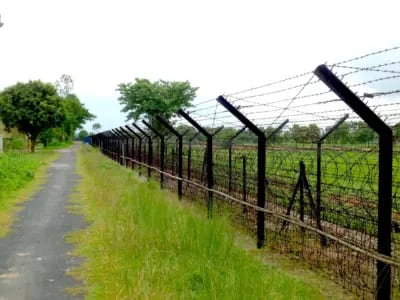
Since Bangladesh’s 2024 political transition, India-Bangladesh border “push-ins” have intensified, with thousands deported to Bangladesh outside agreed verification and repatriation procedures and ignoring disputed nationality claims.
One of the strongest realizations during my reporting was that digital violence often enters daily life disguised as normal behavior: Control becomes attention, surveillance becomes care, pressure becomes love.
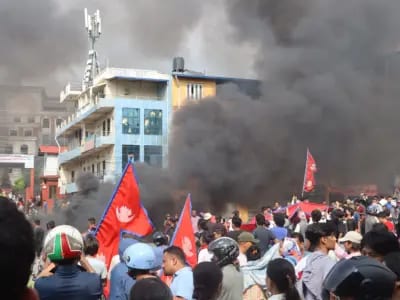
Nepal's Gen Z protesters, a year on, still carry the physical, emotional, and financial scars of that uprising, while questions about justice and accountability remain unresolved.
“Democratic freedoms depend not only on protection from direct state violence but on citizens being able to organise without assuming their participation is permanently recorded.”