What in the World
We look at hacks to help you get around it
International news in seven languages
We look at hacks to help you get around it
Scientists say it all depend on caffeine habits, lifestyle and one factor we have no control over: our genes.
Patients in England with an incurable breast cancer can now access a life-extending drug on the NHS, two years after it was deemed too expensive by a health body.
The world's oldest female wing-walker has delivered a cheque to the hospital where she was treated.
The women were among hundreds who were harmed by their treatment at County Durham health trust.
Plus, how much do people really change their habits for a free coffee?
The walkout had been due to start at 07:00 BST on Monday and last until Friday.
Resident doctor strikes are now on pause while they consider a new pay offer form the government.
Full emergency cover remained in place and patients were told to attend all scheduled appointments unless advised otherwise.
The BMA said there will "undoubtedly be cancellation of operations, outpatient appointments and elective care" but "patient safety will still be prioritised".
The British Medical Association is in dispute with Manx Care over "pay erosion since 2008".
Cambridge scientists say they have, for the first time, tested a vaccine designed by AI.
The UK medicines regulator has given approval for an experimental vaccine to be tested on healthy adults.
Healthcare staff were unable to properly protect themselves, or those in their care, from dangerous infections, says the latest inquiry report.
A naturally occurring molecule called erucamide may help the retina fight back against diseases that cause progressive vision loss. Restoring the molecule activated protective immune responses that helped stabilize retinal tissue and slow aspects of degeneration in preclinical models.
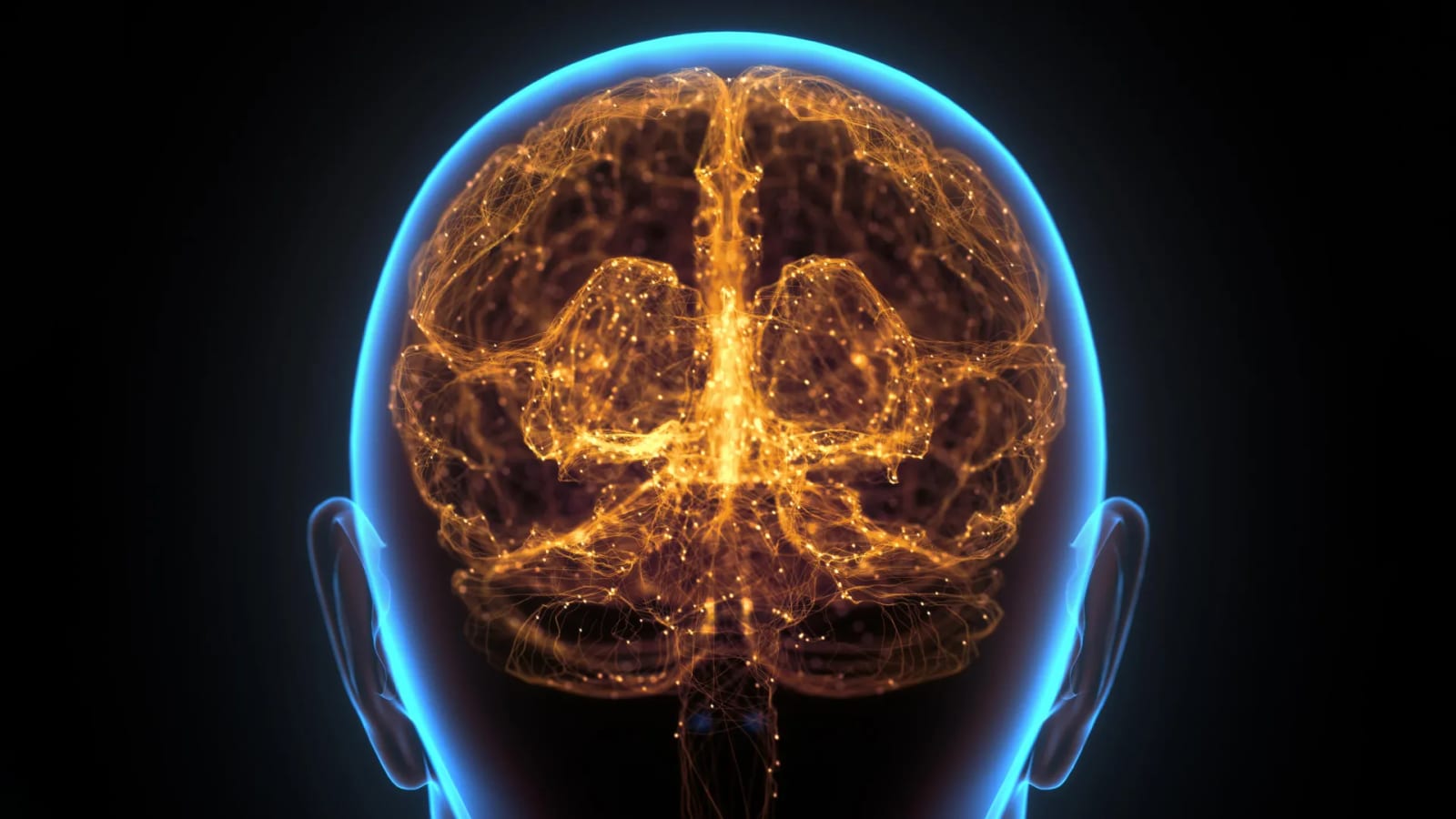
Scientists discovered a hidden “immune organ” inside the skull that acts as a rapid first responder against brain cancer in mice. Strengthening this local immune defense improved tumor rejection and survival, raising the possibility of new treatments that target the skull directly.
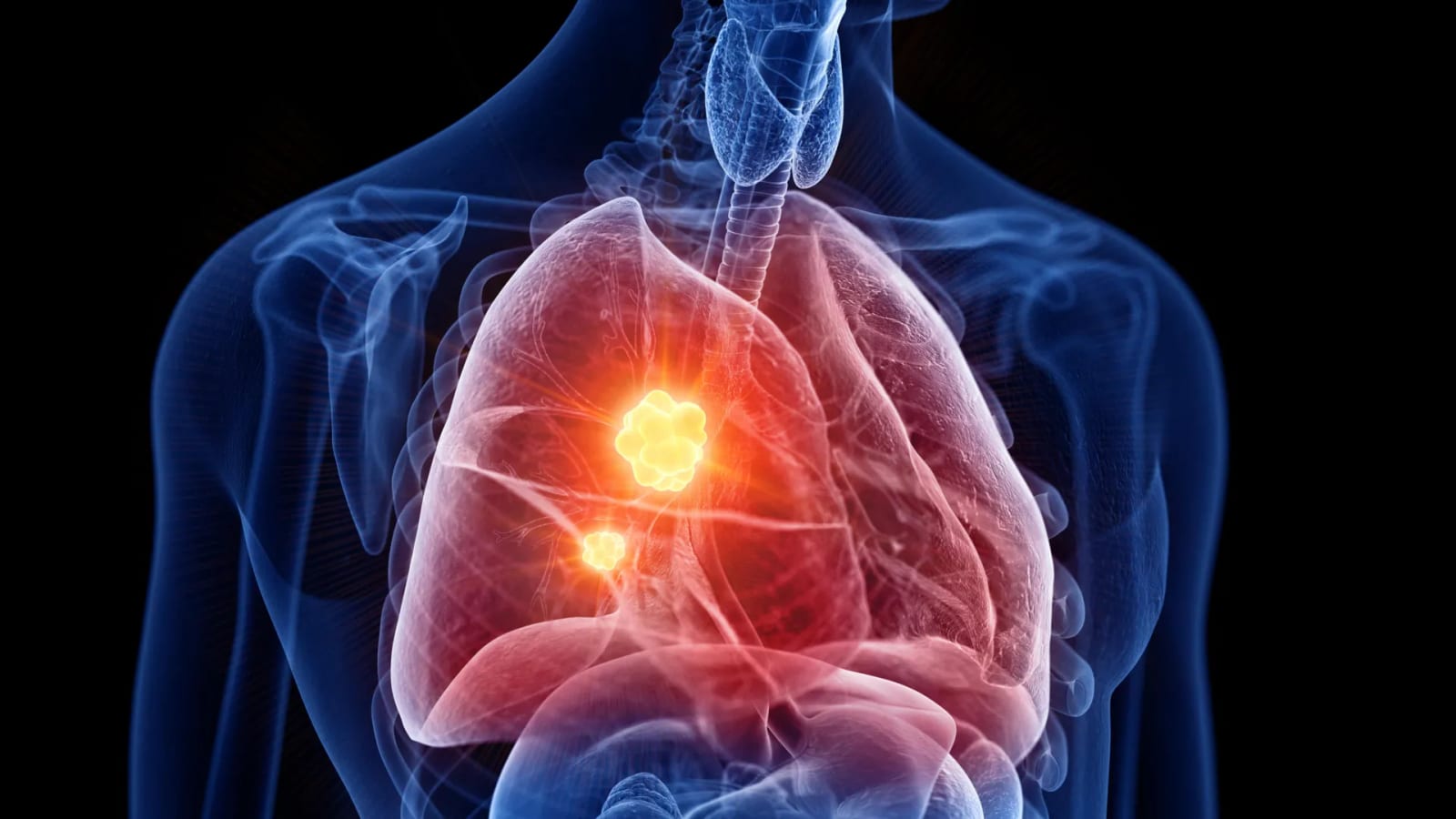
Scientists are testing a counterintuitive way to fight mesothelioma, an aggressive asbestos-linked cancer with few effective treatments. A new experimental mesothelioma drug kills cancer cells by disabling PRX3, an antioxidant defense that tumors use to survive intense oxidative stress. In an early clinical trial, it controlled disease progression in 67% of patients and produced encouraging survival results, raising hopes that the strategy could eventually be used against other cancers.
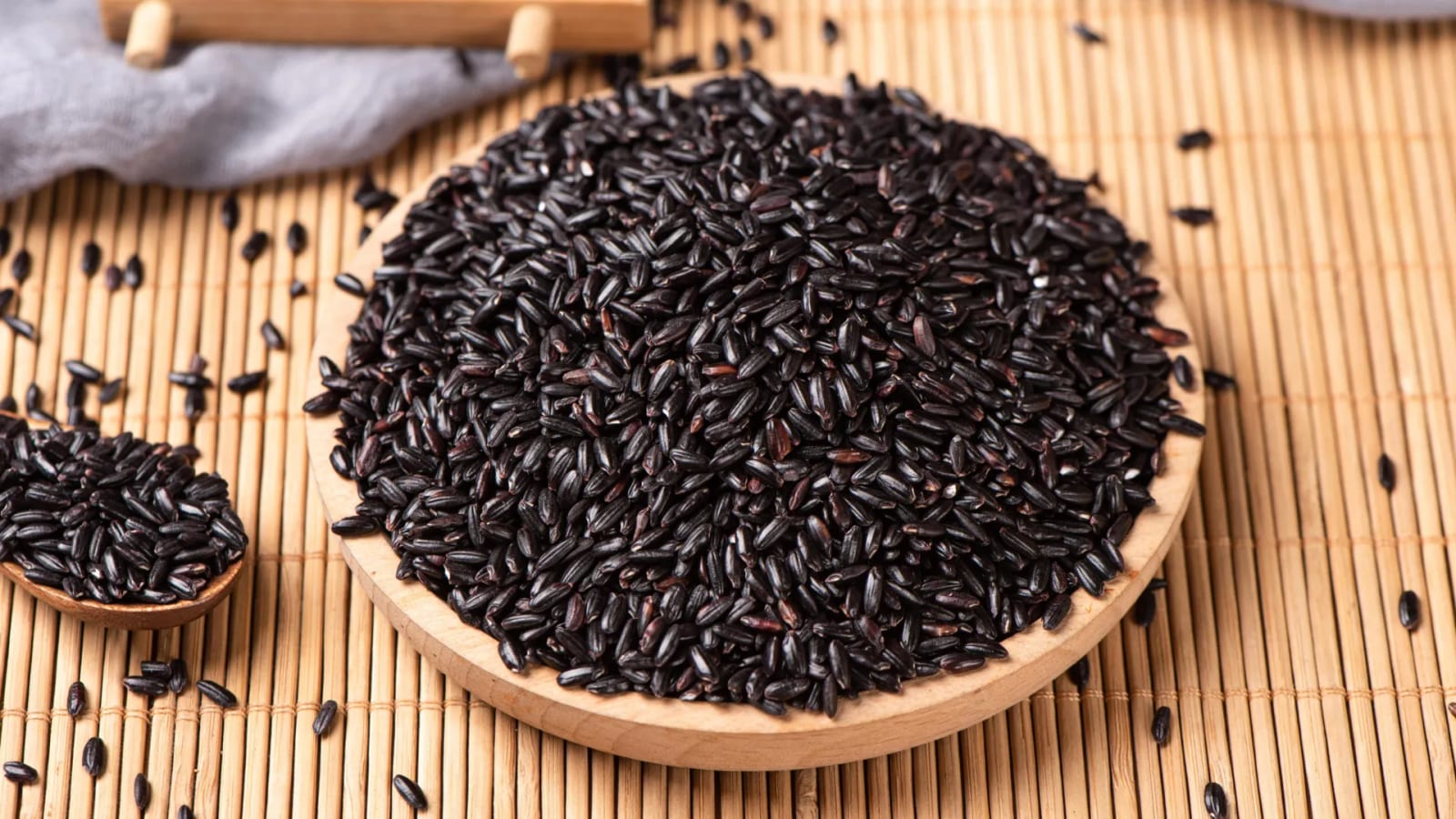
Scientists found that black and green Japanese rice contain unusual, potentially beneficial fats and may be digested more slowly than ordinary white rice. The combination could make these colorful varieties promising ingredients for foods designed to support blood sugar and metabolic health.
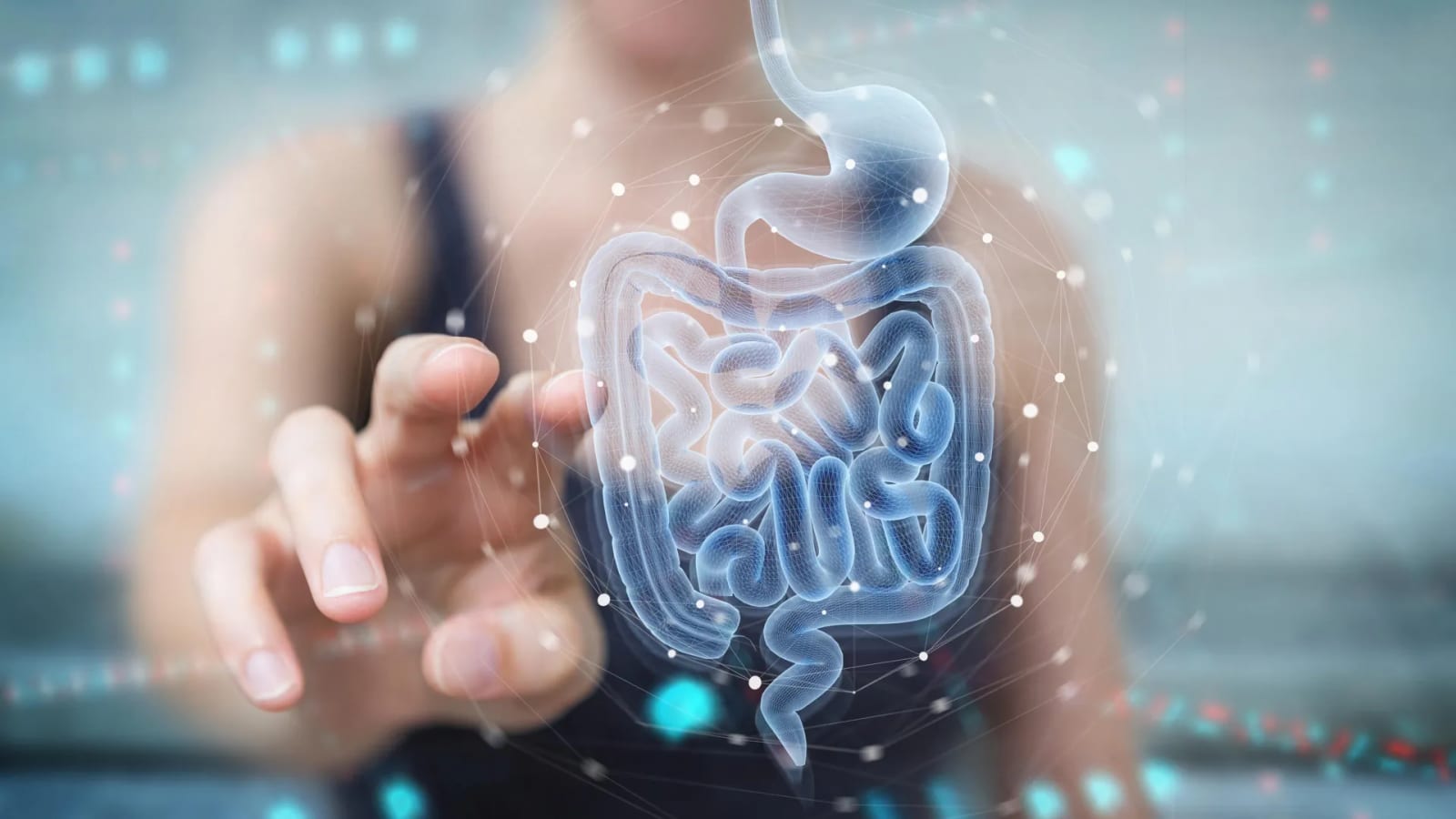
A natural compound produced by gut bacteria after digesting foods such as pomegranates, walnuts, and berries may help repair and protect the intestinal lining. The discovery reveals a surprising beneficial side of an inflammatory pathway and could inspire more targeted treatments for Crohn’s disease and ulcerative colitis.
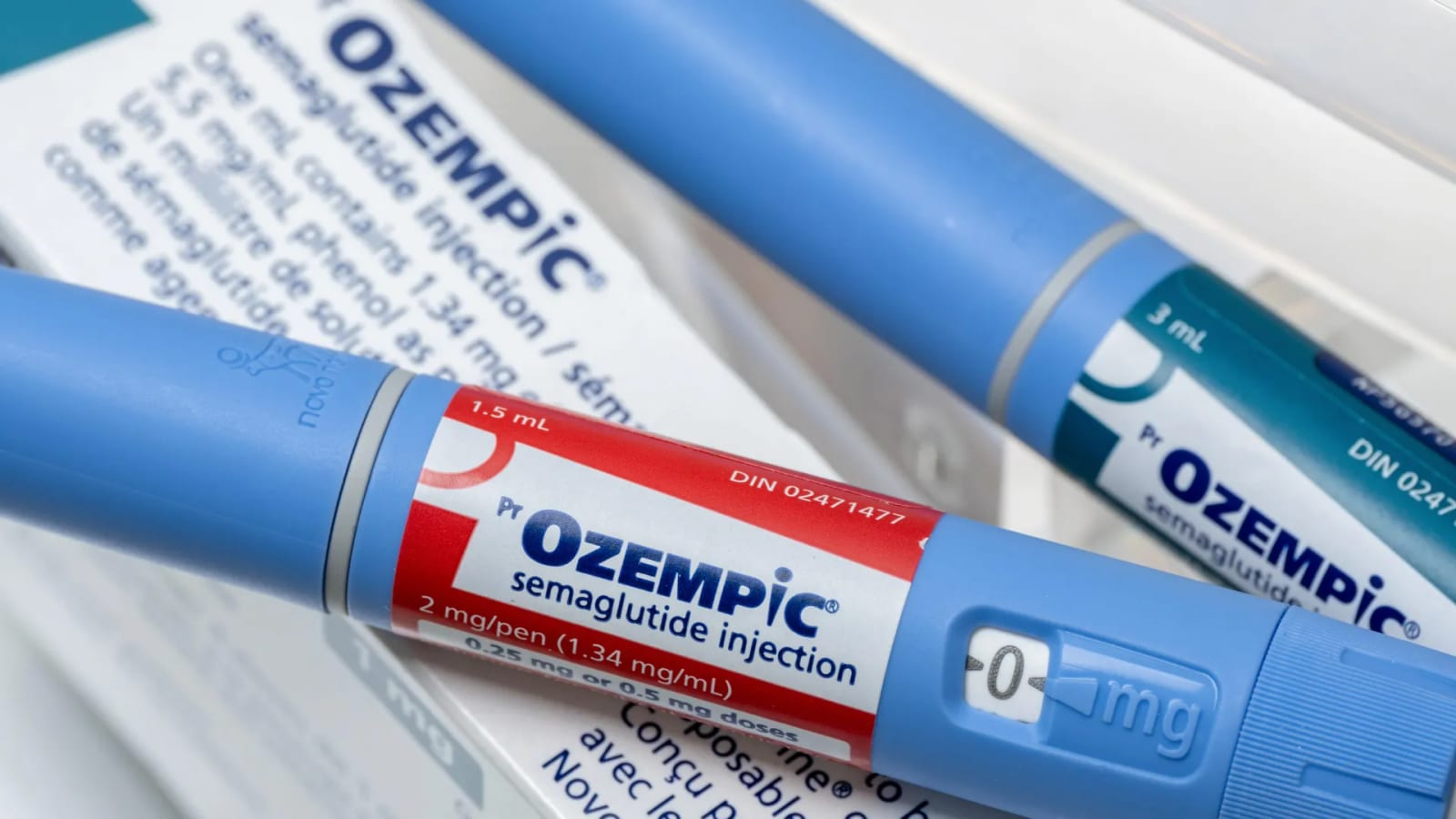
Ozempic and other GLP-1 medications can improve blood sugar, weight, and cardiovascular health, but researchers found little evidence that they also improve mental health, employment, marriage, or overall well-being. The findings suggest the drugs’ broader life effects may be subtler than their dramatic physical health benefits.