Advertisement
Advertisement

Topic

scientists

Science

Scientists find hidden materials that could improve batteries and solar fuels

Scientists have uncovered a hidden world of “in-between” materials that briefly form as chemical ingredients are heated, revealing structures that conventional methods can miss. Among the discoveries is a previously unknown form of bismuth vanadate, a material widely studied for using sunlight to help produce clean hydrogen. The new version has a different atomic structure and interacts with light in a strikingly different way, potentially opening new possibilities for solar fuels, catalysts, and electronics.
Science

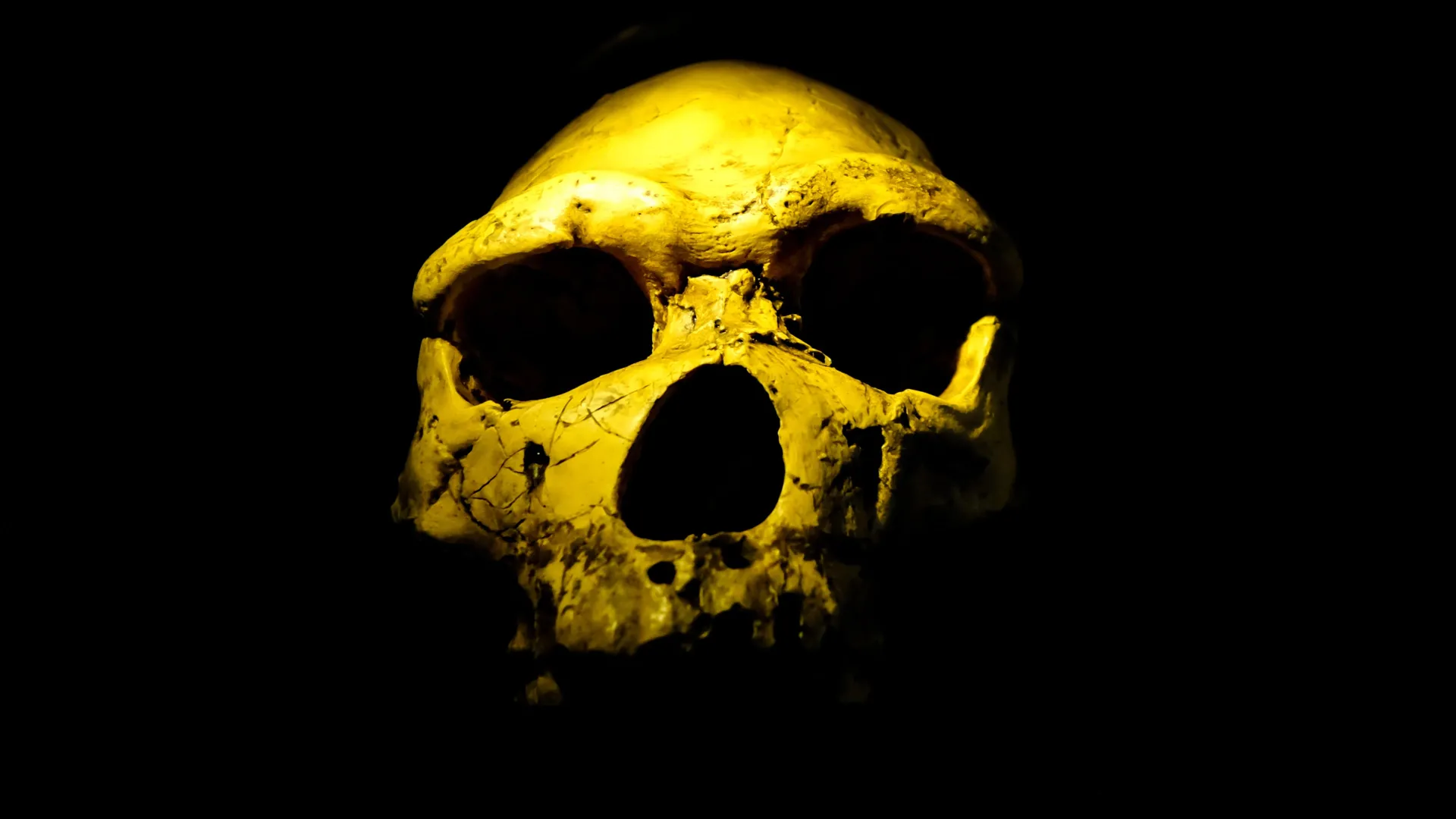
Scientists found Homo erectus 200,000 years earlier than expected

New fossils from South Africa are reshaping the story of early human evolution. Researchers have described 18 hominin fossils from Drimolen Cave, including an adult Homo erectus skull fragment dated to about 2 million years ago, supporting evidence that the species appeared in southern Africa roughly 200,000 years earlier than long thought. The finds also reveal that Paranthropus robustus, which lived alongside Homo erectus, was gradually evolving even larger teeth and stronger chewing muscles as the climate changed.

Science

Scientists accidentally discover a genetic code that breaks the rules of life

Scientists accidentally discovered a microscopic organism with a genetic code that breaks a rule researchers thought was nearly universal. While testing a new DNA sequencing technique, they examined a previously unknown protist collected from a freshwater pond at Oxford University. To their surprise, the organism uses two genetic signals that normally mark the end of a gene to encode two entirely different amino acids instead. These signals were previously thought to evolve together, making the discovery particularly remarkable.

Health

Stanford scientists turn a cancer driver into a kill switch

A Stanford-designed molecule turns a major lymphoma-promoting protein against cancer cells, activating their own self-destruct machinery instead of simply blocking tumor growth. In mice, the treatment completely eliminated aggressive human lymphoma tumors within 11 days, although much more testing is needed before it could reach patients.

Science

Scientists warn a popular vitamin D supplement may have a hidden downside

Not all vitamin D supplements are created equal, and new research suggests that one popular form may have an unexpected downside. Scientists found that taking vitamin D2 can actually lower the body's levels of vitamin D3, the form naturally produced by sunlight and more effective at boosting overall vitamin D. Previous studies also suggest that vitamin D3 may provide stronger immune protection against viruses and bacteria.

Science

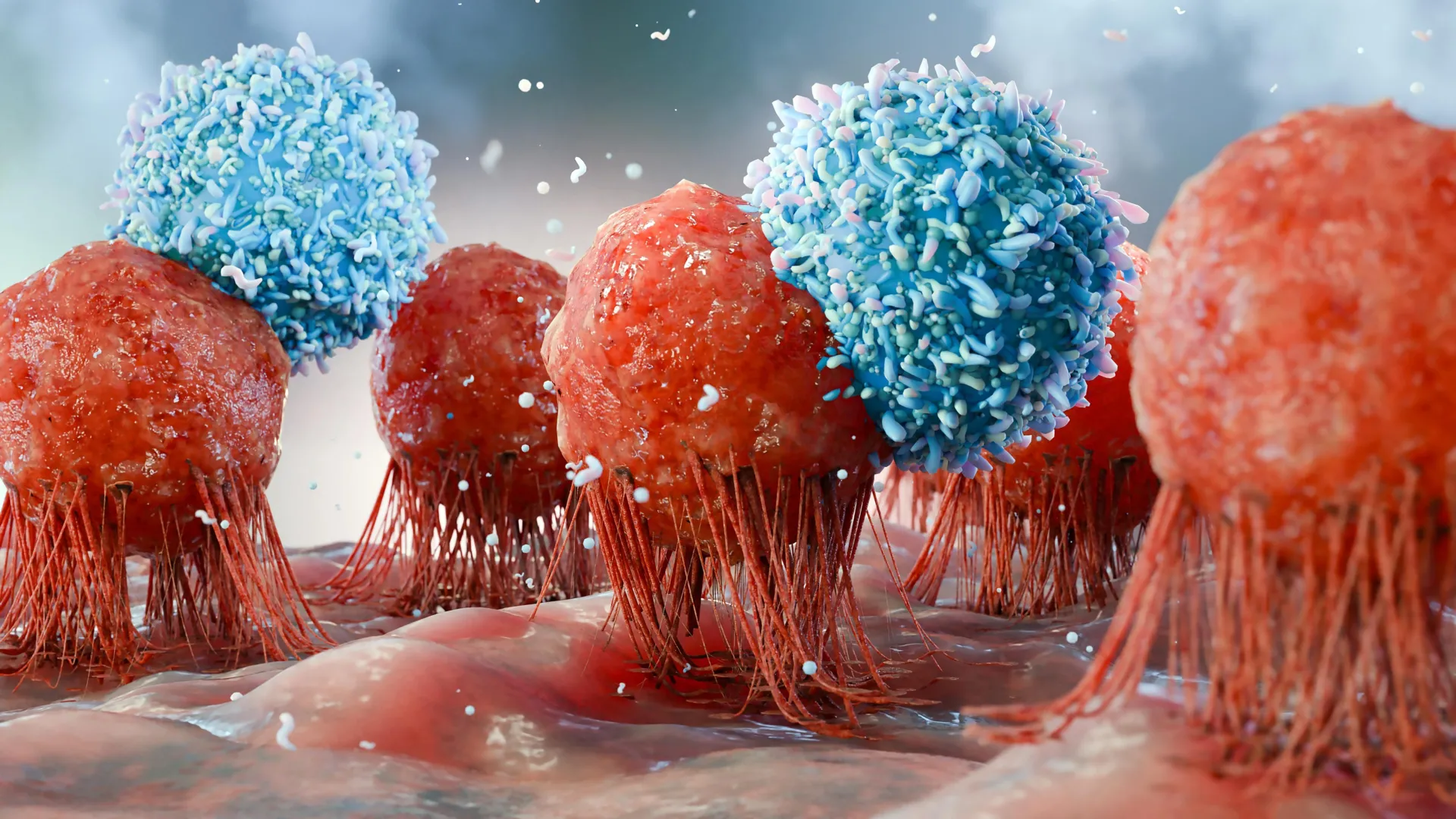
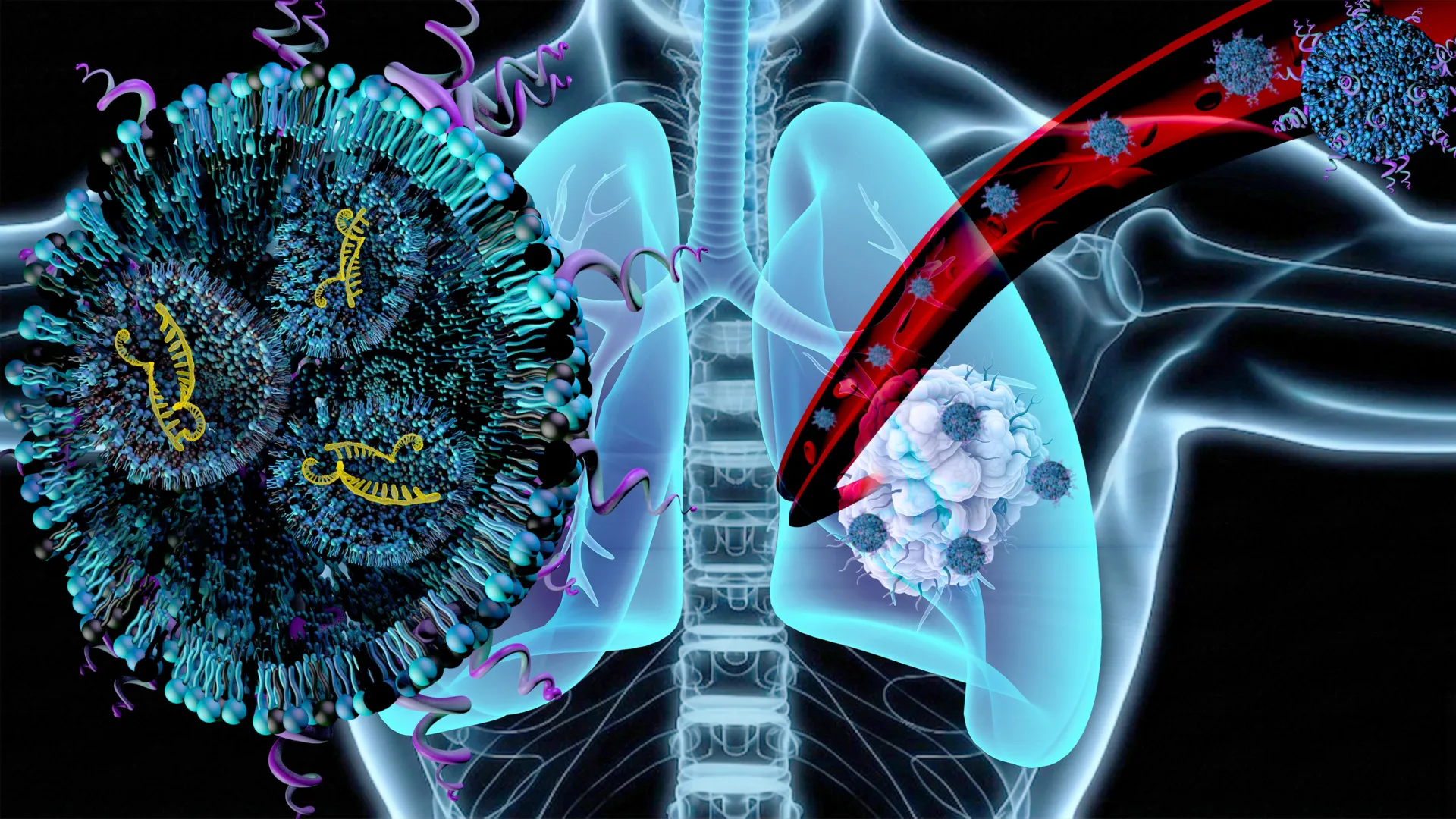
Scientists reprogram immune cells inside the body to fight cancer

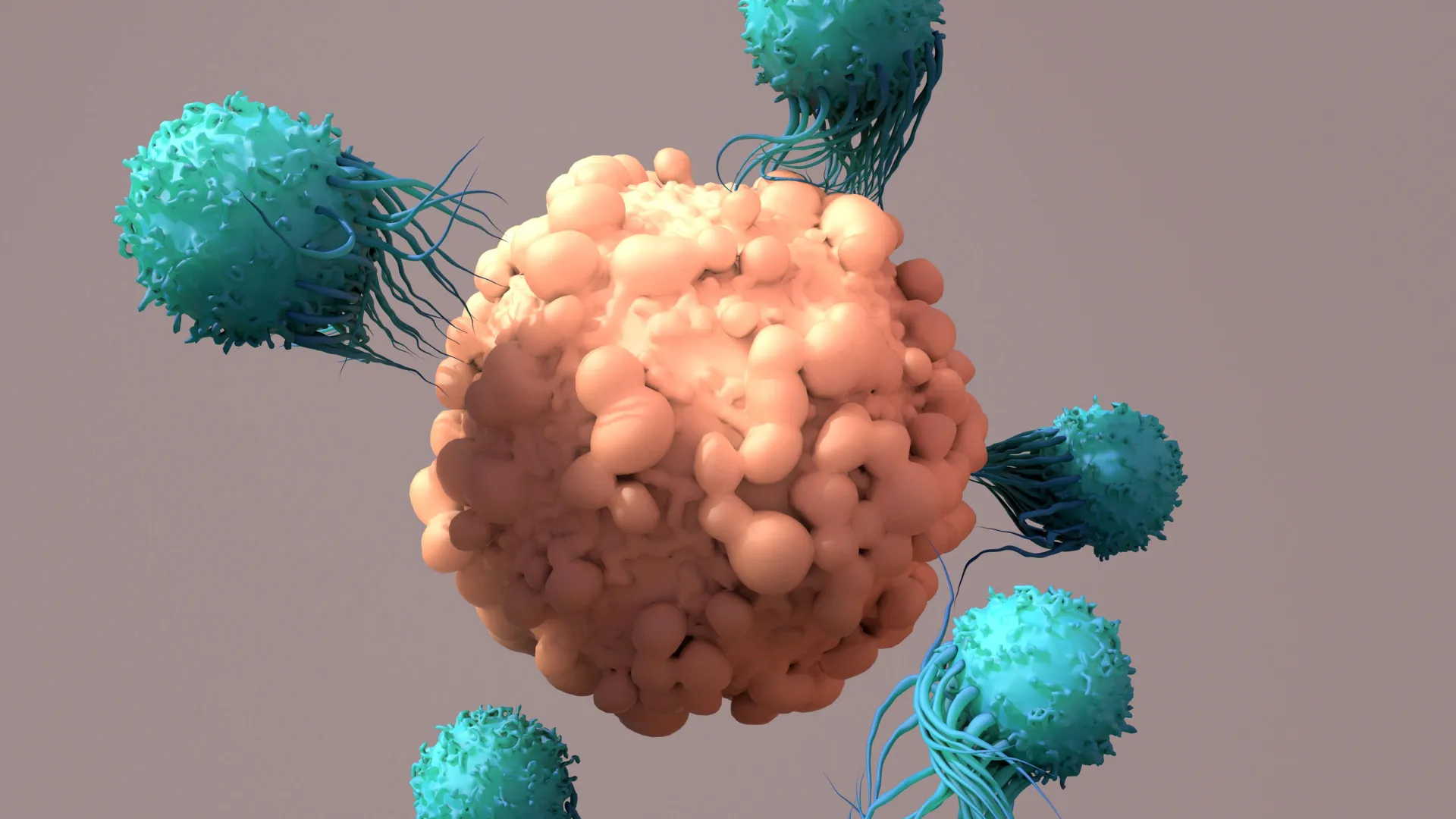
Scientists at UC San Francisco have developed a way to create cancer-fighting CAR-T cells directly inside the body, potentially avoiding the slow and extremely expensive process of removing, engineering, and reinfusing a patient’s immune cells. Using a two-particle delivery system, the researchers sent CRISPR gene-editing tools and new cancer-targeting DNA specifically into T cells, where the DNA was inserted at a precise location in the genome.

Science

Scientists changed how zoo lions eat. Their wild side came out

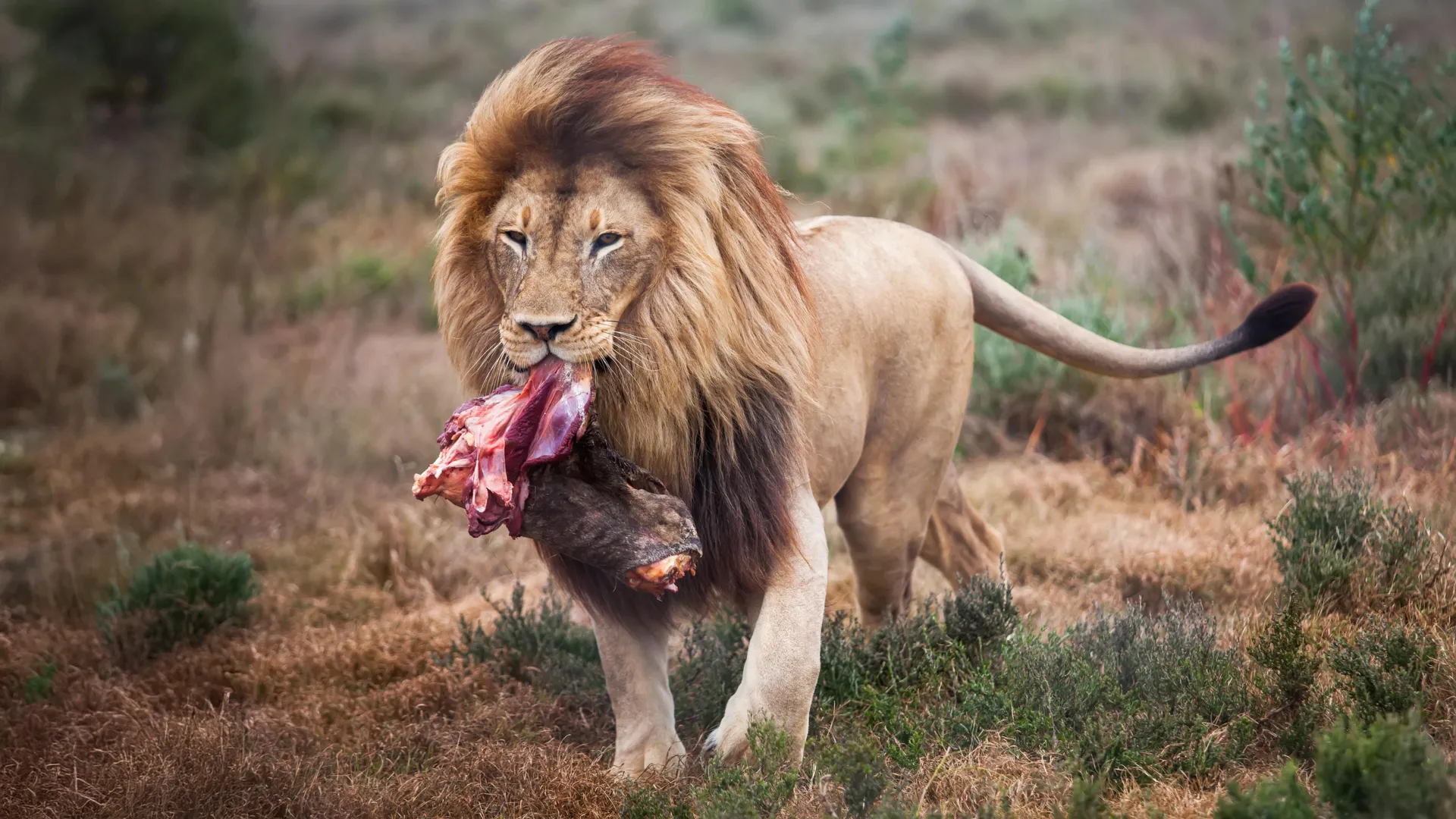
Giving zoo lions whole carcasses on a feast-and-fast schedule appears to bring out more natural behavior. The lions spent nearly three times longer feeding, engaged in more tearing and manipulating of food, and rested more heavily after meals. Their activity then increased gradually during the fasting period, closely resembling the rhythm seen in wild lions.

Advertisement
Health

A new way to fight gum disease without wiping out good bacteria

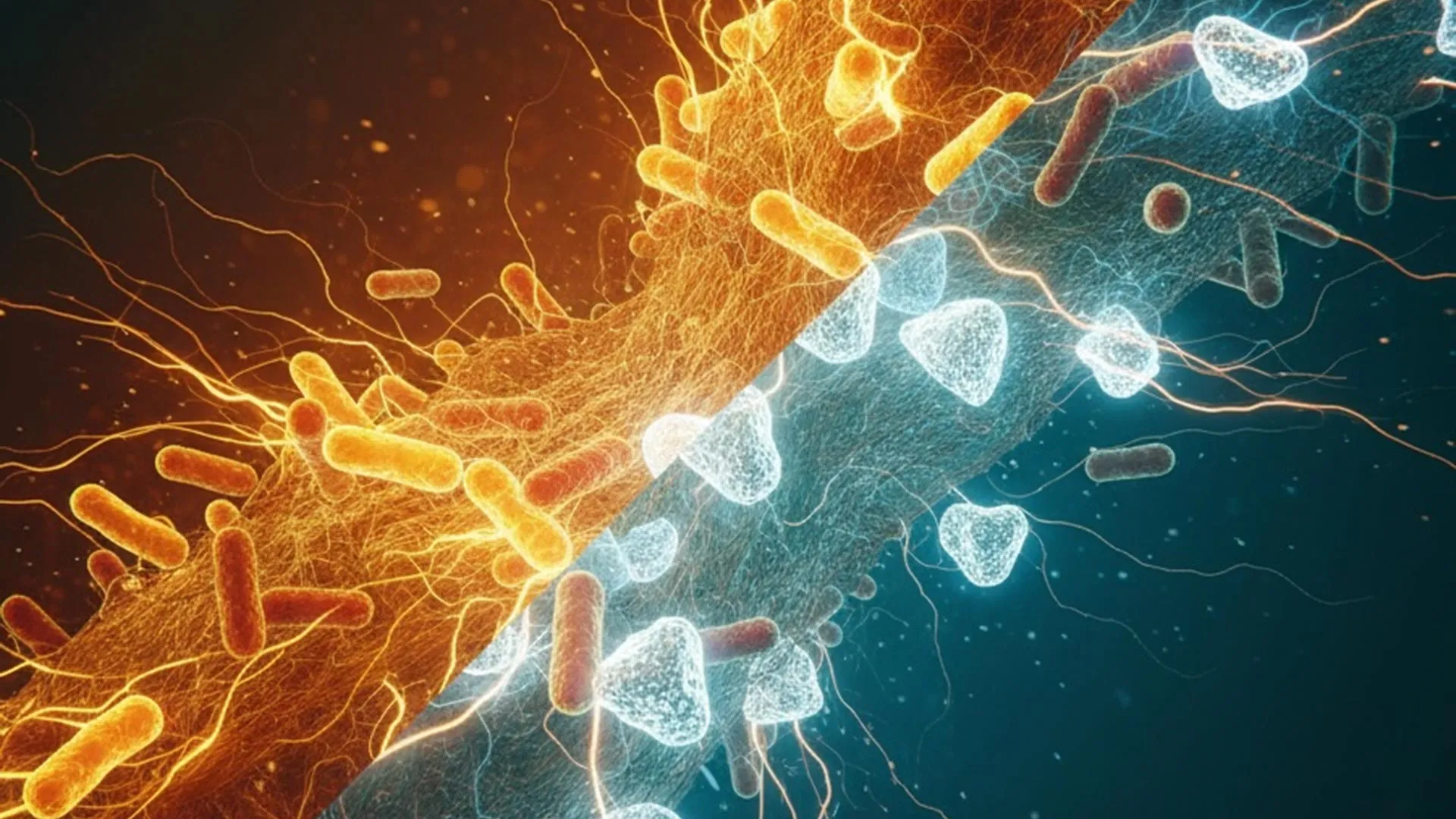
Scientists discovered that disrupting the chemical messages bacteria use to communicate can push dental plaque toward a healthier microbial balance. The approach could lead to new treatments for gum disease that control harmful bacteria without destroying beneficial species.

Science

MIT scientists find a hidden cancer risk of the keto diet

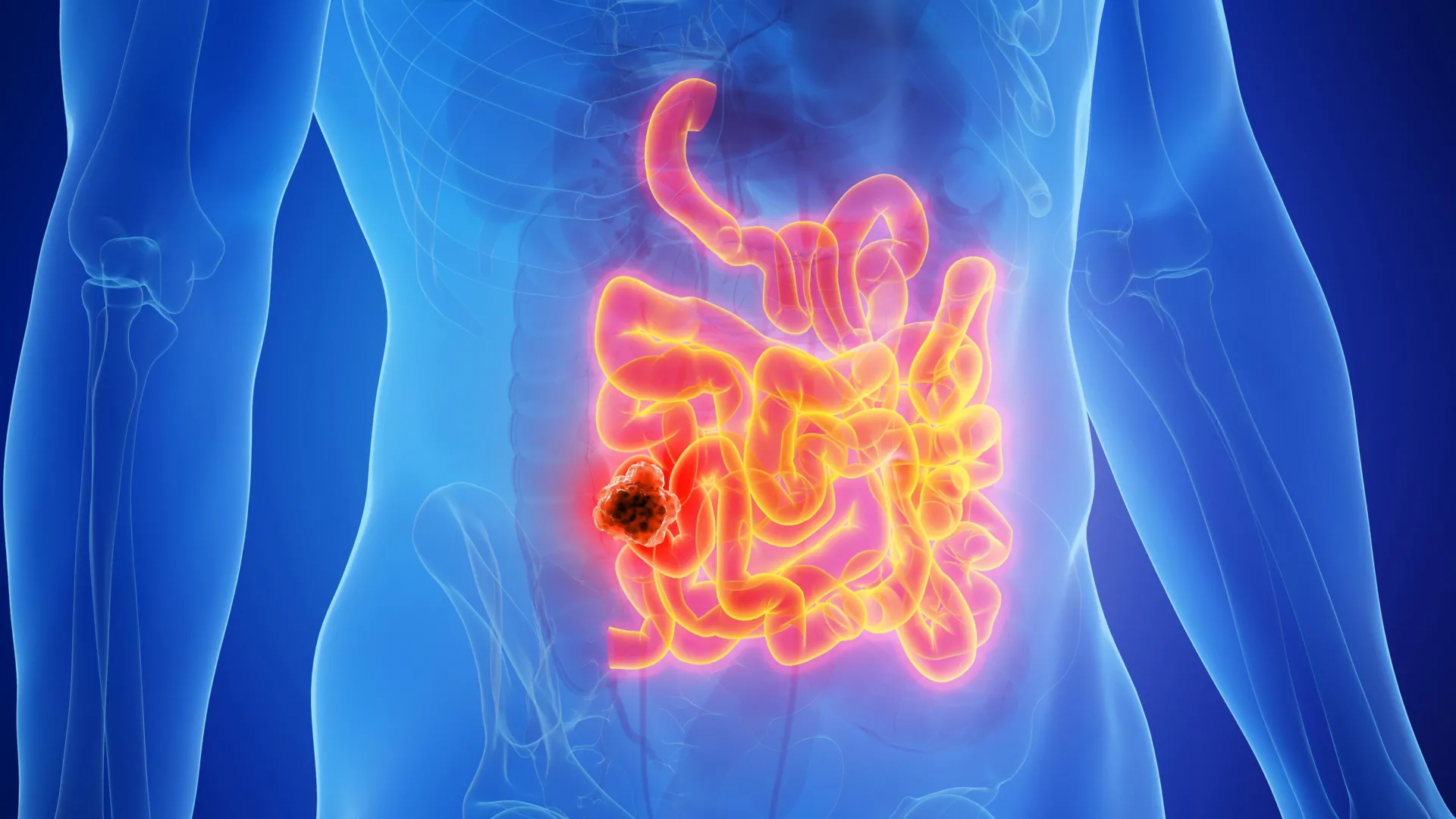
A ketogenic diet increased small-intestinal tumors in cancer-prone mice while reducing tumors in the colon, revealing a strikingly different response within neighboring parts of the gut. Researchers traced the increased risk not to ketones, but to the way intestinal stem cells processed the diet’s high levels of fat. That fat-burning activity pushed the cells to multiply more rapidly, potentially raising the chance of cancerous changes.

Science

Scientists finally see how nature moves energy so efficiently

Researchers have captured key steps in a chemical reaction that helps nature transfer energy with remarkable efficiency. Ultrafast X-rays revealed how changes involving electrons and protons are closely linked to the rearrangement of surrounding water molecules. Because similar reactions drive photosynthesis and other energy-conversion processes, the technique could help scientists develop better catalysts, fuel cells, and flow batteries.

Health

Scientists say this simple habit could strengthen your marriage

Couples who exercise together report better communication, healthier conflict resolution, and lower marital stress than those who work out alone. Even something as simple as taking a walk together may create valuable opportunities to talk, listen, and feel more connected.

Science

Goodbye joint replacements? Stanford scientists found a way to regrow cartilage and stop arthritis

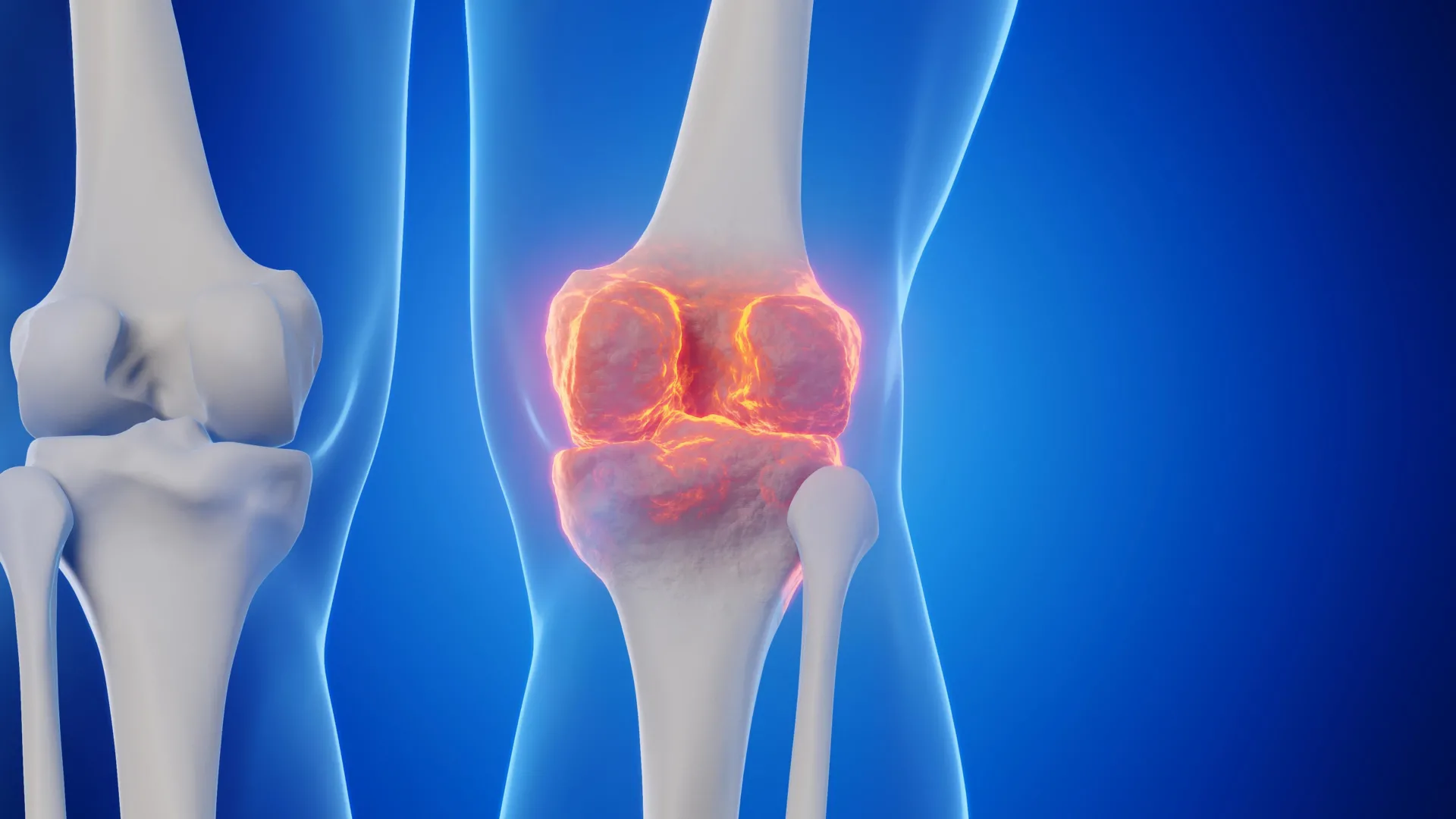
Scientists have found a surprising way to regrow damaged knee cartilage by blocking a protein that becomes more abundant with age. In old mice, the treatment restored naturally lost cartilage and also helped prevent osteoarthritis after ACL-like knee injuries, while human cartilage taken from knee replacement patients began producing new, functional joint cartilage after exposure to the same inhibitor.

Science

Cancer-fighting t cells burn out. Scientists may have found a fix

Cancer immunotherapy can lose its punch when tumor-fighting T cells become exhausted, but researchers may have found a way to keep them going longer. Scientists at Memorial Sloan Kettering Cancer Center identified a signaling molecule called MEK that can push T cells to burn through their energy while producing cancer-killing proteins. In animal and laboratory studies, blocking MEK helped the cells conserve energy, survive longer, and remain active even in the harsh environment around tumors.

Advertisement
Science

Scientists discover a human brain gene that can jump through DNA

Scientists have discovered a human gene with a remarkable double life: it appears to play an important role in brain cells while still retaining the ability to jump around the genome. Called BC200, the gene evolved millions of years ago from a mobile piece of DNA known as a transposon, but unlike most genes that arose this way, it never lost its mobility. Researchers even found BC200 embedded inside a human poxvirus, suggesting it may have jumped from infected skin cells into the virus.

Science

A new kind of magnetism could unlock faster, more efficient computers

Scientists have discovered evidence of altermagnetism in a thin, highly tunable material that could help electronics use electron spin instead of relying only on electrical charge. The unusual magnetic state may enable faster, more energy-efficient devices without the unwanted magnetic interference caused by conventional magnets.

Health

Scientists reveal what seven days of fasting does to the human body

Scientists found that prolonged fasting triggers major changes throughout the body, but many of the most interesting effects only appeared after about three days without food. The results suggest fasting may influence health in ways that go beyond weight loss and could eventually inspire treatments that mimic its effects.