Advertisement
Advertisement

Topic

scientists

Science

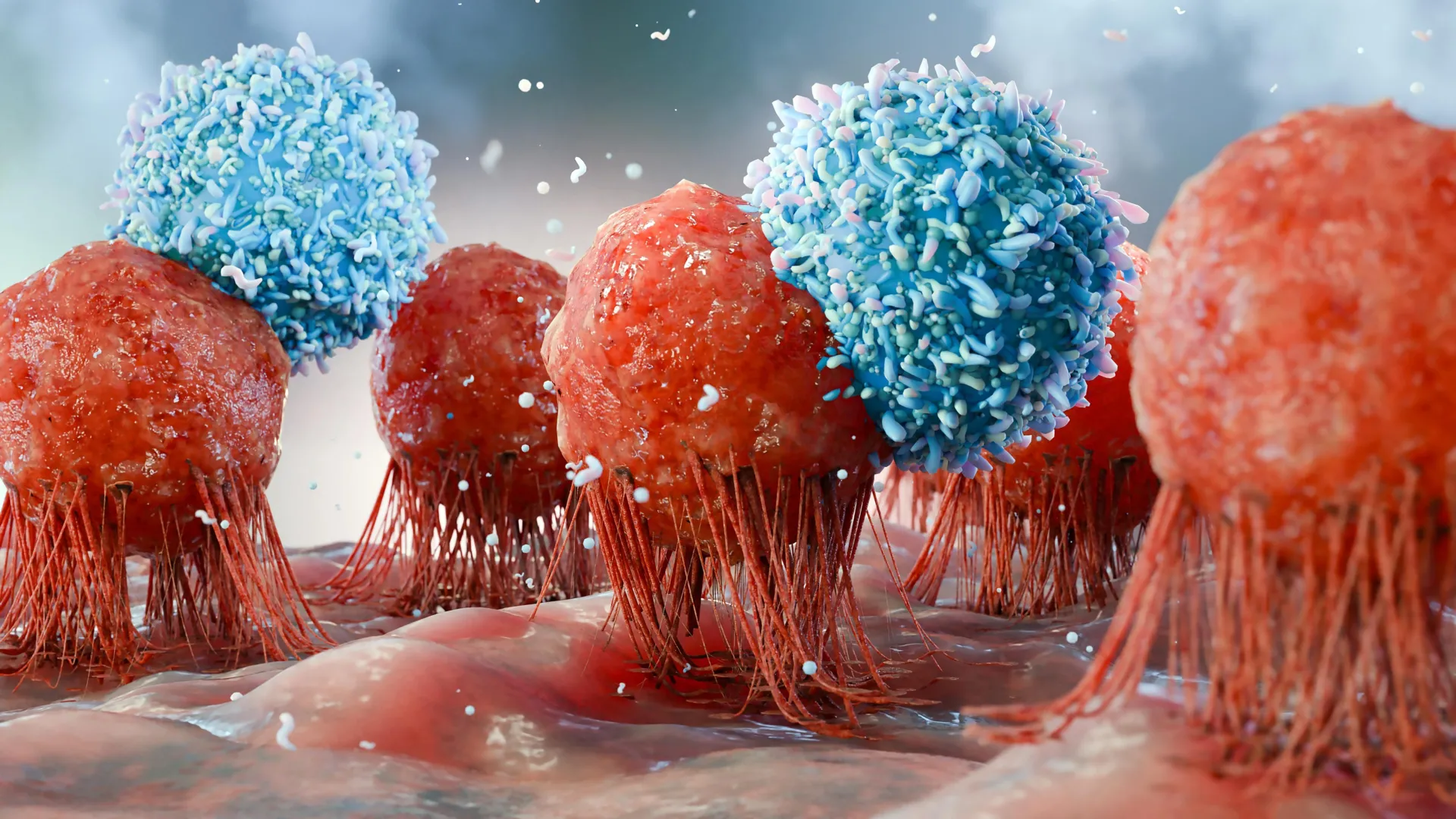
Cancer-fighting t cells burn out. Scientists may have found a fix

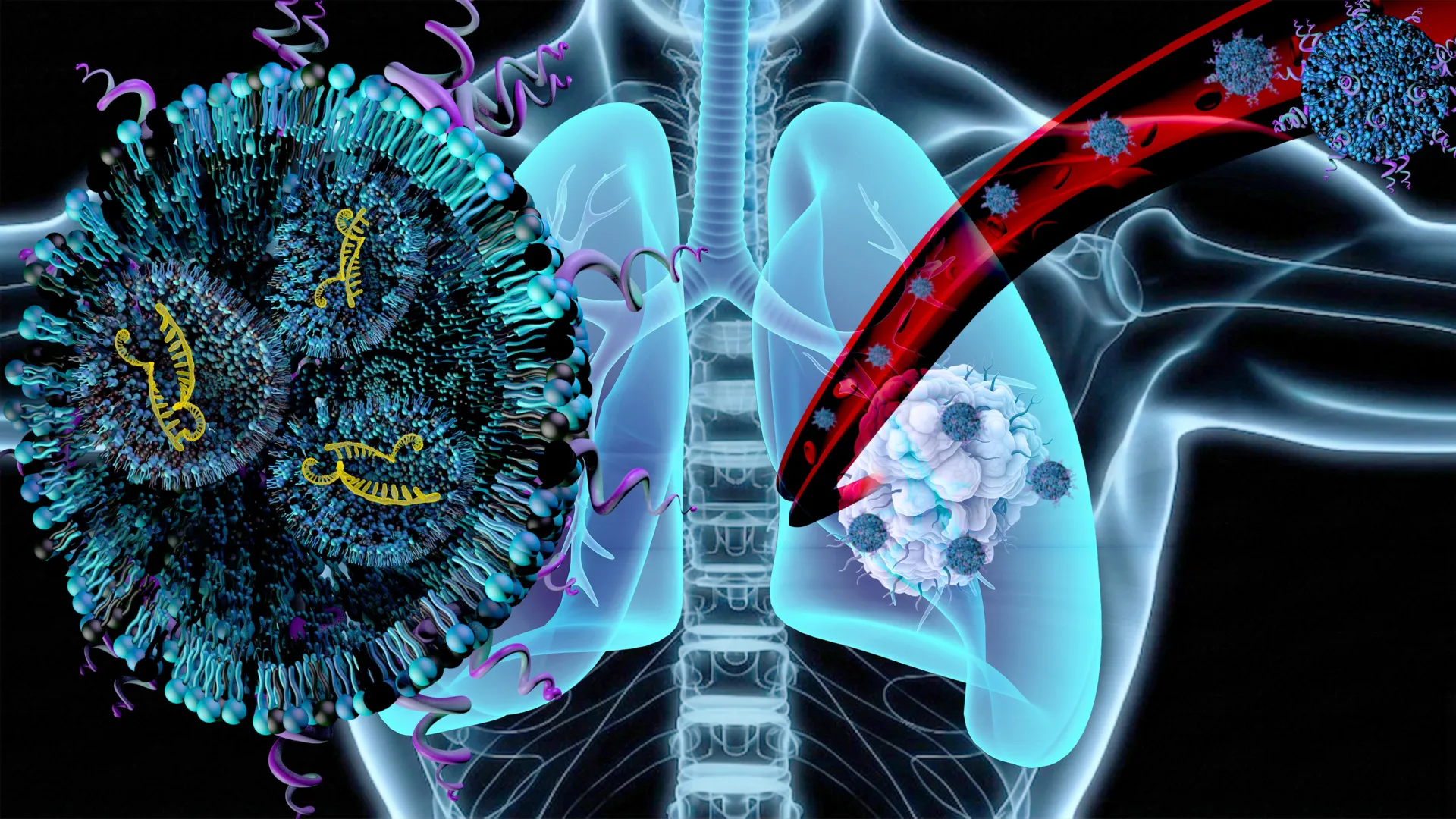
Cancer immunotherapy can lose its punch when tumor-fighting T cells become exhausted, but researchers may have found a way to keep them going longer. Scientists at Memorial Sloan Kettering Cancer Center identified a signaling molecule called MEK that can push T cells to burn through their energy while producing cancer-killing proteins. In animal and laboratory studies, blocking MEK helped the cells conserve energy, survive longer, and remain active even in the harsh environment around tumors.
Science

Scientists discover a human brain gene that can jump through DNA

Scientists have discovered a human gene with a remarkable double life: it appears to play an important role in brain cells while still retaining the ability to jump around the genome. Called BC200, the gene evolved millions of years ago from a mobile piece of DNA known as a transposon, but unlike most genes that arose this way, it never lost its mobility. Researchers even found BC200 embedded inside a human poxvirus, suggesting it may have jumped from infected skin cells into the virus.

Science

A new kind of magnetism could unlock faster, more efficient computers

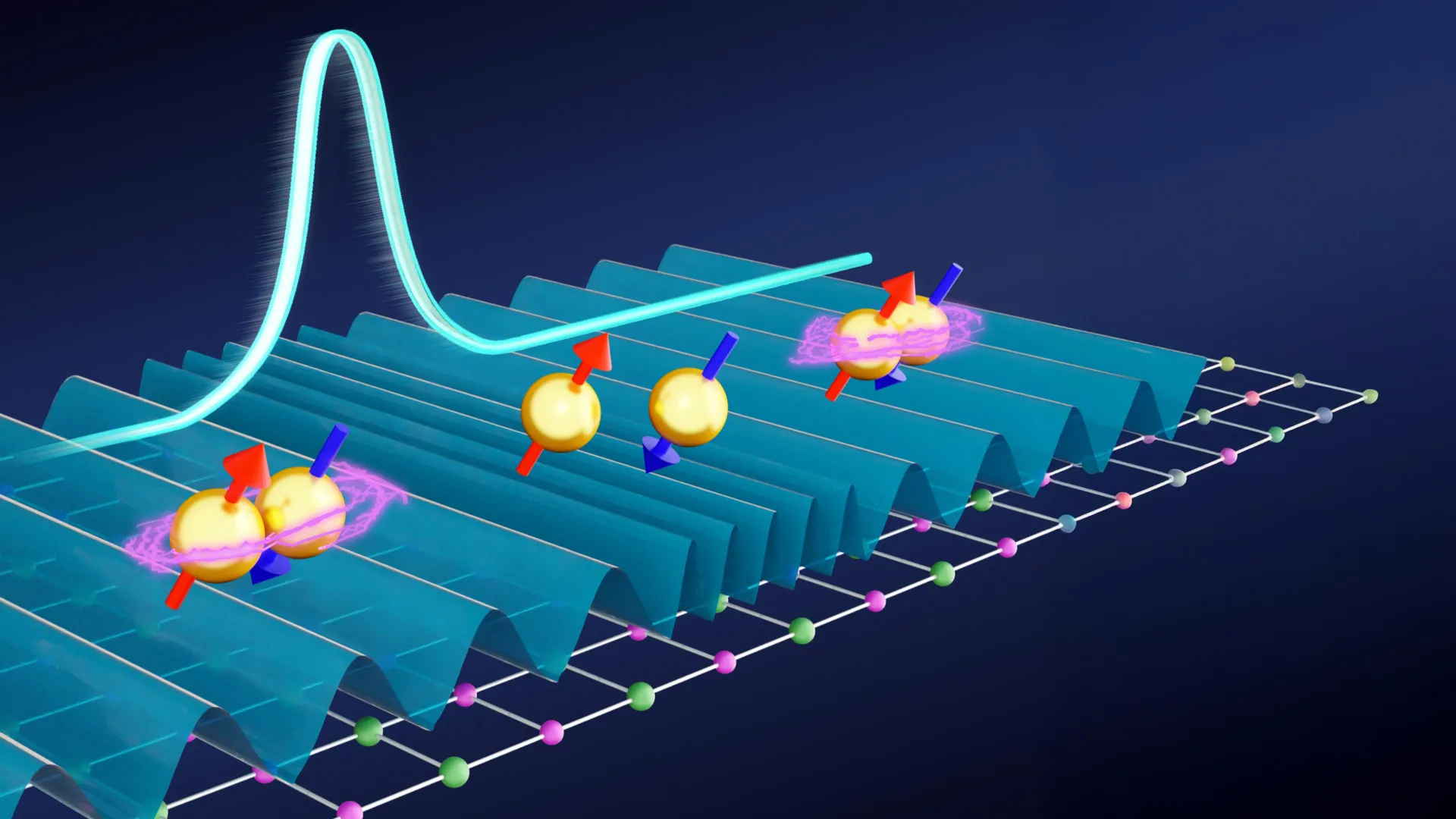
Scientists have discovered evidence of altermagnetism in a thin, highly tunable material that could help electronics use electron spin instead of relying only on electrical charge. The unusual magnetic state may enable faster, more energy-efficient devices without the unwanted magnetic interference caused by conventional magnets.

Health

Scientists reveal what seven days of fasting does to the human body

Scientists found that prolonged fasting triggers major changes throughout the body, but many of the most interesting effects only appeared after about three days without food. The results suggest fasting may influence health in ways that go beyond weight loss and could eventually inspire treatments that mimic its effects.

Science

The “glue” holding your cells together has a surprising second job

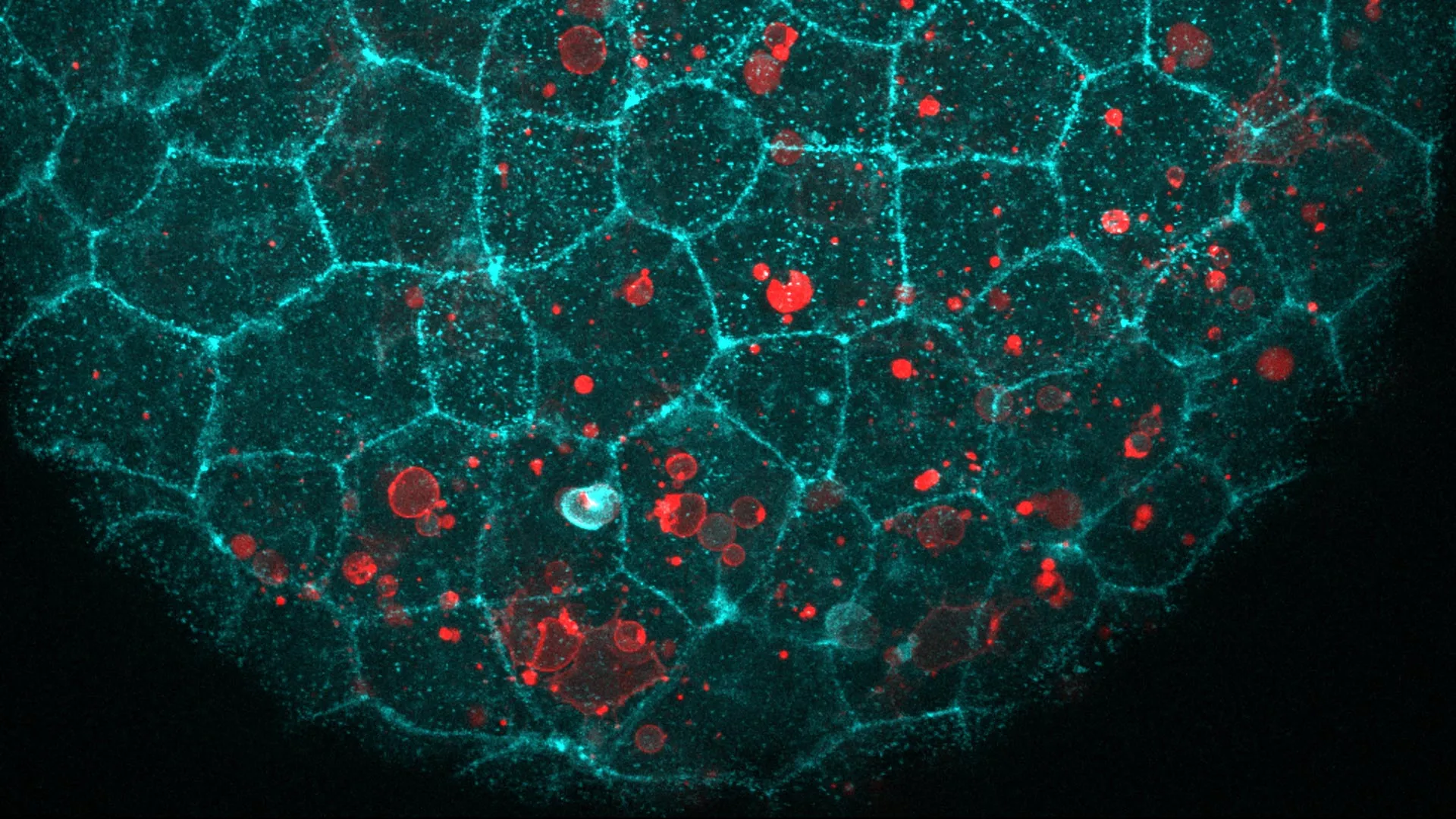
Scientists have discovered that E-cadherin, a protein best known as the “glue” holding cells and tissues together, has a surprising second job: helping epithelial cells swallow nearby dead cells. Using live zebrafish and mouse embryos, researchers found that cells can dramatically reshape their lower surfaces to engulf cellular debris while keeping their upper surfaces stable, allowing protective barriers to remain sealed.

Advertisement
Science

Scientists just found a new way to make hydrogen from water

A new light-activated material can efficiently produce hydrogen from water without requiring an additional expensive metal catalyst. Researchers say its unusual sulfur-based chemistry could point toward cheaper and more practical ways to turn sunlight into clean fuel.

Science

Scientists find a surprising clue to why the universe’s expansion doesn’t add up

Tiny magnetic fields created shortly after the Big Bang may help explain the long-running disagreement over how fast the universe is expanding. Detailed simulations show that these primordial fields could have changed the formation of hydrogen in the early universe, affecting the cosmic microwave background and the expansion rate inferred from it.

Science

Scientists may have found a “unifying theory” of chronic fatigue

Scientists found that five seemingly unrelated conditions, including long Covid, ME/CFS, and PTSD, may disrupt many of the same biological networks involved in immunity, metabolism, and cellular energy. The findings could help explain their shared symptoms and may open the door to new blood tests and treatments.

Science

One tiny chemical difference between RNA and DNA may help explain how life began

Scientists may have found a clue to one of the biggest mysteries surrounding the origin of life: how fragile RNA molecules could gather and survive before cells existed. New research shows that RNA is unusually good at assembling into tiny liquid-like droplets that concentrate molecules and can harden into protective, gel-like structures. Remarkably, much of this behavior may come down to a single oxygen-containing chemical group that RNA has but DNA lacks.

Science

Electrons slow to a crawl in a strange new quantum state

Scientists at the University of Chicago have uncovered a surprising quantum state in the layered magnetic material Fe5GeTe2, where huge numbers of electrons move together unusually slowly while remaining quantum coherent. The behavior contradicts existing theoretical predictions about how the material’s magnetism should work and suggests scientists may need to rethink its underlying physics.

Science

Scientists just pushed superconductors beyond their usual current limit

Ultrashort electrical pulses allowed scientists to push superconductors closer than ever to the point where their electron pairs actually break apart. The method revealed hidden differences between superconducting materials and could open new ways to probe and control their quantum behavior.

Science

Scientists just made a superconductor stronger using “empty space”

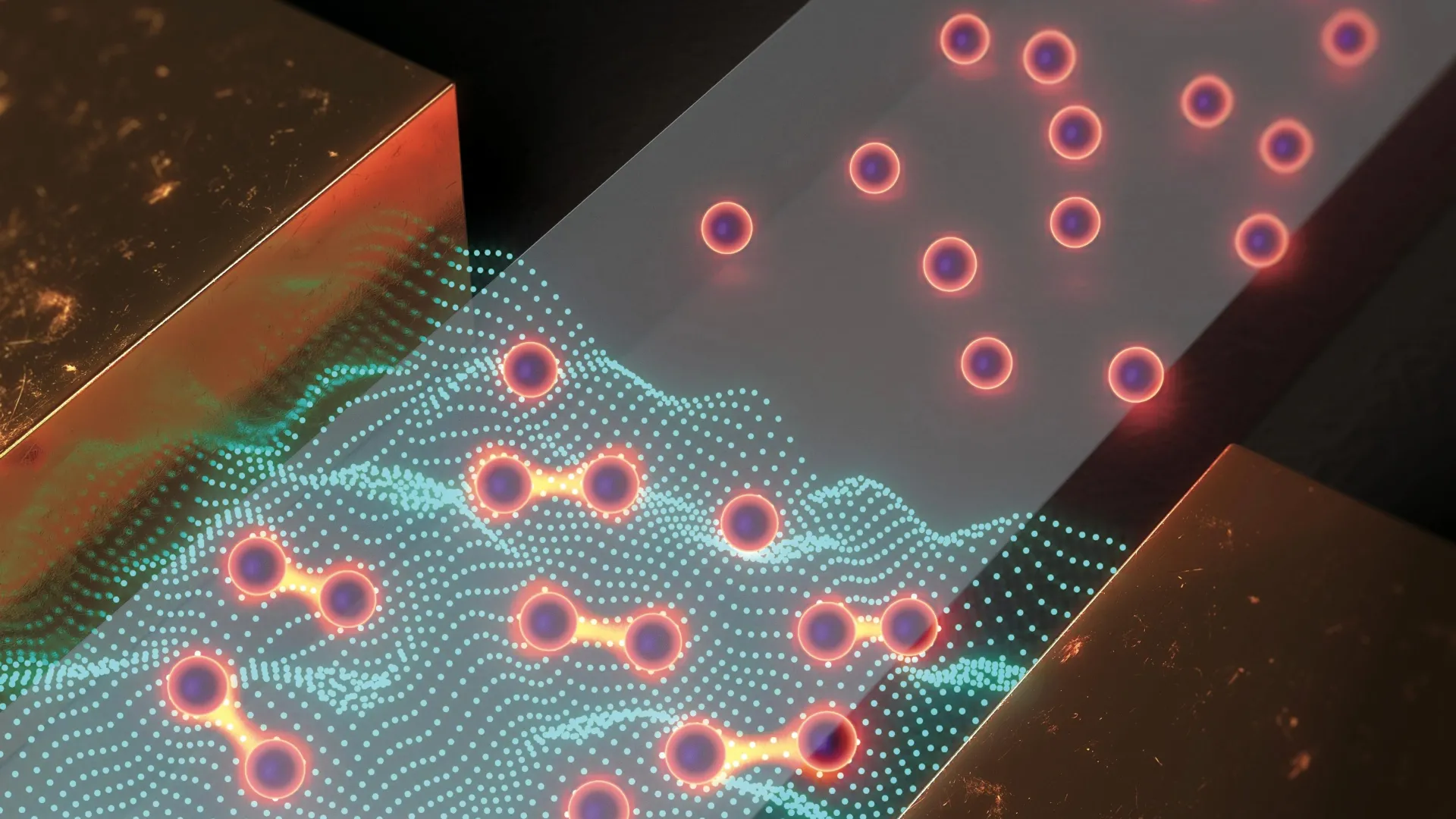
Researchers have demonstrated that quantum fluctuations in supposedly empty space can strengthen superconductivity, raising the transition temperature of an ultrathin material by as much as 5.4%. The discovery opens the possibility of using specially engineered vacuum environments to control quantum materials without direct contact or external driving.

Advertisement
Science

Scientists find an “earthquake gate” as California fault stress hits a 1,000-year high

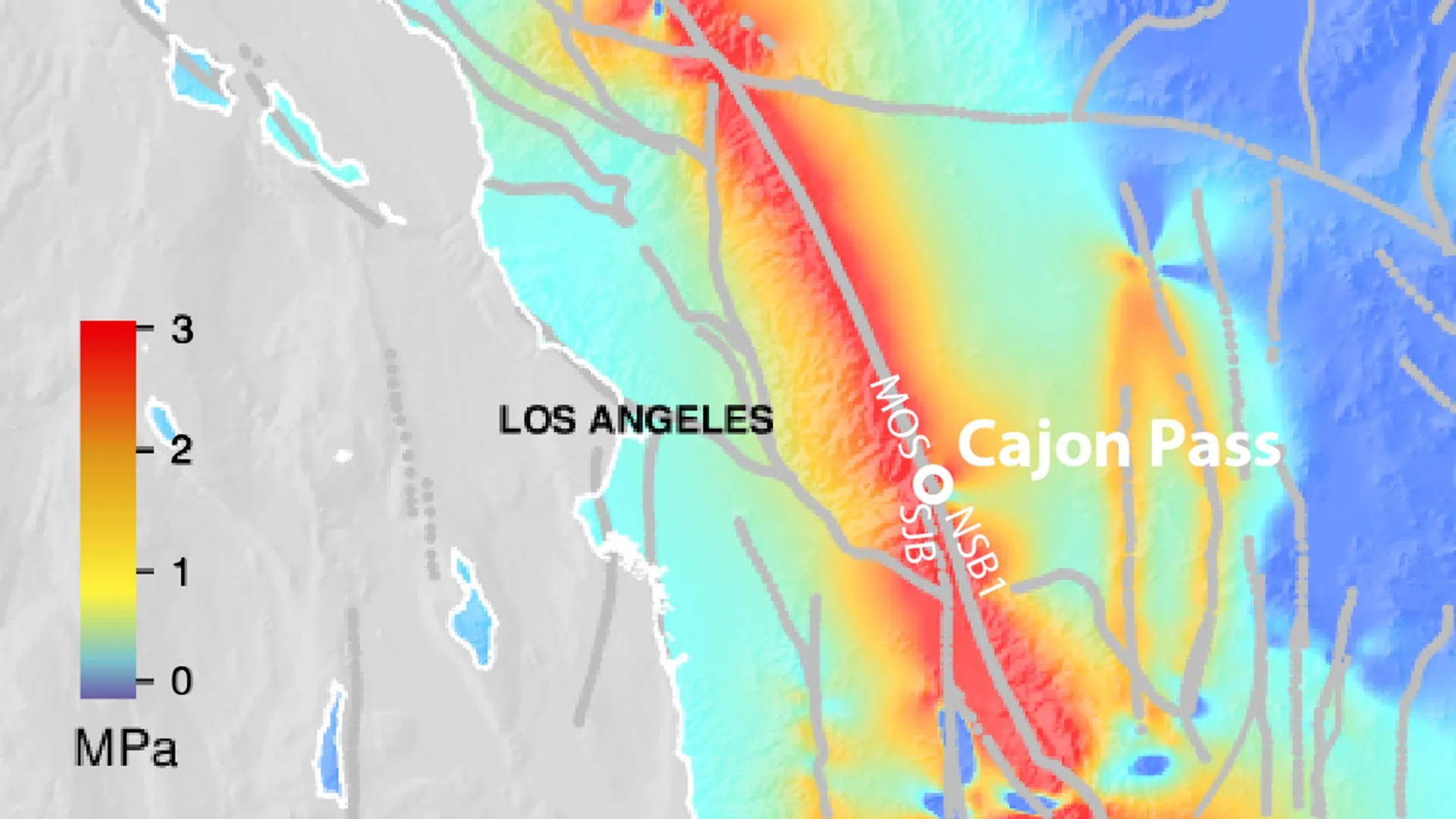
Researchers say stress on Southern California’s San Andreas and San Jacinto faults has reached some of the highest levels seen in a 1,000-year simulation. Because both faults are highly stressed at the same time, the Cajon Pass junction may be increasingly primed for a rupture that could cross both systems, although the study does not predict when an earthquake will happen.

Science

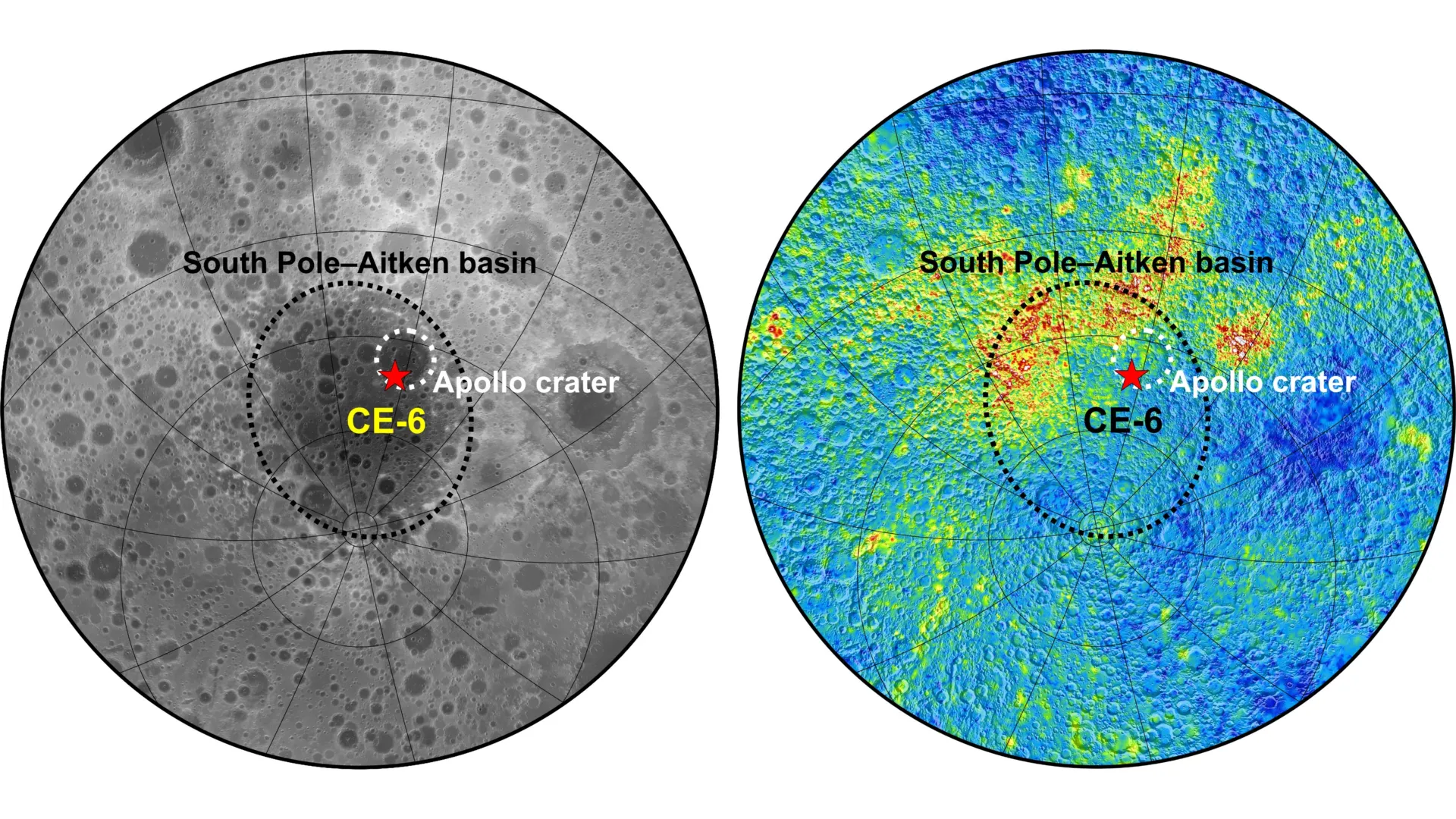
Chang’e-6 lunar soil contains a surprising magnetic time capsule

Scientists studying Chang’e-6 lunar soil have discovered a previously unknown magnetic mineral in natural Moon samples: a form of metallic iron called γ-Fe. Found inside tiny impact-glass particles, the nanoscale iron can preserve a stable magnetic signal, potentially acting like a microscopic fossil of the Moon’s long-lost magnetic field.

Health

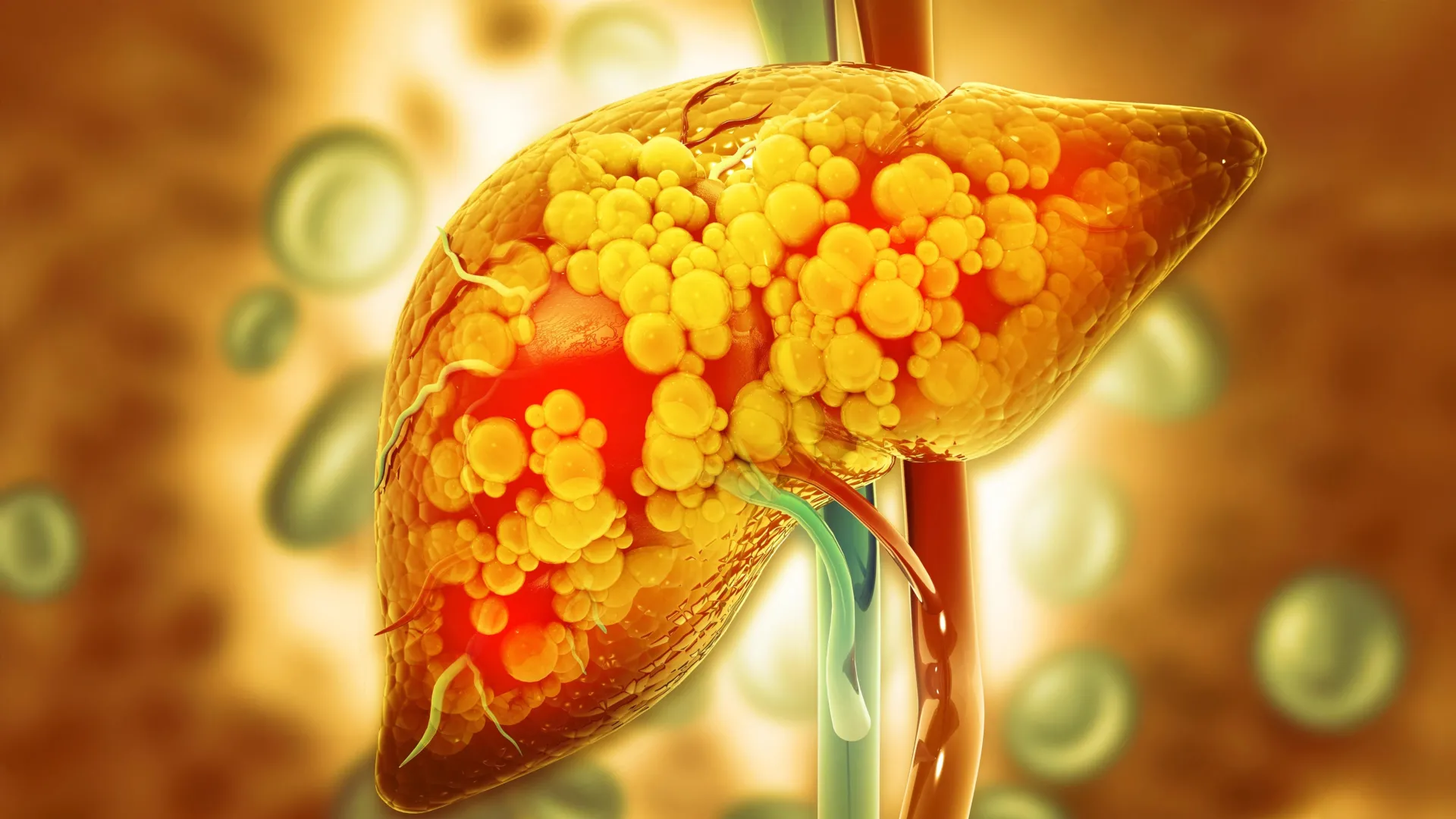
This protective enzyme could help stop fatty liver disease from getting worse

Scientists have identified an enzyme that may act as a natural defense against the worsening of fatty liver disease, which affects an estimated 100 million Americans. The enzyme, called UBE2N, helps liver cells clear away damaged mitochondria and break down fat, potentially preventing the inflammation, scarring, and cell damage associated with the more dangerous condition MASH.

Science

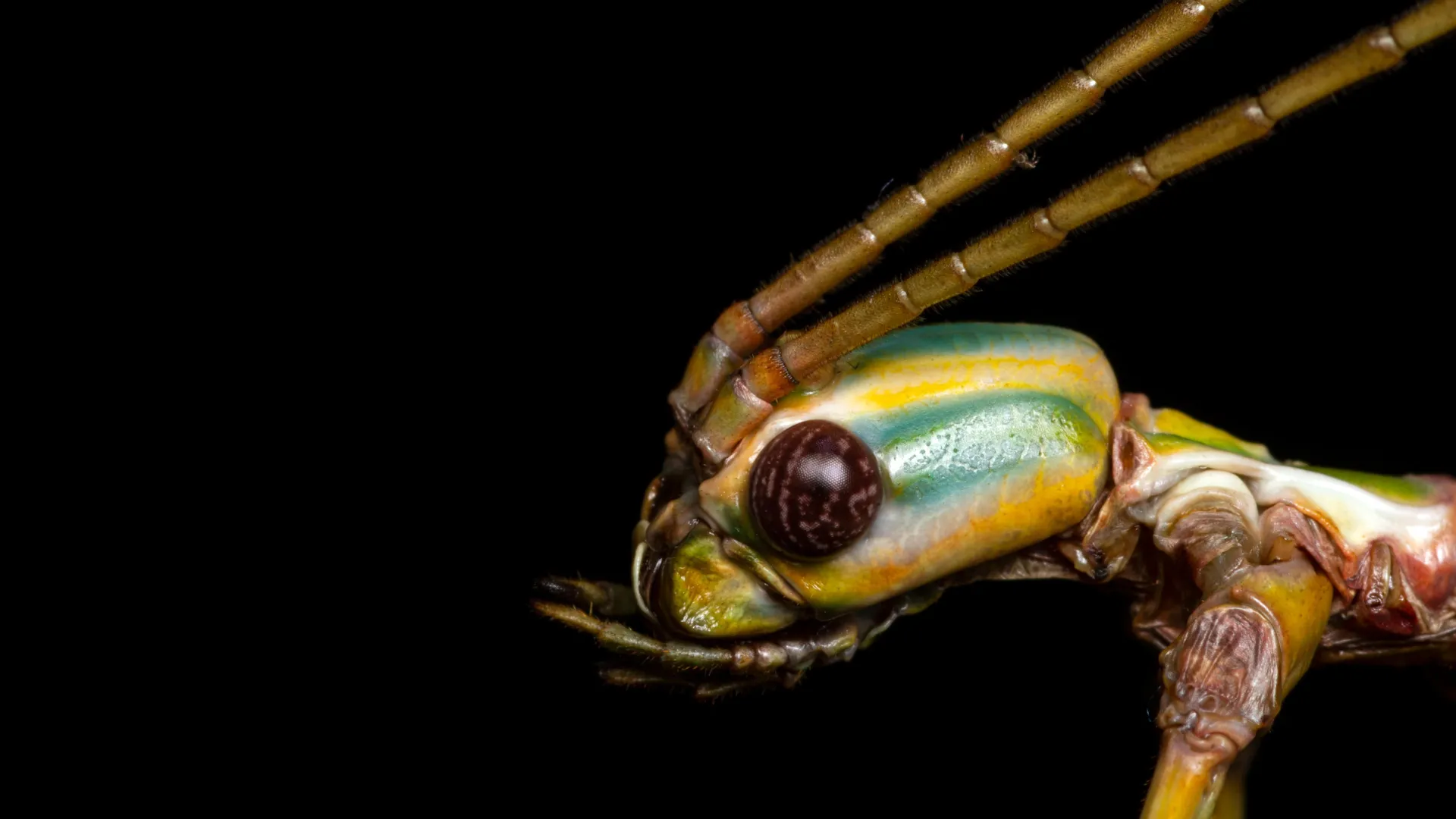
This giant stick insect fooled scientists for decades

Scientists have identified two new species of large Australian stick insects, including one that lays extraordinary “lidded” eggs never before recorded in the group. The discovery also revealed that a familiar stick insect had been misidentified for decades, showing how much biodiversity may still be hiding in plain sight.

Topic: scientists | RocksNews