Advertisement
Advertisement

Topic

scientists

Science

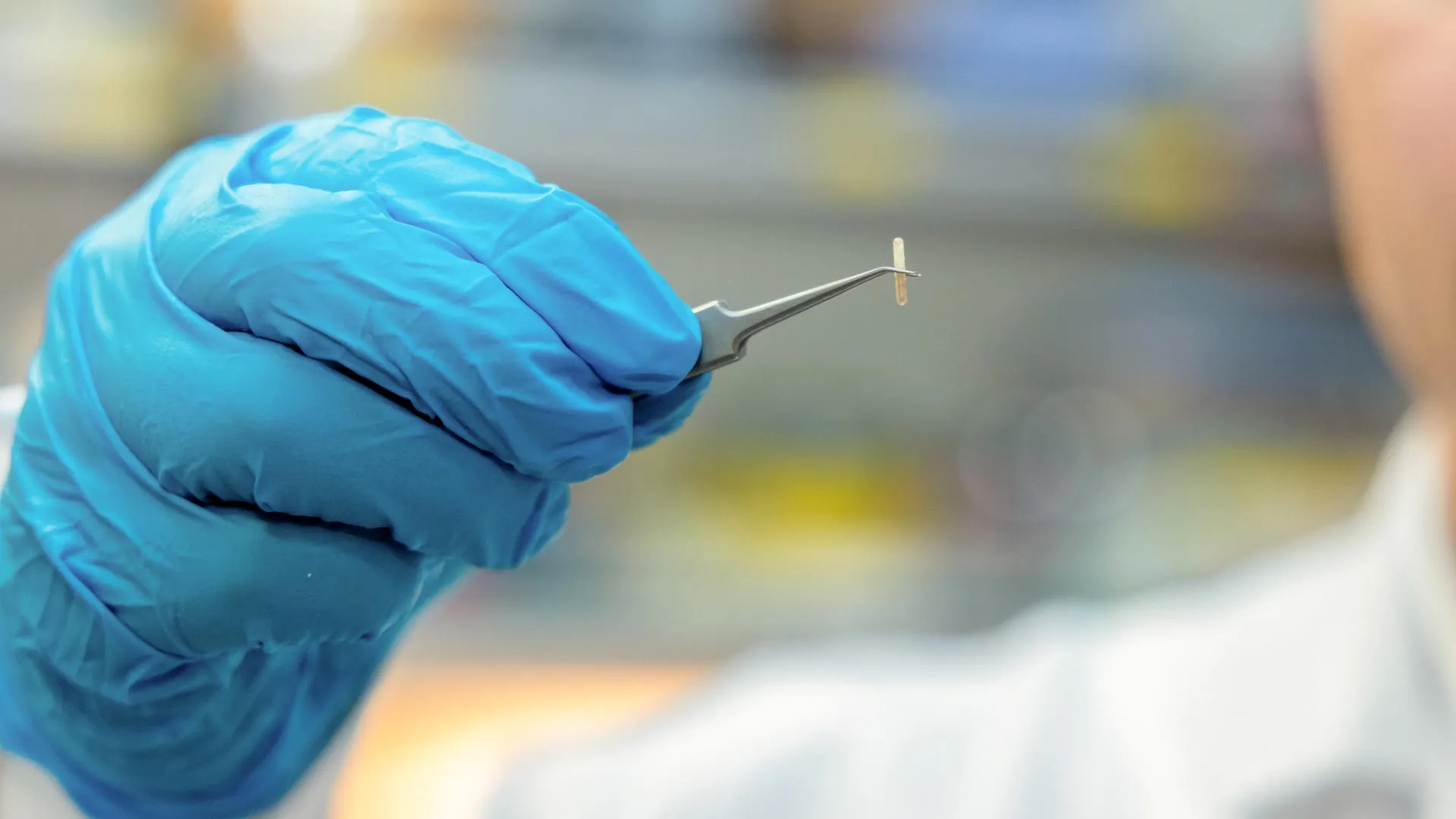
Scientists discover vanilla’s hidden healing potential

Scientists have discovered that vanillin, the compound that gives vanilla its distinctive flavor, has powerful properties that could help fight infections, reduce inflammation, and promote wound healing. The inexpensive, widely available ingredient could one day become an important component of advanced wound treatments and regenerative medicine.

Science

Eating olive oil before carbs has a surprising effect on blood sugar

A simple change in the order you eat your food could help prevent blood sugar spikes. Scientists discovered that giving mice olive oil before carbohydrates slowed digestion and activated a surprising combination of hormones and nerve signals that helped regulate blood sugar, even in mice with type 2 diabetes.

Science

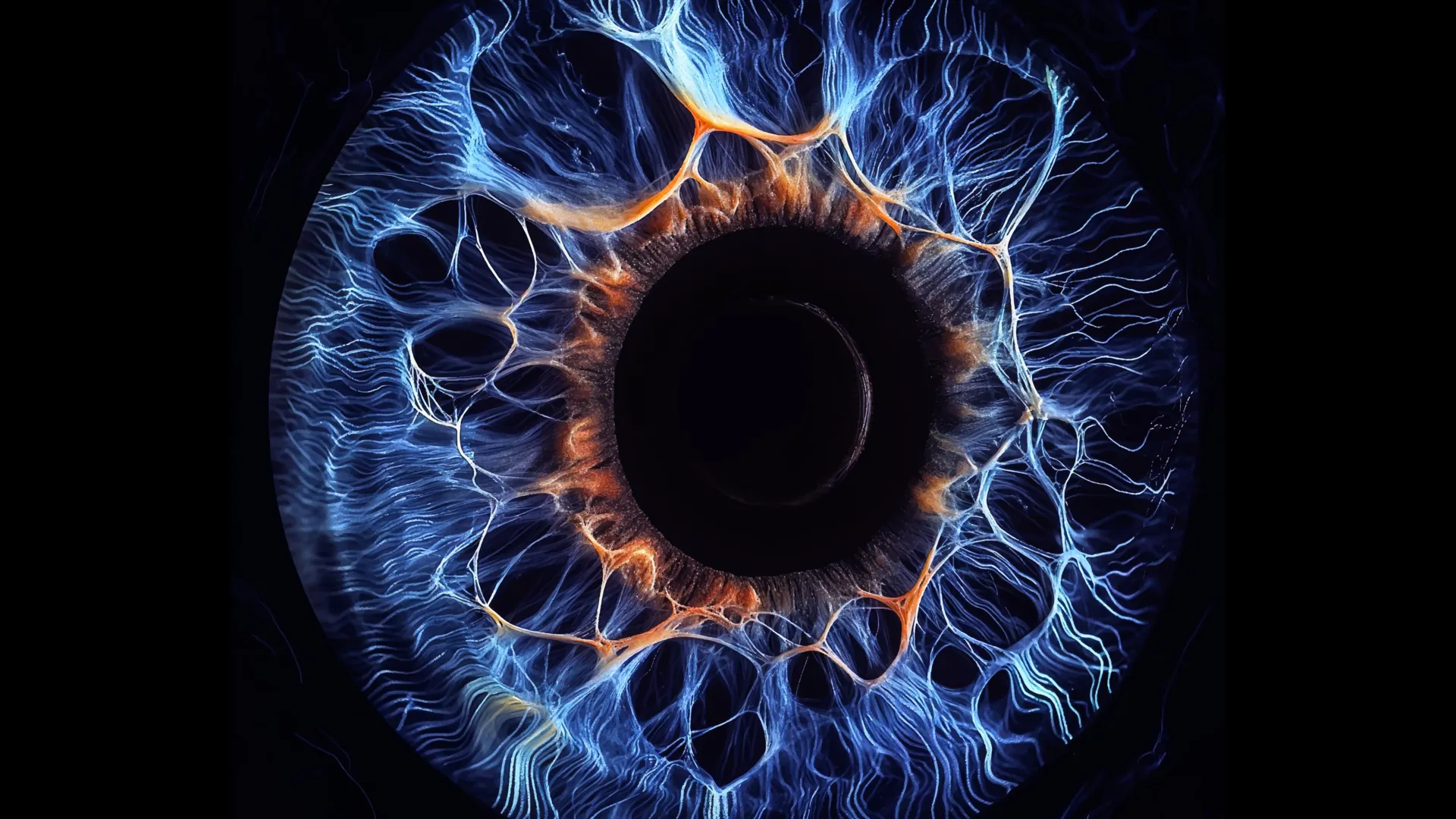
The eye has a hidden cleanup system scientists never knew existed

Scientists have discovered a hidden cleanup system at the back of the eye that drains fluid and waste through a previously unknown pathway. The surprising finding, demonstrated in mice, could open the door to new treatments for glaucoma, macular degeneration, and other causes of blindness.

Science

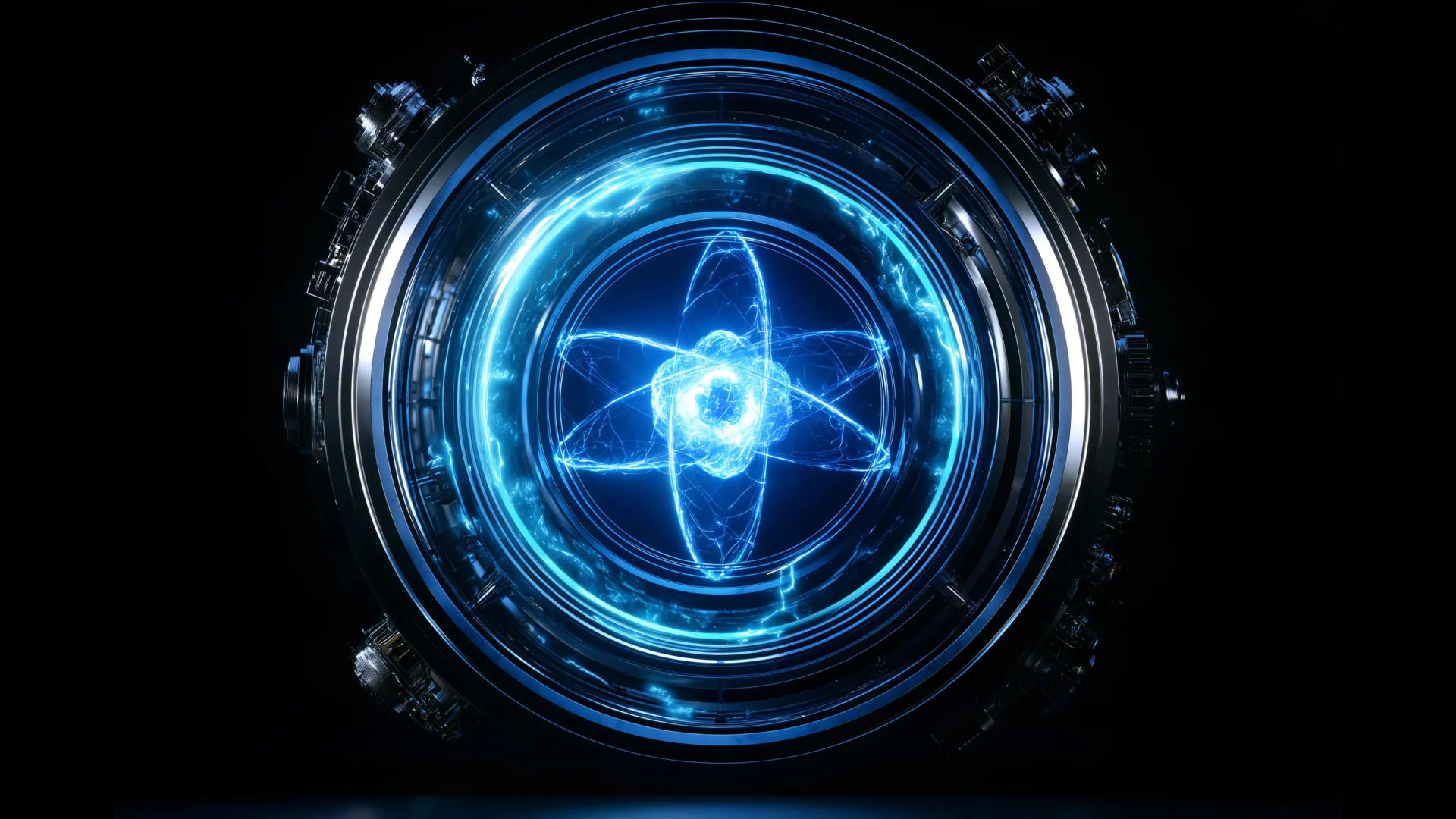
Scientists build a nuclear clock that could make atomic clocks obsolete

Scientists in Vienna have achieved a major breakthrough in timekeeping by creating the world’s first self-stabilizing nuclear clock, a technology that could eventually surpass even the most precise atomic clocks. Instead of relying on electrons in atoms, the clock uses the tiny nuclei of thorium atoms, which are far less sensitive to outside disturbances.

Science

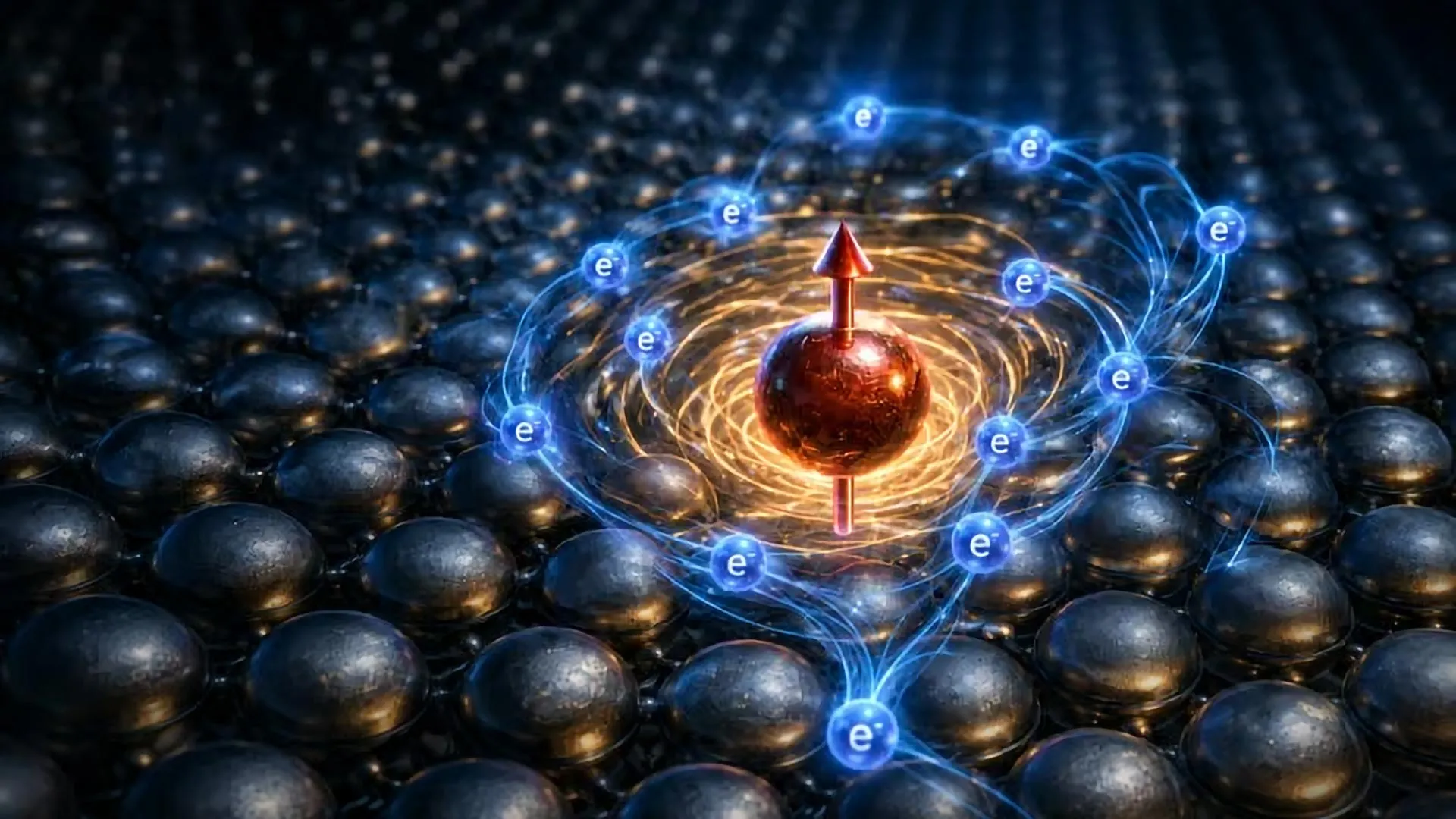
A famous quantum effect can finally be predicted in real materials

Scientists have developed a powerful new way to calculate the Kondo effect, a strange quantum phenomenon that appears when magnetic atoms are embedded in metals. Instead of relying on simplified models, the method uses the real atomic and electronic structures of materials, allowing researchers to predict their behavior with far greater accuracy.

Science

Scientists may have found why diabetic wounds refuse to heal

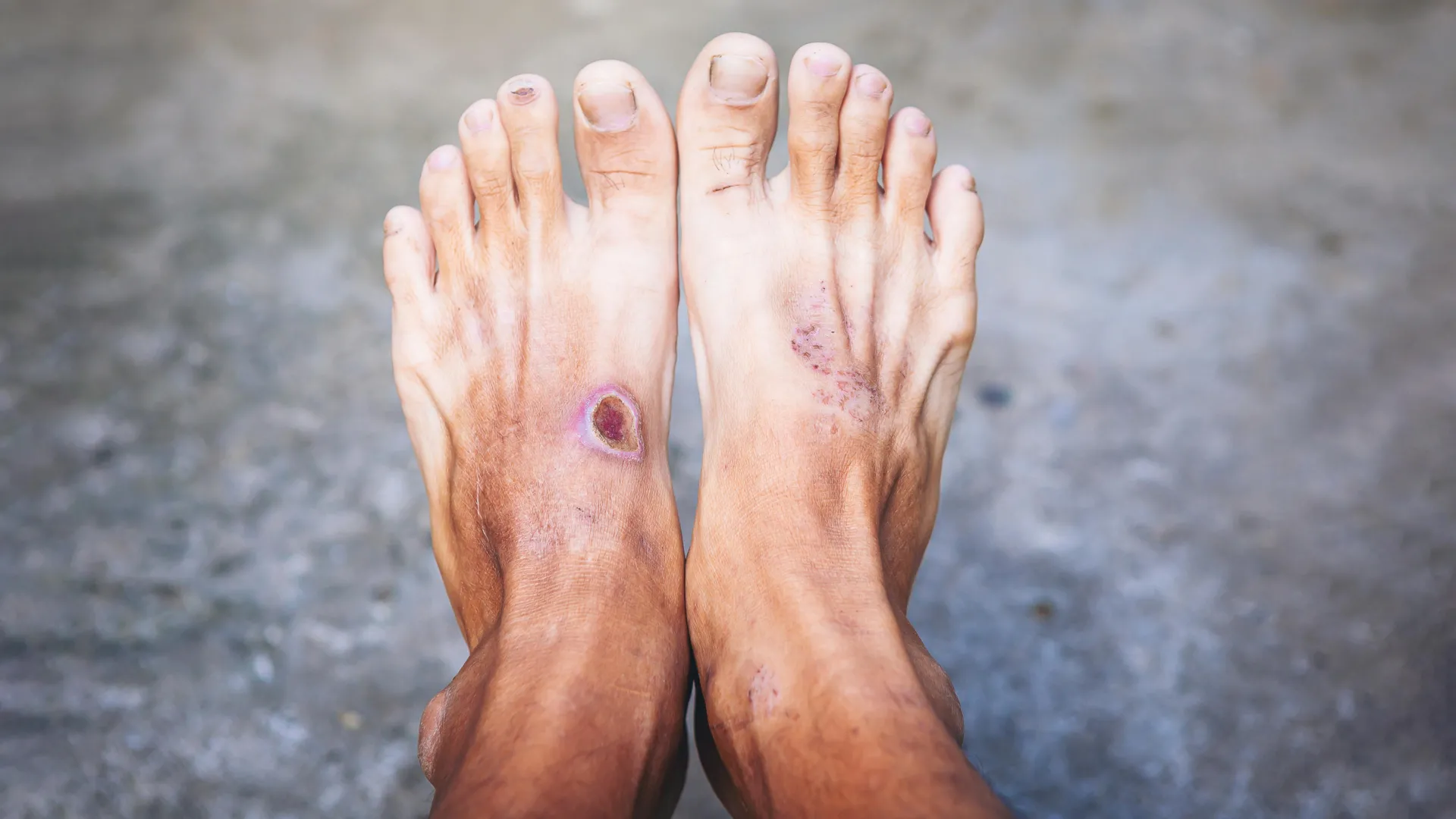
Chronic diabetic wounds may fail to heal because immune cells remain locked in damaging inflammatory states instead of transitioning toward tissue repair. Researchers are exploring treatments that reprogram these immune responses, raising hopes for more targeted and effective therapies for diabetic ulcers.

Advertisement
Science

Scientists create a lightsaber-like laser antenna that transmits radio waves

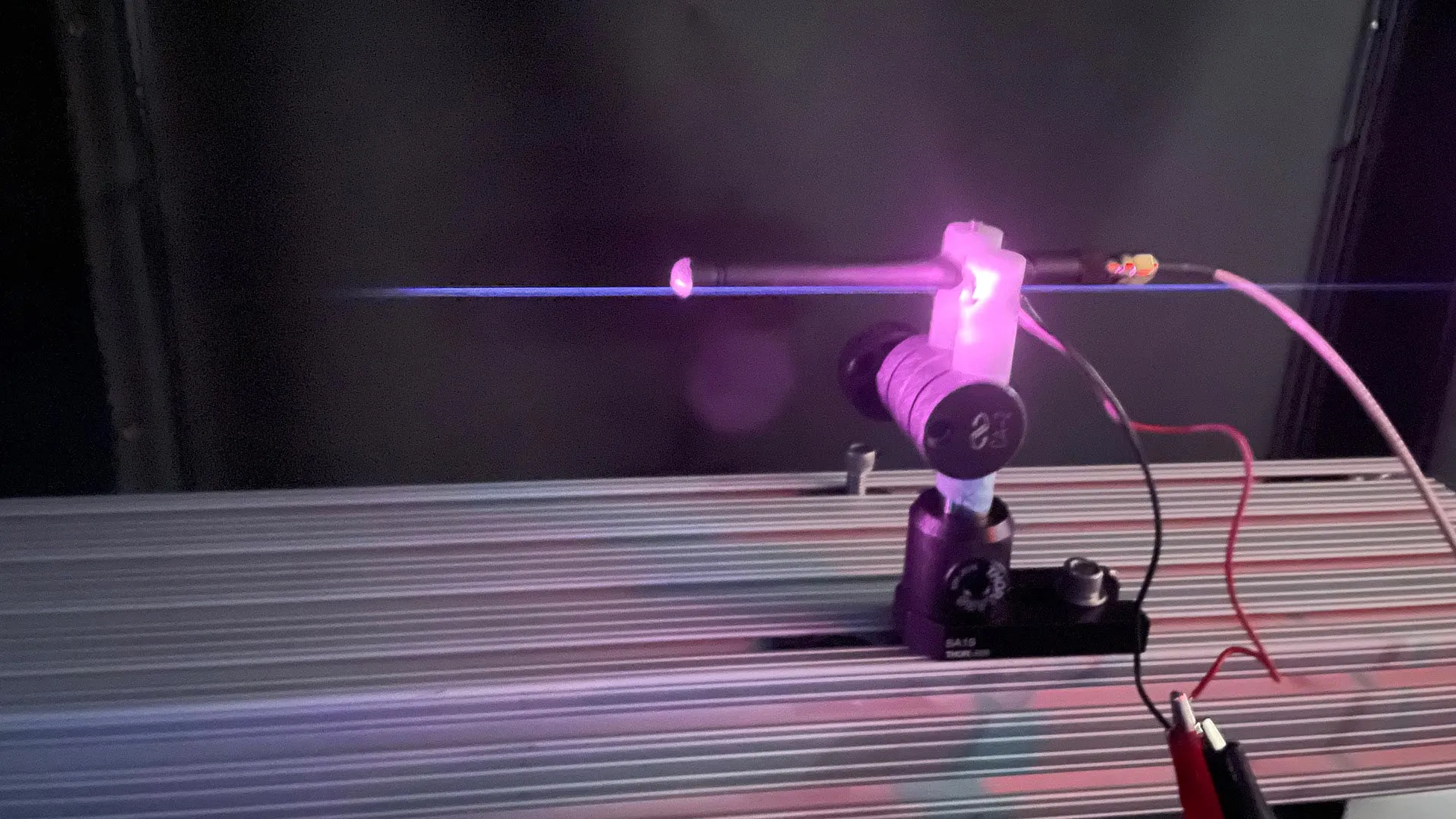
Scientists have demonstrated a remarkable new antenna that resembles a lightsaber, using a laser to create a tunable beam of plasma capable of transmitting radio waves. The technology could revolutionize wireless communications by allowing antennas to change their size and direction on demand, with promising applications in satellites, radar, and space exploration.

Science

Scientists may have found a shortcut to fusion energy

Princeton Plasma Physics Laboratory may have found a dramatically more efficient route to fusion energy by reversing the traditional approach: heating plasma first, then increasing its density. Their calculations could help future reactors reach self-sustaining fusion with far less energy while avoiding hidden problems that make ignition harder.

Science

Scientists discover 5 hidden brain patterns behind depression

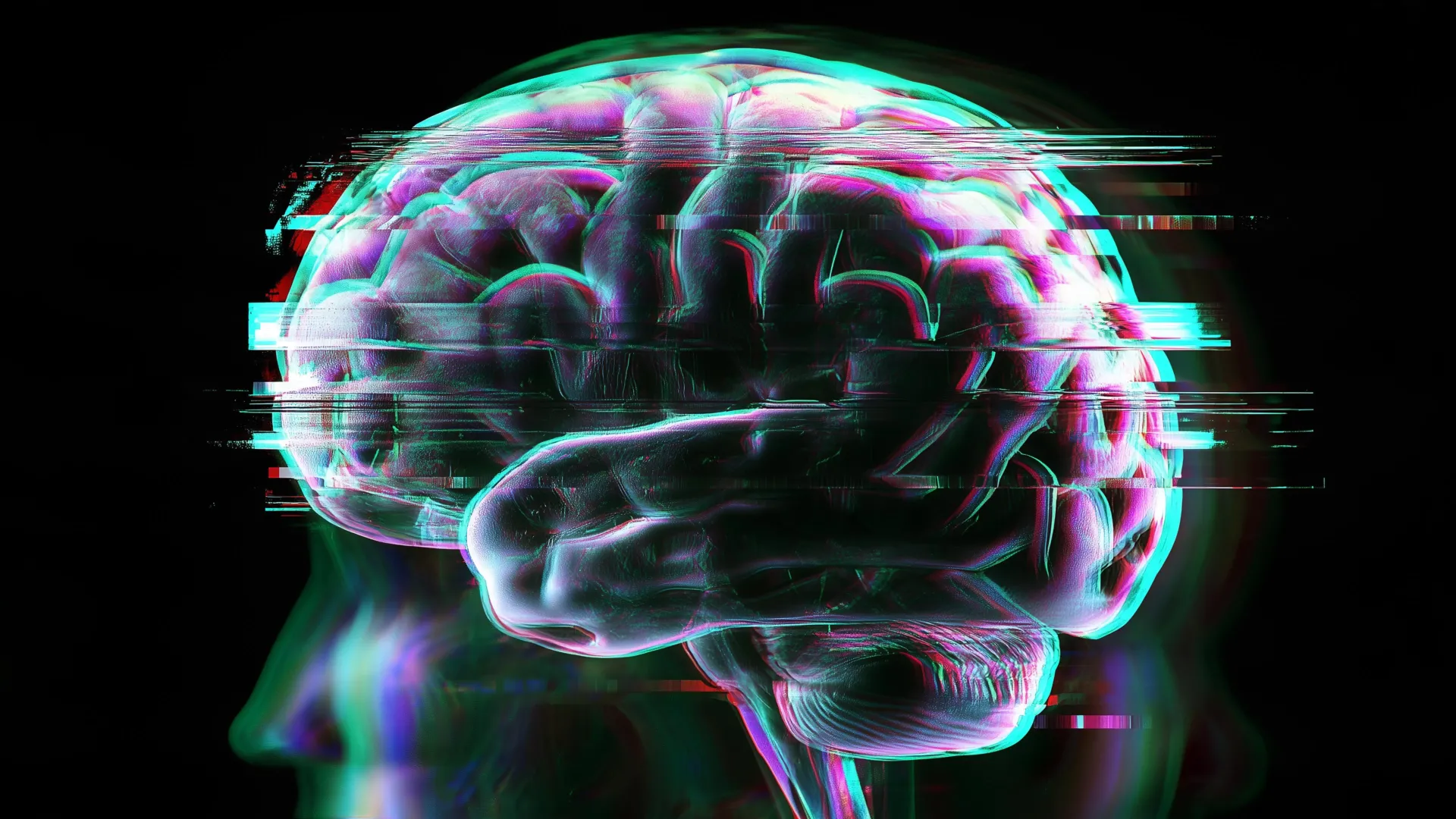
Depression may not be one biological condition, but several distinct patterns of brain activity hiding under the same diagnosis. Researchers studying 263 people with depression identified five brain profiles, each showing different patterns of communication between brain regions and associations with symptoms such as anxiety, trauma, and substance abuse.

Politics

France: Scientists conduct microgravity experiments on parabolic flights

This week in Bordeaux, the CNES, the French space agency, launched a microgravity research campaign with scientists from all over the world. It gave them the opportunity to conduct experiments in weightlessness during parabolic flights aboard a specially equipped Airbus, without having to send their equipment into space. Our reporters James André and Sylvain Rousseau joined them on board.

World

‘So safe you could drink it’: Scientists and pesticide victims fear an EU rollback

For decades, French farmers sprayed pesticides they were told were harmless. Many have since fallen ill, grappling with cancers and other diseases caused by exposure. As the EU prepares to vote on a package that would end regular safety reviews of most pesticides, victims, doctors and scientists warn it could keep harmful products on the market for longer.

Health

Scientists tested 5 natural compounds on cancer cells. One stood out

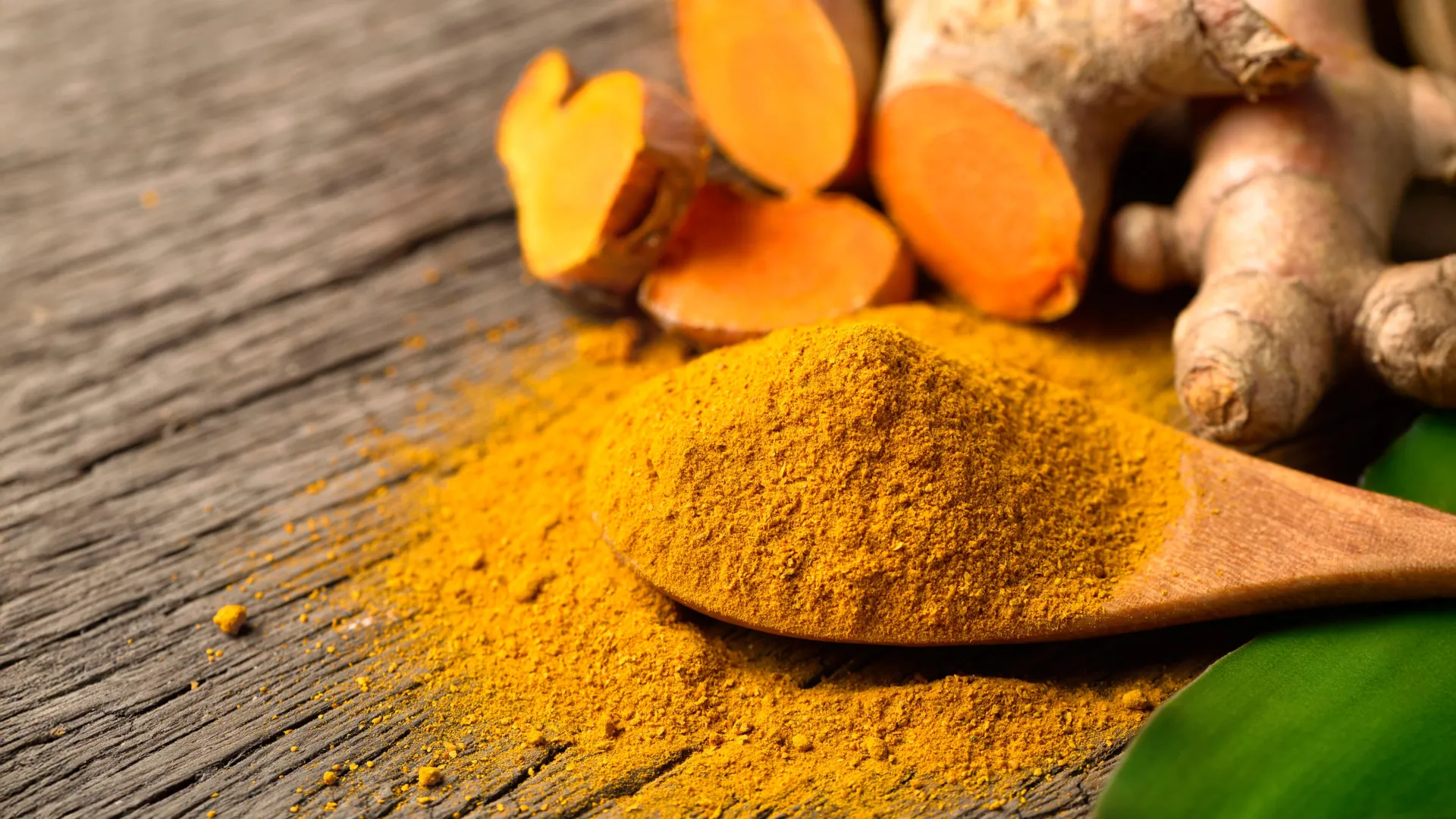
Five natural compounds, including curcumin and berberine, were tested for their effects on cancer cells and healthy muscle cells. All disrupted cancer cell energy production and pushed many of the cells into a non-dividing state, with curcumin producing the strongest overall effect. Curcumin also showed a relatively favorable safety profile, while some other compounds caused more toxicity.

Science

Scientists find hidden materials that could improve batteries and solar fuels

Scientists have uncovered a hidden world of “in-between” materials that briefly form as chemical ingredients are heated, revealing structures that conventional methods can miss. Among the discoveries is a previously unknown form of bismuth vanadate, a material widely studied for using sunlight to help produce clean hydrogen. The new version has a different atomic structure and interacts with light in a strikingly different way, potentially opening new possibilities for solar fuels, catalysts, and electronics.

Science

Scientists found Homo erectus 200,000 years earlier than expected

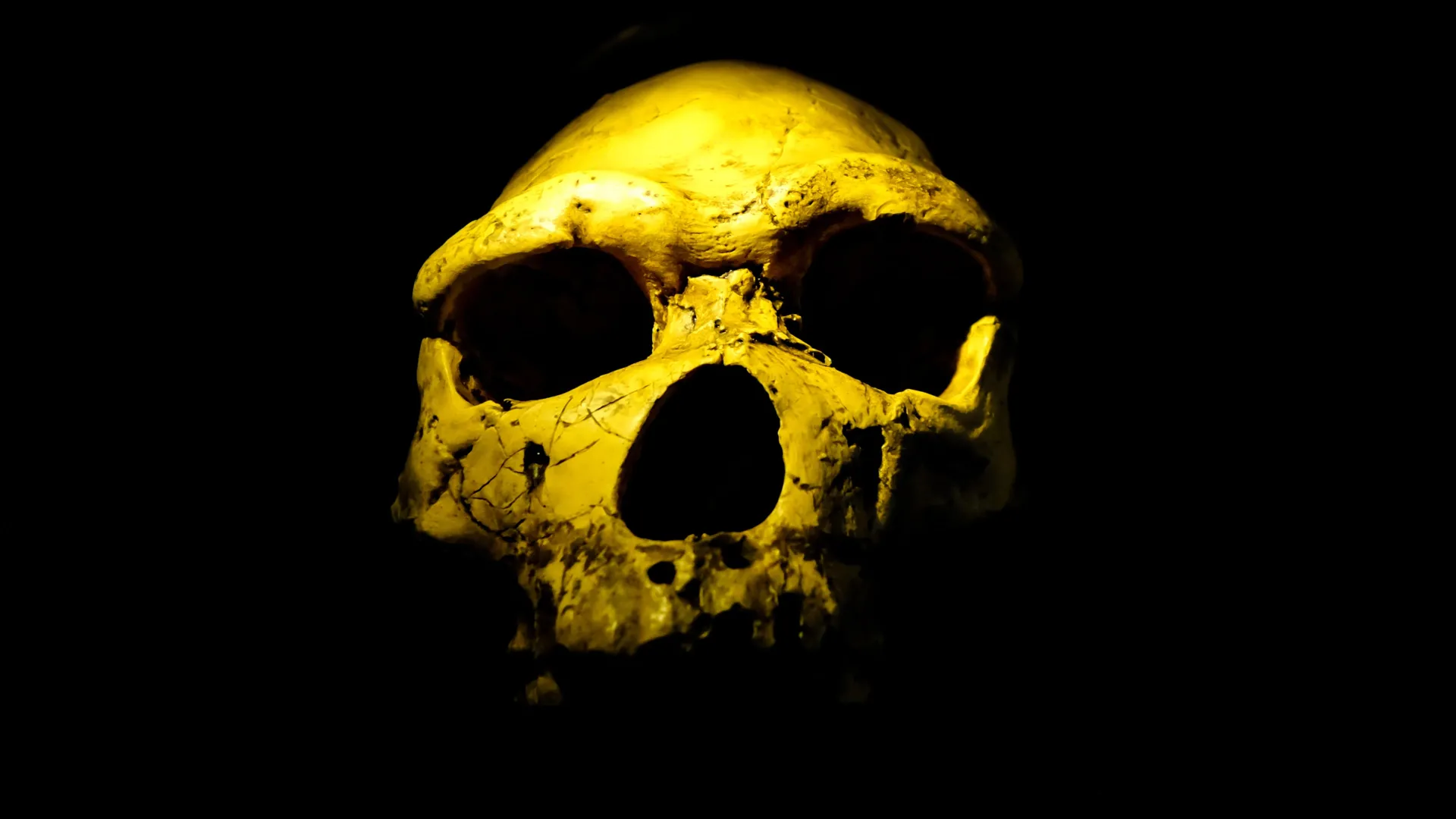
New fossils from South Africa are reshaping the story of early human evolution. Researchers have described 18 hominin fossils from Drimolen Cave, including an adult Homo erectus skull fragment dated to about 2 million years ago, supporting evidence that the species appeared in southern Africa roughly 200,000 years earlier than long thought. The finds also reveal that Paranthropus robustus, which lived alongside Homo erectus, was gradually evolving even larger teeth and stronger chewing muscles as the climate changed.

Advertisement
Science

Scientists accidentally discover a genetic code that breaks the rules of life

Scientists accidentally discovered a microscopic organism with a genetic code that breaks a rule researchers thought was nearly universal. While testing a new DNA sequencing technique, they examined a previously unknown protist collected from a freshwater pond at Oxford University. To their surprise, the organism uses two genetic signals that normally mark the end of a gene to encode two entirely different amino acids instead. These signals were previously thought to evolve together, making the discovery particularly remarkable.

Health

Stanford scientists turn a cancer driver into a kill switch

A Stanford-designed molecule turns a major lymphoma-promoting protein against cancer cells, activating their own self-destruct machinery instead of simply blocking tumor growth. In mice, the treatment completely eliminated aggressive human lymphoma tumors within 11 days, although much more testing is needed before it could reach patients.

Science

Scientists warn a popular vitamin D supplement may have a hidden downside

Not all vitamin D supplements are created equal, and new research suggests that one popular form may have an unexpected downside. Scientists found that taking vitamin D2 can actually lower the body's levels of vitamin D3, the form naturally produced by sunlight and more effective at boosting overall vitamin D. Previous studies also suggest that vitamin D3 may provide stronger immune protection against viruses and bacteria.

Science

Scientists reprogram immune cells inside the body to fight cancer

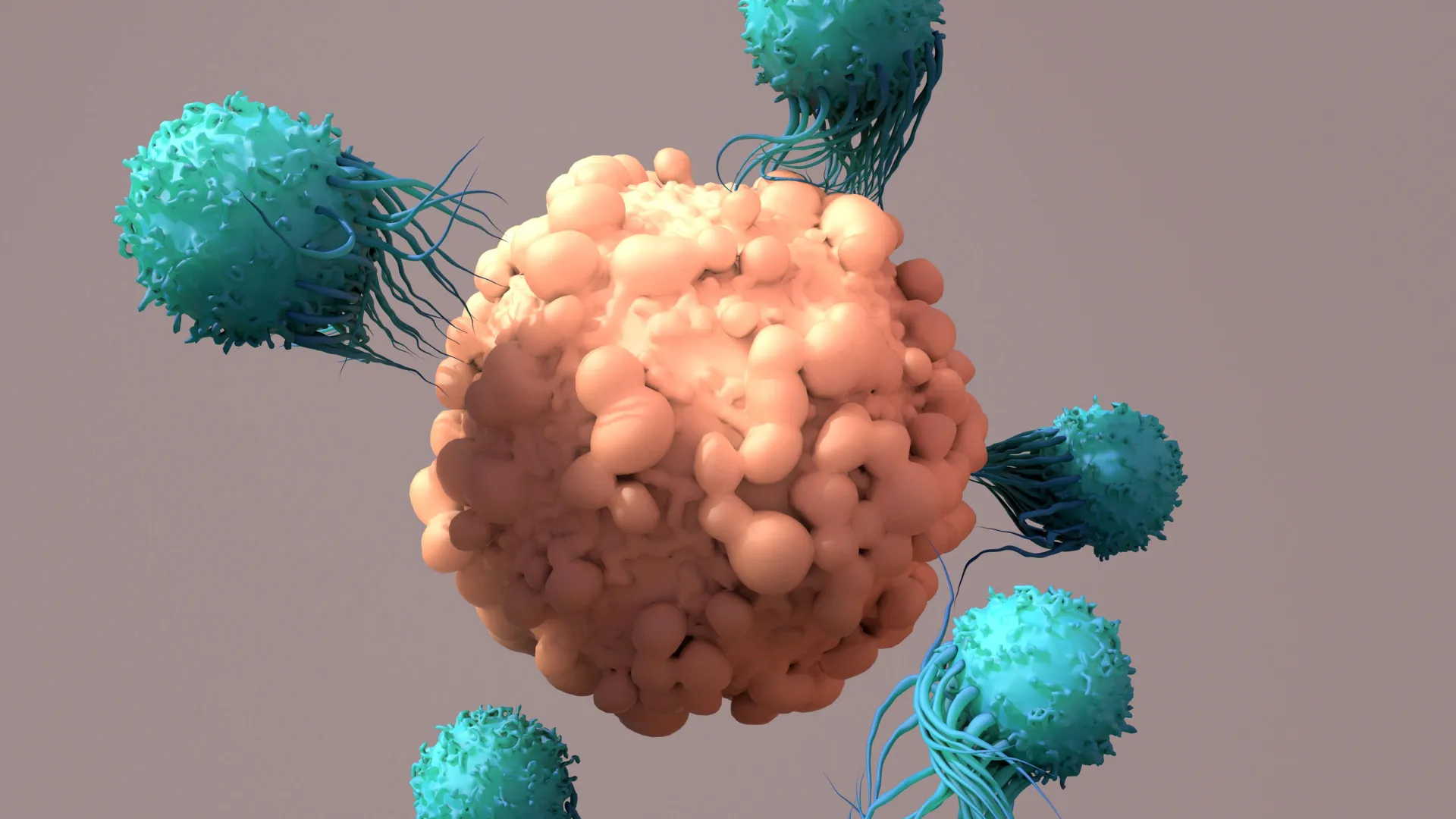
Scientists at UC San Francisco have developed a way to create cancer-fighting CAR-T cells directly inside the body, potentially avoiding the slow and extremely expensive process of removing, engineering, and reinfusing a patient’s immune cells. Using a two-particle delivery system, the researchers sent CRISPR gene-editing tools and new cancer-targeting DNA specifically into T cells, where the DNA was inserted at a precise location in the genome.