Advertisement
Advertisement

Topic

scientists

Science

Scientists find a hidden problem with endless smartphone scrolling

Excessive smartphone use may be taking a hidden toll on the brain and body, with heavy scrolling linked to poorer memory, reduced attention, disrupted sleep, and potential balance problems. Researchers found that weak self-control and fear of missing out, rather than personality alone, are key factors behind problematic phone use.
Science

Your gut bacteria could be changing how many calories you absorb

Scientists have developed a model showing that gut bacteria play a surprisingly important role in how many calories we absorb, meaning food labels may not tell the full story. In a controlled study, people eating a high-fiber diet absorbed about 116 fewer calories per day than those eating a typical Western diet, without feeling hungrier.

Science

Physicists discover “astonishing” property of light that defies expectations

Scientists have uncovered a surprising hidden ability of light that allows it to develop spinning, twisting behavior as it travels through empty space, without special lenses, mirrors, or materials. Researchers discovered that light’s internal geometry can naturally produce left- and right-handed patterns, challenging long-standing assumptions about how light behaves. By carefully arranging a beam’s structure, scientists can control where and how these spinning patterns emerge, unlocking a new way to manipulate light.

Health

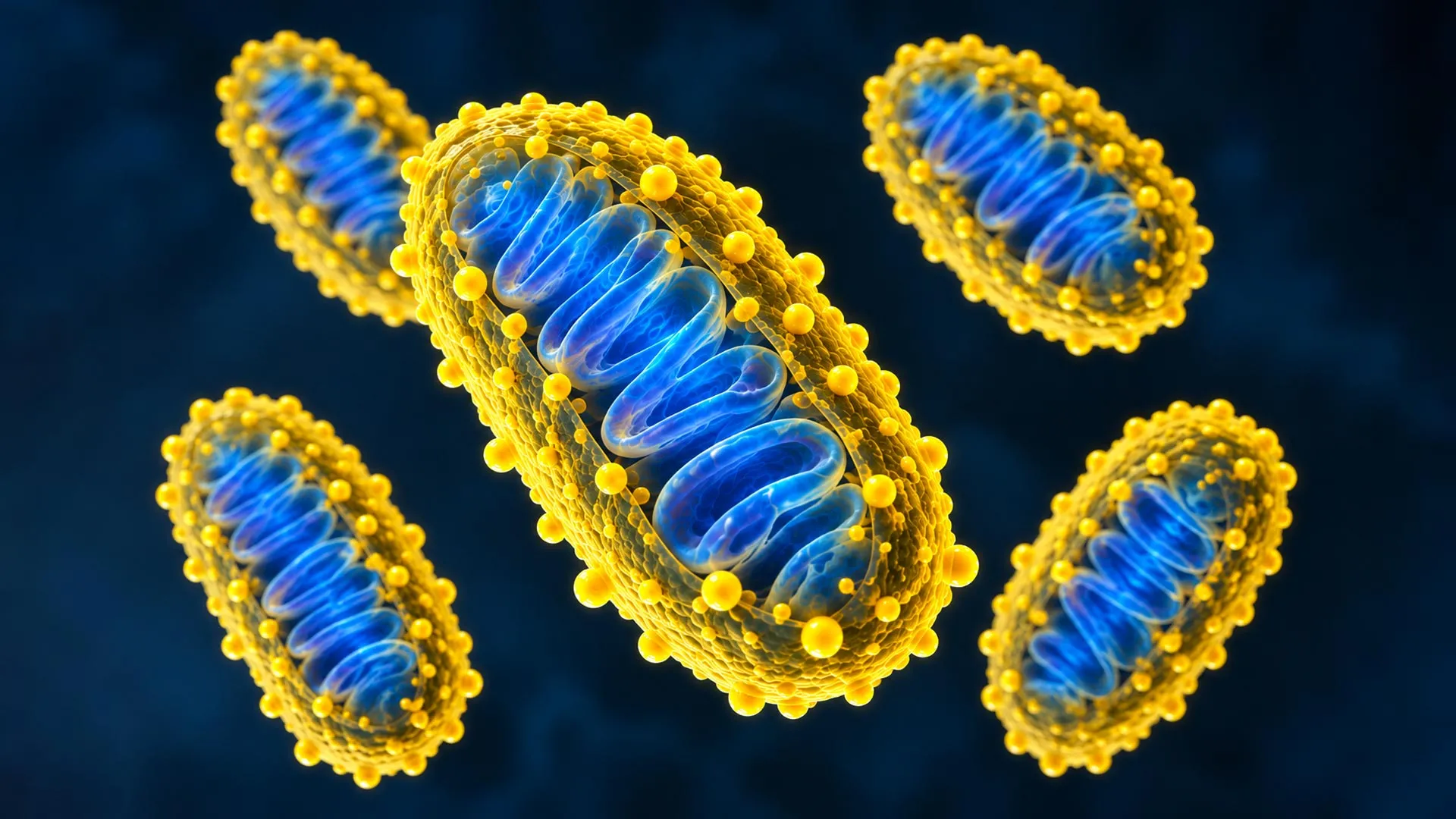
Scientists just gave the powerhouses of our cells a high-tech upgrade

Scientists have created a new coating for mitochondria that preserves their ability to produce energy, potentially opening the door to new treatments for diseases involving these tiny cellular powerhouses. The technology could one day help transfer healthy mitochondria into damaged cells, although its effectiveness in transplantation remains unproven.

Health

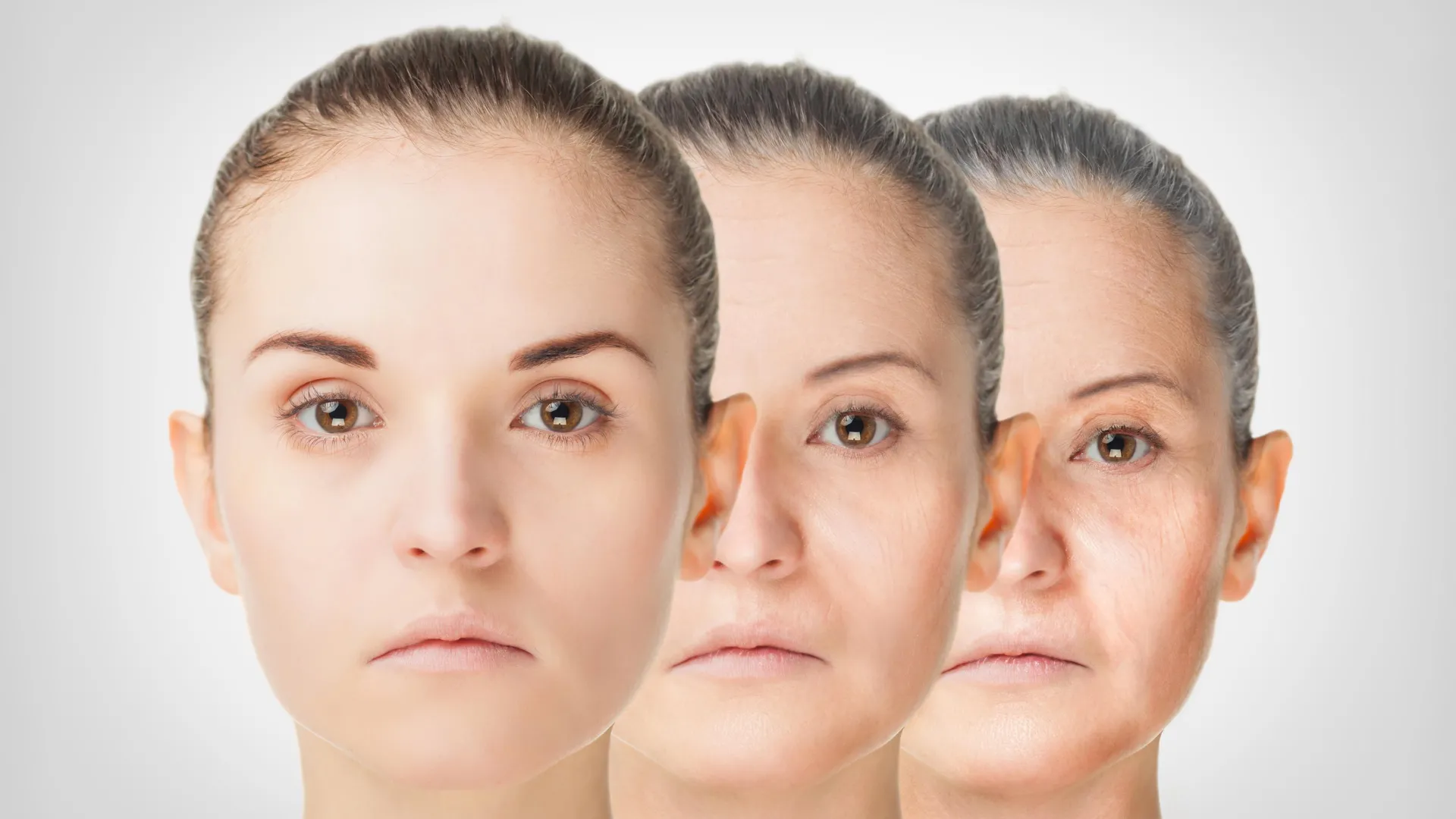
Scientists discover a surprising paradox in how our cells age

Scientists have discovered that the body's cellular recycling system behaves very differently during aging than previously believed, with higher activity sometimes linked to worse physical health. A small study suggests that even gentle exercise could help restore more youthful cellular recycling patterns in older adults.

Science

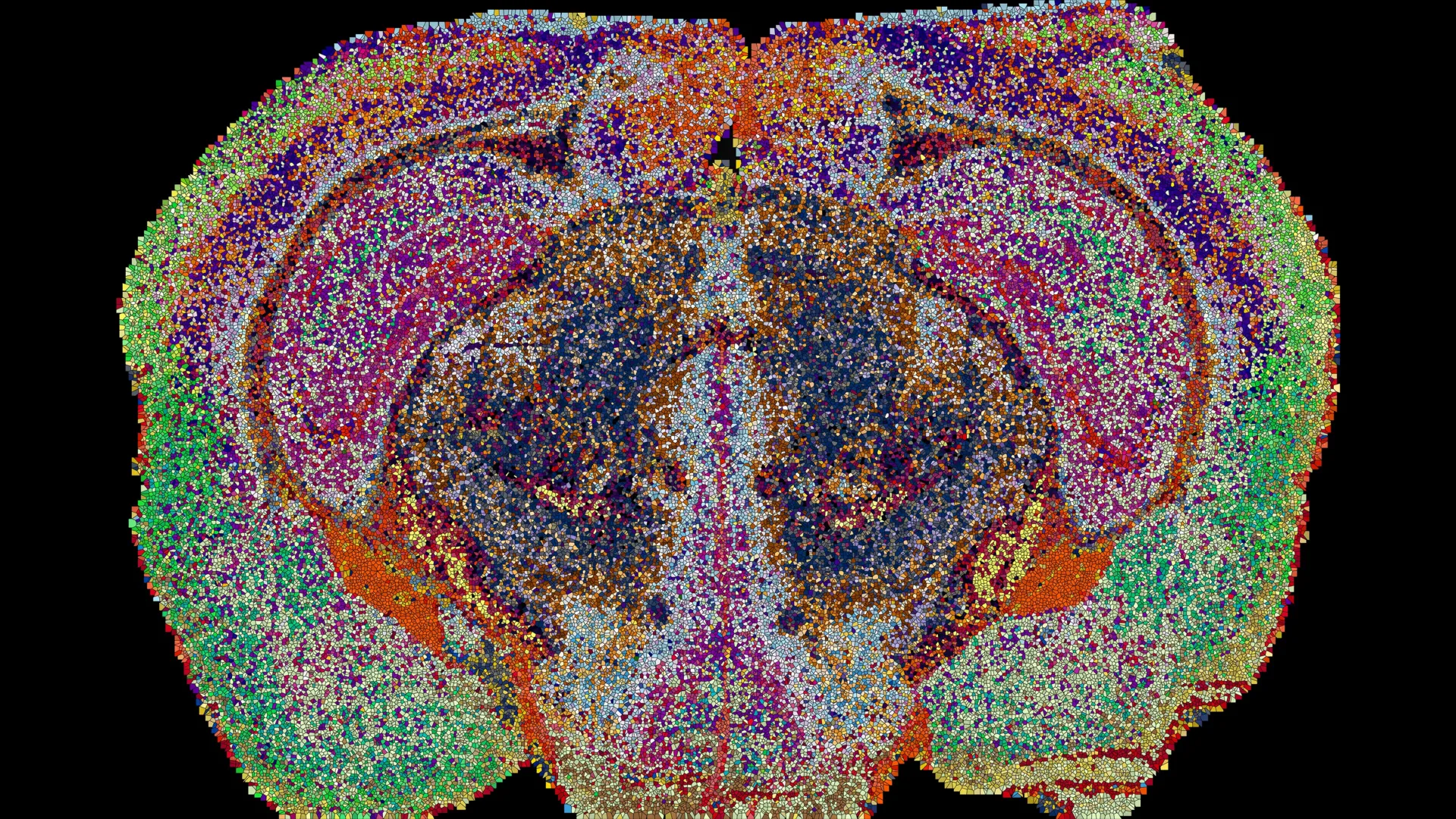
Scientists uncover a hidden map of the brain with 539 distinct regions

Scientists have uncovered a hidden layer of organization in the brain by creating the first detailed 3D map of its lipids, the fatty molecules essential for brain structure and communication. By analyzing millions of measurements from mouse brains, researchers identified 539 distinct chemical zones, revealing patterns and boundaries that traditional brain maps have missed. Surprisingly, even white matter, once thought to be relatively uniform, contains a complex patchwork of chemically distinct regions.

Science

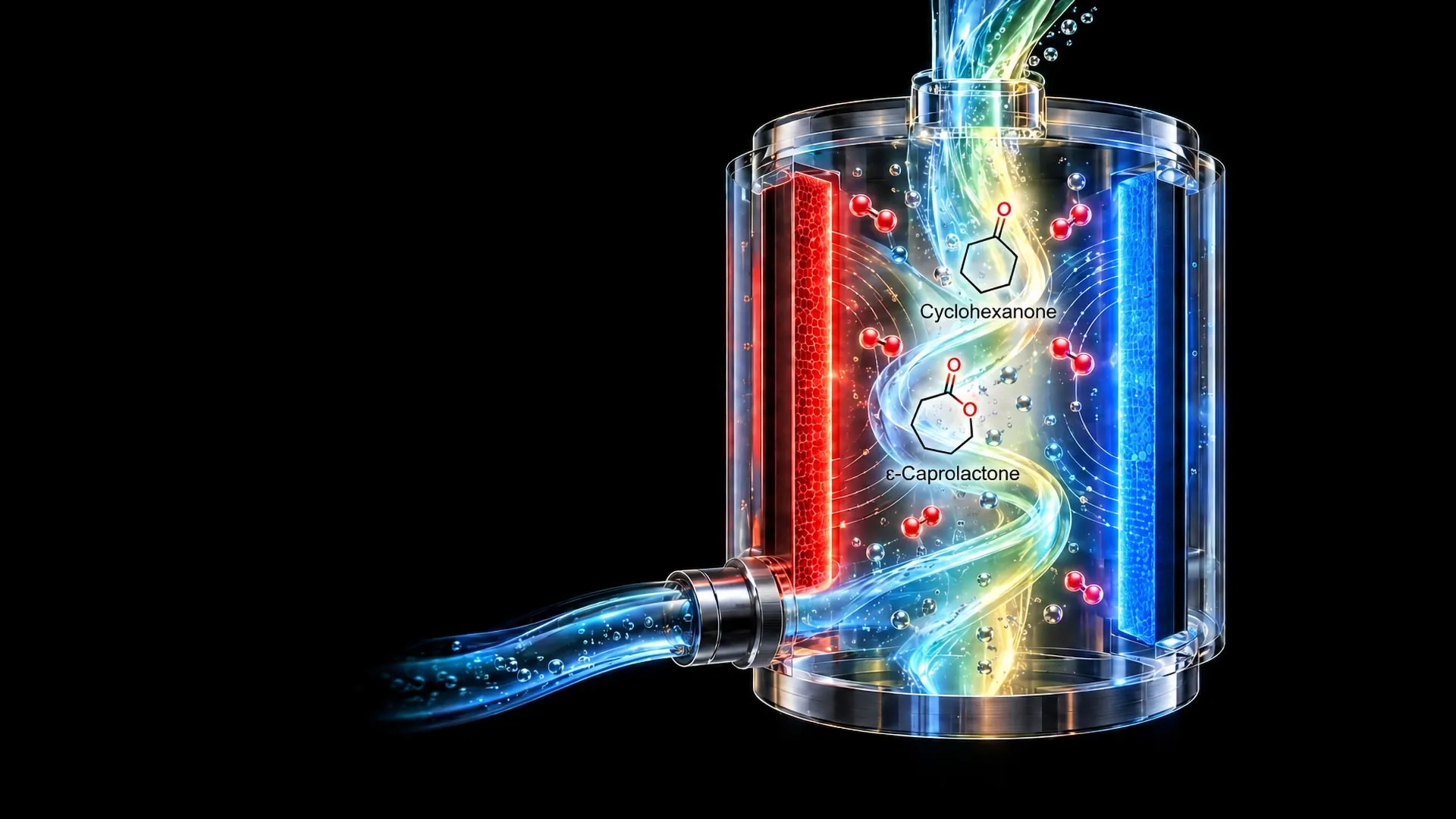
Scientists discover a hidden factor that can make or break chemical reactions

Researchers discovered a hidden factor that can determine whether chemical reactions succeed or fail, and then used it to boost the proportion of the desired product from 16% to 97%. By controlling acidity near electrodes, they developed a promising way to manufacture chemicals for plastics, medicines, and other products using oxygen and electricity instead of hazardous added oxidants.

Science

New injection makes fat cells self-destruct

Scientists have developed an experimental injection that destroys fat cells and significantly reduces dangerous belly fat, potentially opening a new path to treating obesity. Early research also suggests it could help prevent the weight regain that often follows stopping popular weight loss drugs like Ozempic and Wegovy.

Advertisement
Science

The hidden math of Alzheimer's could point to new treatments

Mathematics may hold unexpected clues to understanding Alzheimer’s disease. Scientists have developed a model showing how common metals like copper and zinc may influence the buildup of proteins associated with the disease, while also exploring possible ways to stop the process. The findings could help researchers identify promising strategies for preventing harmful plaque formation.

Science

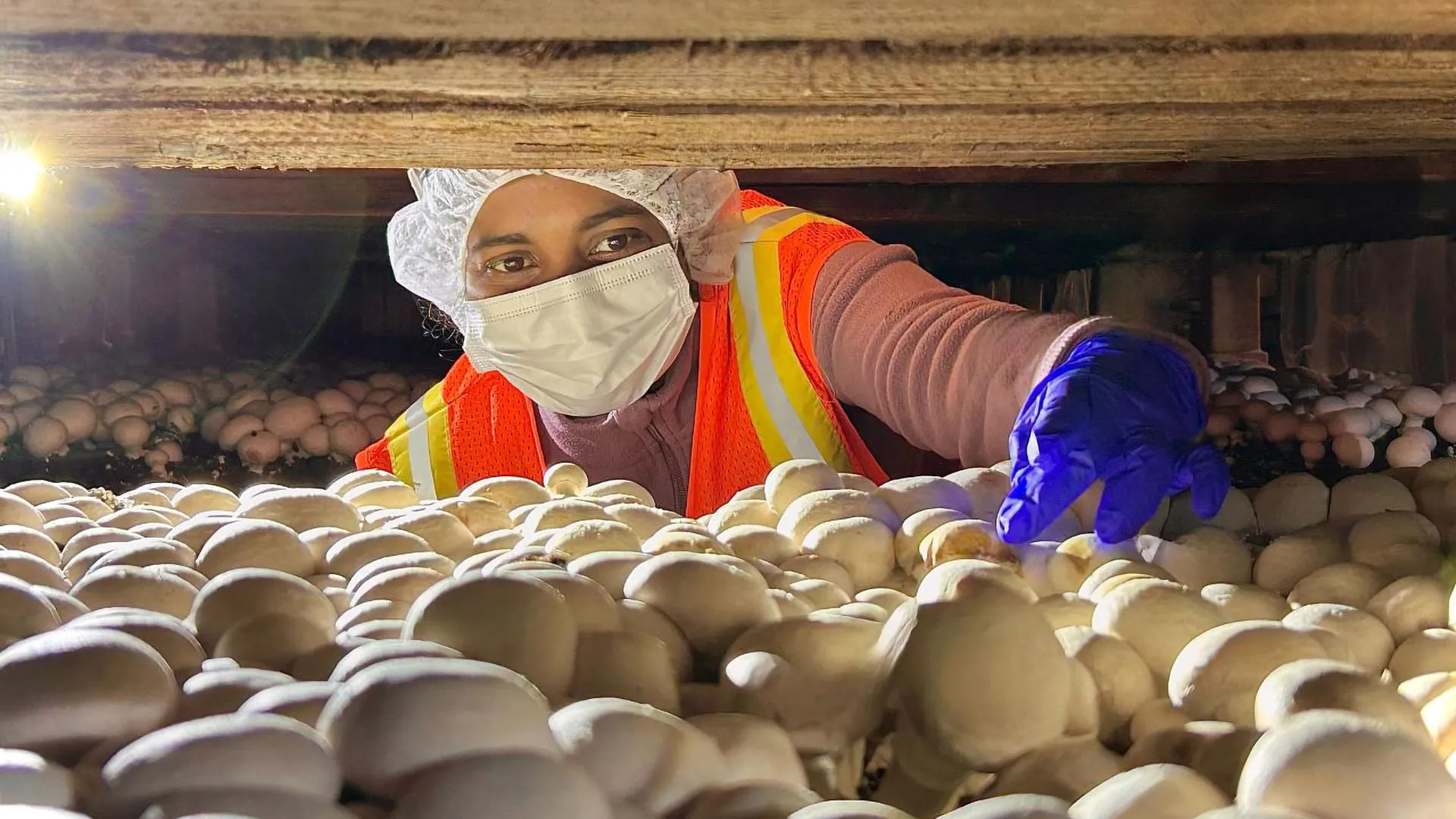
Scientists discover why a 100-year-old mushroom disease won't go away

Scientists have uncovered a surprising secret behind a mushroom disease that has frustrated growers for more than a century: It involves more than 17 species of harmful bacteria, not just one. The discovery could explain why treatments have struggled to stop the disease and open the door to more effective, eco-friendly solutions.

Science

Scientists make stunning discovery that could help explain why life exists

Scientists have discovered that the universe's fundamental physical constants may be finely balanced to make life possible. Even tiny changes to these constants could make liquids too thick or too thin for essential biological processes, potentially preventing life as we know it. Surprisingly, these life-friendly conditions existed billions of years before living cells appeared. The findings raise intriguing questions about why the laws of physics seem so well suited to life.

Science

Scientists discover vanilla’s hidden healing potential

Scientists have discovered that vanillin, the compound that gives vanilla its distinctive flavor, has powerful properties that could help fight infections, reduce inflammation, and promote wound healing. The inexpensive, widely available ingredient could one day become an important component of advanced wound treatments and regenerative medicine.

Science

Eating olive oil before carbs has a surprising effect on blood sugar

A simple change in the order you eat your food could help prevent blood sugar spikes. Scientists discovered that giving mice olive oil before carbohydrates slowed digestion and activated a surprising combination of hormones and nerve signals that helped regulate blood sugar, even in mice with type 2 diabetes.

Science

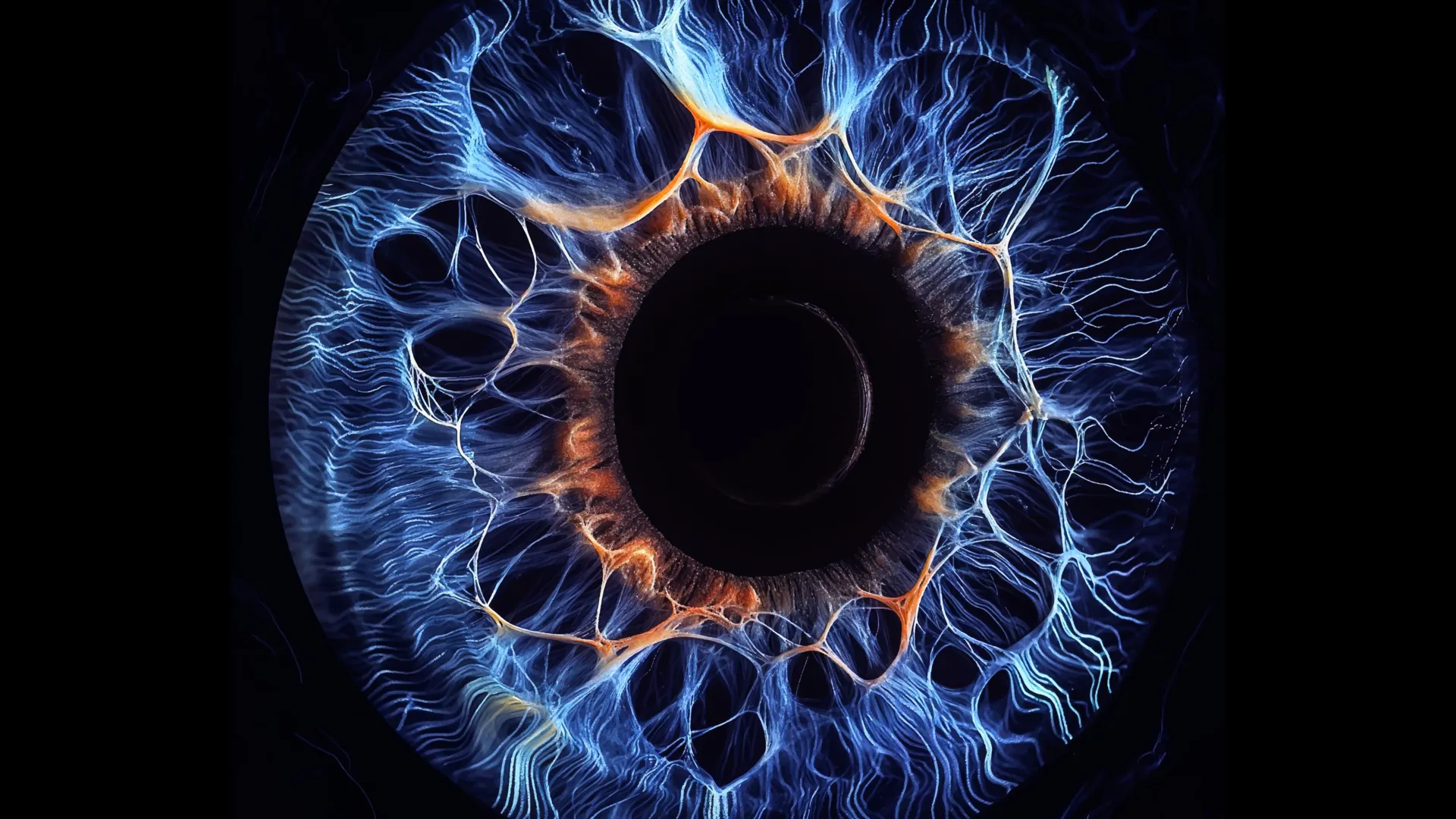
The eye has a hidden cleanup system scientists never knew existed

Scientists have discovered a hidden cleanup system at the back of the eye that drains fluid and waste through a previously unknown pathway. The surprising finding, demonstrated in mice, could open the door to new treatments for glaucoma, macular degeneration, and other causes of blindness.

Advertisement
Science

Scientists build a nuclear clock that could make atomic clocks obsolete

Scientists in Vienna have achieved a major breakthrough in timekeeping by creating the world’s first self-stabilizing nuclear clock, a technology that could eventually surpass even the most precise atomic clocks. Instead of relying on electrons in atoms, the clock uses the tiny nuclei of thorium atoms, which are far less sensitive to outside disturbances.

Science

A famous quantum effect can finally be predicted in real materials

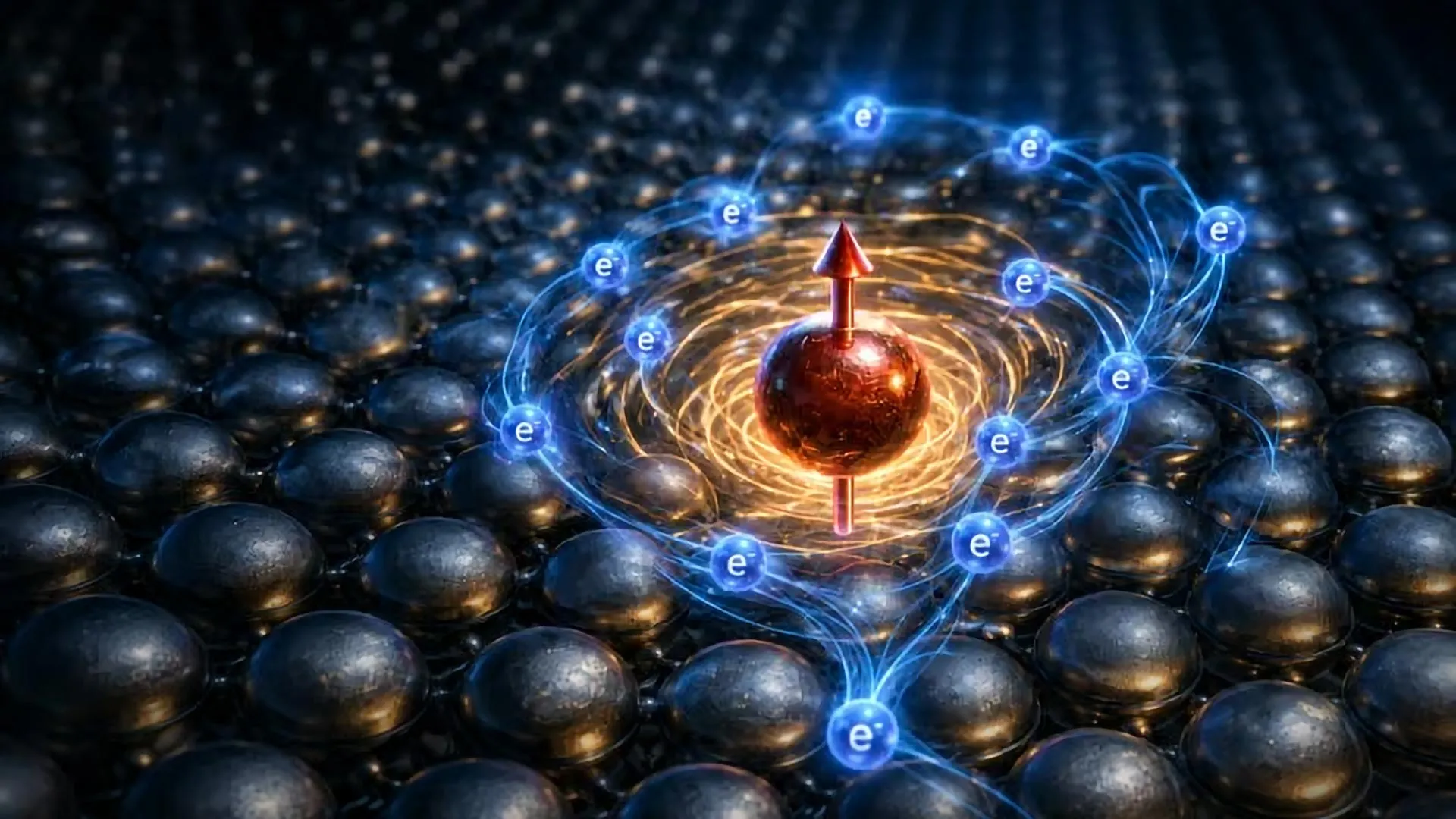
Scientists have developed a powerful new way to calculate the Kondo effect, a strange quantum phenomenon that appears when magnetic atoms are embedded in metals. Instead of relying on simplified models, the method uses the real atomic and electronic structures of materials, allowing researchers to predict their behavior with far greater accuracy.

Science

Scientists may have found why diabetic wounds refuse to heal

Chronic diabetic wounds may fail to heal because immune cells remain locked in damaging inflammatory states instead of transitioning toward tissue repair. Researchers are exploring treatments that reprogram these immune responses, raising hopes for more targeted and effective therapies for diabetic ulcers.

Science

Scientists create a lightsaber-like laser antenna that transmits radio waves

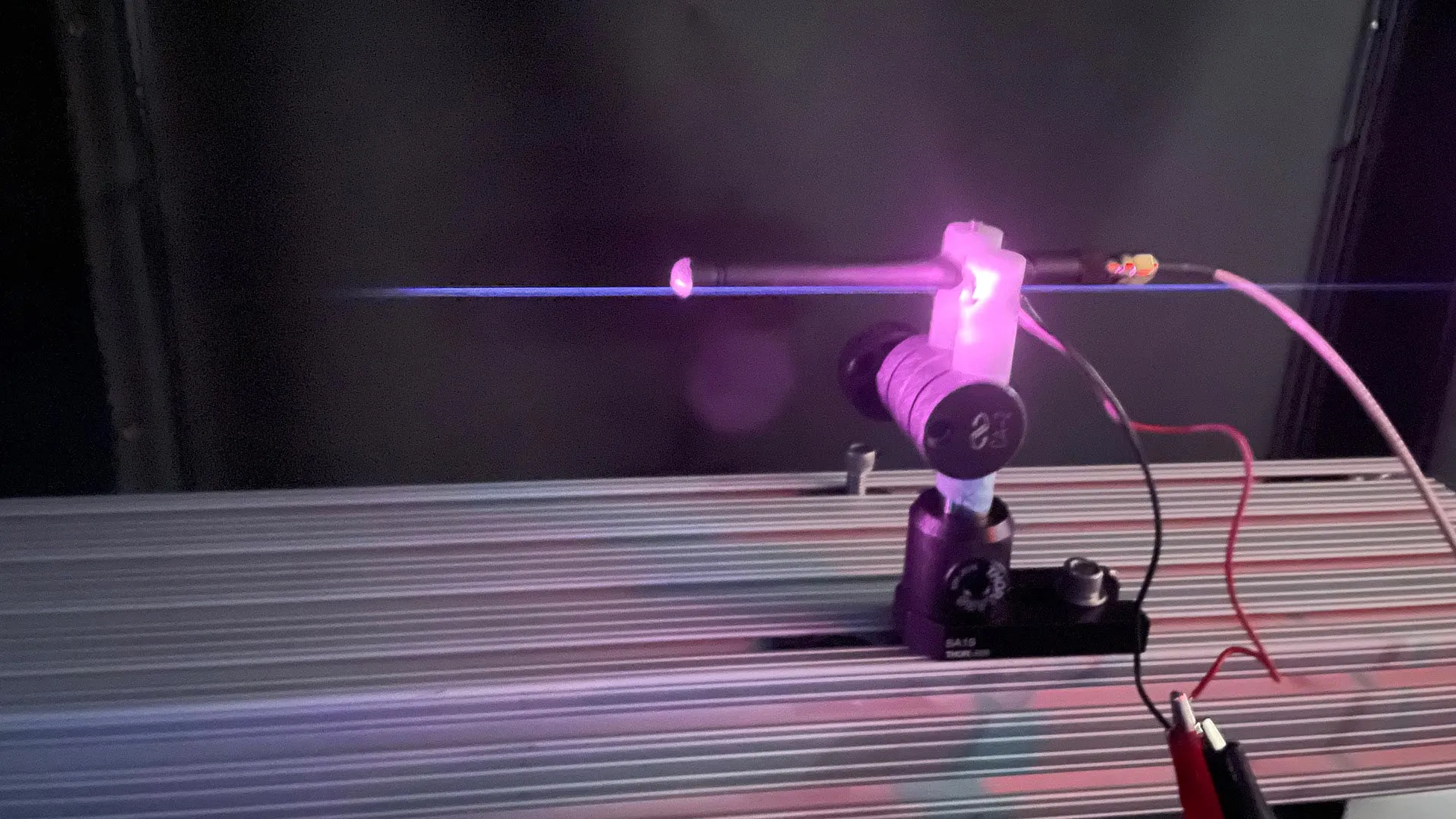
Scientists have demonstrated a remarkable new antenna that resembles a lightsaber, using a laser to create a tunable beam of plasma capable of transmitting radio waves. The technology could revolutionize wireless communications by allowing antennas to change their size and direction on demand, with promising applications in satellites, radar, and space exploration.