Advertisement
Advertisement

Topic

scientists

Science

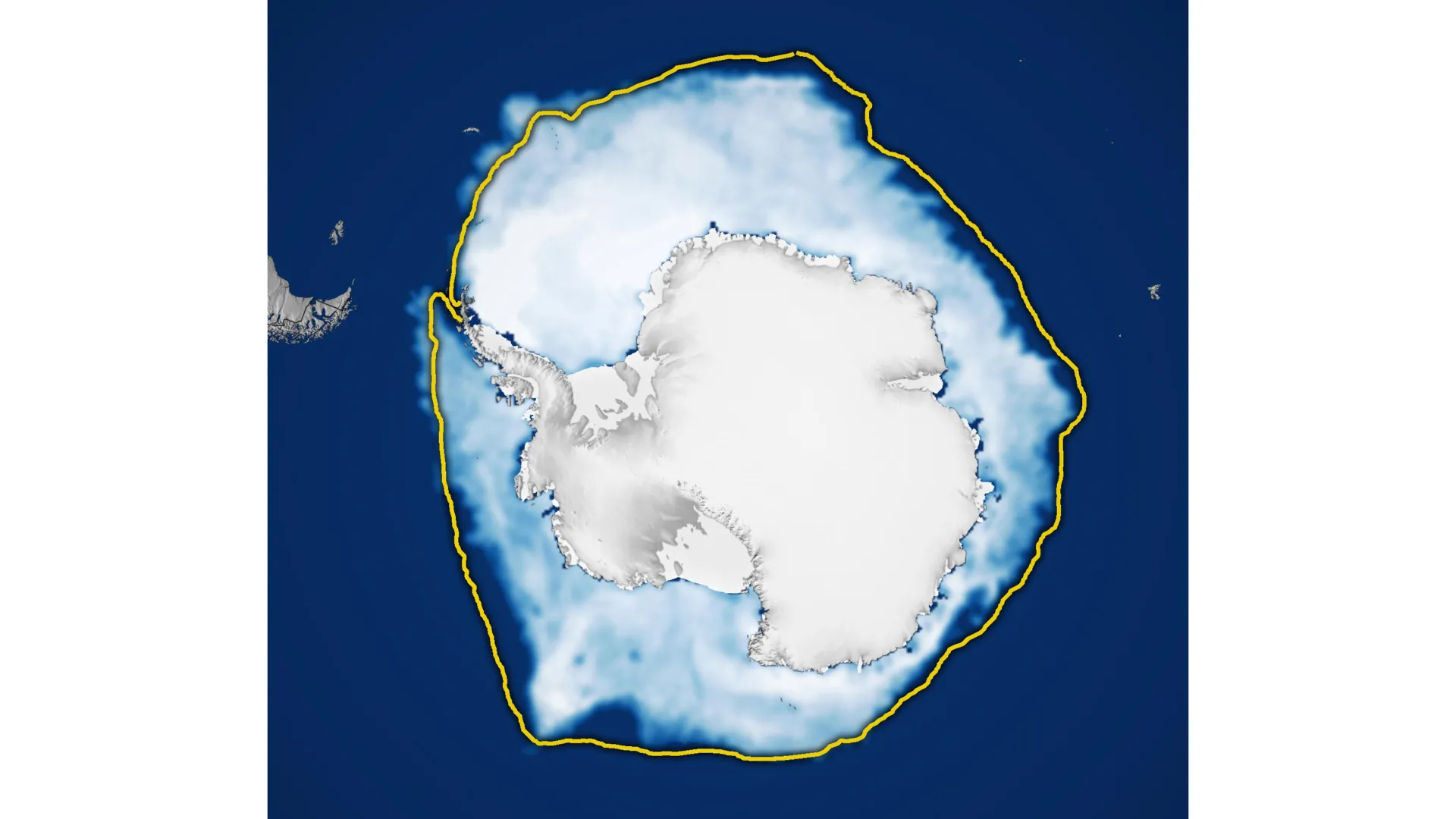
Antarctica’s sea ice has undergone a stunning reversal

Antarctic sea ice reached its third-lowest winter maximum in 2026, extending a remarkable decline that began after years of record-breaking growth. Scientists are investigating whether the dramatic reversal signals a long-term shift in Antarctica's frozen landscape.
Science

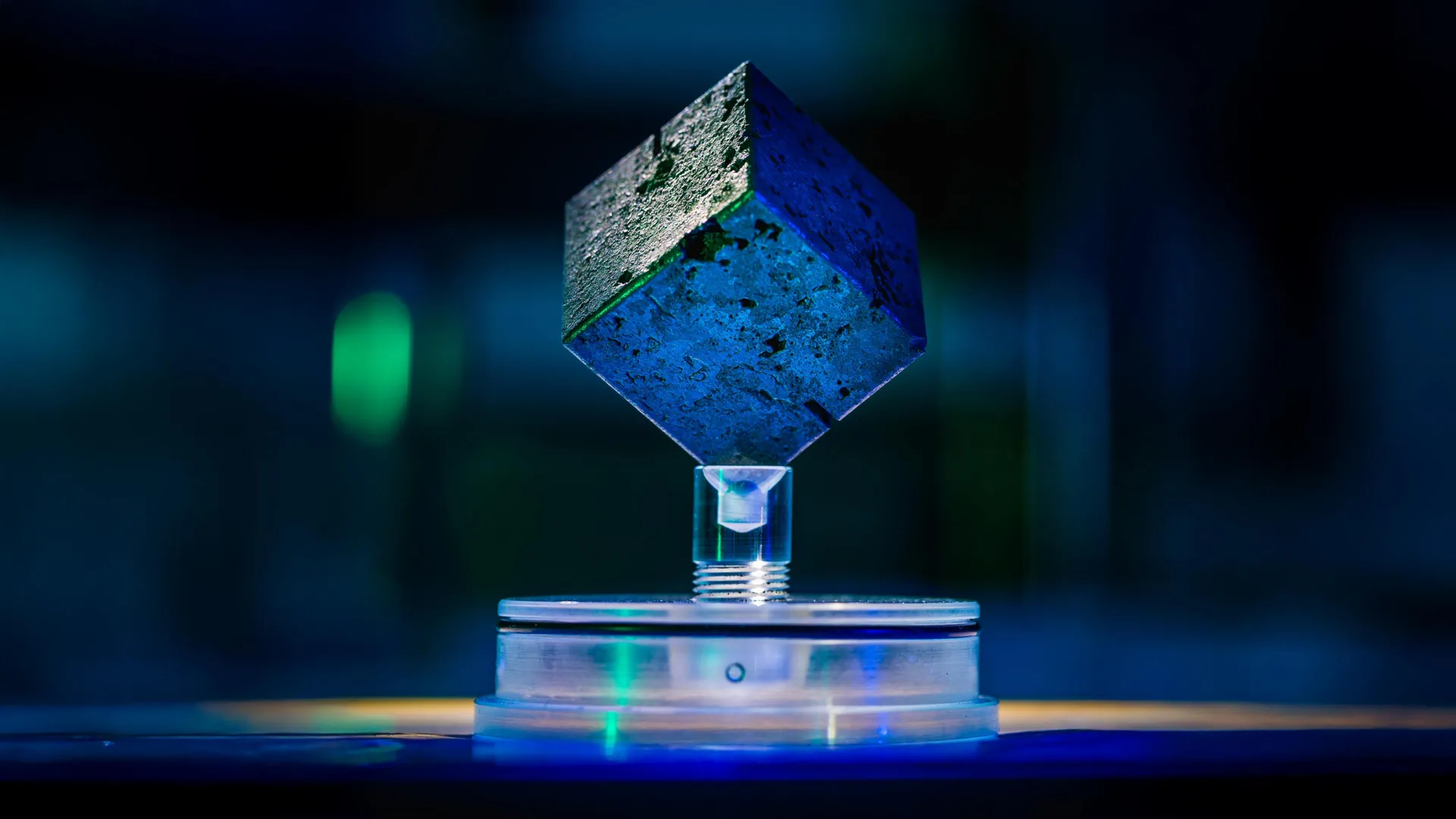
The uranium cubes that exposed Nazi Germany’s nuclear failure

Scientists investigating Nazi Germany's secret nuclear program have uncovered evidence that its final experimental reactor was nowhere near as close to working as previously claimed. Analysis of surviving uranium cubes and wartime documents reveals that Germany lacked the enormous quantities of uranium and heavy water needed to make its reactor operational.

Science

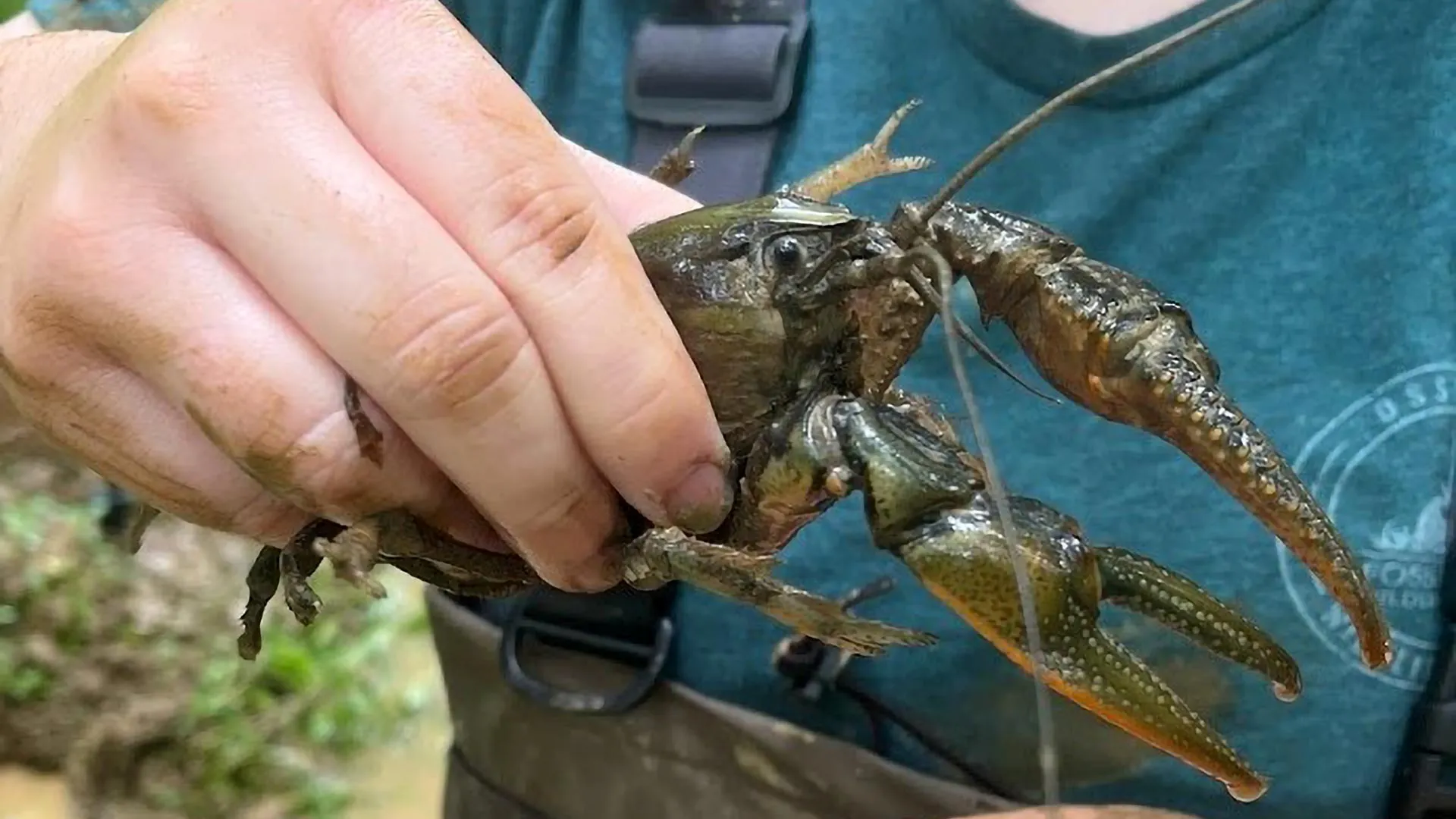
“Crawzilla” was huge. Then scientists found an even bigger crayfish

A nationwide search for giant crayfish uncovered a record-breaking Tennessee specimen and a surprising mystery about how big these freshwater creatures can grow. Scientists found that North American crayfish seem to hit a biological size limit, possibly because of their muscles or protective shells.

Health

Scientists discover a surprising danger in smaller cancer cells

Scientists have discovered that unusually small cancer cells carrying extra chromosomes can be far more aggressive than larger ones, growing faster, spreading more readily, and resisting common treatments. The surprising finding could help explain why some tumors are especially dangerous and provide a new way to predict cancer outcomes.

Science

A fungus is threatening the world’s food supply. Scientists just found a new defense

Scientists have discovered a potential new weapon against a devastating fungus that threatens rice, wheat, and barley worldwide. By engineering a special type of plant immune receptor, researchers created defenses capable of recognizing multiple fungal threats at once. The breakthrough could eventually lead to crops with powerful, long-lasting disease resistance, helping protect a global food supply increasingly threatened by spreading infections and climate change.

Science

Scientists reveal 93% of Australia's Indigenous population was lost in just 73 years

A groundbreaking study suggests that 2.22 million Indigenous Australians lived on the continent before European colonization, far more than previously believed. Researchers estimate that 93% of this population was lost within 73 years, revealing a demographic catastrophe on a scale that dramatically changes our understanding of Australian history.

Health

Cancer is rising in younger adults, and scientists can't fully explain why

A major study found that several cancers are rising faster among younger adults in England, even as smoking, diet, and other established risk factors have generally improved. Excess weight explains only part of the increase, leaving scientists searching for other possible causes, including changes in the gut microbiome and early-life exposures.

Science

Scientists may have finally solved the mystery of the Moon’s two faces

Scientists may have solved a long-standing mystery about why the Moon’s two sides are so different, using samples collected from its farside for the first time. Their findings suggest that uneven heating from Earth's gravitational pull drove enormous flows of ancient magma, creating the dramatically different lunar landscapes we see today.

Advertisement
Science

Scientists discover how harmful “zombie cells” hide from the immune system

Scientists have discovered a protein that may help harmful aging cells hide from the immune system, allowing them to accumulate and fuel age-related health problems. Blocking the protein in mice reduced these cells and inflammation while improving blood sugar regulation and strength, offering a promising new direction for anti-aging research.

Science

Cornell scientists identify rare human genetic disorder in two unusually long-legged cats

Two unusually long-legged cats have helped scientists uncover the first genetically confirmed cases of Marfan syndrome in domestic felines. Researchers at Cornell University discovered that the brothers carried two altered copies of a gene linked to the rare connective tissue disorder, which can affect the eyes, heart, and blood vessels. Surprisingly, the cats survived into adulthood because their genetic mutation still allowed some normal function.

Science

Scientists reveal why some workout recovery tricks can backfire

Ice baths, massages, compression garments, and recovery supplements promise faster muscle recovery, but research suggests their benefits are often overstated, and some techniques may even undermine long-term gains. Scientists say the most effective recovery methods are far simpler and cheaper: getting enough sleep, eating well, and giving muscles time to rebuild.

Science

Scientists may have overlooked a hidden Alzheimer's culprit for decades

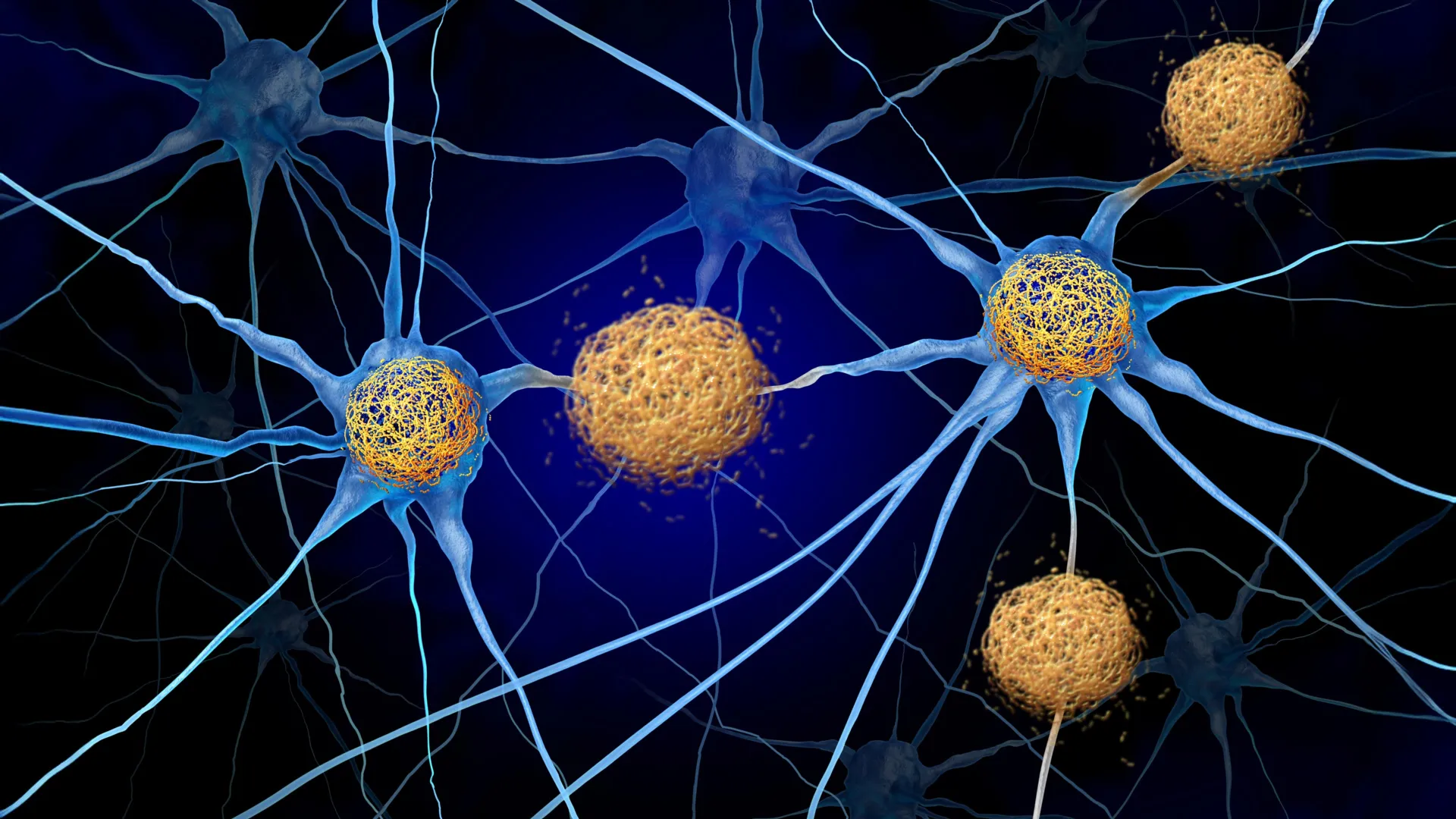
For decades, scientists have focused on amyloid beta as a major culprit behind Alzheimer’s disease, spending billions of dollars developing treatments that have often delivered disappointing results. Now, researchers at UC Santa Cruz are drawing attention to a largely overlooked peptide called P3 that could also play a role in the disease. Previously believed to be harmless, P3 can form harmful-looking protein clumps even faster than amyloid beta and may also damage brain cells.

Science

AI reveals a hidden chemical shortcut that could turn CO2 into fuel

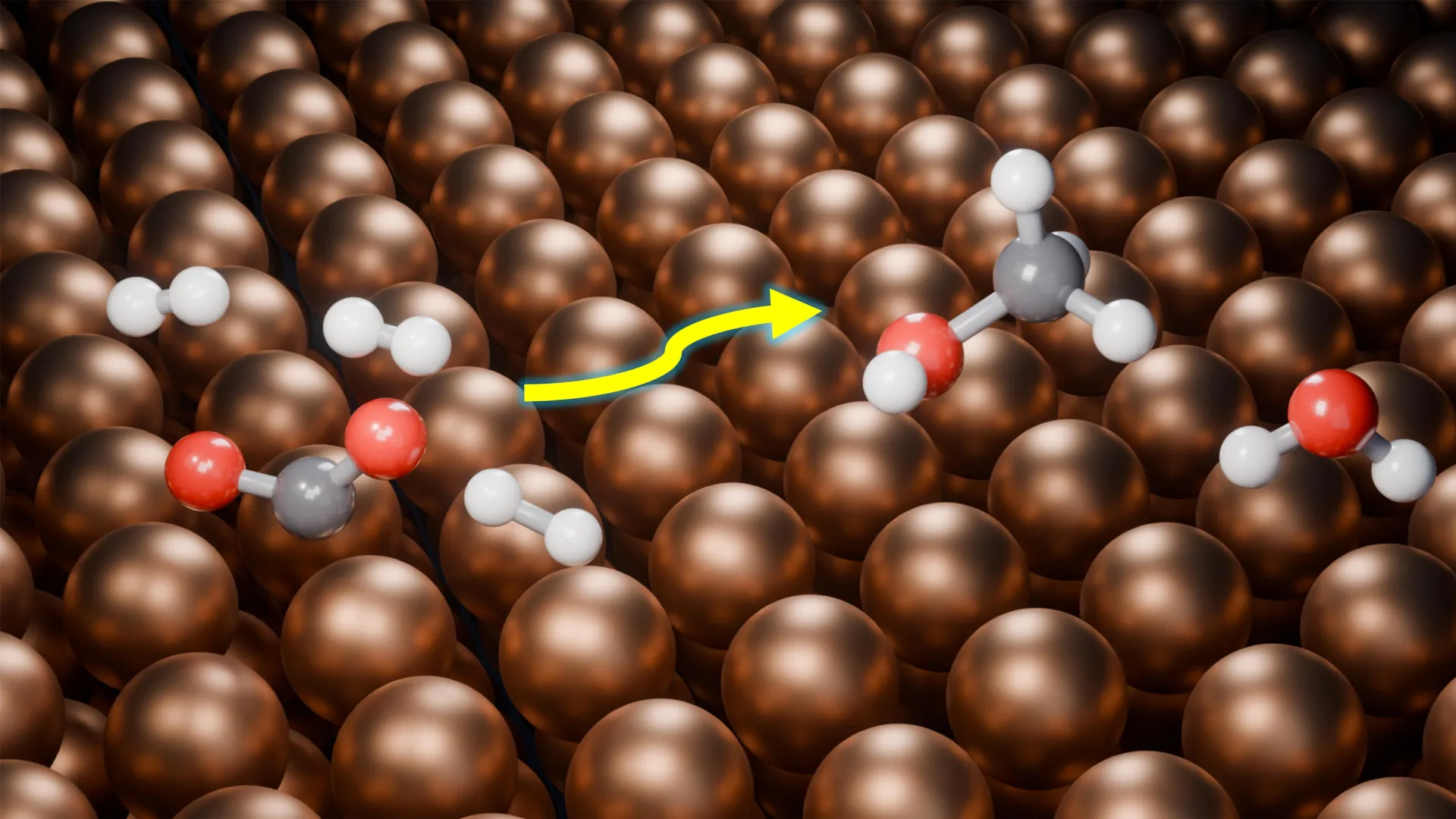
Scientists used artificial intelligence to uncover nearly 10,000 chemical reactions involved in transforming carbon dioxide into fuels and chemicals, revealing crucial pathways that traditional models had missed. The discovery dramatically improved predictions of CO2 conversion and uncovered a surprising hydrogen reaction that could inspire more efficient catalysts.

Science

Gigantic prehistoric snake discovered in India may have been one of the largest ever

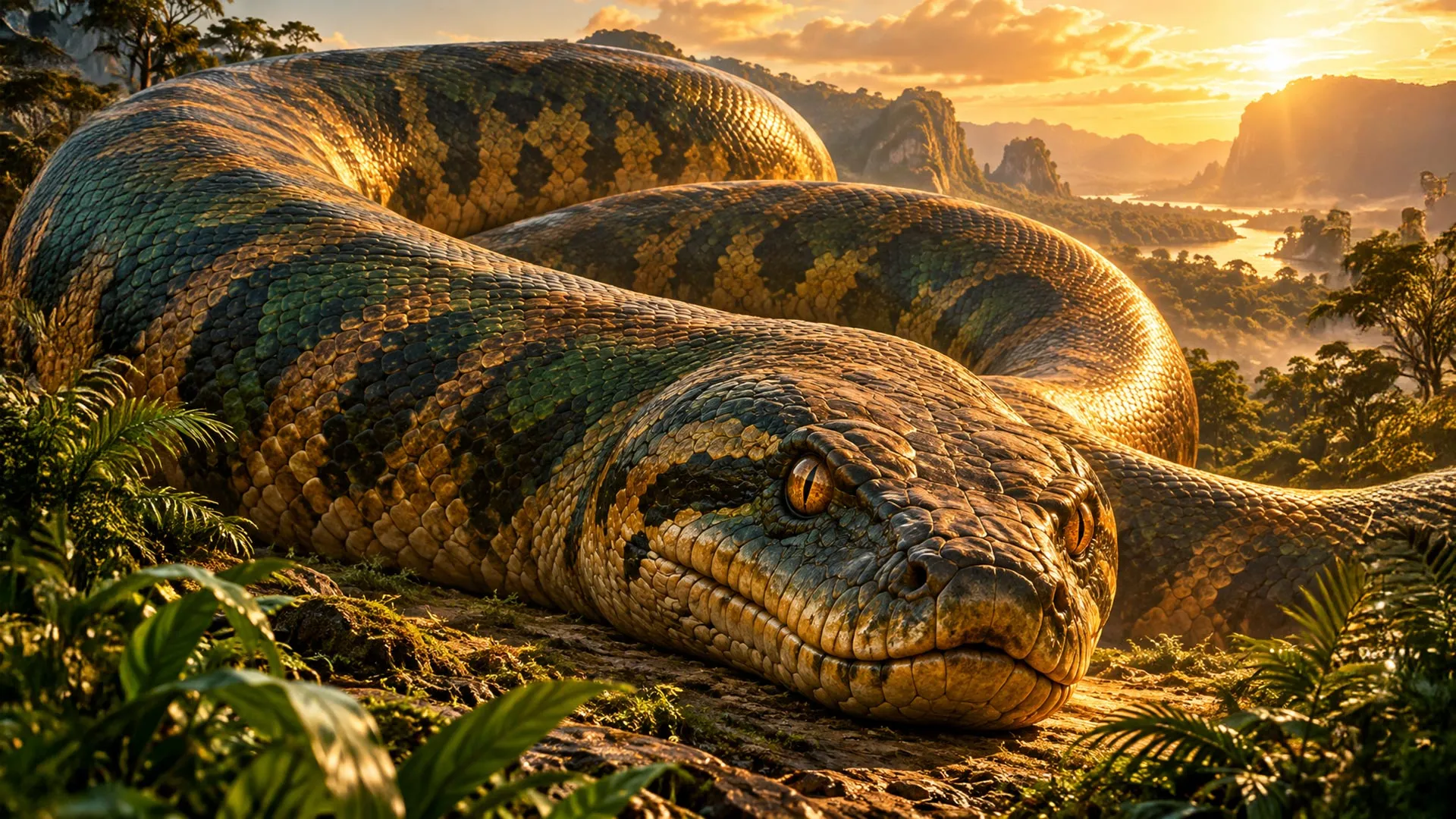
A massive prehistoric snake discovered in India may have rivaled the largest snake ever known. Called Vasuki indicus, the 47-million-year-old giant could have reached up to 50 feet long, making it comparable to the legendary Titanoboa. Scientists believe its enormous body made it a slow-moving ambush predator, similar to a modern anaconda.

Science

After 30 years, scientists finally have a drug for a deadly brain disease

The FDA has approved the first drug that directly targets Alexander disease, a devastating neurological disorder affecting fewer than one in a million people. Developed through decades of research, Zanvastro showed promising results in clinical trials, stabilizing motor function and even improving movement in some patients.

Advertisement
Science

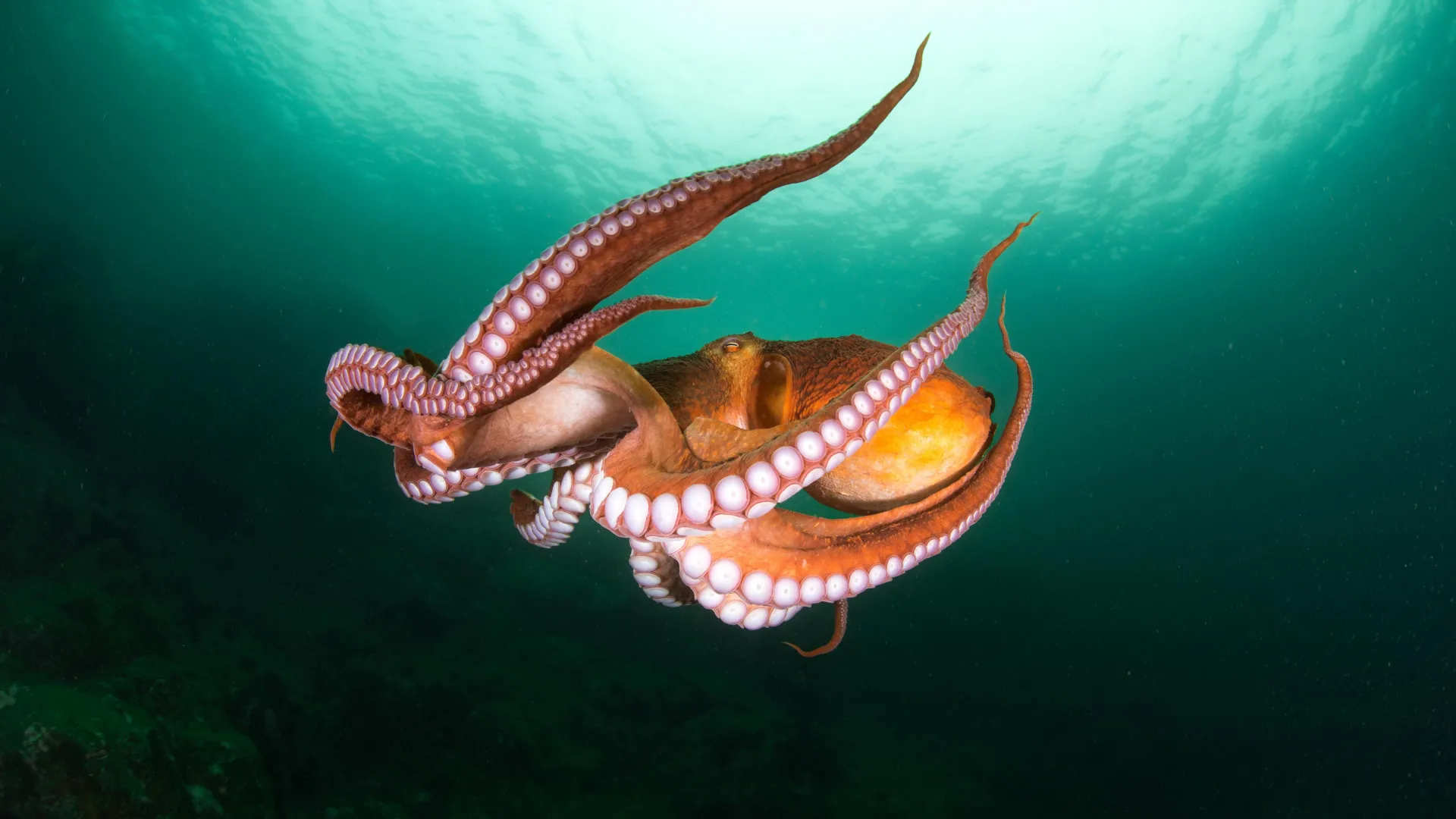
Scientists find a surprising genetic twist behind octopus intelligence

The remarkable intelligence of octopuses, squid, and cuttlefish may trace back to an ancient reshuffling of their DNA that created new connections between genes. Scientists discovered that these changes in the genome's 3D structure may have helped drive the evolution of their unusually complex nervous systems.

Science

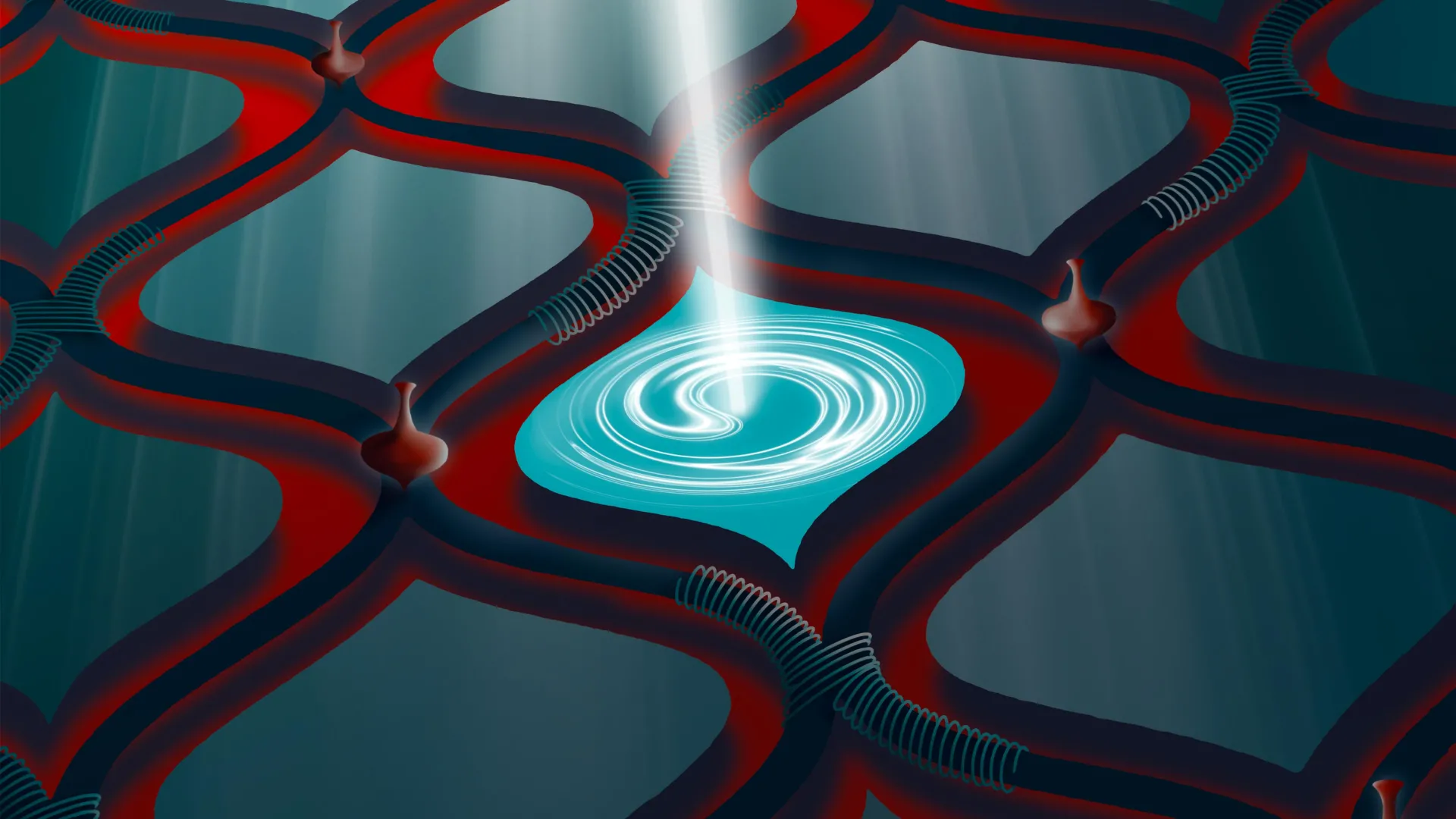
Scientists recreate a bizarre quantum effect that stops a particle cold

Oxford physicists have recreated a bizarre quantum effect in which a particle responds to a magnetic field without ever traveling through it. Using a hybrid quantum computer, they demonstrated how introducing a simulated magnetic flux could completely halt a particle's movement through quantum interference. The experiment brings a decades-old prediction into a new setting where matter and quantum fields influence one another.

Science

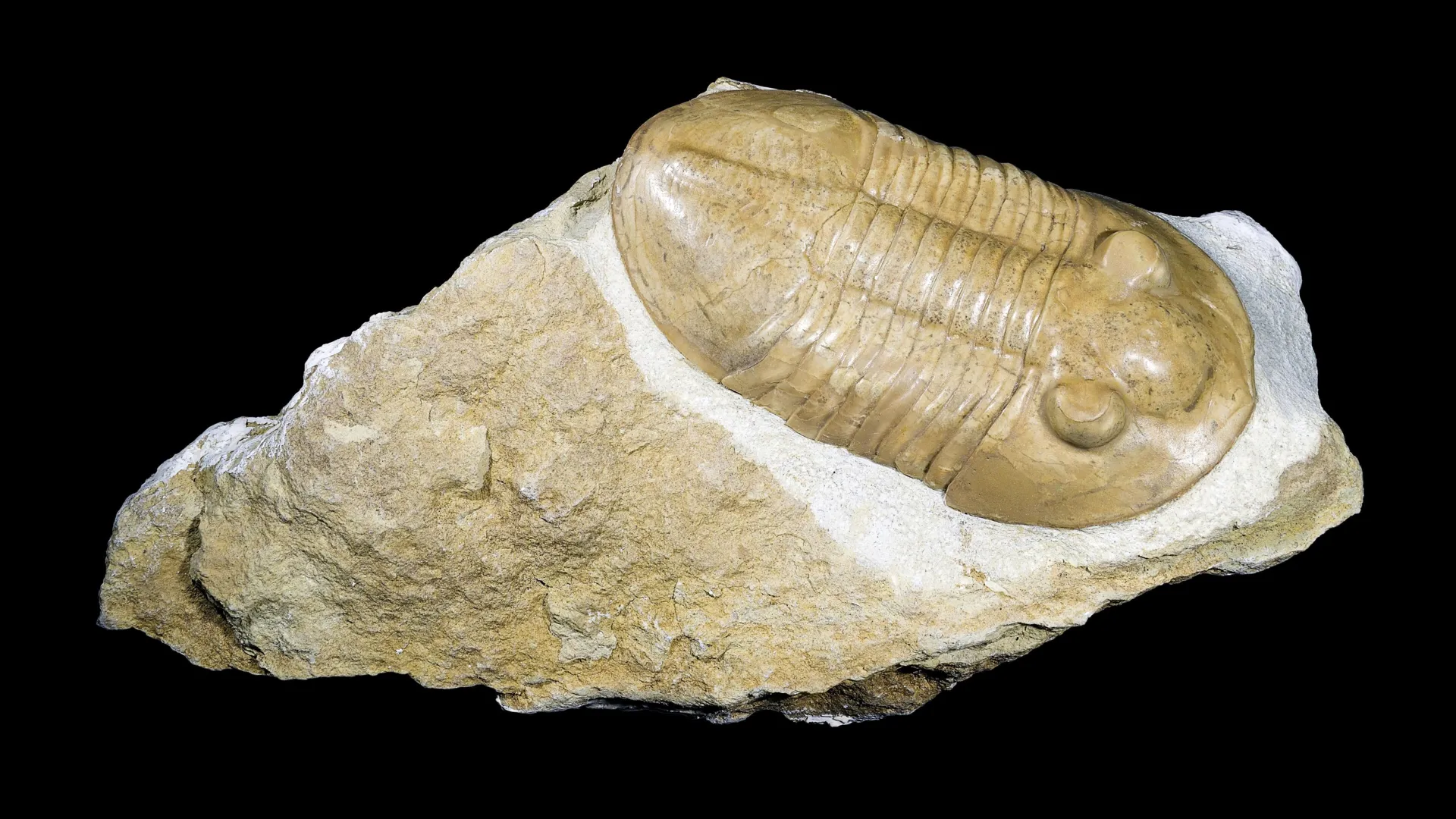
Scientists uncover the 2.3-billion-year-old secret that helped keep Earth habitable

Scientists may have solved a 2.3-billion-year-old mystery about how Earth maintained enough oxygen to support life. Ancient rocks reveal that phosphorus recycling in the oceans created a self-sustaining cycle that helped keep oxygen levels high, even as the planet underwent dramatic environmental changes. The discovery challenges assumptions about Earth's early atmosphere and raises new questions about why complex life took so long to emerge.

Health

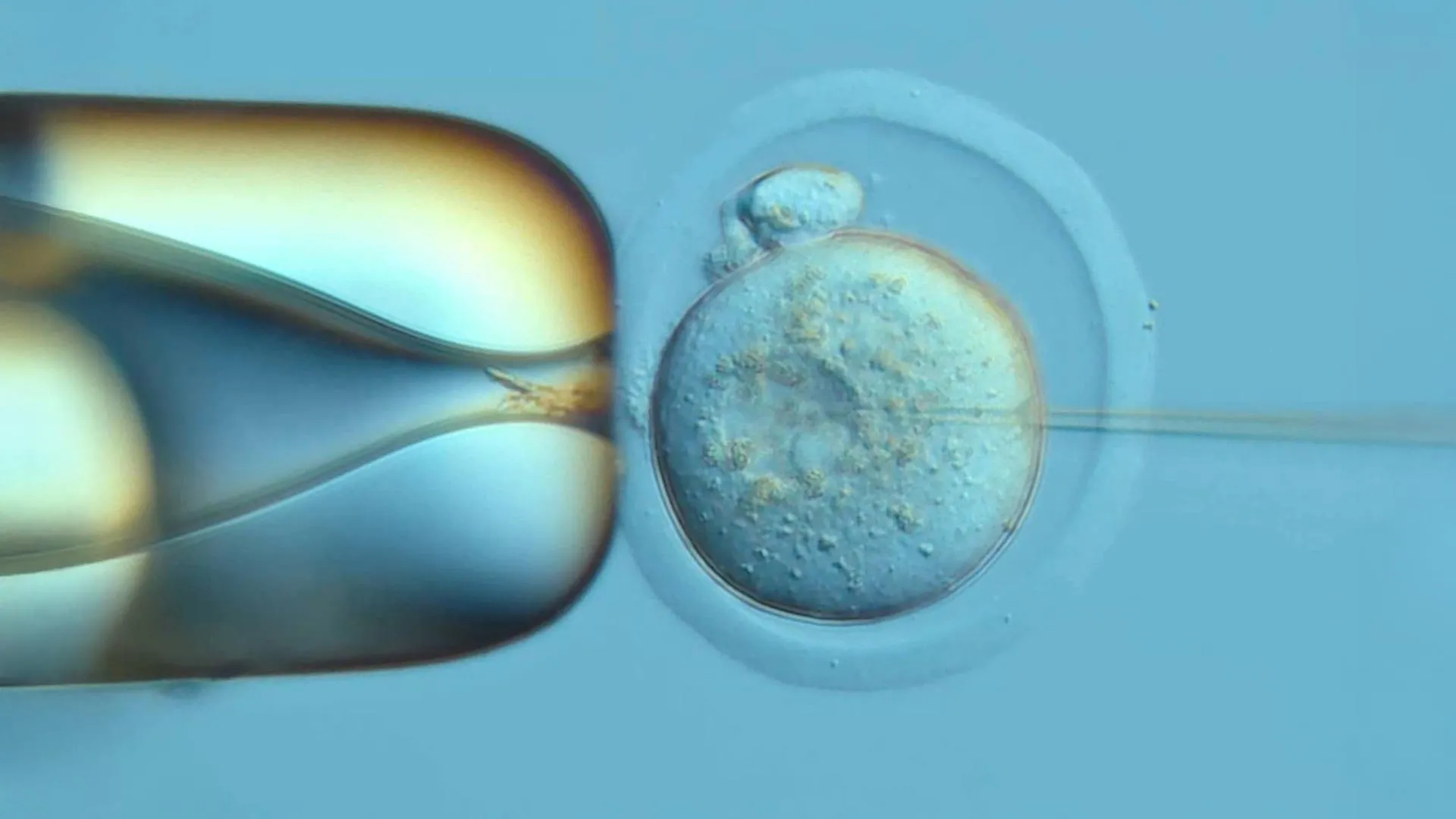
DNA recording system reveals how a single cell becomes a body

Scientists have traced the development of a mouse embryo from its first two cells to the formation of organs, using a remarkable DNA recording system that reveals the family history of individual cells. Their findings uncover how different cell types emerge on their own schedules and could help explain what goes wrong in birth defects, genetic disorders, and cancer.