Advertisement
Advertisement

Topic

scientists

Health

Scientists find a new layer of Alzheimer’s hidden in the genome

Scientists found that the 3D organization of DNA is disrupted in several types of brain cells affected by Alzheimer’s disease, altering how important genes are switched on and off. The discovery reveals a previously underexplored layer of the disease that could open new paths for understanding and eventually treating Alzheimer’s.

Science

One Mount Etna eruption took weeks. Another happened in hours

Mount Etna’s ancient eruptions followed radically different paths, with some magma lingering near the surface for weeks while other magma raced upward from nearly 30 kilometers deep in just hours. Scientists traced the difference to volcanic gases such as carbon dioxide and water, offering a powerful new way to understand and potentially anticipate explosive eruptions.

Science

This German submarine sank in 1917. It’s still leaking TNT

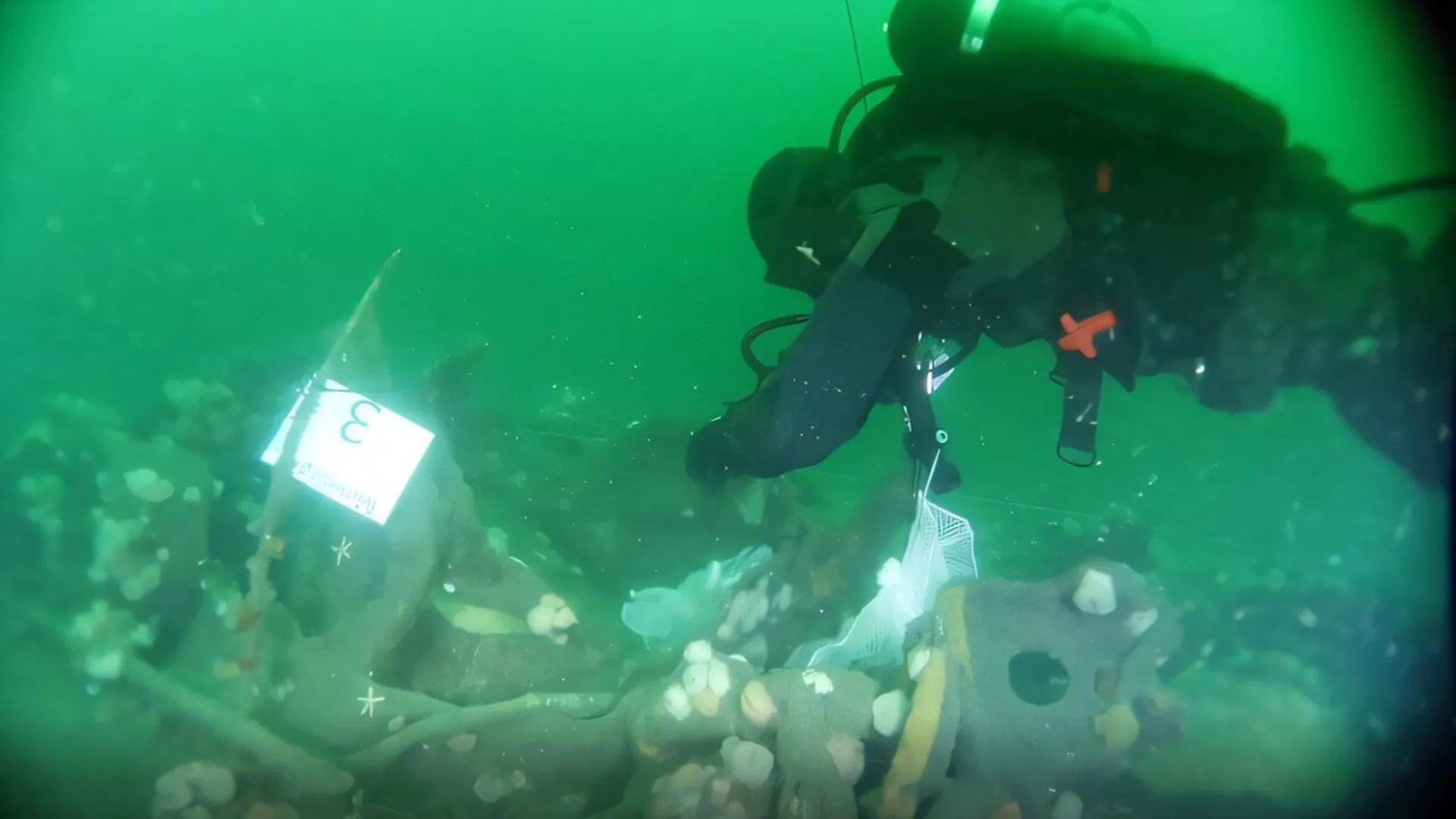
A World War I submarine wreck off Denmark is leaking TNT into the surrounding water, seabed, and marine life more than a century after it sank. Scientists warn that thousands of similar wrecks could pose growing environmental risks as they continue to corrode.

Science

Cancer is rising in younger adults. Faster biological aging may help explain why

Cancer rates are rising in adults under 55, and new research suggests accelerated biological aging may be one piece of the puzzle. Scientists found that people from more recent generations tended to have bodies that appeared biologically older than those of earlier generations at the same chronological age. Greater biological age acceleration was linked to a higher risk of early onset cancers, with specific patterns seen for lung, gastrointestinal, uterine and colorectal cancers.

Health

Scientists discover strange link between low vitamin D and pain

Low vitamin D levels may make recovery from breast cancer surgery more painful, according to a study of 184 women undergoing mastectomy. Patients with vitamin D deficiency were three times more likely to experience moderate to severe pain during the first 24 hours after surgery and also used substantially more of the opioid painkiller tramadol. They received slightly more fentanyl during surgery and experienced more postoperative nausea as well.

Science

Scientists discover a major brain shift between ages 50 and 75

Scientists have uncovered sweeping changes in how the human brain controls and organizes its genome beginning in midlife, offering new clues to why aging sharply increases the risk of Alzheimer’s and other neurodegenerative diseases. One of the biggest shifts occurred between about ages 50 and 75, when many of the brain’s original immune cells declined and were replaced by cells with more inflammatory characteristics. Researchers also found weakening of cells that help maintain the blood-brain barrier, along with widespread deterioration in the genome’s three-dimensional organization.

Advertisement
Health

Scientists discover cells that cheat death and rebuild damaged tissue

Scientists discovered a population of cells that can start the process of programmed cell death, survive it, and then help rapidly rebuild damaged tissue. Their descendants become far more resistant to future damage, revealing a mechanism that could improve healing but may also help cancers return after treatment.

Science

Scientists are about to test Einstein’s gravity with exotic matter

Scientists have found a new way to create a controlled beam of muonium, an exotic atom containing a heavier cousin of the electron. The advance could allow researchers to test for the first time whether gravity acts on second-generation particles exactly as Einstein’s theory predicts. Any unexpected difference would be a major surprise and could potentially point toward new physics, including a hypothetical fifth force.

Science

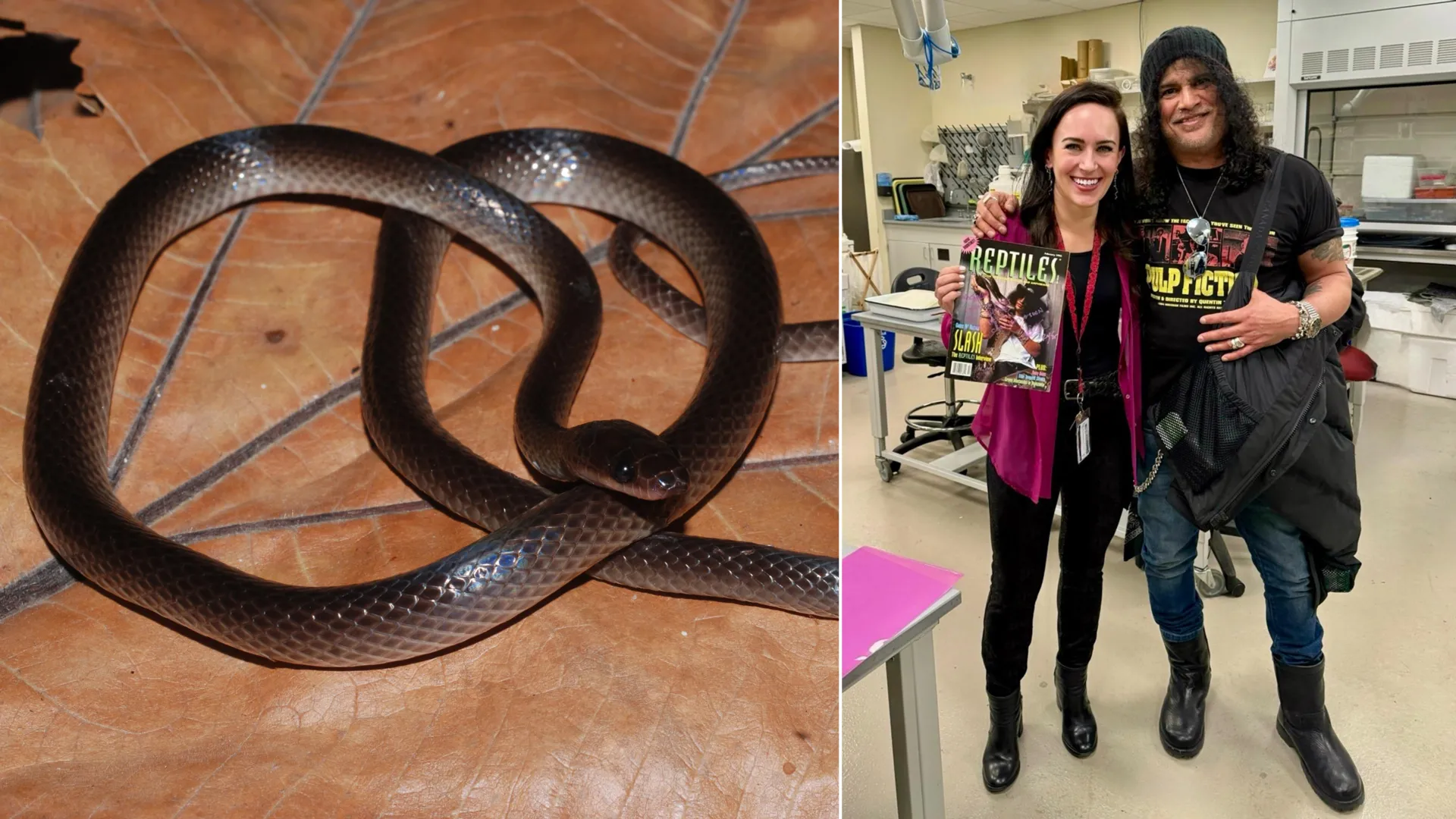
Scientists just named a new snake after Guns N’ Roses legend Slash

A newly discovered snake from New Guinea has been named after Guns N’ Roses guitarist Slash, who has loved reptiles since childhood. Genetic testing and physical differences confirmed that the reddish-brown groundsnake, Lielaphis slashi, is a species scientists had never formally recognized before. The nonvenomous snake may use large rear teeth to catch slippery lizards and reptile eggs.

Health

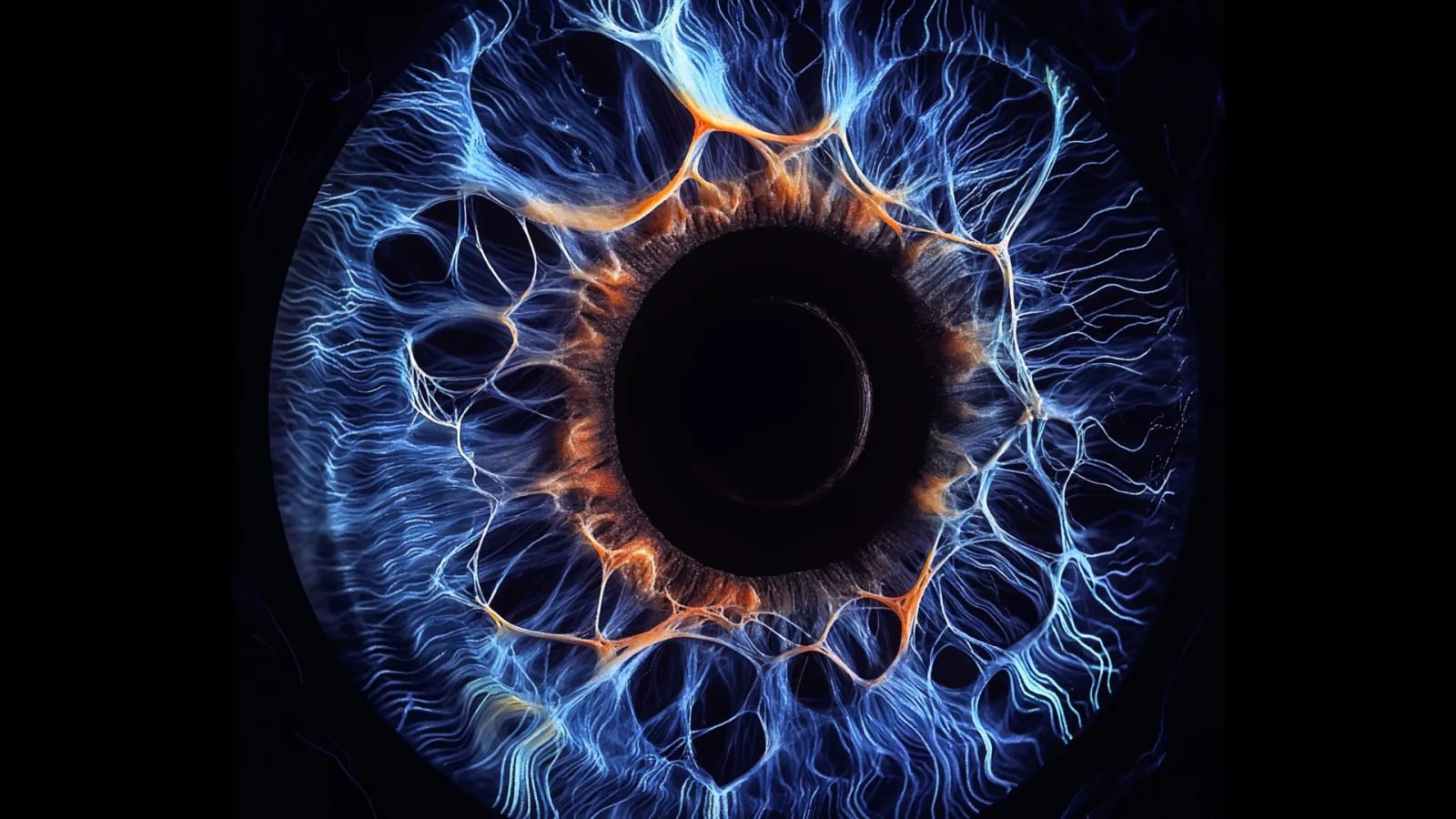
Scientists find a hidden retinal defense against vision loss

A naturally occurring molecule called erucamide may help the retina fight back against diseases that cause progressive vision loss. Restoring the molecule activated protective immune responses that helped stabilize retinal tissue and slow aspects of degeneration in preclinical models.

Science

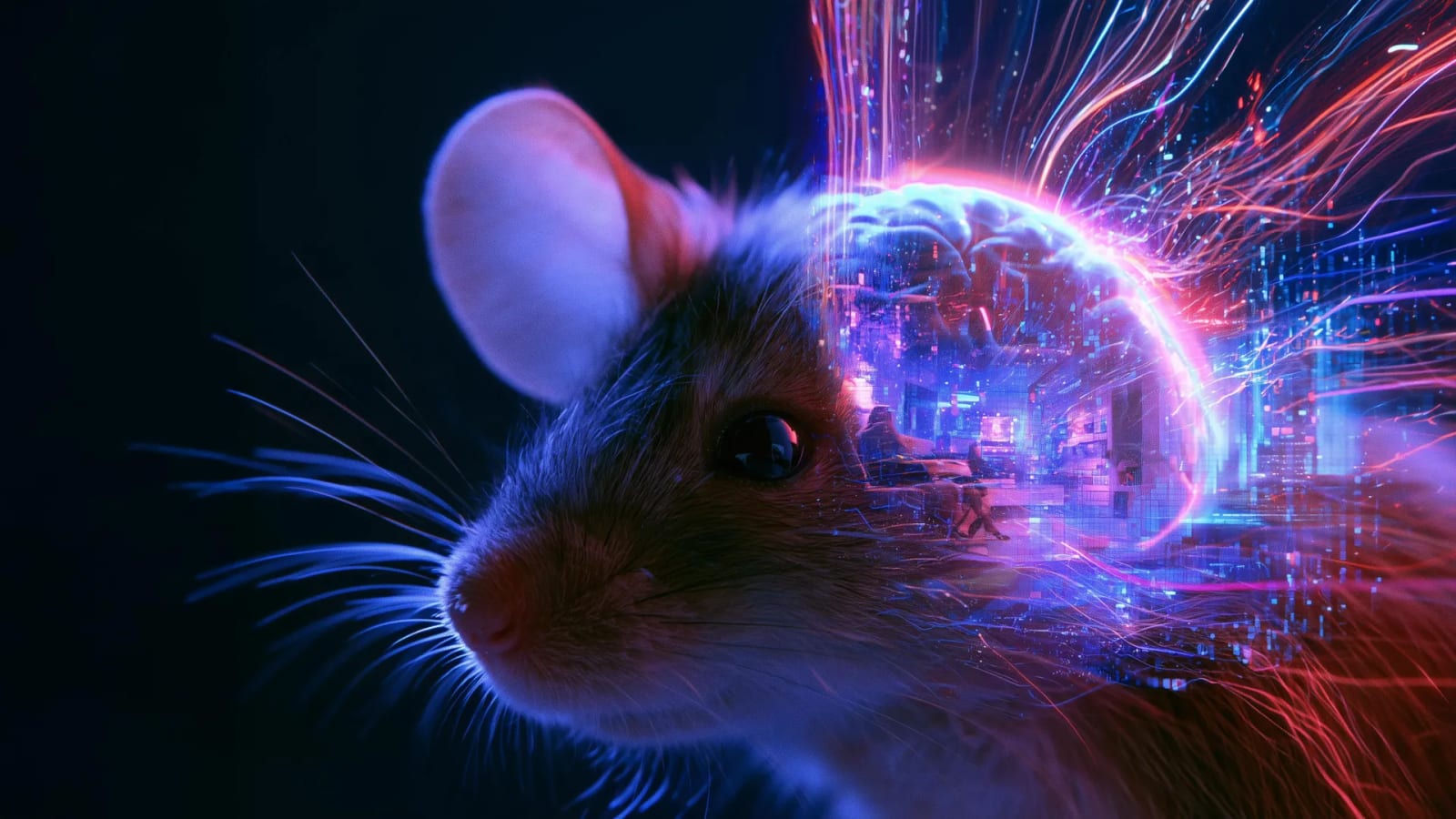
Scientists recreated what mice saw from brain activity alone

Scientists reconstructed videos from the brain activity of mice, producing 10-second clips based only on signals from neurons in the visual cortex. The breakthrough could help reveal how the brain reshapes what we see before it becomes our perception of reality.

Science

Scientists stunned as volcano cloud starts destroying methane

The Hunga Tonga eruption may have triggered a surprising chemical reaction that destroyed some of the methane released into the atmosphere. Scientists say the discovery could reshape estimates of methane pollution and inspire new methods for slowing near-term global warming.

Advertisement
Science

Scientists turn seawater into fresh water without harmful brine

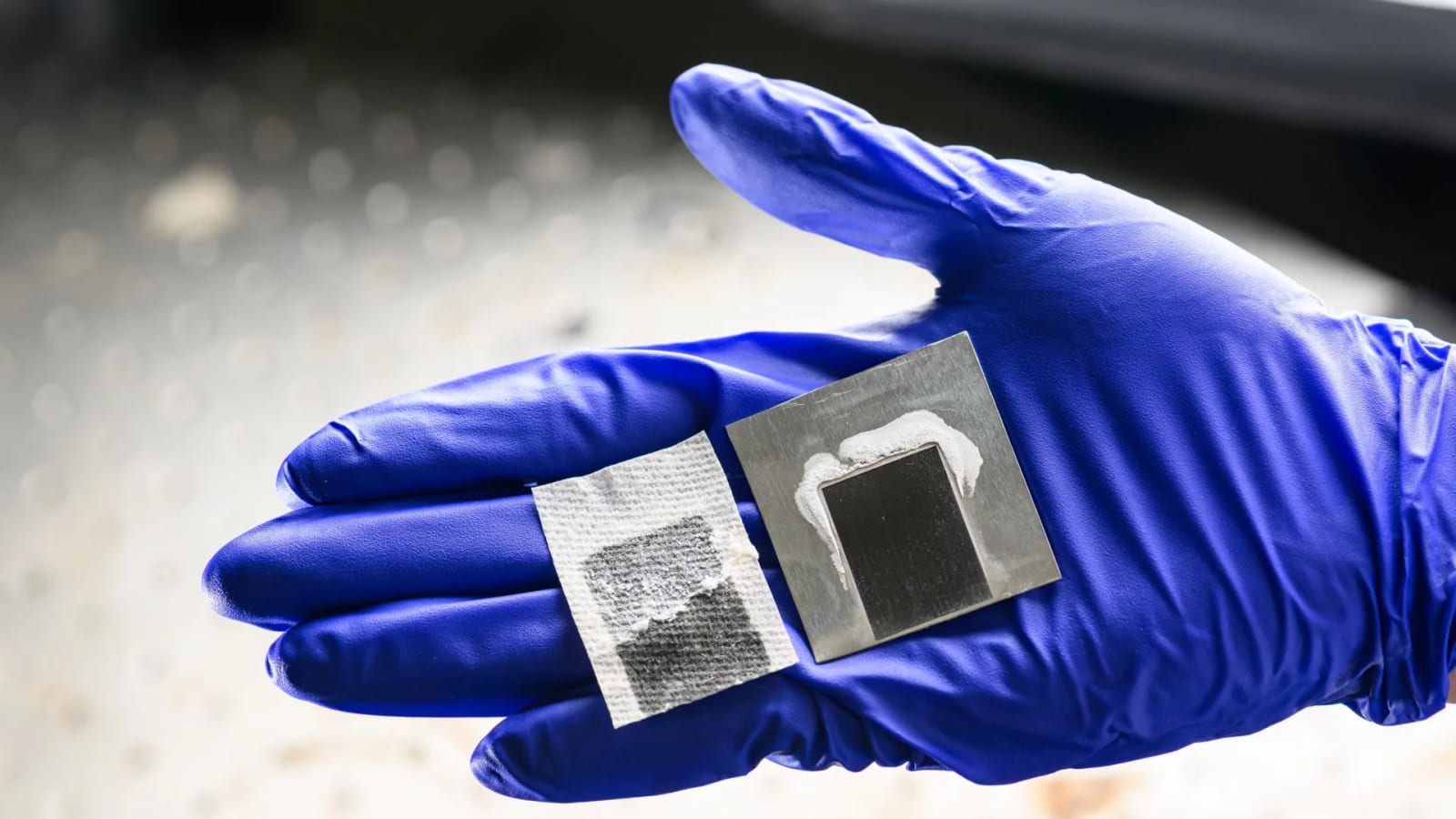
Scientists have developed a solar-powered desalination system that turns seawater into fresh water while removing nearly all of the leftover salt as a solid instead of producing harmful brine. The self-cleaning technology could also recover valuable minerals such as lithium, potentially turning desalination waste into a useful resource.

Science

Scientists find the whole grain “sweet spot” for better heart health

Eating four to six servings of whole grains a day may deliver meaningful benefits for heart health, according to a large review of 87 clinical trials. Researchers found improvements in body weight, waist size, blood pressure, cholesterol, blood sugar, triglycerides, and some markers of inflammation.

Science

Scientists find an immune “false alarm” that may drive rapid aging

Scientists have discovered that some severe genetic disorders linked to rapid aging may be driven not just by damaged DNA, but by the body’s overreaction to that damage. When broken DNA fragments leak into the wrong part of a cell, an immune sensor called cGAS can mistake them for signs of a viral infection, triggering chronic inflammation and even interfering with DNA repair itself.

Topic: scientists | RocksNews