Advertisement
Advertisement

Topic

scientists

Science

A new process turns plastic waste into gasoline and diesel fuel

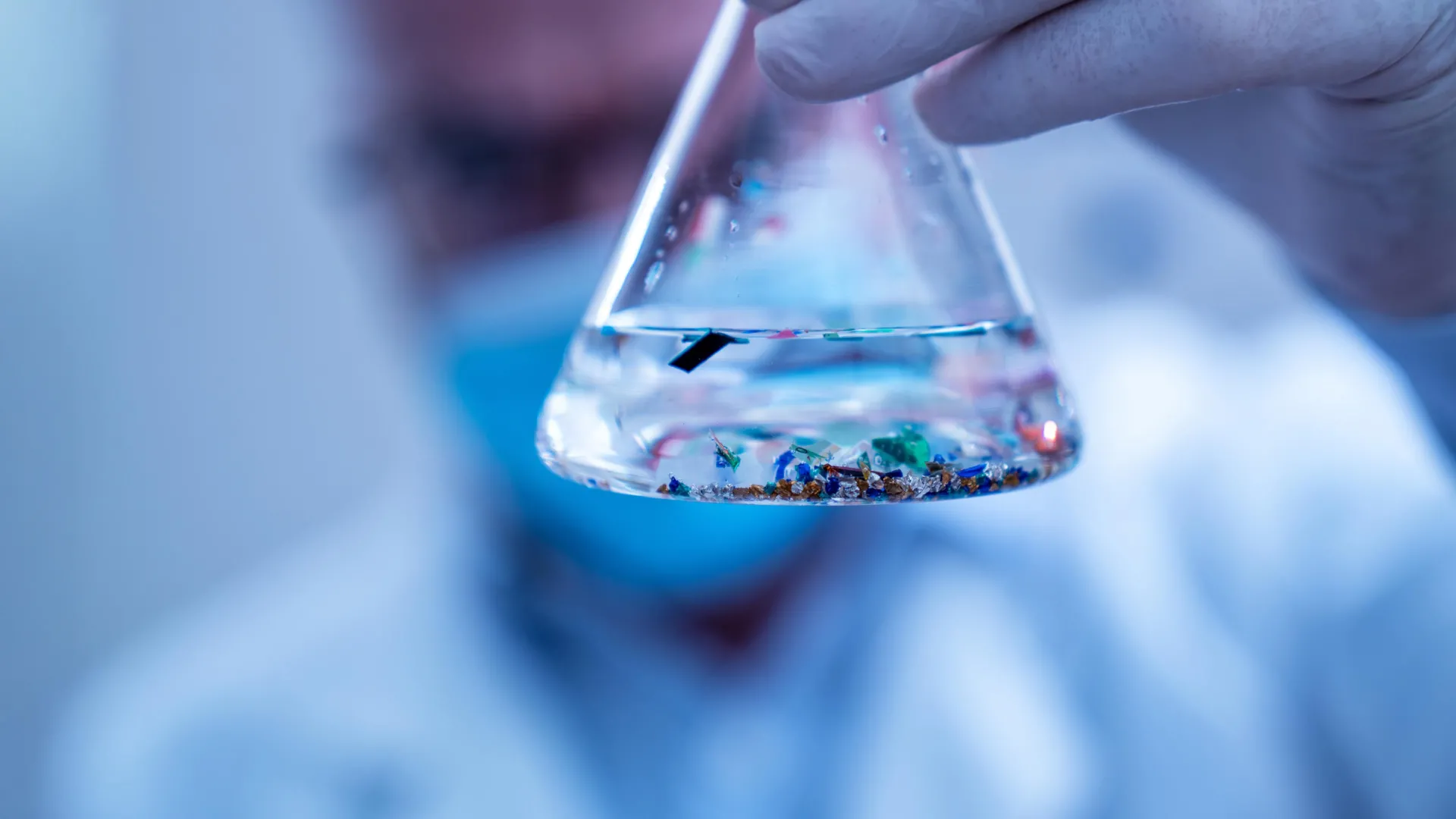
Scientists at Oak Ridge National Laboratory have developed a surprisingly simple way to turn polyethylene, the common plastic used in shopping bags and cutting boards, into gasoline and diesel-like fuels. The process uses inexpensive aluminum-based molten salts to break long plastic molecules into smaller hydrocarbons, producing about 60% gasoline under relatively mild conditions.
Science

Scientists create a needle-thin brain implant that can do three jobs at once

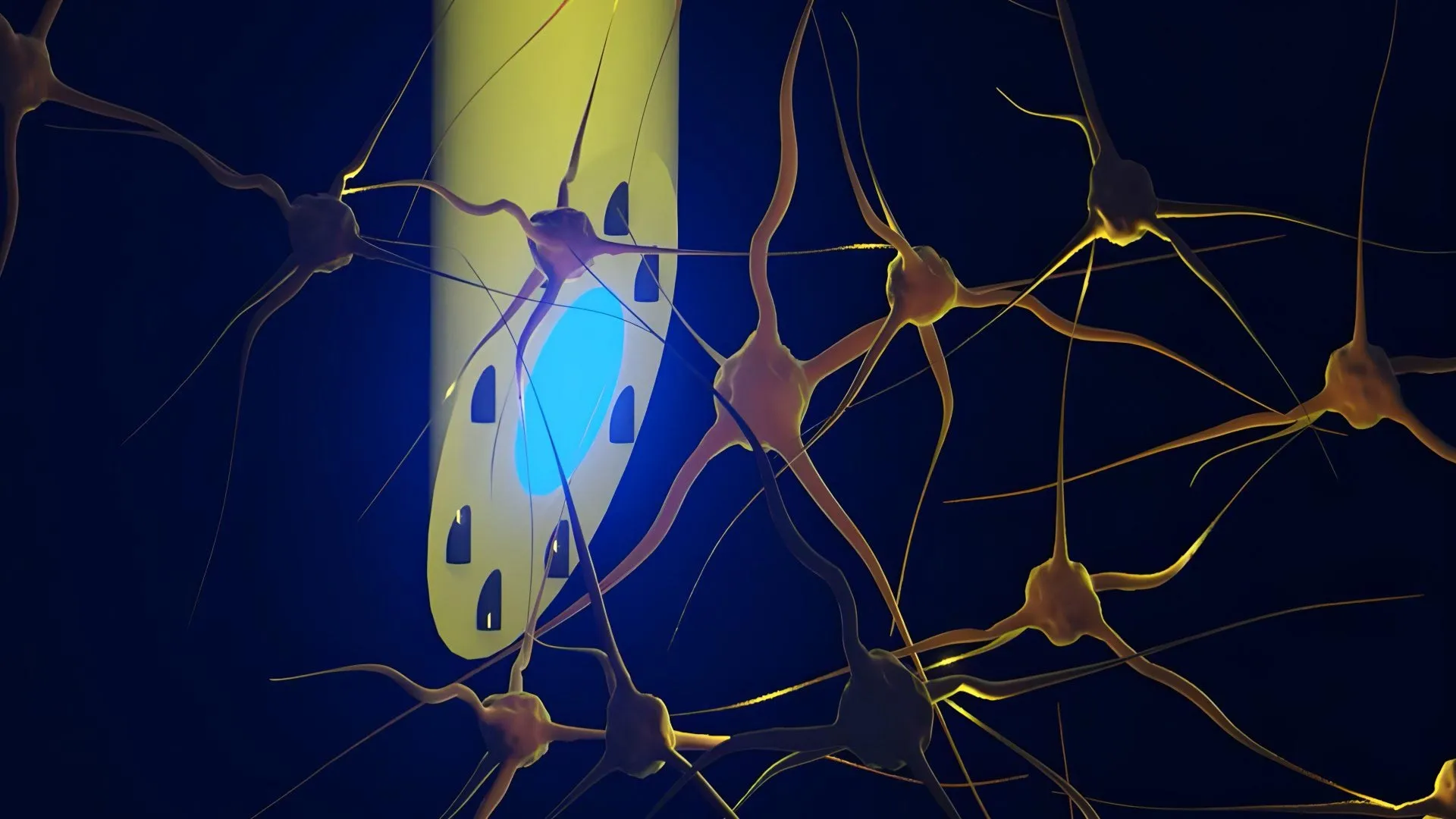
A new needle-thin brain implant can record neural activity, deliver drugs, and stimulate multiple brain regions using a single flexible fiber. Successful tests in mice suggest it could give scientists a more precise, less invasive way to study the brain and may eventually help treat neurological disorders such as epilepsy.

Science

New nanoparticles make hidden chemical differences light up

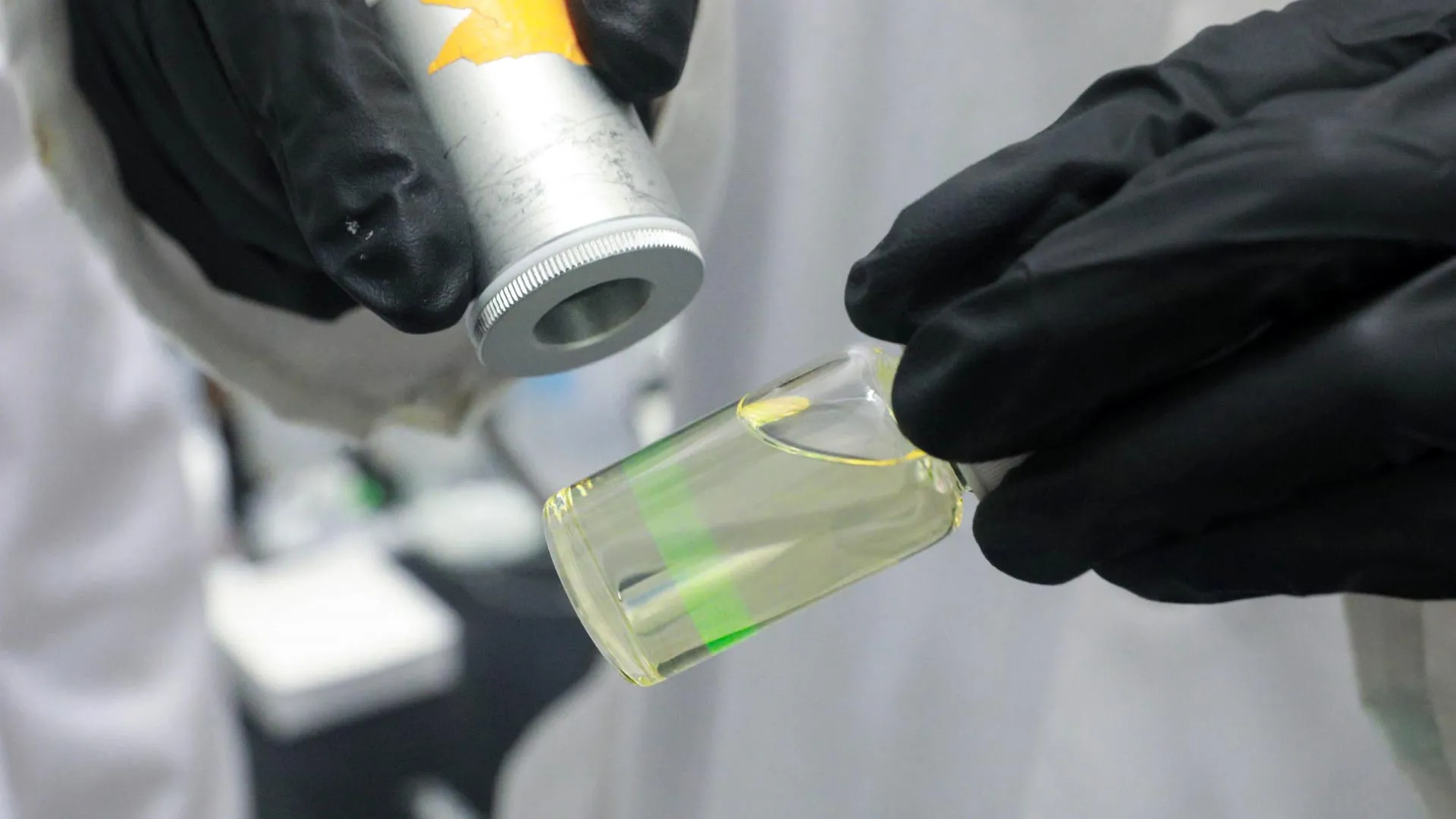
Scientists have developed ultra-bright nanoparticles that can detect tiny amounts of chemicals and distinguish between molecules that look almost identical. The technology could one day provide a cheaper way to catch dangerous drug impurities or trace pollutants using simple low-cost lasers.

Science

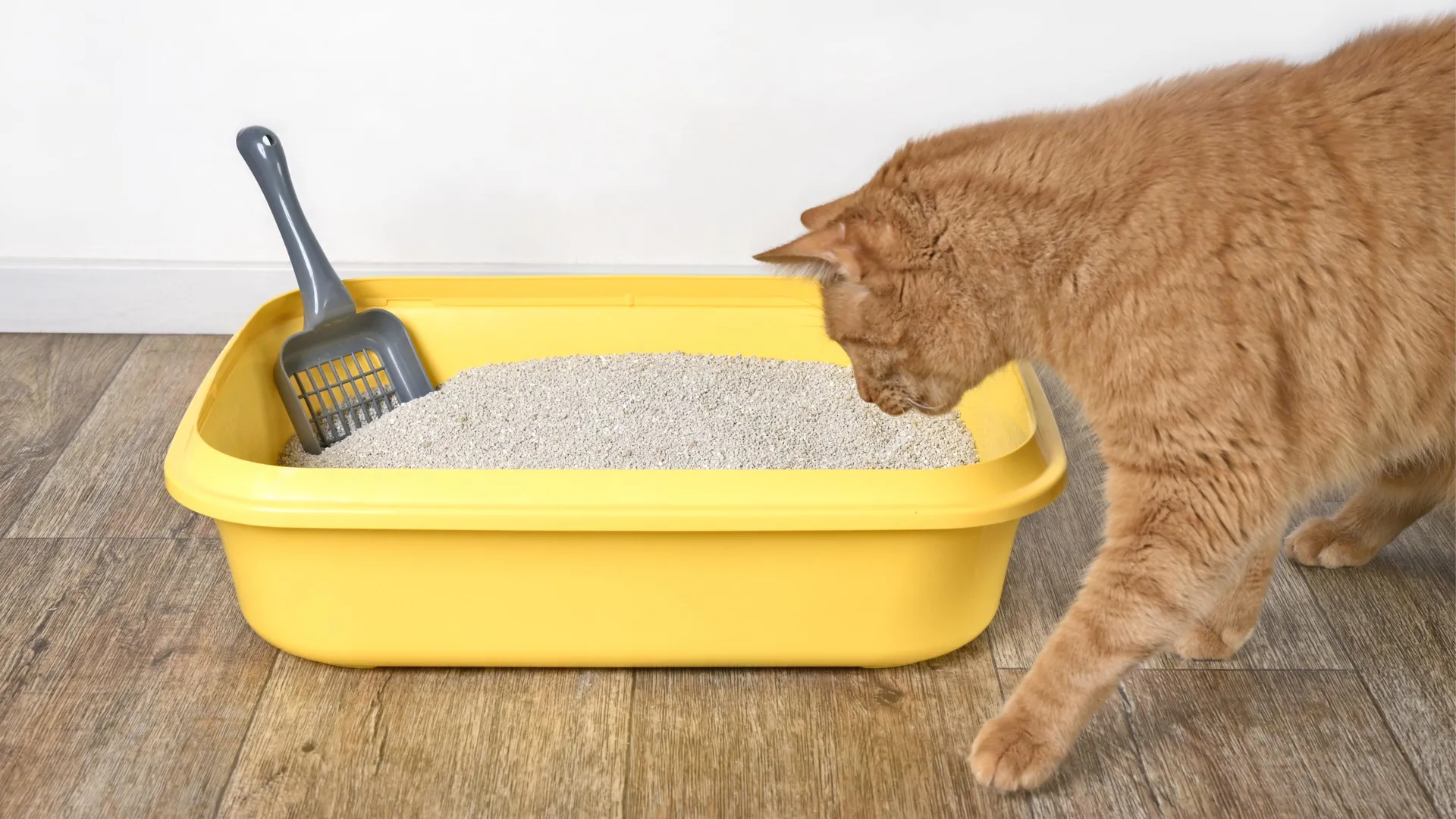
Scientists discover a hidden “ID card” in cat urine

Cats may identify one another through a surprisingly durable chemical “calling card” made from 13 unusual fatty acids in their urine. The compounds appear linked to mysterious fat droplets in the kidneys and may represent a scent-recognition system shared across the cat family.

Science

Scientists may have solved a 2,000-year-old Dead Sea Scrolls mystery

Researchers may have solved a long-running mystery surrounding the Dead Sea Scrolls by proposing that the Qumran sect really did use its distinctive 364-day calendar. Its perfectly ordered 52-week system kept holidays on the same weekdays, but it slowly drifted out of sync with the seasons because it was shorter than the true solar year.

Science

Scientists opened a sealed envelope after 10 years. Gravity still didn’t make sense

A decade-long NIST experiment has produced a new measurement of the universal gravitational constant that differs unexpectedly from another leading result, deepening a 225-year-old physics puzzle. The discrepancy is tiny, but for one of nature’s most fundamental constants, it is large enough to keep scientists wondering whether hidden experimental errors or something more surprising is involved.

Science

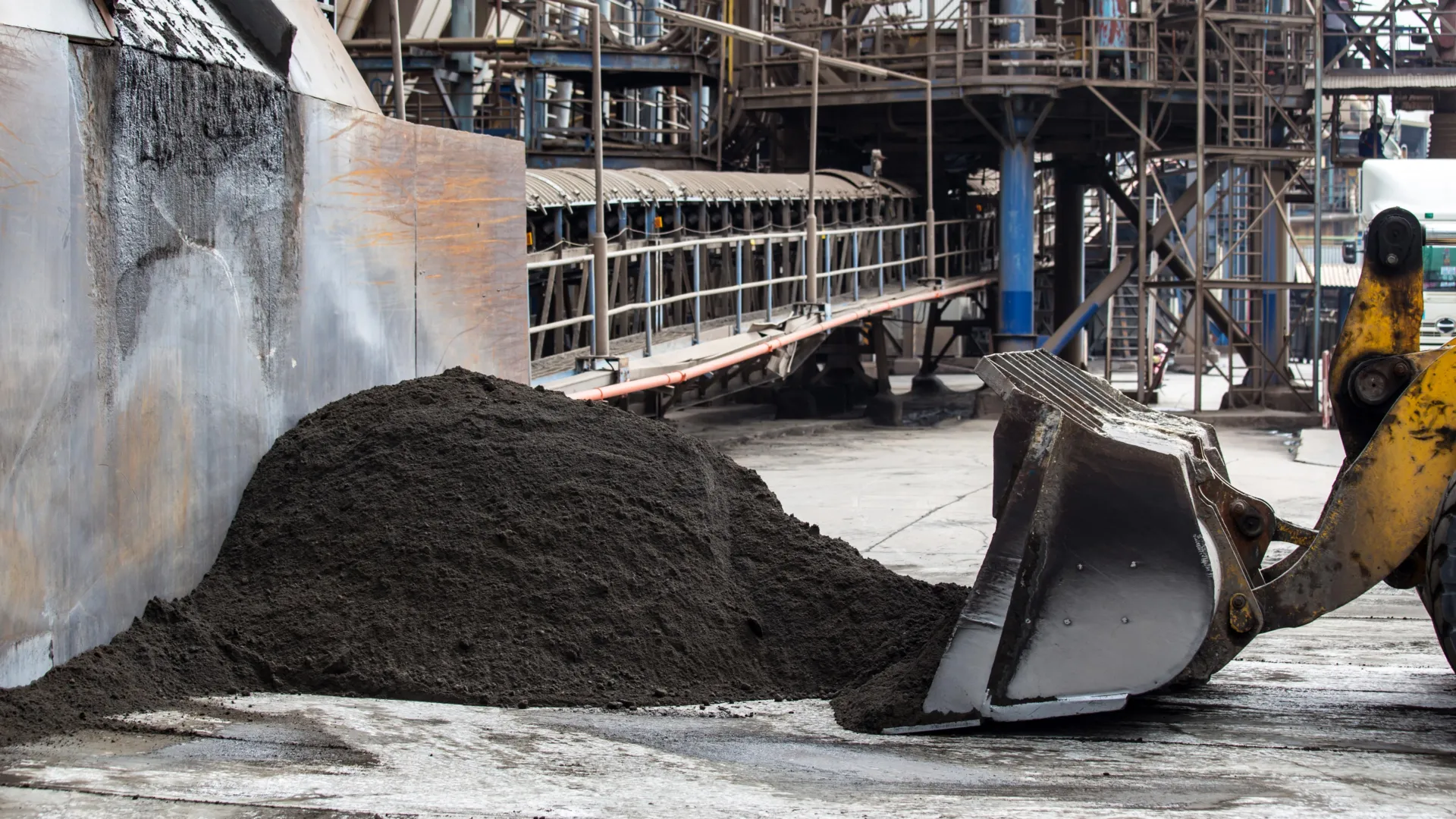
Billions in rare earth elements may be hiding in America’s coal ash

Scientists are looking to diatoms, sea sponges, and plants for a cleaner way to recover rare earth elements and other valuable minerals hidden inside coal ash, red mud, and mine tailings. The bio-inspired approach could turn massive industrial waste piles into useful materials while reducing energy use, harsh chemicals, and reliance on new mining.

Science

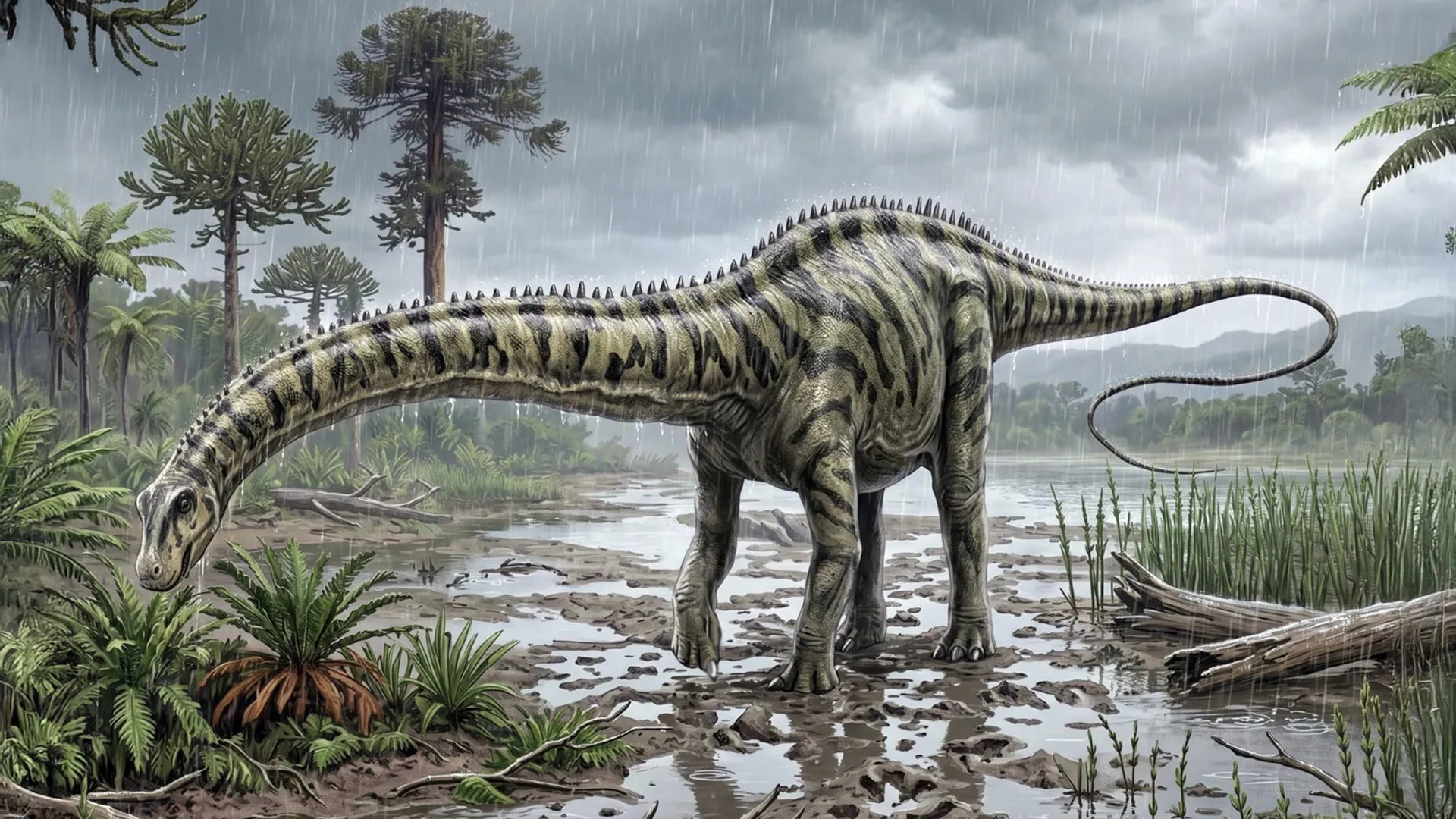
Scientists discover the first diplodocus ever found outside North America

A 150-million-year-old dinosaur fossil from Spain has been identified as the first confirmed Diplodocus ever found outside North America. The giant sauropod measured about 25 meters long and was preserved well enough for researchers to match distinctive features in its tail bones to the famous genus. Its unexpected appearance in Europe suggests dinosaurs were moving between the continents during the Late Jurassic, possibly across temporary land connections.

Advertisement
Science

Scientists solve a 50-year mystery and discover a new human blood group

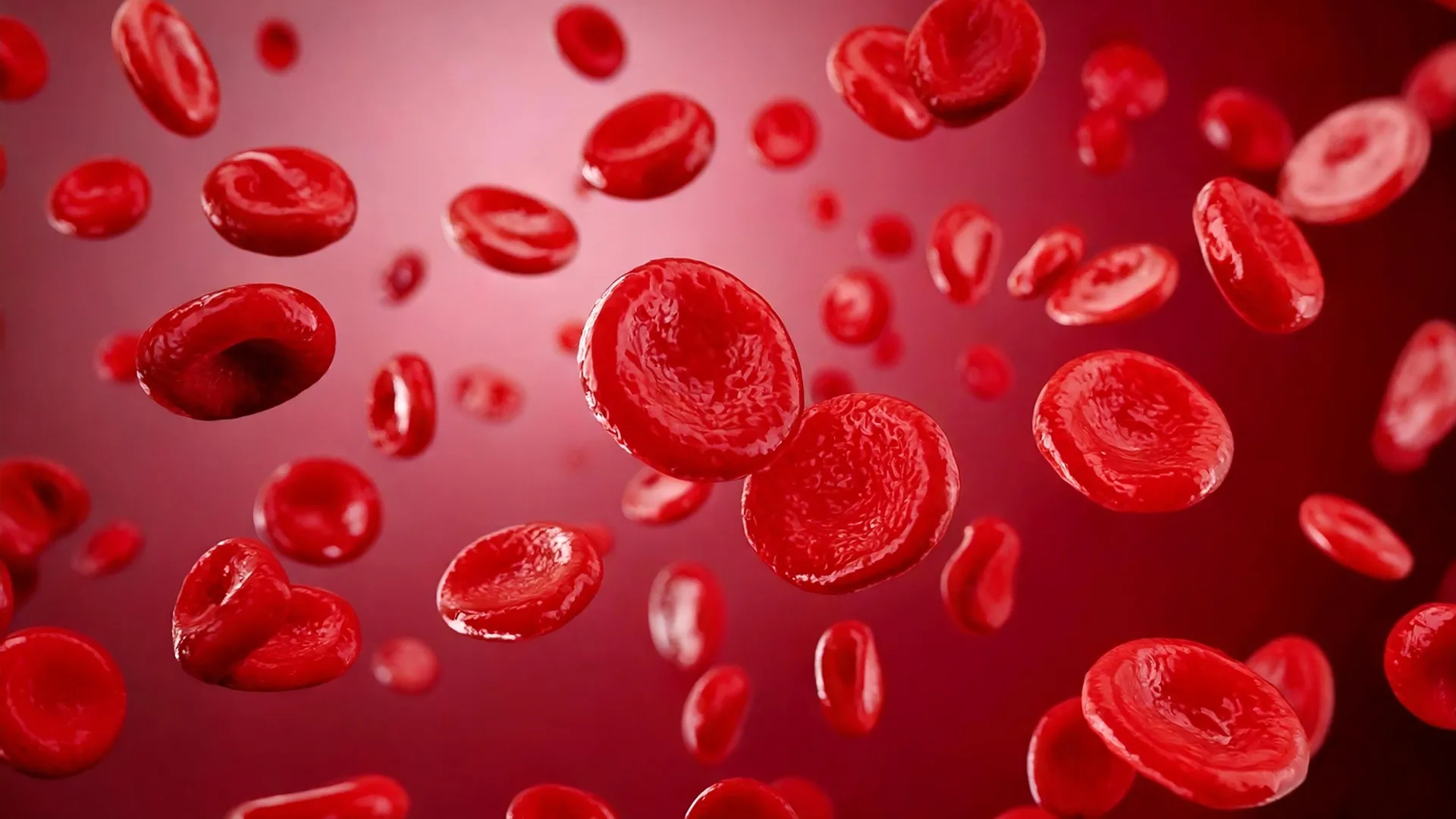
Scientists have identified the genetic cause behind the mysterious AnWj blood group antigen, solving a puzzle that began in 1972 and establishing a new blood group system called MAL. The discovery could make it much easier to find extremely rare AnWj-negative patients and donors and protect them from potentially dangerous transfusion reactions.

Science

Scientists find that “perfect” systems may be surprisingly fragile

Complex systems may work better when their parts are not perfectly alike. Northwestern physicists found that carefully balanced variation, or “disorder,” can make networks such as power grids, ecosystems, neurons, and materials more stable. Even random differences sometimes improved stability compared with completely uniform systems. The discovery could help researchers design more resilient technologies and explain why natural systems are so rarely perfectly uniform.

World

Scientists discover first new wild cat in more than 100 years

Scientists have identified a previously unknown species of wild cat living at a wildlife sanctuary in Bolivia. The tiny, spotted feline had lived at the sanctuary for years before genetic analysis revealed it as the first new living wild cat species identified in more than a century.

Science

Back-to-back Arctic storms can double sea ice loss

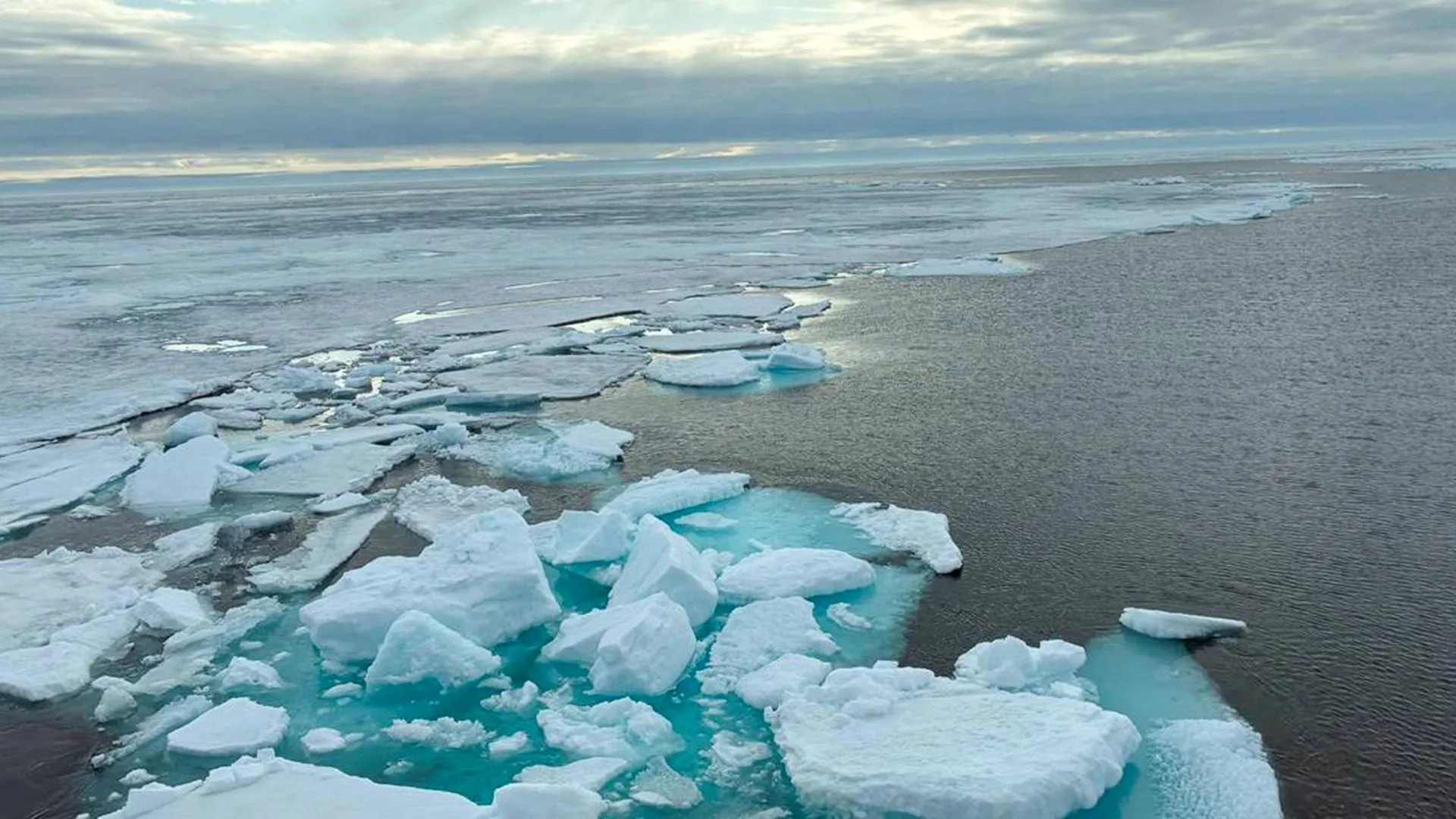
Scientists have found that Arctic cyclones become especially destructive when several strike one after another. These storm clusters cause about twice as much sea ice loss as isolated cyclones, with impacts that persist roughly two and a half times longer. As Arctic ice becomes thinner and weaker, the damage from these storms appears to be increasing, potentially creating a feedback loop that accelerates future ice loss.

Advertisement
Health

Scientists find a new layer of Alzheimer’s hidden in the genome

Scientists found that the 3D organization of DNA is disrupted in several types of brain cells affected by Alzheimer’s disease, altering how important genes are switched on and off. The discovery reveals a previously underexplored layer of the disease that could open new paths for understanding and eventually treating Alzheimer’s.

Science

One Mount Etna eruption took weeks. Another happened in hours

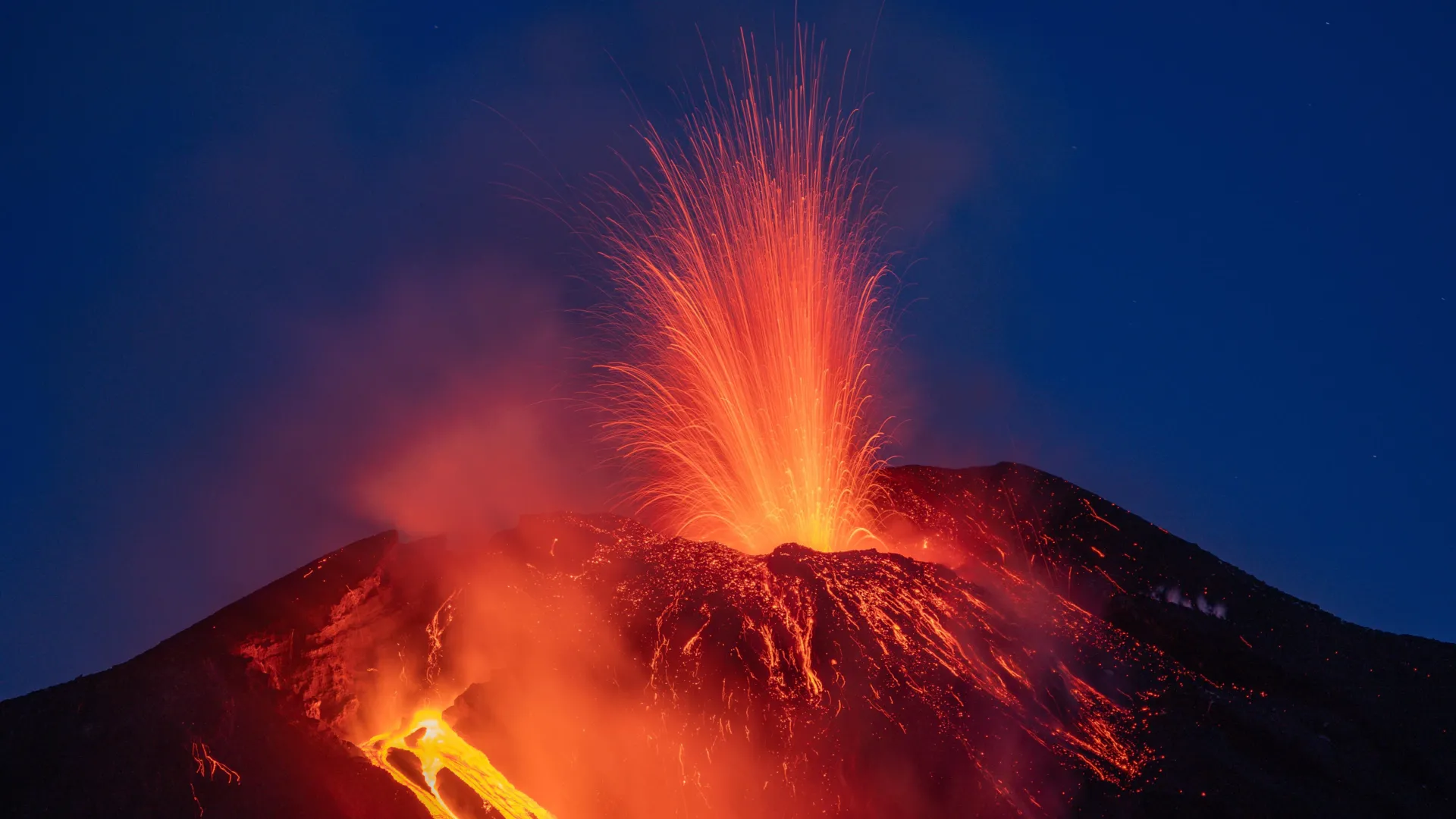
Mount Etna’s ancient eruptions followed radically different paths, with some magma lingering near the surface for weeks while other magma raced upward from nearly 30 kilometers deep in just hours. Scientists traced the difference to volcanic gases such as carbon dioxide and water, offering a powerful new way to understand and potentially anticipate explosive eruptions.

Science

This German submarine sank in 1917. It’s still leaking TNT

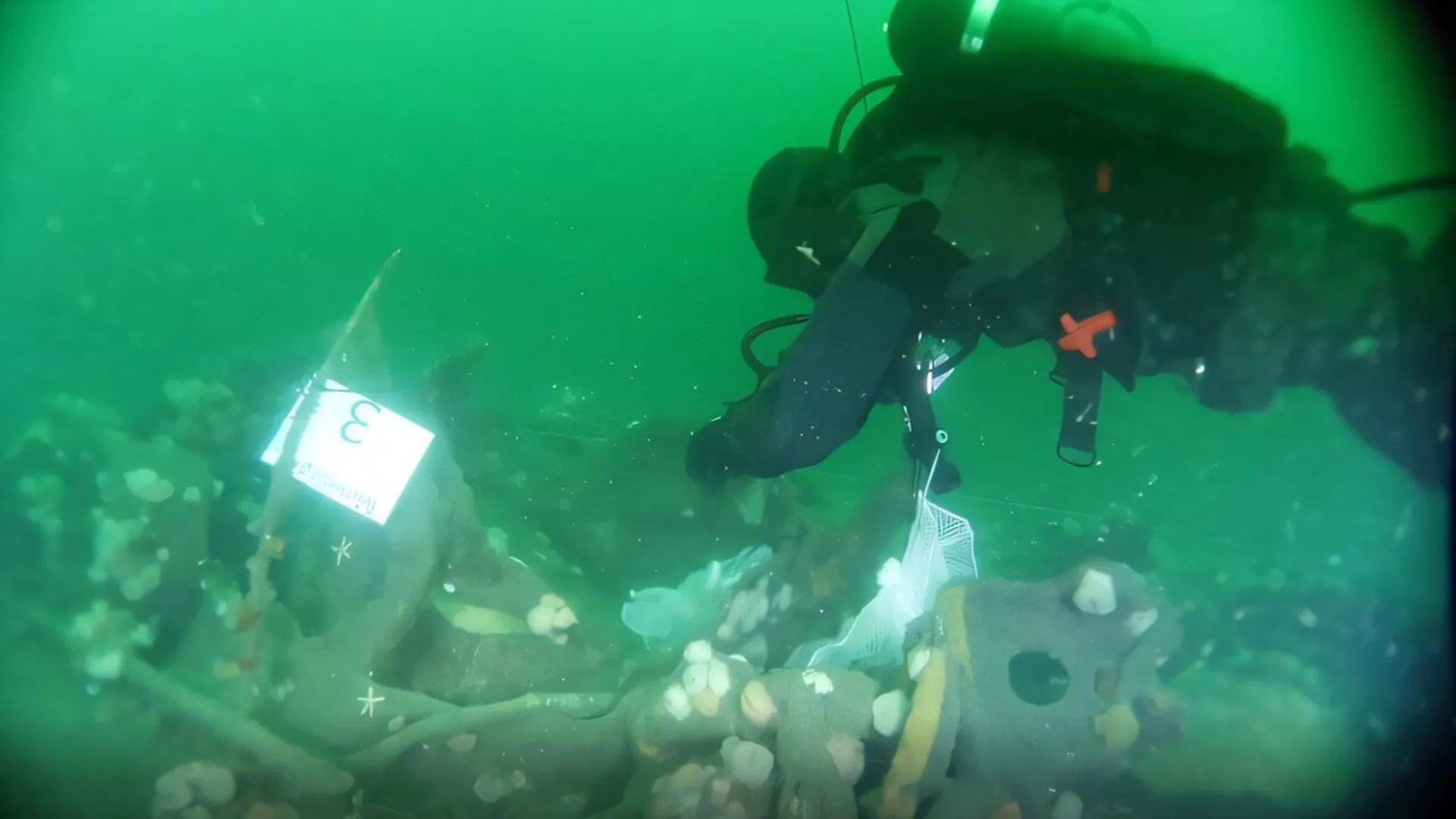
A World War I submarine wreck off Denmark is leaking TNT into the surrounding water, seabed, and marine life more than a century after it sank. Scientists warn that thousands of similar wrecks could pose growing environmental risks as they continue to corrode.

Topic: scientists | RocksNews