Advertisement
Advertisement

Topic

scientists

Science

Scientists find an immune “false alarm” that may drive rapid aging

Scientists have discovered that some severe genetic disorders linked to rapid aging may be driven not just by damaged DNA, but by the body’s overreaction to that damage. When broken DNA fragments leak into the wrong part of a cell, an immune sensor called cGAS can mistake them for signs of a viral infection, triggering chronic inflammation and even interfering with DNA repair itself.

Health

Hidden “immune organ” in the skull may help fight brain cancer

Scientists discovered a hidden “immune organ” inside the skull that acts as a rapid first responder against brain cancer in mice. Strengthening this local immune defense improved tumor rejection and survival, raising the possibility of new treatments that target the skull directly.

Health

New mesothelioma drug turns cancer’s own defenses against it

Scientists are testing a counterintuitive way to fight mesothelioma, an aggressive asbestos-linked cancer with few effective treatments. A new experimental mesothelioma drug kills cancer cells by disabling PRX3, an antioxidant defense that tumors use to survive intense oxidative stress. In an early clinical trial, it controlled disease progression in 67% of patients and produced encouraging survival results, raising hopes that the strategy could eventually be used against other cancers.

Science

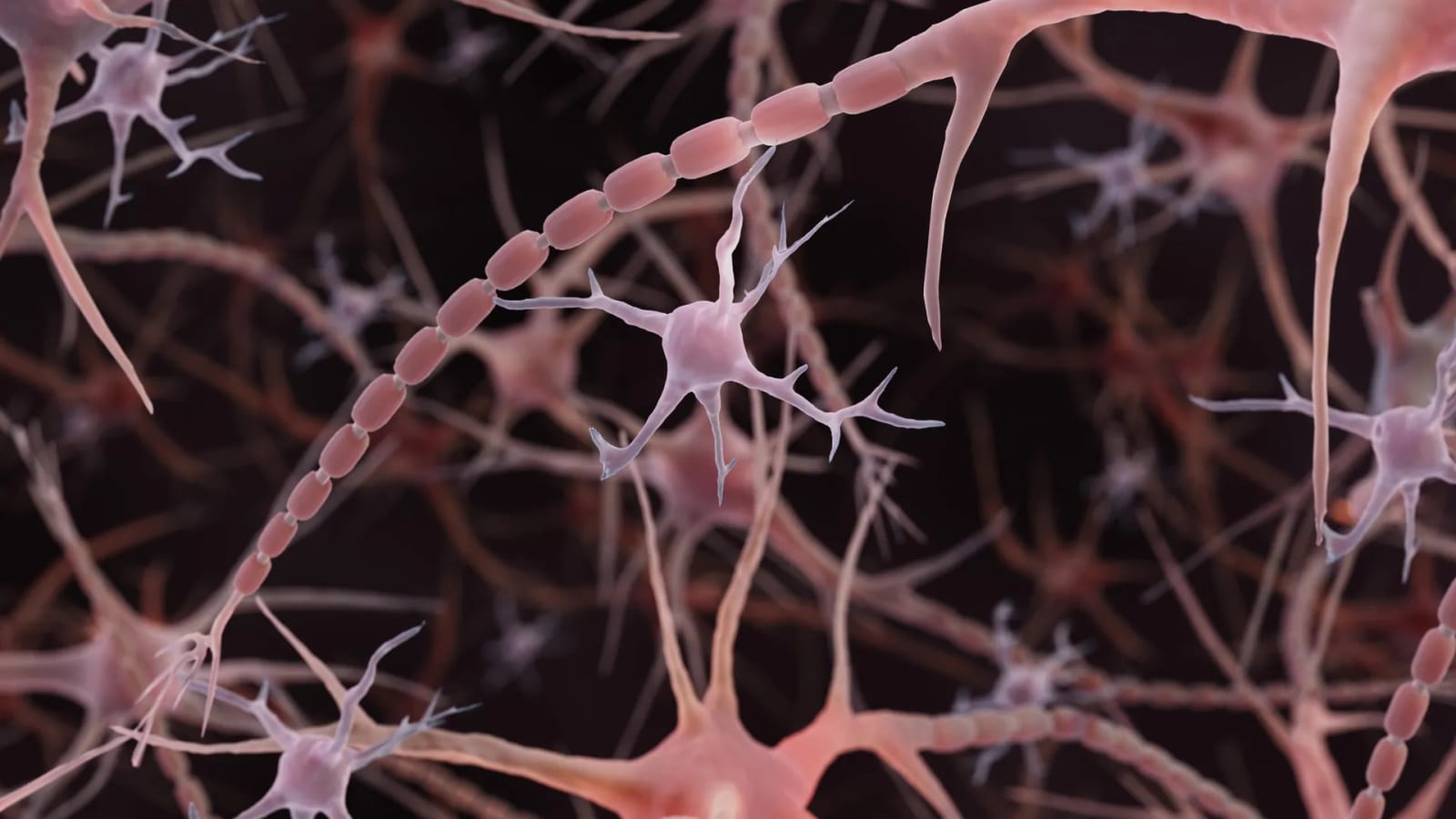
Textbooks may have misdrawn this basic brain structure for 100 years

Scientists discovered that brain-cell axons may not be smooth tubes as textbooks have shown for more than a century, but instead naturally resemble strings of tiny pearls. Those pearl-like structures can change with neural activity and may help control how quickly electrical signals travel through the brain.

Health

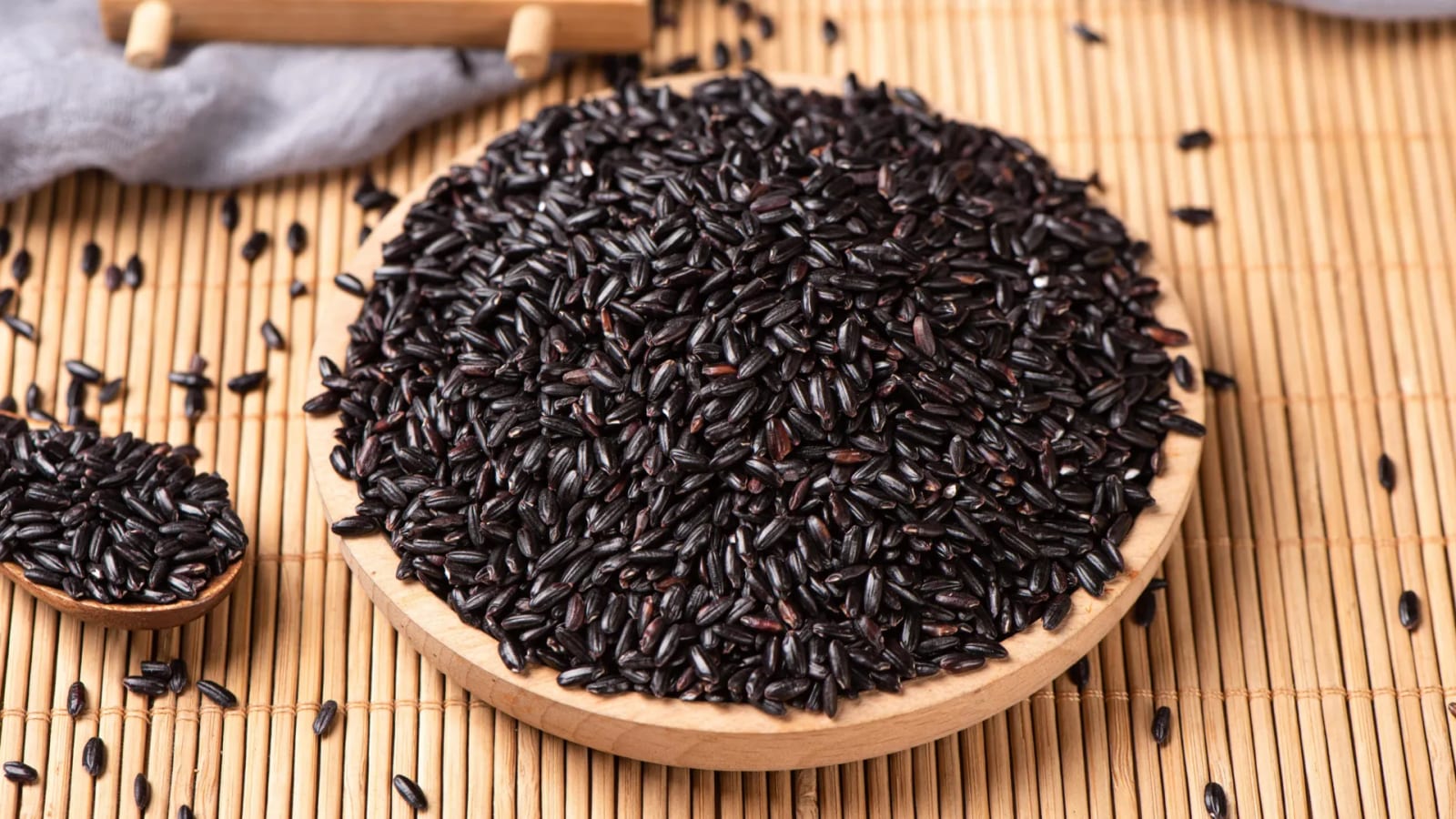
Scientists find a hidden health advantage in black and green rice

Scientists found that black and green Japanese rice contain unusual, potentially beneficial fats and may be digested more slowly than ordinary white rice. The combination could make these colorful varieties promising ingredients for foods designed to support blood sugar and metabolic health.

Health

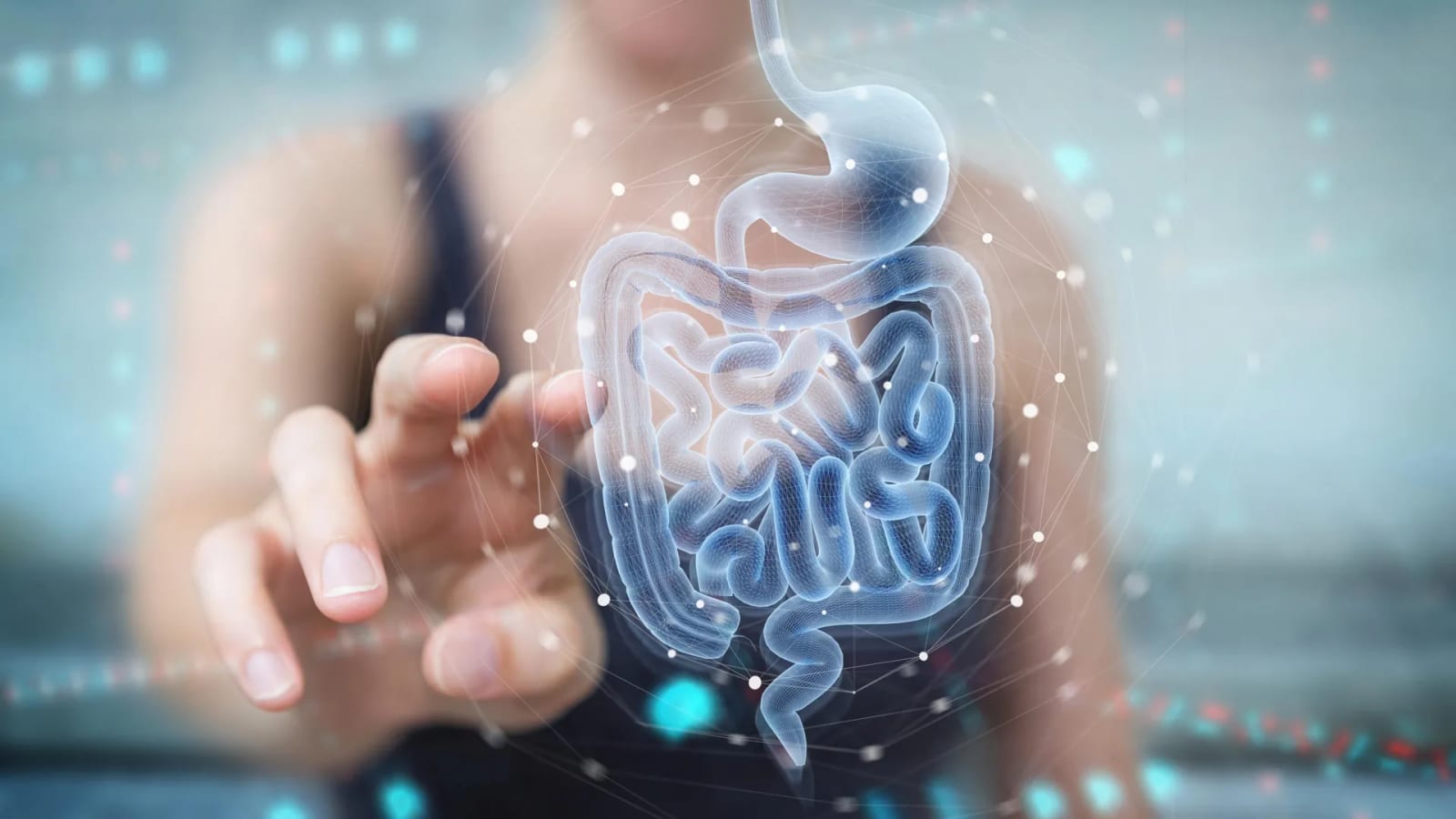
Scientists find a natural gut compound that helps heal the intestine

A natural compound produced by gut bacteria after digesting foods such as pomegranates, walnuts, and berries may help repair and protect the intestinal lining. The discovery reveals a surprising beneficial side of an inflammatory pathway and could inspire more targeted treatments for Crohn’s disease and ulcerative colitis.

Advertisement
Science

Scientists discover a mysterious new frog hiding in the Amazon

Scientists discovered a new frog species in the flooded forests of the western Amazon, distinguishing it from nearly identical relatives through DNA and its unique call. Adenomera varcena highlights how much Amazonian biodiversity remains hidden even as habitat loss and climate change threaten these poorly understood species.

Health

Scientists restore a brain protein and reverse signs of aging in mice

Scientists found that declining levels of the brain protein Menin may help drive aging, with lower levels in mice linked to inflammation, cognitive decline, weaker bones, and thinner skin. Restoring Menin reversed several age-related changes, while the amino acid D-serine improved cognition, hinting at a potentially intriguing new target for healthy aging.

Topic: scientists | RocksNews