Advertisement
Advertisement

Topic

scientists

Science

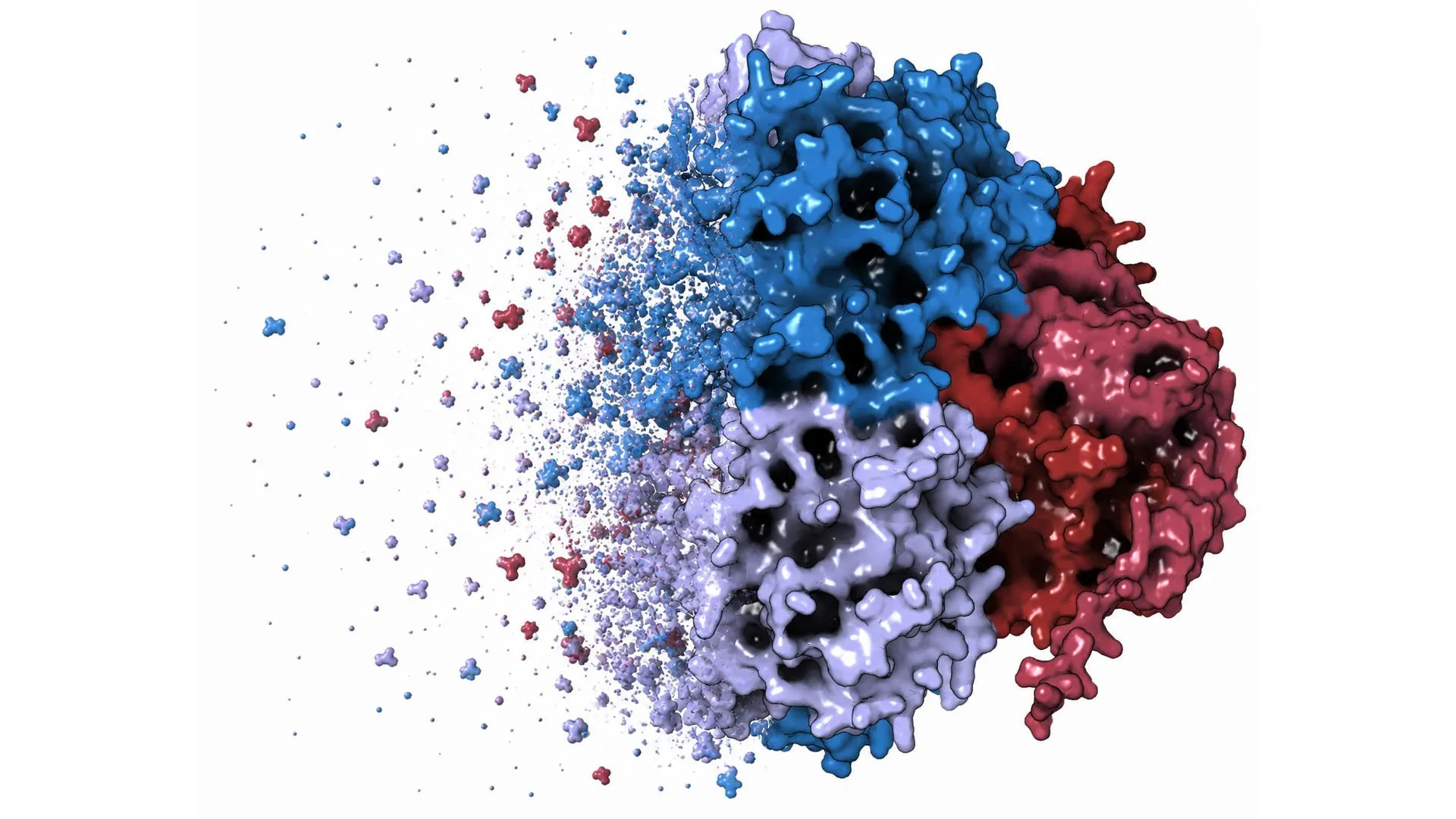
Quantum computer simulates matter “popping into existence”

Scientists recreated a particle-forming process linked to the extreme physics of the early universe using a 13-ion quantum simulator. The breakthrough suggests quantum computers could eventually help researchers investigate how matter formed and evolved after the Big Bang.

Science

Scientists may have misread a 2-billion-year-old clue about Earth

Scientists have found that a famous 2-billion-year-old chemical signature, once thought to record a massive global change in Earth’s carbon cycle, may instead have been produced by local magma, hydrocarbons, and methane-eating microbes. The discovery raises new questions about what was really happening as oxygen transformed the young planet.

Science

REM sleep paradox: Dreaming may drain the brain’s energy even as fuel supply rises

Scientists discovered a surprising energy paradox in the brain during REM sleep, the stage most closely associated with dreaming. Blood supply to the brain begins increasing even before REM starts, but neurons’ immediately available energy, measured as ATP, then drops. The finding suggests that dreaming may require such intense internal processing that neurons consume energy faster than it can be replenished.

Science

Scientists gave worms magnetic bacteria. They lived 43% longer

A magnet-producing bacterium extended the average lifespan of C. elegans worms by more than 43% while helping protect their neurological and intestinal health. Researchers traced much of the effect to suppression of ferroptosis, a damaging form of cell death linked to iron buildup and oxidative stress.

Science

Scientists thought they knew how this 70-year-old leukemia drug worked

A 70-year-old leukemia drug is still revealing new secrets. Researchers found that removing a protein called NUDT5 protected cells from the drug, even though simply blocking the protein had little effect. The unexpected result points to a hidden cellular role that could help explain why people respond differently to certain leukemia treatments.

Advertisement
Science

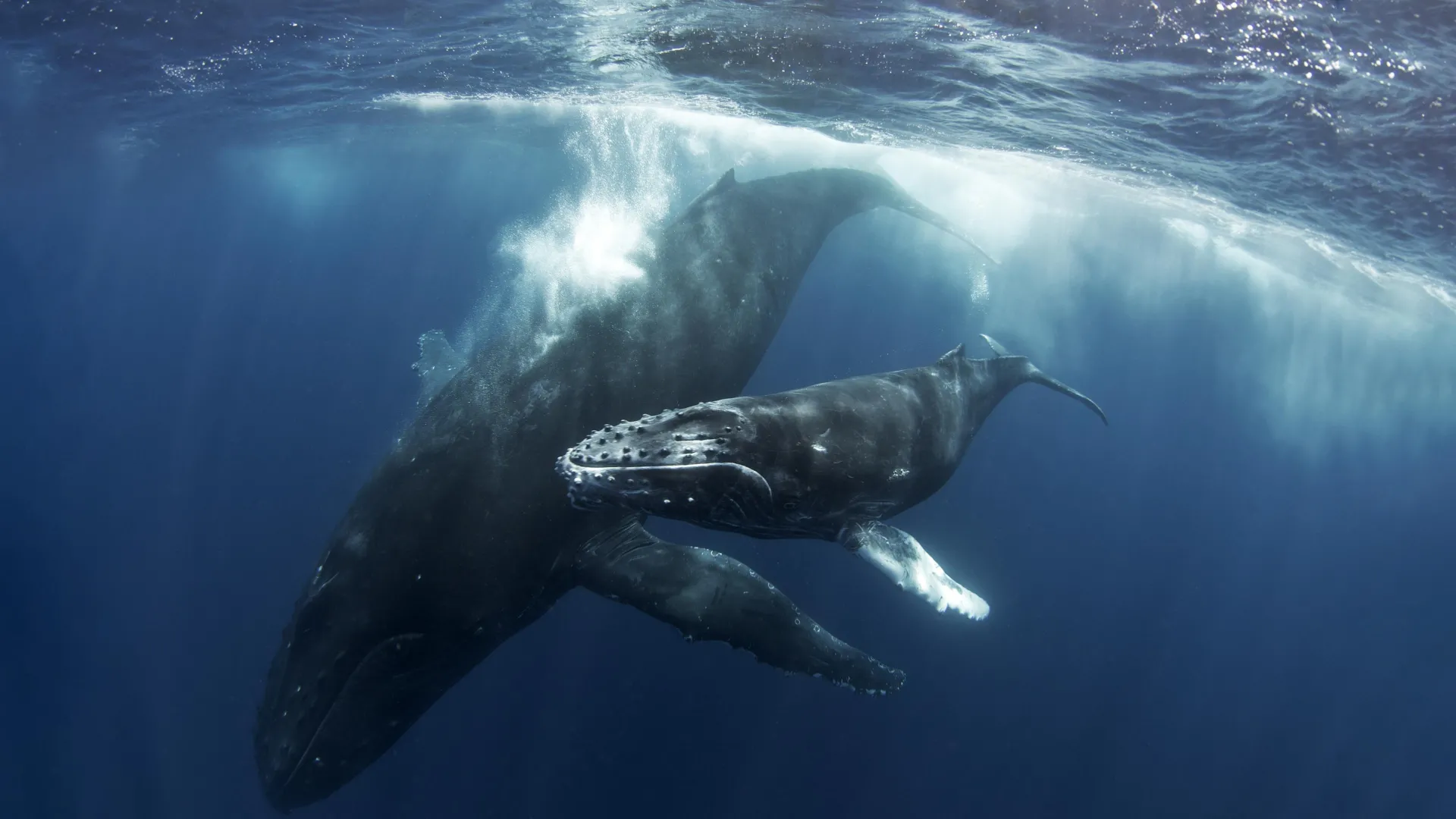
Humpback whale mother may have mourned her dead calf for days

Researchers observed a humpback whale mother staying beside her presumed stillborn calf for hours and possibly days off Australia’s Gold Coast. She maintained eye contact and remained close to the calf in behavior resembling caregiving and nurturing. Scientists say the rare observation may provide new insight into grief, maternal attachment, and emotional complexity in humpback whales.

Science

For the first time, scientists watch sound jump between quantum states

Stanford researchers have recorded the first real-time quantum jumps of sound, watching single phonons abruptly vanish from one energy state to another. The breakthrough could open new paths for quantum computing, error correction, highly sensitive biological sensors, and next-generation sound-based devices.

Advertisement
Science

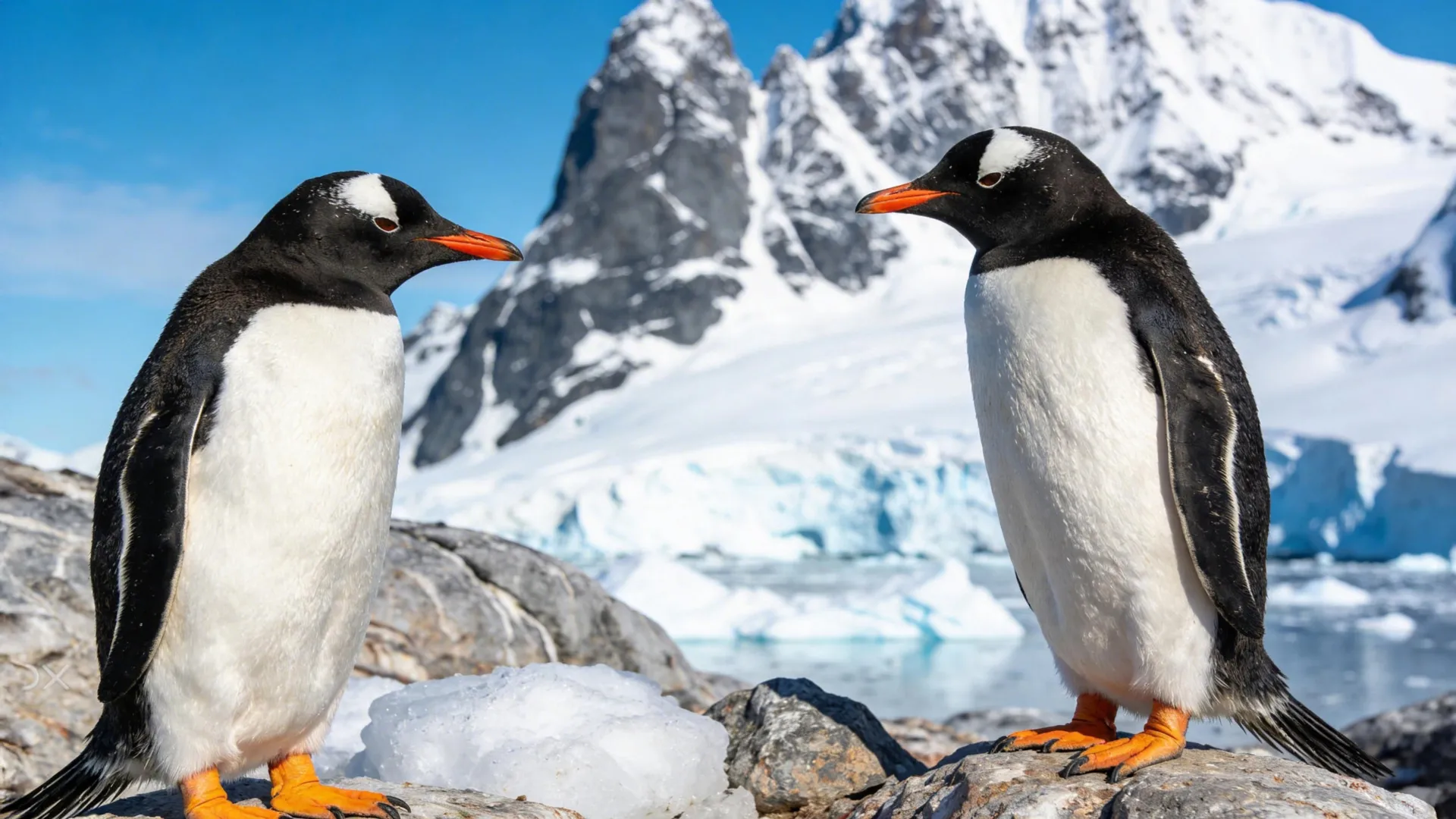
Scientists discover first new penguin species in more than 100 years

Genetic evidence has revealed a previously unknown gentoo penguin species on the remote Kerguelen Islands and shown that gentoos actually consist of four distinct species. The discovery also highlights a growing threat, as warming oceans could leave several island populations with little suitable habitat by 2050.

Science

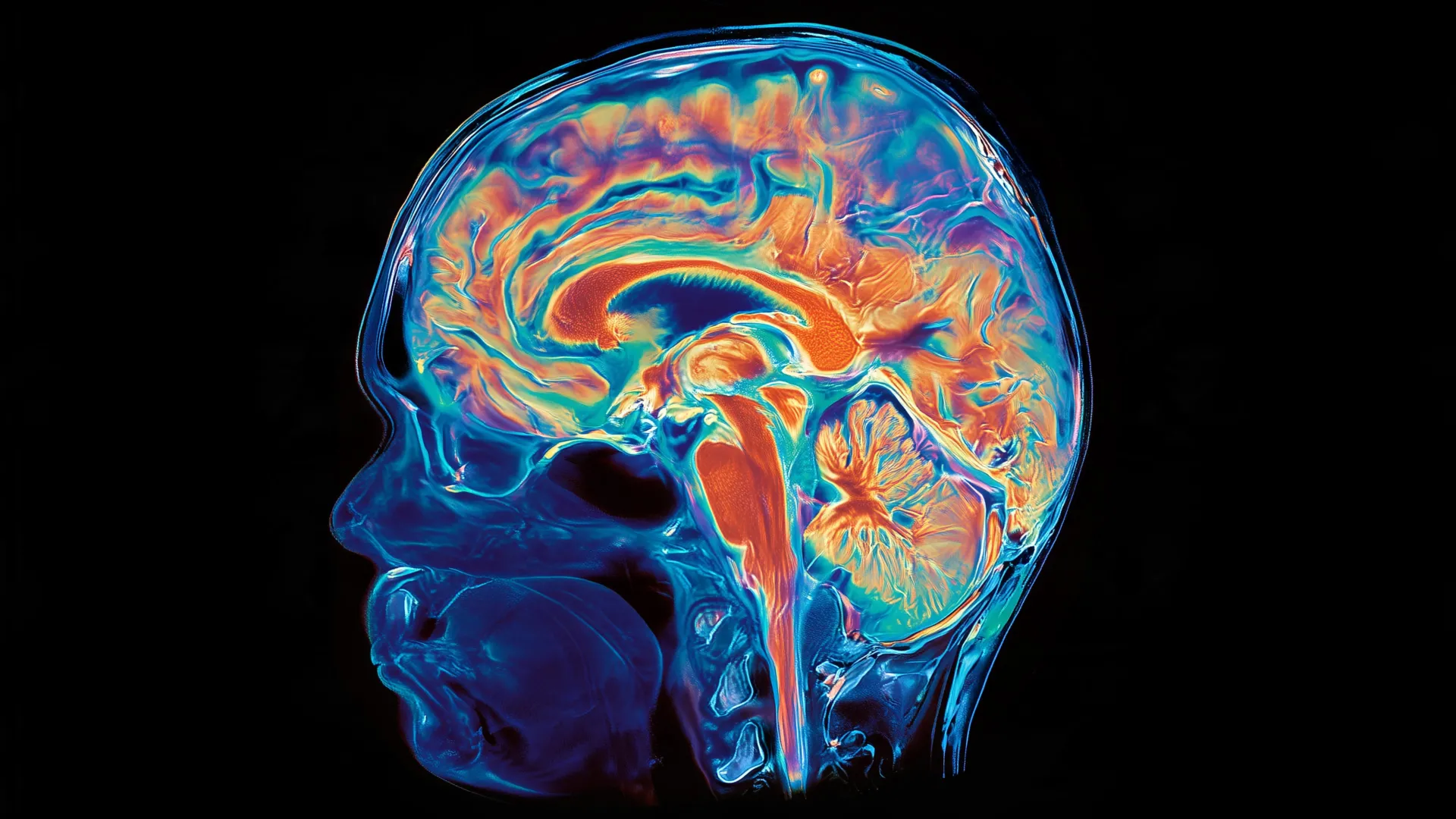
Stanford scientists discover the human brain may actually be two separate organs

Scientists have found that the human brain develops from two distinct cellular systems, suggesting that evolution fused together two ancient nervous systems with very different jobs. The discovery also allowed researchers to grow human hindbrain neurons in the lab, opening new possibilities for studying ALS, spinal muscular atrophy, and other brainstem diseases.

Science

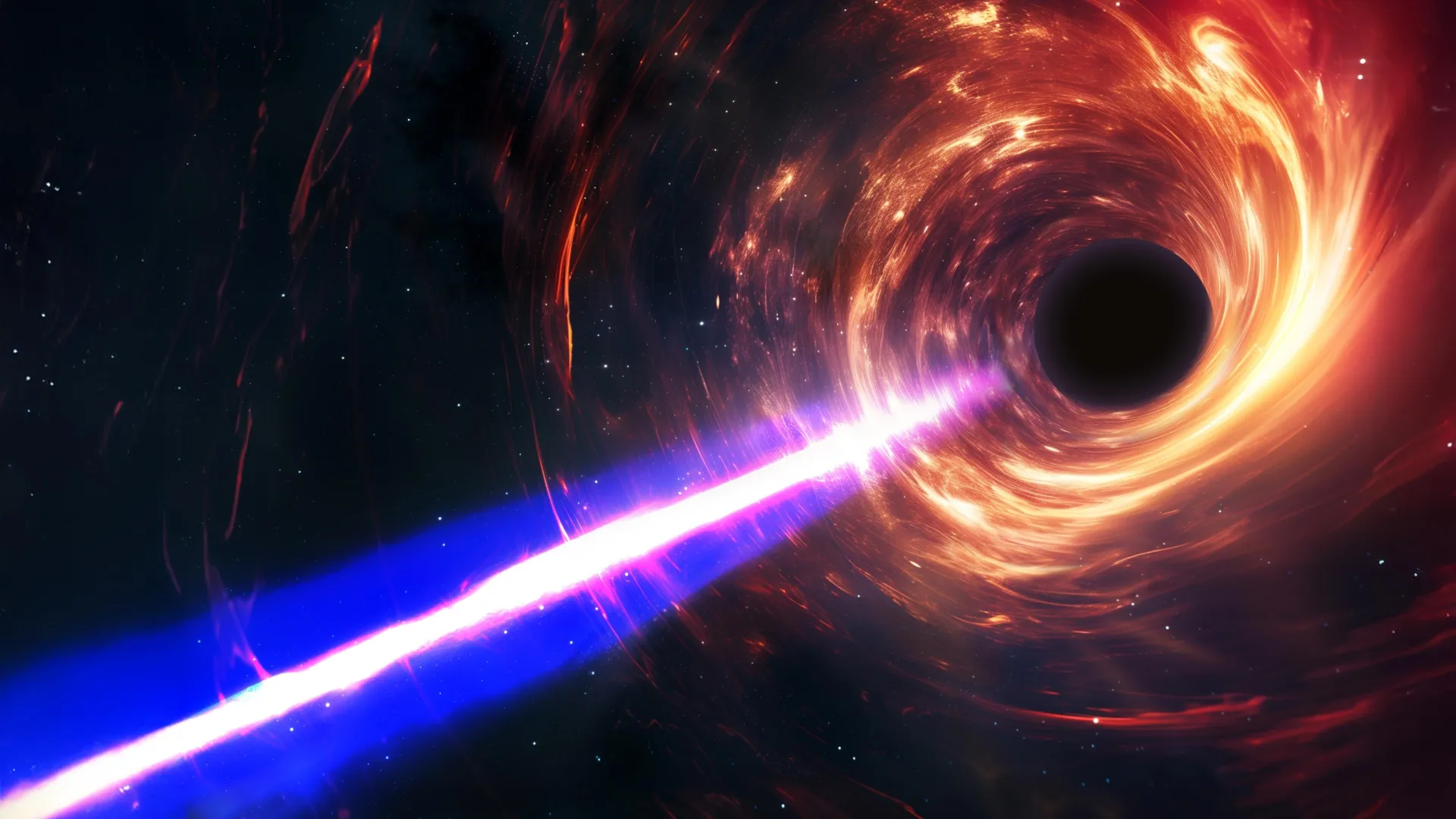
Black holes of every size follow the same surprising rule

Scientists have found evidence that black holes of vastly different sizes may launch powerful jets according to the same universal rule. Supermassive black holes can produce jets soon after tearing apart a star, then fire up again hundreds or thousands of days later when their feeding rate drops to about 2% of the Eddington limit. That same threshold is known to trigger jets from much smaller black holes in the Milky Way.

Topic: scientists | RocksNews