World
‘Catastrophic year’ as Swiss glaciers lose 5% of ice after heatwaves
Scientists are warning that Switzerland's glaciers have lost an ‘enormous’ amount of ice this year.
International news in seven languages
Topic
Scientists are warning that Switzerland's glaciers have lost an ‘enormous’ amount of ice this year.
Scientists say such rapid melting is no longer surprising given the pace of climate change.
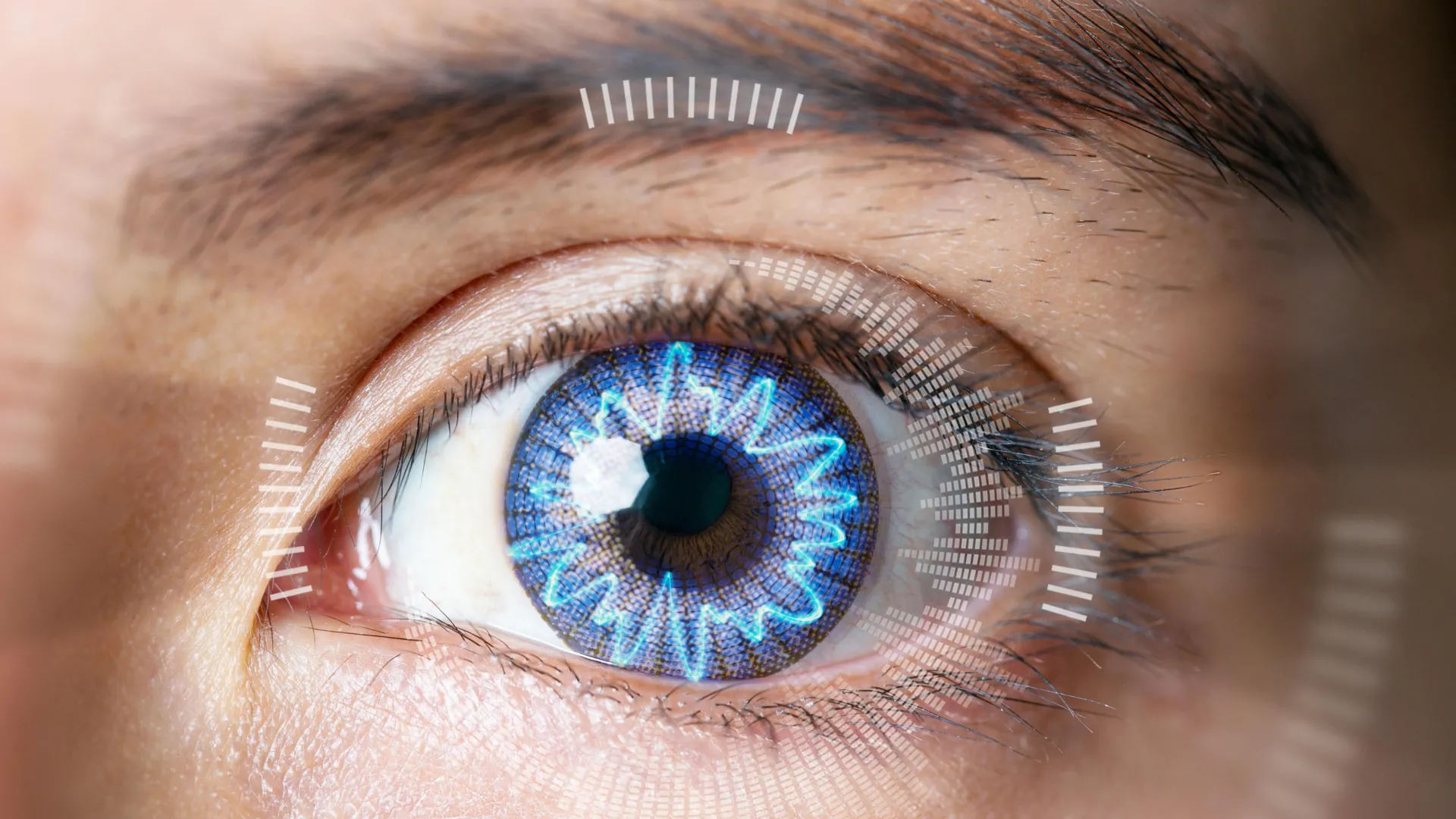
Scientists are developing a possible alternative to LASIK that reshapes the cornea without cutting it or using a laser. The technique uses a small electric potential and a specially shaped platinum lens to temporarily soften the cornea, allowing it to be molded in about a minute.
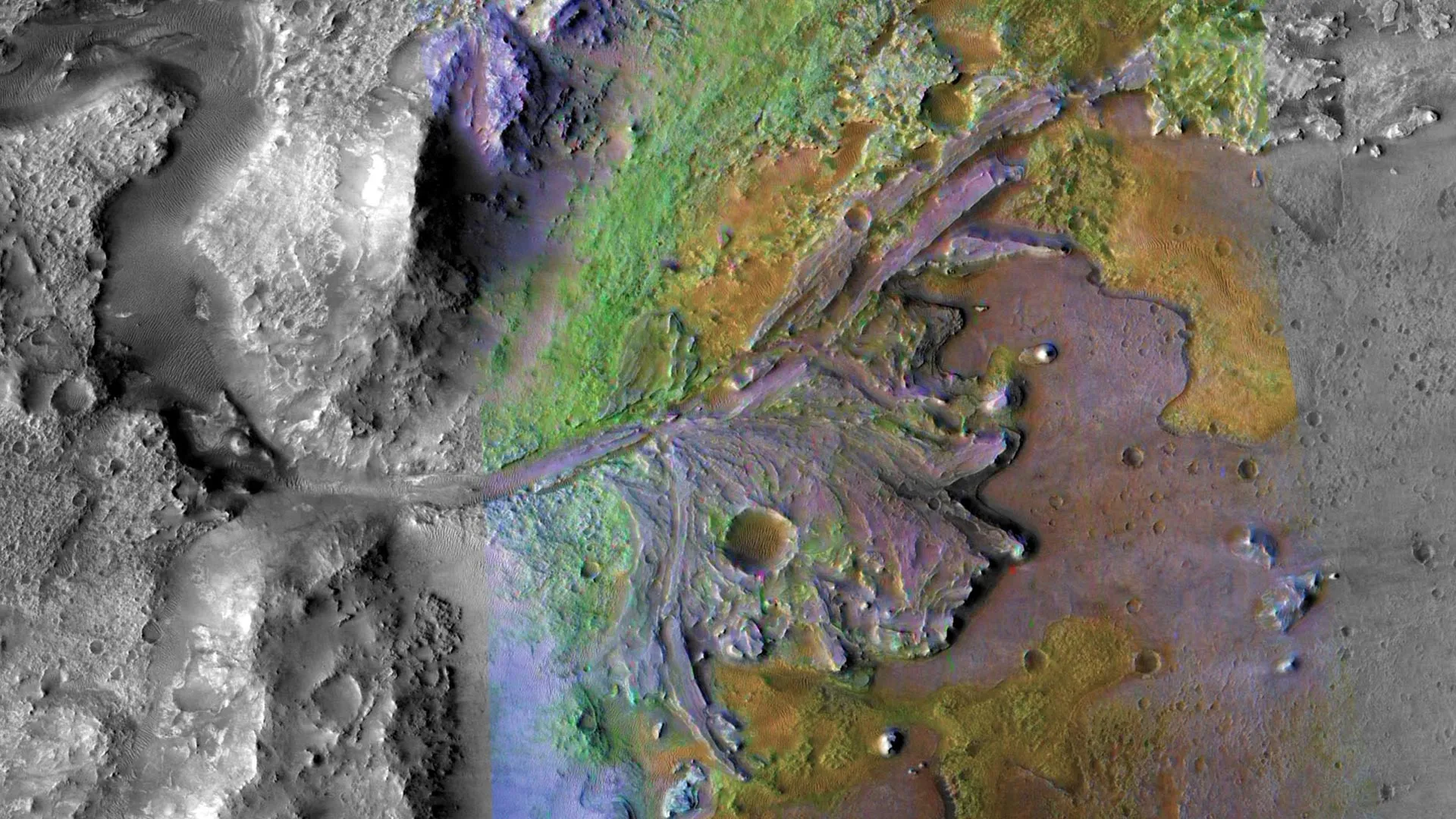
NASA’s Perseverance rover has uncovered a surprisingly complicated history of water in Jezero Crater. Scientists expected the crater’s Margin Unit to contain lake sediments, but instead found ancient igneous rocks that were altered by water on at least three separate occasions.
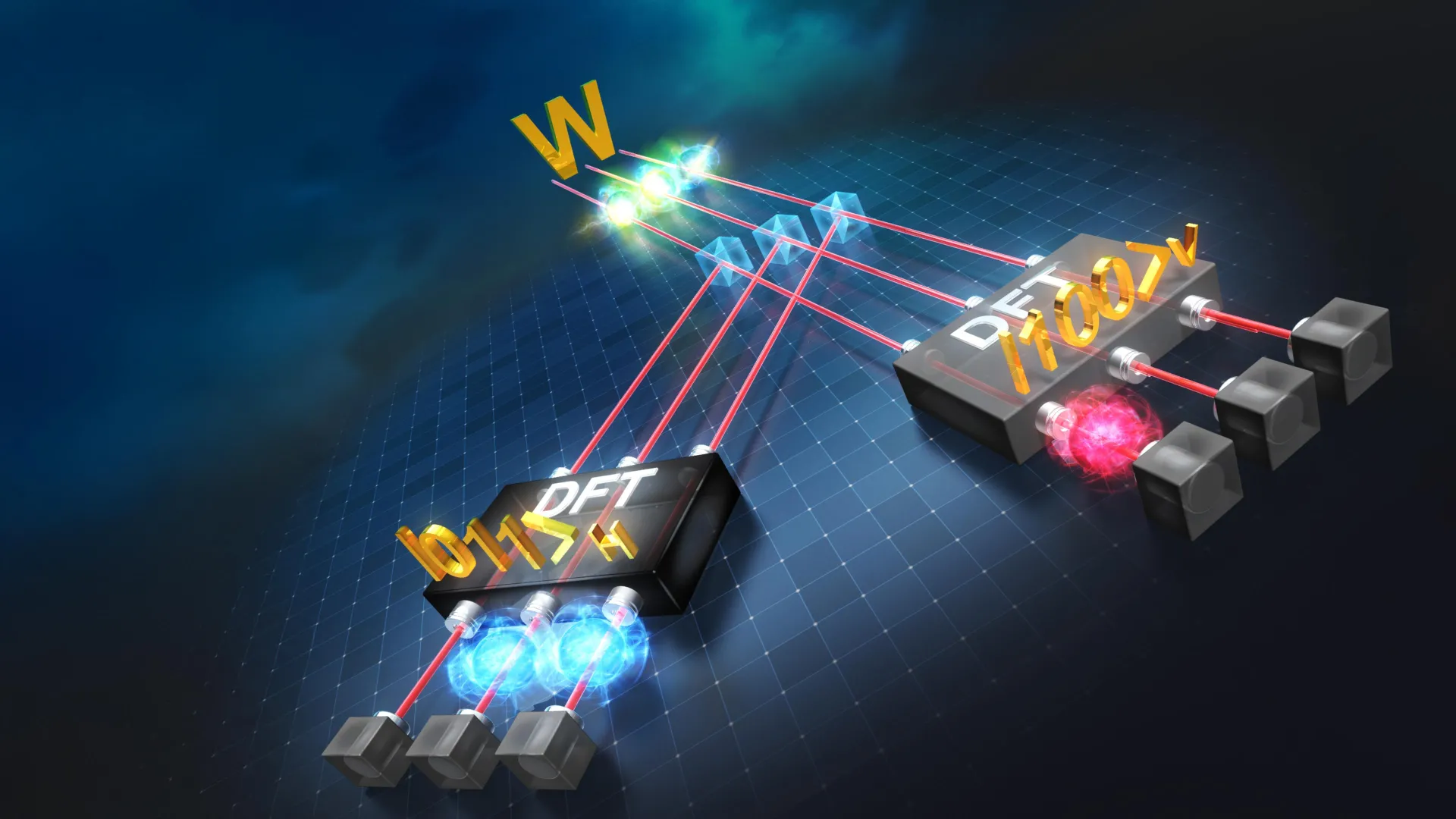
Scientists have developed and experimentally demonstrated a long-sought method for identifying W states, an important form of multi-photon quantum entanglement. The technique could make complex entangled systems much easier to measure, opening new possibilities for quantum teleportation, communication, and computing.
Scientists predict that nurdles will continue to wash up on North East beaches.
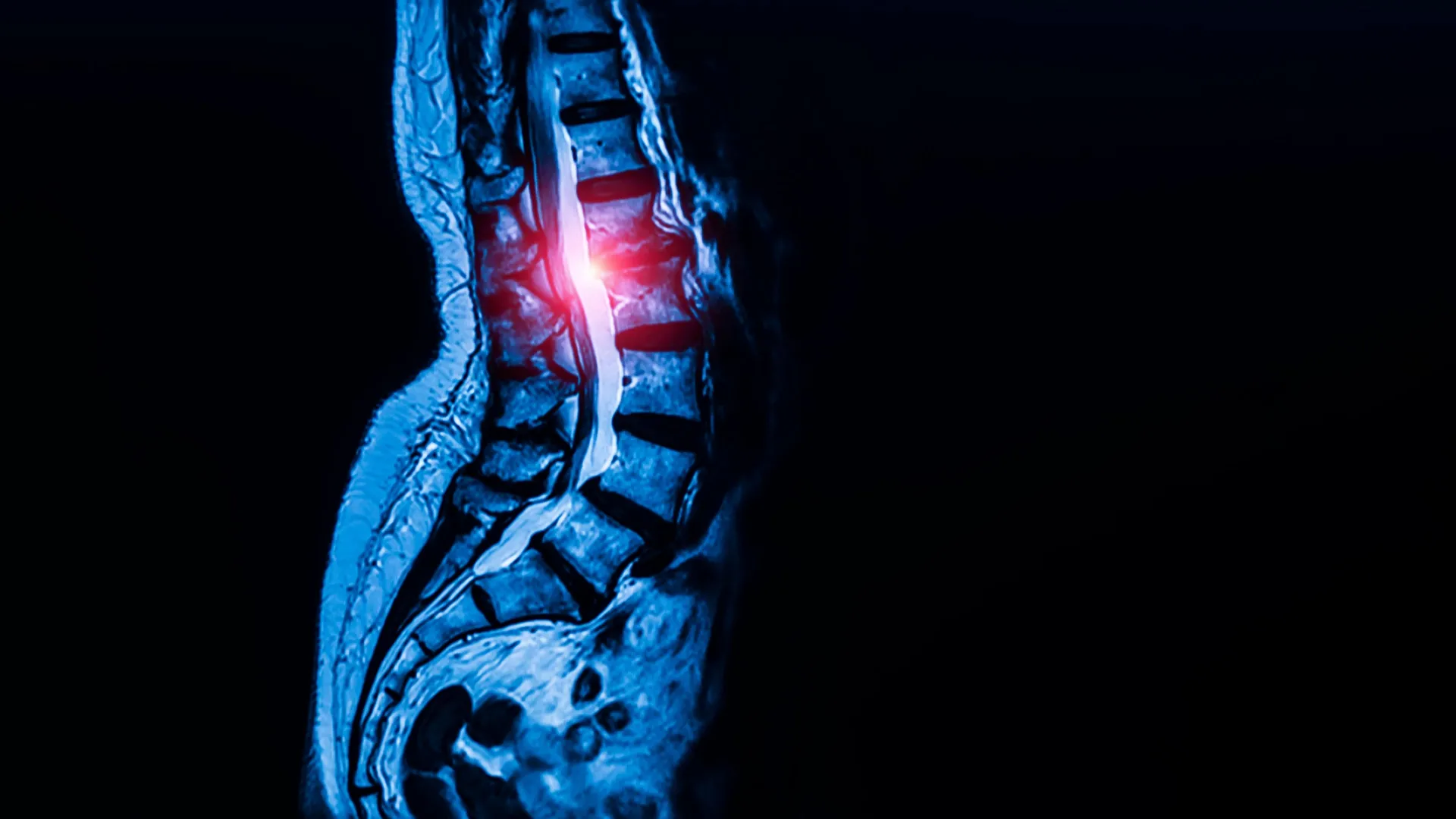
Scientists have discovered a stem cell that appears to serve as a master source for tendon and ligament cells throughout the body. In lumbar spinal stenosis, these cells become unusually active and may drive the ligament overgrowth that squeezes spinal nerves and causes pain, numbness, and difficulty walking. Researchers found that reducing calcium signaling stopped this abnormal growth in mice.
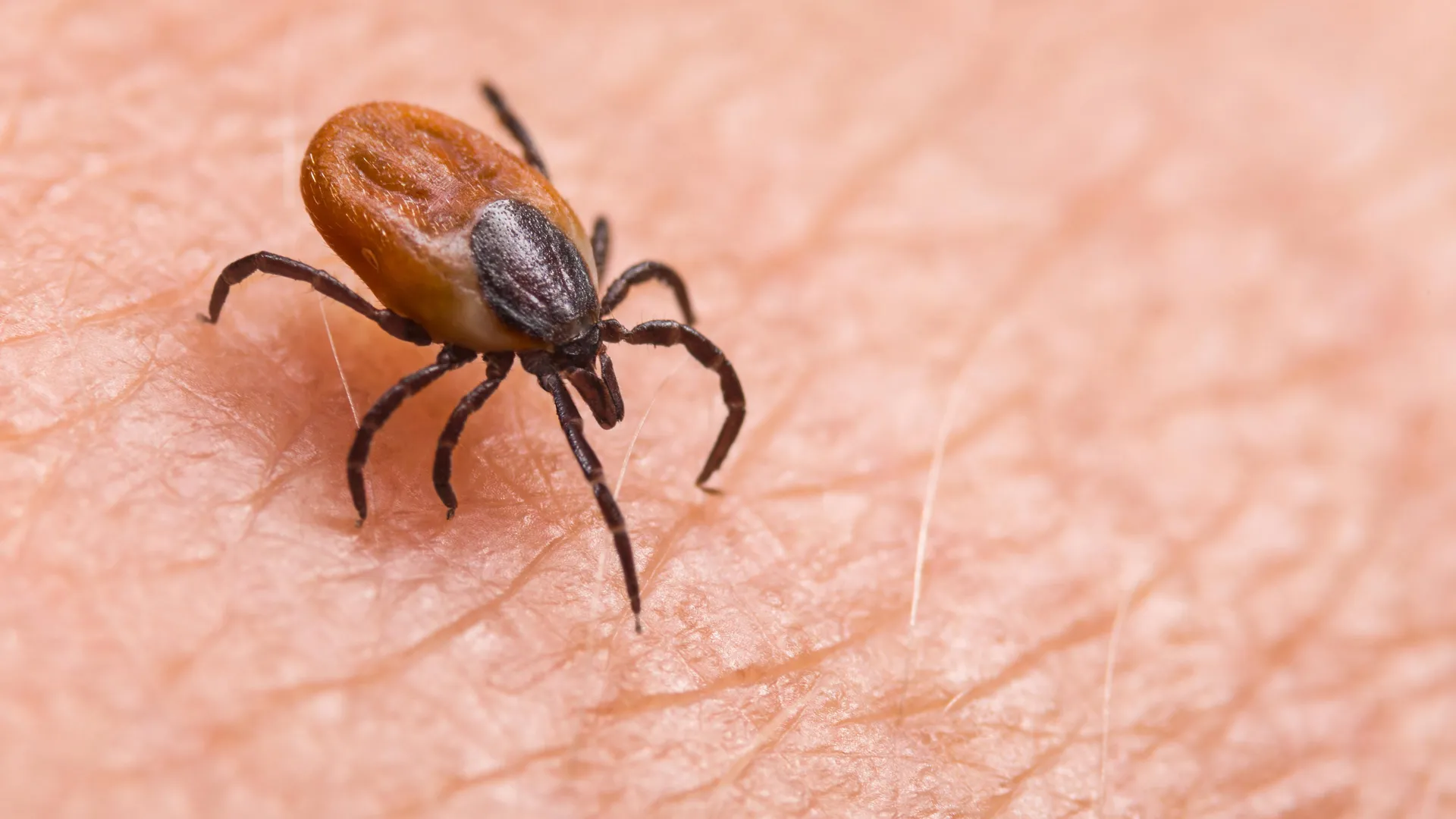
Scientists have discovered a new tick-borne virus in China that causes flu-like illness and may account for previously unexplained cases of fever, fatigue, digestive problems, and low platelet counts. Most patients with ALTNV alone recovered, but coinfections with another dangerous tick-borne virus were linked to more serious complications.
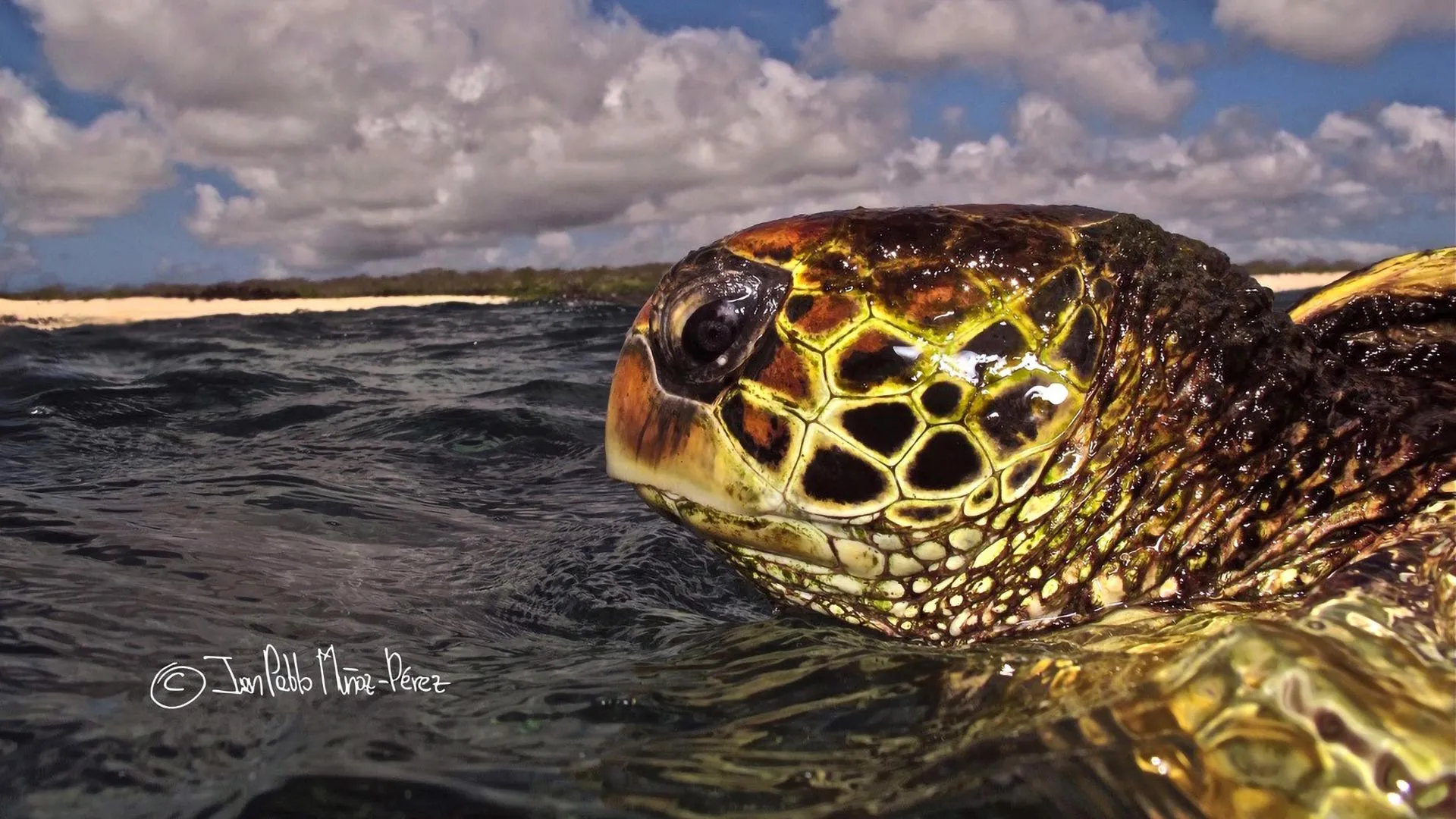
Yellow-morph green sea turtles in the Galápagos surprised scientists by staying remarkably close to home instead of making the long journeys typically associated with sea turtles. Satellite tracking showed that none left the marine reserve during the study, revealing just how important the islands’ coastal habitats may be to their survival.
Scientists may have solved why the length of Earth’s day changes by a few milliseconds over decades. Subtle shifts in the inner core appear to tug on the mantle, revealing a surprisingly dynamic world thousands of kilometers beneath our feet.
Scientists found that immune cells contributing to Alzheimer’s-related brain damage may be activated in lymph nodes outside the brain before traveling into the nervous system. Blocking this pathway in mice dramatically reduced neurodegeneration and preserved cognitive abilities, pointing to a potentially more accessible treatment target.
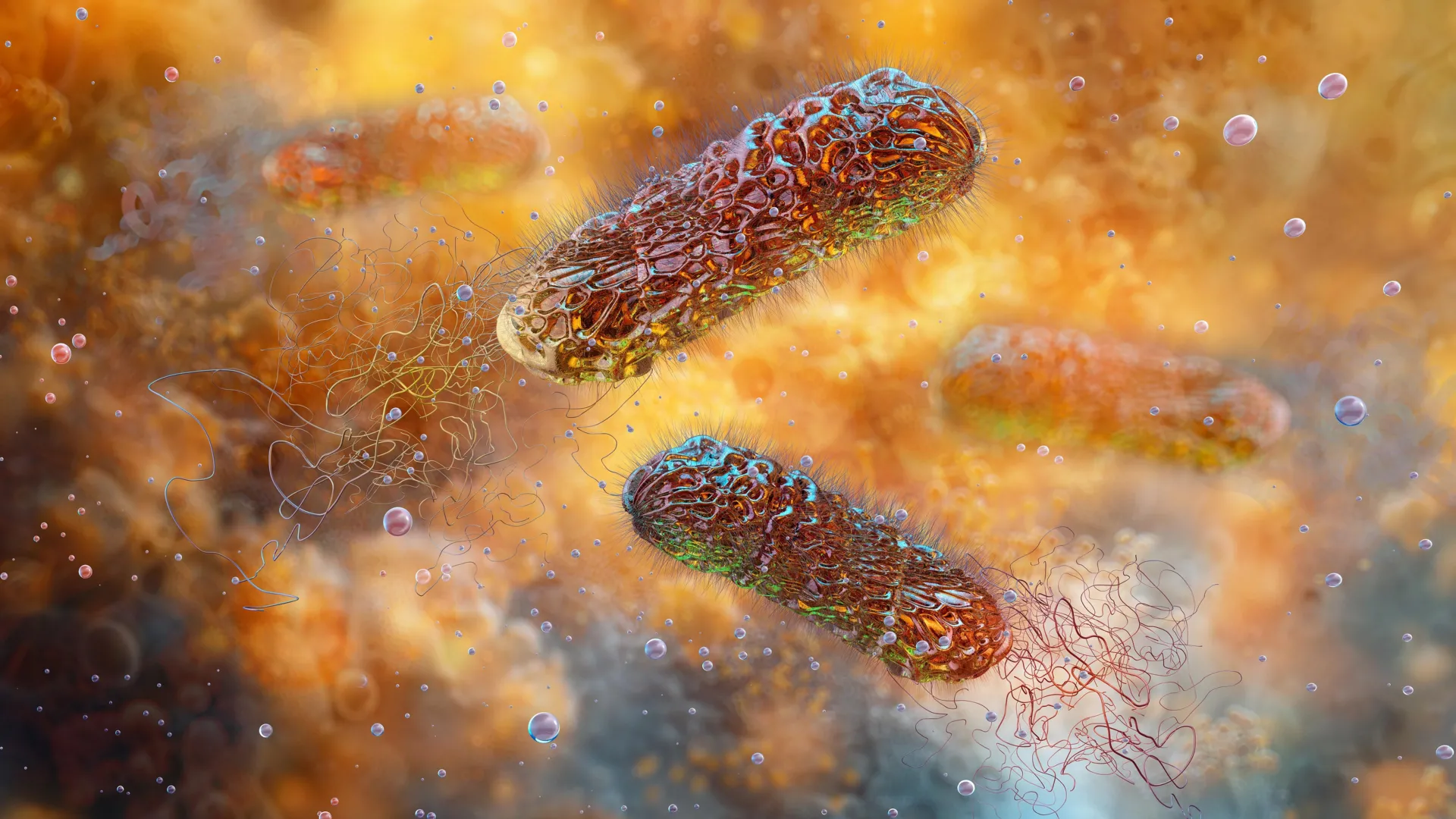
Scientists resurrected antimicrobial peptides from mammals that lived millions of years ago and found that some were more potent against drug-resistant bacteria than modern human versions. These evolutionary relics could provide new clues for designing treatments as antibiotic resistance becomes an increasingly serious threat.
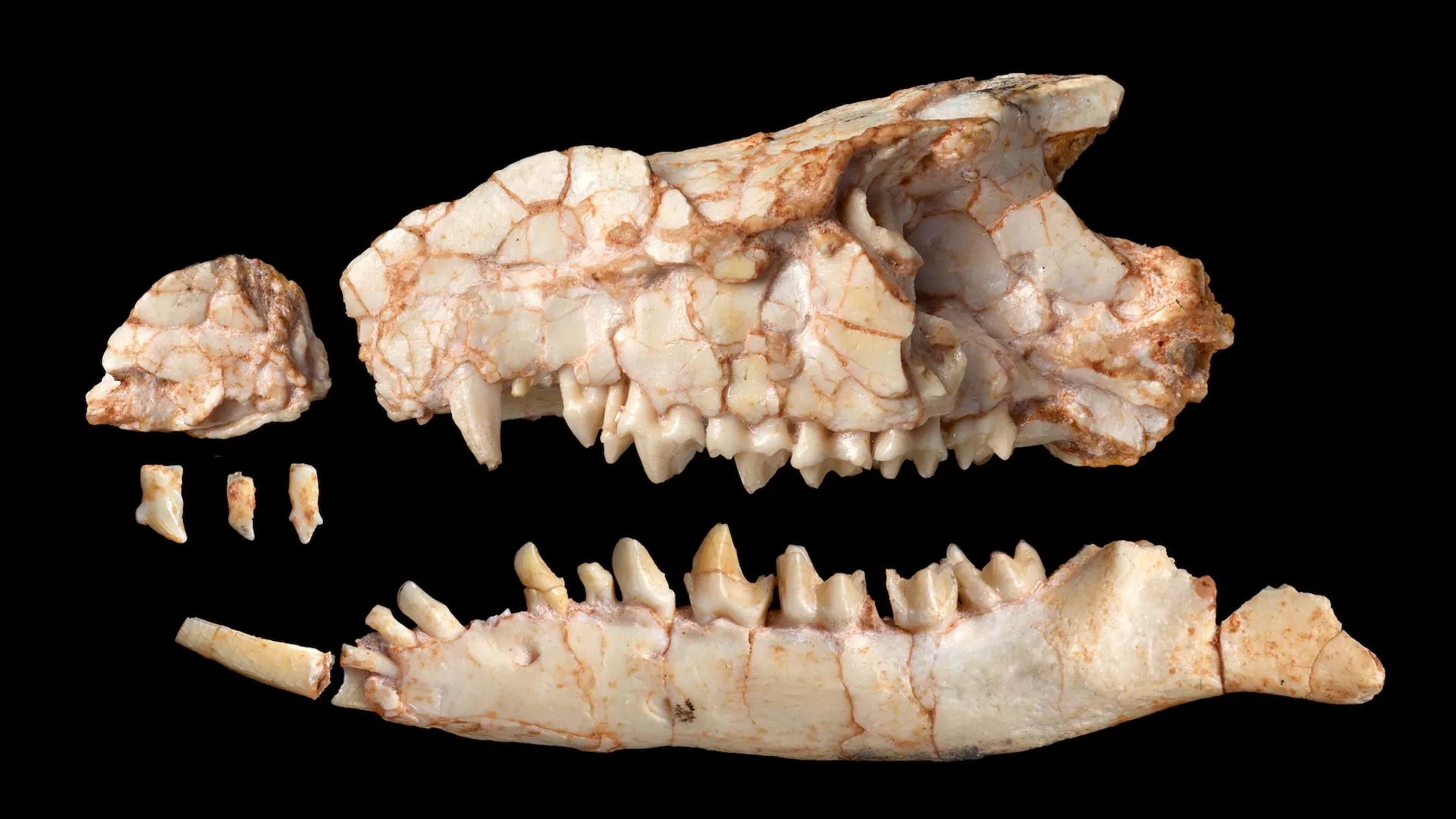
A beautifully preserved fossil from Mongolia’s Gobi Desert has solved a mystery that puzzled paleontologists for nearly 40 years. Tamirkhan balcarceli shows that zhelestids were not early relatives of modern placental mammals, despite having teeth that seemed to suggest they were. Instead, the rabbit-like animal belonged to a separate lineage of small Cretaceous mammals.
A new study suggests coffee may influence mood and brain function by changing the activity of microbes in the gut. Both caffeinated and decaf coffee were linked to lower stress, depression, and impulsivity, while also producing measurable changes in gut bacteria and metabolites. Decaf was associated with better learning and memory, while caffeinated coffee appeared to reduce anxiety and improve attention.
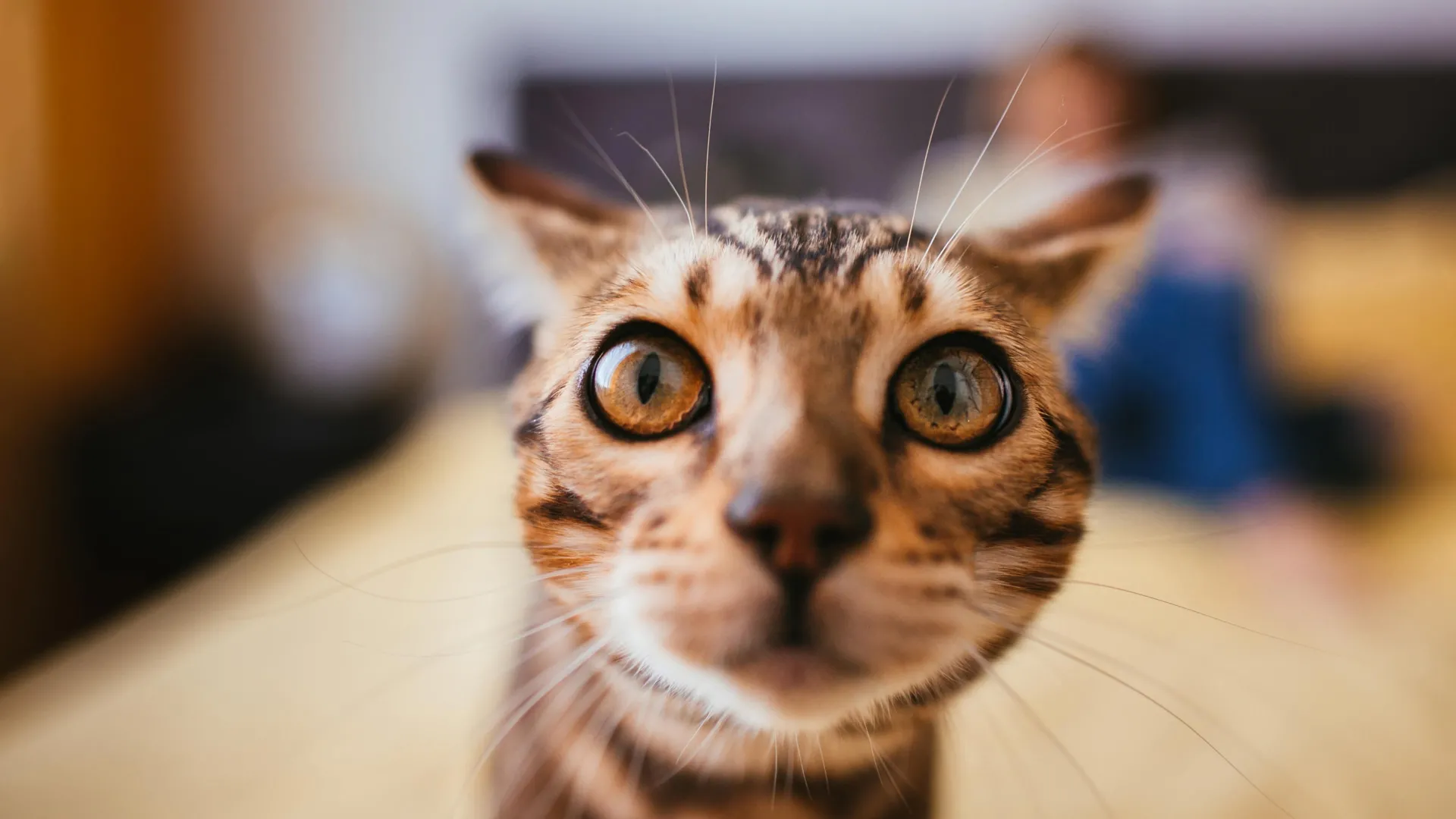
Scientists have mapped the genetics of cat cancer on an unprecedented scale and found surprising similarities with tumors in humans. The findings could help bring precision cancer treatments to cats while also revealing new clues about how human cancers develop and respond to drugs.
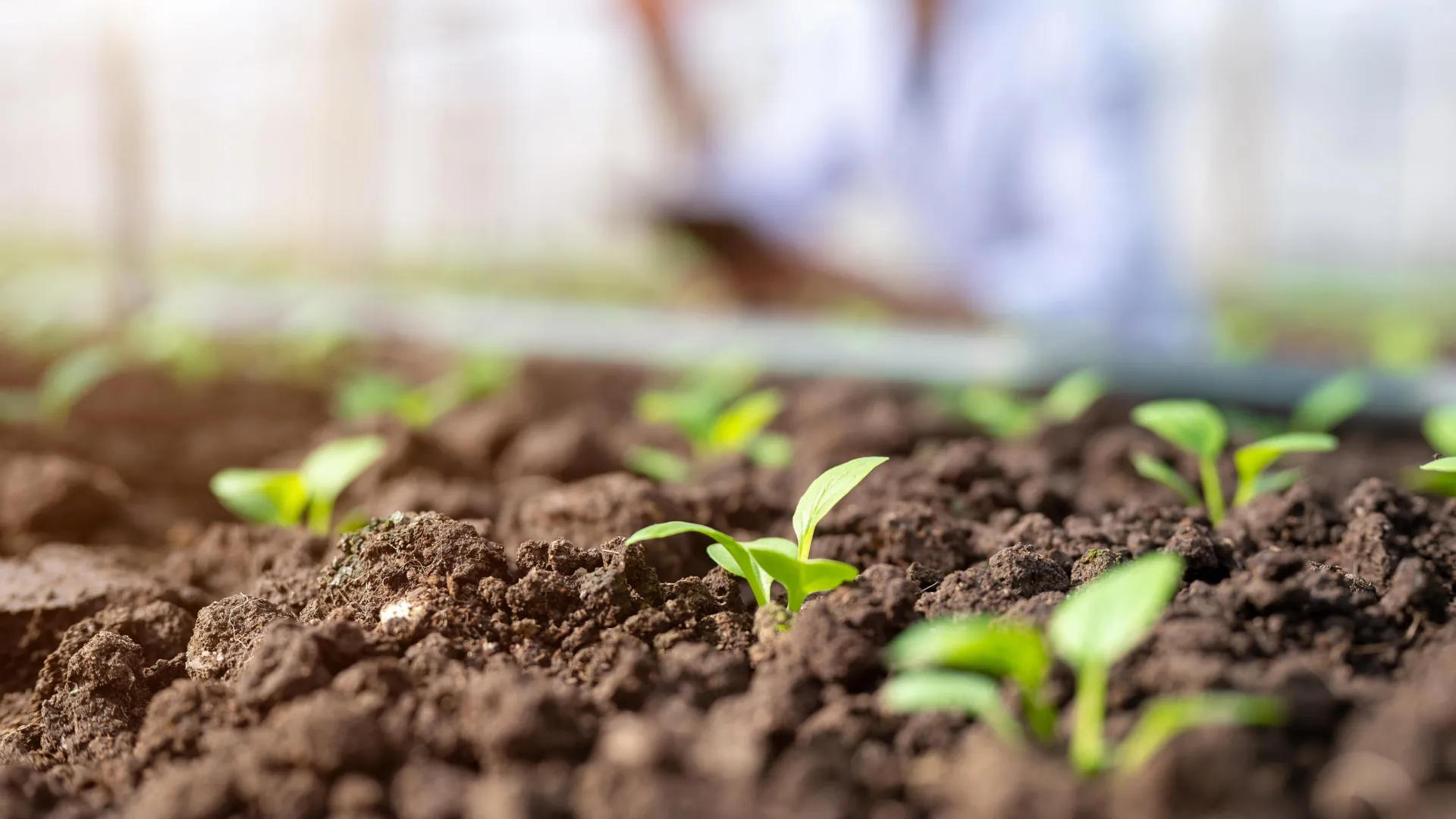
Scientists have streamlined a method for measuring DNA-bound phosphorus in soil, making it cheaper and easier while preserving its accuracy. The technique could reveal how soil microbes help recycle phosphorus and ultimately support more sustainable fertilizer and nutrient management.
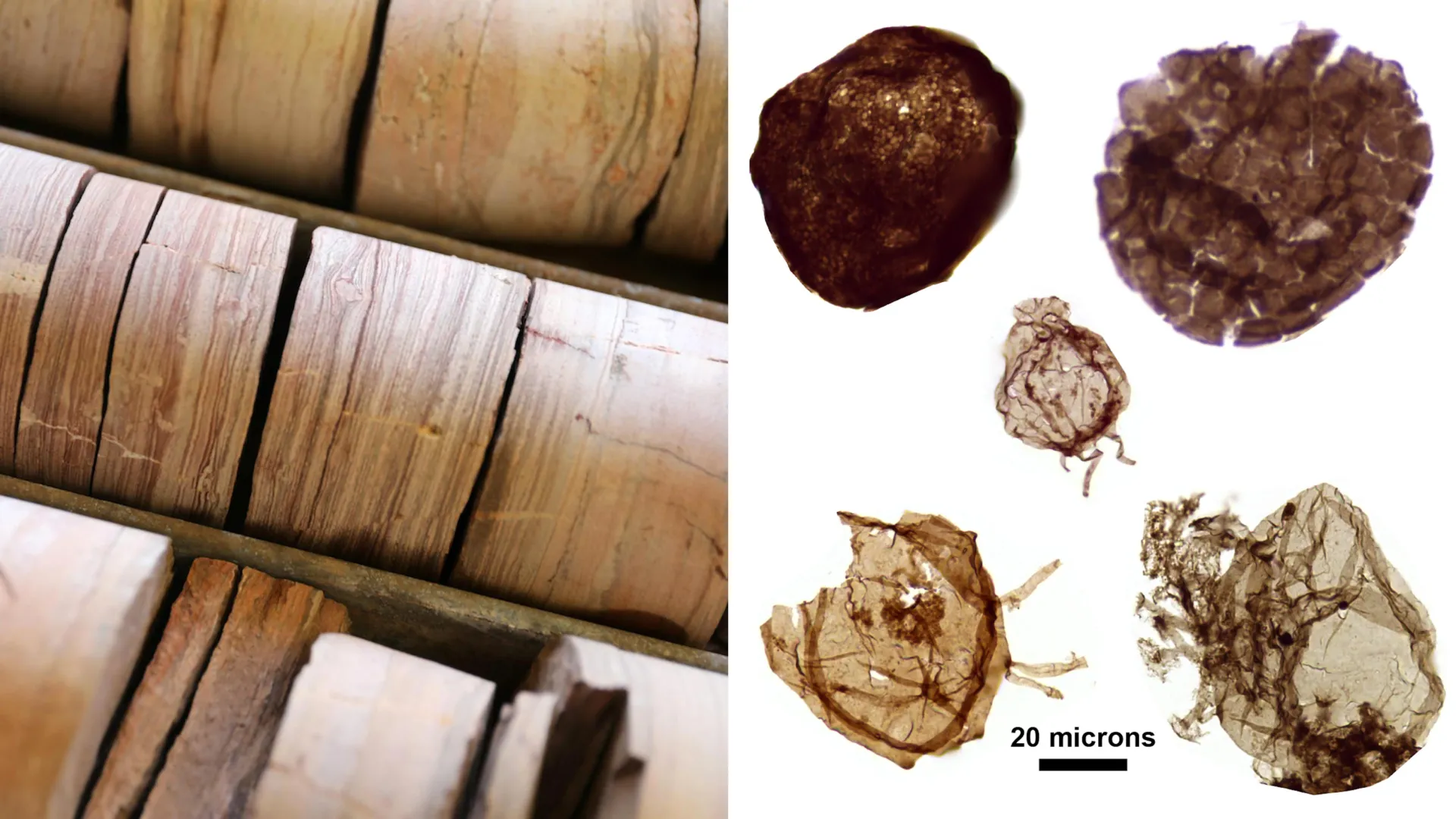
Scientists studying ancient Australian rocks uncovered more than 12,000 fossils from some of the oldest known eukaryotes on Earth. These early complex cells lived in settings ranging from coastal mudflats to the open sea, but only where oxygen was available. Oxygen-free environments contained simpler microbes instead. The findings strengthen the idea that oxygen played a crucial role in the emergence of complex life.
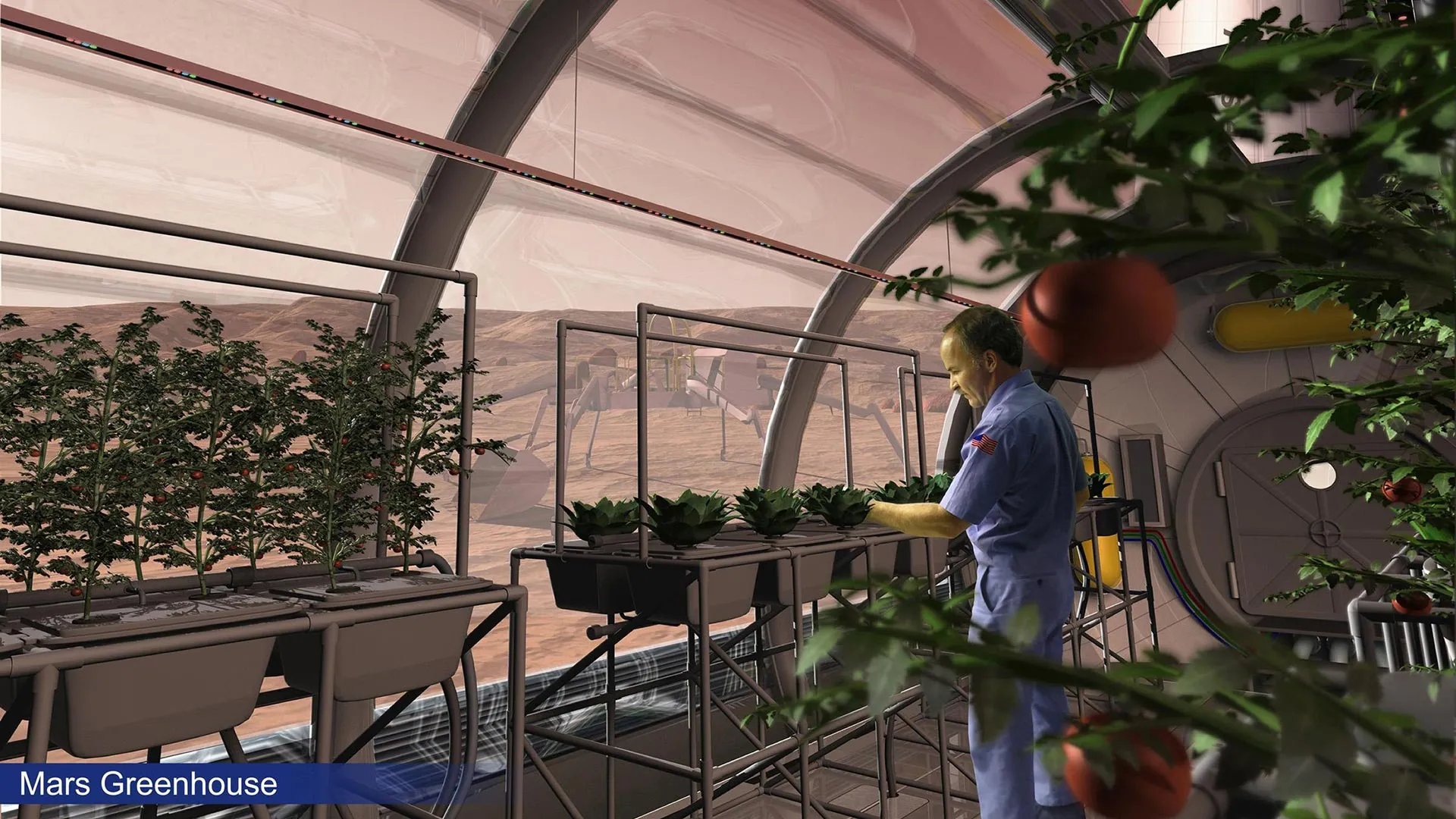
Scientists think beneficial fungi could help transform nutrient-poor lunar and Martian regolith into a material capable of supporting crops. By helping plants access nutrients and withstand harsh conditions, these microbes could someday make self-sustaining space farming more realistic.
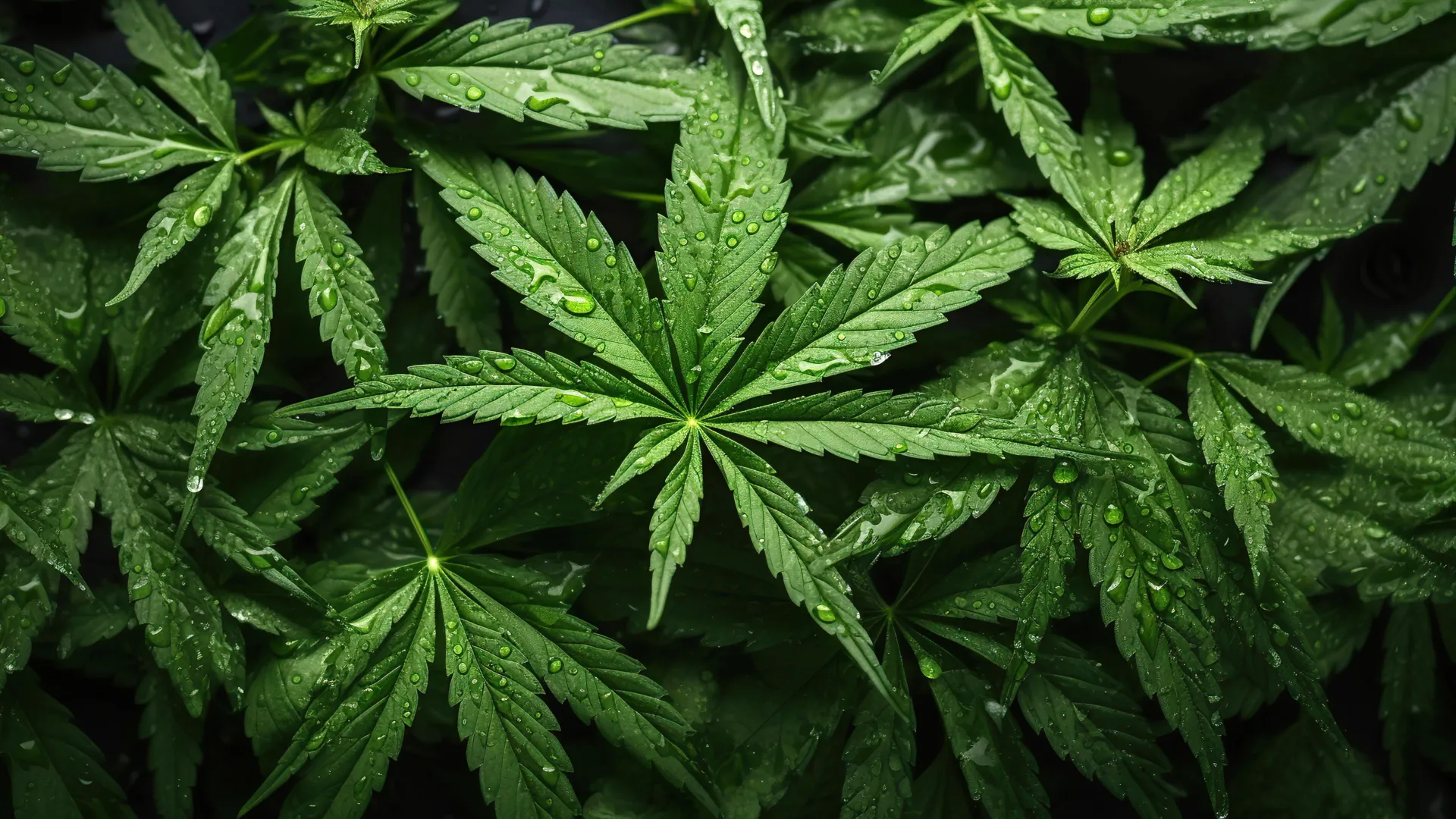
Scientists discovered rare flavoalkaloids in Cannabis leaves for the first time, along with dozens of other phenolic compounds that had never been reported in the plant. The findings suggest that Cannabis leaves, often discarded as waste, may contain a surprisingly rich source of potentially useful chemicals.
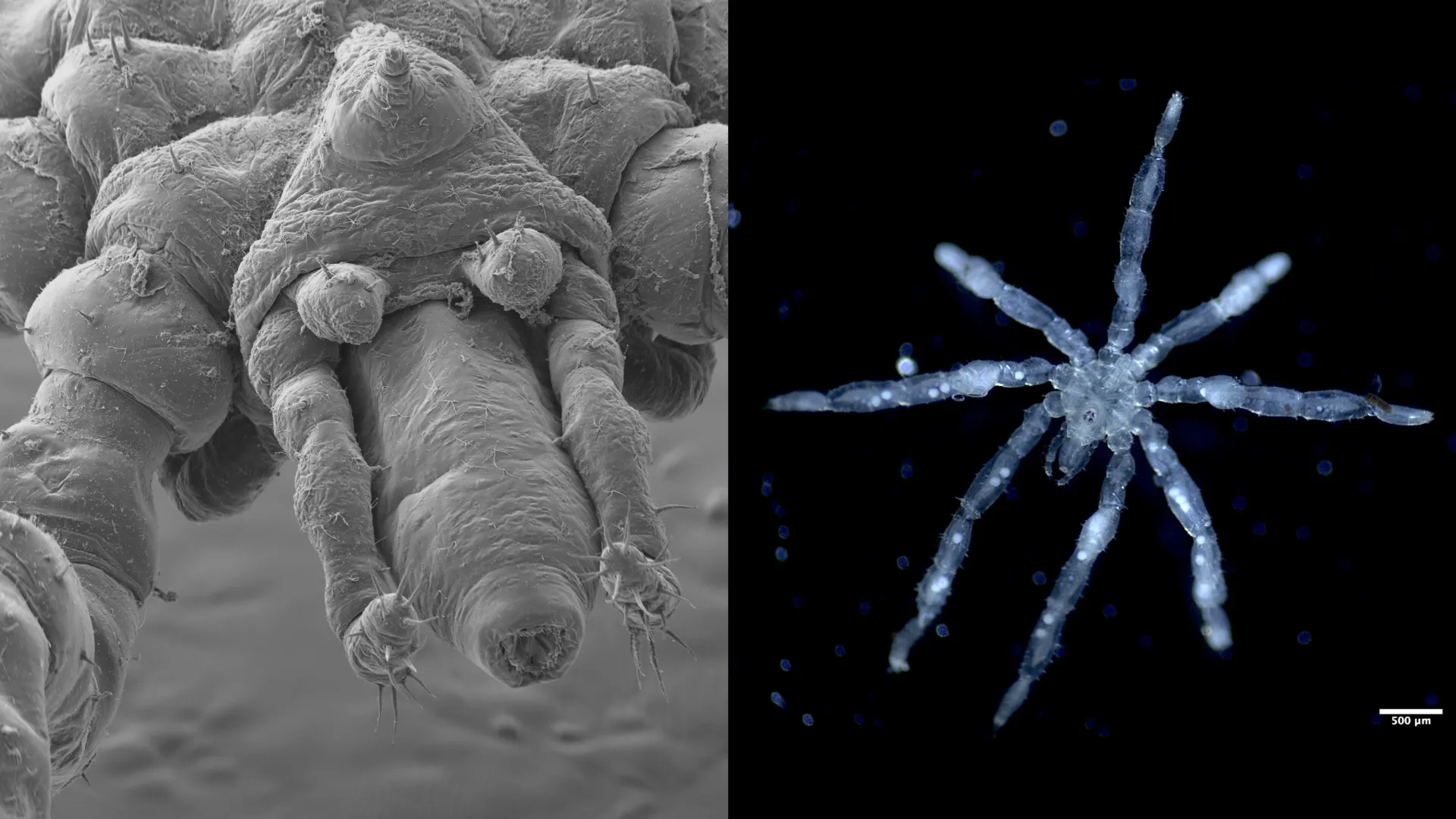
Scientists discovered two strange new sea spider species in the Salish Sea, including a hairy-legged, red-eyed species that can groom itself with comb-like appendages. Another is frequently covered in tiny parasites, and researchers say many more undiscovered sea spiders may still be hiding in the region.