Advertisement
Advertisement

Topic

Researchers

Science

Scientists finally see how nature moves energy so efficiently

Researchers have captured key steps in a chemical reaction that helps nature transfer energy with remarkable efficiency. Ultrafast X-rays revealed how changes involving electrons and protons are closely linked to the rearrangement of surrounding water molecules. Because similar reactions drive photosynthesis and other energy-conversion processes, the technique could help scientists develop better catalysts, fuel cells, and flow batteries.

Science

Scientists discover a human brain gene that can jump through DNA

Scientists have discovered a human gene with a remarkable double life: it appears to play an important role in brain cells while still retaining the ability to jump around the genome. Called BC200, the gene evolved millions of years ago from a mobile piece of DNA known as a transposon, but unlike most genes that arose this way, it never lost its mobility. Researchers even found BC200 embedded inside a human poxvirus, suggesting it may have jumped from infected skin cells into the virus.

Science

Easing constipation: A 20-minute walk can get your gut moving almost immediately

Researchers found that just 20 minutes of comfortable walking can rapidly stimulate the gut. Within one to two minutes after exercise, bowel sounds became stronger, more frequent, and lasted longer, suggesting increased intestinal movement. The boost was brief, fading within a few minutes, but it may help explain why walking can provide relief from constipation.

Science

Scientists just found a new way to make hydrogen from water

A new light-activated material can efficiently produce hydrogen from water without requiring an additional expensive metal catalyst. Researchers say its unusual sulfur-based chemistry could point toward cheaper and more practical ways to turn sunlight into clean fuel.

Health

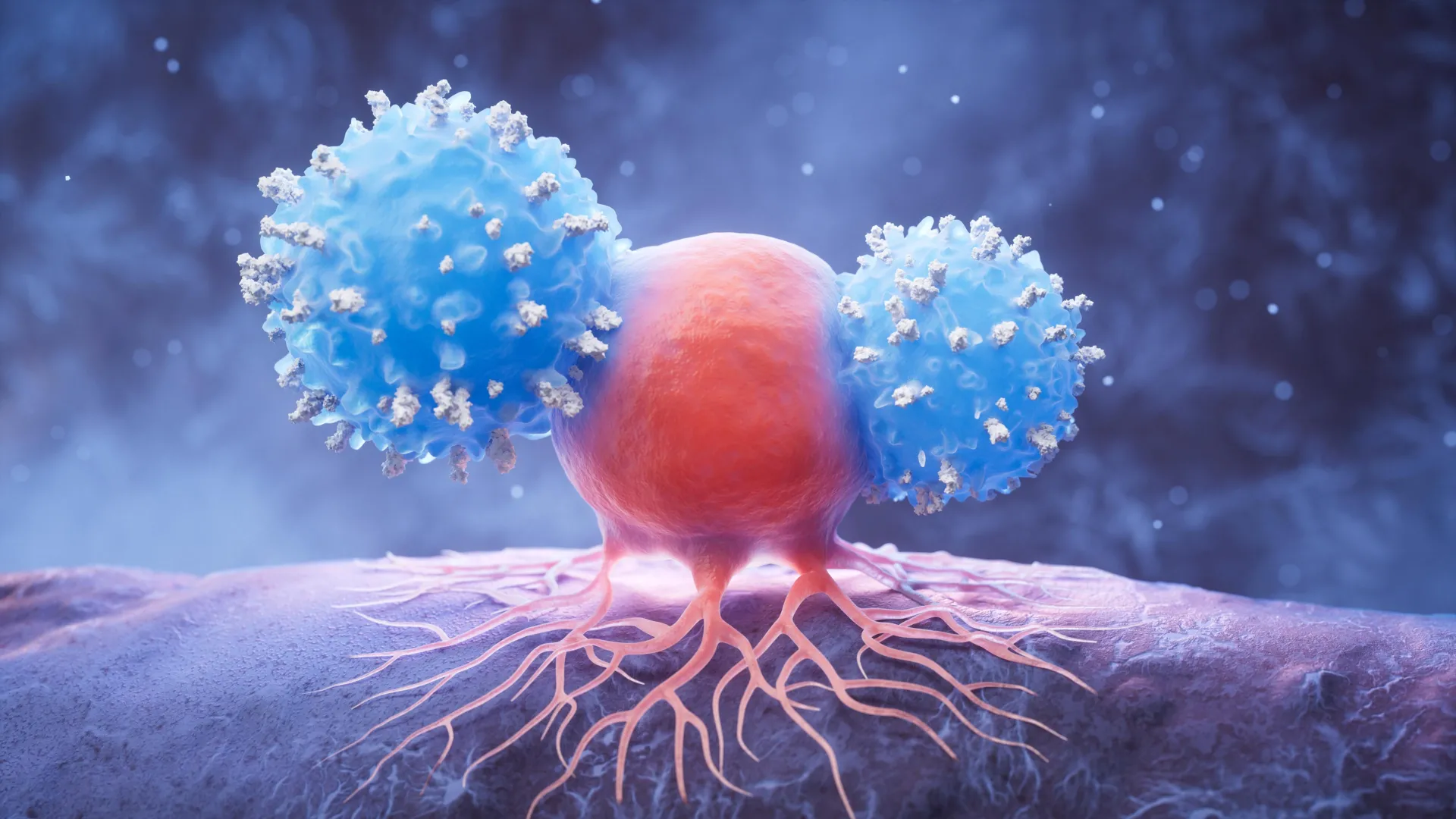
This common vitamin could help fight one of the deadliest brain cancers

High-dose vitamin B3 is showing intriguing early promise as an addition to standard glioblastoma treatment, with 82% of patients in a small trial remaining progression-free after six months. Researchers believe niacin may help revive immune cells suppressed by the cancer, but larger studies are still needed to confirm the benefit and safety.

Science

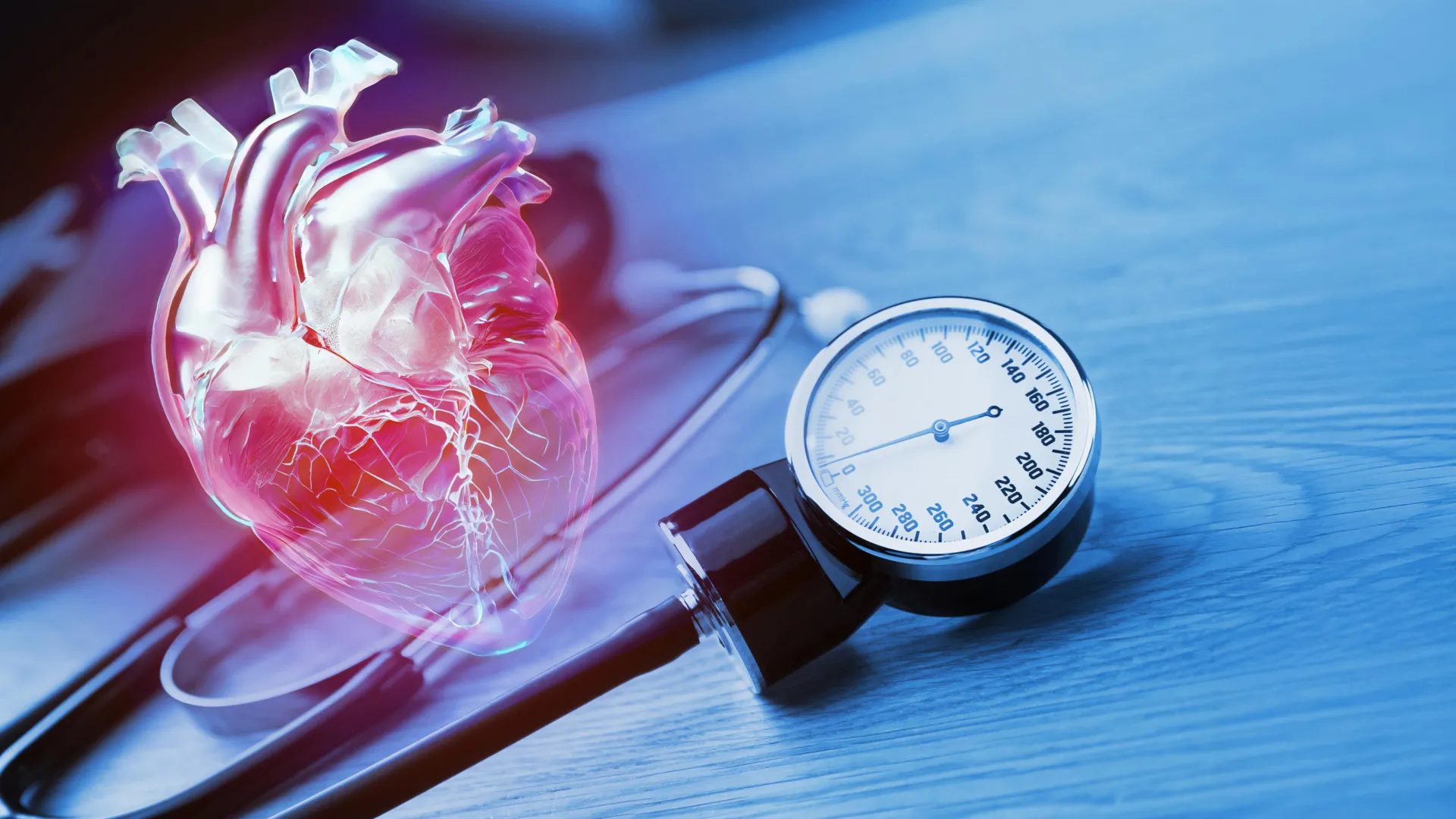
Nearly 6 in 10 people with high blood pressure don’t know they have it

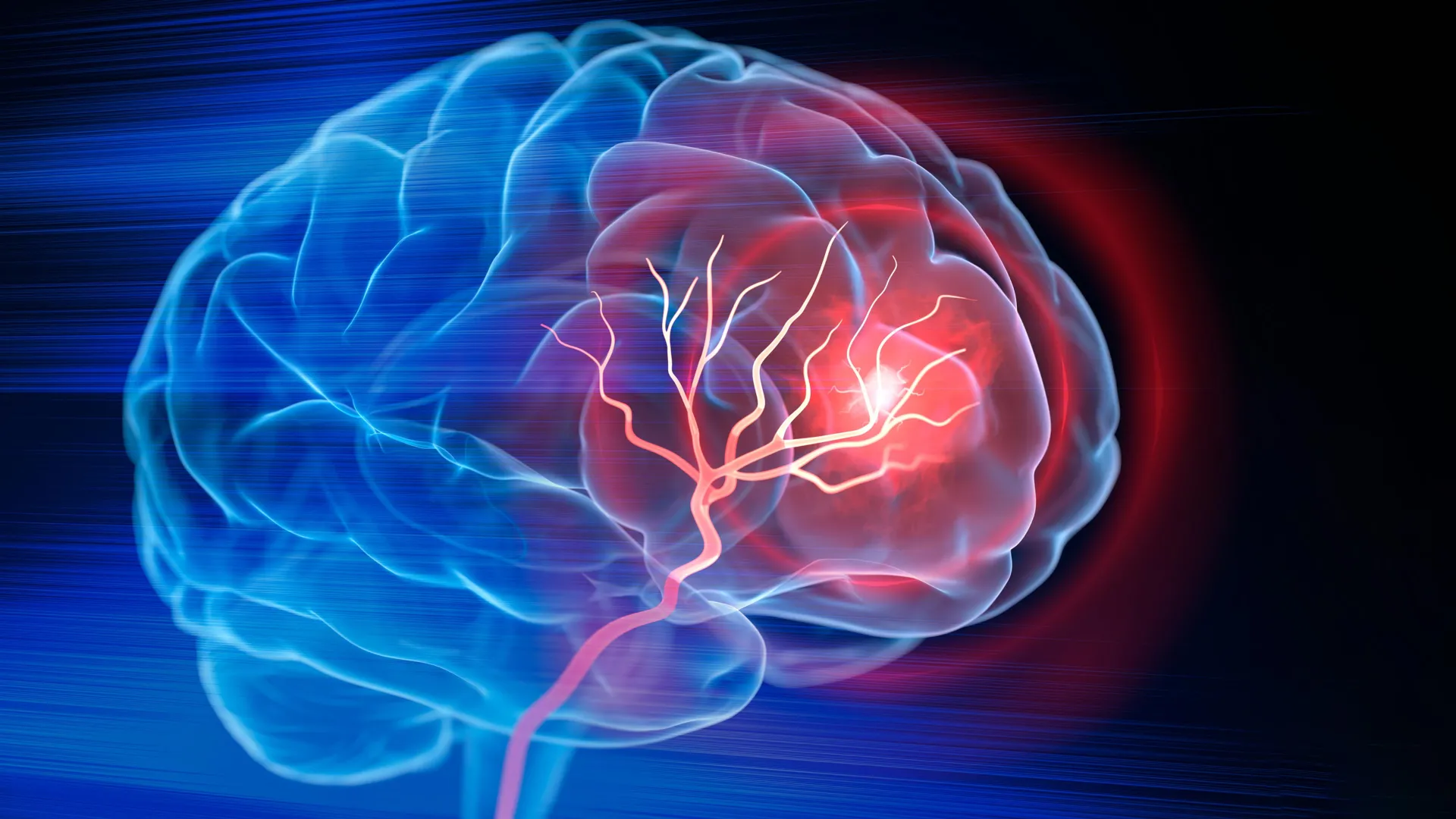
Nearly 6 in 10 people with high blood pressure in a large England study had never been diagnosed or treated, and half of those already taking medication still had elevated readings. Researchers say a more proactive approach to finding and controlling hypertension could prevent thousands of heart attacks and strokes.

Science

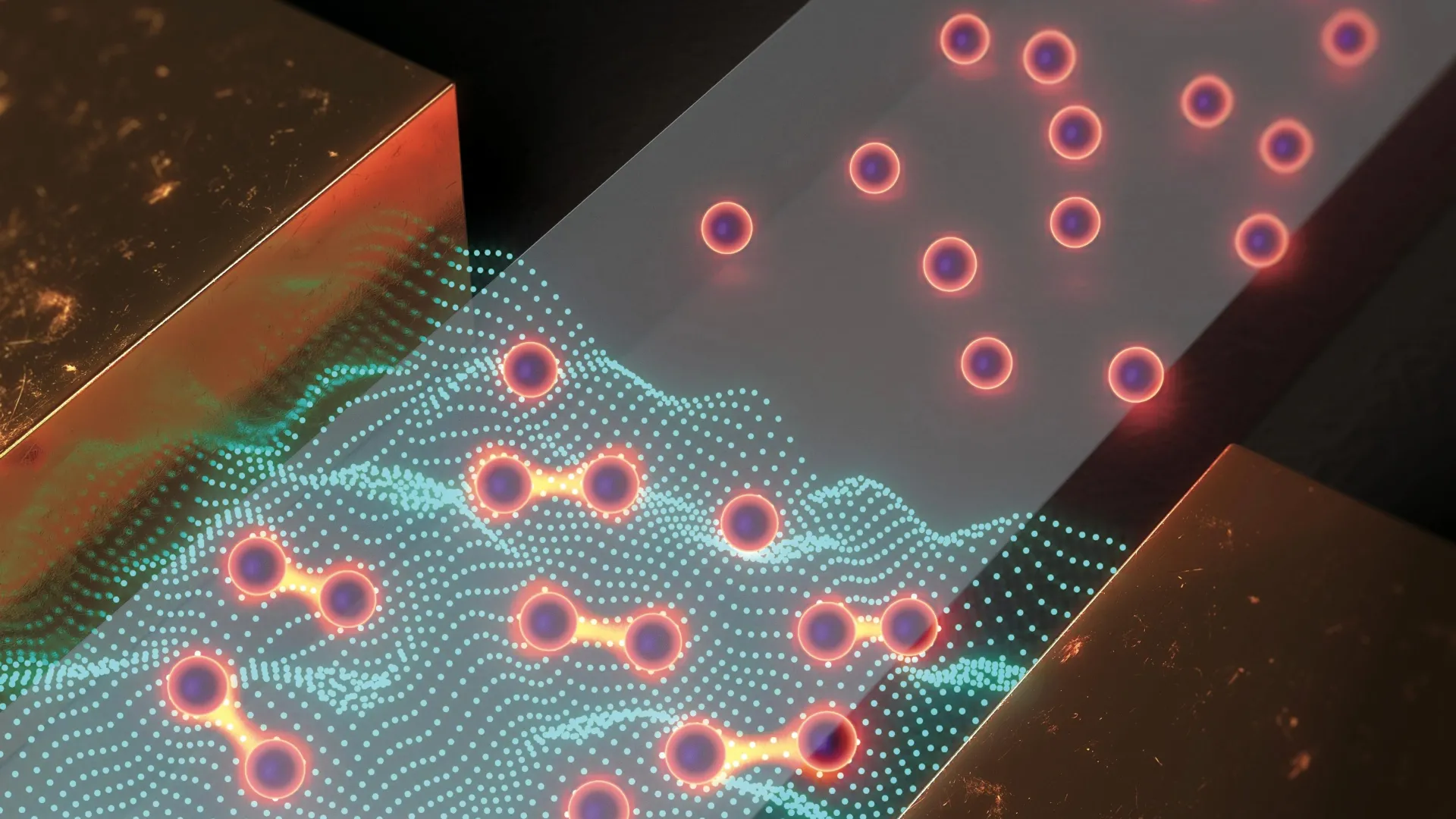
Scientists just made a superconductor stronger using “empty space”

Researchers have demonstrated that quantum fluctuations in supposedly empty space can strengthen superconductivity, raising the transition temperature of an ultrathin material by as much as 5.4%. The discovery opens the possibility of using specially engineered vacuum environments to control quantum materials without direct contact or external driving.

Science

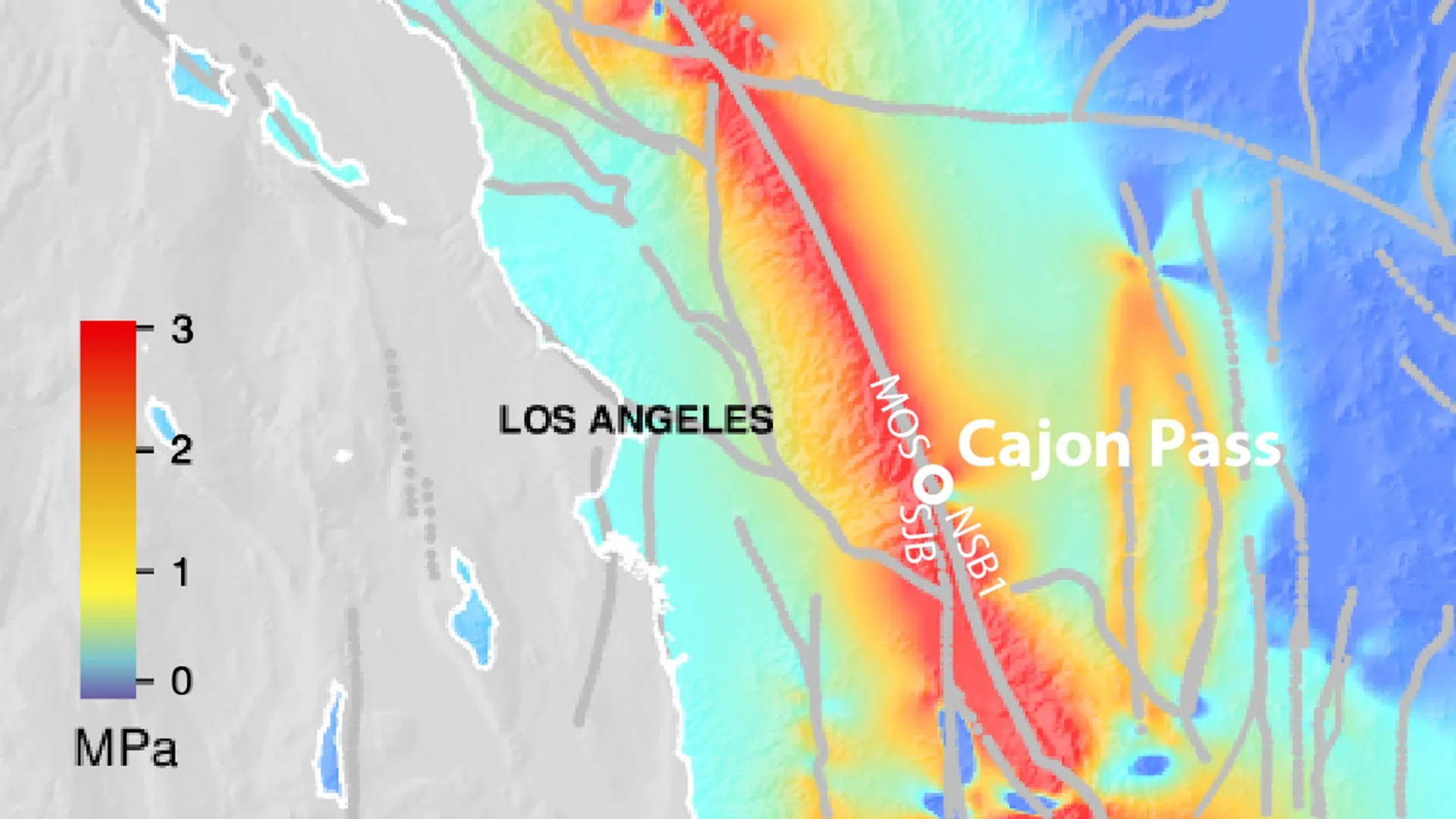
Scientists find an “earthquake gate” as California fault stress hits a 1,000-year high

Researchers say stress on Southern California’s San Andreas and San Jacinto faults has reached some of the highest levels seen in a 1,000-year simulation. Because both faults are highly stressed at the same time, the Cajon Pass junction may be increasingly primed for a rupture that could cross both systems, although the study does not predict when an earthquake will happen.

Advertisement
Science

Caltech physicists finally measure a quantum energy ladder predicted 40 years ago

Researchers have experimentally observed energy patterns that physicists have predicted for about 40 years. By arranging laser-trapped atoms into a quantum simulator, they recreated two different quantum tipping points and watched the atoms fall into the exact energy ratios predicted by theory. The technique could now be used to explore mysterious quantum systems where scientists do not already know the answer.

Health

1 in 13 adults under 30 already had hidden artery plaque

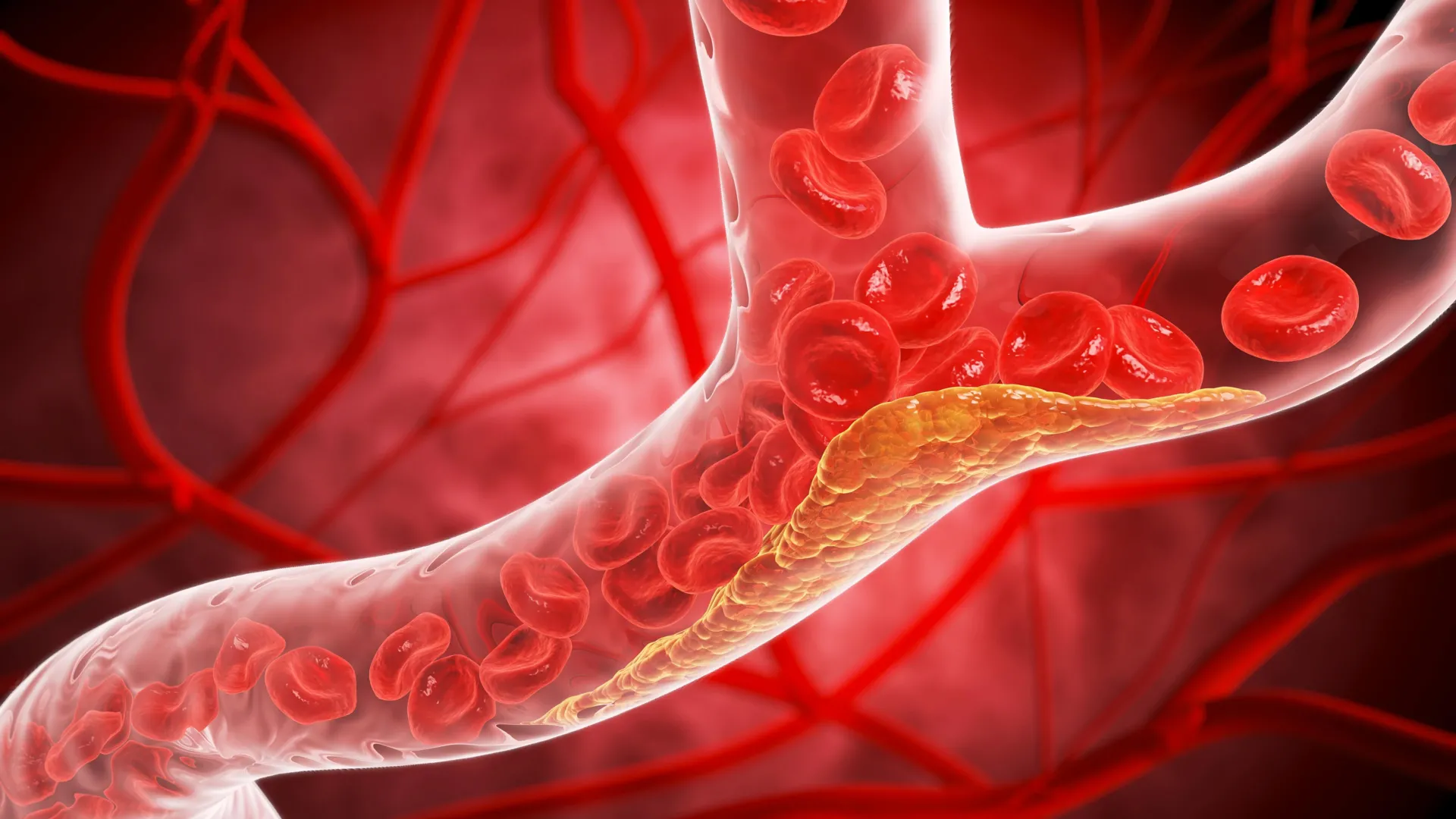
More than half of 16,000 apparently healthy adults had signs of atherosclerosis, with arterial plaques already detectable in about 1 in 13 people ages 18 to 29. Researchers say directly imaging the arteries could reveal hidden cardiovascular disease years or even decades before symptoms appear.

Health

Could quitting ultra-processed food boost your mental health?

People with depression who dramatically cut ultra-processed foods experienced notable improvements in their symptoms in a small preliminary study. Researchers suspect healthier eating may benefit the brain partly by reducing gut damage and chronic inflammation.

Health

Alzheimer’s risk gene APOE4 may have a reversible weakness

The Alzheimer’s risk gene APOE4 may actively damage brain blood vessels and sabotage the cellular systems that remove harmful proteins. Researchers were able to reverse some of these effects in experiments, revealing promising new targets for Alzheimer’s, Parkinson’s, and other neurodegenerative diseases.

Science

Creatine may help build muscle even without exercise, researchers find

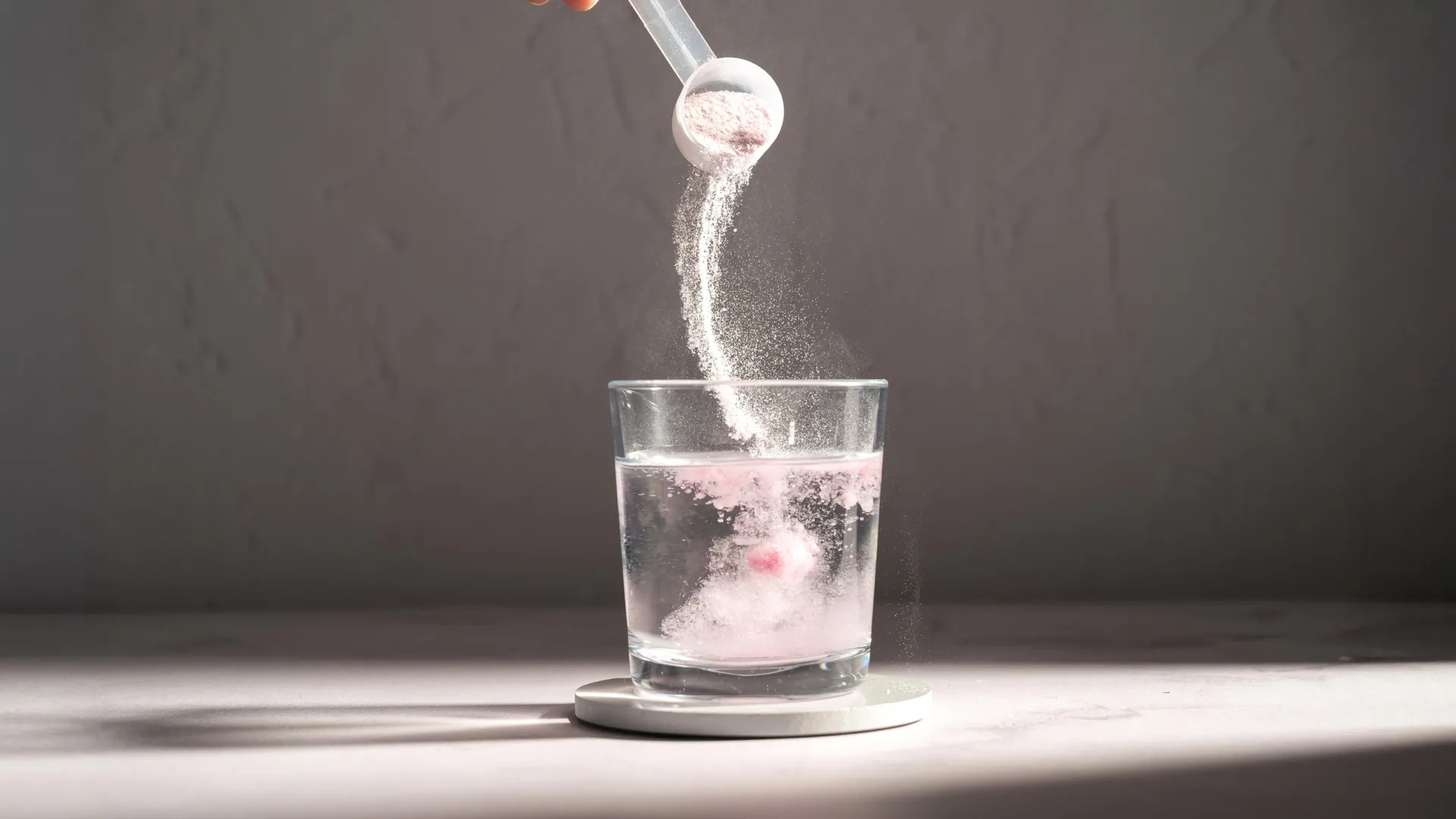
Creatine helped middle-aged adults gain muscle and strength even without a structured workout program in a new 12-week study. When combined with exercise and a calorie-reduced diet, it produced even greater strength gains while helping participants add lean tissue and lose fat. Researchers say the results strengthen the case for creatine as a potentially useful tool for maintaining muscle with age.

Science

Ocean heatwaves are hiding months of extra warming

Marine heatwaves may be only the most intense part of much longer warming events, with elevated temperatures sometimes lingering for months. Researchers found that conventional measurements underestimate total heat exposure by more than 150% on average, potentially overlooking a major source of stress on marine ecosystems.

Advertisement
Science

Hidden stem cells may be fueling spinal stenosis

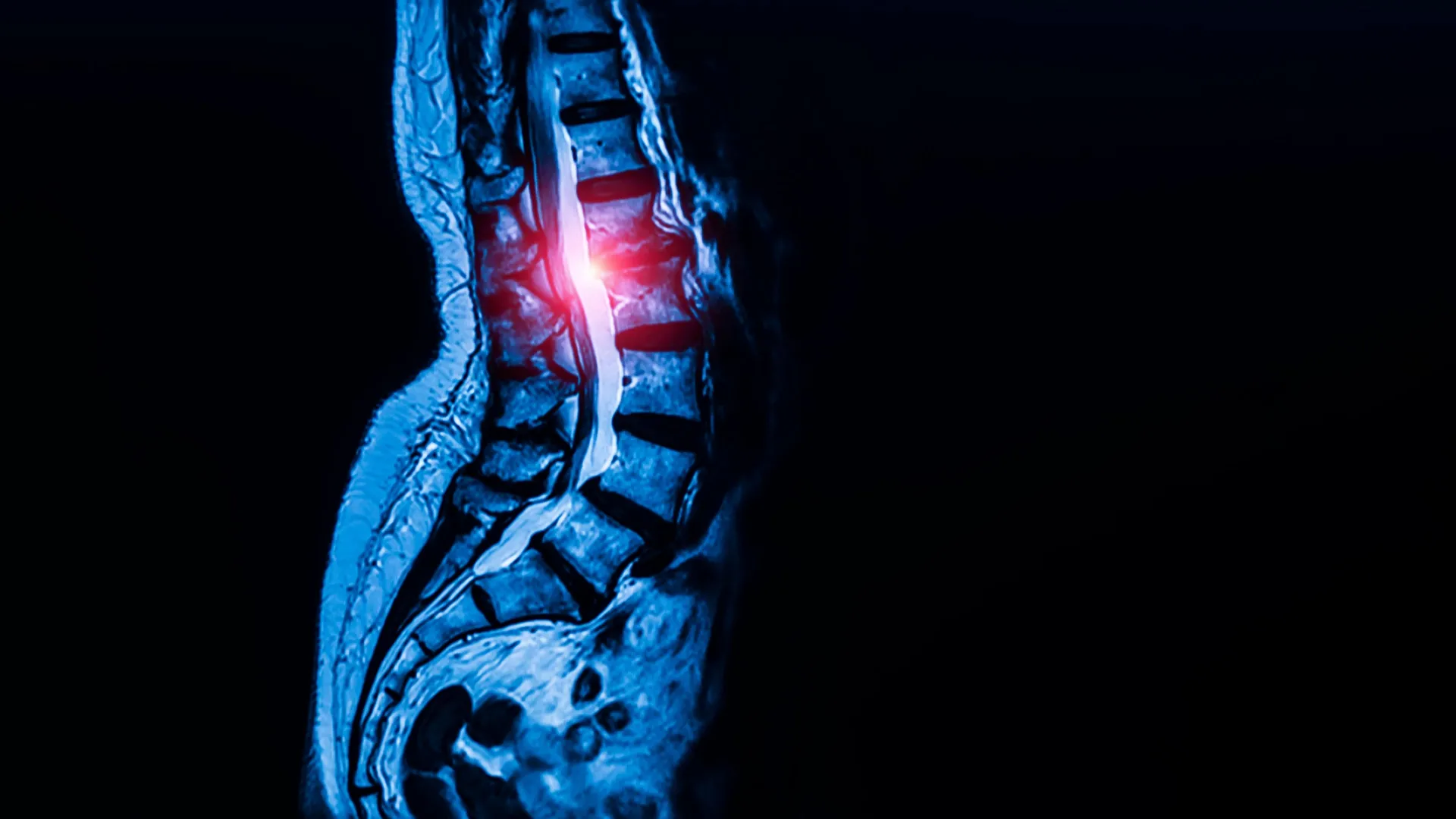
Scientists have discovered a stem cell that appears to serve as a master source for tendon and ligament cells throughout the body. In lumbar spinal stenosis, these cells become unusually active and may drive the ligament overgrowth that squeezes spinal nerves and causes pain, numbness, and difficulty walking. Researchers found that reducing calcium signaling stopped this abnormal growth in mice.