Advertisement
Advertisement

Topic

Researchers

Science

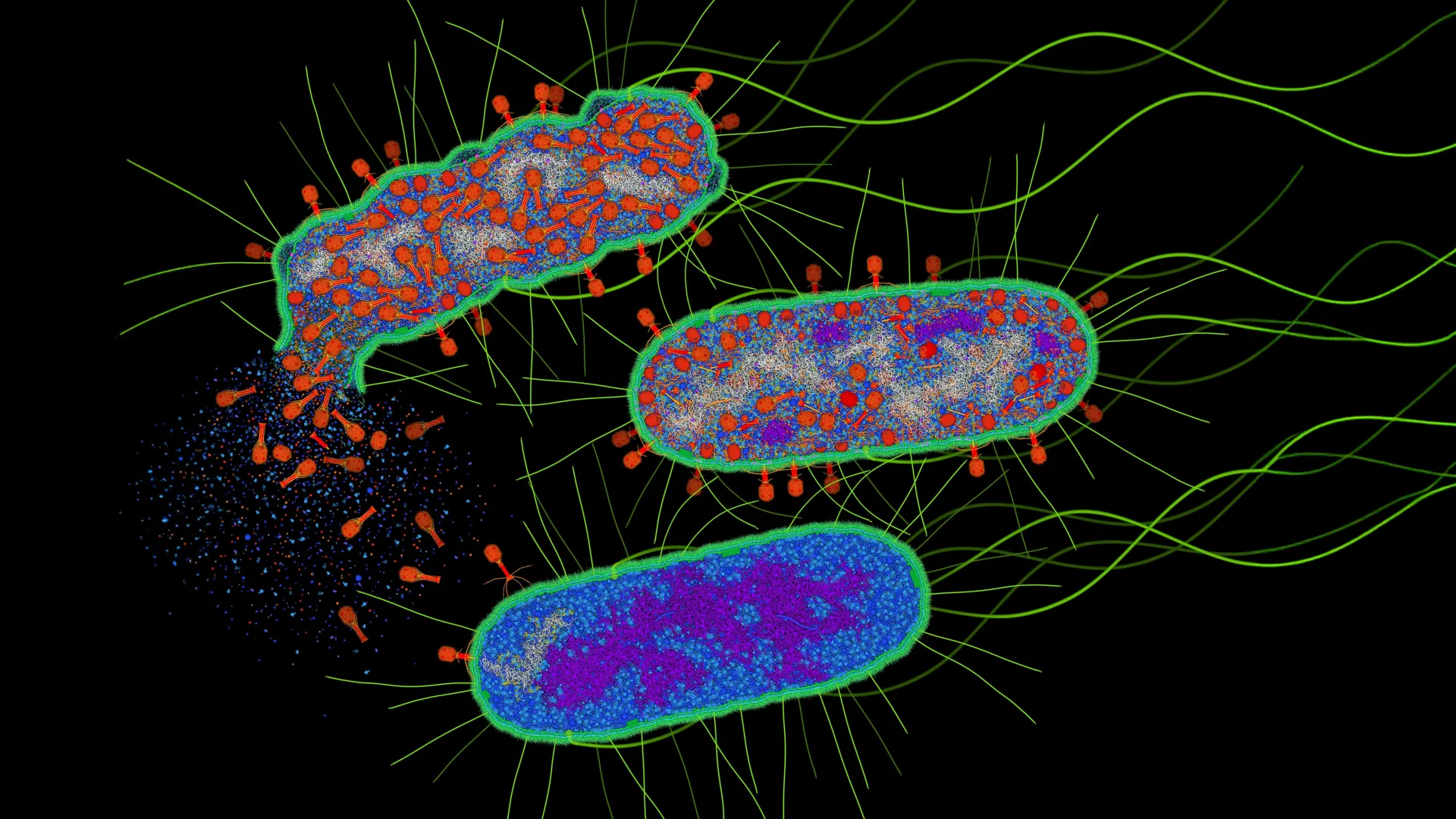
Bacteria turn a virus’ own weapon against it

Researchers have uncovered a new way bacteria detect viral attacks: a virus-produced enzyme cuts a bacterial sensor protein, triggering a self-destructing immune response. The discovery could lead to more effective phage therapies against antibiotic-resistant bacteria and provide insight into ancient immune mechanisms shared with humans.

Science

Scientists found Homo erectus 200,000 years earlier than expected

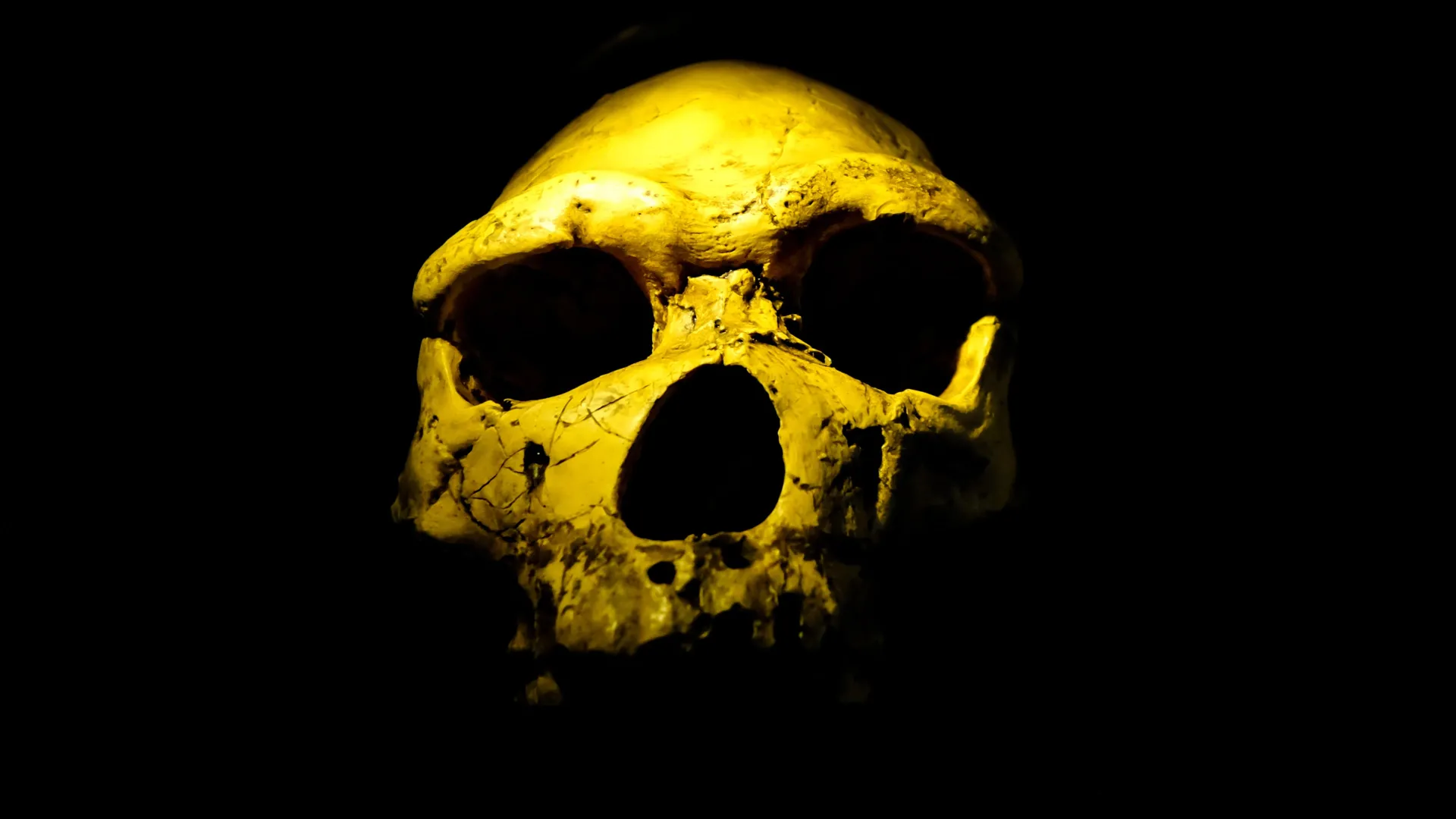
New fossils from South Africa are reshaping the story of early human evolution. Researchers have described 18 hominin fossils from Drimolen Cave, including an adult Homo erectus skull fragment dated to about 2 million years ago, supporting evidence that the species appeared in southern Africa roughly 200,000 years earlier than long thought. The finds also reveal that Paranthropus robustus, which lived alongside Homo erectus, was gradually evolving even larger teeth and stronger chewing muscles as the climate changed.

Science

FDA-approved epilepsy drug may help reverse osteoarthritis damage

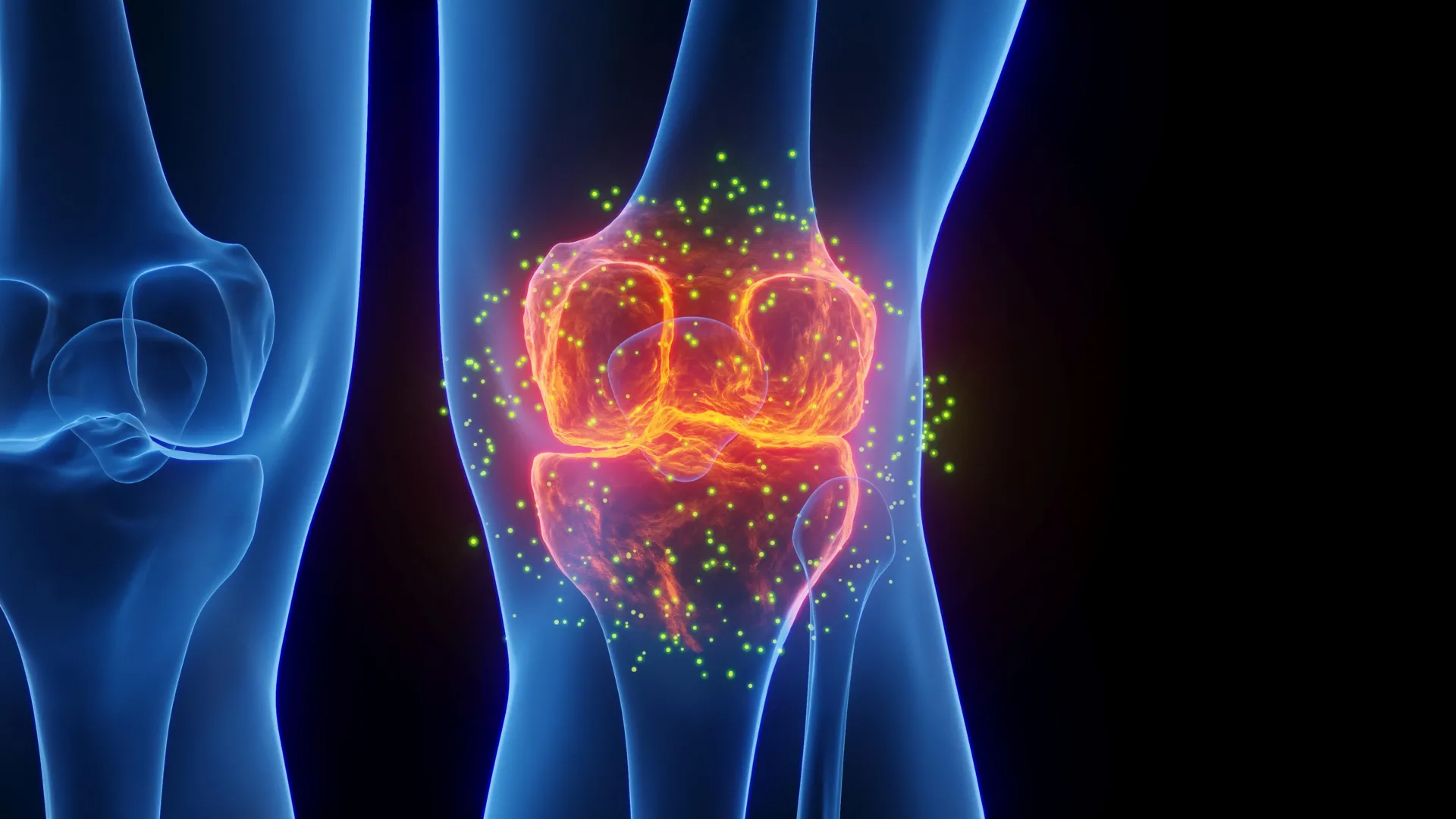
Researchers at Yale have identified a promising new approach to osteoarthritis that could do more than simply ease pain. The epilepsy drug lacosamide appears to block a protein involved in both pain signaling and cartilage destruction, helping damaged joints shift back toward repair in preclinical studies.

Science

Taking antibiotics? Sugar may be making the damage worse

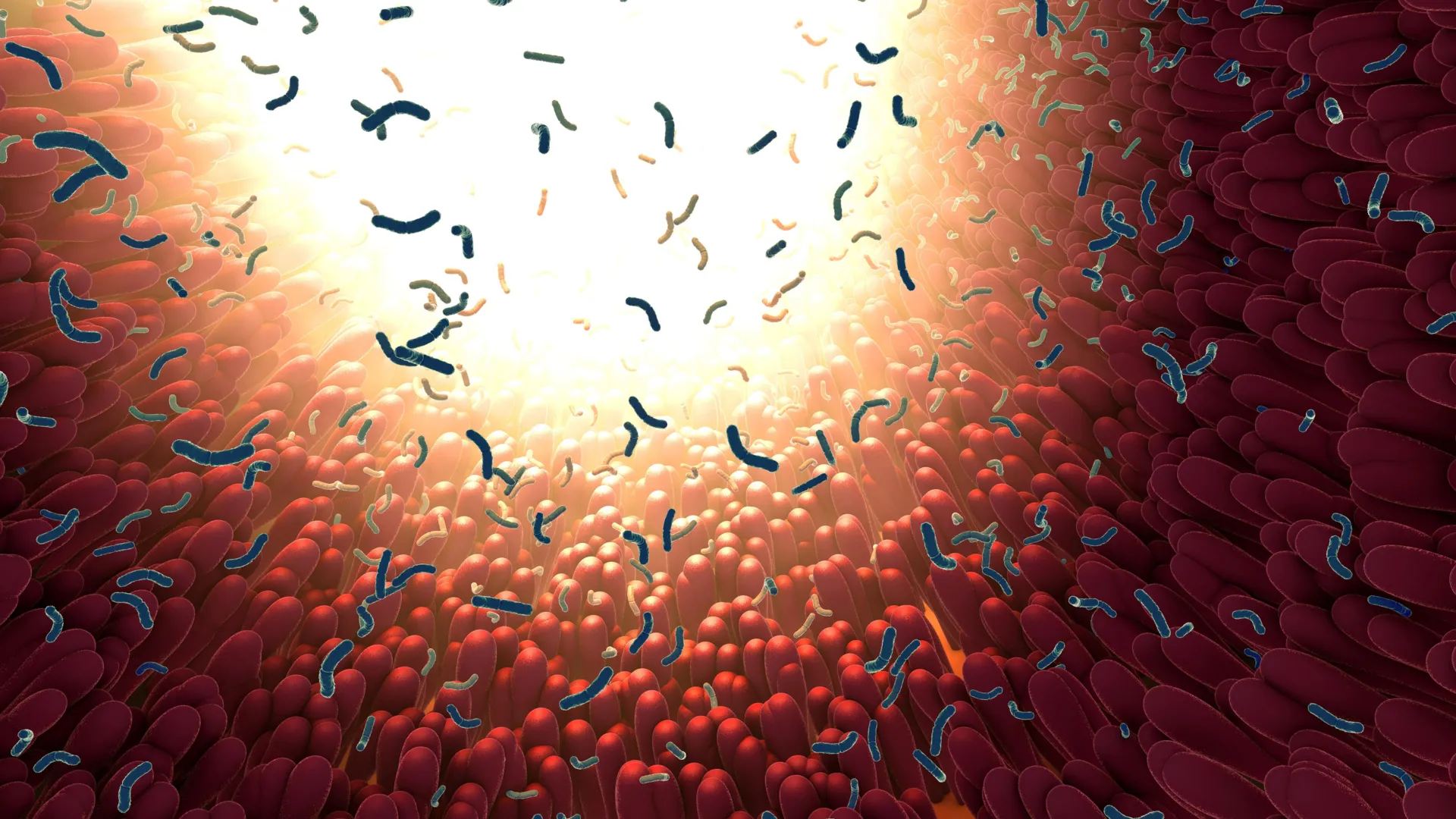
Eating more sugar while taking antibiotics was linked to greater disruption of the gut microbiome and increased growth of potentially harmful bacteria. Researchers say temporarily cutting back on sweets during and after antibiotic treatment could be a simple way to reduce this damage, though clinical trials are still needed.

World

Cancer cases rising among young people, research finds

New major research has found that cases of several different types of cancer have risen sharply among young people in England, the United States, and the Netherlands. Researchers are not exactly sure why there has been such an increase, but say it could be linked to a growing rate of obesity, poor diets and a lack of exercise.

World

Cancer rates rising faster among younger people, international study finds

Major new research has found that cases of several different kinds of cancer have risen sharply among young people in England, the US and the Netherlands. The number of people under the age of 50 diagnosed with prostate cancer in England has quadrupled since 2001. Researchers aren't exactly sure why there's been such an increase, but say the broad reason could be linked to a growing rate of obesity, poor diets and a lack of exercise. FRANCE 24's Sharon Gaffney speaks with Jon Shelton, Head of cancer intelligence at Cancer Research UK.

Advertisement
Science

MIT scientists find a hidden cancer risk of the keto diet

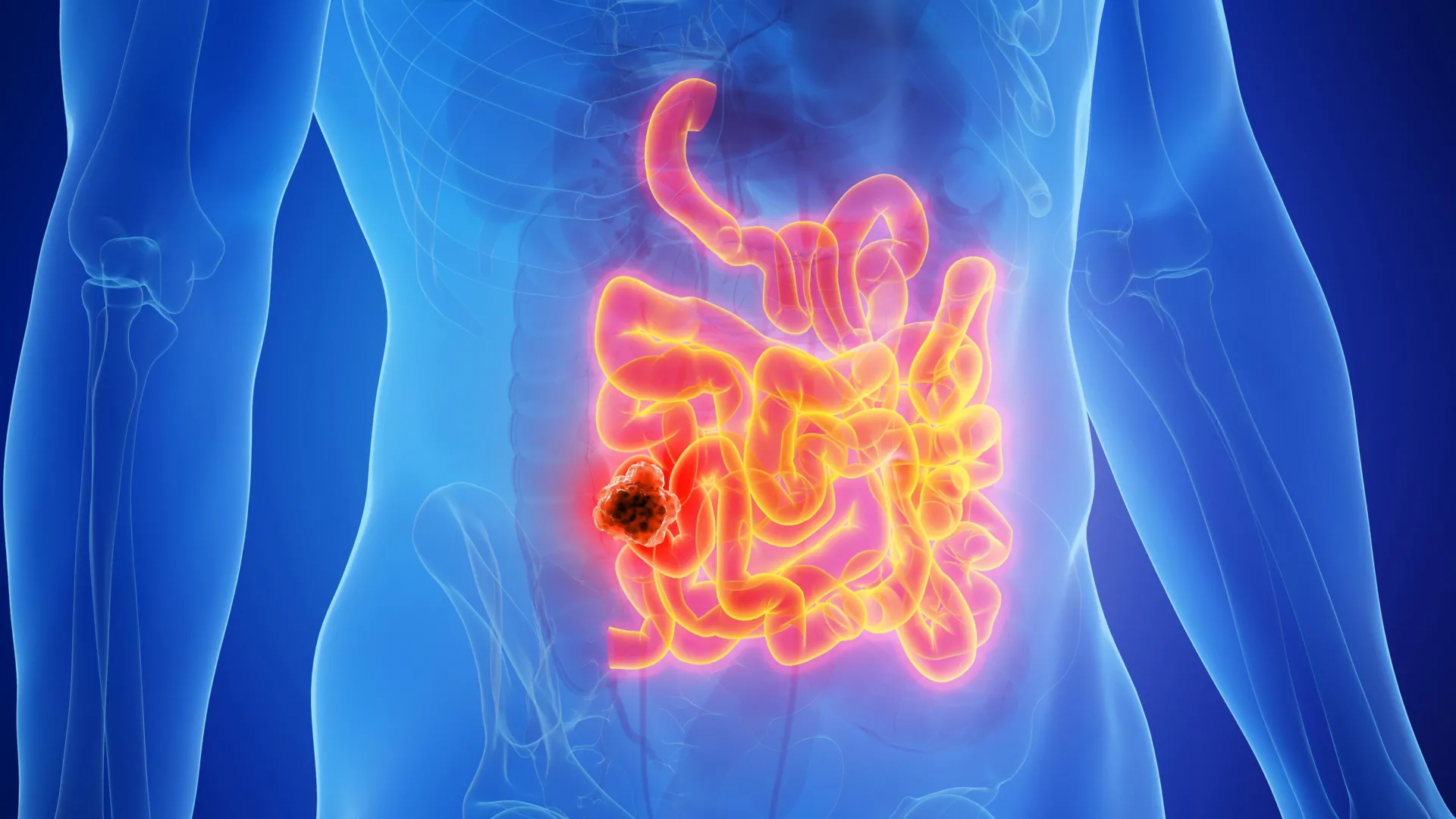
A ketogenic diet increased small-intestinal tumors in cancer-prone mice while reducing tumors in the colon, revealing a strikingly different response within neighboring parts of the gut. Researchers traced the increased risk not to ketones, but to the way intestinal stem cells processed the diet’s high levels of fat. That fat-burning activity pushed the cells to multiply more rapidly, potentially raising the chance of cancerous changes.

Science

Scientists finally see how nature moves energy so efficiently

Researchers have captured key steps in a chemical reaction that helps nature transfer energy with remarkable efficiency. Ultrafast X-rays revealed how changes involving electrons and protons are closely linked to the rearrangement of surrounding water molecules. Because similar reactions drive photosynthesis and other energy-conversion processes, the technique could help scientists develop better catalysts, fuel cells, and flow batteries.

Science

Scientists discover a human brain gene that can jump through DNA

Scientists have discovered a human gene with a remarkable double life: it appears to play an important role in brain cells while still retaining the ability to jump around the genome. Called BC200, the gene evolved millions of years ago from a mobile piece of DNA known as a transposon, but unlike most genes that arose this way, it never lost its mobility. Researchers even found BC200 embedded inside a human poxvirus, suggesting it may have jumped from infected skin cells into the virus.

Science

Easing constipation: A 20-minute walk can get your gut moving almost immediately

Researchers found that just 20 minutes of comfortable walking can rapidly stimulate the gut. Within one to two minutes after exercise, bowel sounds became stronger, more frequent, and lasted longer, suggesting increased intestinal movement. The boost was brief, fading within a few minutes, but it may help explain why walking can provide relief from constipation.

Science

Scientists just found a new way to make hydrogen from water

A new light-activated material can efficiently produce hydrogen from water without requiring an additional expensive metal catalyst. Researchers say its unusual sulfur-based chemistry could point toward cheaper and more practical ways to turn sunlight into clean fuel.

Health

This common vitamin could help fight one of the deadliest brain cancers

High-dose vitamin B3 is showing intriguing early promise as an addition to standard glioblastoma treatment, with 82% of patients in a small trial remaining progression-free after six months. Researchers believe niacin may help revive immune cells suppressed by the cancer, but larger studies are still needed to confirm the benefit and safety.

Science

Nearly 6 in 10 people with high blood pressure don’t know they have it

Nearly 6 in 10 people with high blood pressure in a large England study had never been diagnosed or treated, and half of those already taking medication still had elevated readings. Researchers say a more proactive approach to finding and controlling hypertension could prevent thousands of heart attacks and strokes.

Science

Scientists just made a superconductor stronger using “empty space”

Researchers have demonstrated that quantum fluctuations in supposedly empty space can strengthen superconductivity, raising the transition temperature of an ultrathin material by as much as 5.4%. The discovery opens the possibility of using specially engineered vacuum environments to control quantum materials without direct contact or external driving.

Advertisement
Science

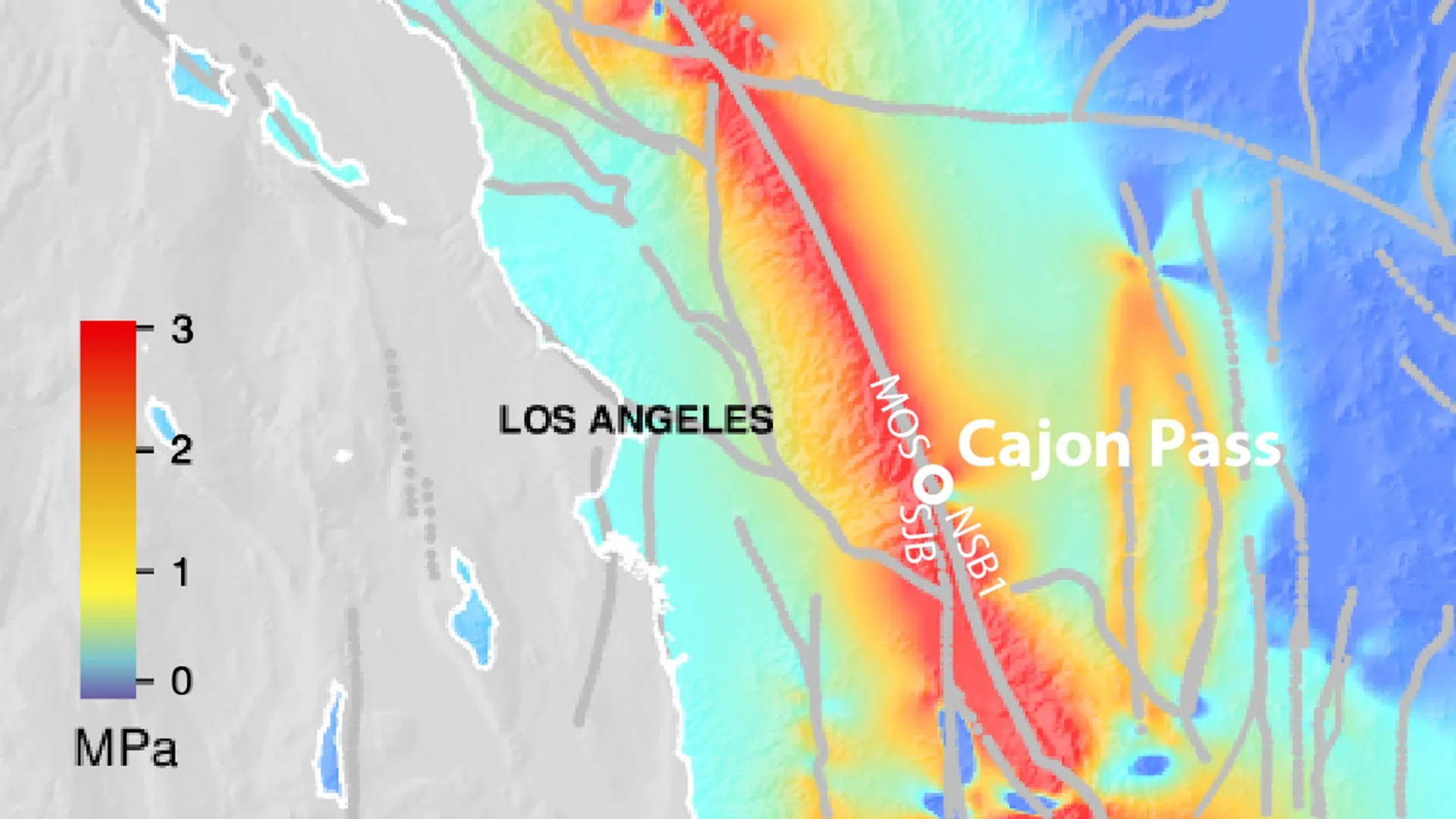
Scientists find an “earthquake gate” as California fault stress hits a 1,000-year high

Researchers say stress on Southern California’s San Andreas and San Jacinto faults has reached some of the highest levels seen in a 1,000-year simulation. Because both faults are highly stressed at the same time, the Cajon Pass junction may be increasingly primed for a rupture that could cross both systems, although the study does not predict when an earthquake will happen.

Science

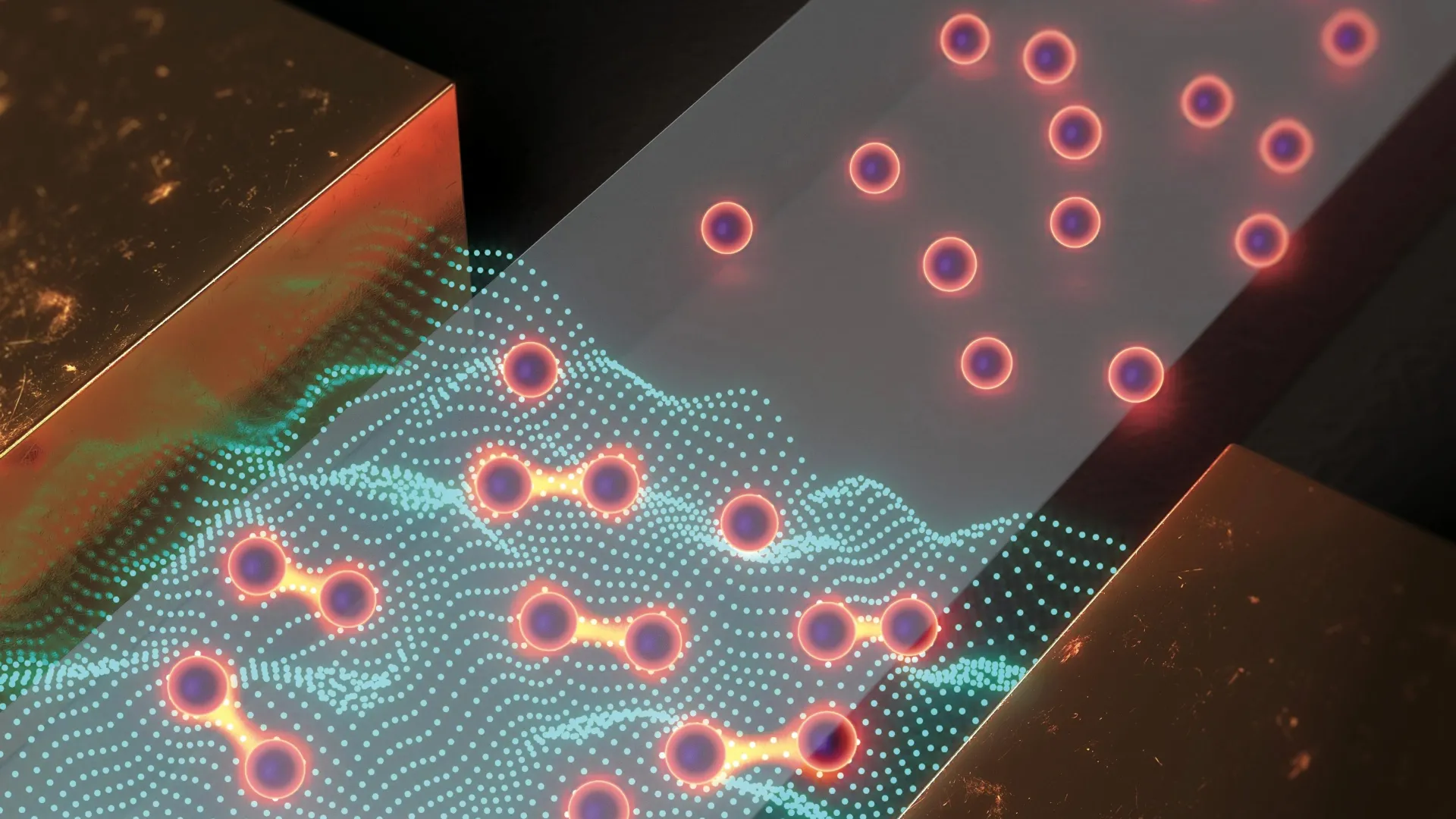
Caltech physicists finally measure a quantum energy ladder predicted 40 years ago

Researchers have experimentally observed energy patterns that physicists have predicted for about 40 years. By arranging laser-trapped atoms into a quantum simulator, they recreated two different quantum tipping points and watched the atoms fall into the exact energy ratios predicted by theory. The technique could now be used to explore mysterious quantum systems where scientists do not already know the answer.

Health

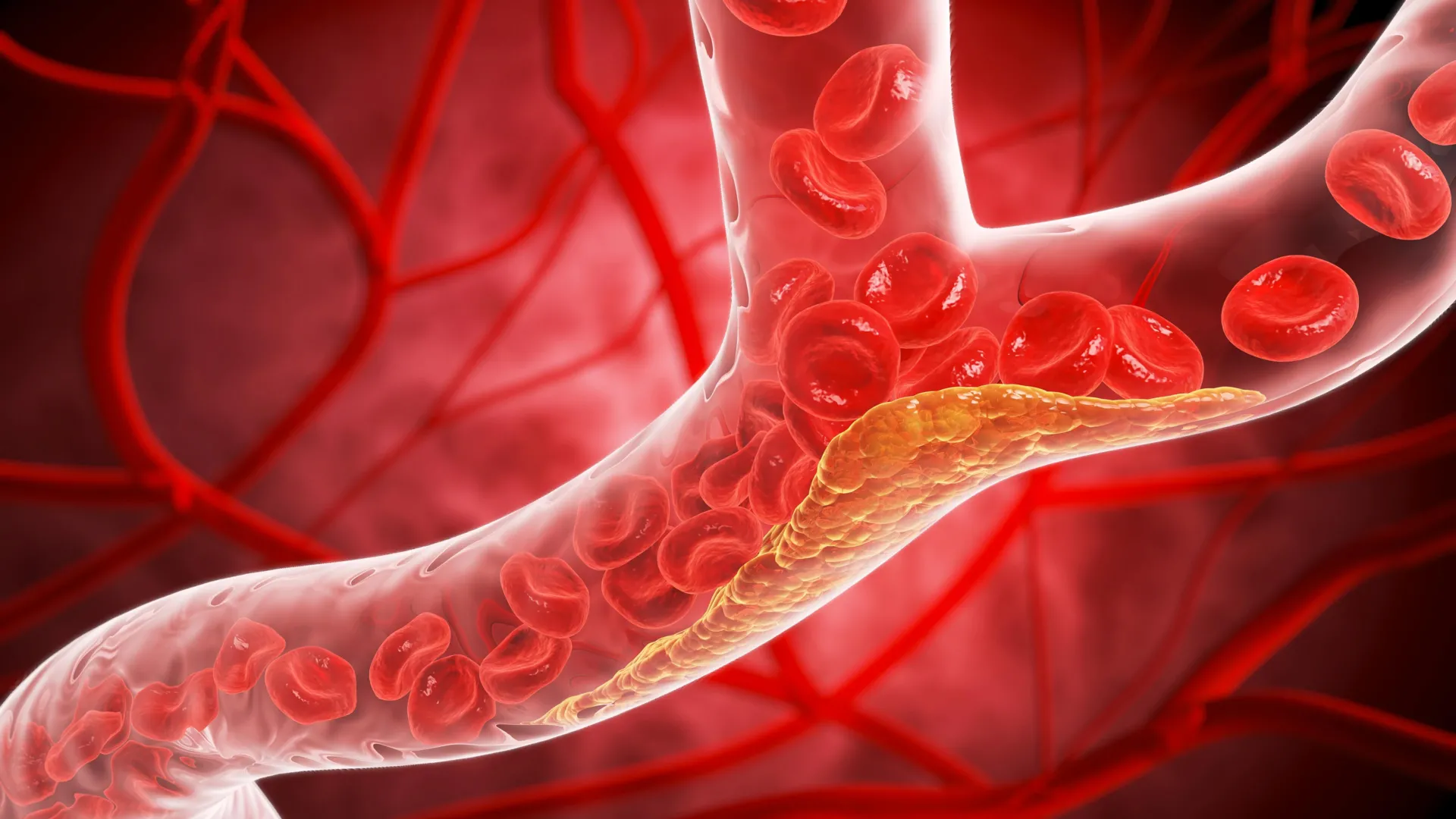
1 in 13 adults under 30 already had hidden artery plaque

More than half of 16,000 apparently healthy adults had signs of atherosclerosis, with arterial plaques already detectable in about 1 in 13 people ages 18 to 29. Researchers say directly imaging the arteries could reveal hidden cardiovascular disease years or even decades before symptoms appear.

Health

Could quitting ultra-processed food boost your mental health?

People with depression who dramatically cut ultra-processed foods experienced notable improvements in their symptoms in a small preliminary study. Researchers suspect healthier eating may benefit the brain partly by reducing gut damage and chronic inflammation.