Advertisement
Advertisement

Topic

Researchers

Health

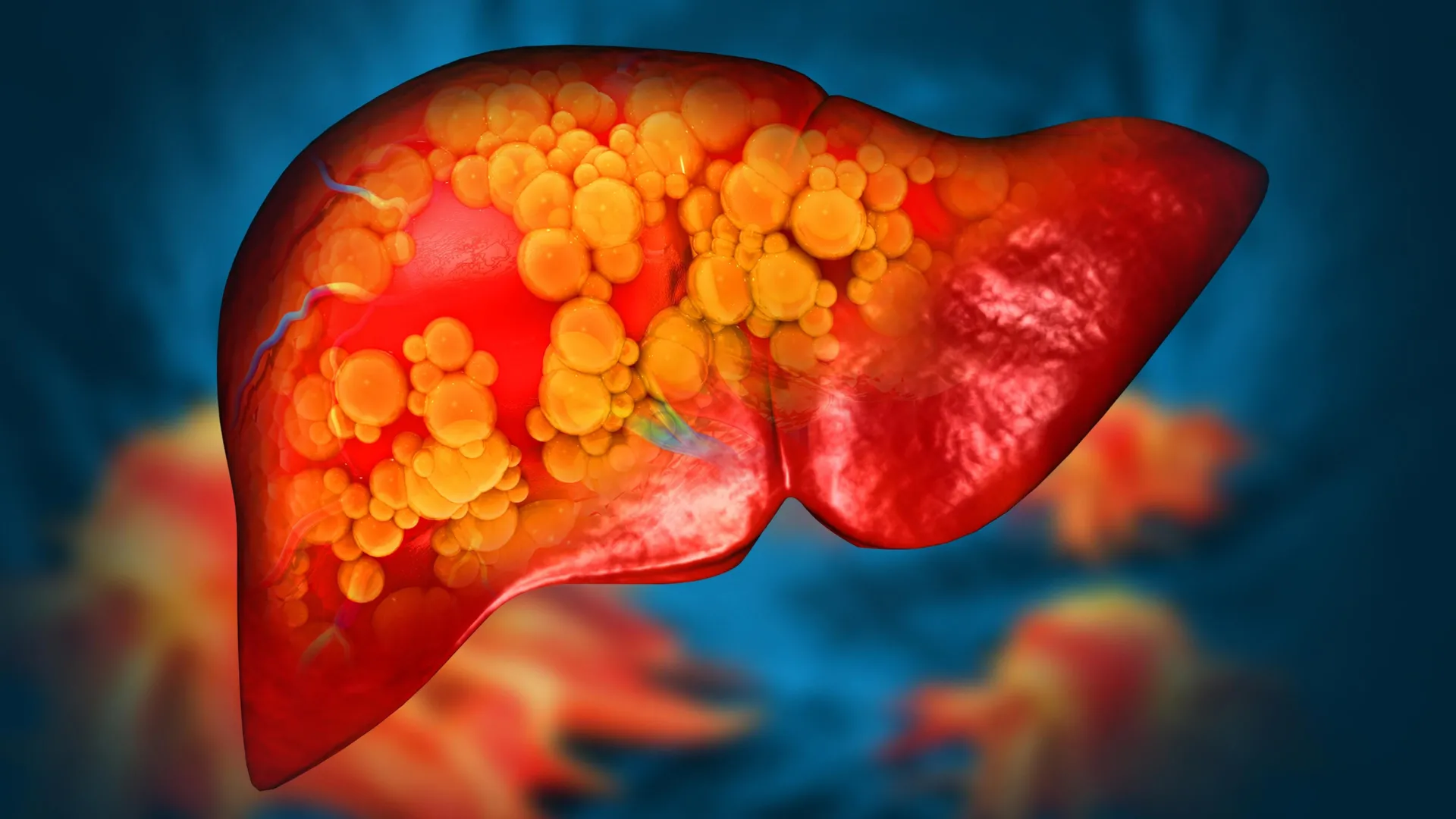
Eating late at night linked to up to 30% higher risk of liver disease

Eating late at night could be putting your liver at risk, according to a large study led by Oregon Health & Science University. Researchers analyzed data from nearly 200,000 people and found that those who regularly ate after dinner or around bedtime had a 20% to 30% higher risk of liver disease, including fatty liver disease and cirrhosis.


World

Mont Blanc nearly two metres taller than in 2023

France's tallest mountain was nearly two metres higher last month than its last reported measurement in 2023, surveyors said Wednesday, putting the Alpine peak at 4,807.47 metres (15,772.5 feet). Researchers have been measuring the mountain every two years to three years since 2001, hoping to garner information about the impact of climate change on the Alps.

Science

Scientists reveal 93% of Australia's Indigenous population was lost in just 73 years

A groundbreaking study suggests that 2.22 million Indigenous Australians lived on the continent before European colonization, far more than previously believed. Researchers estimate that 93% of this population was lost within 73 years, revealing a demographic catastrophe on a scale that dramatically changes our understanding of Australian history.

Science

A 47-year study reveals the age when your body starts losing strength

A 47-year study has uncovered a surprising turning point in physical aging: fitness and strength begin declining around age 35, even among people who exercise regularly. Researchers found that this decline accelerates as people get older, but starting to exercise in adulthood can still improve physical performance.

Science

Cornell scientists identify rare human genetic disorder in two unusually long-legged cats

Two unusually long-legged cats have helped scientists uncover the first genetically confirmed cases of Marfan syndrome in domestic felines. Researchers at Cornell University discovered that the brothers carried two altered copies of a gene linked to the rare connective tissue disorder, which can affect the eyes, heart, and blood vessels. Surprisingly, the cats survived into adulthood because their genetic mutation still allowed some normal function.

Science

AI can act exactly like a human, but we still don't think it's conscious

A new study reveals that people draw a surprisingly sharp line between human consciousness and artificial intelligence, even when both behave identically. Researchers found that participants considered even the most responsive AI less conscious than the least responsive human. Yet when asked about "awareness" instead, people judged humans and AI much more similarly.

Science

Scientists find a hidden problem with endless smartphone scrolling

Excessive smartphone use may be taking a hidden toll on the brain and body, with heavy scrolling linked to poorer memory, reduced attention, disrupted sleep, and potential balance problems. Researchers found that weak self-control and fear of missing out, rather than personality alone, are key factors behind problematic phone use.

Science

Physicists discover “astonishing” property of light that defies expectations

Scientists have uncovered a surprising hidden ability of light that allows it to develop spinning, twisting behavior as it travels through empty space, without special lenses, mirrors, or materials. Researchers discovered that light’s internal geometry can naturally produce left- and right-handed patterns, challenging long-standing assumptions about how light behaves. By carefully arranging a beam’s structure, scientists can control where and how these spinning patterns emerge, unlocking a new way to manipulate light.

Advertisement
Science

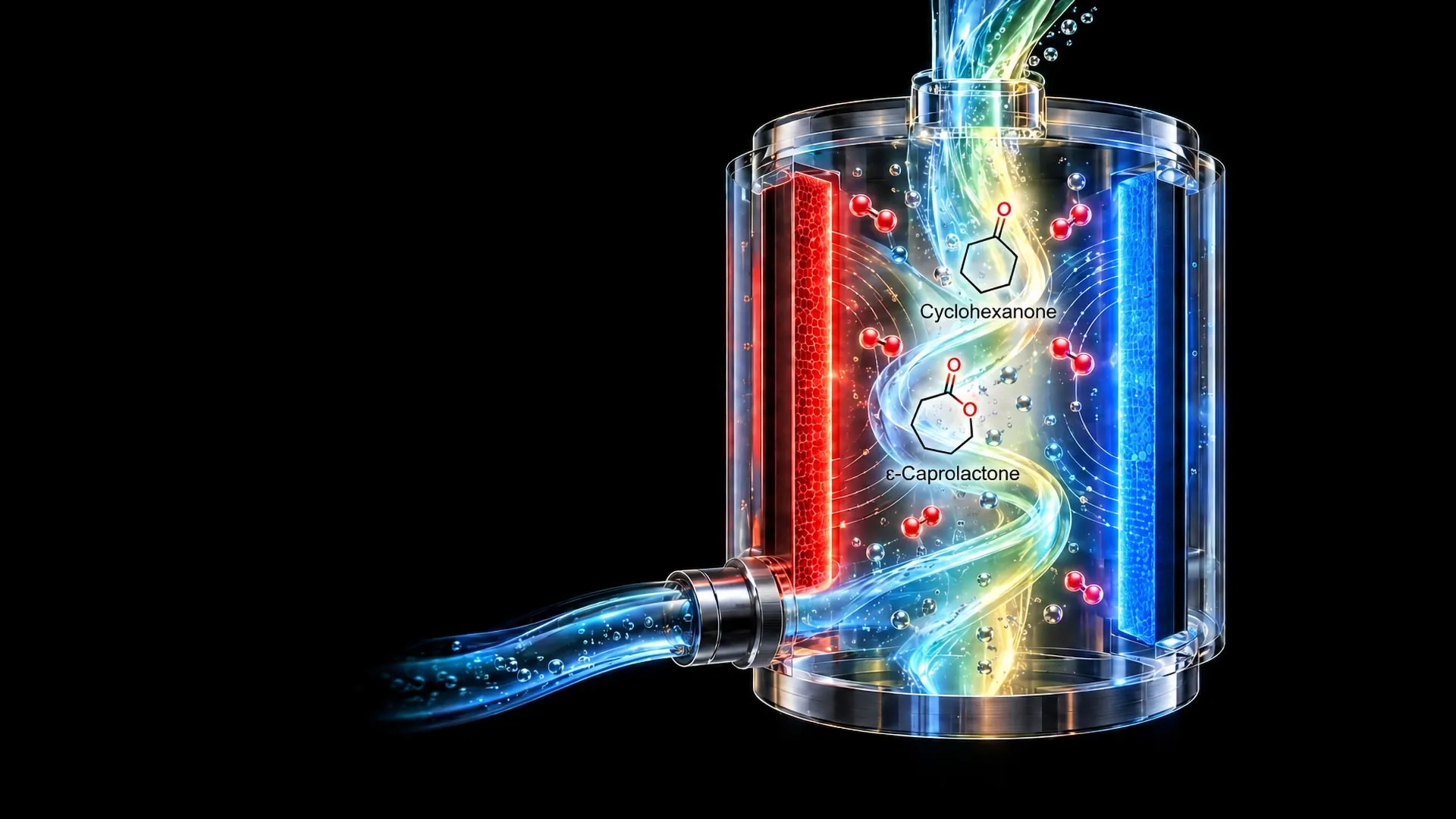
Scientists discover a hidden factor that can make or break chemical reactions

Researchers discovered a hidden factor that can determine whether chemical reactions succeed or fail, and then used it to boost the proportion of the desired product from 16% to 97%. By controlling acidity near electrodes, they developed a promising way to manufacture chemicals for plastics, medicines, and other products using oxygen and electricity instead of hazardous added oxidants.

Science

Just 10 minutes of daily exercise could unlock deeper sleep

Getting better sleep might be as simple as moving a little more every day. Researchers at The University of Texas at Austin found that people who exercised more frequently experienced more deep, restorative sleep, which is essential for brain recovery, memory, and emotional well-being. Surprisingly, just 10 minutes of moderate to vigorous exercise per day was associated with measurable benefits, while even light activities like walking and standing breaks were linked to better sleep and mood.

Science

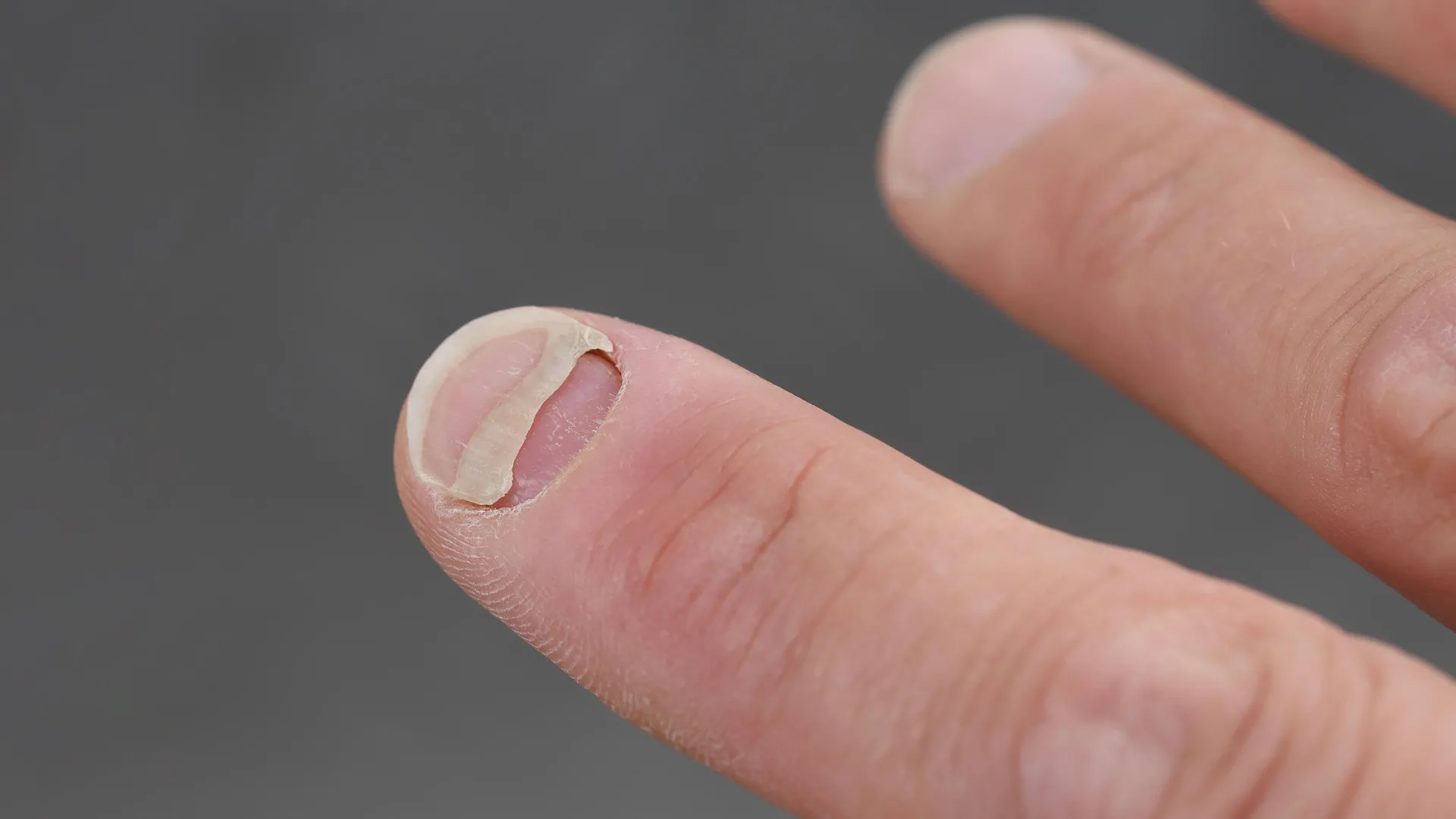
Popular weight loss drugs linked to a surprising fingernail problem

Popular GLP-1 weight loss drugs, such as Ozempic and Wegovy, have been linked to unexpectedly high rates of nail detachment, hair loss, and scalp inflammation, with some problems occurring several times more frequently among users. Researchers found that weight loss alone could not fully explain the differences, suggesting there may be more to these overlooked symptoms.

Science

Neanderthals may have used prehistoric glue as an ancient antibiotic

Neanderthals may have used a sticky substance made from birch bark to treat wounds thousands of years before antibiotics existed. Researchers recreated ancient birch tar production techniques and discovered that every sample could inhibit the growth of bacteria responsible for dangerous wound infections. Previously known mainly as a prehistoric glue, birch tar may have doubled as a surprisingly effective natural medicine.

Science

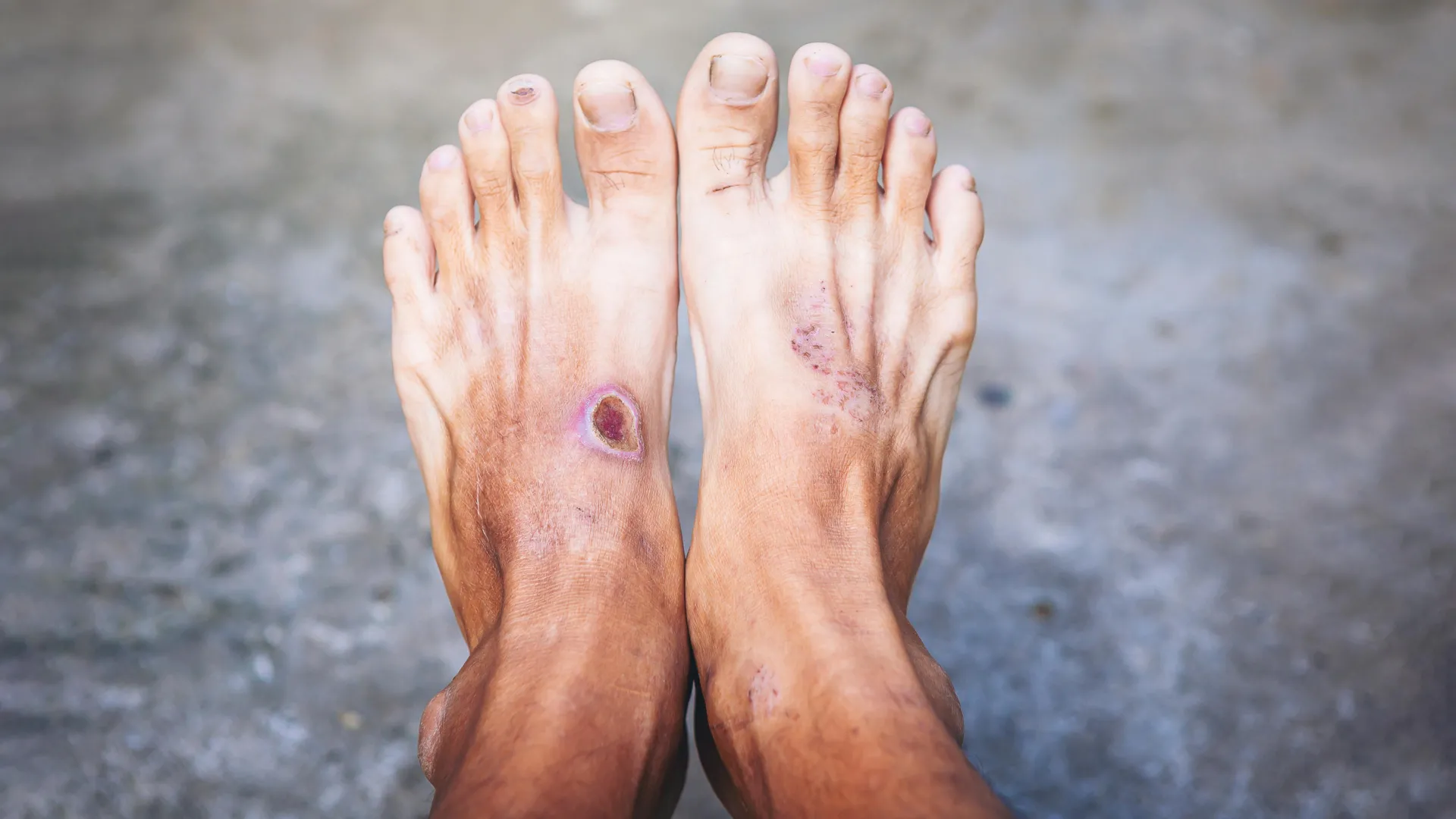
Scientists may have found why diabetic wounds refuse to heal

Chronic diabetic wounds may fail to heal because immune cells remain locked in damaging inflammatory states instead of transitioning toward tissue repair. Researchers are exploring treatments that reprogram these immune responses, raising hopes for more targeted and effective therapies for diabetic ulcers.

Science

Scientists discover 5 hidden brain patterns behind depression

Depression may not be one biological condition, but several distinct patterns of brain activity hiding under the same diagnosis. Researchers studying 263 people with depression identified five brain profiles, each showing different patterns of communication between brain regions and associations with symptoms such as anxiety, trauma, and substance abuse.

Science

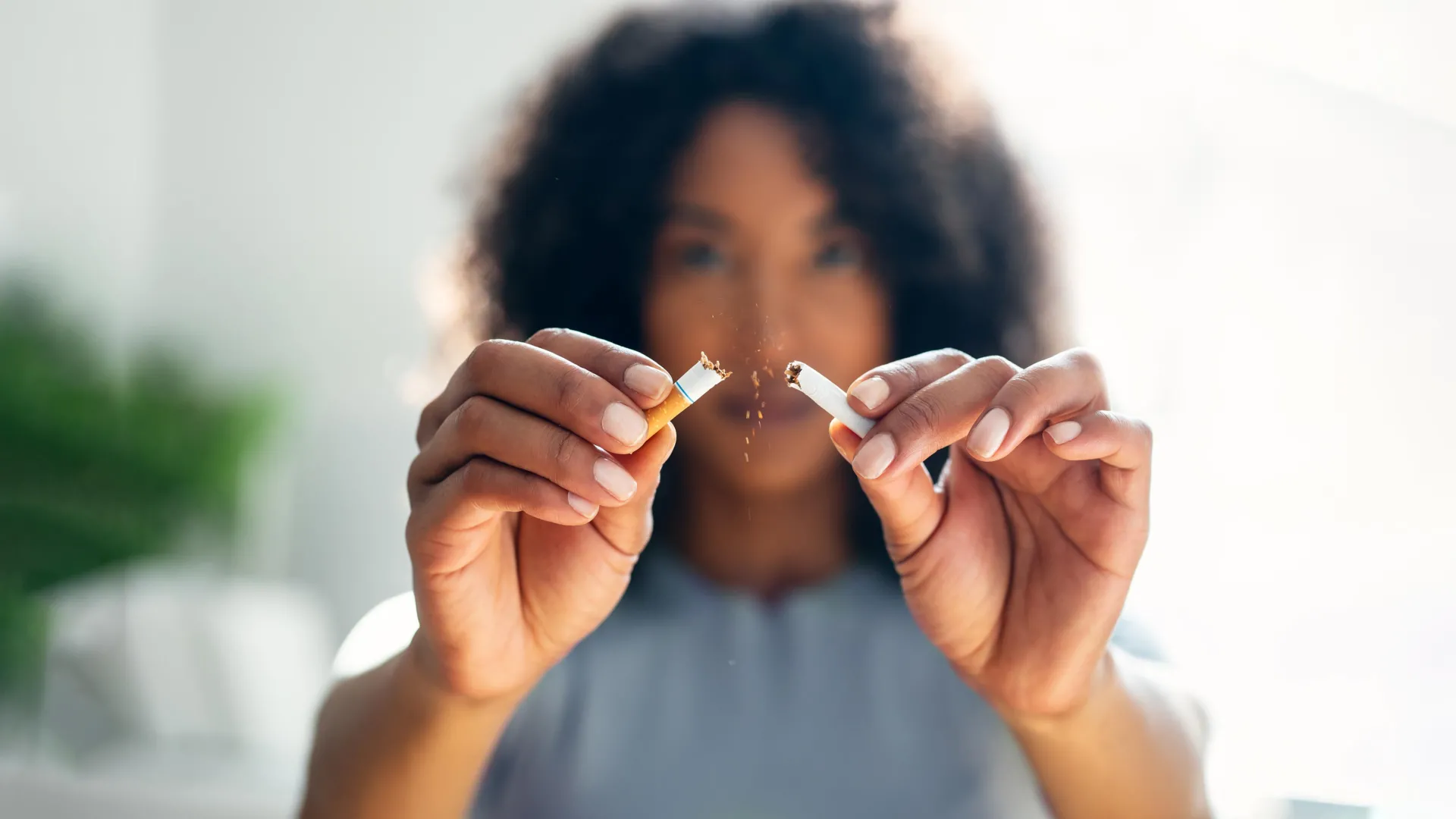
Nearly 30,000 people tested quit-smoking methods. One stood out

Nicotine e-cigarettes appear to help more smokers quit than patches, gum, and several other common approaches, according to a major review of 80 clinical trials. Researchers say regulated vaping products are not risk-free, but may be a significantly less harmful alternative for people who would otherwise continue smoking.

Advertisement
Science

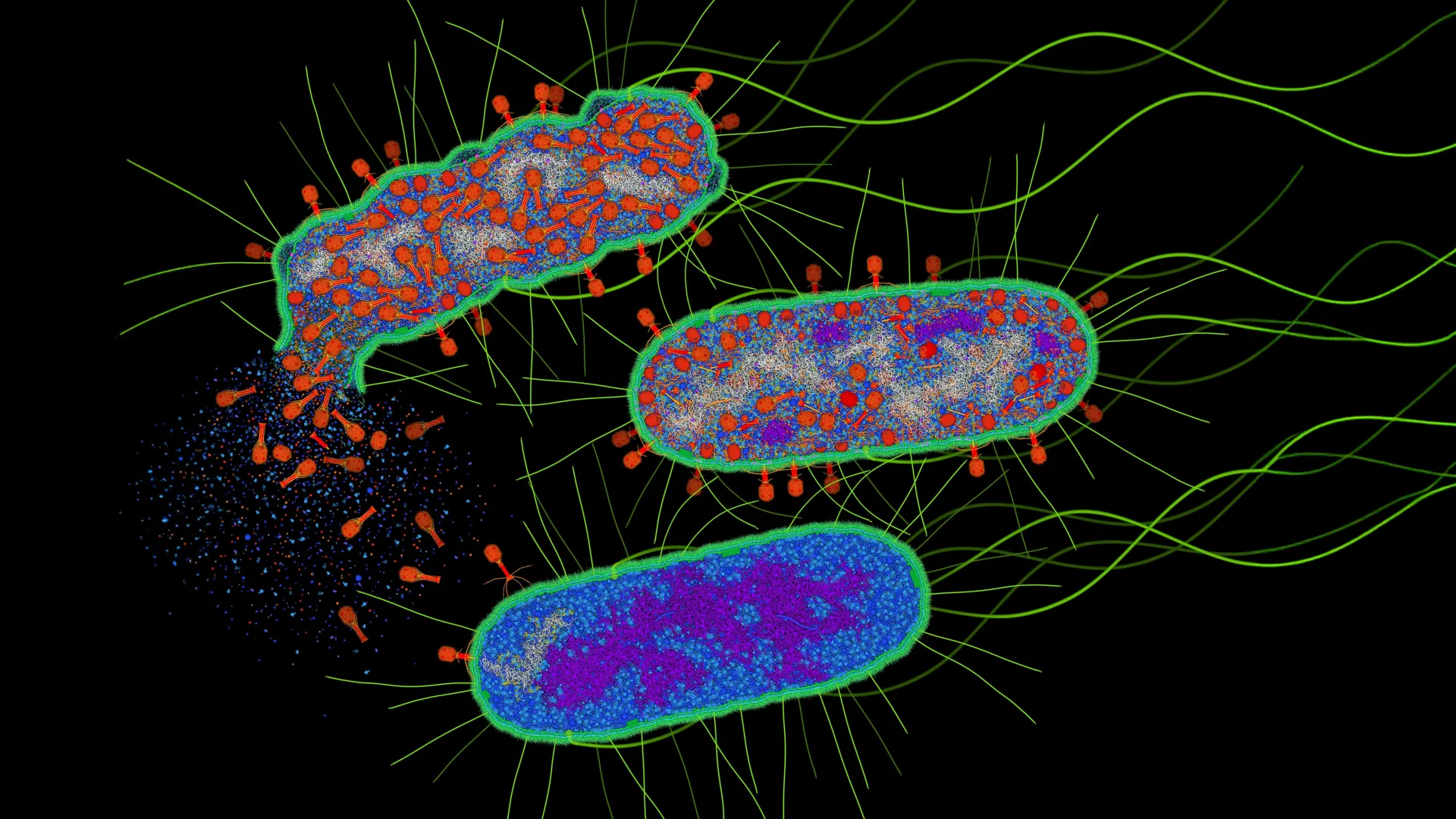
Bacteria turn a virus’ own weapon against it

Researchers have uncovered a new way bacteria detect viral attacks: a virus-produced enzyme cuts a bacterial sensor protein, triggering a self-destructing immune response. The discovery could lead to more effective phage therapies against antibiotic-resistant bacteria and provide insight into ancient immune mechanisms shared with humans.

Science

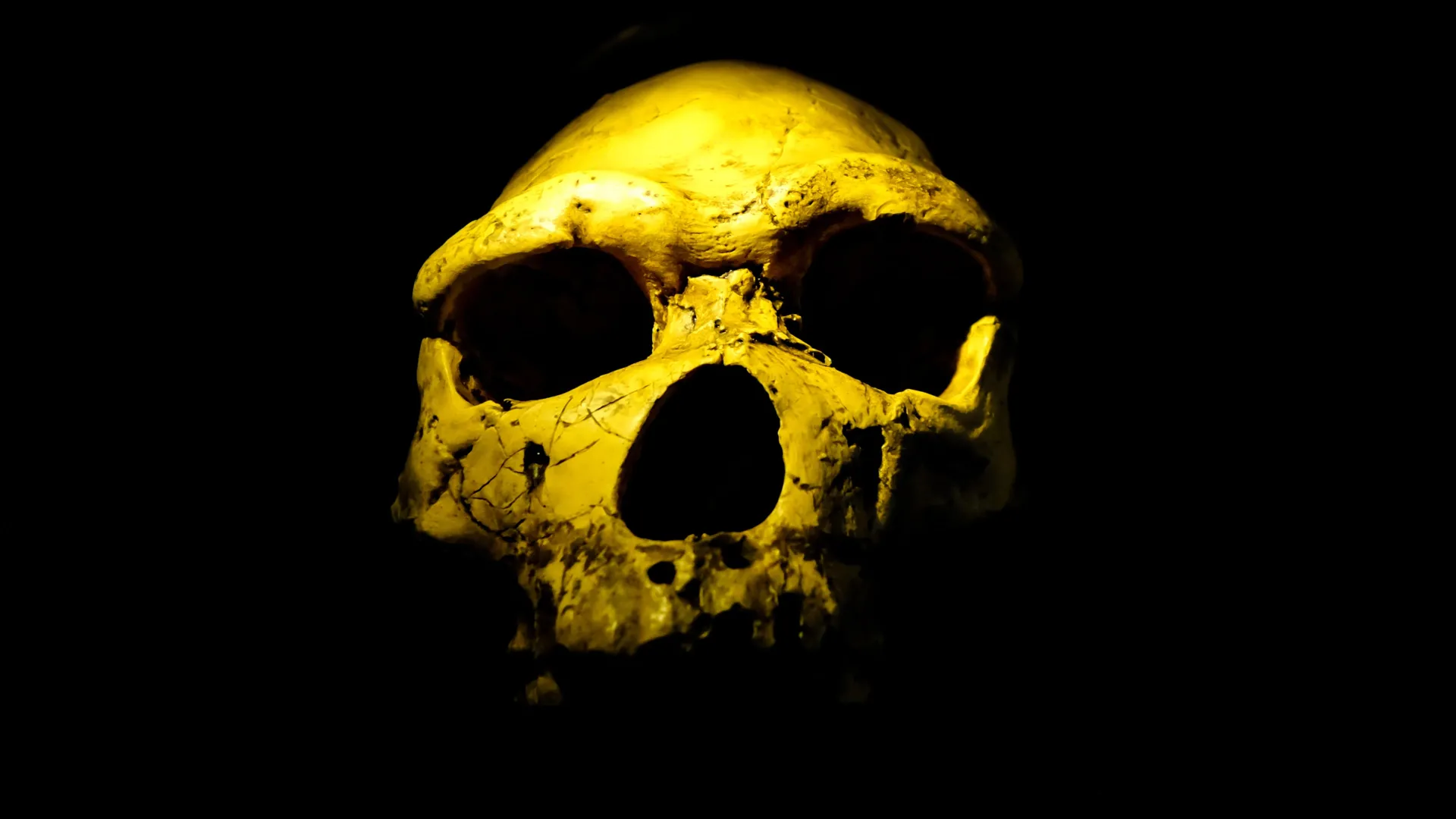
Scientists found Homo erectus 200,000 years earlier than expected

New fossils from South Africa are reshaping the story of early human evolution. Researchers have described 18 hominin fossils from Drimolen Cave, including an adult Homo erectus skull fragment dated to about 2 million years ago, supporting evidence that the species appeared in southern Africa roughly 200,000 years earlier than long thought. The finds also reveal that Paranthropus robustus, which lived alongside Homo erectus, was gradually evolving even larger teeth and stronger chewing muscles as the climate changed.