World
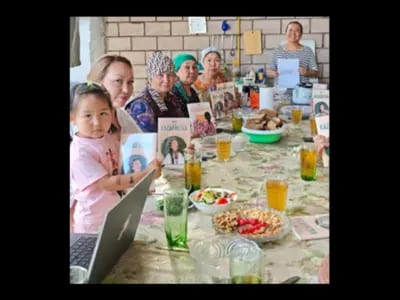
In Kazakhstan, rural women are forming collectives to improve their livelihoods
The planned cooperative would support joint advocacy, shared learning, and exploration of funding opportunities for smart-well or shared irrigation infrastructure.
International news in seven languages
Topic
The planned cooperative would support joint advocacy, shared learning, and exploration of funding opportunities for smart-well or shared irrigation infrastructure.
Rébetha Charles didn’t initially see herself as an entrepreneur; everything grew out of her core commitment to Haitian farmers by buying their crops, and encouraging consumers to eat local products.
...oil and gas contributed FCFA 774.51 billion (USD 1.3 million) to the budget. However, these oil rigs threaten biodiversity and compromise the well-being of coastal and Indigenous communities.
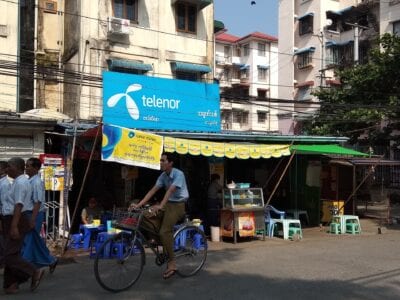
"We hope this will finally lead to accountability for the harms Telenor has caused Myanmar people through its conduct and its dangerous divestment."
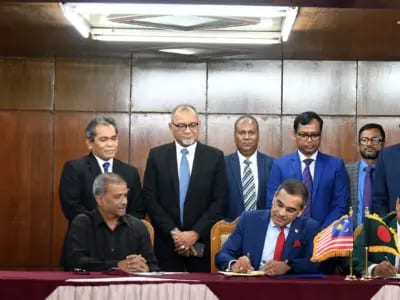
Bangladesh and Malaysia have made several government-level agreements for labour migration over the years, but problems such as syndication, excessive recruitment costs and human rights abuses remain unresolved.
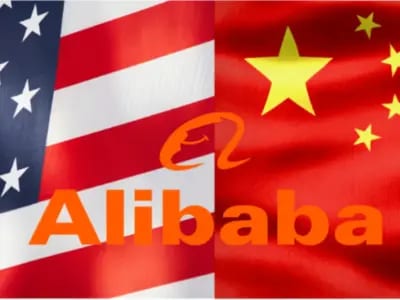
DoD’s public document describes Alibaba as indirectly affiliated with China State Council's supervision body, and a “military-civil fusion contributor to the Chinese defense industrial base”.
In this interview, writer and journalist Victoria Belim-Frolova shares her observations about Russia’s war on Ukraine and how it forces “a constant process of adaptation,” especially in women-led small businesses.
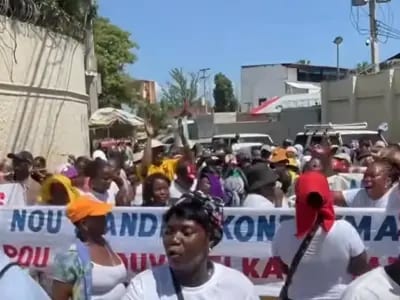
From early August and continuing through September, dozens of informal vendors who used to ply their trade have been protesting in the hope of getting the Haitian government’s support.
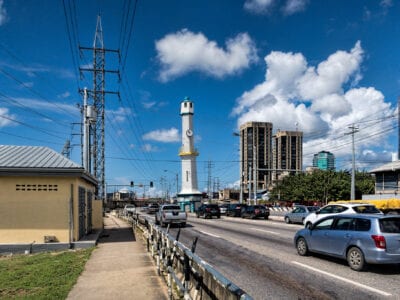
Identifying a security hot spot is only one part of understanding a place, [which] may also be a centre of employment, have weak infrastructure, strong local organisations, or youth vulnerabilities.
Protests over jobs, development and dignity are spreading across Tunisia, raising questions about growing links between social and political mobilisations.
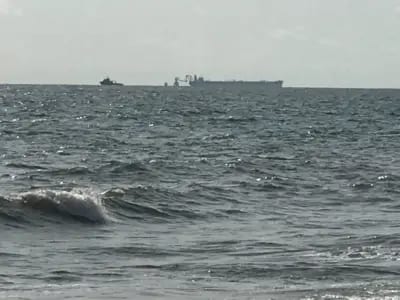
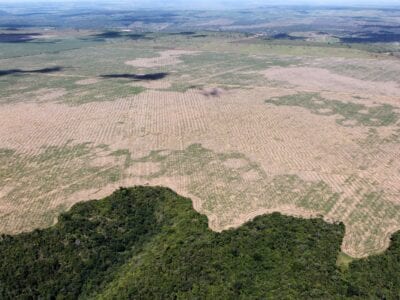
Deep-sea mining may generate sediment plumes, destroy habitats and reduce the biodiversity that cascades through the food chain, placing fisherfolk in the middle of an uncertain ocean economy.
As I read through the pieces Global Voices’ authors contributed to the August 2026 Spotlight series, “Indigenous Rights,” one common question stands out for me: Who gets to decide?
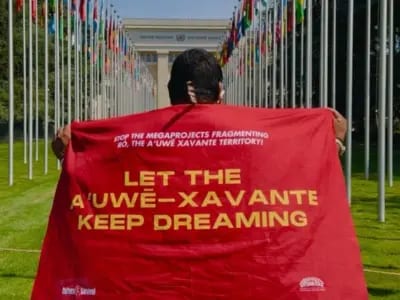
An Indigenous-led campaign denounces the impacts of a mega railway project and demands respect for territory, self-determination, and the right to live and dream.