Advertisement
Advertisement

Topic

Earth

Science

NASA Seeks US Industry Plans for Commercial Space Stations

NASA is advancing American leadership in space by taking the next step toward a future where commercial space stations lead the way in low Earth orbit. On Friday, the agency released its final Request for Proposals inviting industry to submit plans for the next generation of commercial space stations. “In alignment with the President’s National […]


World

Four astronauts return to Earth after eight months in space

An astronaut crew that carried out an eight-month mission aboard the International Space Station splashed down as planned Thursday off the coast of California. During the mission, Sophie Adenot became the first French female astronaut to venture outside the space station for a spacewalk. In all, she undertook three spacewalks on August 18 and 25, and September 1.

Science

NASA astronauts splash down after 100 million miles in space

NASA’s SpaceX Crew-12 astronauts have returned to Earth after 237 days in space, traveling more than 100 million miles and completing over 3,792 orbits while conducting research to prepare for future missions to the Moon and Mars. The mission also made history with record-setting spacewalk achievements and experiments that could transform medicine both in space and on Earth.

Weather

Meet Japan’s mythical beast who appears in bolts of lightning

Raijū is normally docile but gets agitated in storms and leaps up to run among the clouds, according to folklore The Japanese raijū (thunder beast) is said to fall to Earth in a bolt of lightning. It is generally described as looking like a weasel, but is also compared to a cat, a wolf or a badger. According to folklore the raijū is normally docile, but becomes agitated during storms and leaps up to run among the clouds. Trees struck by lightning are said to have been scratched by its claws. Continue reading...

Science

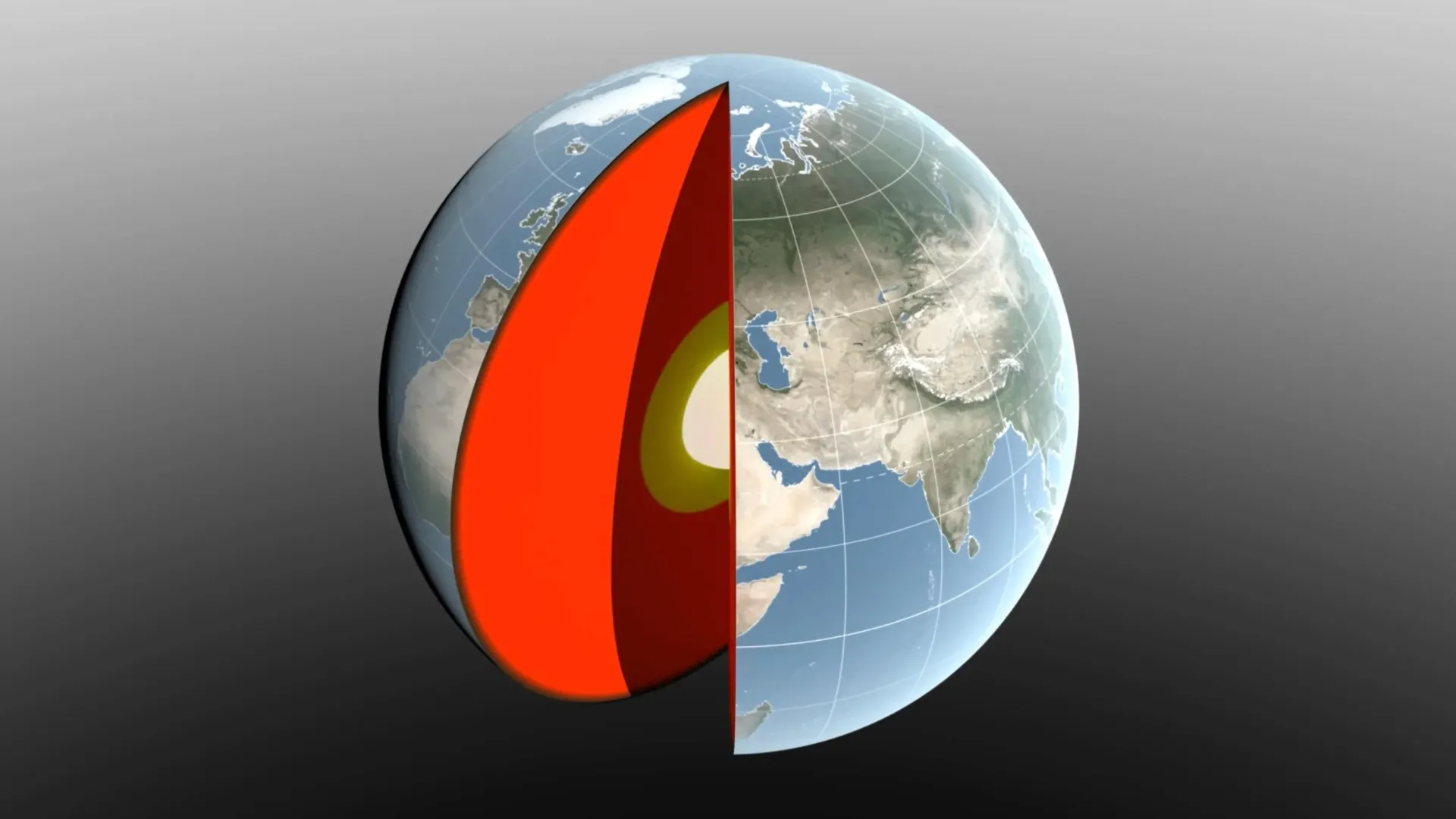
Earth’s center is moving, and NASA just measured it

Earth’s center of mass is constantly on the move, shifting by a few millimeters as enormous amounts of water, ice, and even air migrate around the planet with the seasons. NASA scientists have developed a more precise way to track these tiny swings using laser-ranging satellites, GPS data, and measurements of how water and ice deform Earth’s crust.

Science

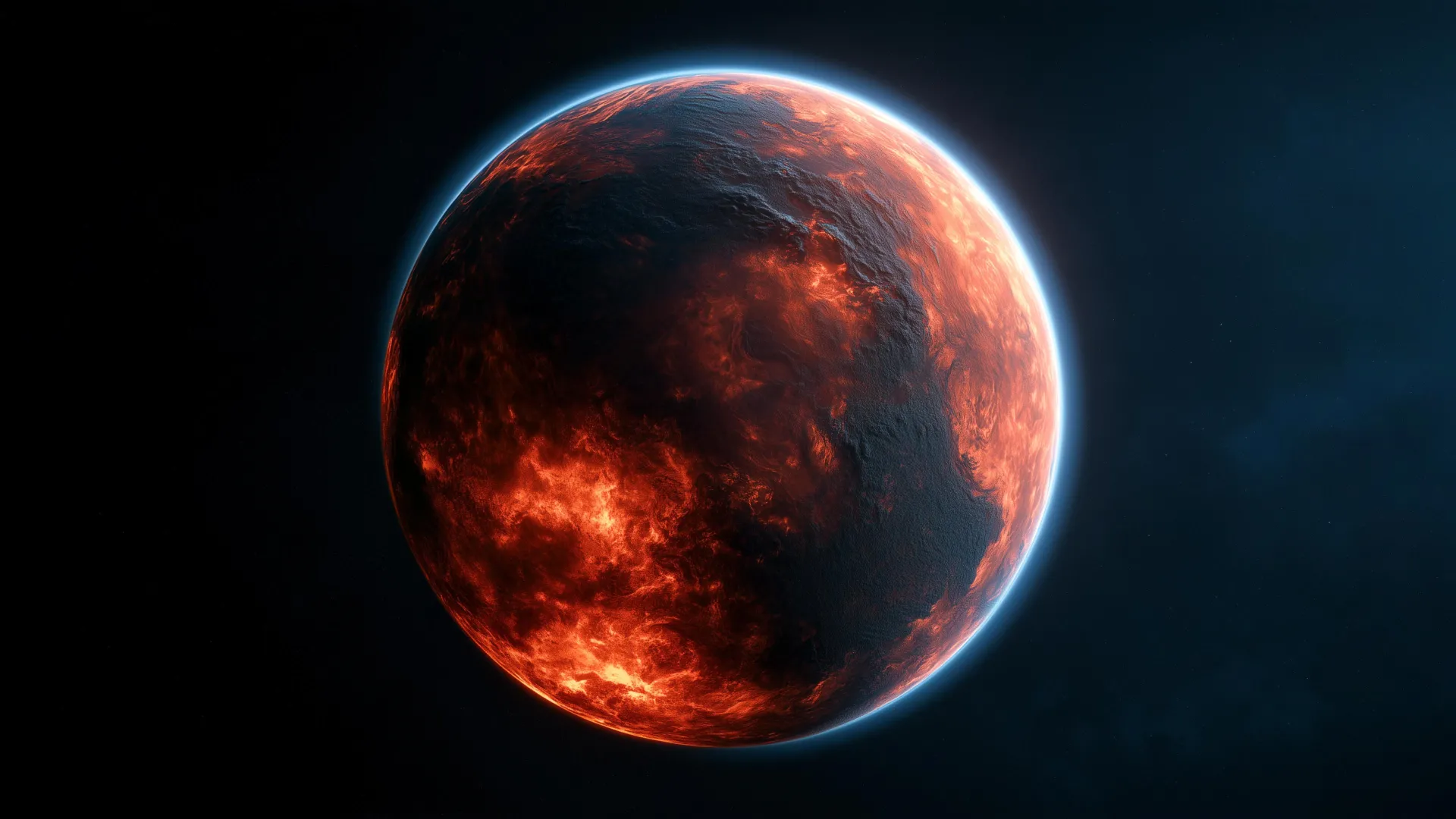
Webb finds a surprising atmosphere on a scorching lava world

The James Webb Space Telescope has found strong evidence that the rocky lava world HD 3167 b has an atmosphere, despite circling its star every 24 hours under extreme heat. The surprising discovery could help scientists understand how rocky planets retain atmospheres and what the young, molten Earth may once have looked like.

Advertisement
Science

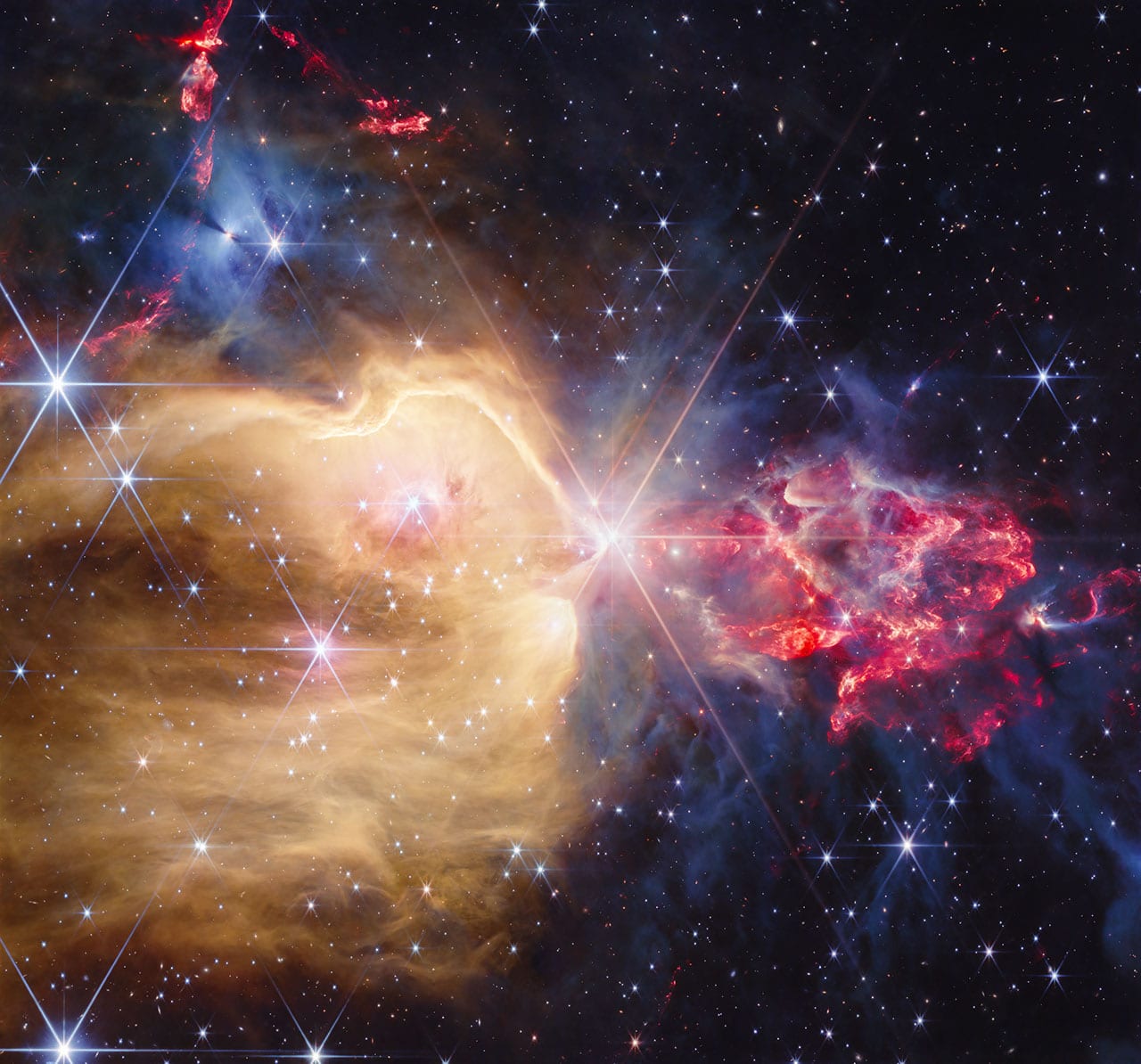
NASA’s Webb Captures Commotion From Nebula’s Stellar Jets

A cauldron of cosmic creation is being revealed in a new image from NASA’s James Webb Space Telescope. Webb has unveiled numerous stars formerly hidden by clouds of dust in a stellar nursery known as NGC 7129, which resides about 3,300 light-years from Earth. Stars, the engines of elemental creation, have life cycles that begin […]

Science

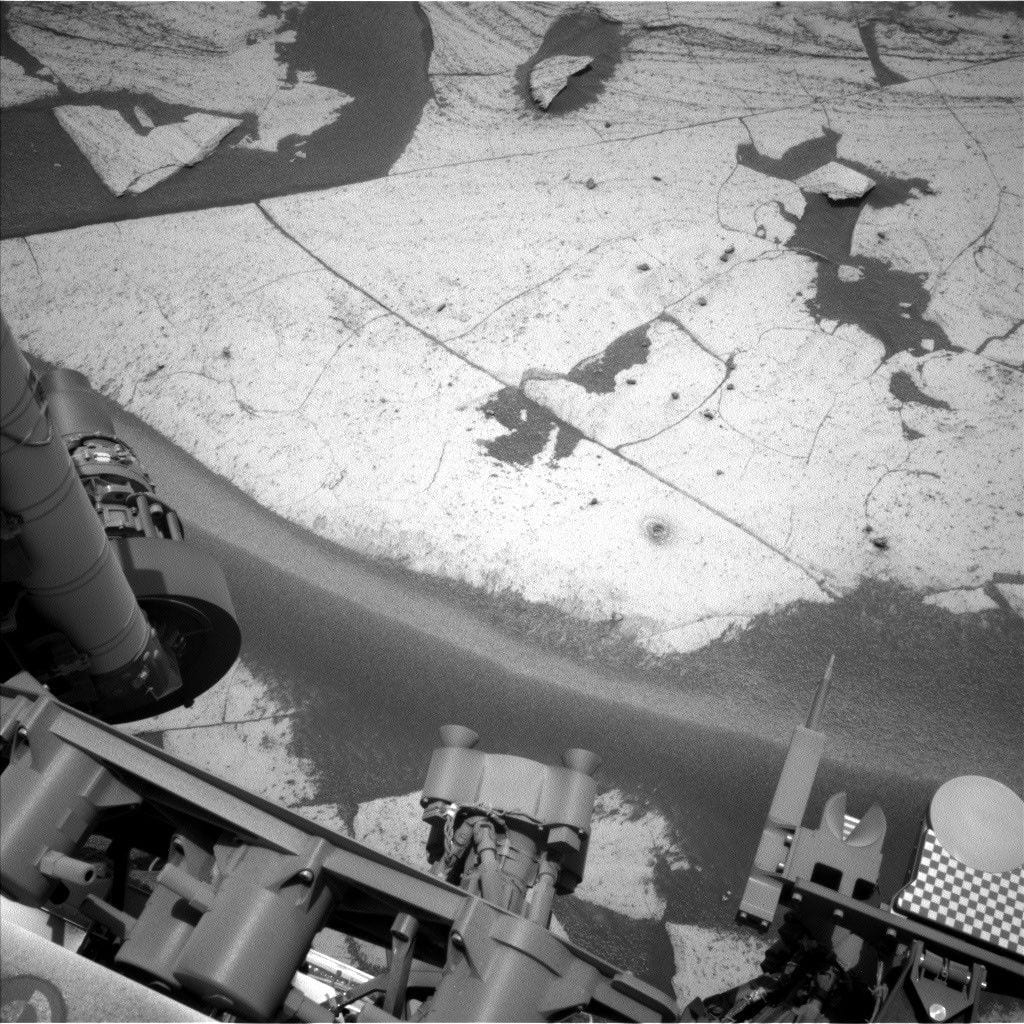
Curiosity Blog, Sols 5029-5035: Back in the Lab

Written by Michelle Minitti, MAHLI Deputy Principal Investigator Earth planning date: Friday, Oct. 1, 2026 The majority of Curiosity plans involve mosaics from Mastcam and ChemCam, chemistry analyses from ChemCam and APXS, images from MAHLI and MARDI, and systematic measurements from REMS, RAD, and DAN. It is only when we stop to drill that we […]

Science

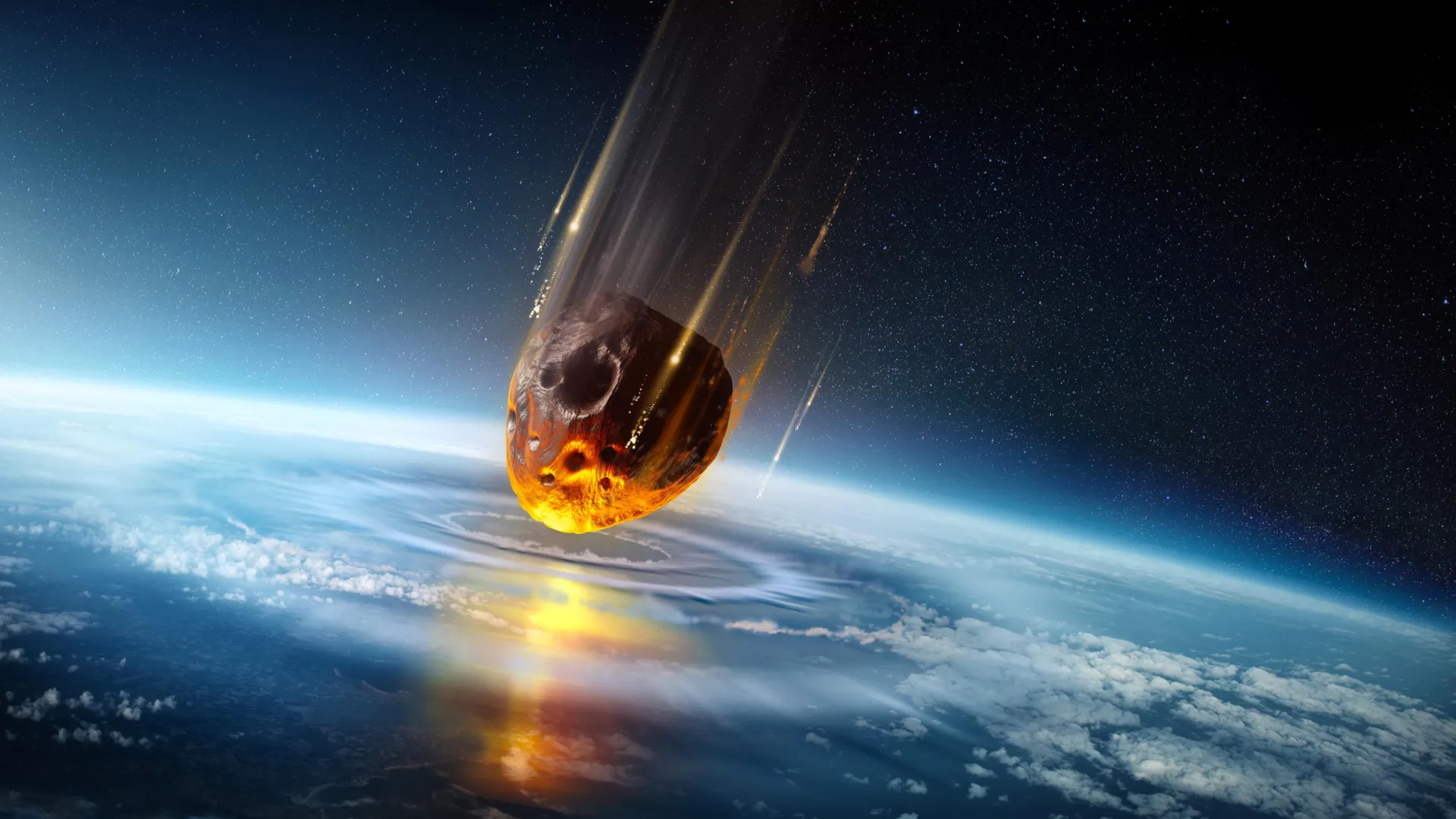
A meteor hit Oklahoma 100 million years later than scientists thought

A meteor crater buried beneath Oklahoma has turned out to be nearly 100 million years younger than scientists thought. Zircon crystals show the Ames impact occurred about 370 million years ago, meaning it was not part of the mysterious Ordovician bombardment once linked to a possible ring of debris around Earth. Instead, the impact coincided closely with a major mass extinction that devastated marine life.

Science

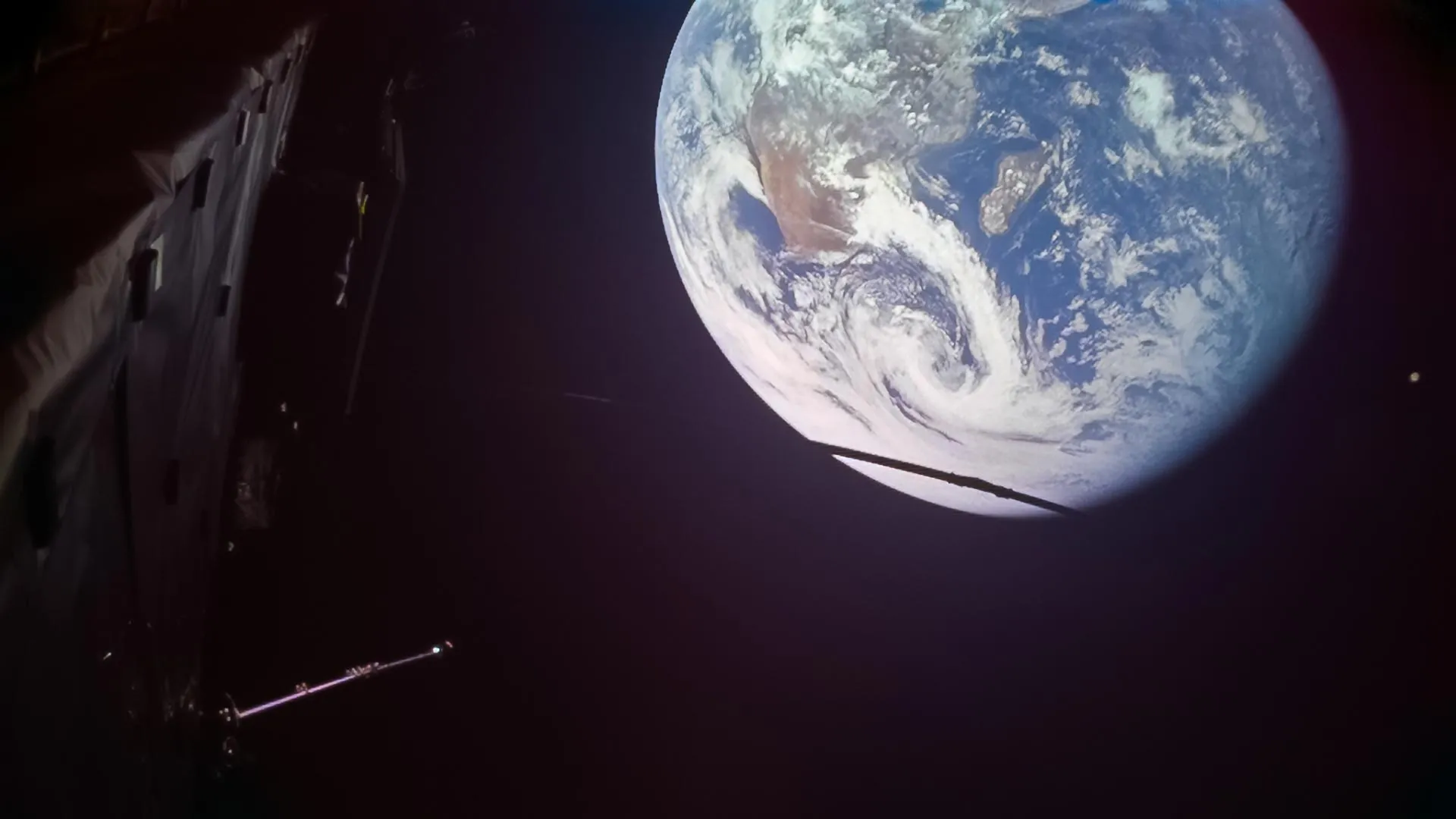
ESA’s Juice just used Earth as a slingshot to Jupiter

ESA’s Juice spacecraft raced past Earth on September 28, using our planet’s gravity to dramatically reshape its path toward Jupiter without burning much fuel. The flyby changed its direction by 20 degrees and increased its speed by 3.5 km/s, while also giving scientists a rare chance to test its instruments on Earth and the Moon.

Science

NASA Campaign Explores Clouds Spawned by Wildfires

The Wildhorse grass fire in eastern Idaho erupted with a massive pulse of smoke. No one had expected it, but the wildfire had launched what’s known as a pyrocumulonimbus cloud, or pyroCb. It was an elusive weather phenomenon that scientists on NASA’s INSPYRE (INjected Smoke and PYRocumulonimbus Experiment) campaign spent weeks this summer hunting across […]

Science

NASA Opens Applications for Next Class of Flight Directors

NASA is seeking leaders for one of the most esteemed positions on Earth for human spaceflight: flight director in mission control at the agency’s Johnson Space Center in Houston. This role is critical to advancing American leadership in space exploration, as NASA paves the way for a sustained human presence on the Moon. Applications for […]

Science

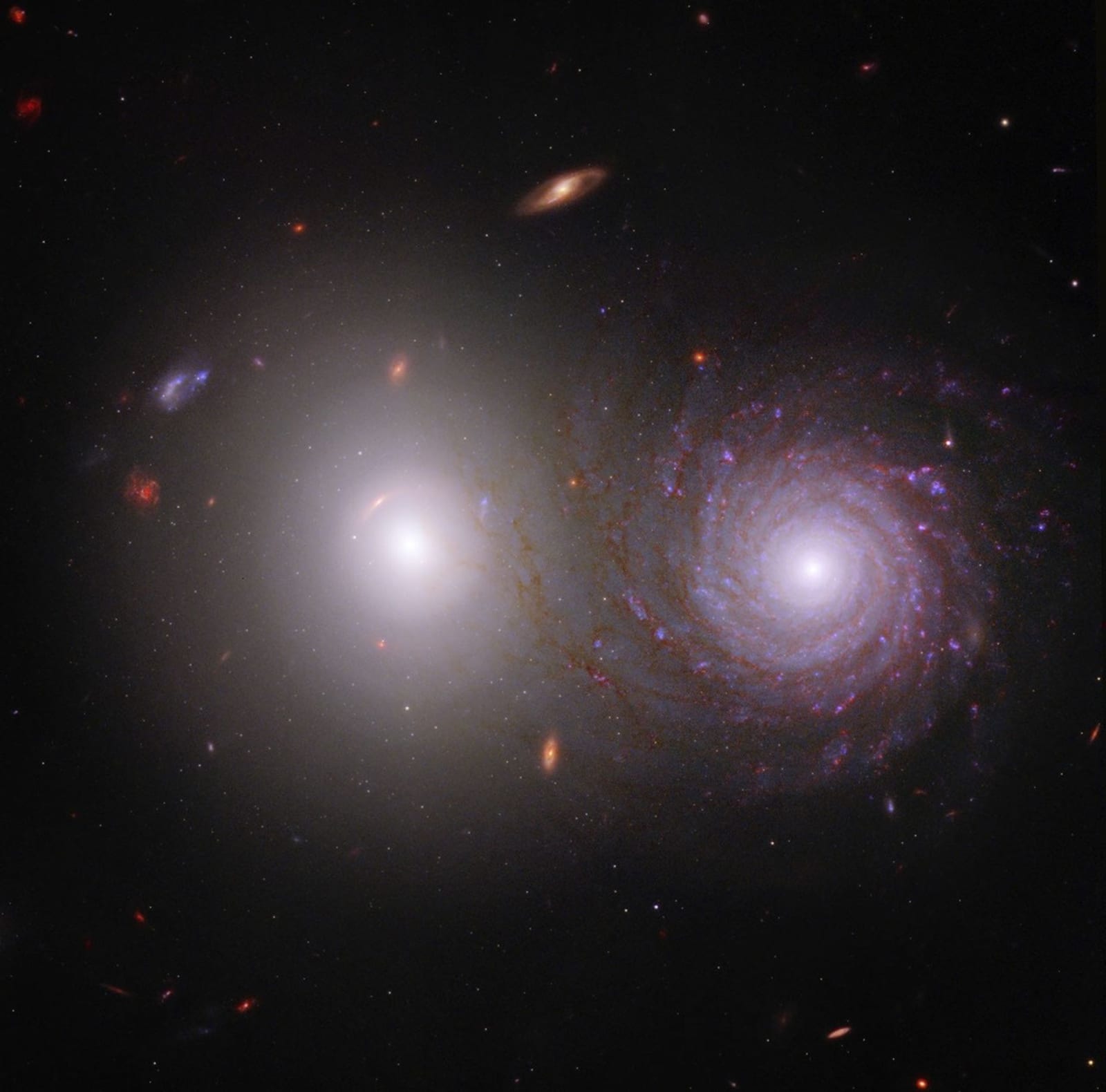
Help Overlap Zoo Reveal Cosmic Dust

Galaxies, vast collections of billions of stars, gas, and dust held together by gravity, are scattered across the immensity of space. But every so often, a coincidence occurs: Two galaxies line up from our point of view on Earth (or from a space telescope) and appear to overlap in the sky. These rare overlapping galaxies […]

Advertisement
Science

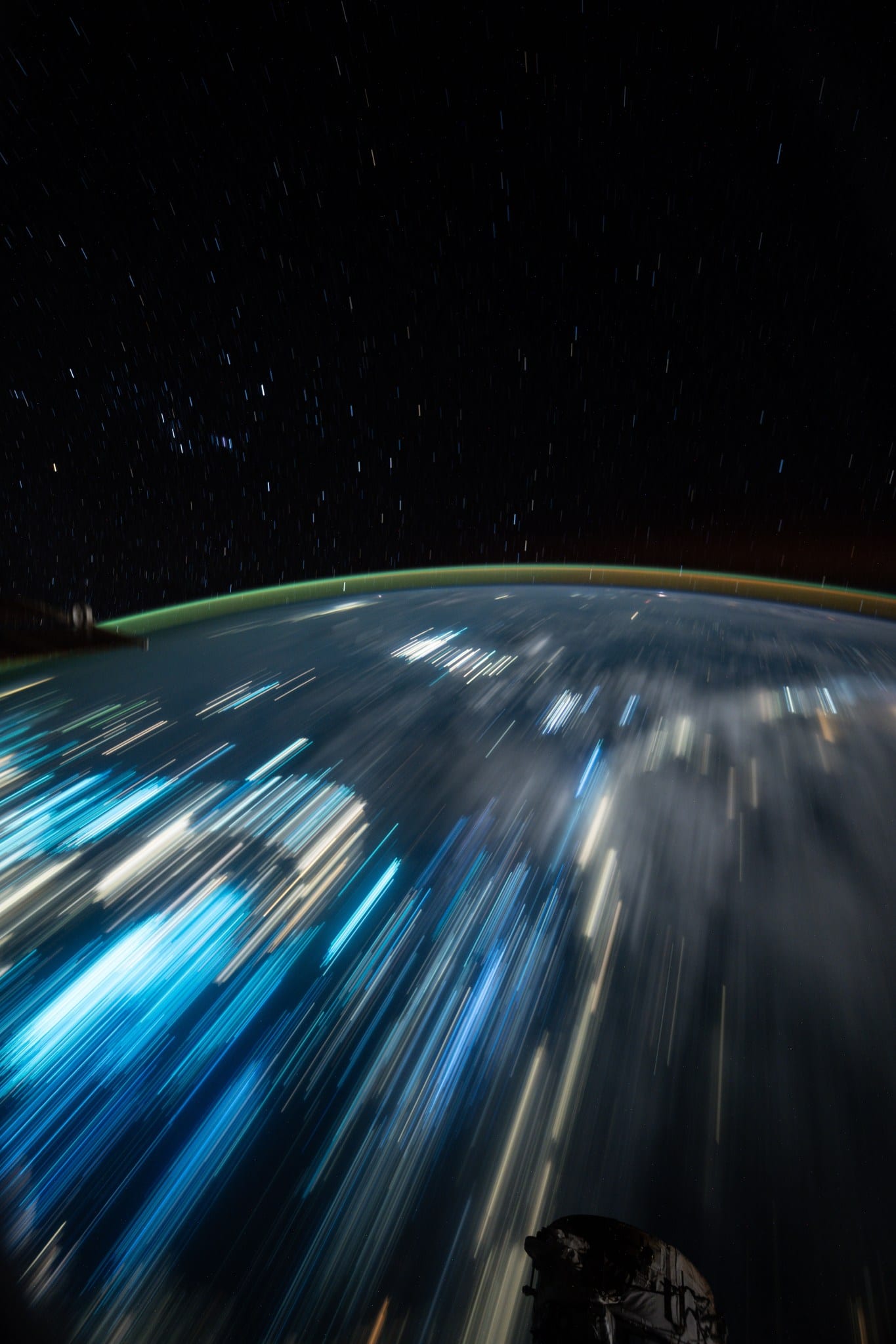
Star Trails

This long-duration image shows star trails above Earth and the blue lights of fishing boats and the yellow lights of Indonesian cities stretching below the International Space Station as it orbited 258 miles above the Banda Sea on Sept. 20, 2026. Image credit: NASA/Anil Menon

Science

Bats may have first evolved in Europe 65 million years ago

A huge genomic and fossil study suggests bats first evolved in Europe around 65 to 60 million years ago before spreading across the globe. The findings also indicate that flight and echolocation emerged near the beginning of bat evolution, potentially helping explain how bats became one of the most successful mammal groups on Earth.