Advertisement
Advertisement

Topic

Earth

Science

Webb Captures Stellar Jets

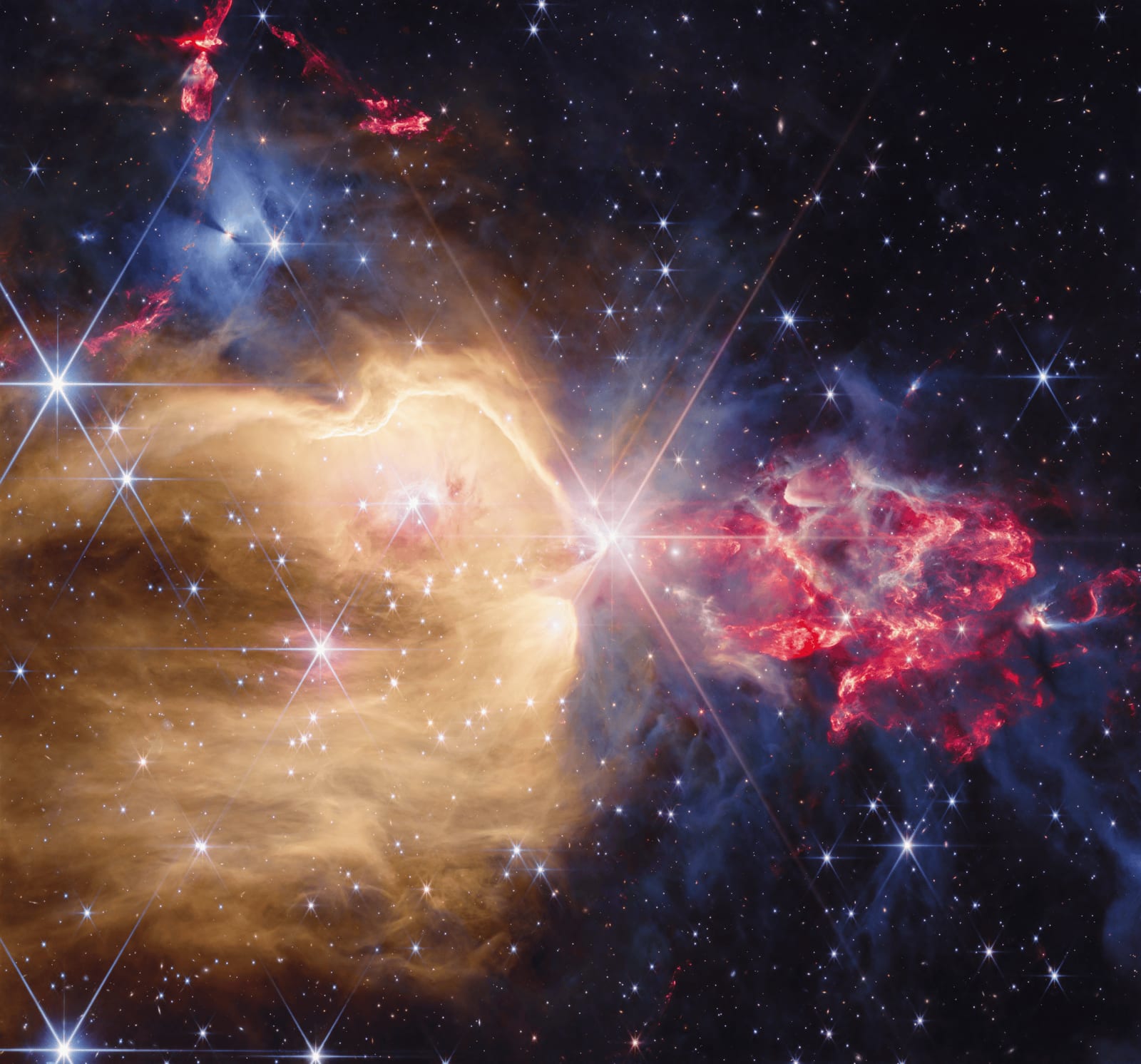
An image from NASA’s James Webb Space Telescope released on Oct. 6, 2026, reveals a cauldron of cosmic creation. Webb has unveiled numerous stars formerly hidden by clouds of dust in a stellar nursery known as NGC 7129, which resides about 3,300 light-years from Earth. Learn more about this region – and tour it in […]
World

Japan launches mission to explore Mars' moons and bring back samples

Japan launched a spacecraft on Tuesday on a five-year mission to explore Mars' mysterious moons, Phobos and Deimos, and bring back samples for the first time. The $578 million project aims to deliver dust, soil and rocks to Earth in 2031, potentially shedding light on how the moons formed and the origins of life.

Science

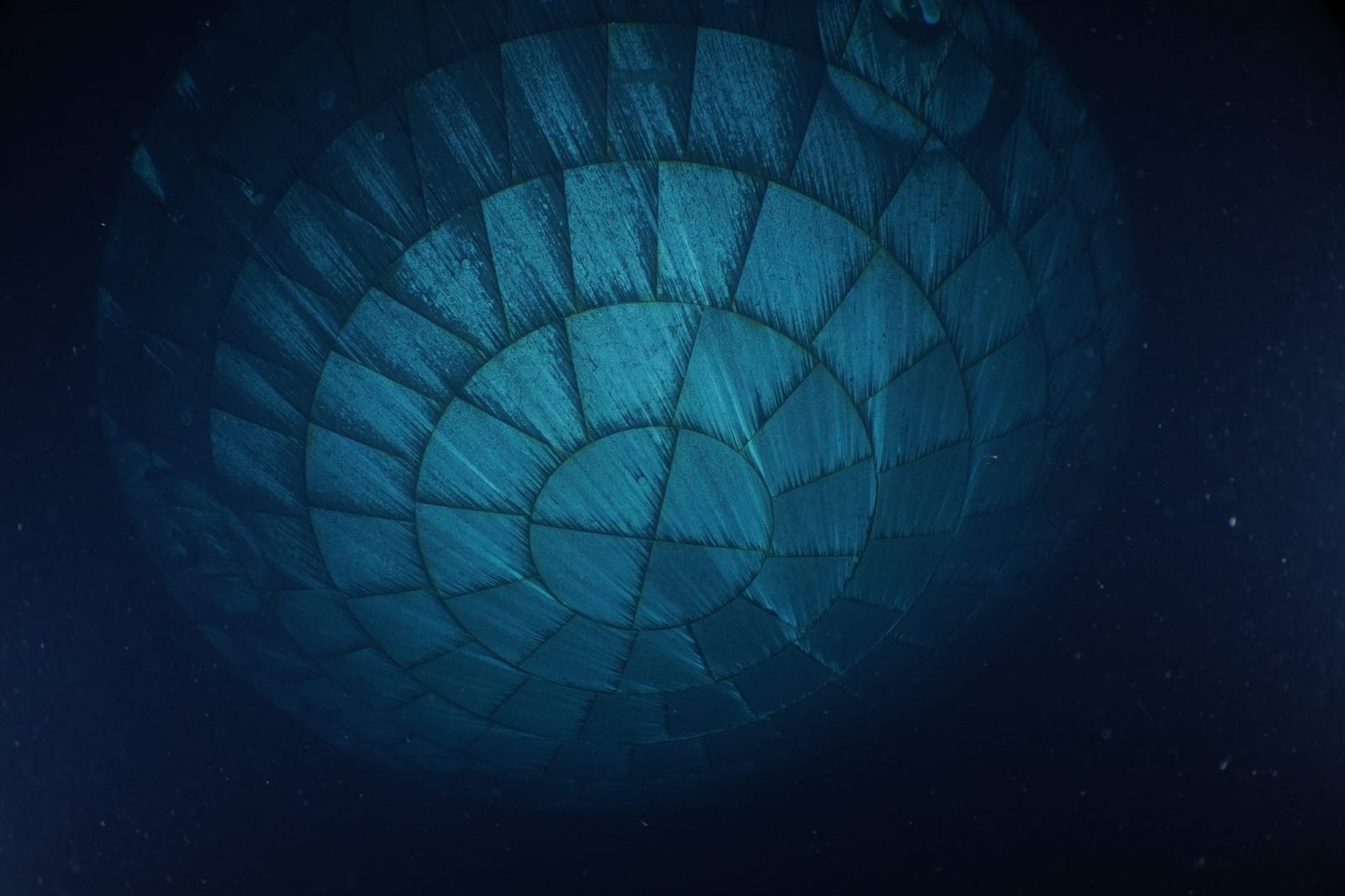
Artemis II Heat Shield After Splashdown

Shortly after NASA’s Artemis II mission splashed down on April 10, 2026, U.S. Navy divers captured underwater imagery of the Orion spacecraft’s heat shield. In the months after, the agency measured whether the thermal protection system effectively safeguarded the crew and Orion systems as the spacecraft reentered Earth’s atmosphere. This rigorous analysis confirmed that the […]

Advertisement
Science

NASA Satellites Observe Historic 2026 El Niño

A phenomenon rarer than a solar eclipse and more powerful than any single storm system is unfolding this fall, and NASA is tracking it closely. El Niño is a natural climate pattern that emerges roughly every two to seven years marked by warmer-than-normal water temperatures in parts of the equatorial Pacific. NASA scientists are keeping […]

Science

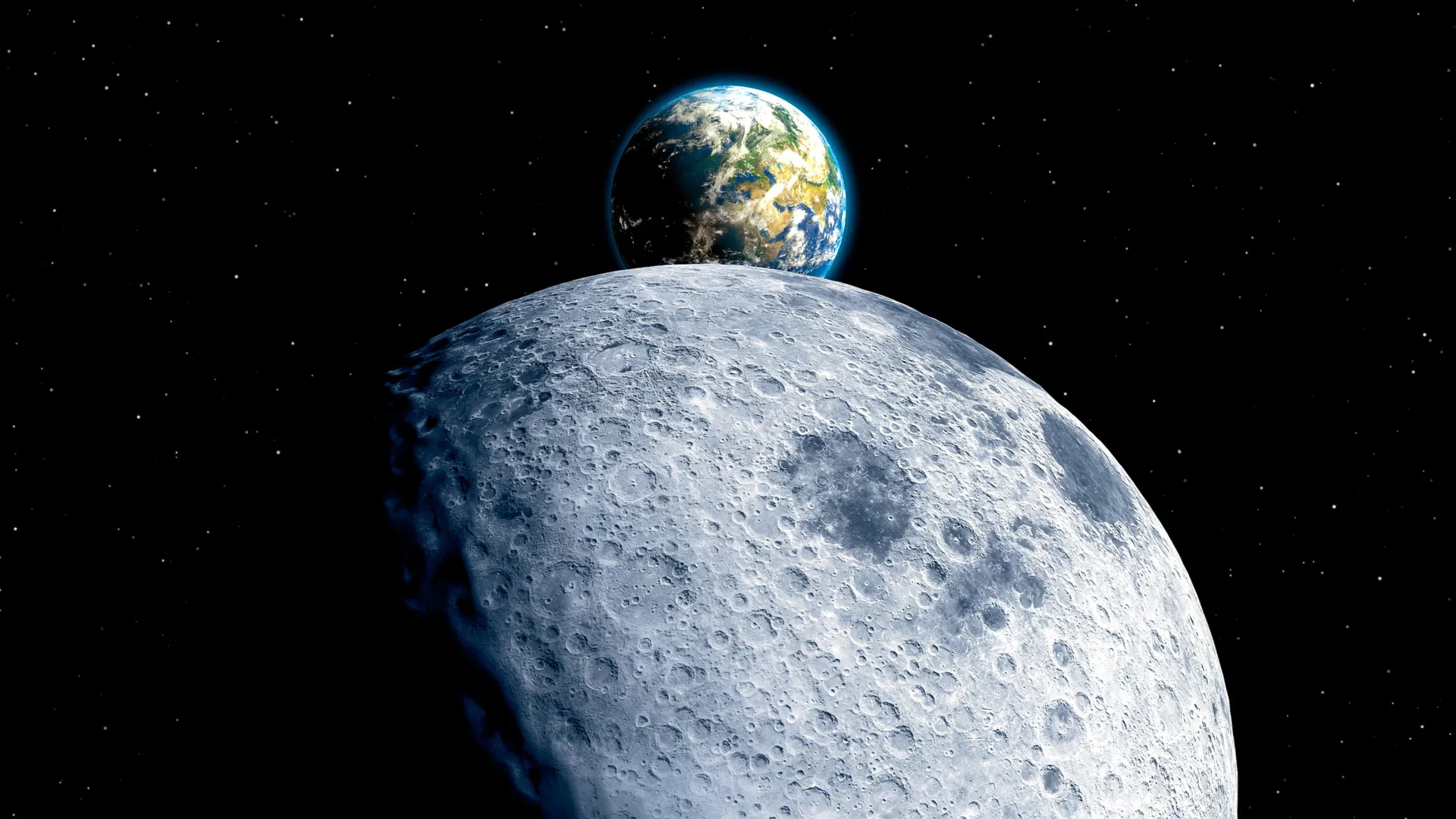
Scientists may have finally solved the mystery of the Moon’s two faces

Scientists may have solved a long-standing mystery about why the Moon’s two sides are so different, using samples collected from its farside for the first time. Their findings suggest that uneven heating from Earth's gravitational pull drove enormous flows of ancient magma, creating the dramatically different lunar landscapes we see today.

Science

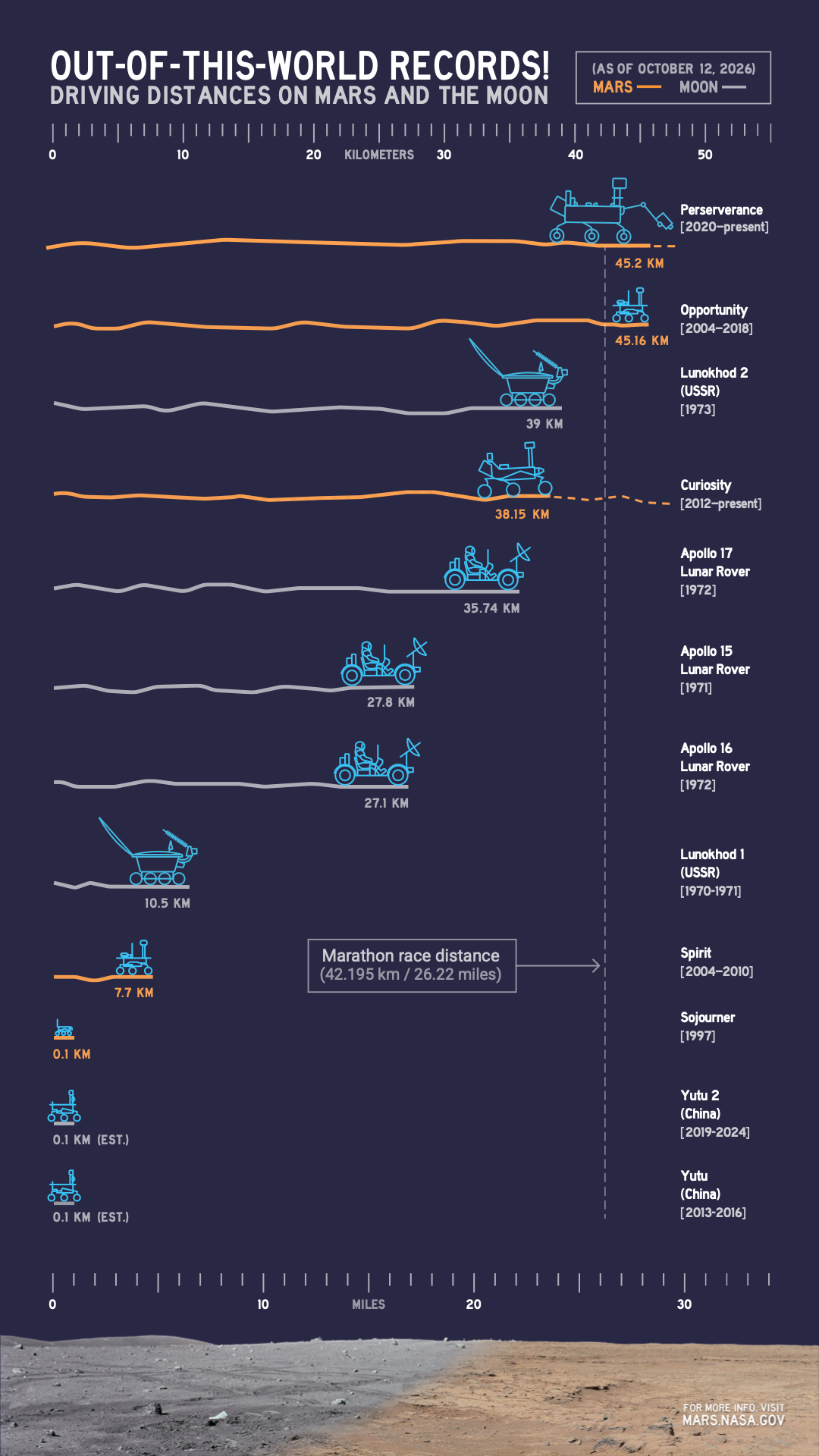
Comparing Off-World Rover Driving Distances

Description This infographic illustrates the distances driven by various rovers on the surface of Earth’s Moon and Mars. Of the vehicles shown, the NASA Mars rovers Perseverance and Curiosity are still operational and moving across the surface; the figures shown for those two are distances driven as of Oct. 11, 2026. As of that date, […]

Science

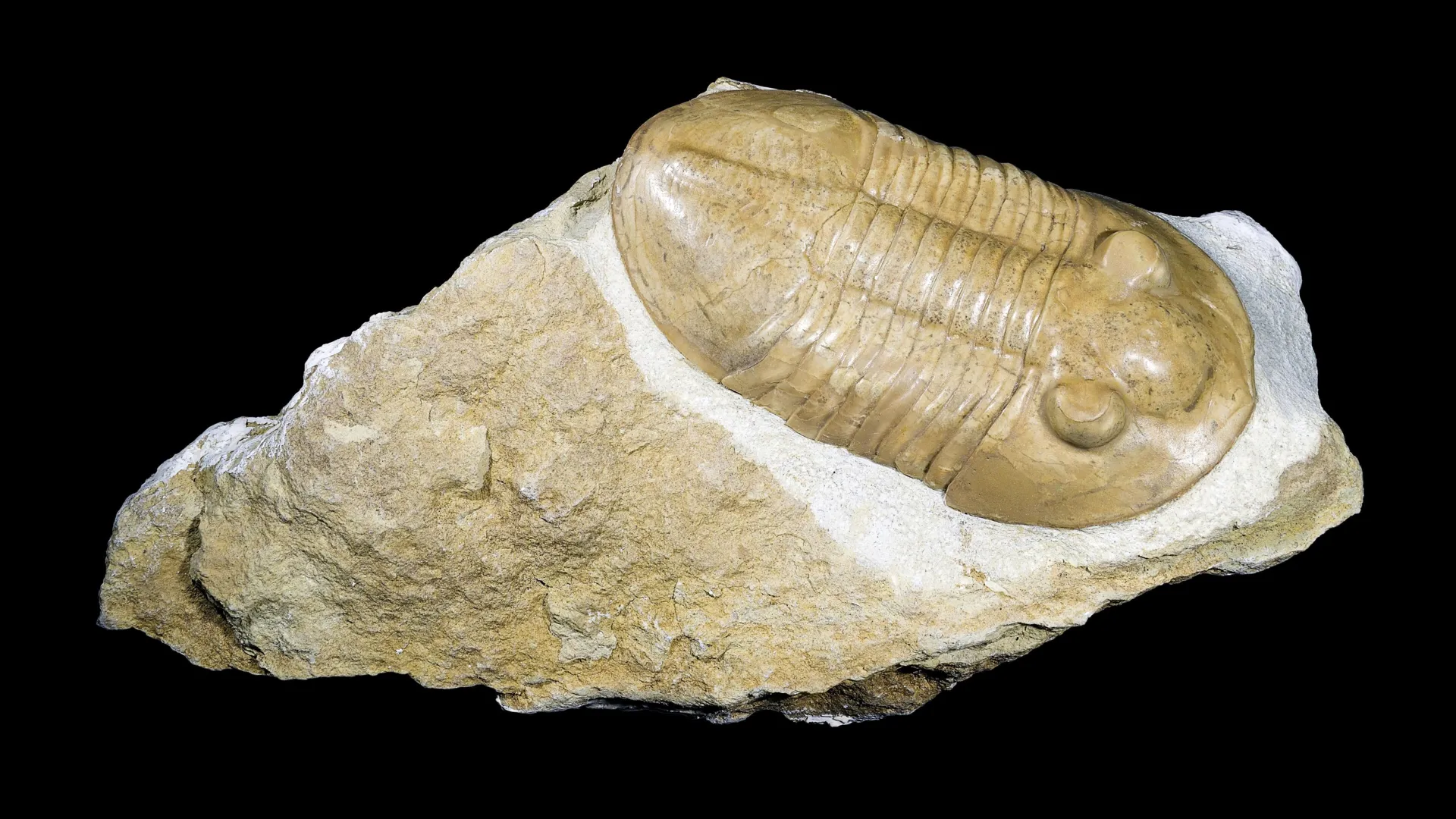
Scientists uncover the 2.3-billion-year-old secret that helped keep Earth habitable

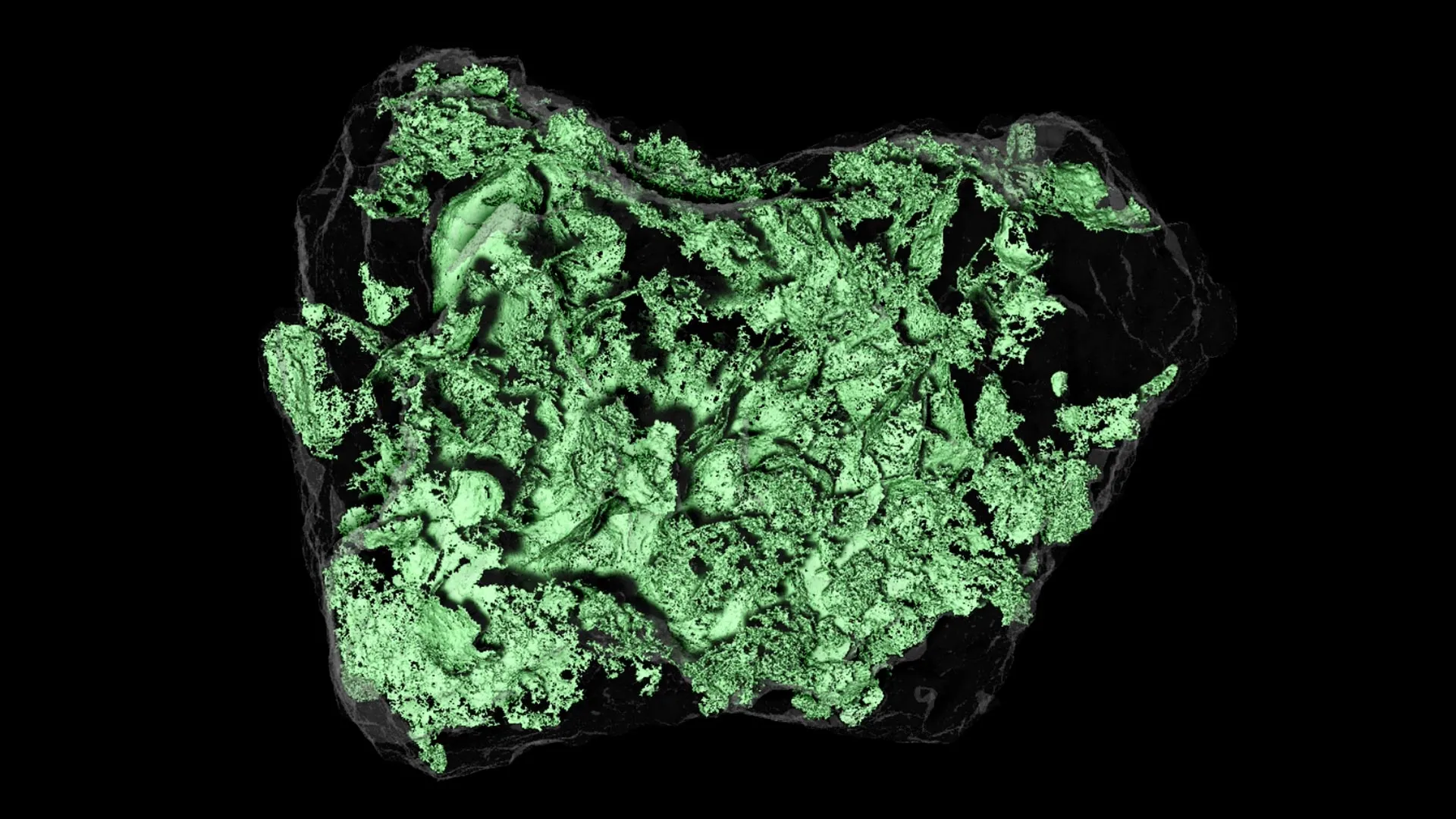
Scientists may have solved a 2.3-billion-year-old mystery about how Earth maintained enough oxygen to support life. Ancient rocks reveal that phosphorus recycling in the oceans created a self-sustaining cycle that helped keep oxygen levels high, even as the planet underwent dramatic environmental changes. The discovery challenges assumptions about Earth's early atmosphere and raises new questions about why complex life took so long to emerge.

Science

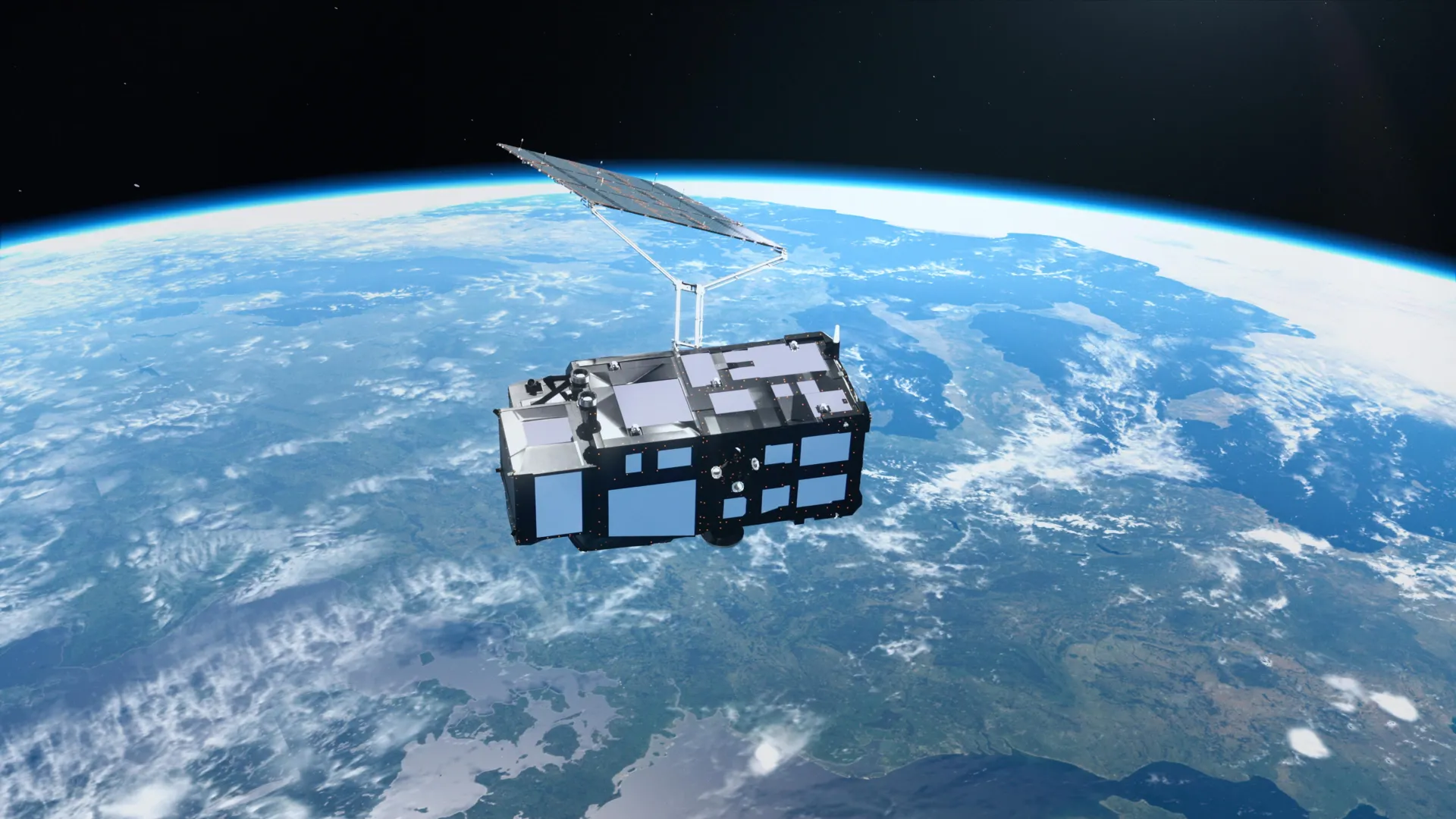
Europe's new Sentinel-3C satellite just sent back spectacular images of Earth

Europe's Sentinel-3C satellite has returned breathtaking images of Earth just two weeks after launch, revealing the snowy Alps, frozen Arctic islands, and brilliant turquoise Caribbean waters. Its first measurements also show promising results for tracking rising seas, melting ice sheets, and other changes reshaping our planet.

Science

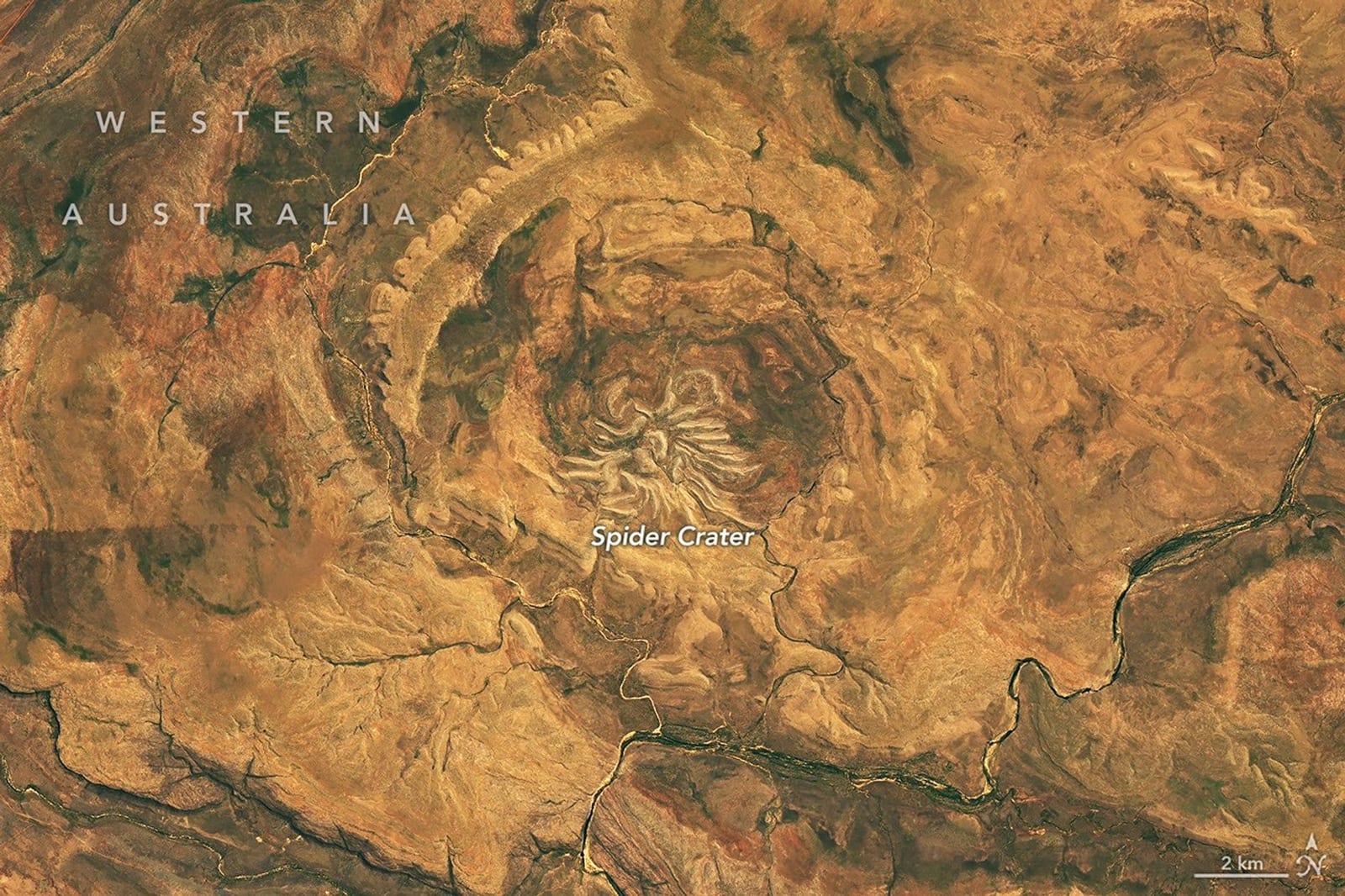
An Impact Structure With Legs

If the thought of extraterrestrial objects crashing into Earth weren’t creepy enough, behold Australia’s Spider Crater.

Advertisement
World

Old jeans could shield your home from the next heatwave

We all have that one pair of old jeans in the back of our wardrobe – don’t throw them out! A French company says denim fibres make for great insulation against the cold and heat. Millions of jeans are already being recycled in a factory in north of the country. Their insulating panels have even found their way into some of France's most iconic buildings. Our Down to Earth team reports.

World

The week in pictures: French student protests, October 7 anniversary and Adenot's return to Earth

Blockades and protests by French secondary school and university students continued, occasionally becoming violent; French astronaut Sophie Adenot returned to Earth after eight months aboard the International Space Station; Israel's commemorations marking the three-year anniversary of the October 7 attacks: here's a look back at some of the most striking images from the past week's news.

Science

MIT astronomers catch a star in a feast that could last billions of years

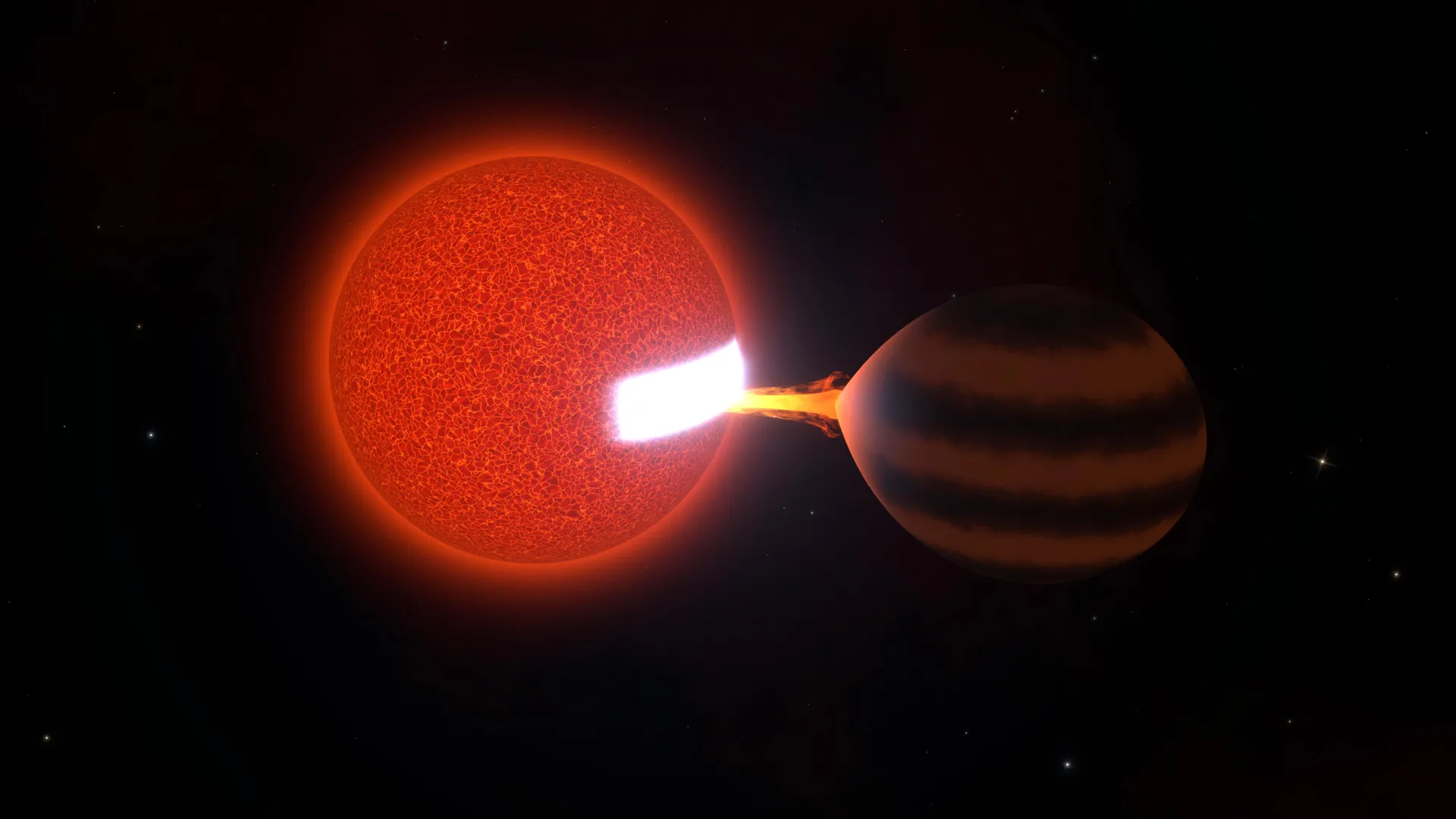
Astronomers have discovered a bizarre star system about 300 light-years from Earth where a small star is slowly devouring a nearby brown dwarf, an object too massive to be a planet but too small to be a true star. Unlike stars that rapidly swallow their companions, this one is gradually stealing material in a process that could continue for billions of years.

Topic: Earth | RocksNews