Science
How to see the Orionid meteor shower
One of the best-known meteor showers peaks this week and will remain active until 7 November.
International news in seven languages
Topic
One of the best-known meteor showers peaks this week and will remain active until 7 November.
On 27 September, Google Earth satellite imaging software updated its map of the southern Gaza Strip. These new open-access images highlight the almost total destruction by the Israeli army of some former residential areas, such as the city of Rafah.
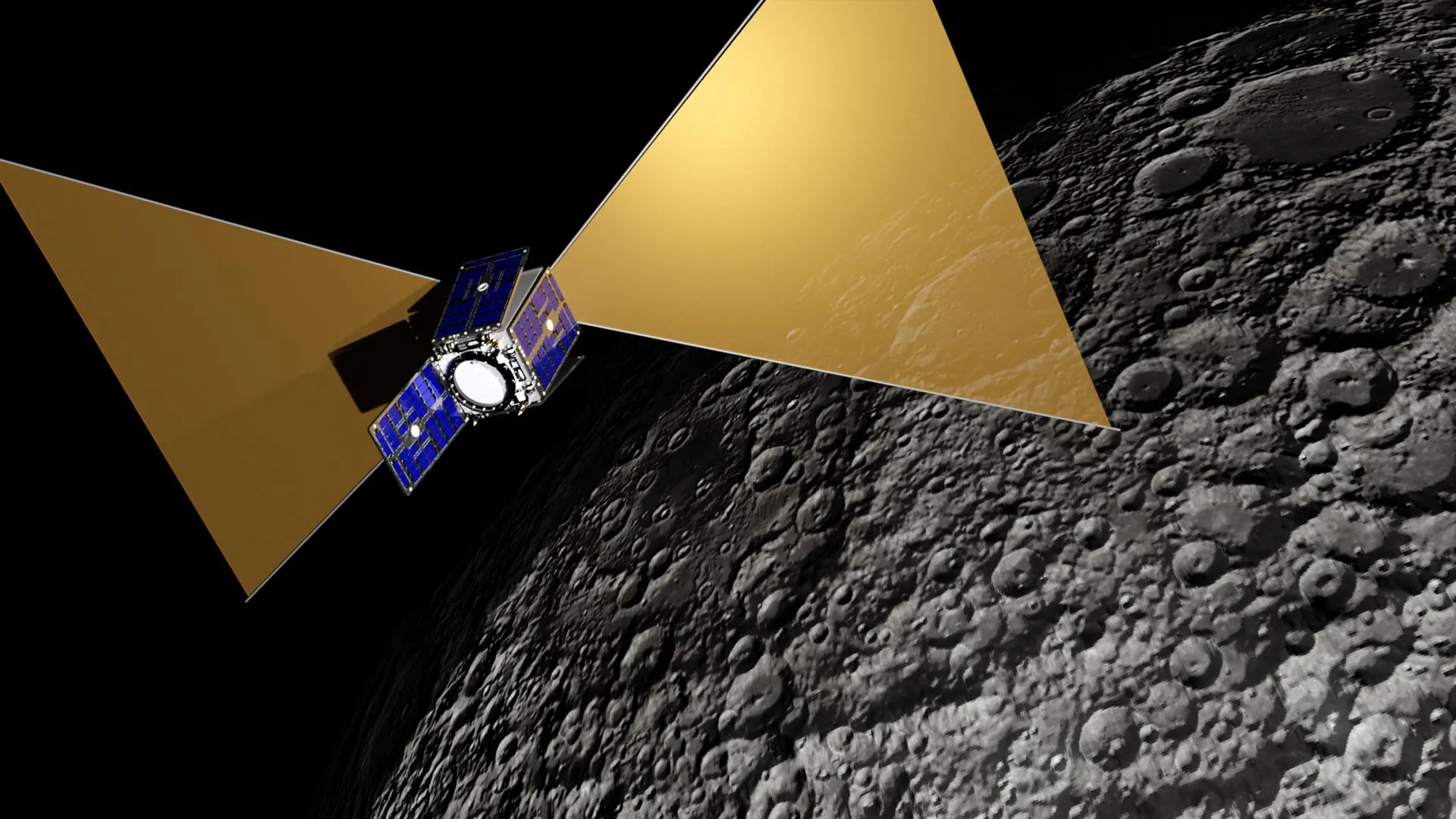
CosmoCube will use the far side of the Moon as a shield from Earth’s radio noise to search for a faint signal from the universe before the first stars existed. The suitcase-sized satellite could reveal how the cosmic dark ages ended and how dark matter helped build the first galaxies.
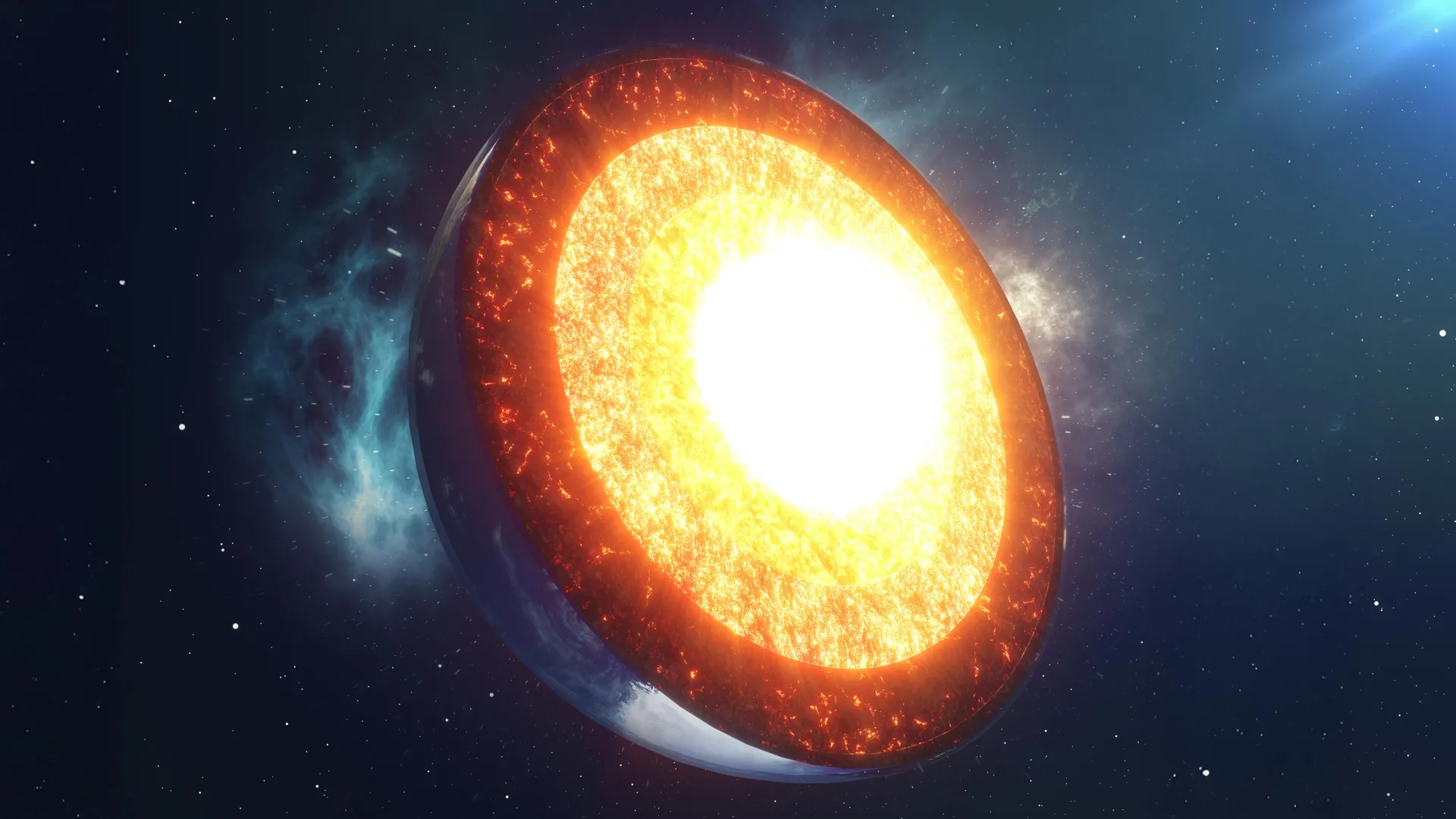
Scientists may have solved why the length of Earth’s day changes by a few milliseconds over decades. Subtle shifts in the inner core appear to tug on the mantle, revealing a surprisingly dynamic world thousands of kilometers beneath our feet.
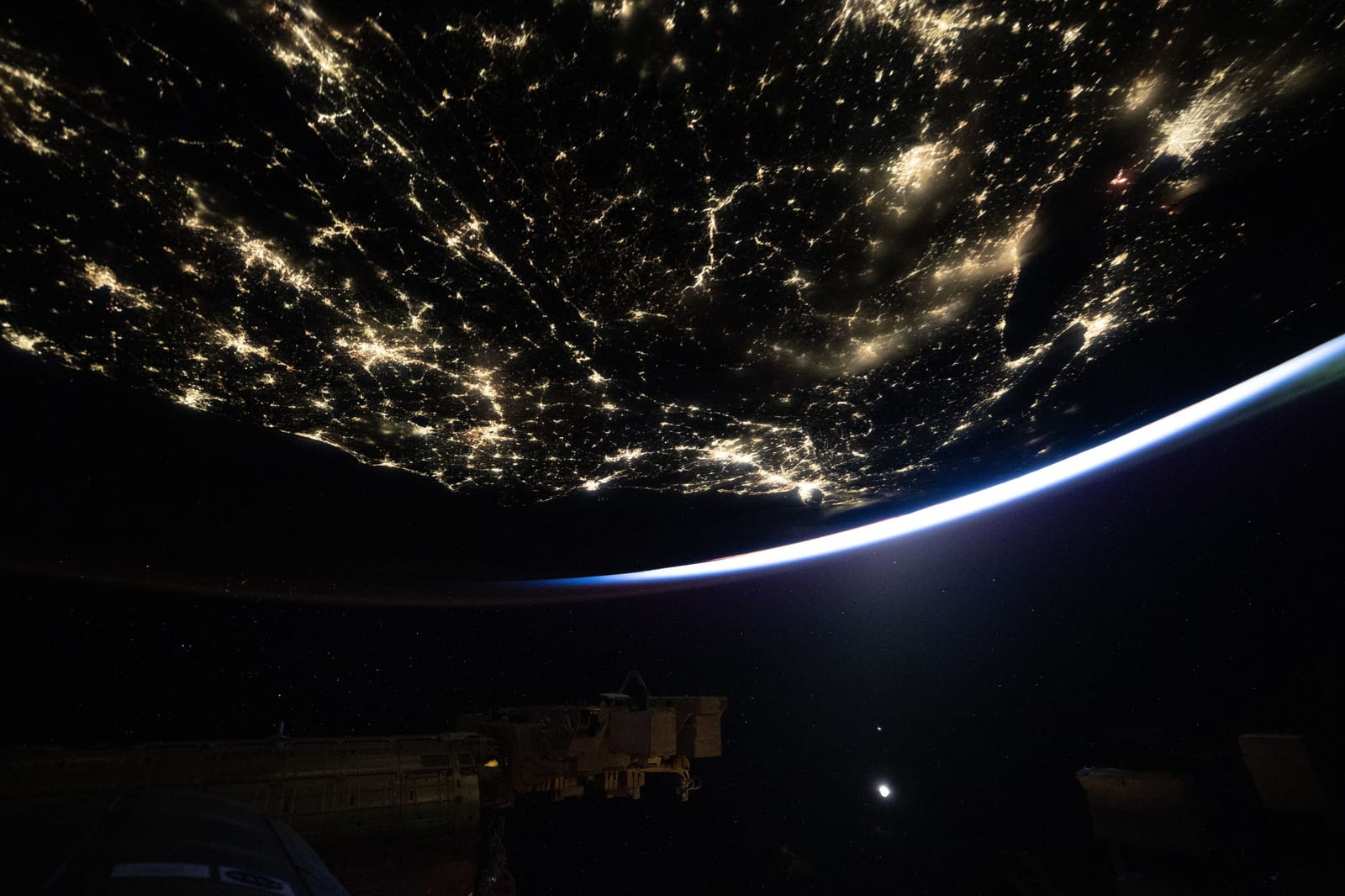
This nighttime view of the United States, dotted with city lights looking toward New York City (center), was taken at approximately 3:40 a.m. local time on Sept. 8, 2026, from the International Space Station as it orbited 259 miles above Earth. Image credit: NASA/Jessica Meir
A thunderous lift off, rapid satellite deployments and a fiery ending. That's how SpaceX's 14th launch of its Starship rocket panned out today.
Space X on Monday will attempt to launch its Starship rocket from Texas into Earth's orbit in a 10-hour flight which would deploy 26 Starlink satellites and would represent a milestone in the development of the massive launch vehicle. But the success of the launch is uncertain, as many previous tests have failed.
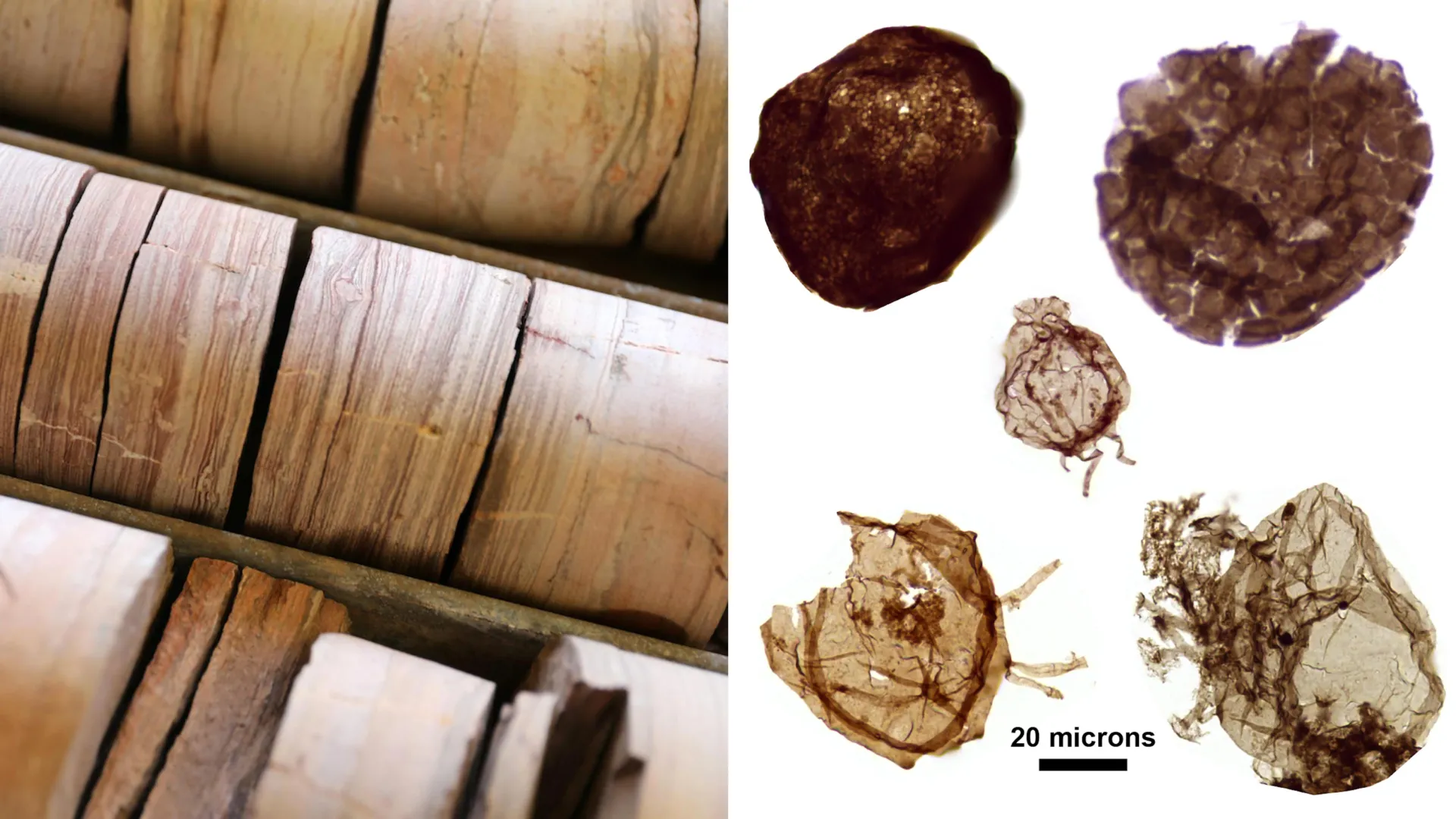
Scientists studying ancient Australian rocks uncovered more than 12,000 fossils from some of the oldest known eukaryotes on Earth. These early complex cells lived in settings ranging from coastal mudflats to the open sea, but only where oxygen was available. Oxygen-free environments contained simpler microbes instead. The findings strengthen the idea that oxygen played a crucial role in the emergence of complex life.
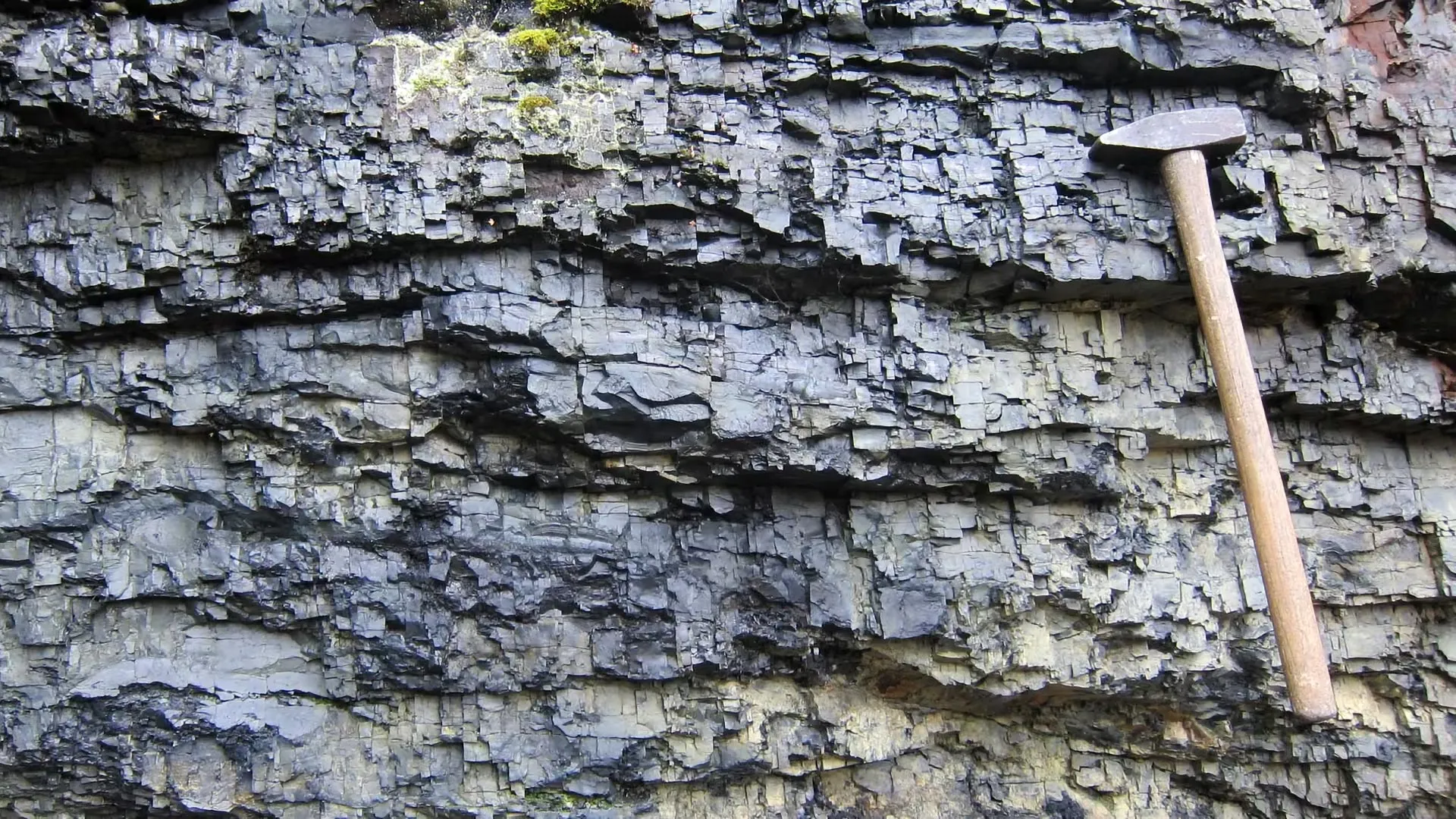
Scientists have found that a famous 2-billion-year-old chemical signature, once thought to record a massive global change in Earth’s carbon cycle, may instead have been produced by local magma, hydrocarbons, and methane-eating microbes. The discovery raises new questions about what was really happening as oxygen transformed the young planet.
Kimi Antonelli says he is "very mad" about his crash in qualifying at the Azerbaijan Grand Prix, which means he will start from 16th on the grid.
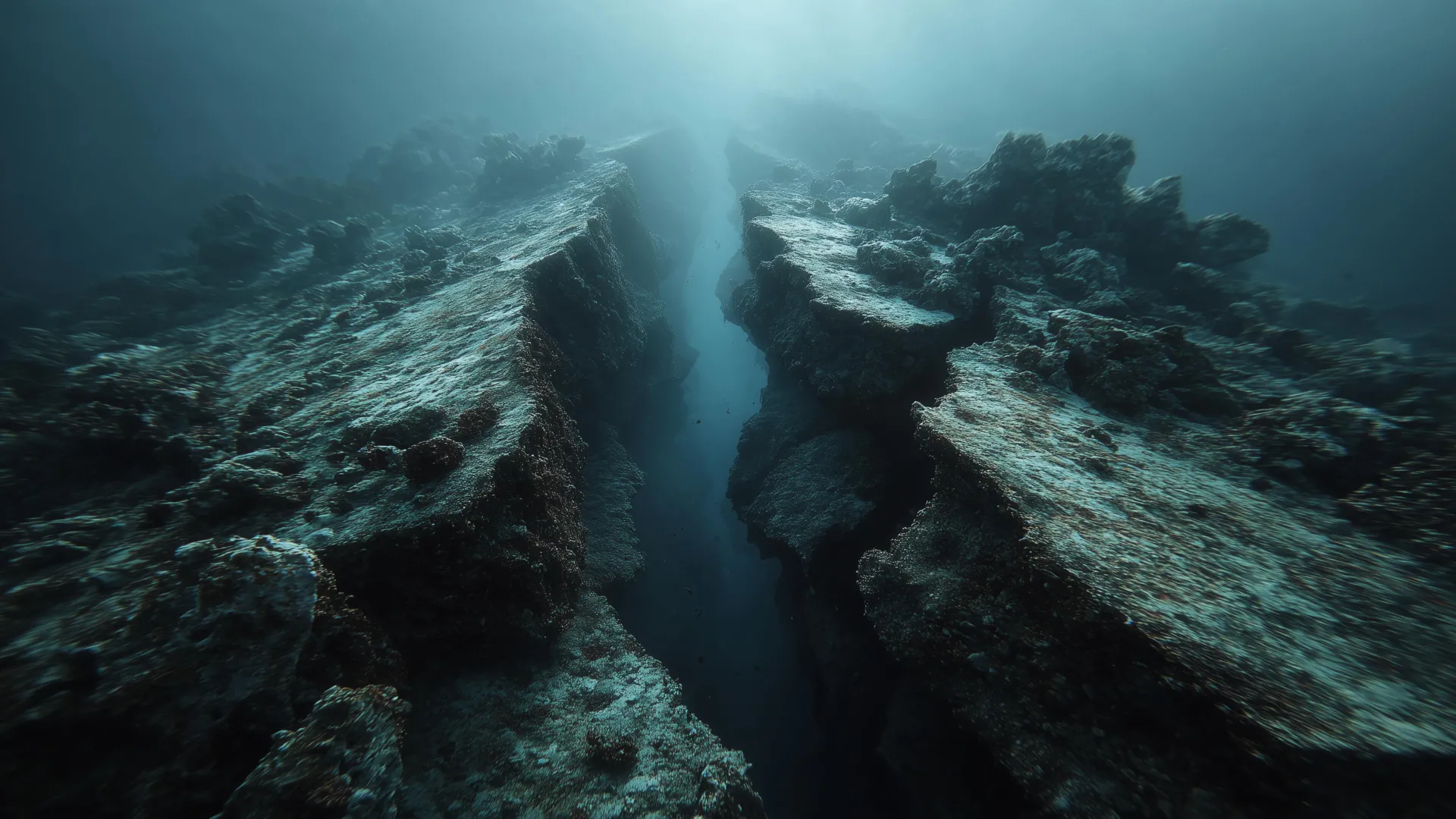
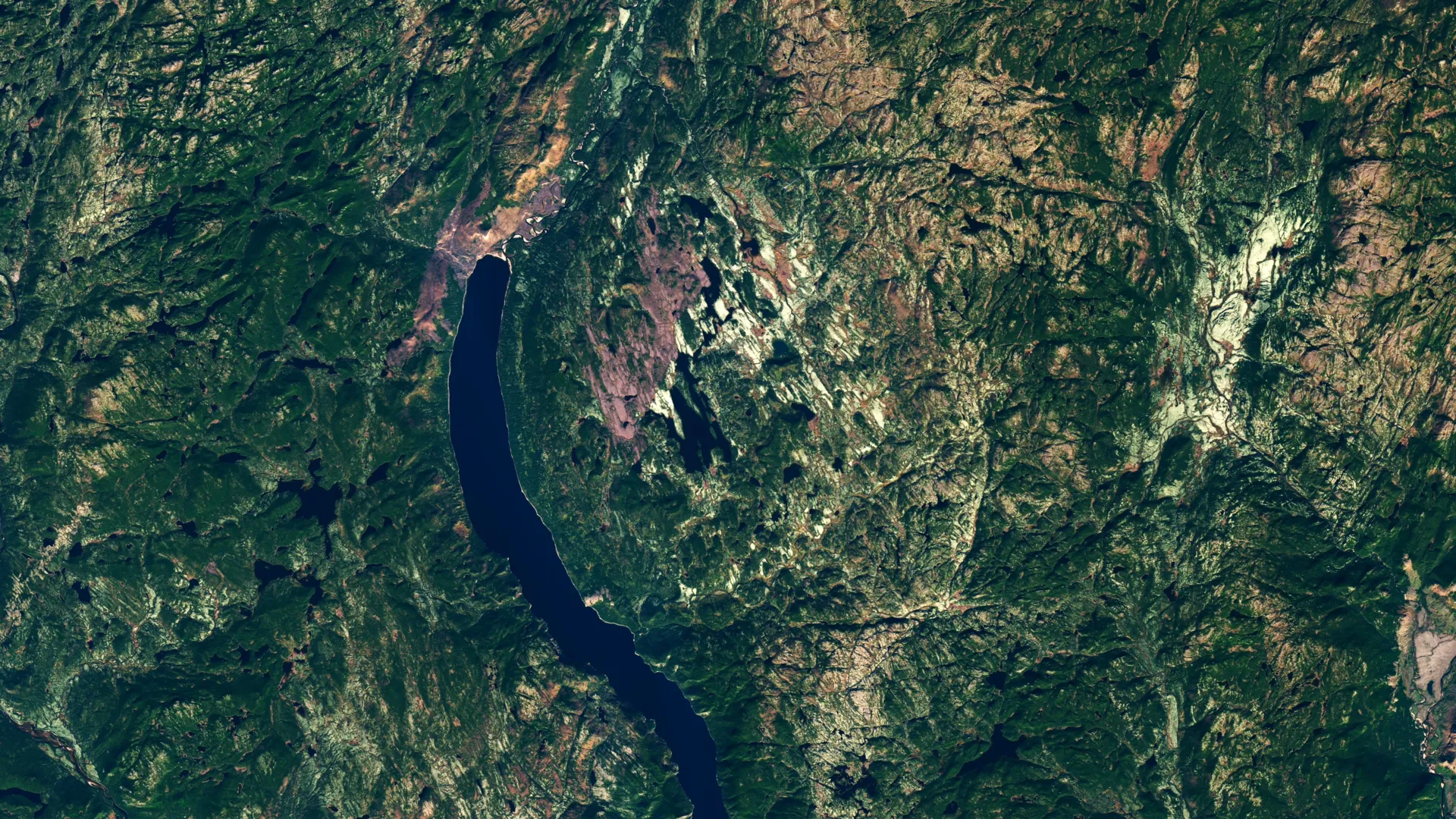
Scientists have captured a subduction zone off Vancouver Island in the process of tearing itself apart, revealing that these massive tectonic systems may die piece by piece rather than all at once. The discovery could help explain ancient plate fragments, volcanic activity, and how hidden breaks beneath Cascadia may influence future earthquakes.
Like tendrils on a vine, lava spreads out from the northern crater of Krasheninnikov, a volcano pair on the Pacific coast of Russia’s Kamchatka Peninsula. On July 30, 2025, an 8.8-magnitude earthquake had struck in the nearby ocean, apparently jolting one of the two volcanoes awake. A few days later, for the first time in […]
Arctic sea ice reached its annual minimum extent on Sept. 12, according to NASA and the National Snow and Ice Data Center (NSIDC) at the University of Colorado Boulder. The ice covered an estimated 1.78 million square miles (4.6 million square kilometers), tying 2008, 2010, and 2025 for the 10th-lowest minimum in the satellite record. […]
Agricultural emissions represent an important and understudied part of Earth’s land and atmosphere systems. The FarmFlux mission will deploy more than a dozen sensors to measure ozone, methane, ammonia, particulates, and other pollutants rising from agricultural lands and animal farms and the interaction with the Earth’s atmosphere. The mission is jointly led by NASA’s Goddard Space Flight Center in Greenbelt, Maryland; Colorado […]
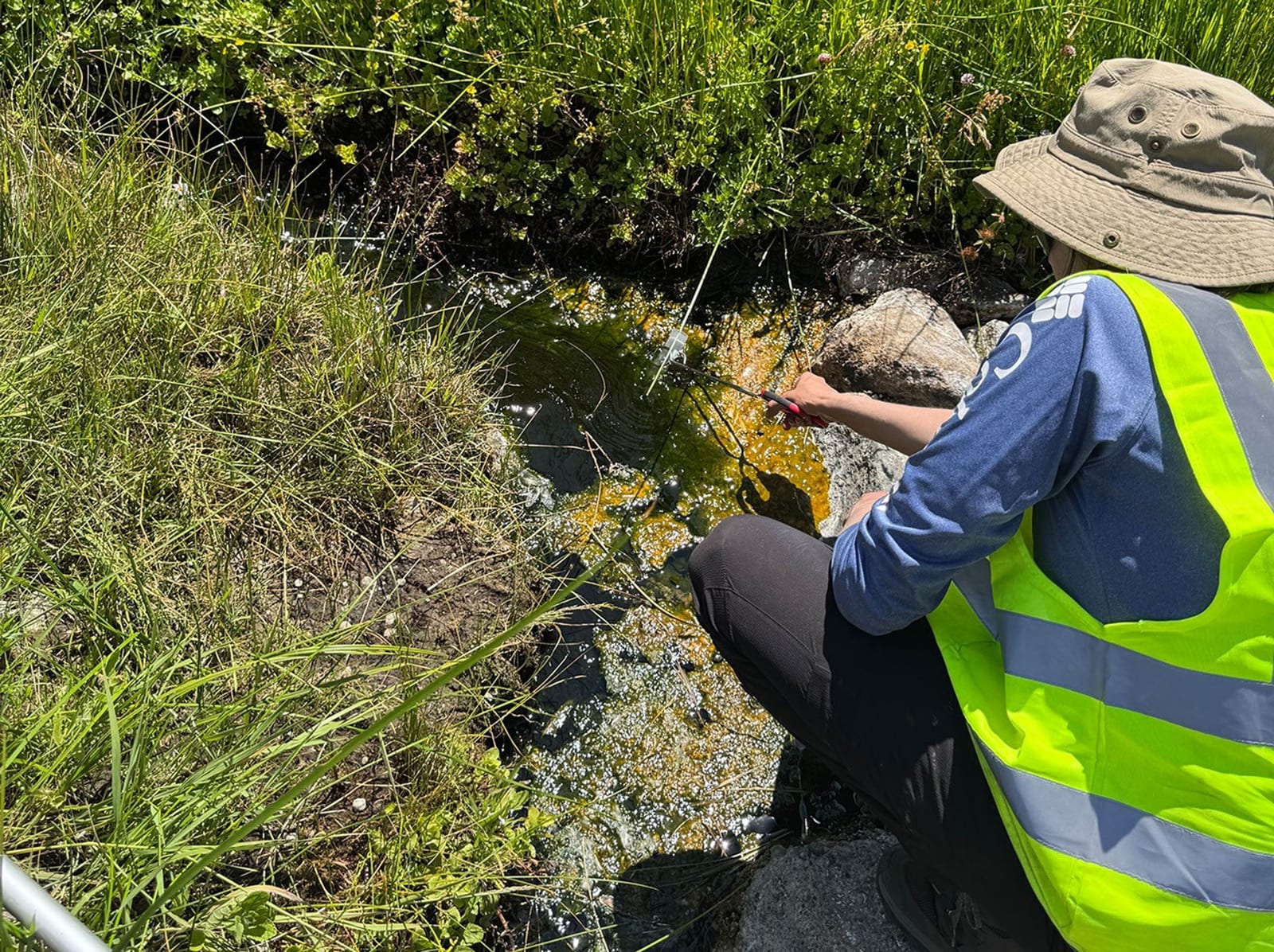
Lee esta historia en español aquí. NASA-supported scientists have discovered an organism that lives at extreme temperatures previously thought impossible for complex life. High temperatures can cause the destruction of necessary cell components, which is a big problem for cells with complex parts like a nucleus encasing delicate genetic information. In the heated waters of […]
An amateur astronomer searching satellite maps for a Quebec camping spot accidentally discovered a massive ancient impact crater. Scientists later found shatter cones that confirmed the 25-kilometer-wide structure was blasted into Earth roughly 390 million years ago.
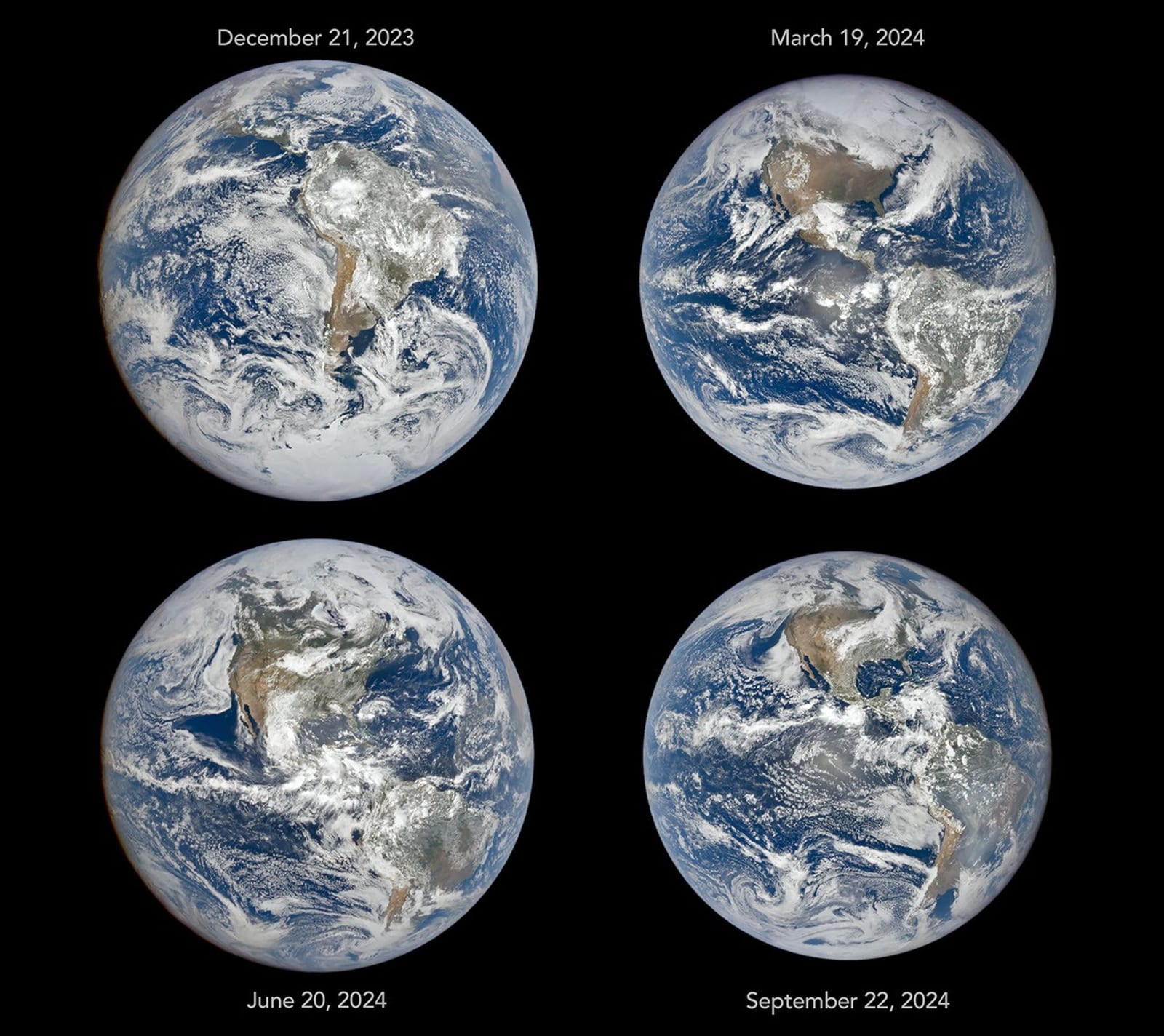
The tilt in Earth’s axis of rotation makes the apparent position of continents shift with the seasons in imagery from a NASA camera in deep space.
In the south of France, climate change is reshaping the region’s fruit production. Rather than fighting against it, a growing number of farmers are learning how to work with it – turning to tropical crops, now well-suited to the local climate. Bananas, papaya and even dragon fruit are being grown in greenhouses but also in open fields, without heating or pesticides. Our Down to Earth team reports.
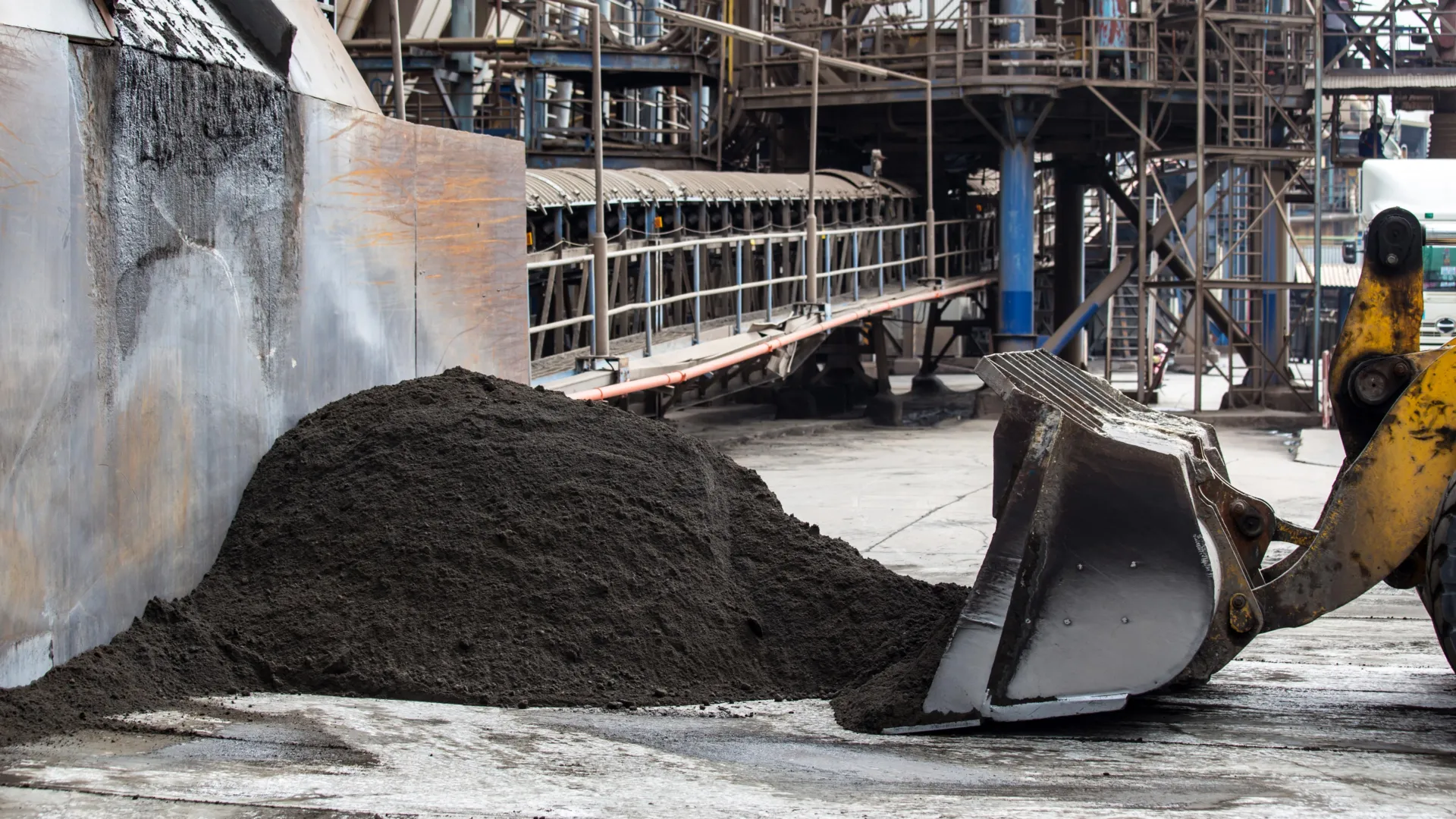
Scientists are looking to diatoms, sea sponges, and plants for a cleaner way to recover rare earth elements and other valuable minerals hidden inside coal ash, red mud, and mine tailings. The bio-inspired approach could turn massive industrial waste piles into useful materials while reducing energy use, harsh chemicals, and reliance on new mining.
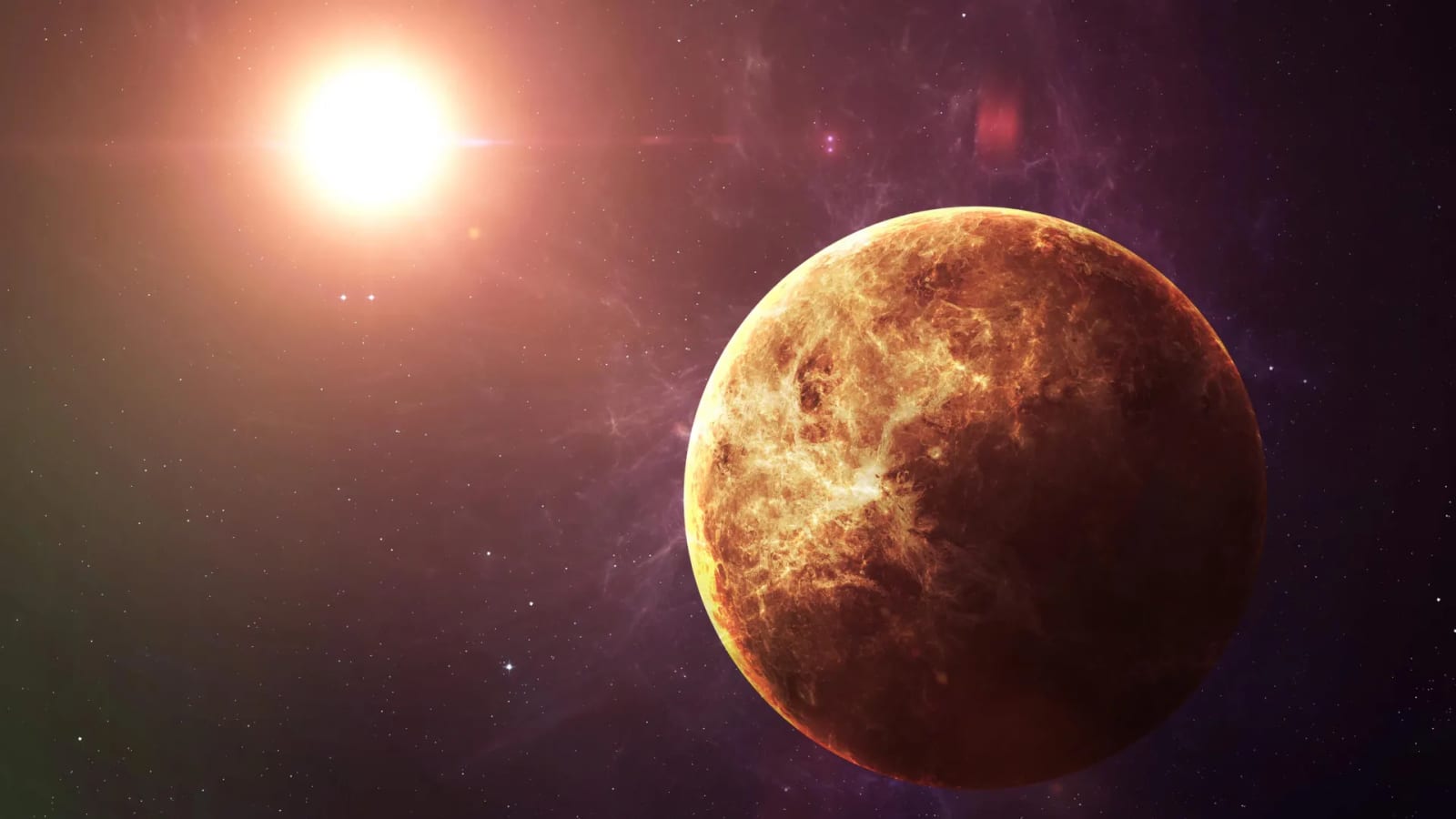
Venus may have once had a moon, but new research suggests the planet’s incredibly slow rotation could have doomed it. Computer simulations showed that instead of gradually drifting away like Earth’s moon, a Venusian moon would likely spiral inward until it crashed into the planet, with larger moons falling even faster.