Advertisement
Advertisement

Topic

Earth

Science

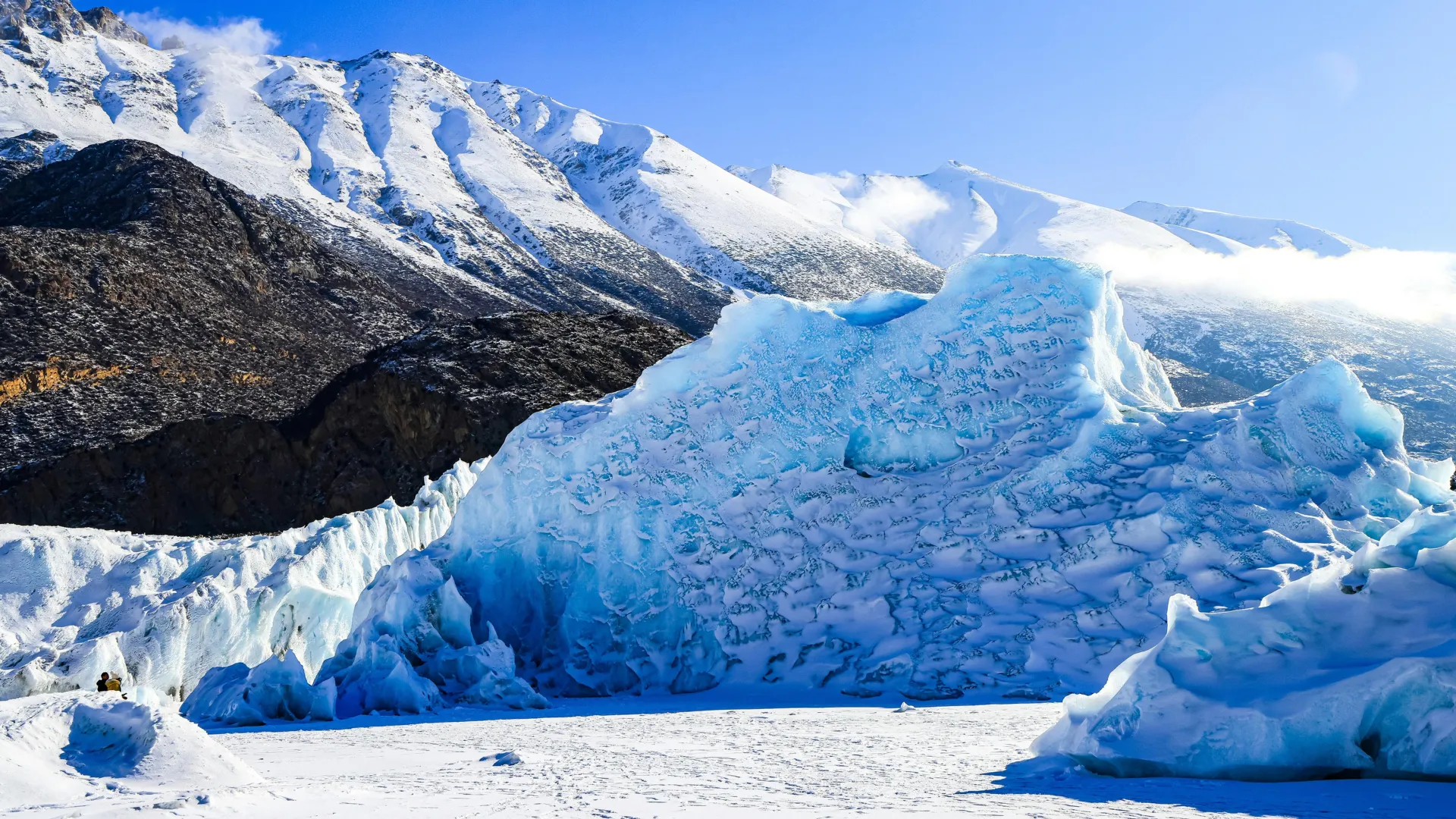
128,000-year-old ice in Tibet could rewrite climate history

Ancient ice discovered high in Tibet may be more than 128,000 years old, preserving an extraordinary record of Earth's climate that scientists previously thought had been lost. The discovery reveals a rare glimpse into the last ice age and could reshape our understanding of how glaciers survive dramatic changes in global climate.
Science

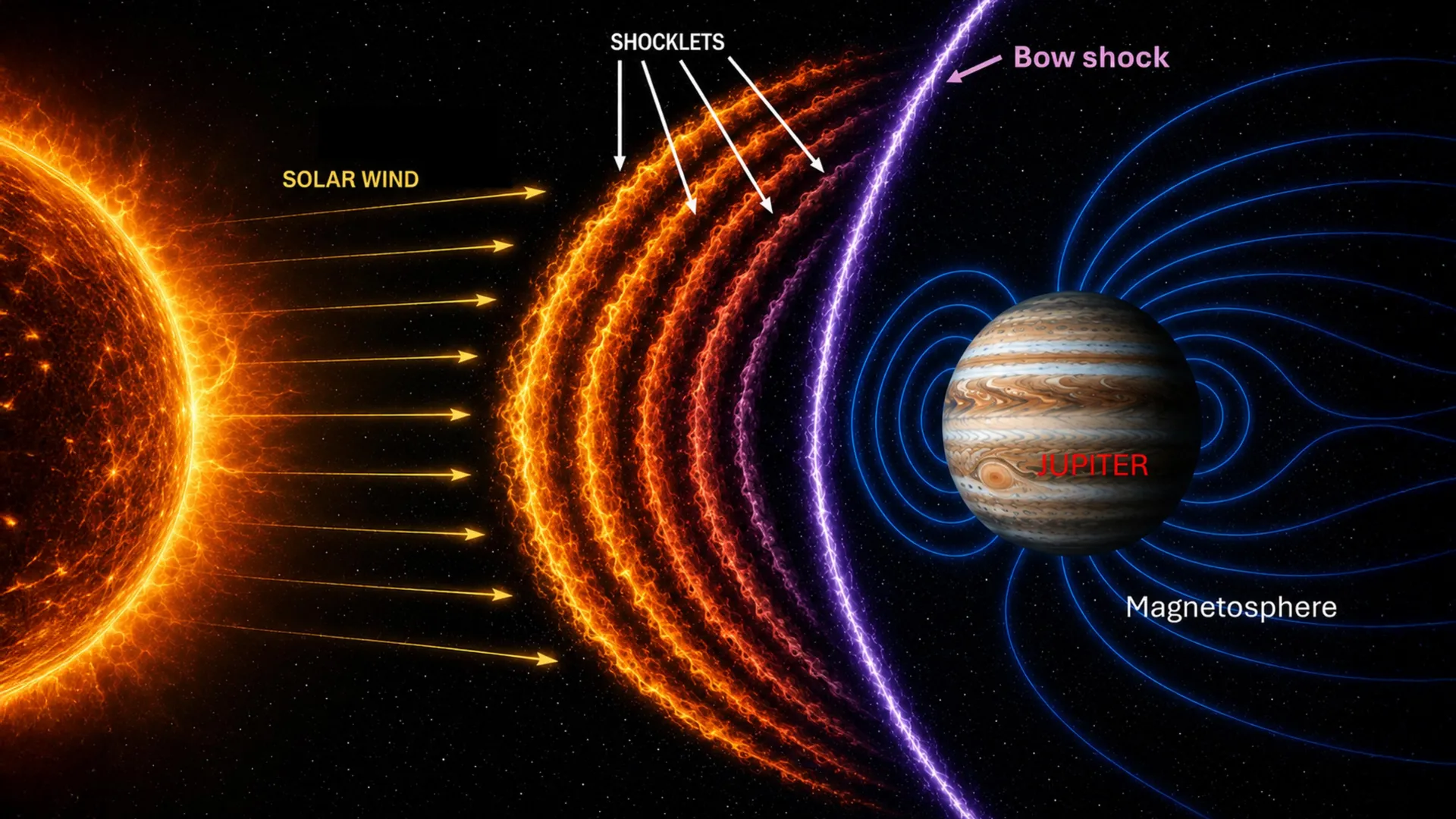
NASA discovers Jupiter’s invisible shield is more complex than Earth’s

NASA’s Juno spacecraft has discovered that Jupiter uses a surprisingly complex system of powerful plasma waves and multiple shock regions to defend against the solar wind. The findings reveal major differences between Jupiter and Earth and could help scientists understand the enormous shock waves produced by exploding stars.

Science

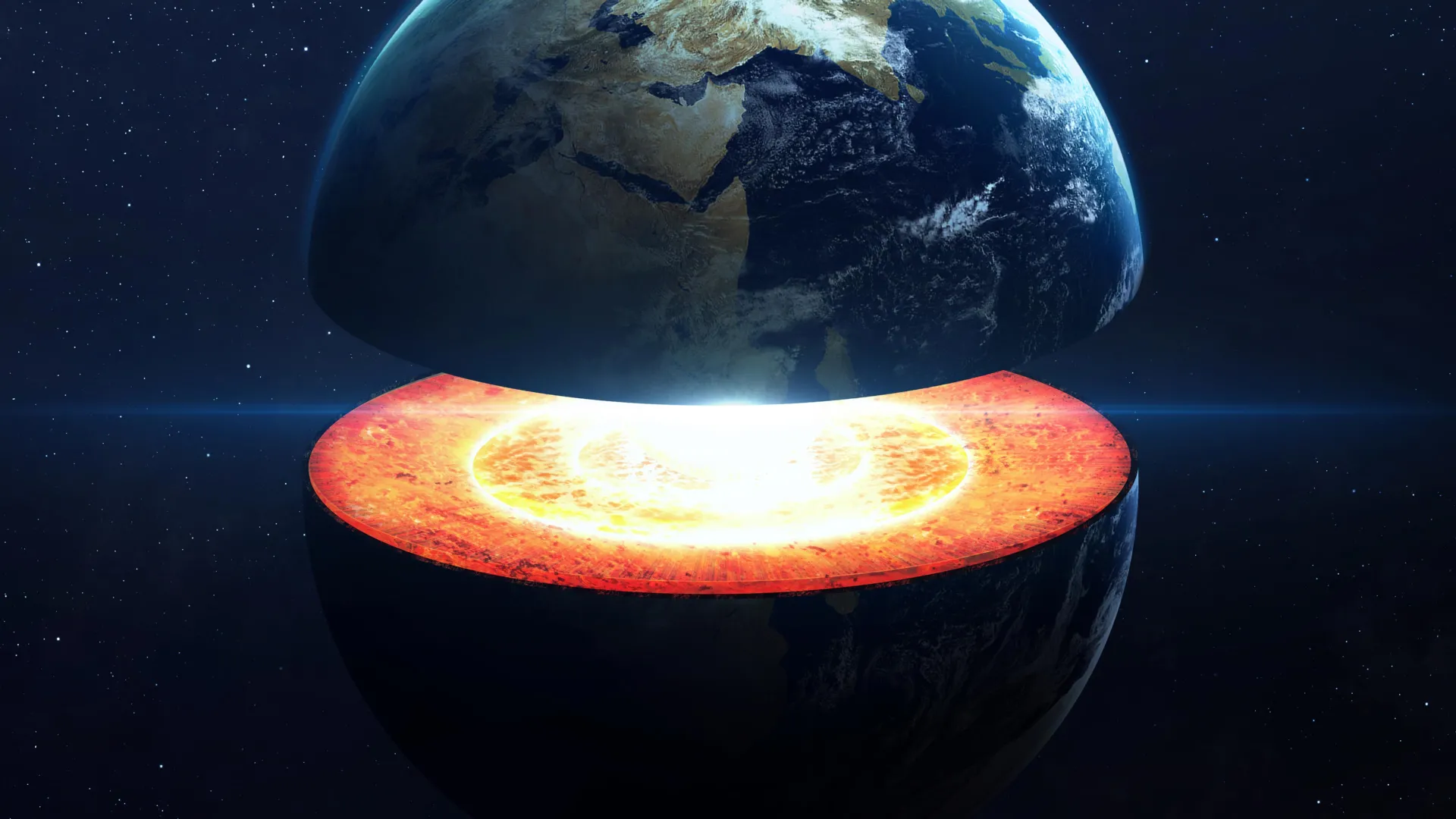
Scientists discover a hidden oxygen reservoir deep inside Earth

Scientists have discovered that magma deep inside Earth can store surprising amounts of extra oxygen, potentially revealing a hidden contributor to our planet's oxygen-rich atmosphere. The findings suggest that ancient volcanic eruptions may have helped transform Earth's atmosphere billions of years ago, with implications for understanding life on other planets.

Science

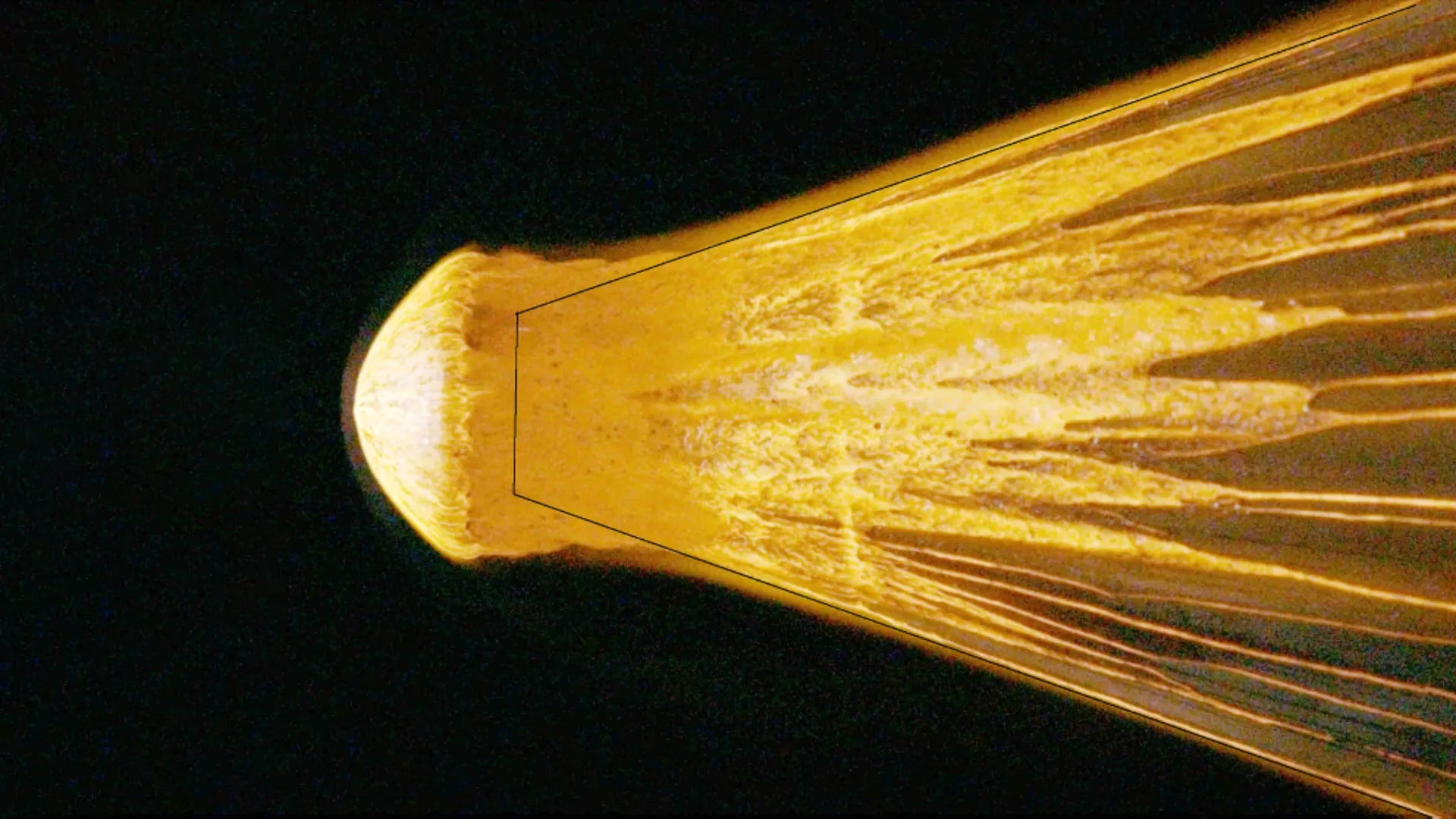
Meteors don't just burn up. What really happens is far more violent

Scientists have uncovered seven surprising stages that space rocks go through as they hurtle toward Earth, revealing that melting and violent fragmentation, rather than simple evaporation, determine their fate. The discovery could help explain why meteorites scatter across the ground and how dangerous asteroids explode in Earth's atmosphere.

Science

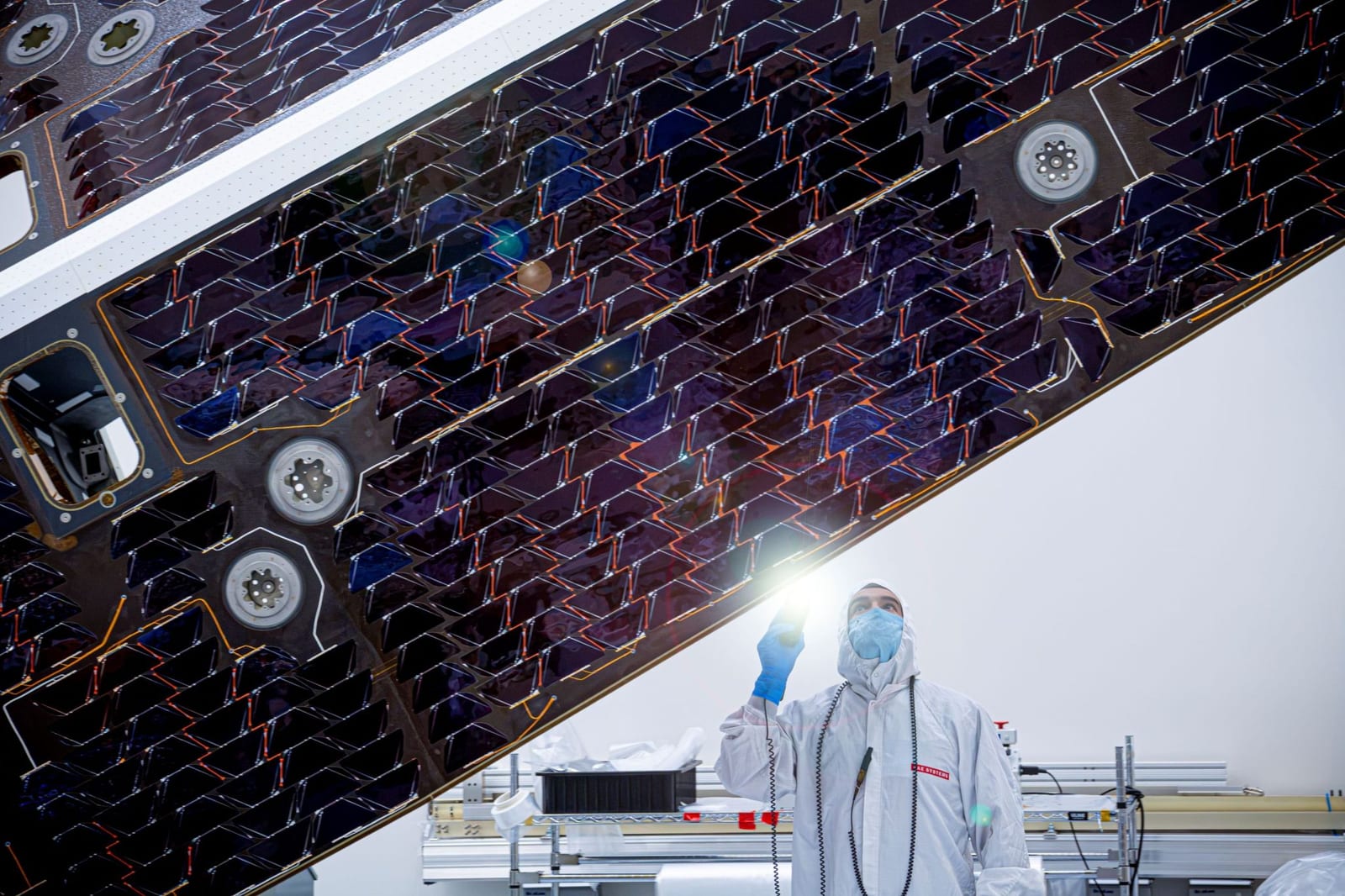
NASA’s Neo Surveyor Sunshade

A technician inspects the large sunshade of NASA’s Near-Earth Object (NEO) Surveyor mission in this image released on Oct. 26, 2026. The sunshade structure, which stands 20 feet (6 meters) tall and measures 8 feet (2.4 meters) wide at its base, will keep the infrared space telescope cool as it searches for near-Earth asteroids and […]

Science

Earth's ice ages may have been driven by a hidden ocean chain reaction

Scientists have uncovered a surprising connection between Earth's opposite poles that may help explain how the planet plunged into past ice ages. New research suggests that as massive ice sheets expanded across the Northern Hemisphere, they cooled Atlantic Ocean waters that eventually traveled south toward Antarctica. This cooling may have disrupted Southern Ocean circulation, allowing the ocean to absorb and store more carbon dioxide from the atmosphere, further cooling the planet.

Science

Scientists discover a hidden 100-million-year-old volcanic system

Scientists have uncovered a long-lost volcanic system in Iran that dates back roughly 100 million years, revealing a hidden chapter in Earth's tectonic history. The discovery sheds new light on the disappearance of an ancient ocean and the powerful geological forces that reshaped the Middle East.

Science

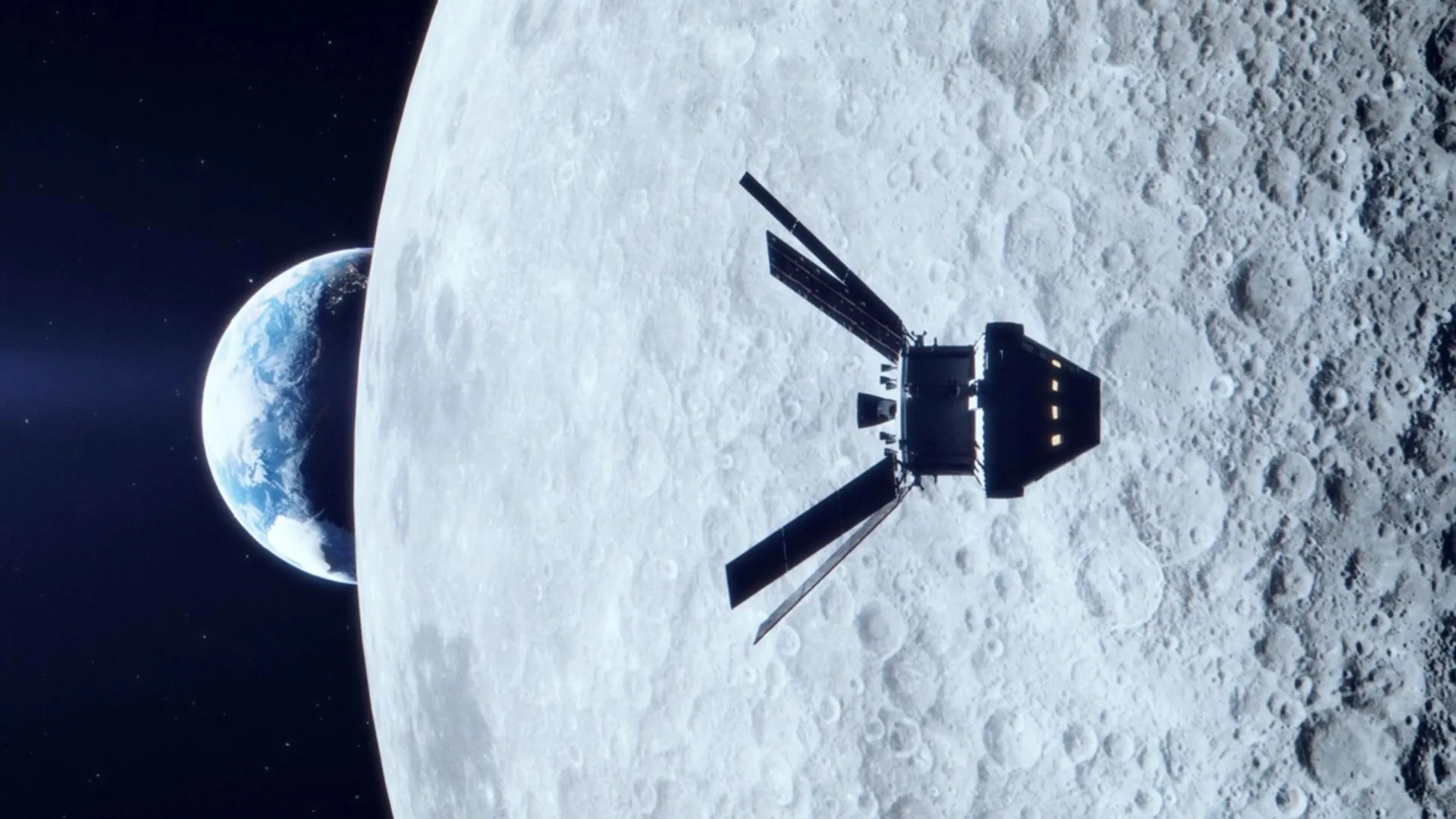
NASA’s Artemis I mission reveals surprising radiation levels near the Moon

NASA’s Artemis I mission has revealed that cosmic radiation near the Moon is higher than in Earth orbit, but not by as much as scientists might expect. Tiny experimental detectors also uncovered surprising details about how radiation passes through the human body, offering valuable insights for future lunar exploration.

Advertisement
Science

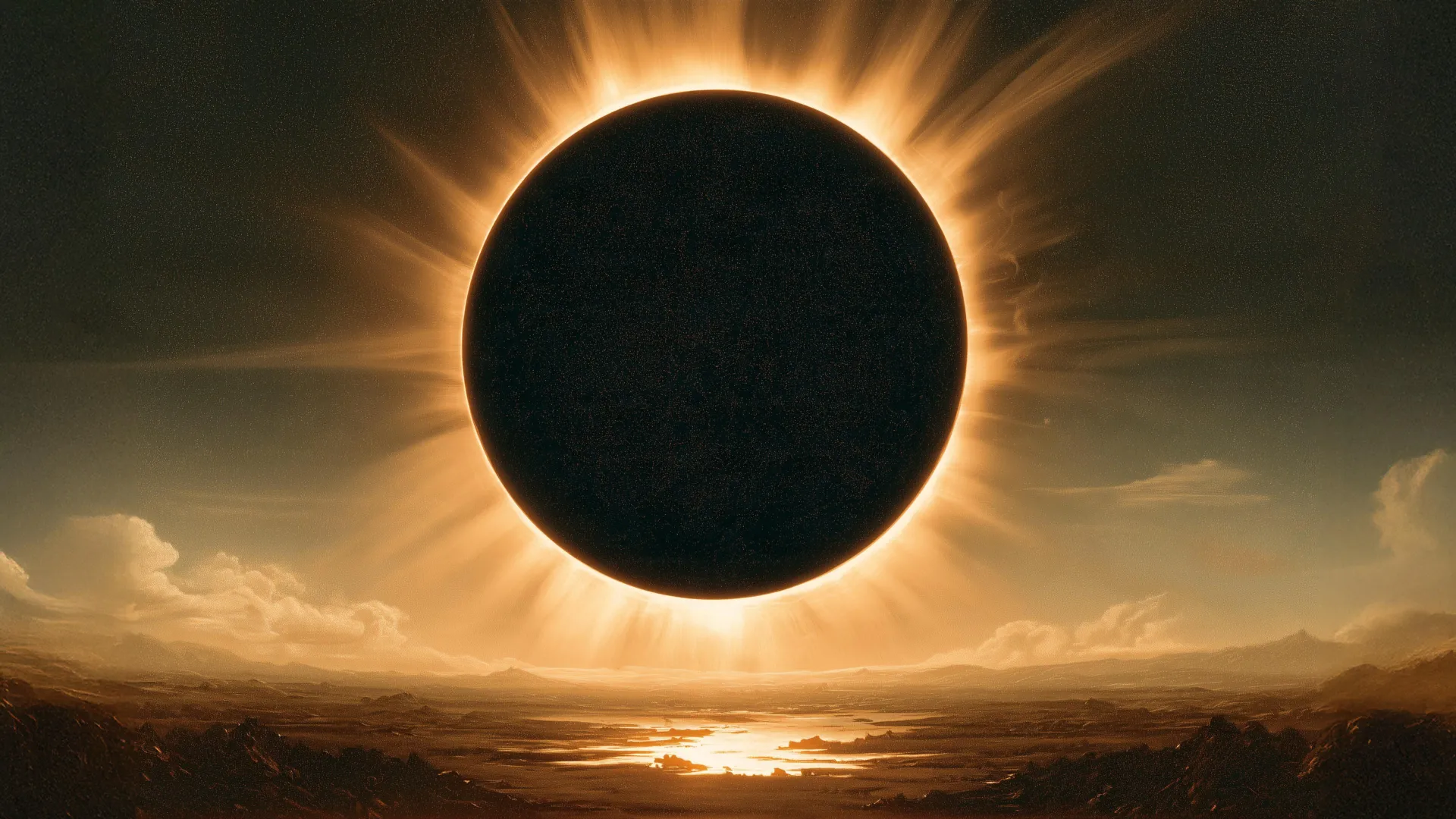
A 2,700-year-old solar eclipse just revealed something surprising about Earth

A solar eclipse recorded more than 2,700 years ago is revealing surprising secrets about Earth's rotation and the Sun's ancient behavior. By correcting an eight-kilometer error in the location of an ancient Chinese capital, scientists were able to reconstruct a total solar eclipse that occurred in 709 BCE and obtain more accurate measurements of how fast Earth was spinning at the time.

Science

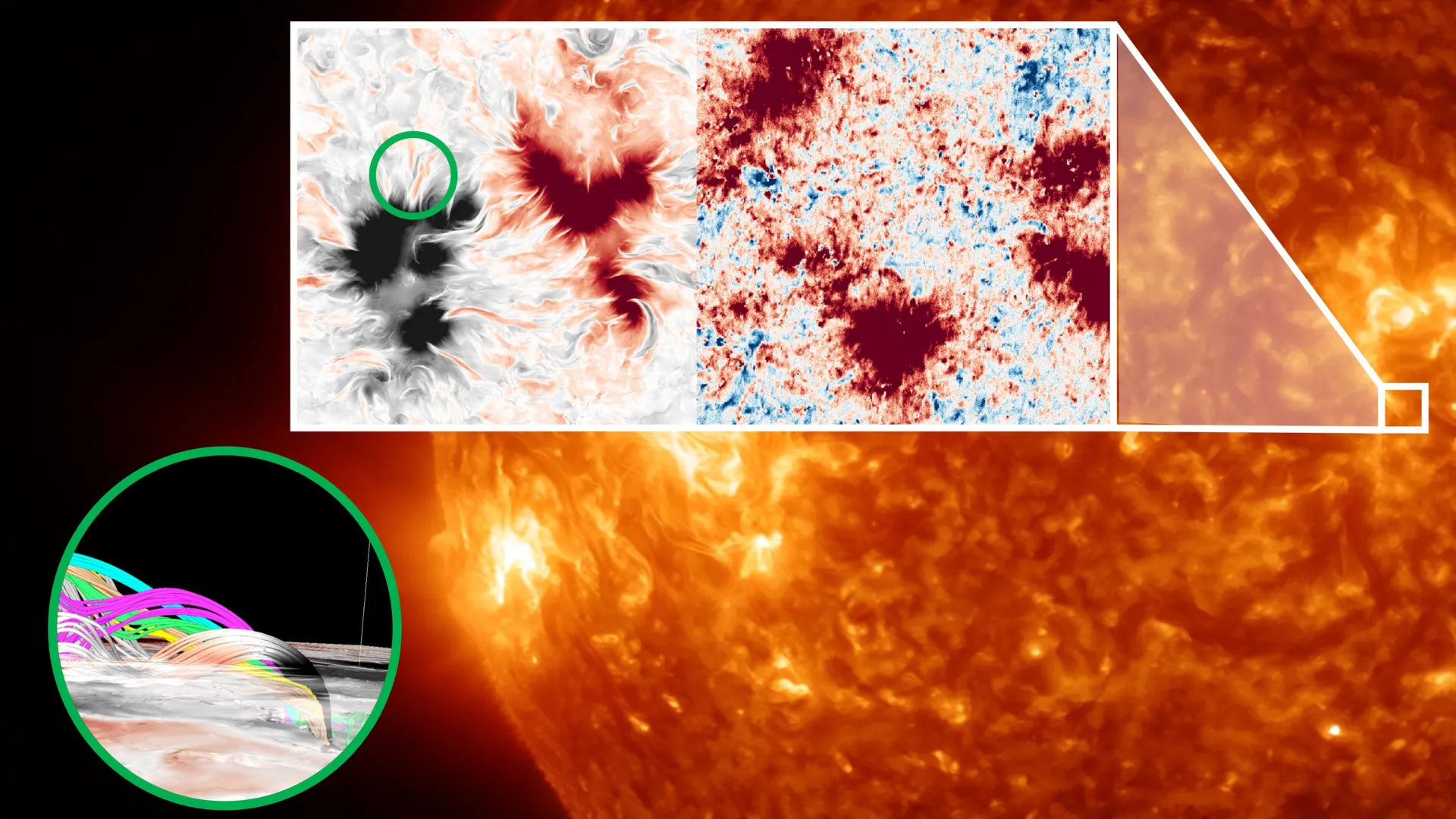
Astronomers uncover a mysterious magnetic web above the Sun

The Sun’s seemingly peaceful regions are hiding a surprisingly complex magnetic world. Using a balloon-borne telescope high above Earth, scientists discovered delicate, thread-like magnetic structures woven through the solar atmosphere, apparently shaped by twisting motions on the Sun’s surface. They also mapped magnetic fields inside towering jets of solar material, revealing how those fields change with height.

Science

One of Earth’s most powerful supervolcanoes is refilling with fresh magma

Deep beneath Japan’s Kikai caldera, a massive magma reservoir is refilling 7,300 years after one of the most powerful volcanic eruptions in Earth's recent geological history. Scientists used underwater seismic surveys to reveal a vast store of magma that appears to have accumulated since the ancient catastrophe. The discovery could help explain how supervolcanoes like Yellowstone and Toba rebuild their magma supplies.

World

‘The best on Earth’: Can weak economic growth undermine Europe’s ‘very sophisticated social system’?

Can Europe continue to sustain one of the world's most ambitious social models while falling increasingly behind its major economic competitors? For Pascal Lamy, former European Commissioner for Trade and former Director-General of the World Trade Organization, this question lies at the heart of the continent's mounting economic and political tensions. Lamy looks beyond the immediate turmoil in France to identify a deeper European predicament: a widening disconnect between the continent's social commitments and its capacity to generate the economic growth needed to sustain them.

Science

A rock plunged 90 kilometers into Earth and revealed something unexpected

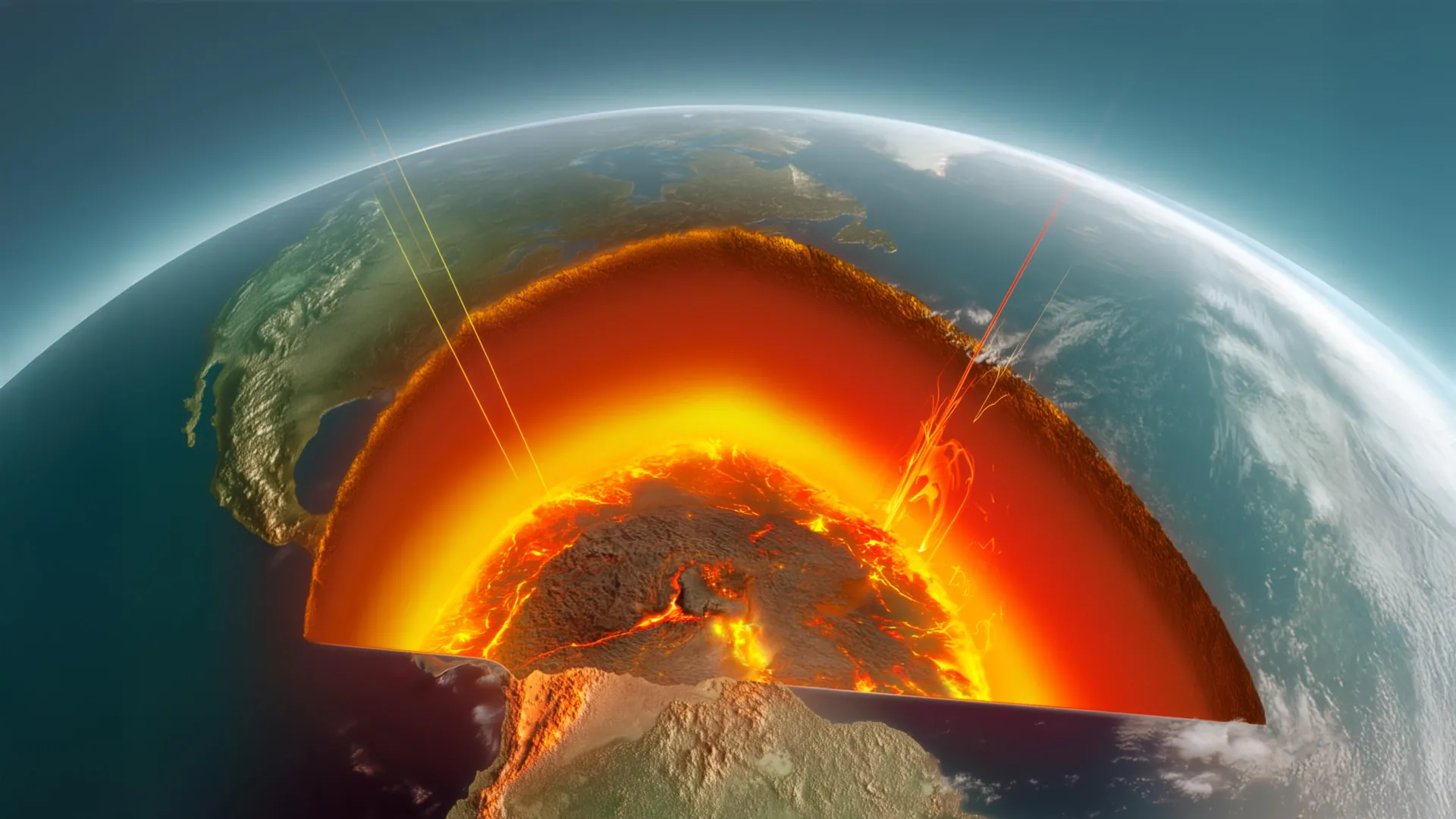
Scientists discovered a rock in Papua New Guinea that plunged more than 90 kilometers beneath Earth's surface, revealing a bizarre temperature pattern that challenges established theories of Earth's interior. The unexpected shift from unusually hot to relatively cold conditions could transform our understanding of tectonic plate movements, earthquakes, and volcanoes.

Science

NASA’s CASALS Instrument Bridges Gaps in 3D Maps of Earth’s Surface

From orbit, today’s space-based laser instruments measure Earth’s forests and terrain one narrow line at a time. Between those lines are enormous gaps that include millions of acres of land scientists never directly measure. NASA’s CASALS instrument will blend machine learning with an ultra-compact lidar instrument to adaptively ‘sweep’ large swaths of Earth’s surface. This […]

Science

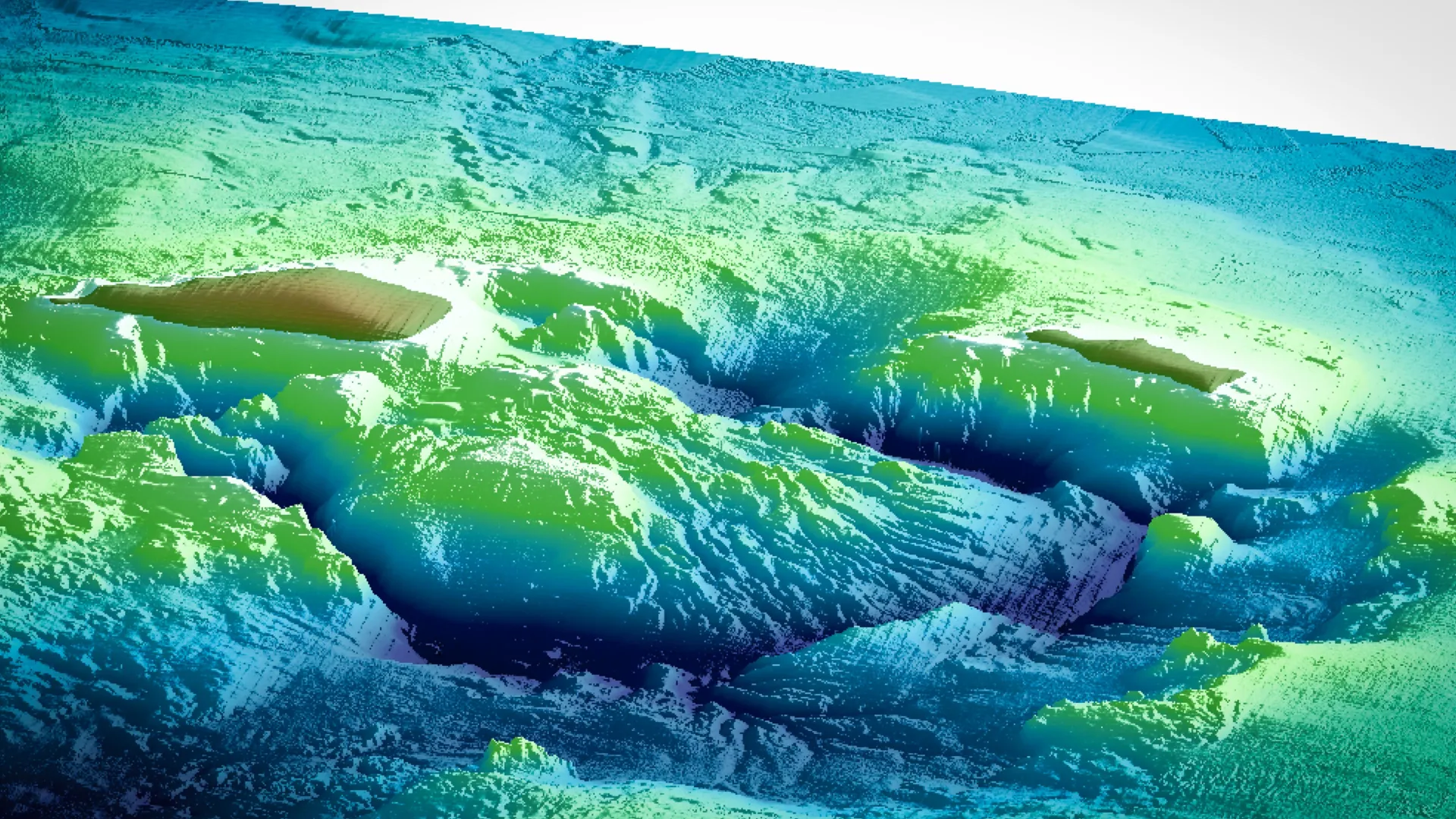
A massive asteroid slammed into the North Sea and unleashed a 330-foot tsunami

A decades-long mystery beneath the North Sea has finally been solved. Scientists have confirmed that the Silverpit Crater, buried 700 meters below the seabed, was created when a 160-meter-wide asteroid struck Earth roughly 43 to 46 million years ago. The violent collision blasted a towering curtain of rock and water 1.5 kilometers into the air and triggered a tsunami more than 100 meters high.

Science

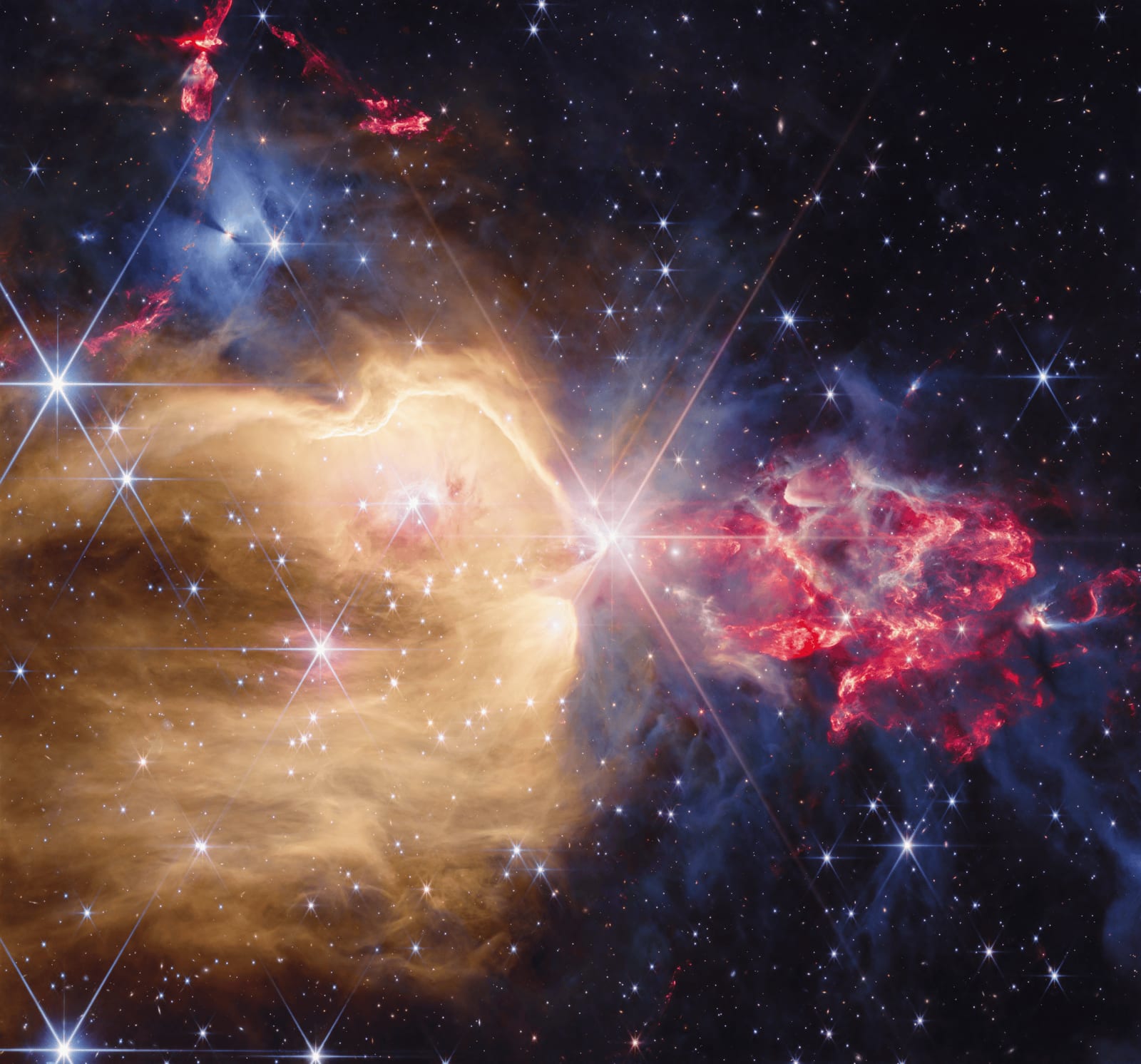
Webb Captures Stellar Jets

An image from NASA’s James Webb Space Telescope released on Oct. 6, 2026, reveals a cauldron of cosmic creation. Webb has unveiled numerous stars formerly hidden by clouds of dust in a stellar nursery known as NGC 7129, which resides about 3,300 light-years from Earth. Learn more about this region – and tour it in […]

Advertisement
World

Japan launches mission to explore Mars' moons and bring back samples

Japan launched a spacecraft on Tuesday on a five-year mission to explore Mars' mysterious moons, Phobos and Deimos, and bring back samples for the first time. The $578 million project aims to deliver dust, soil and rocks to Earth in 2031, potentially shedding light on how the moons formed and the origins of life.