Science
Project aims to protect rare arctic-alpine plants
The three year scheme is awarded £65,000 to collect seeds and plant them in the fells.
International news in seven languages
Topic
The three year scheme is awarded £65,000 to collect seeds and plant them in the fells.
A report by MPs urges the UK to address capability gaps including a lack of Royal Navy warships and submarines, as Russia seeks to dominate the region.
The new strategy shifts the bloc's focus from long-term climate concerns to urgent security measures.
The EU unveiled its priorities in the Arctic as it vies with Russia, China and the US for influence. EU foreign affairs chief Kaja Kallas said drone incursions, GPS jamming and cable sabotage undermine Arctic security.
The European Union unveils its new "strategy for the Arctic" on Tuesday, aiming to step up its presence in the far north as melting ice opens new maritime routes, and tensions with Russia and the United States increasingly put the region in the geopolitical spotlight.
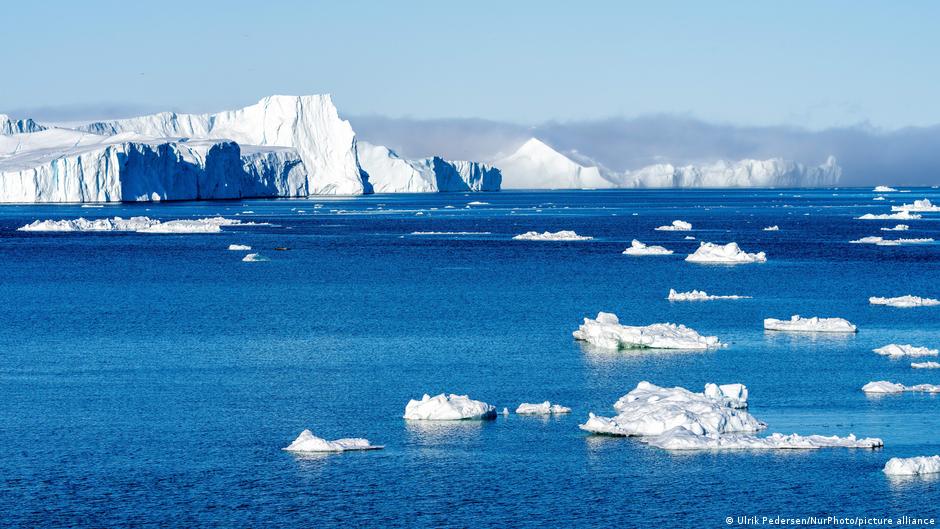
Arctic sea ice is shrinking in both winter and summer, with satellite records revealing that the region's remaining ice is becoming thinner, younger, and more vulnerable to melting. Despite a recent slowdown in summer losses, scientists warn that the Arctic could experience a nearly ice-free summer before 2050.
The US president has claimed Greenland holds vast and easily accessible oil reserves without providing evidence or details. His announcement follows a deal expanding the US military presence on the Arctic island.
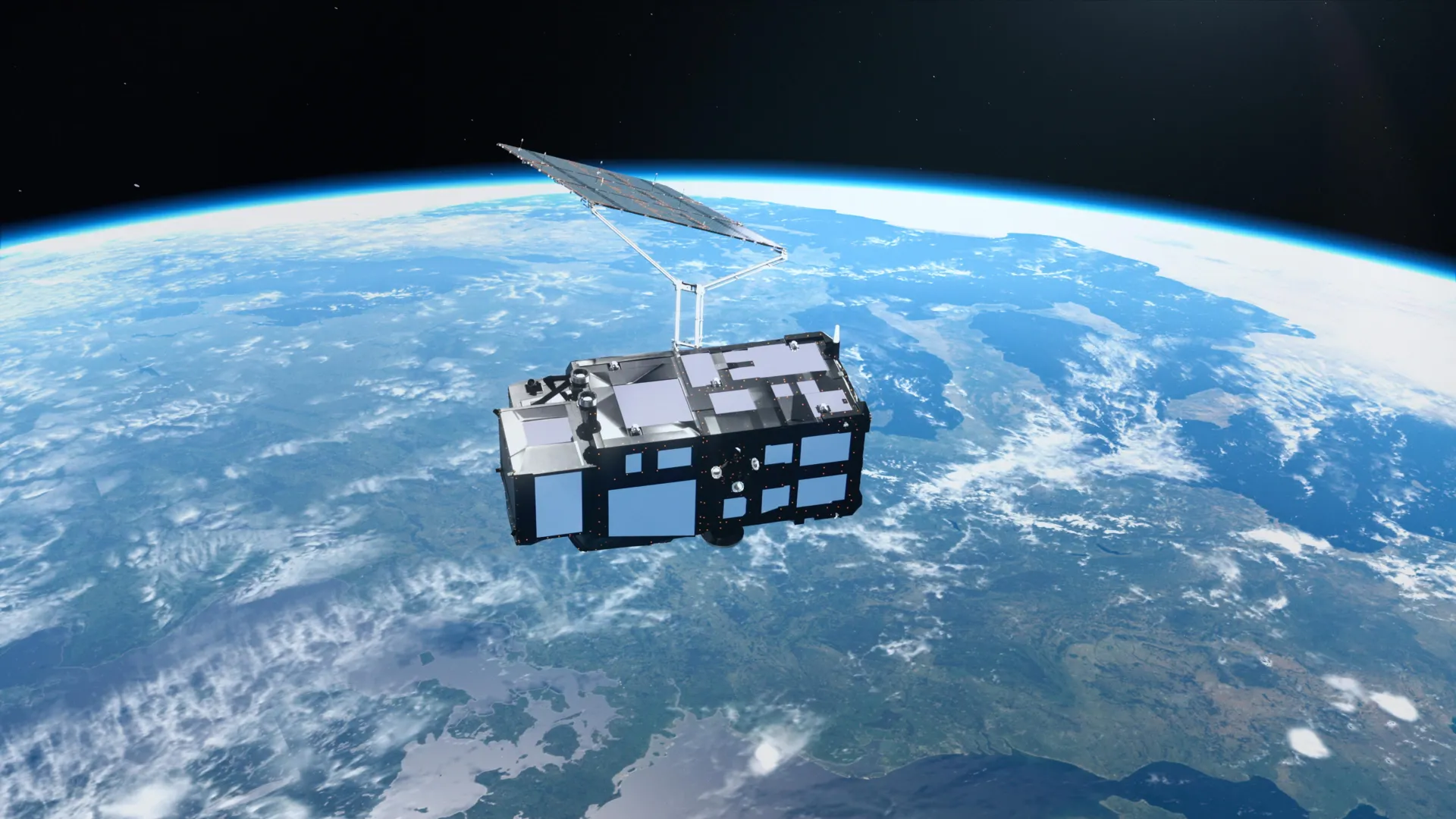
Europe's Sentinel-3C satellite has returned breathtaking images of Earth just two weeks after launch, revealing the snowy Alps, frozen Arctic islands, and brilliant turquoise Caribbean waters. Its first measurements also show promising results for tracking rising seas, melting ice sheets, and other changes reshaping our planet.
Satellite records show Arctic sea ice covering less of the ocean in both winter and summer.
US Secretary of State Marco Rubio is set to travel to Iceland on Monday, two weeks after Washington sealed a security pact with Denmark and Greenland on the sidelines of the United Nations General Assembly. Rubio will meet with officials in Reykjavik "to discuss economic and security collaboration", according to a statement by the US State Department.
Climate change is increasingly reshaping the polar oceans, with Arctic waters warming rapidly, sea ice shrinking and wildlife losing habitat at both ends of the planet, an annual report said Wednesday. The Copernicus Ocean State Report depicts profound changes across the world's seas, from record-breaking heatwaves in the Mediterranean and Black seas to shifts in marine ecosystems and increasingly acidic waters.
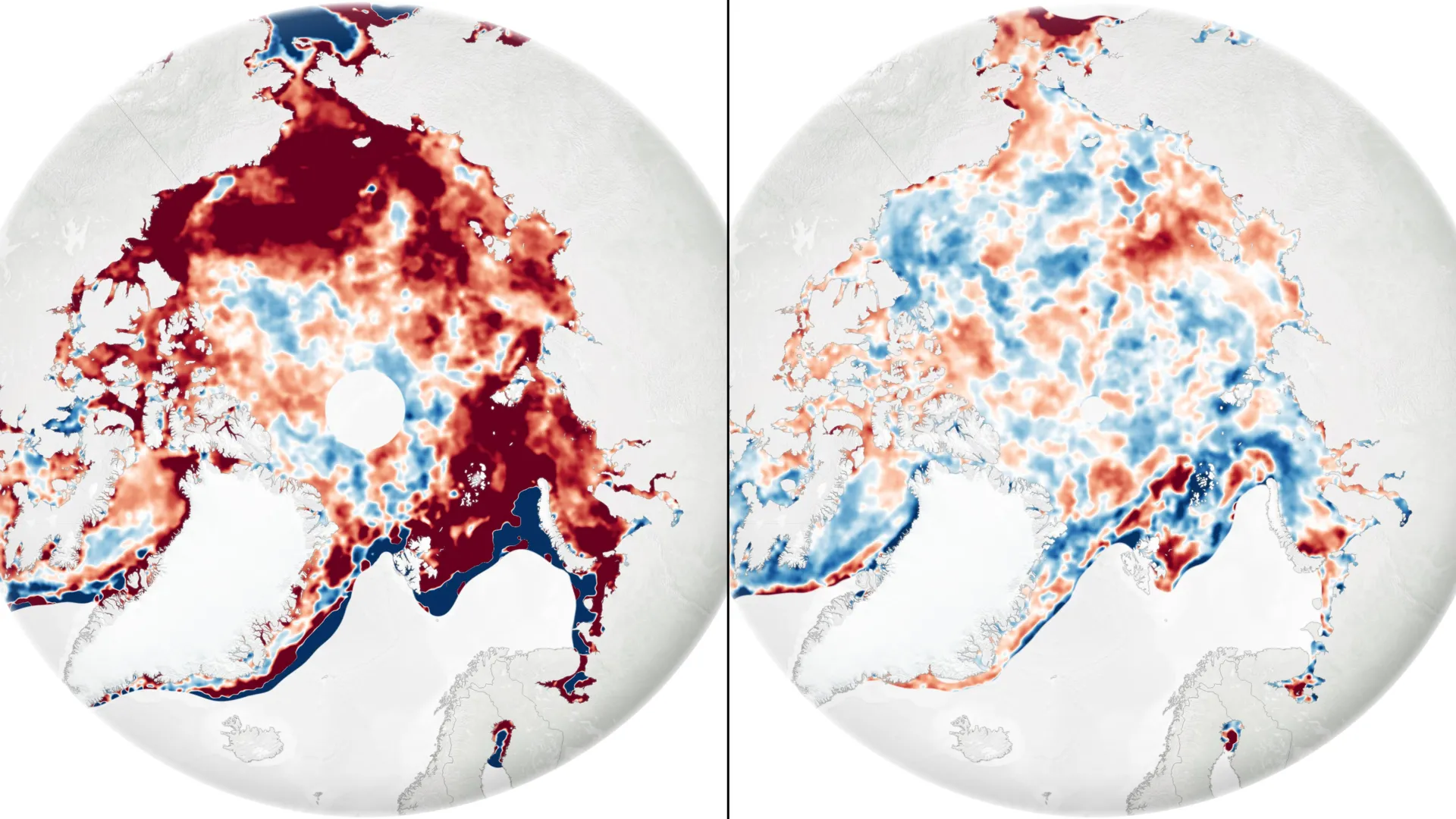
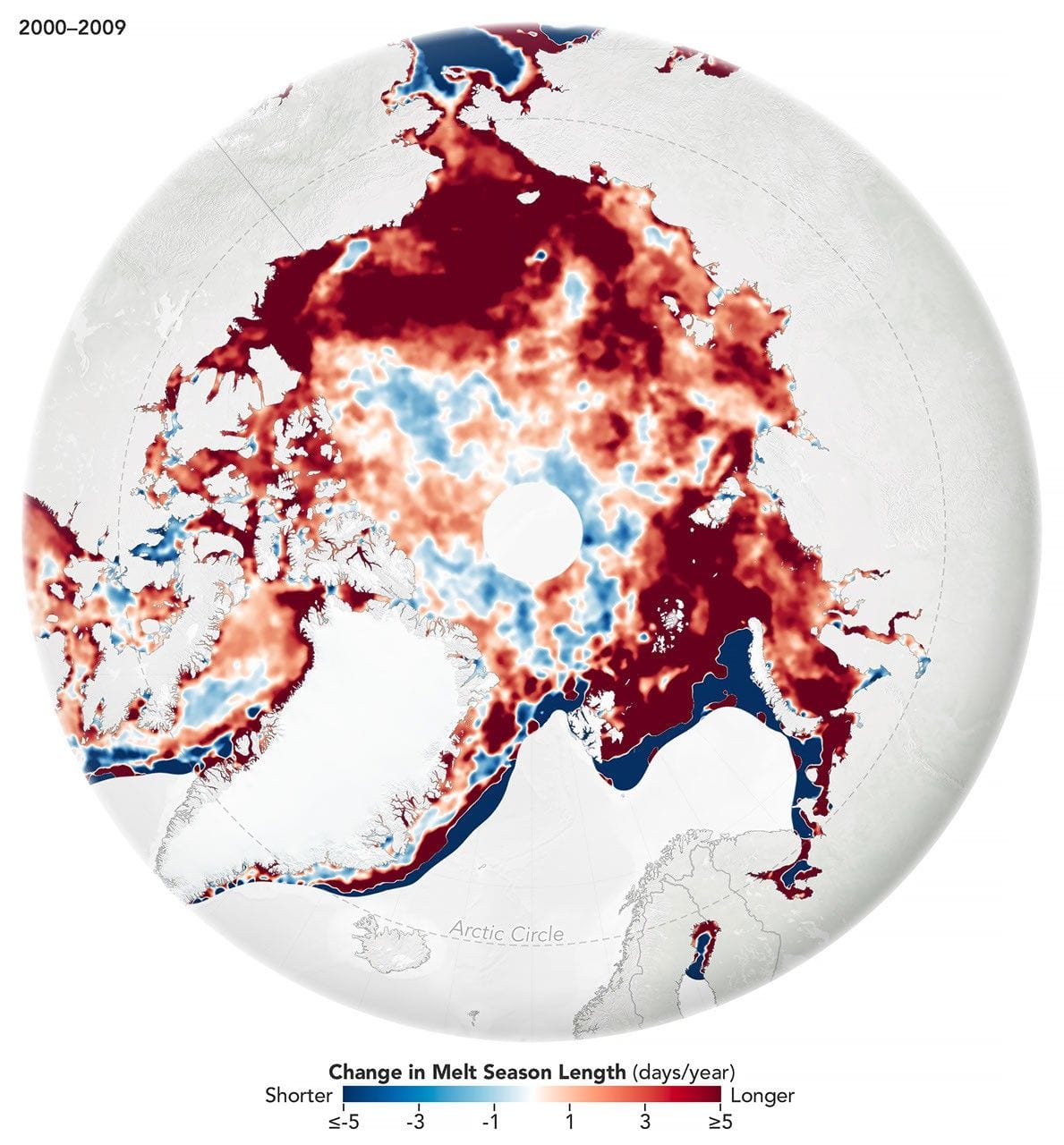
The Arctic sea ice melt season is roughly 40 days longer than it was in 1979, yet its rapid expansion unexpectedly leveled off around 2010. Scientists say changing clouds and increasingly thin ice may explain the pause, but continued Arctic warming could eventually trigger another period of rapid change.
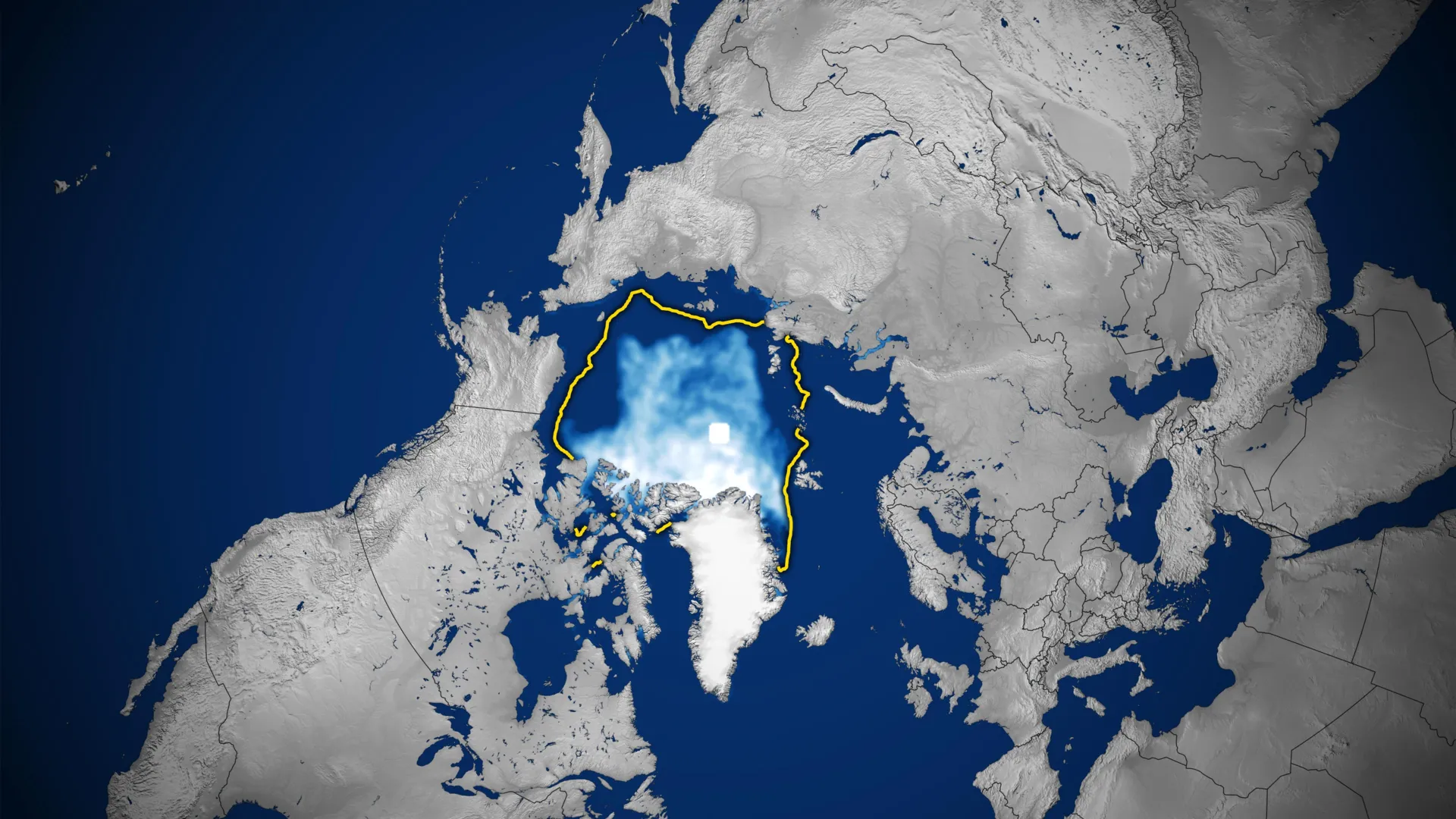
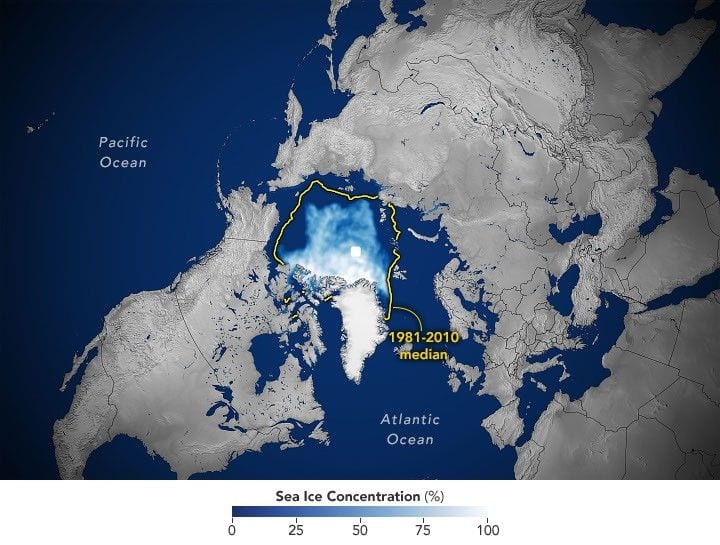
Arctic sea ice reached its annual minimum extent on Sept. 12, according to NASA and the National Snow and Ice Data Center (NSIDC) at the University of Colorado Boulder. The ice covered an estimated 1.78 million square miles (4.6 million square kilometers), tying 2008, 2010, and 2025 for the 10th-lowest minimum in the satellite record. […]
NATO and the European Union welcome accord that ends months-long standoff after Trump threatened to seize Greenland.
The defence deal signed at the UN General Assembly also re-affirms Denmark's sovereignty over its semi-autonomous Arctic territory.
The United States, Denmark and Greenland are set to sign a security agreement Tuesday expanding US involvement in Greenland’s defence while affirming Danish sovereignty over the Arctic territory.
While the sea ice melt season has lengthened dramatically in most of the satellite era, the trend unexpectedly stabilized around 2010.
The rally followed a U.S.-Denmark-Greenland security pact aimed at expanding the military presence on the Arctic territory.
Defence and tech companies have been taking part in annual exercises in Norway.
Trump has wanted a foothold in Greenland for some time, as a strategic battle unfolds for supremacy in warming Arctic.