World
Denmark says ‘binding’ US deal on Greenland won’t compromise sovereignty
Trump has wanted a foothold in Greenland for some time, as a strategic battle unfolds for supremacy in warming Arctic.
International news in seven languages
Topic
Trump has wanted a foothold in Greenland for some time, as a strategic battle unfolds for supremacy in warming Arctic.
Not so long ago, inhabitants of Greenland feared that the US was preparing to invade, after US President Donald Trump repeatedly claimed the US wanted to control the Arctic territory. But Trump now says he has struck a deal with Denmark to give Washington "permanent control" over Greenland's security, while ensuring the territory remains firmly in the hands of Denmark. Denmark and Greenland have both hailed the deal, but its exact terms remain unclear. Details by FRANCE 24 correspondent in Washington, Fraser Jackson.
Shipping routes opened by climate change mean more industrial pollutants in the air The gradual reduction in Arctic ice has started to open up new shipping routes, with marine traffic increasing by about 40% over the past 12 years. All these ships leave trails of pollutants in the air, which are already having a measurable climate effect. Aerosol particles in engine exhaust act as nuclei for water droplets, promoting cloud formation. Like aircraft, ships may leave contrails behind them in the sky. Continue reading...
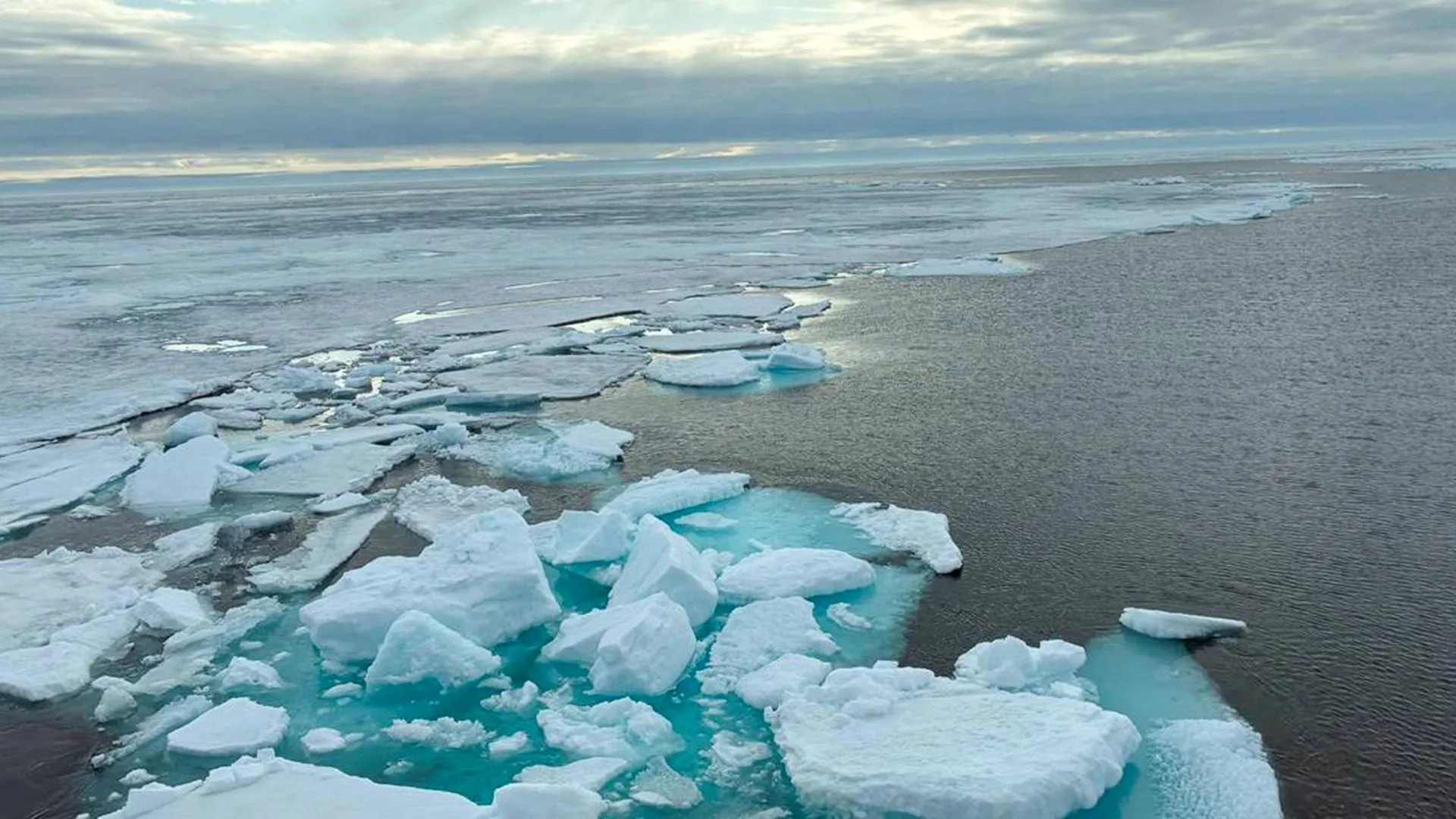
Scientists have found that Arctic cyclones become especially destructive when several strike one after another. These storm clusters cause about twice as much sea ice loss as isolated cyclones, with impacts that persist roughly two and a half times longer. As Arctic ice becomes thinner and weaker, the damage from these storms appears to be increasing, potentially creating a feedback loop that accelerates future ice loss.
Russia's aggression, Trump's threats against Greenland and the race for critical raw materials are pushing the Arctic to the top of Europe's agenda.
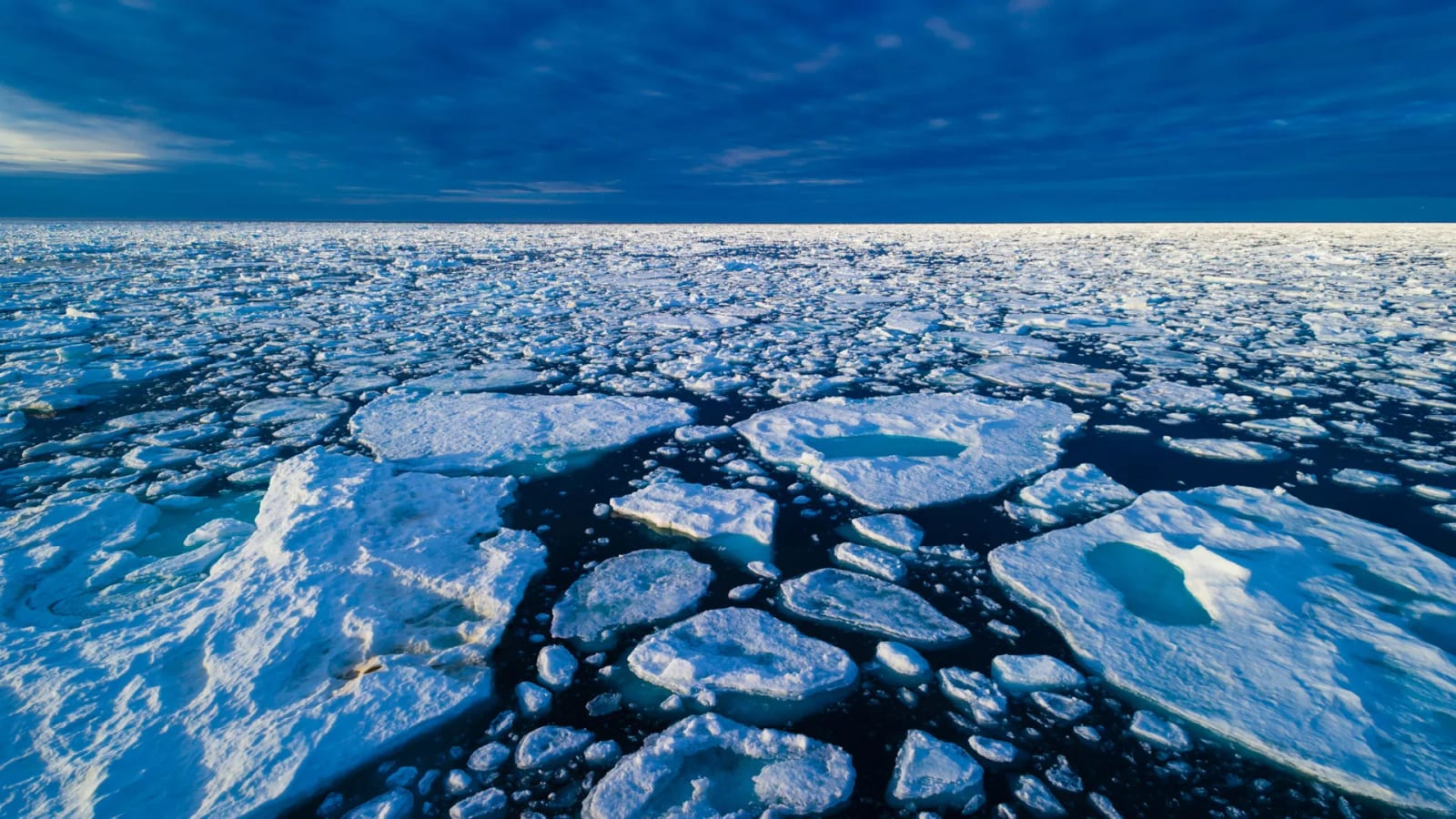
Arctic sea ice may move in unexpected ways because individual ice floes are constantly colliding and transferring energy. Researchers found that this simple process can explain several long-standing mysteries about how quickly the ice moves and spreads.