Advertisement
Advertisement

Science

Scientists confirm global warming is accelerating faster than ever recorded

Earth is warming faster than ever recorded, with scientists detecting a major acceleration in global temperatures since around 2015. A new study reveals that the warming rate has surged to approximately 0.35°C per decade, nearly double the average pace observed from 1970 to 2015. After removing natural climate fluctuations, researchers confirmed the acceleration with more than 98% statistical confidence.

Scientists discover why chronic back pain feels so personal

A surprising discovery at UC San Diego suggests that chronic lower back pain may become deeply embedded in the brain's sense of personal identity. Researchers found that movement-triggered pain activates a brain network associated with self-awareness and memories, even though ordinary acute pain typically shuts this network down. This unexpected difference could explain why conventional pain medications often provide limited relief and why fear, anticipation, and past experiences can intensify chronic pain.

A mysterious star system just 16 light-years away may be hiding habitable planets

Astronomers have solved a 170-year-old planetary mystery in a nearby two-star system, discovering that a mysterious wobble was caused by stellar activity rather than a giant planet. Although Jupiter-sized worlds have been ruled out in key regions, smaller, potentially habitable planets could still be waiting to be discovered just 16 light-years from Earth.

Physicists created a tiny universe and watched time emerge without a clock

Scientists have created a miniature universe in the laboratory that could help answer one of the biggest mysteries in physics: What is time, and where does it come from? Using 24,000 ultracold atoms, a University of Birmingham researcher built an isolated quantum system that repeatedly expands and contracts, mimicking the Big Bang and a possible Big Crunch. Remarkably, the experiment showed that time could emerge from changes happening inside the system, without relying on an external clock.

Hubble reveals a stunning twist in how the universe emerged from darkness

A surprising discovery by astronomers using the Hubble Space Telescope is challenging a leading explanation for how the early universe emerged from a dense fog of hydrogen roughly 13 billion years ago. Scientists once believed powerful winds from exploding stars helped radiation escape galaxies and clear that cosmic fog, but new observations reveal that these winds actually block radiation instead.

Scientists reveal a hidden snakebite crisis killing up to 513,000 people a year

A startling new study suggests that venomous snakebites are killing far more people worldwide than official statistics indicate, with an estimated 274,000 to 513,000 deaths every year. Researchers found that as many as 7 million people could suffer snake envenoming annually, while more than 800,000 survivors are left with long-term disabilities.

Scientists discover mysterious seahorse lookalikes that no one has ever seen alive

Scientists have discovered that three bizarre deep-sea fish that look exactly like seahorses actually belong to a separate evolutionary group, proving that nature created the same unusual body shape more than once. Nicknamed "sea muppets," these elusive creatures are known from just seven specimens, and no one has ever seen one alive.

Type 2 diabetes breakthrough as 54% achieve remission in just 6 months

A promising new study suggests that more than half of younger adults with type 2 diabetes could achieve remission in just six months through a combination of a low-calorie diet and structured exercise. Researchers found that 54% of participants under age 45 who followed an intensive diet and exercise program achieved remission, compared with just 4% receiving usual care.

Advertisement

A computer scientist breaks through a limit that stood since 1996

A computer scientist has achieved a breakthrough in a nearly 25-year-old problem involving how computers calculate distances across enormous networks. The new algorithm delivers more reliable estimates for closely connected points without sacrificing speed, overcoming a longstanding limitation of earlier methods. Its secret lies in a smarter way of sampling network connections at multiple scales.

The asteroid killed the dinosaurs. Why did crocodiles survive?

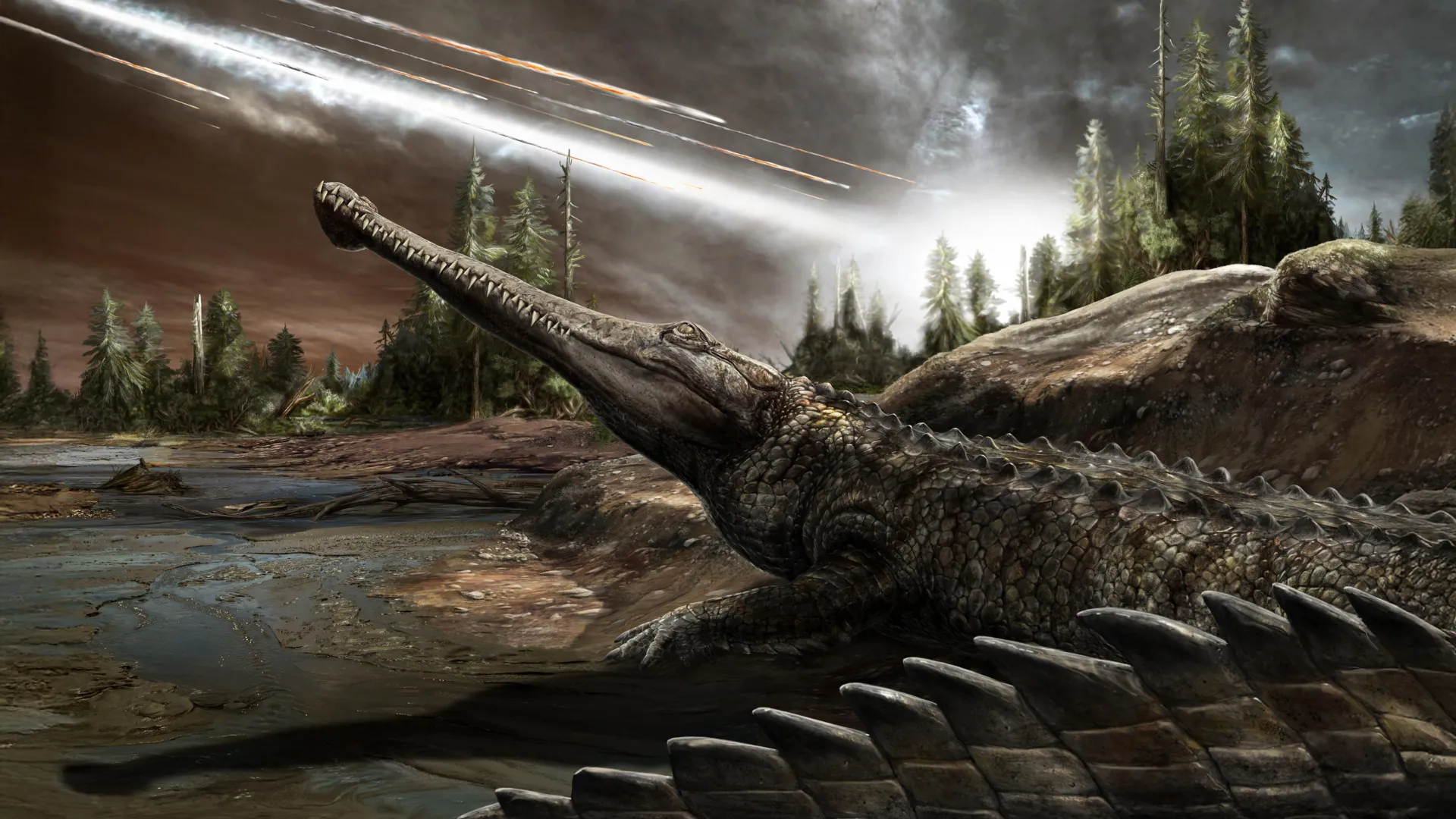
Scientists may have solved a 66-million-year-old mystery: how crocodiles survived the asteroid that wiped out the dinosaurs. A sweeping analysis of fossils and ancient climates suggests that their preference for warm environments placed them in tropical refuges that remained habitable even after the catastrophic impact.

Astronauts just gave the International Space Station a powerful upgrade

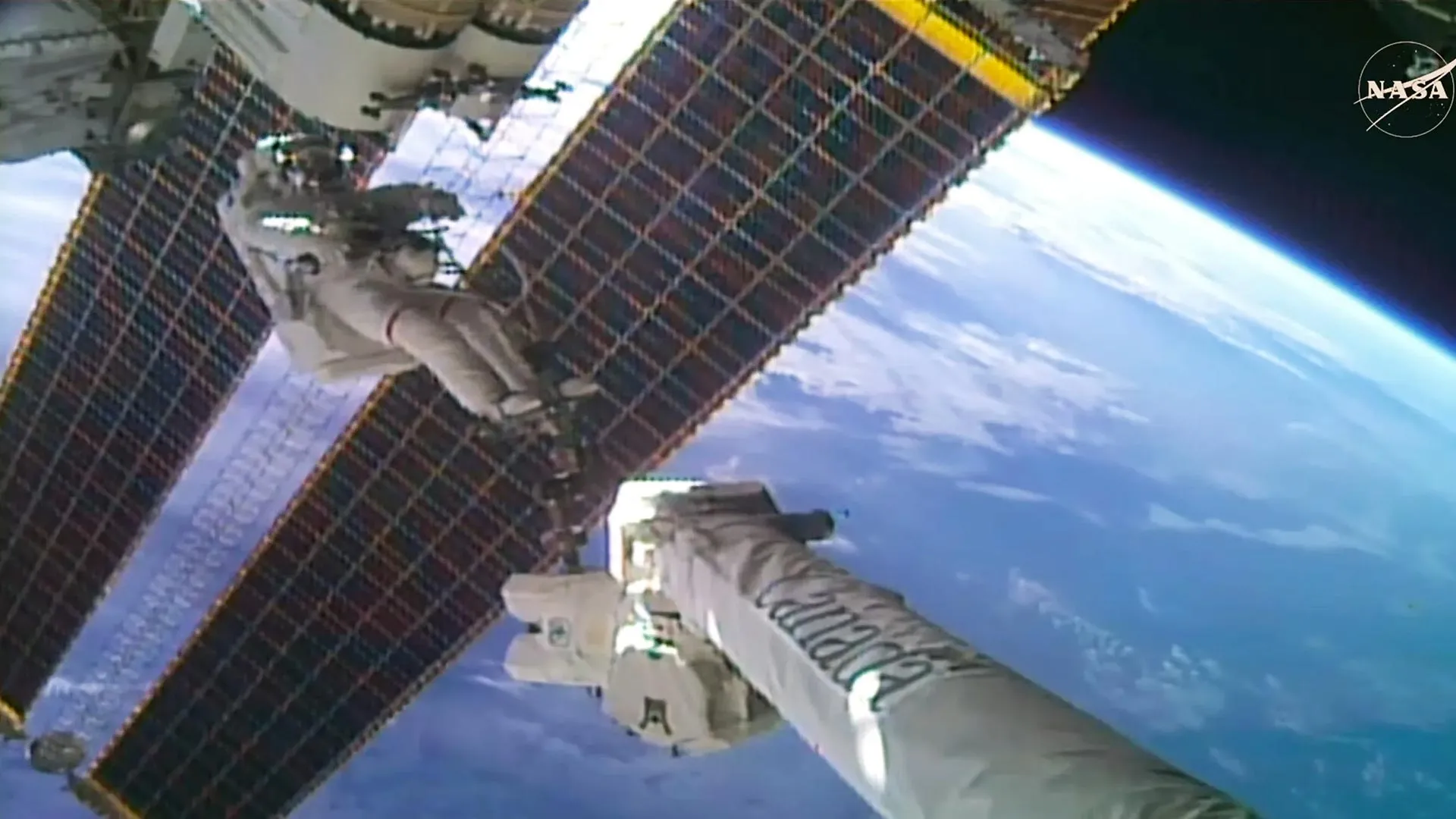
Two astronauts completed a 7-hour, 11-minute spacewalk to install a new solar array on the International Space Station, bringing NASA one step closer to a major power upgrade. Once the final array is installed on November 5, the station will have up to 30% more available power, supporting critical operations and its eventual controlled deorbit.

November’s Night Sky Notes: Light-Day Away

Twin Travelers In 1977, NASA launched twin spacecraft Voyager 1 and 2, taking advantage of a once-every-175-year planetary alignment of the four largest planets in our solar system: Jupiter, Saturn, Uranus, and Neptune. Using six gravity assists between them, this Grand Tour gave us up-close views of the gas and ice giants, including several moons. […]

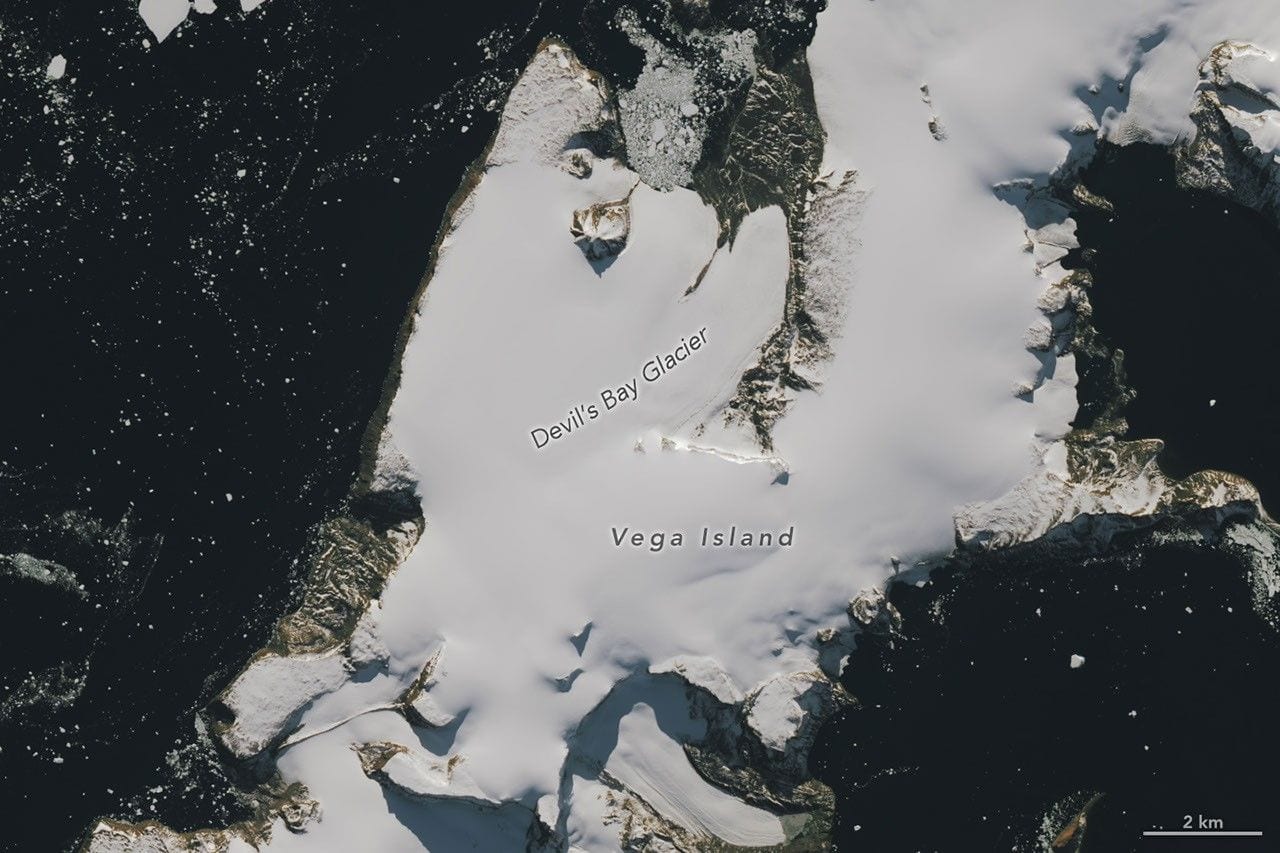
Vega Island Frozen in Fright

The sight of an icy skull-like visage on the Antarctic island could make one’s blood run cold.

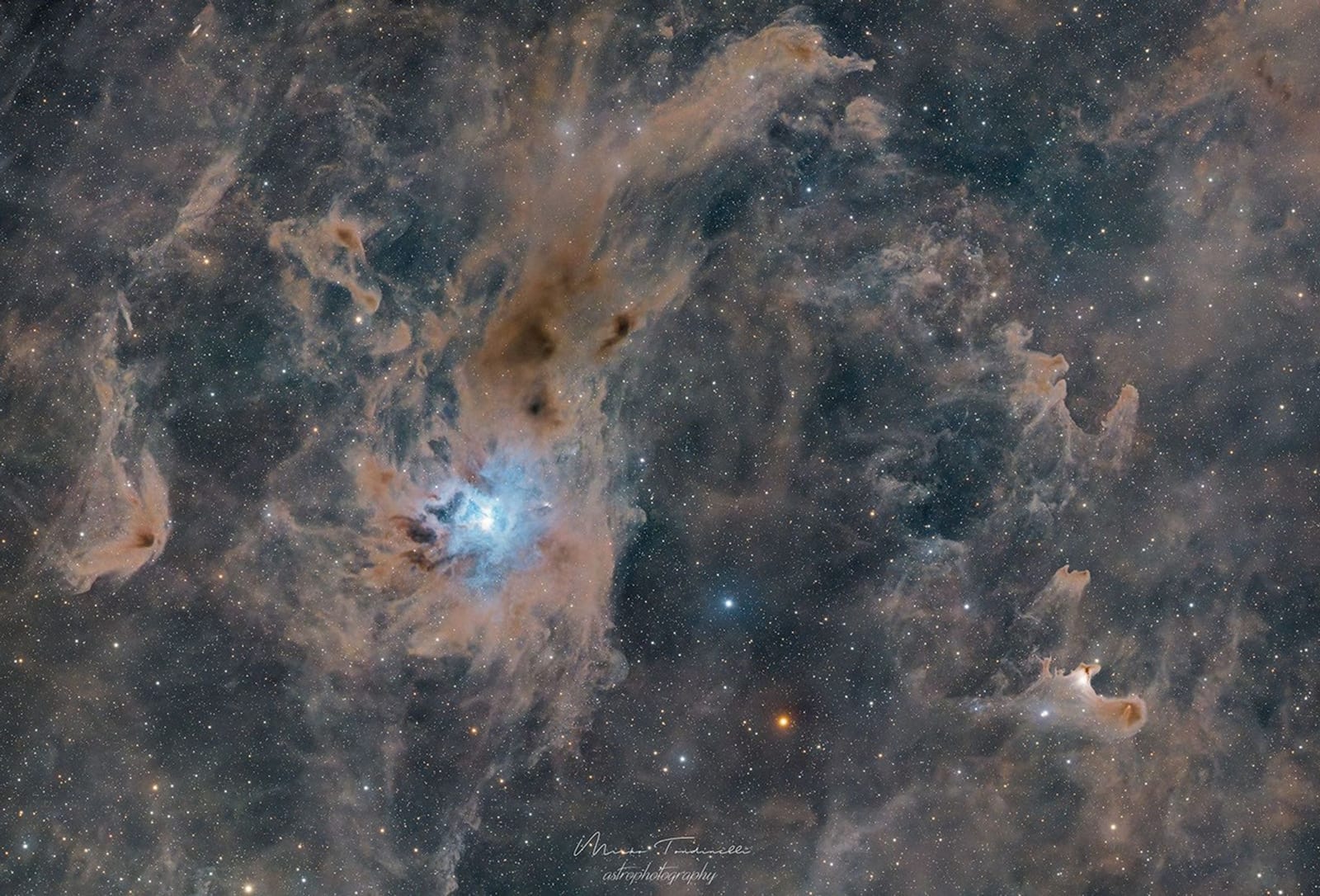
APOD: 2026 October 30 – Haunting the Cepheus Flare

APOD Science APOD APOD: 2026 October 30 –… Today’s APOD Archive Submissions Index Search Calendar RSS Education About Discuss APOD Astronomy Picture of the Day Discover the cosmos! Each day a different image or photograph of our fascinating universe is featured, along with a brief explanation written by a professional astronomer. Haunting the Cepheus […]

Advertisement

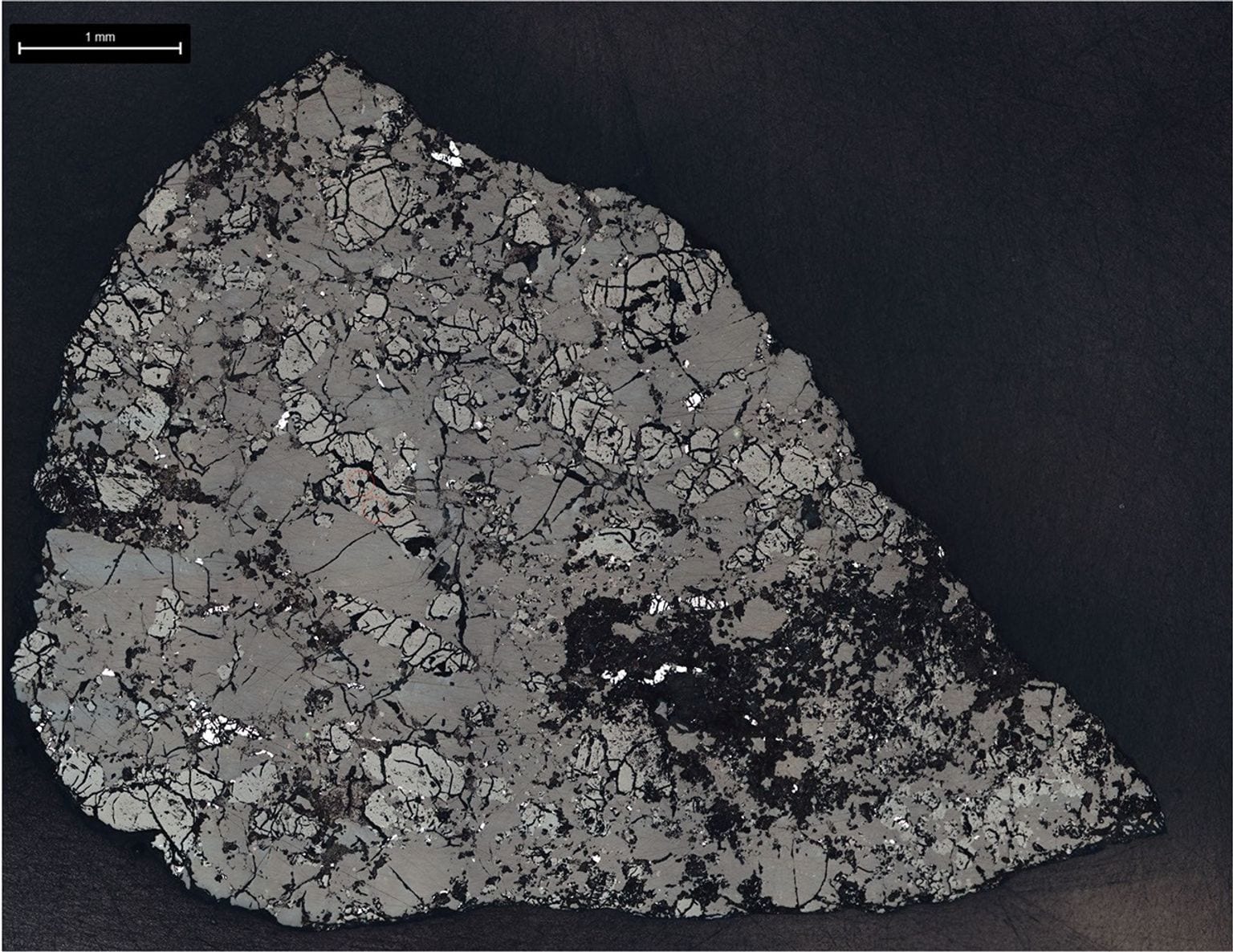
Slice of Martian Meteorite Teghaza 001

Description This slice of Teghaza 001, one of the most ancient Martian meteorites ever found on Earth, was used to determine the age of the rock. Reflected light images like these serve as a scientist’s road map, helping them find minerals of interest to analyze by different instruments. Figure A is the same image with […]

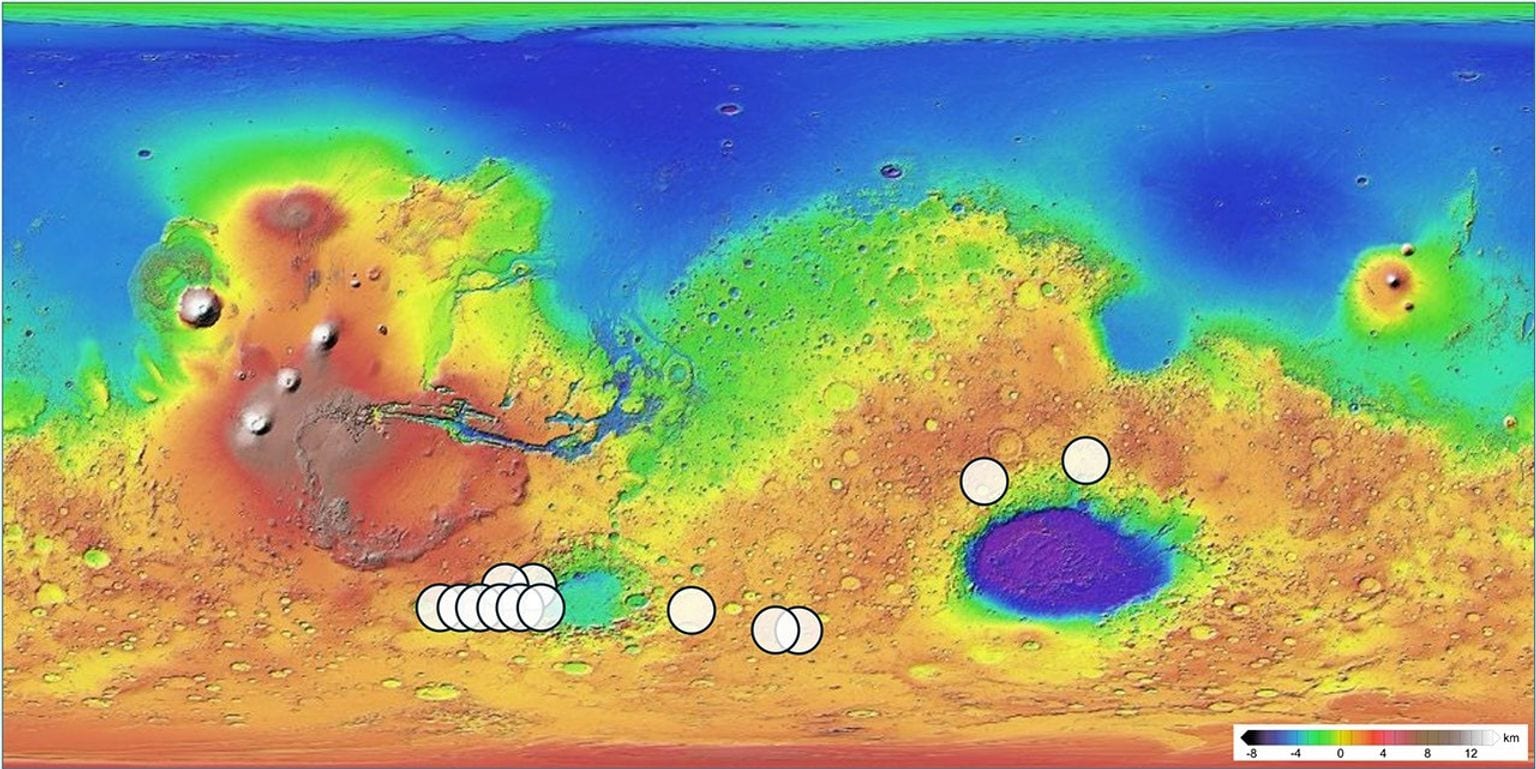
Map Showing Potential Origins of Martian Meteorite Teghaza 001

Description This global map of Mars shows 13 locations that match the mineralogy and chemistry of Teghaza 001, one of the most ancient Martian meteorites ever found on Earth. While scientists can never know for sure where a Martian meteorite originated, Teghaza 001 includes clues that link it to highlands in the southern hemisphere of […]