Advertisement
Advertisement

Science

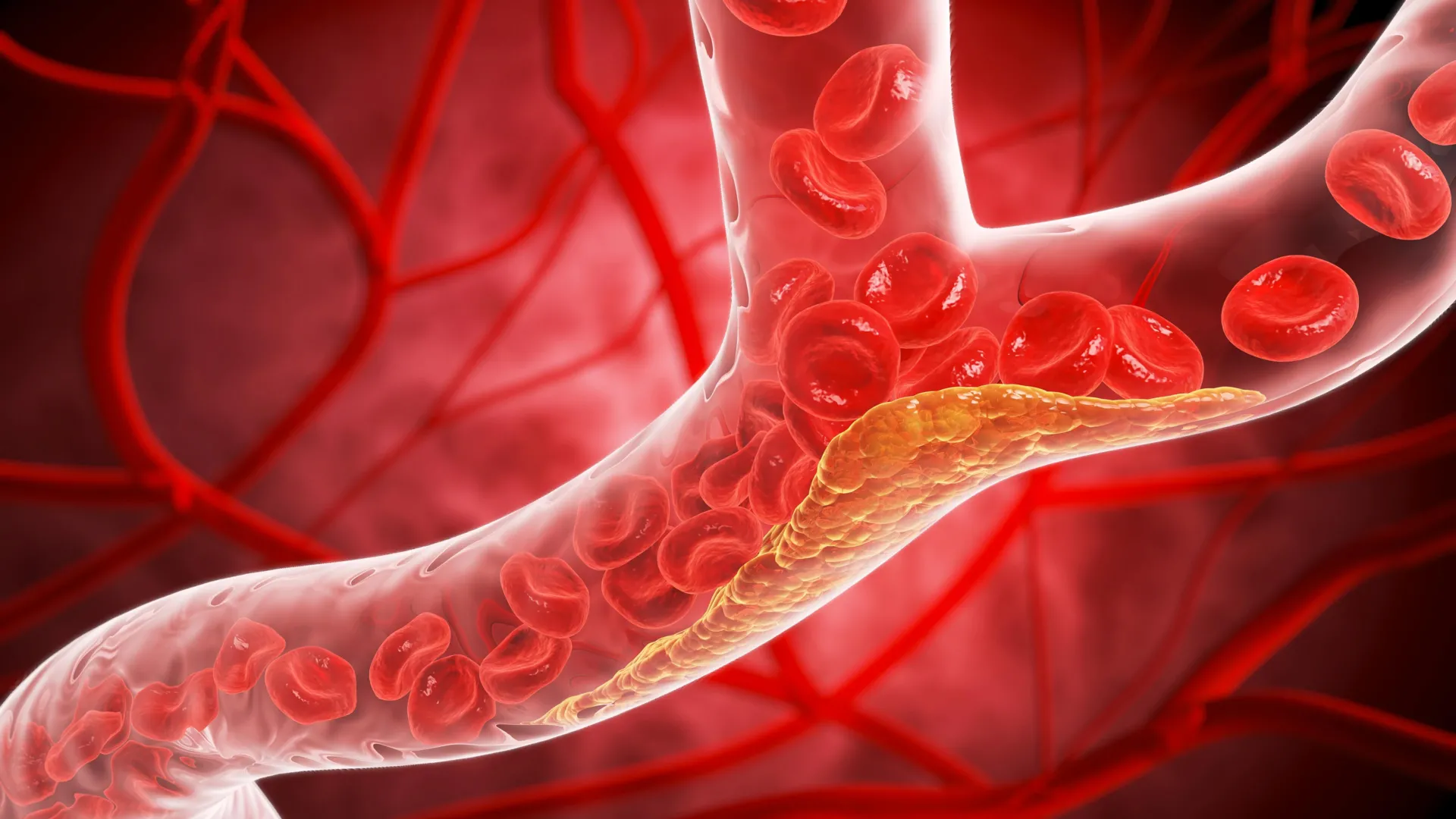
Scientists discover a hidden driver of high cholesterol and a way to stop it

Scientists have uncovered a hidden mechanism that allows high-cholesterol diets to undermine the body's natural cholesterol defenses, and blocking it dramatically lowered harmful LDL cholesterol in mice. Even more promising, an experimental drug targeting this pathway has already passed an early human safety trial, potentially speeding the development of a new treatment for high cholesterol.

Scientists say a forgotten particle may explain why the universe exists

A mysterious particle overlooked for decades may hold the key to why matter survived the Big Bang, allowing stars, planets, and life to exist. Scientists believe this forgotten neutrino reshaped the early universe and may have left detectable gravitational wave signals that could help unlock the cosmos’s deepest mysteries.

A surprising vitamin A discovery is changing what scientists know about vision

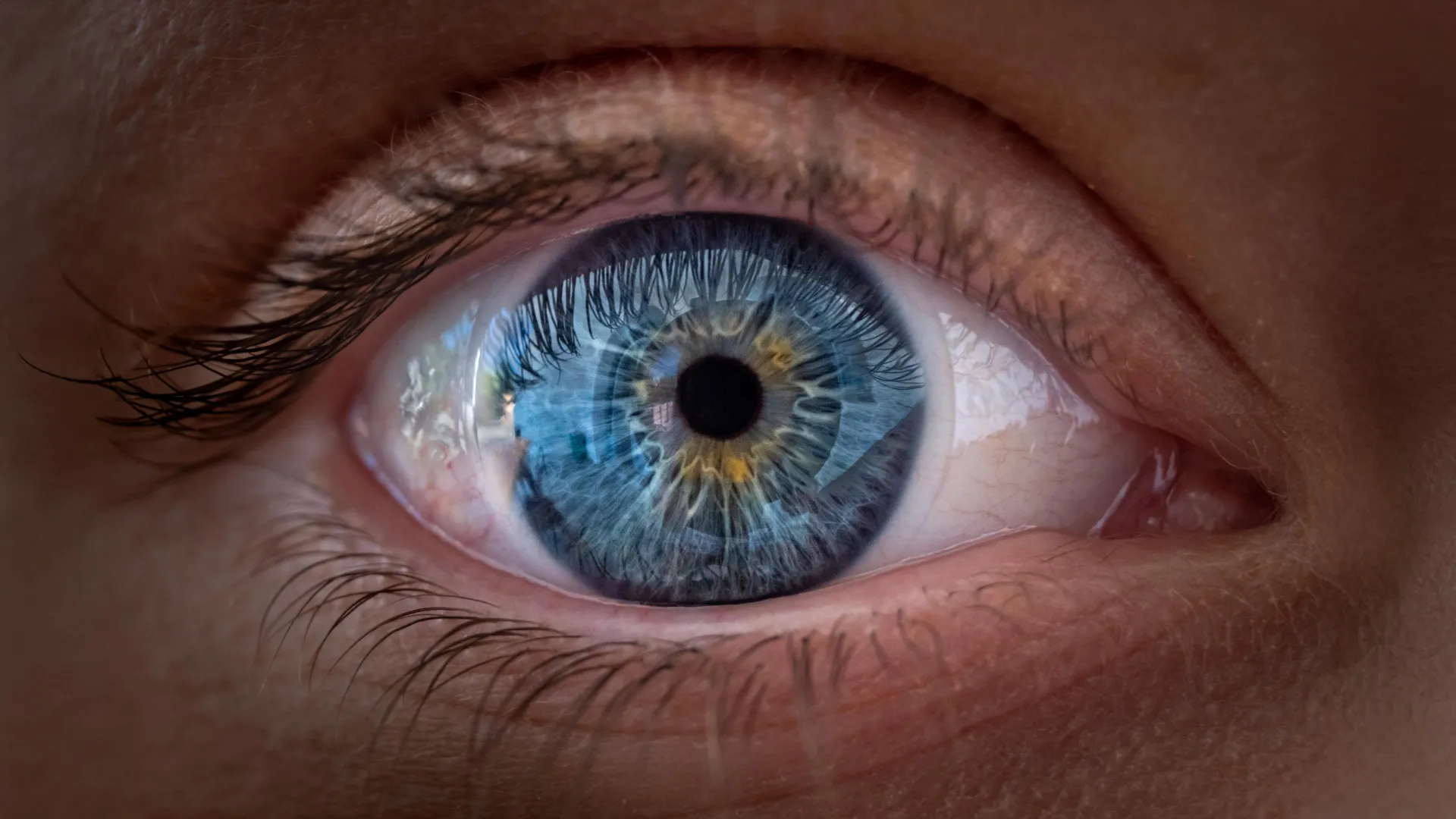
Scientists at Johns Hopkins University have uncovered a surprising process that helps humans develop sharp vision before birth, challenging decades of assumptions about how the eye forms. Using miniature human retinas grown in the lab, researchers discovered that a vitamin A derivative and thyroid hormones work together to shape the foveola, the tiny region at the center of the retina responsible for our sharpest vision.

Scientists discover a bacterial defense so strange they thought it was broken

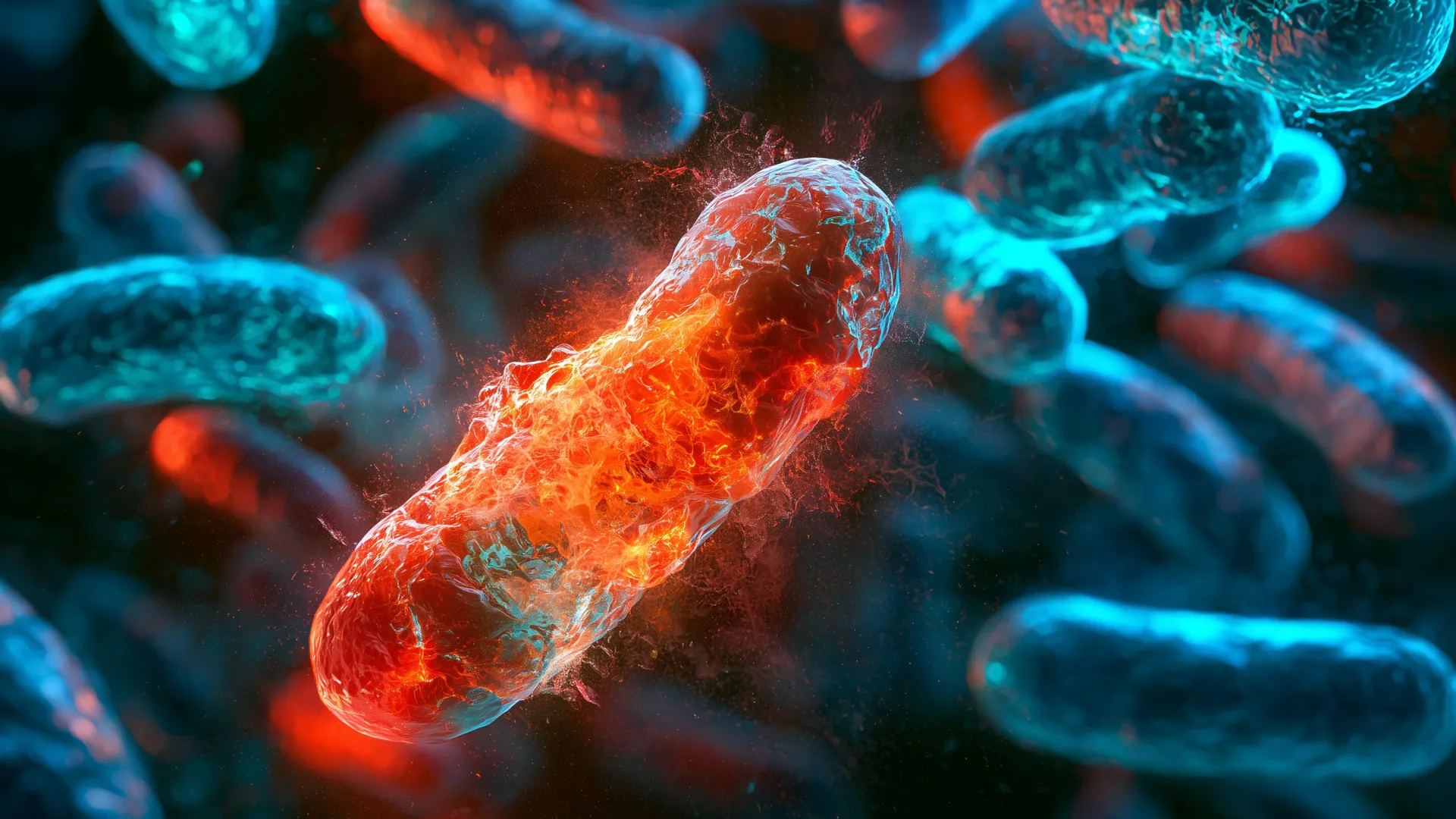
Scientists have discovered a bizarre bacterial defense system that works almost completely backward from anything seen before. Unlike typical bacterial immune systems that keep a deadly toxin under control until a virus attacks, this unusual mechanism waits until an infection begins before producing the DNA that switches on its lethal weapon. The infected bacterium then destroys itself, preventing the virus from multiplying and spreading to neighboring cells.

75,000-year-old Neanderthal may have been killed by a spear aimed at the heart

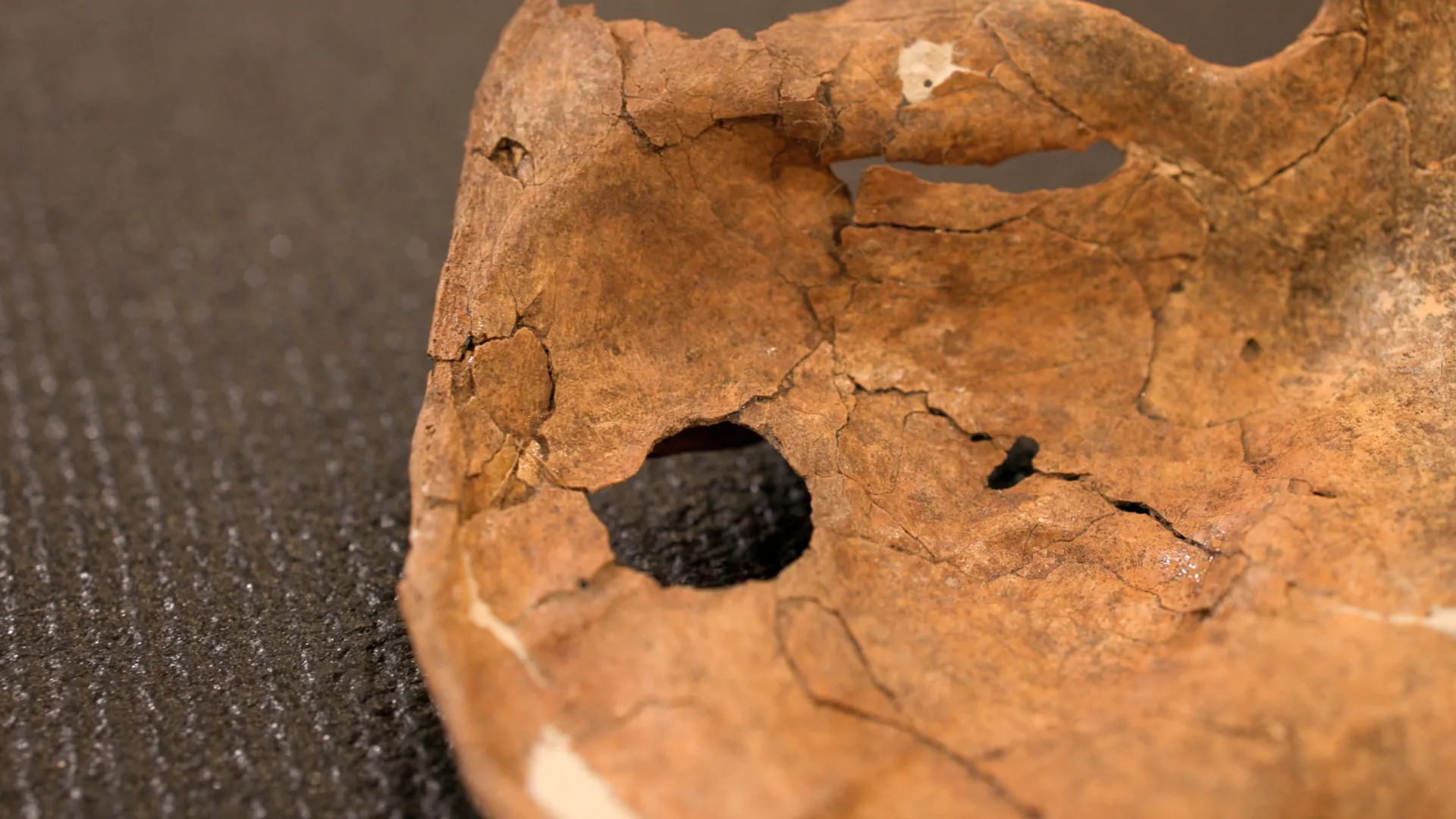
A Neanderthal who died 75,000 years ago may have been killed by a wooden spear deliberately aimed at the heart, revealing rare evidence of prehistoric violence. A circular hole in the shoulder blade suggests the weapon pierced the chest and caused a rapidly fatal injury. Surprisingly, the same individual had survived an earlier devastating facial injury, suggesting other Neanderthals provided care and support.

Scientists discover metals that defy the deep freeze at -424°F

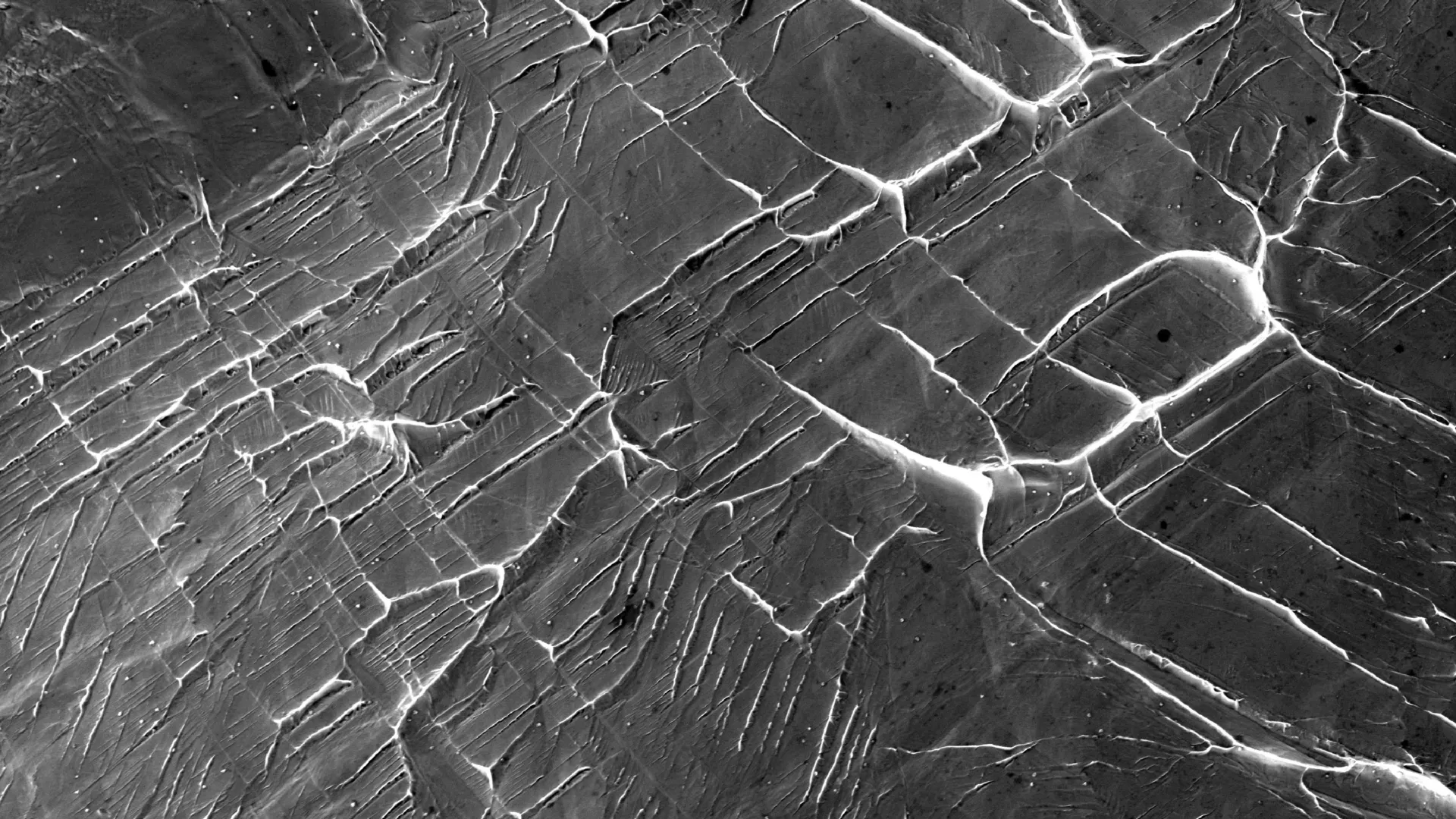
Scientists have discovered a surprising mechanism that allows certain metals to resist cracking at temperatures as low as -253°C (-424°F), when similar materials typically become dangerously brittle. Instead of breaking, two experimental alloys reorganize their internal structures, creating new ways to absorb stress and remain flexible.

Advertisement

A simple blood test could reveal Alzheimer’s risk 10 years before symptoms

A major international study found that a simple blood test could help predict Alzheimer’s-related cognitive decline years before symptoms appear, with the highest-risk individuals facing a 38% chance of impairment within five years and an estimated 78% chance within 10 years. Scientists believe the discovery could pave the way for earlier intervention and future treatments designed to prevent Alzheimer’s before memory problems begin.

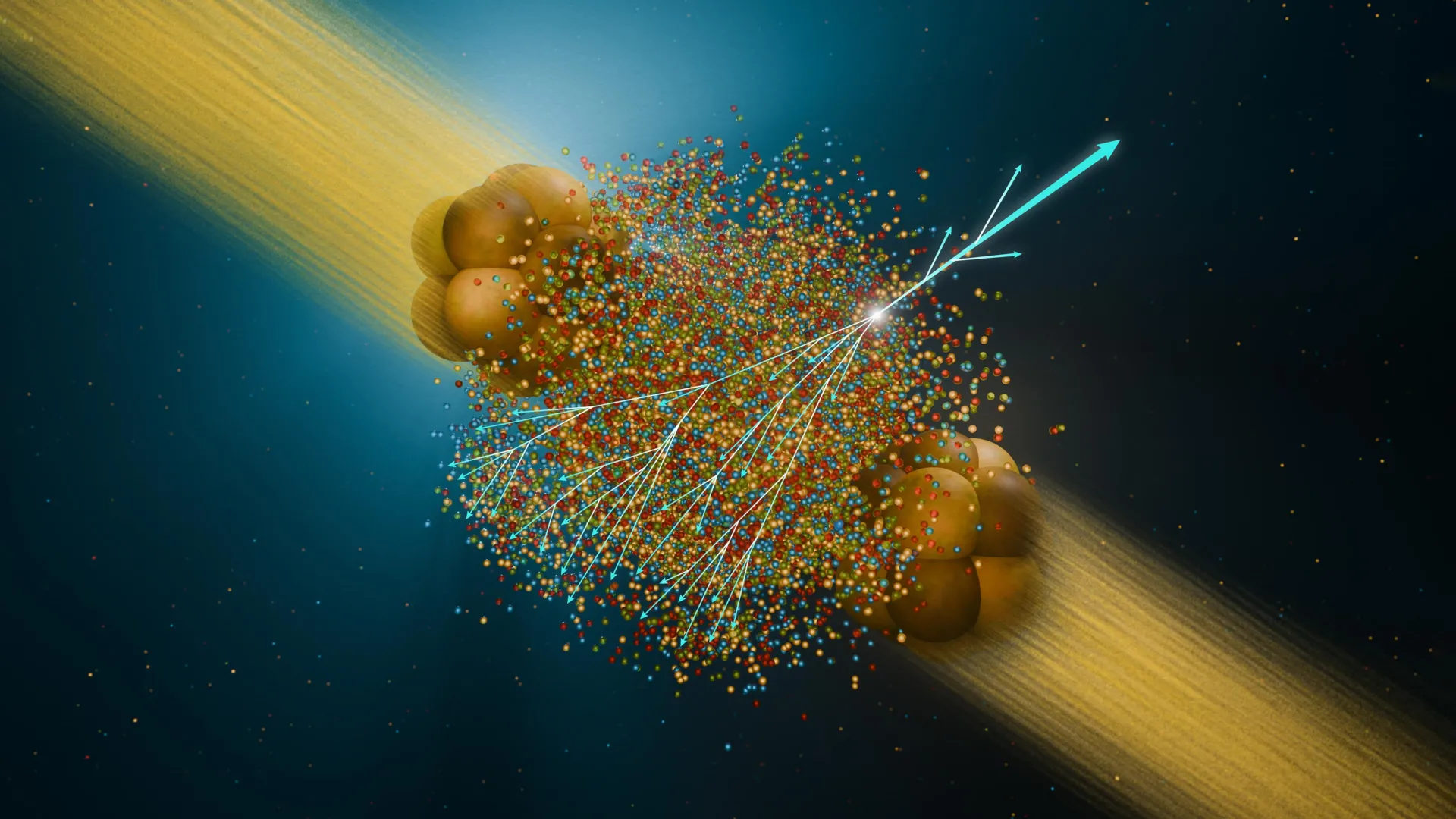
Scientists smash oxygen nuclei to recreate matter from the Big Bang

Scientists have recreated a primordial state of matter from the dawn of the universe by colliding oxygen nuclei at nearly the speed of light. The surprising results show that this exotic substance can form in smaller, lower-energy collisions than previously demonstrated, challenging the known boundaries of early-universe physics.

A mysterious 4,000-year-old wall is rewriting North Africa’s history

A remarkable 4,000-year-old defensive structure discovered in Morocco is rewriting what scientists thought they knew about ancient North African civilizations. The massive fortifications reveal unexpectedly sophisticated prehistoric societies and suggest that the region played a much greater role in Mediterranean history than previously recognized.

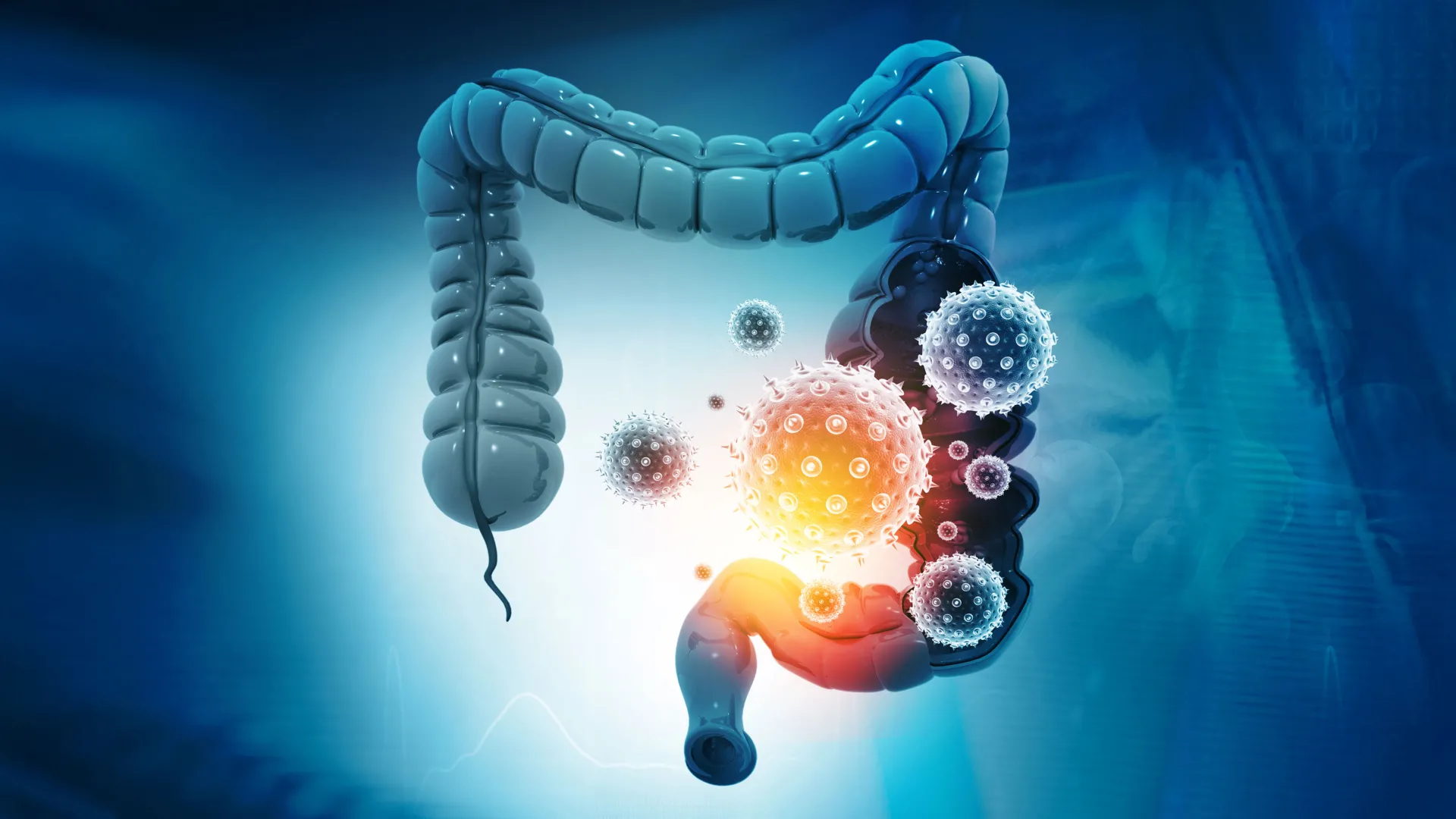
Scientists finally discover how a common gut bacterium can trigger colon cancer

Scientists at Johns Hopkins have uncovered a crucial missing link between a common gut bacterium and colorectal cancer, solving a mystery that has puzzled researchers for nearly two decades. The bacterium, Bacteroides fragilis, produces a toxin that damages the colon’s protective lining, triggers chronic inflammation, and promotes tumor formation.

APOD: 2026 October 31 – Night on a Spooky Planet

APODScienceAPODAPOD: 2026 October 31 –…Today’s APODArchiveSubmissionsIndexSearchCalendarRSSEducationAboutDiscuss APOD Astronomy Picture of the Day Discover the cosmos! Each day a different image or photograph of our fascinating universe is featured, along with a brief explanation written by a professional astronomer. Night on a Spooky Planet Explanation: What spooky planet is this? Planet Earth on a dark and […]

Video
Advertisement

NASA Releases MAX POWER Key Events for Media, Participants

America’s newest aerospace expo and air show – MAX POWER – is fast approaching, and NASA has announced key events beginning Friday, Nov. 6, and running through Sunday, Nov. 8, hosted on and near the agency’s Kennedy Space Center in Florida. Through multiple park experiences at MAX POWER, NASA and a variety of external collaborators […]

NASA’s James Webb Space Telescope Captures Eerie Cat’s Head

Intricate structures within the Cat’s Head Nebula are illuminated in this mid-infrared view from NASA’s James Webb Space Telescope released on Oct. 29, 2026. The distinctive “cat’s head” shape of the nebula was likely sculpted over time by the intense ultraviolet radiation and winds from massive stars in the Carina Nebula. As this stellar feedback […]