What makes this golden eagle chick so important?
The bird's arrival on a managed grouse moor in southern Scotland is seen as a key moment for the species.
International news in seven languages
The bird's arrival on a managed grouse moor in southern Scotland is seen as a key moment for the species.
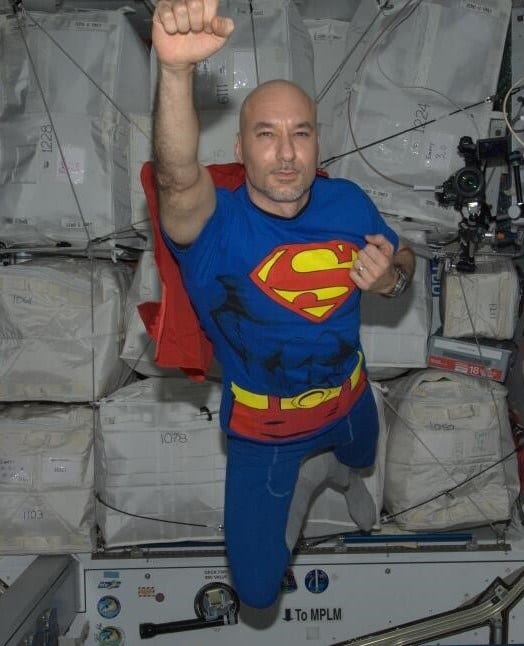
Although no ghouls, goblins, or trick-or-treaters come knocking at the International Space Station’s front hatch, crew members aboard the orbiting laboratory still like to get in the Halloween spirit. Whether individually or as an entire crew, they dress up in sometimes spooky, sometimes scary, but always creative costumes, often designed from materials available aboard the […]
The Quantum-Enabled Predictive Preclinical NAMs for Toxicity and Safety (QuSAFE) Challenge, a collaboration between the National Institutes of Health (NIH) and NASA, advances quantum-enabled sensing for in vitro NAMs, such as organoids and microphysiological systems (MPS), to improve drug safety while reducing animal use. In vitro NAMs, such as organoids and microphysiological systems (MPS), can […]
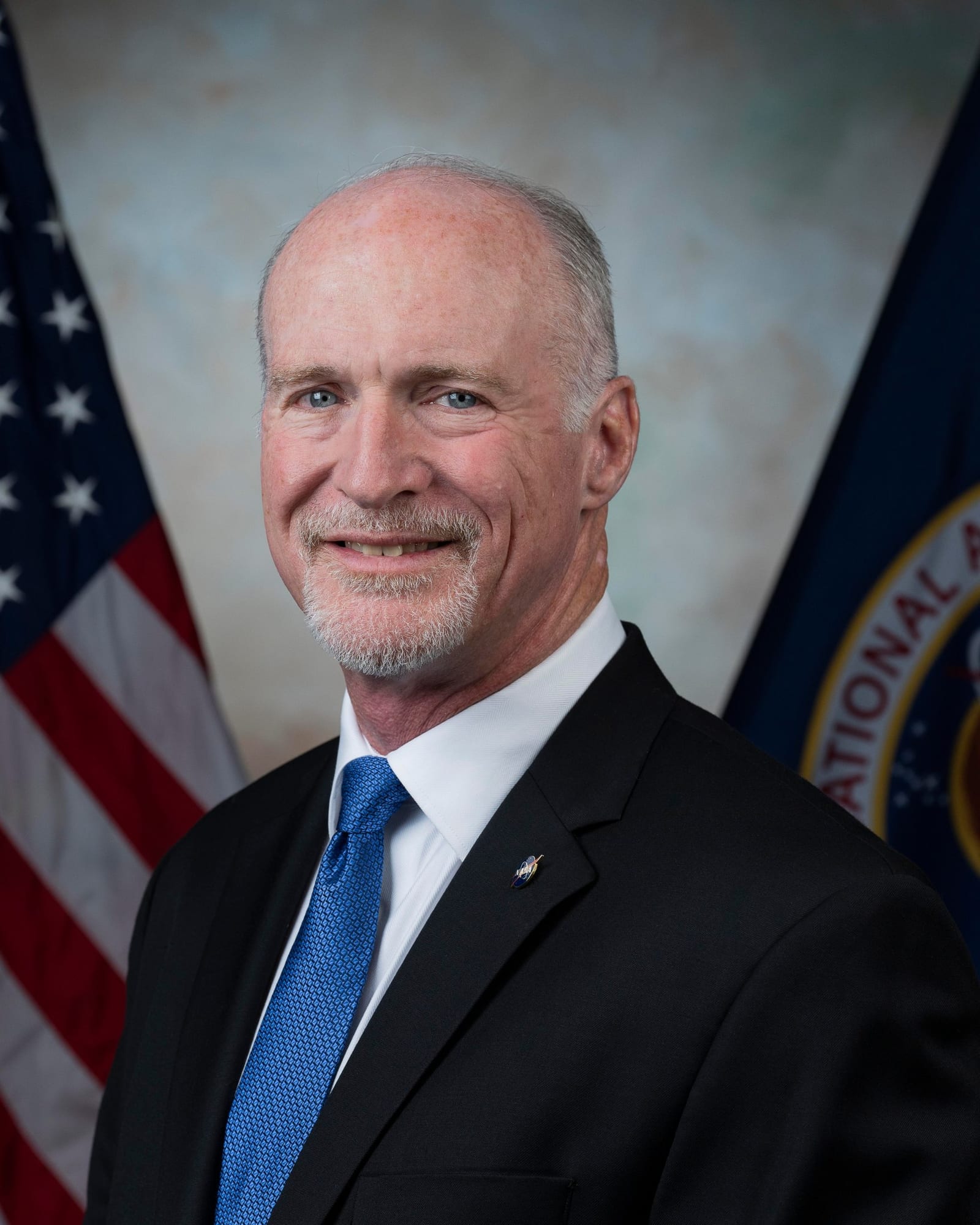
NASA Administrator Jared Isaacman has named Troy Asher director of the agency’s Armstrong Flight Research Center in Edwards, California. Asher, a veteran test pilot and aerospace engineer with decades of experience in flight research and operations, has served as the center’s acting director since March. “Troy has spent his career pushing the boundaries of flight, […]
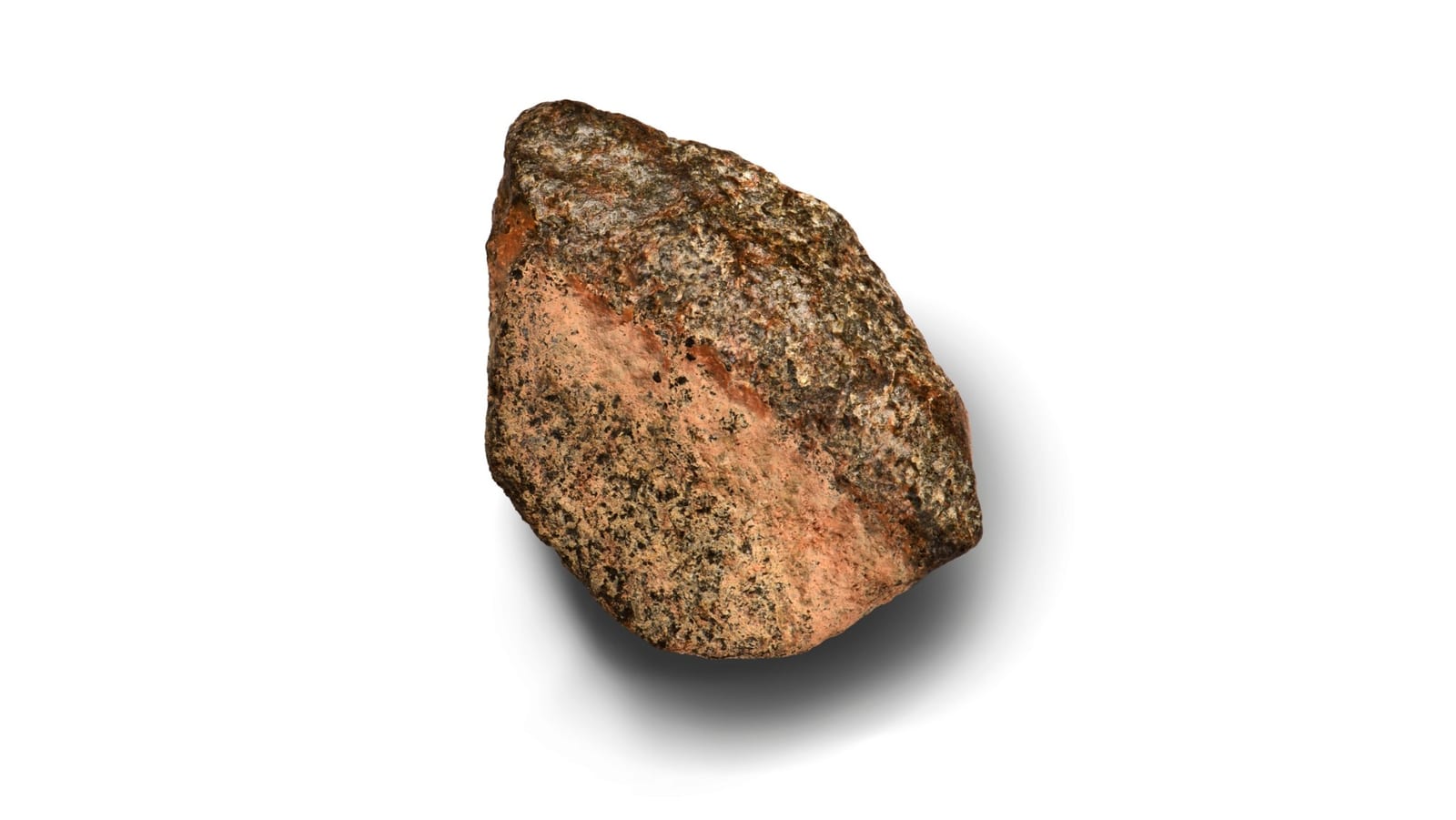
When a rose-colored meteorite was found in the Sahara Desert in 2022, no one knew how old it was or where it came from. Not until NASA-funded scientists age-dated its minerals did they realize the nearly 2-pound (800-gram) rock was a piece of Mars that formed more than 4.1 billion years ago, making it one […]
A number of clips show firefighters celebrating in the rain.
Jared Spiers had an interest in contributing to NASA’s mission long before becoming a civil servant for the agency. Growing up close to NASA’s Stennis Space Center near Bay St. Louis, Mississippi, and hearing about his father’s work there, he gained a firsthand connection to the nation’s space program. Before graduating high school, he knew […]
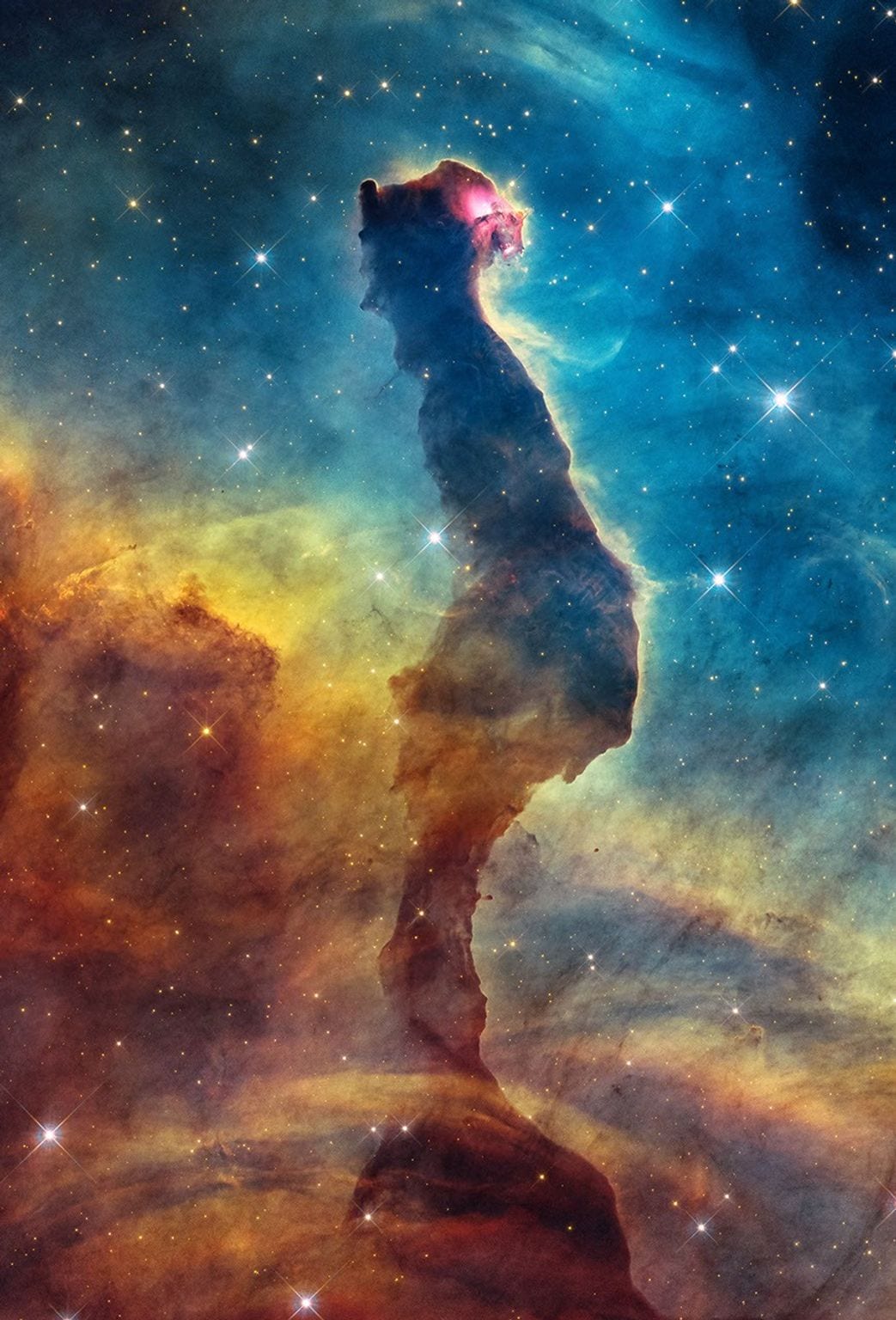
Like a spectral form rising out of a cold mist, NASA’s Hubble and James Webb Space Telescopes have captured a hauntingly dynamic star-forming scene. It lies within the vast Carina Nebula, a diffuse star-forming region located about 7,500 light-years away from Earth. The small, select area both telescopes observed is nicknamed the Cat’s Head Nebula […]
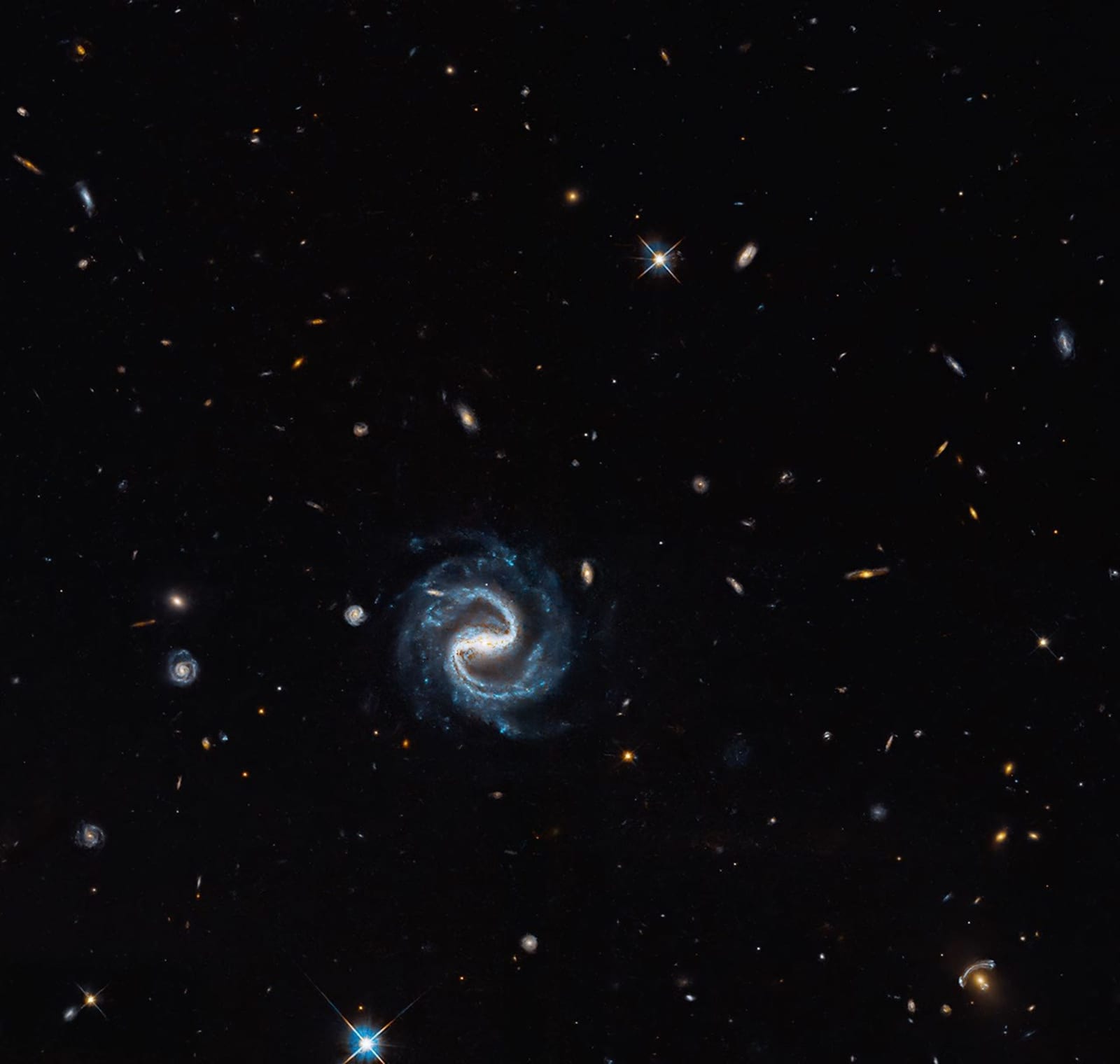
A sweeping barred galaxy takes center stage in this Oct. 22, 2026, image, but the gravitational lensing at bottom right is the real target. This observation is one of many gravitational lensing images taken by NASA’s Hubble Space Telescope in preparation for science with the new Nancy Grace Roman Space Telescope. Astronomers will use these […]
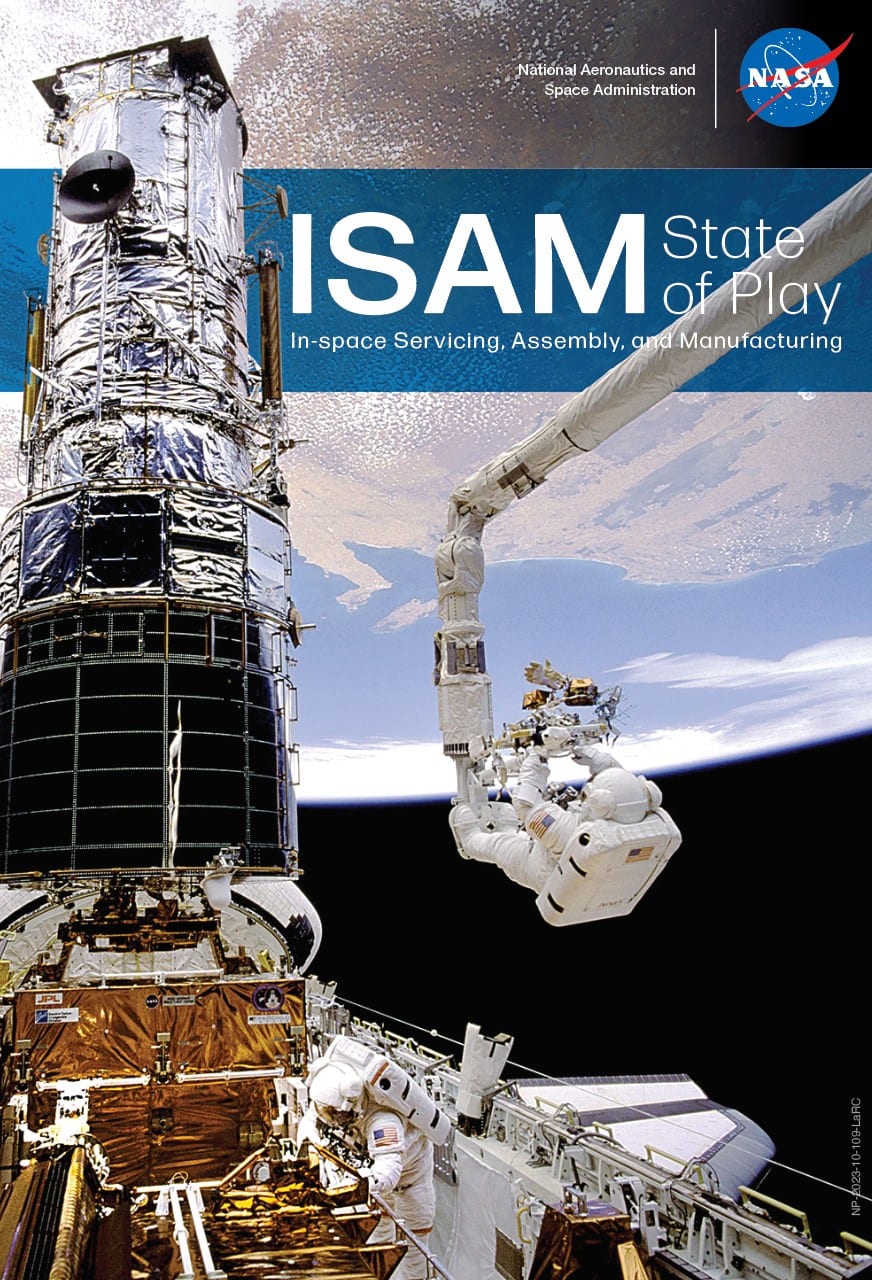
When companies began approaching NASA’s Langley Research Center, asking to be included in the In-Space Servicing, Assembly, and Manufacturing (ISAM) State of Play for access to competitive intelligence, the team knew they had crossed an inflection point. “We’ve had some unnamed companies ask if we have any proprietary information,” says Dale Arney, senior team lead […]
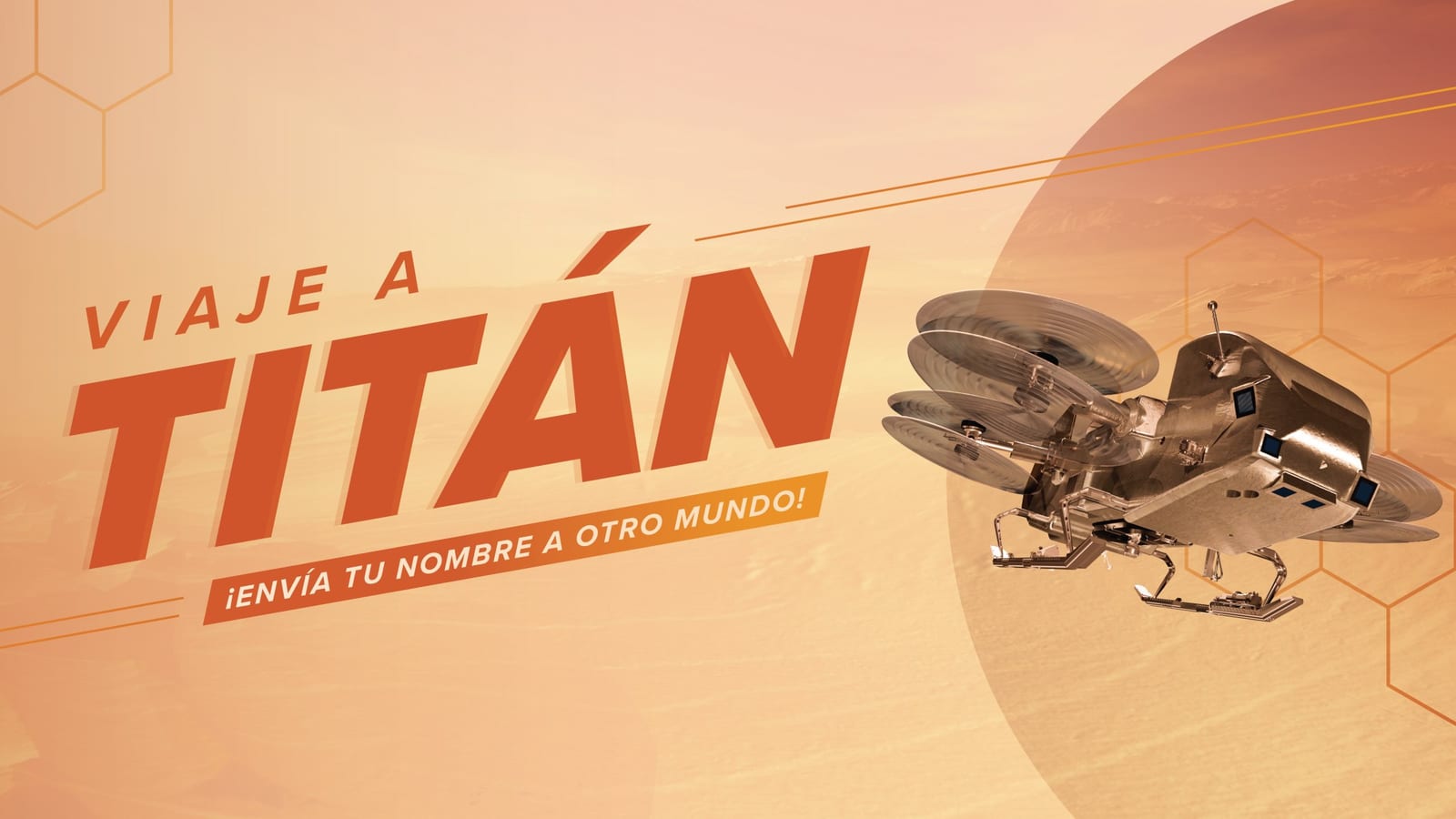
You may never soar under the clouds or over the organic sands of Saturn’s moon Titan, but your name can. NASA is inviting the public to send their names aboard the agency’s Dragonfly rotorcraft and be part of the first science mission to fly and explore the surface of another world. To have your […]
Read this release in English here. Puede que nunca llegues a surcar los cielos bajo las nubes o sobre las arenas orgánicas de la luna Titán de Saturno, ¡pero tu nombre sí puede hacerlo! La NASA invita al público a enviar su nombre a bordo de la aeronave de ala giratoria Dragonfly de la agencia […]
Scientists have identified a weakened brain signal that may connect several seemingly unrelated symptoms of schizophrenia, including sensory processing difficulties, disorganized speech, and greater symptom severity. The surprising discovery could help explain the disorder's underlying mechanisms and potentially lead to earlier detection and new treatments.
Cranberry juice may offer an unexpected benefit beyond its reputation for helping prevent urinary tract infections: protecting teeth from decay. Researchers at the University of Illinois Chicago discovered that pure, unsweetened cranberry juice slowed the regrowth of dental plaque bacteria and reduced their production of acids that damage tooth enamel. The secret may lie in naturally occurring compounds called proanthocyanidins, which interfere with harmful bacteria.
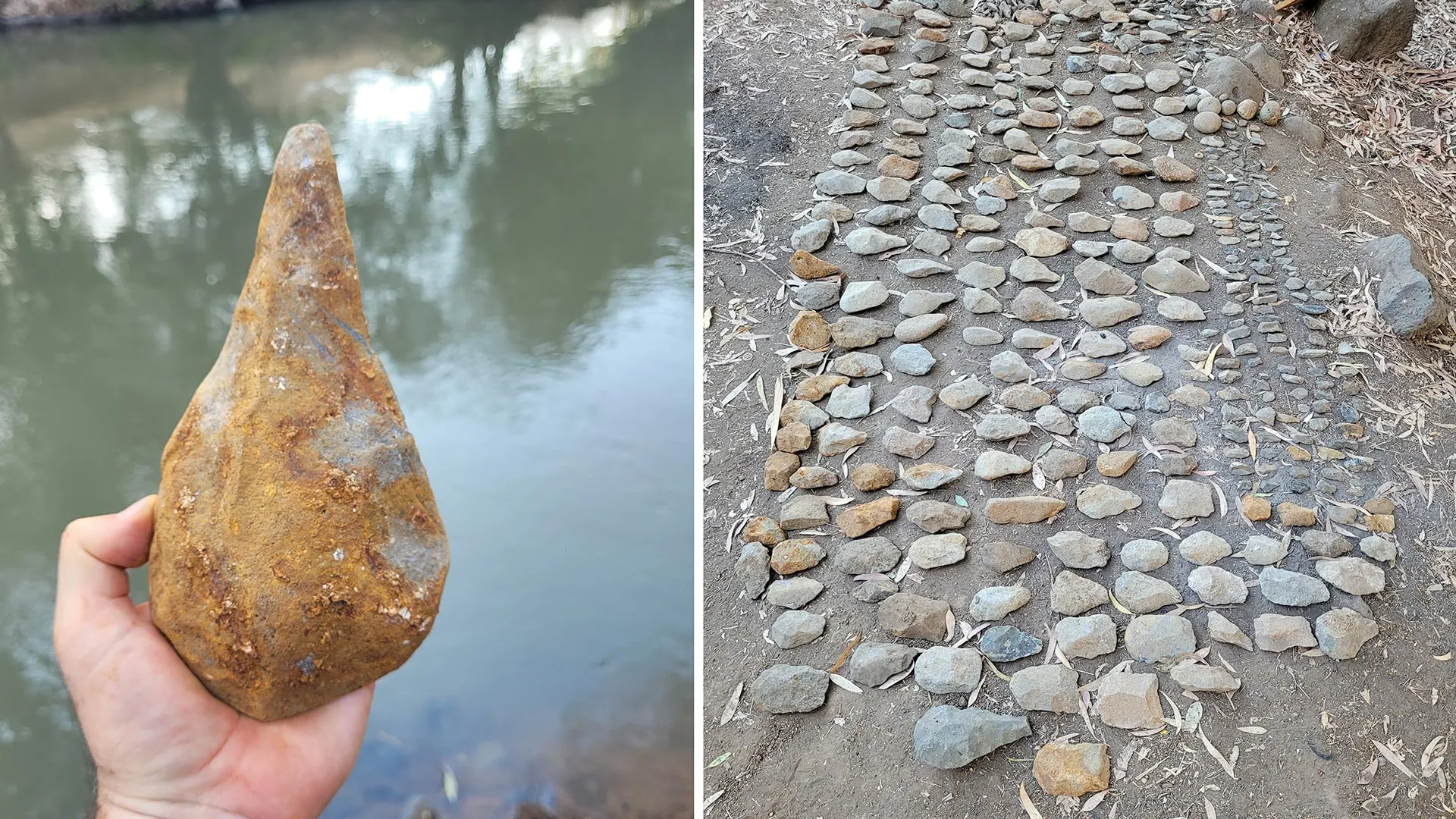
A remarkably preserved elephant tooth dating back nearly 700,000 years has revealed a surprisingly lush prehistoric world where giant elephants and early humans lived side by side. Discovered in northern Israel alongside ancient stone tools, the tooth belonged to a straight-tusked elephant, one of the largest land mammals of the Ice Age.
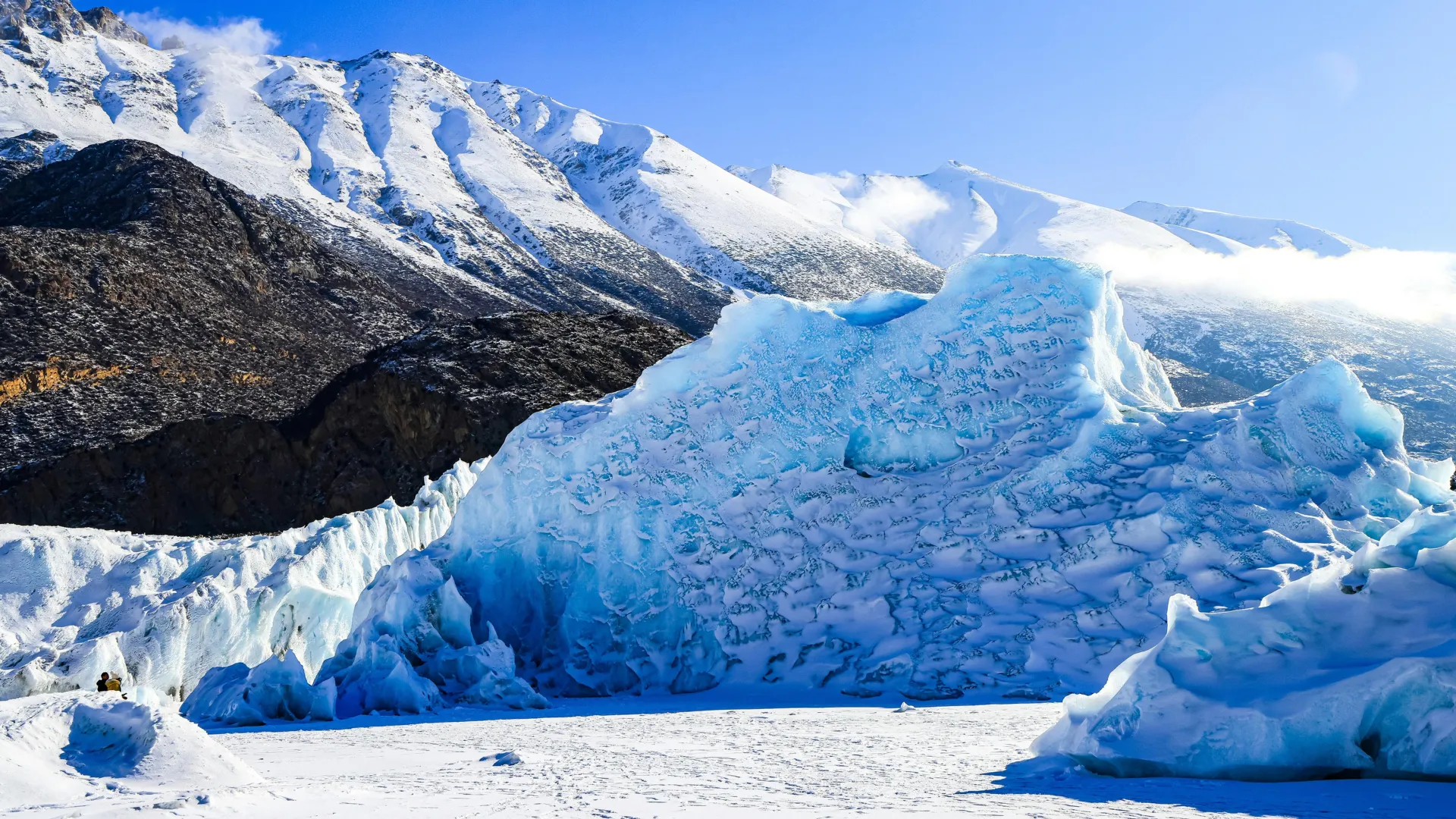
Ancient ice discovered high in Tibet may be more than 128,000 years old, preserving an extraordinary record of Earth's climate that scientists previously thought had been lost. The discovery reveals a rare glimpse into the last ice age and could reshape our understanding of how glaciers survive dramatic changes in global climate.
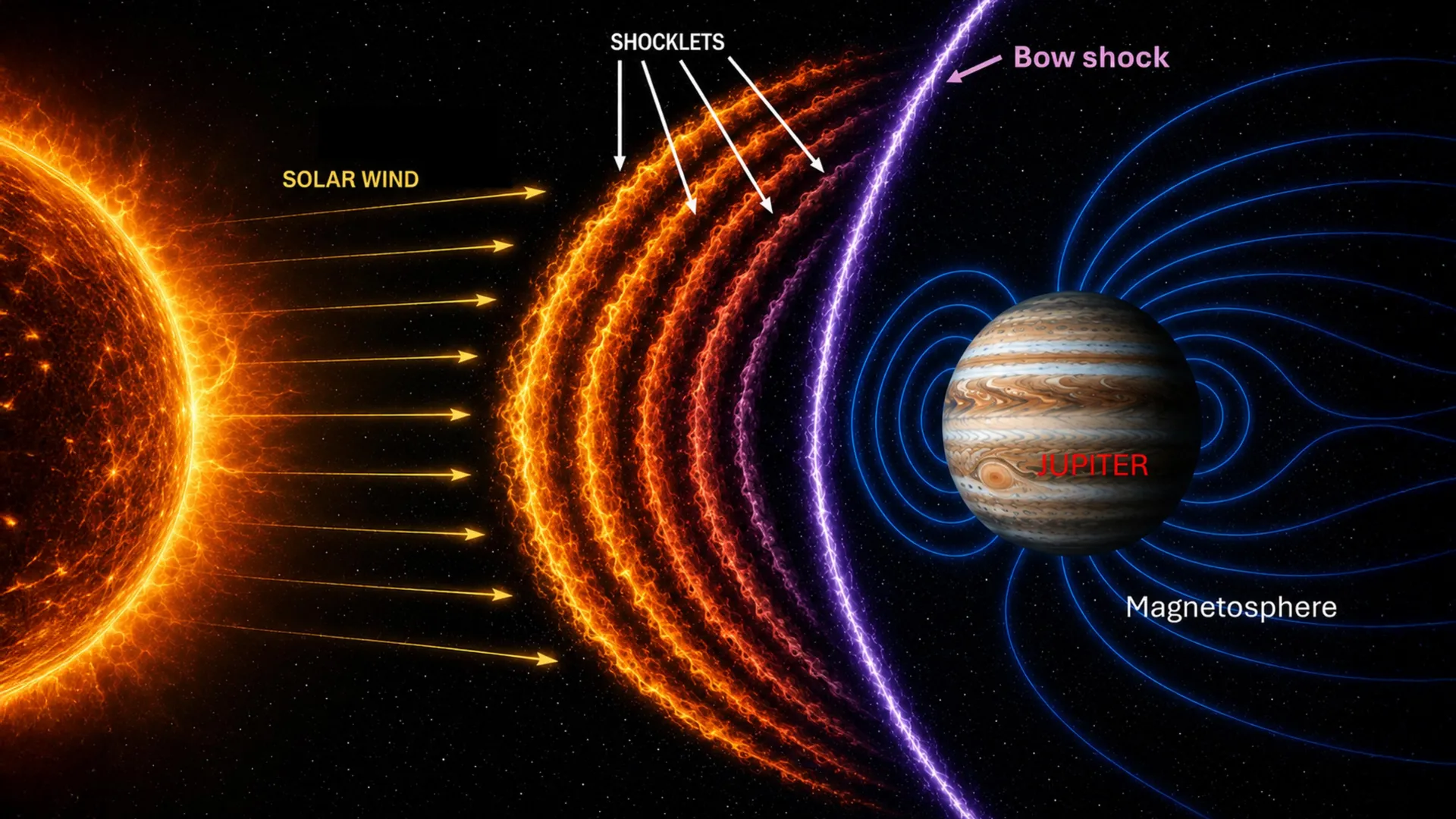
NASA’s Juno spacecraft has discovered that Jupiter uses a surprisingly complex system of powerful plasma waves and multiple shock regions to defend against the solar wind. The findings reveal major differences between Jupiter and Earth and could help scientists understand the enormous shock waves produced by exploding stars.
Mathematicians have uncovered what they argue is a fundamental flaw in the standard model of the universe, potentially challenging the need for dark energy. Their calculations suggest that the mathematical framework used to describe cosmic expansion is inherently unstable and that the universe could accelerate naturally under Einstein's original theory of gravity. The findings also raise surprising questions about whether our location in the universe is as ordinary as scientists have long assumed.
The CEO of the catalogue defends the decision to have reduced from 16 to 10 the members of the dome to gain efficiency
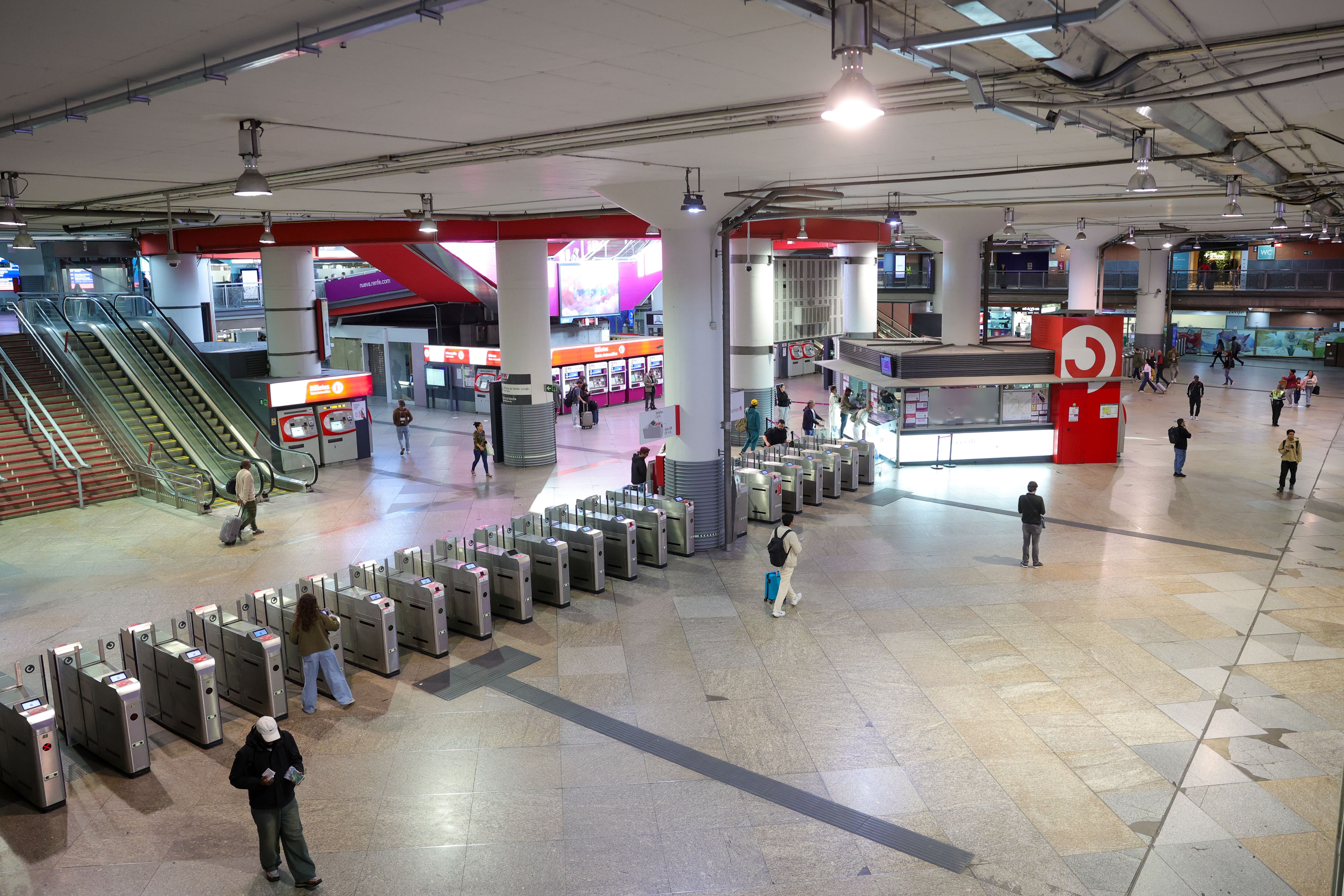
Community strengthens metro and urban and interurban bus services