Advertisement
Advertisement

Science

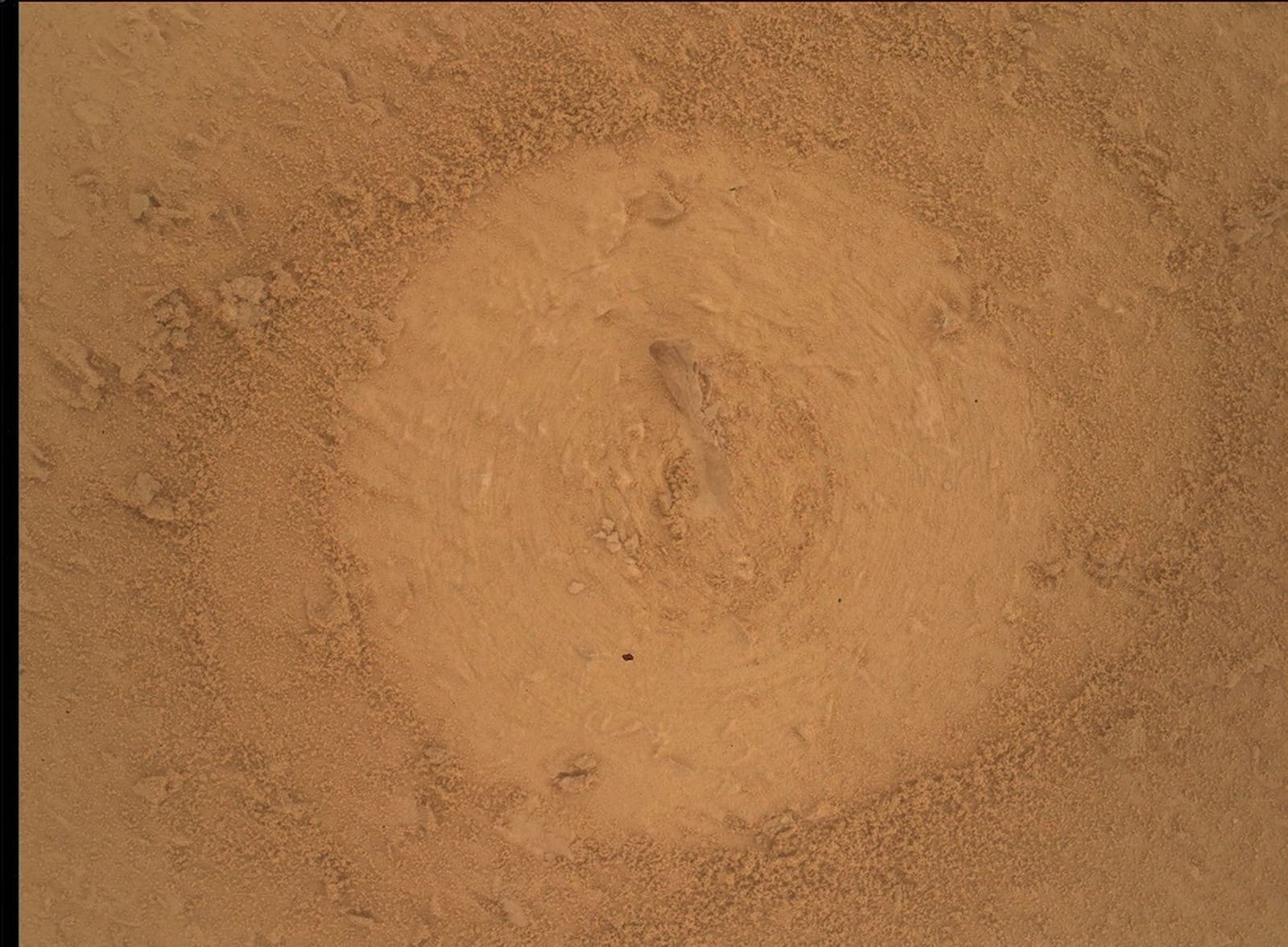
Curiosity Blog, Sols 5022-5028: Cashing in at Cache Creek

Written by Lucy Thompson, Senior Research Scientist, University of New Brunswick, Canada Earth planning date: Friday, Sept. 25, 2026 Before we landed, the area of Gale crater that we planned to explore was divided up into rectangular parcels with designated names. The names were chosen after small towns associated with significant geological features. Our selected […]


Mapping the Gaps in NASA’s Return to the Moon, featuring Richard Spolzino

“I want to be able to look at a rocket launch and say, ‘I touched a piece of this.’” That’s how Richard Spolzino describes the thing he’s chasing. Not a title, not a specific mission, not even NASA itself, just the ability to point at something real and know his work made it possible. At […]

Scientists just found a new way to make hydrogen from water

A new light-activated material can efficiently produce hydrogen from water without requiring an additional expensive metal catalyst. Researchers say its unusual sulfur-based chemistry could point toward cheaper and more practical ways to turn sunlight into clean fuel.

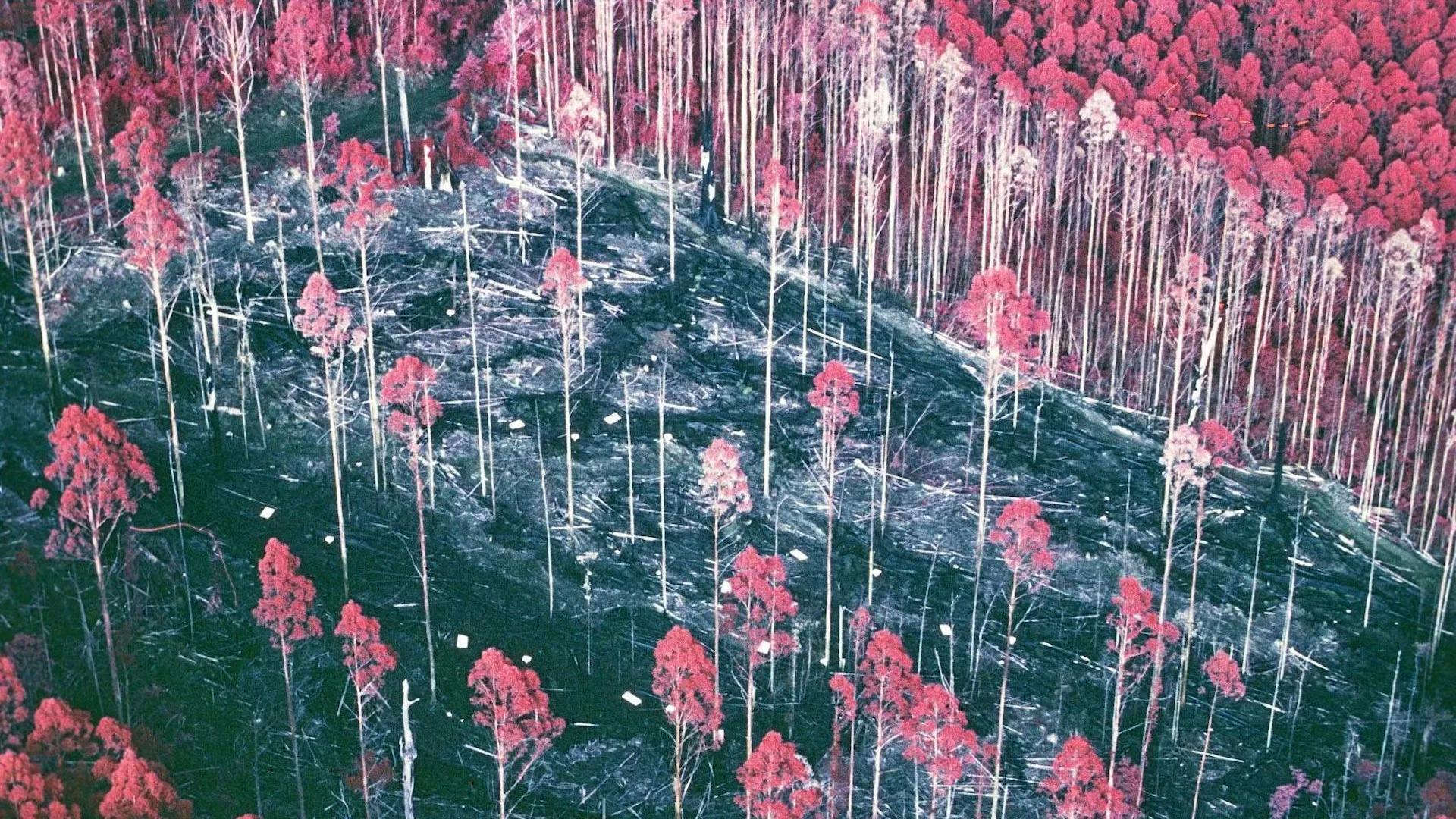
A forgotten 30-year forest experiment just delivered a huge surprise

A 30-year forestry experiment in Australia found that heavily thinned mountain ash forests grew unusually large trees while recovering enough carbon to match or exceed untouched areas. The results suggest carefully managed thinning could support timber production, wildlife habitat, and carbon storage at the same time.

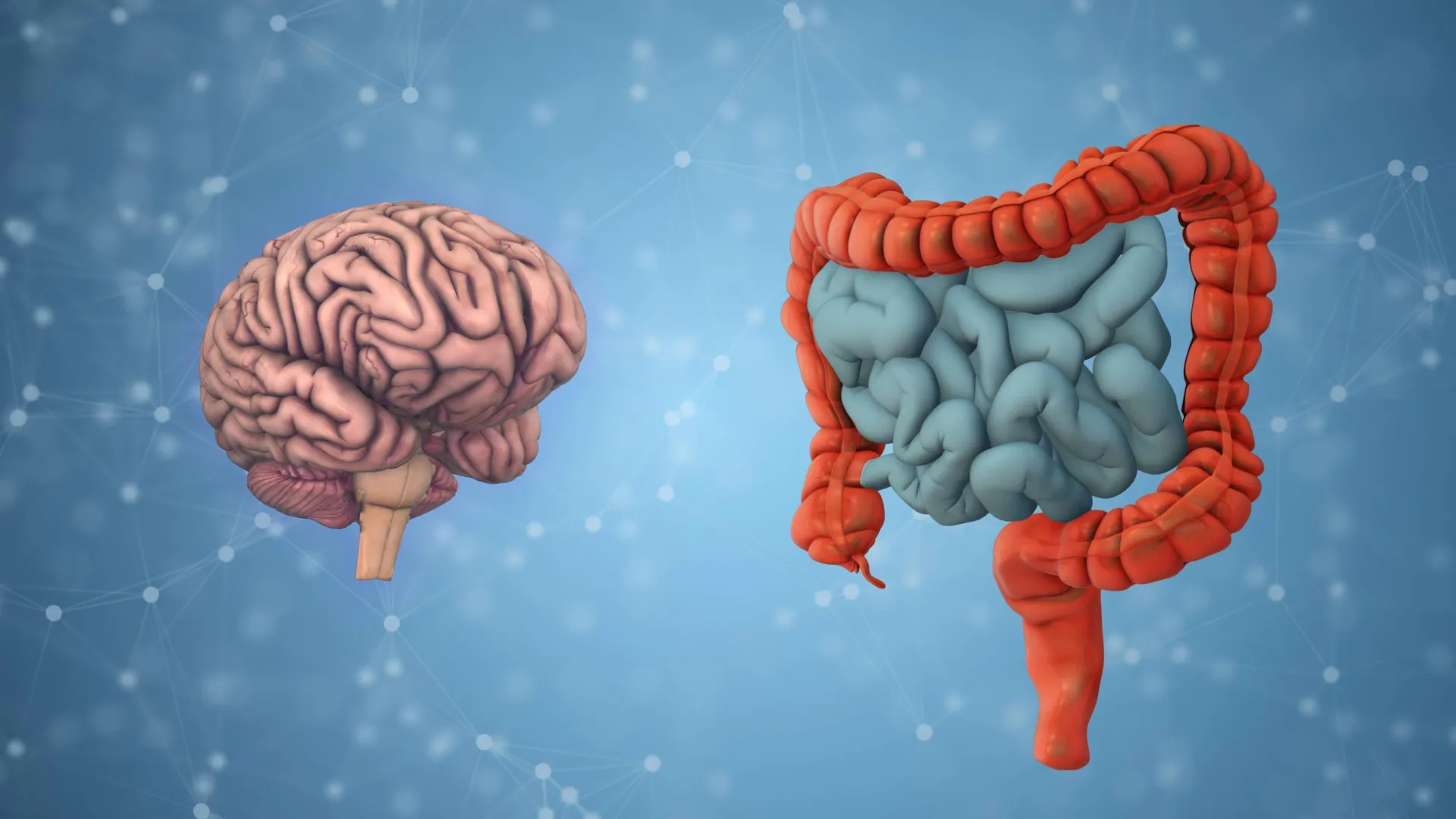
Your gut bacteria may reveal how fast your brain is aging

A UCLA study links faster brain aging to specific gut bacteria and chemical byproducts, with older-looking brains also associated with poorer memory, focus, and mood. The findings suggest that biological signs of brain aging may appear decades before obvious symptoms and could eventually make the gut a target for prevention.

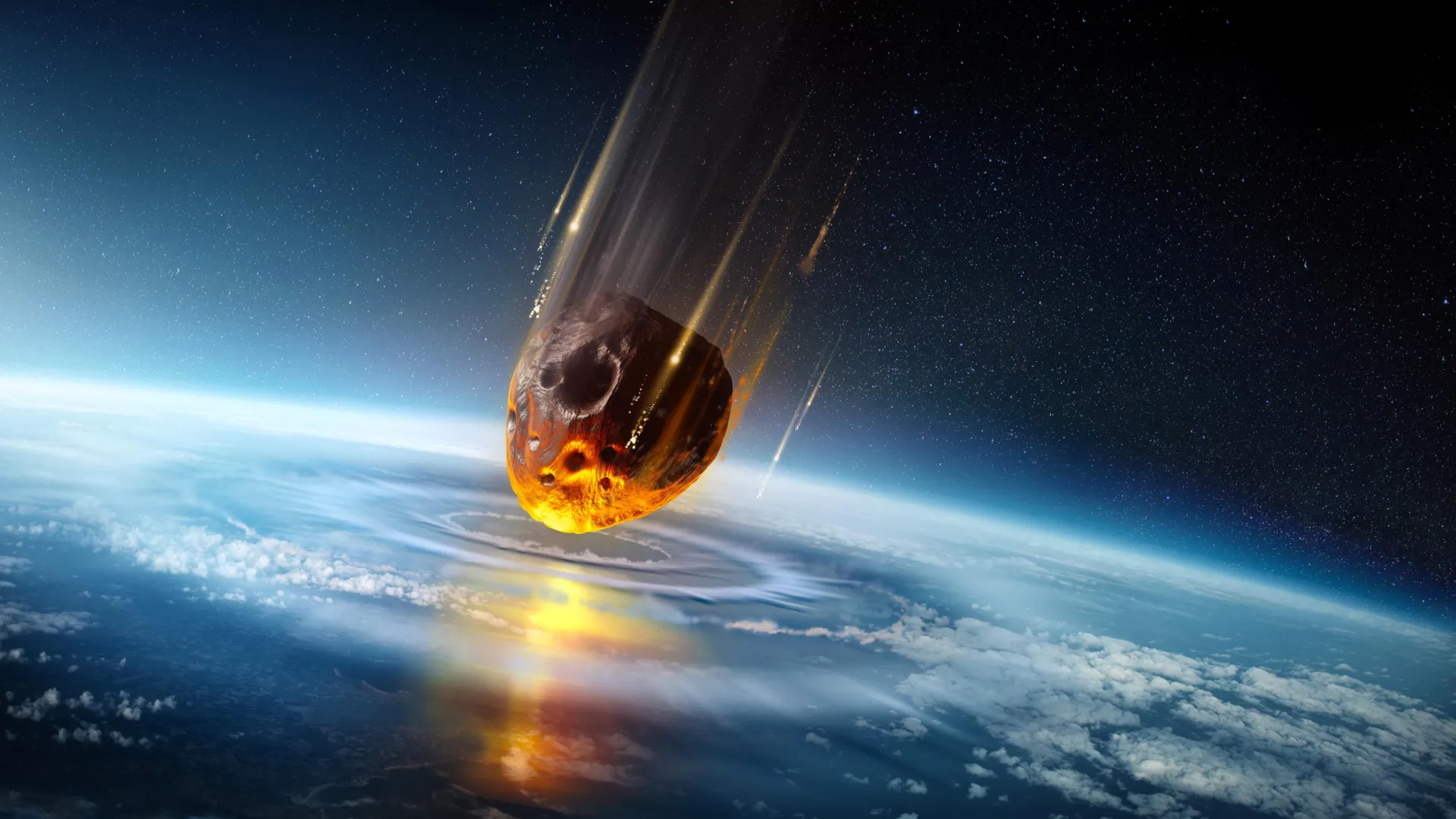
A meteor hit Oklahoma 100 million years later than scientists thought

A meteor crater buried beneath Oklahoma has turned out to be nearly 100 million years younger than scientists thought. Zircon crystals show the Ames impact occurred about 370 million years ago, meaning it was not part of the mysterious Ordovician bombardment once linked to a possible ring of debris around Earth. Instead, the impact coincided closely with a major mass extinction that devastated marine life.

Diet drinks work as well as water for weight loss, major trial finds

A two-year randomized clinical trial involving 493 adults with overweight or obesity found that diet soft drinks were essentially as effective as water for long-term weight loss and weight maintenance. Participants drinking beverages sweetened with aspartame, acesulfame-K, or sucralose lost a similar amount of weight to those drinking water, while both groups also saw improvements in waist size, body composition, and several metabolic measures.

Scientists find a surprising clue to why the universe’s expansion doesn’t add up

Tiny magnetic fields created shortly after the Big Bang may help explain the long-running disagreement over how fast the universe is expanding. Detailed simulations show that these primordial fields could have changed the formation of hydrogen in the early universe, affecting the cosmic microwave background and the expansion rate inferred from it.

Advertisement

APOD: 2026 October 4 – Supernumerary Rainbows over New Jersey

APOD Science APOD APOD: 2026 October 4 –… Today’s APOD Archive Submissions Index Search Calendar RSS Education About Discuss APOD Astronomy Picture of the Day Discover the cosmos! Each day a different image or photograph of our fascinating universe is featured, along with a brief explanation written by a professional astronomer. Supernumerary Rainbows over […]

Video
Advertisement

Scientists may have found a “unifying theory” of chronic fatigue

Scientists found that five seemingly unrelated conditions, including long Covid, ME/CFS, and PTSD, may disrupt many of the same biological networks involved in immunity, metabolism, and cellular energy. The findings could help explain their shared symptoms and may open the door to new blood tests and treatments.