Advertisement
Advertisement

Science

One tiny chemical difference between RNA and DNA may help explain how life began

Scientists may have found a clue to one of the biggest mysteries surrounding the origin of life: how fragile RNA molecules could gather and survive before cells existed. New research shows that RNA is unusually good at assembling into tiny liquid-like droplets that concentrate molecules and can harden into protective, gel-like structures. Remarkably, much of this behavior may come down to a single oxygen-containing chemical group that RNA has but DNA lacks.

Electrons slow to a crawl in a strange new quantum state

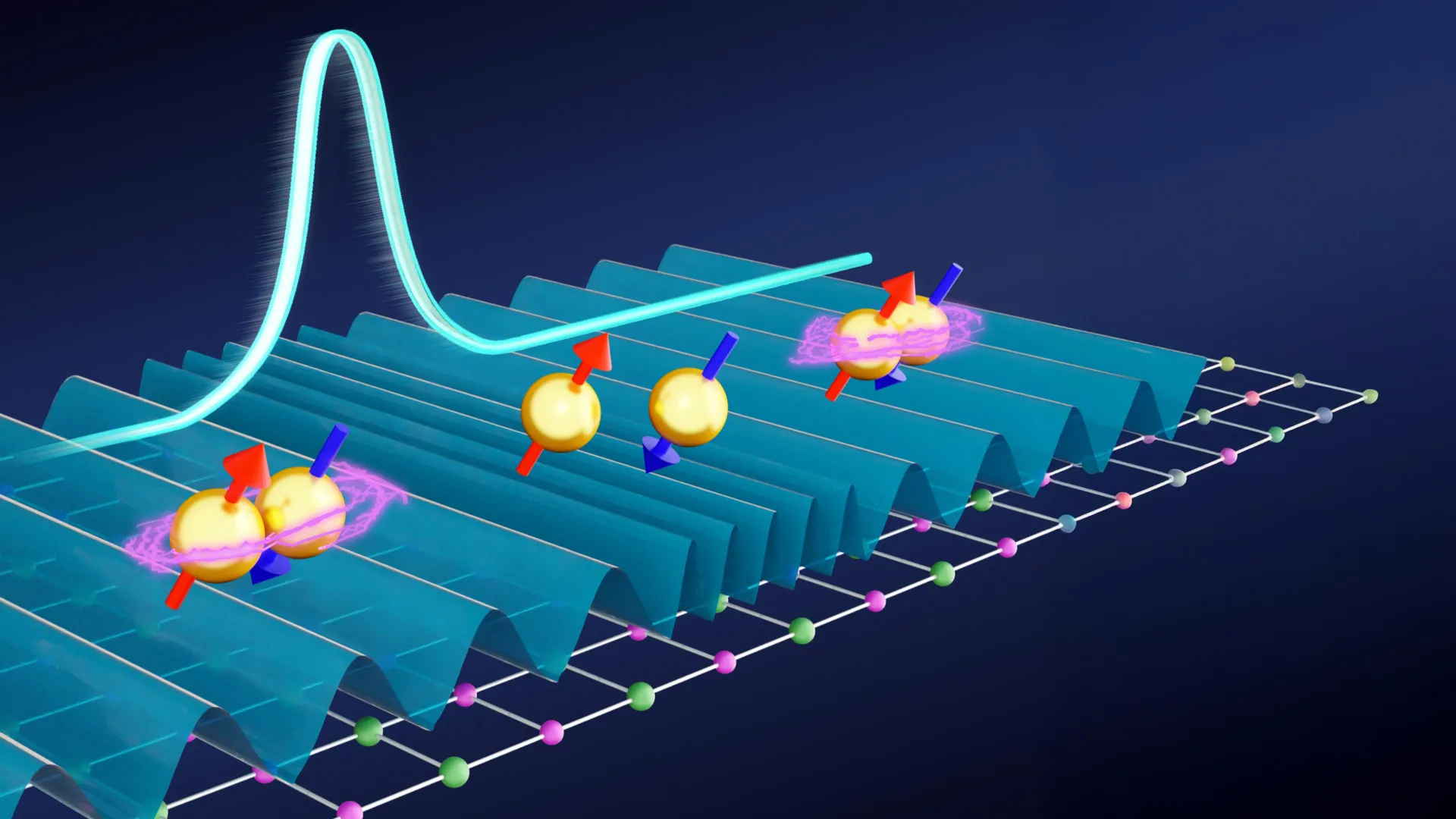
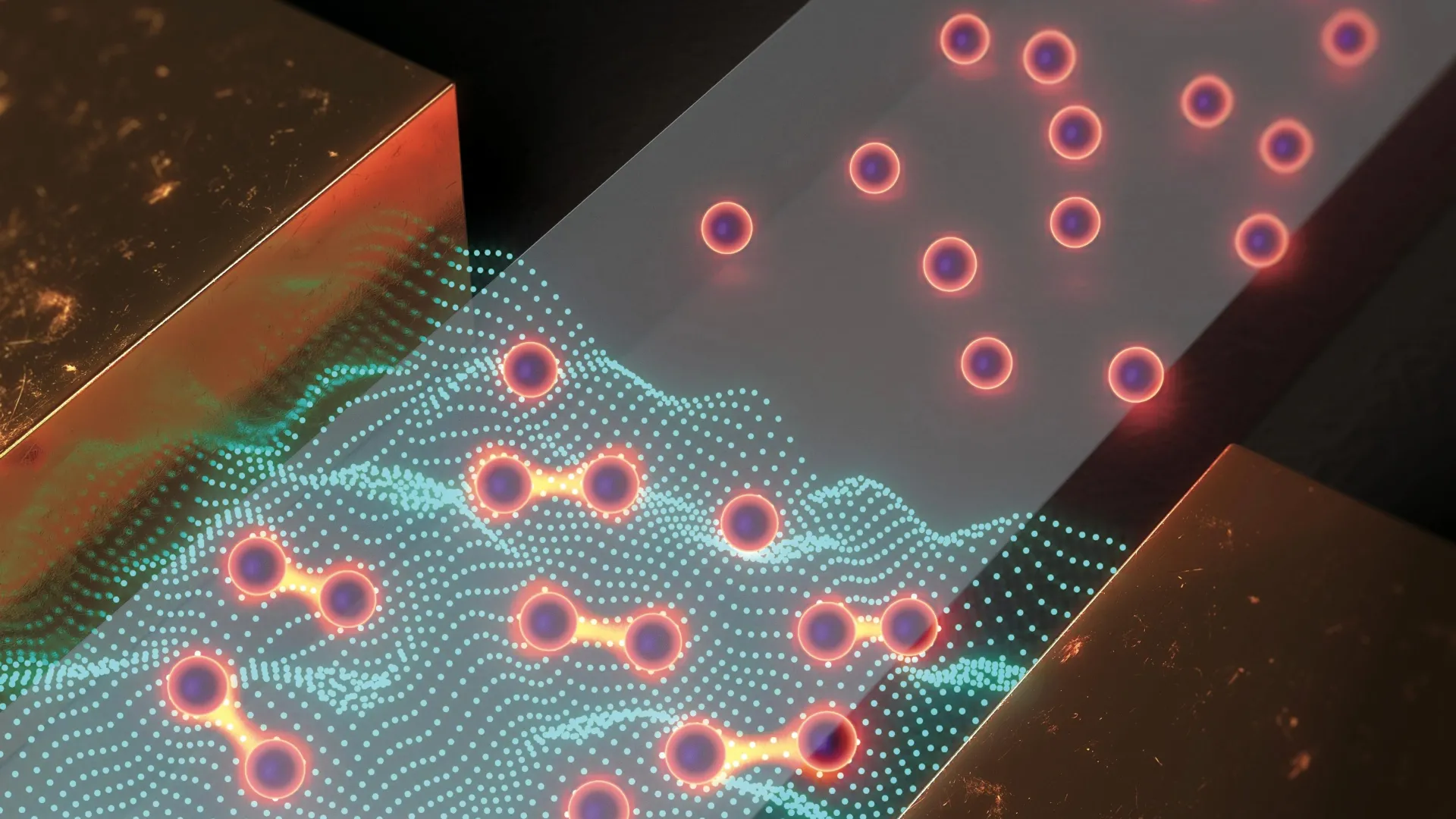
Scientists at the University of Chicago have uncovered a surprising quantum state in the layered magnetic material Fe5GeTe2, where huge numbers of electrons move together unusually slowly while remaining quantum coherent. The behavior contradicts existing theoretical predictions about how the material’s magnetism should work and suggests scientists may need to rethink its underlying physics.

Even one strength training session a week could make a difference

Strength training may be one of the most powerful tools for staying independent as you age. Age related muscle loss, known as sarcopenia, can make everyday tasks harder while increasing the risk of falls, fractures, and loss of mobility. Research shows that resistance exercises such as squats, weights, resistance bands, and even body weight movements can preserve or rebuild strength, and surprisingly, even one session a week can produce meaningful benefits.

97-million-year-old fossils reveal the earliest known animal “GPS”

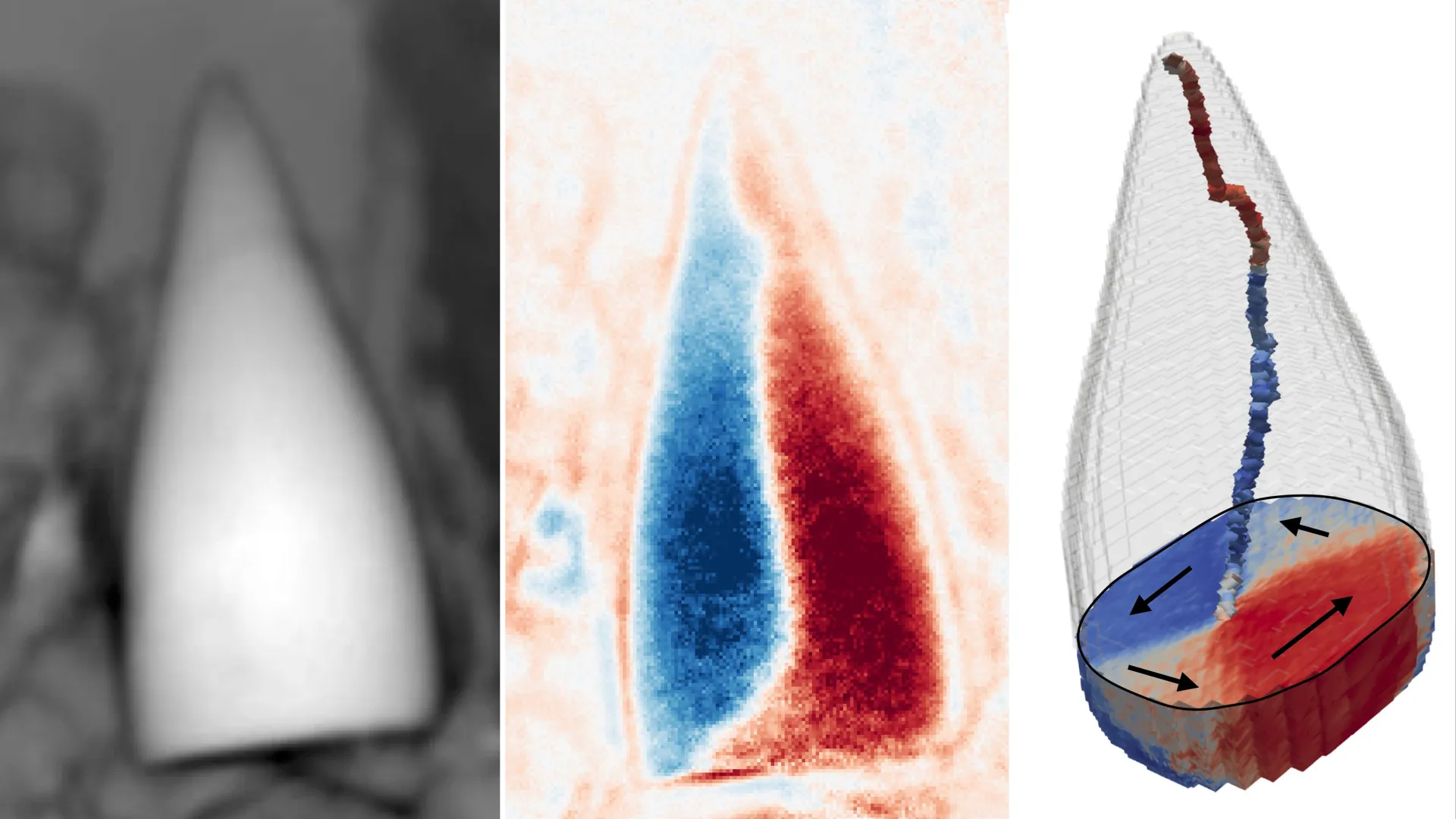
Mysterious 97-million-year-old magnetic fossils may be the oldest evidence of an animal using Earth’s magnetic field like a built-in GPS. Their sophisticated magnetic structure could have helped an unknown ocean creature navigate thousands of kilometers with surprising precision.

The early universe wasn’t nearly as pristine as scientists thought

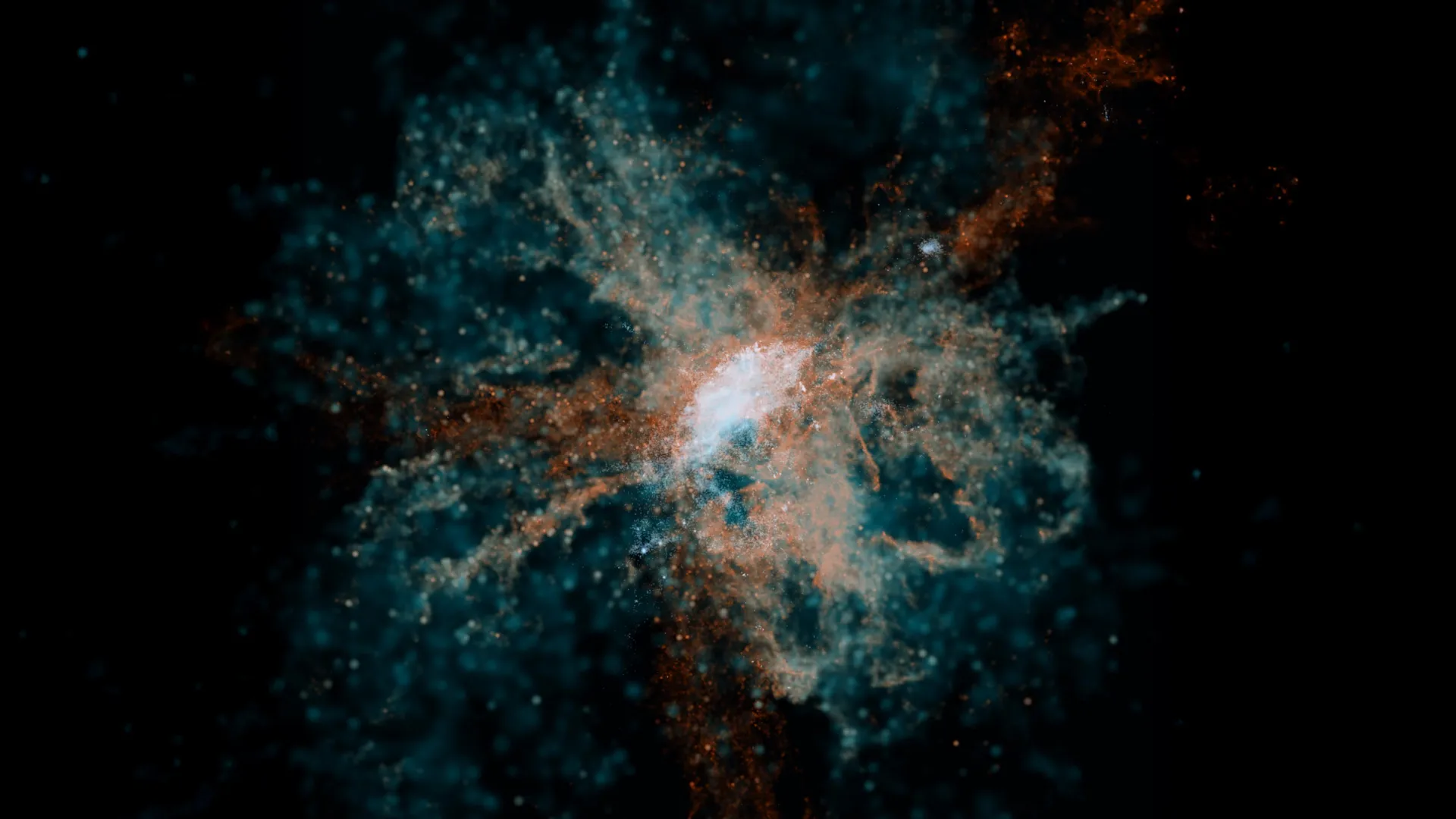
JWST has revealed that galaxies were spreading carbon, oxygen, and other heavy elements through space just 500 million years after the Big Bang. The surprising discovery suggests the young universe became chemically enriched much earlier than expected, potentially erasing traces of its very first stars.

Nearly 6 in 10 people with high blood pressure don’t know they have it

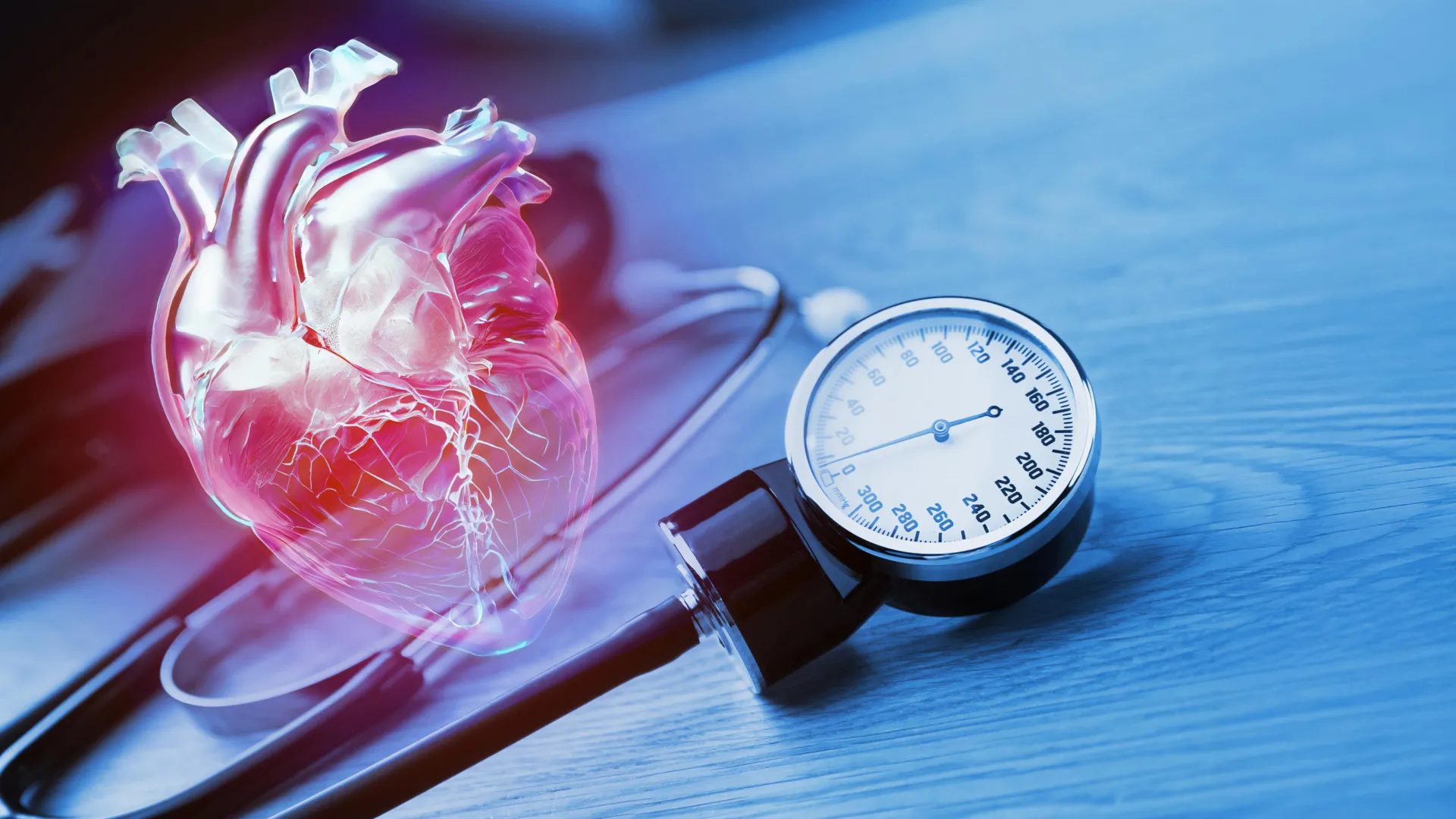
Nearly 6 in 10 people with high blood pressure in a large England study had never been diagnosed or treated, and half of those already taking medication still had elevated readings. Researchers say a more proactive approach to finding and controlling hypertension could prevent thousands of heart attacks and strokes.

Scientists just pushed superconductors beyond their usual current limit

Ultrashort electrical pulses allowed scientists to push superconductors closer than ever to the point where their electron pairs actually break apart. The method revealed hidden differences between superconducting materials and could open new ways to probe and control their quantum behavior.

Scientists just made a superconductor stronger using “empty space”

Researchers have demonstrated that quantum fluctuations in supposedly empty space can strengthen superconductivity, raising the transition temperature of an ultrathin material by as much as 5.4%. The discovery opens the possibility of using specially engineered vacuum environments to control quantum materials without direct contact or external driving.

Advertisement

Your gut may be making a molecule that raises Alzheimer’s risk

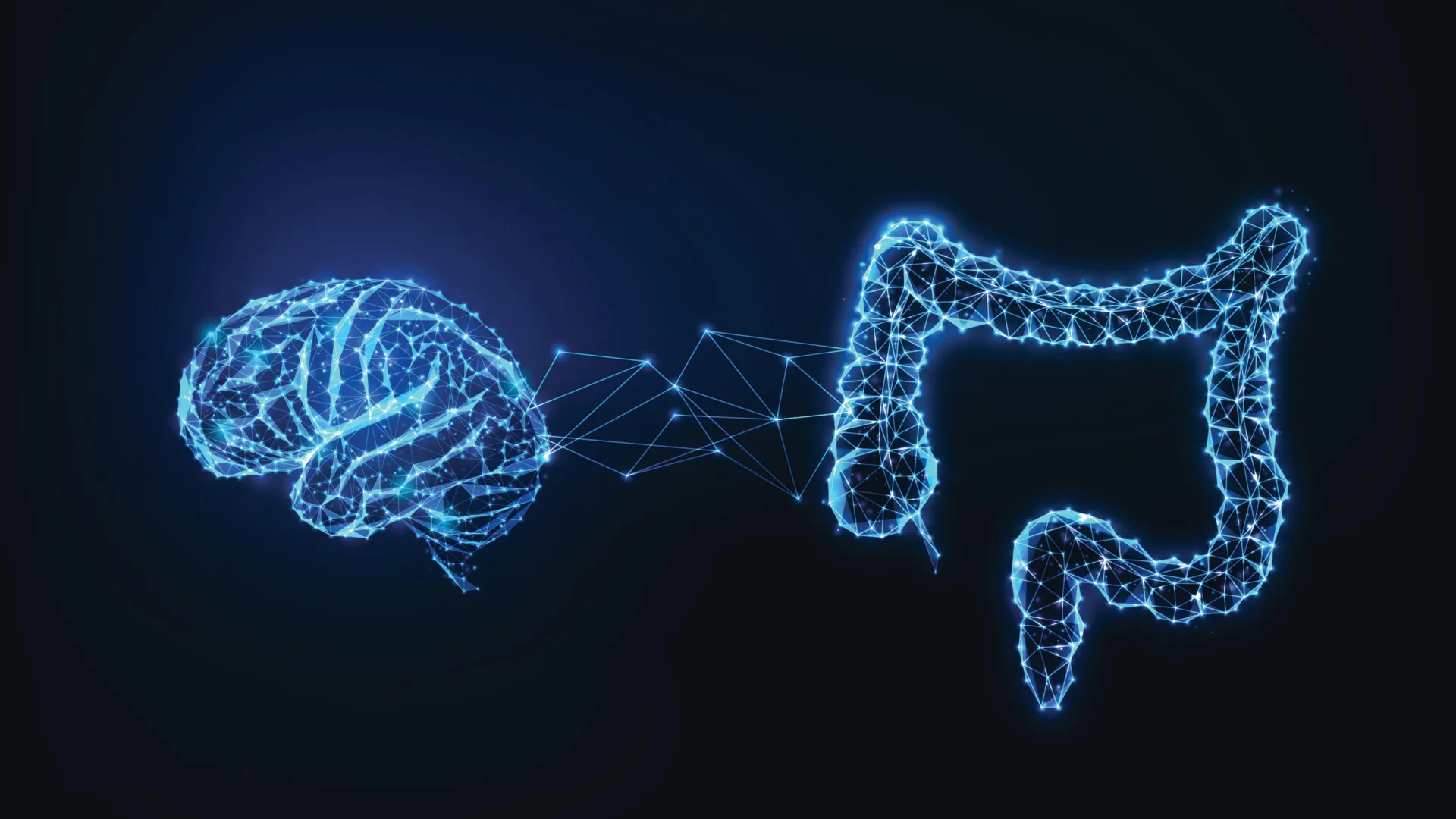
Scientists have linked a gut bacterial compound called ImP to greater Alzheimer’s risk, harmful brain protein buildup, and faster cognitive decline. The finding raises the possibility that reducing ImP in the blood could one day help slow or prevent dementia.

Scientists find an “earthquake gate” as California fault stress hits a 1,000-year high

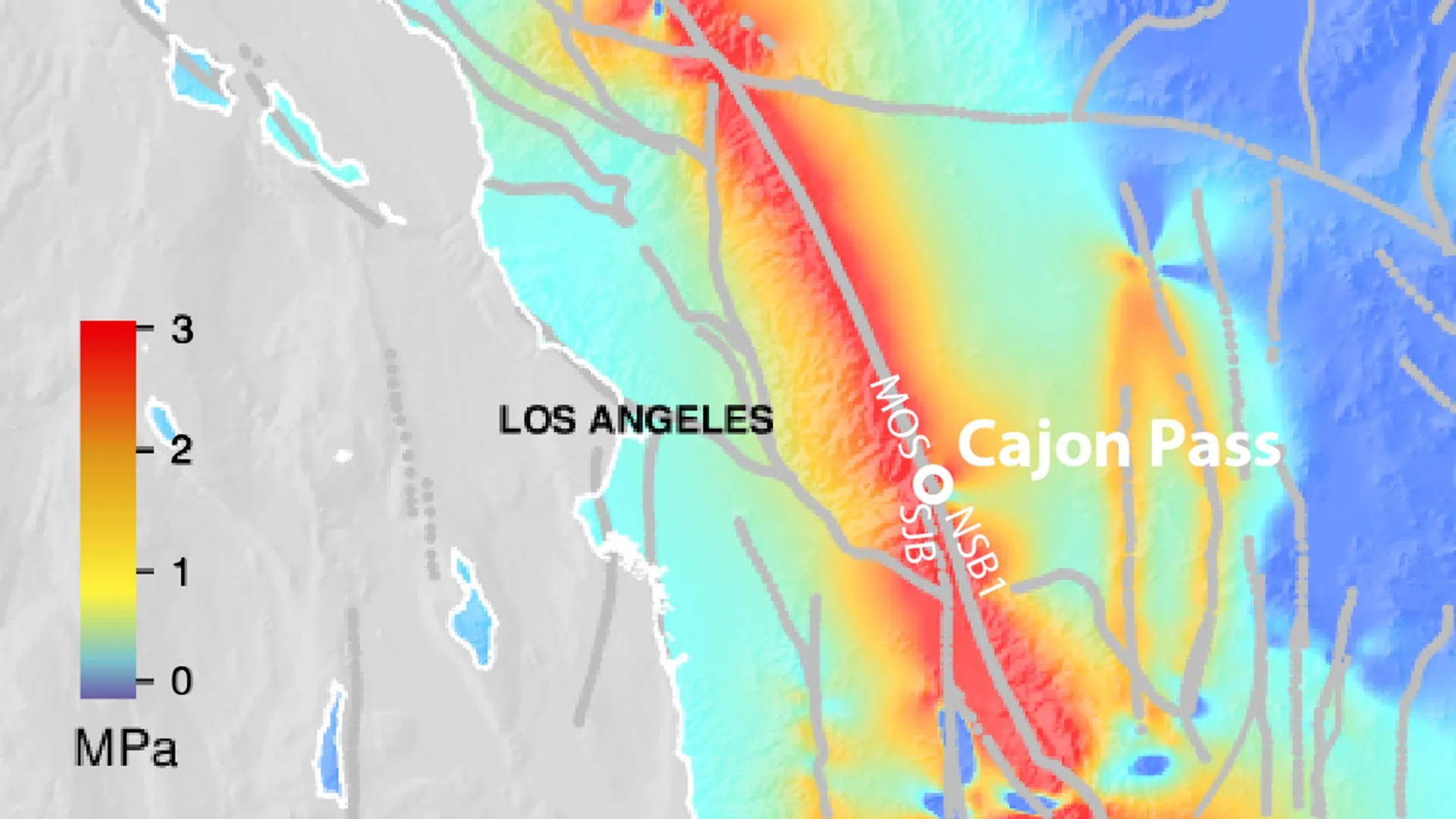
Researchers say stress on Southern California’s San Andreas and San Jacinto faults has reached some of the highest levels seen in a 1,000-year simulation. Because both faults are highly stressed at the same time, the Cajon Pass junction may be increasingly primed for a rupture that could cross both systems, although the study does not predict when an earthquake will happen.

Powerful simulations reveal how the first stars changed the universe

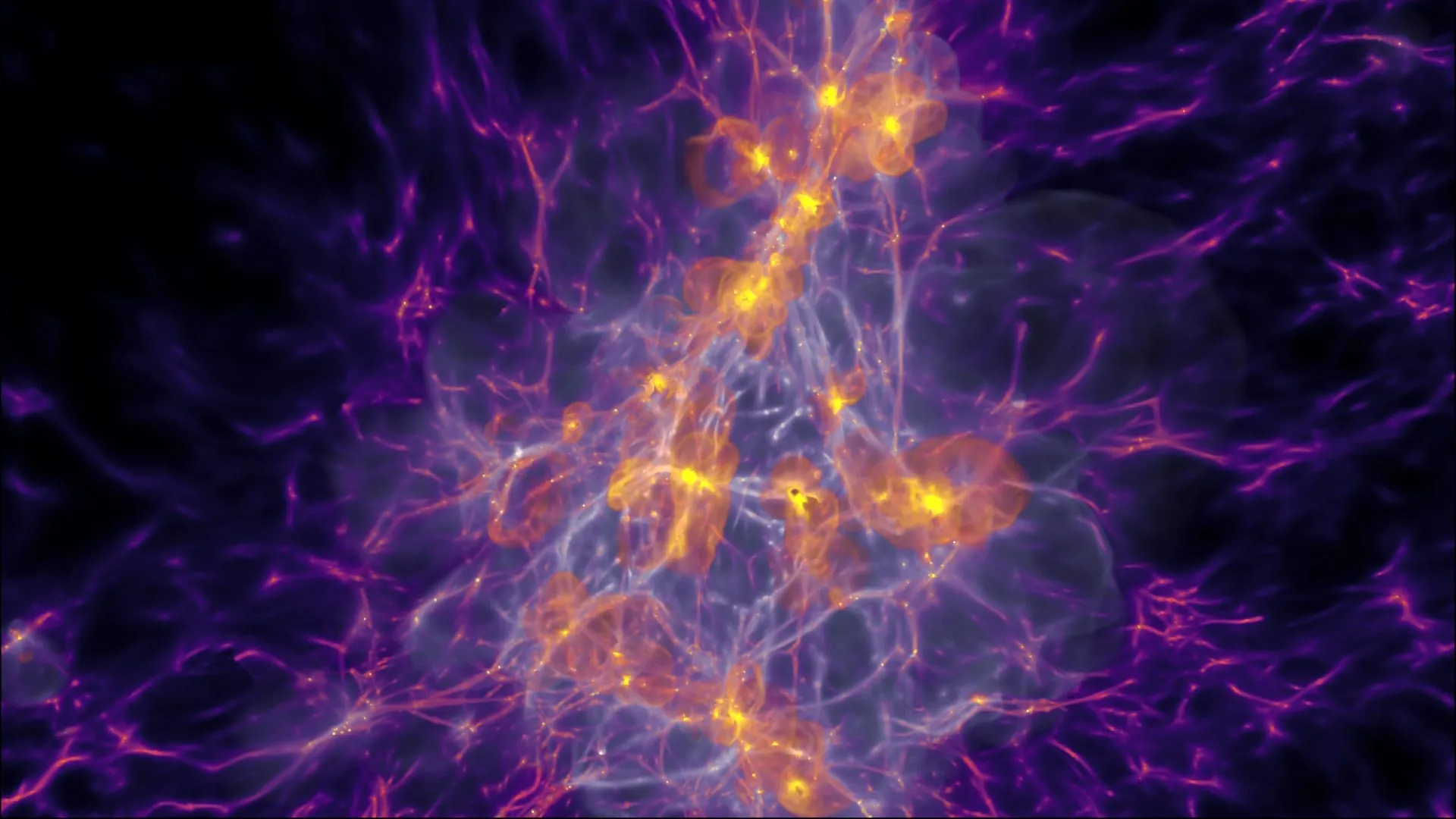
Ultra-detailed simulations are showing how the first stars lit up the dark Universe and seeded space with elements such as carbon, oxygen, and iron. The MEGATRON project could bridge JWST observations of the earliest galaxies with chemical clues preserved in ancient stars today.

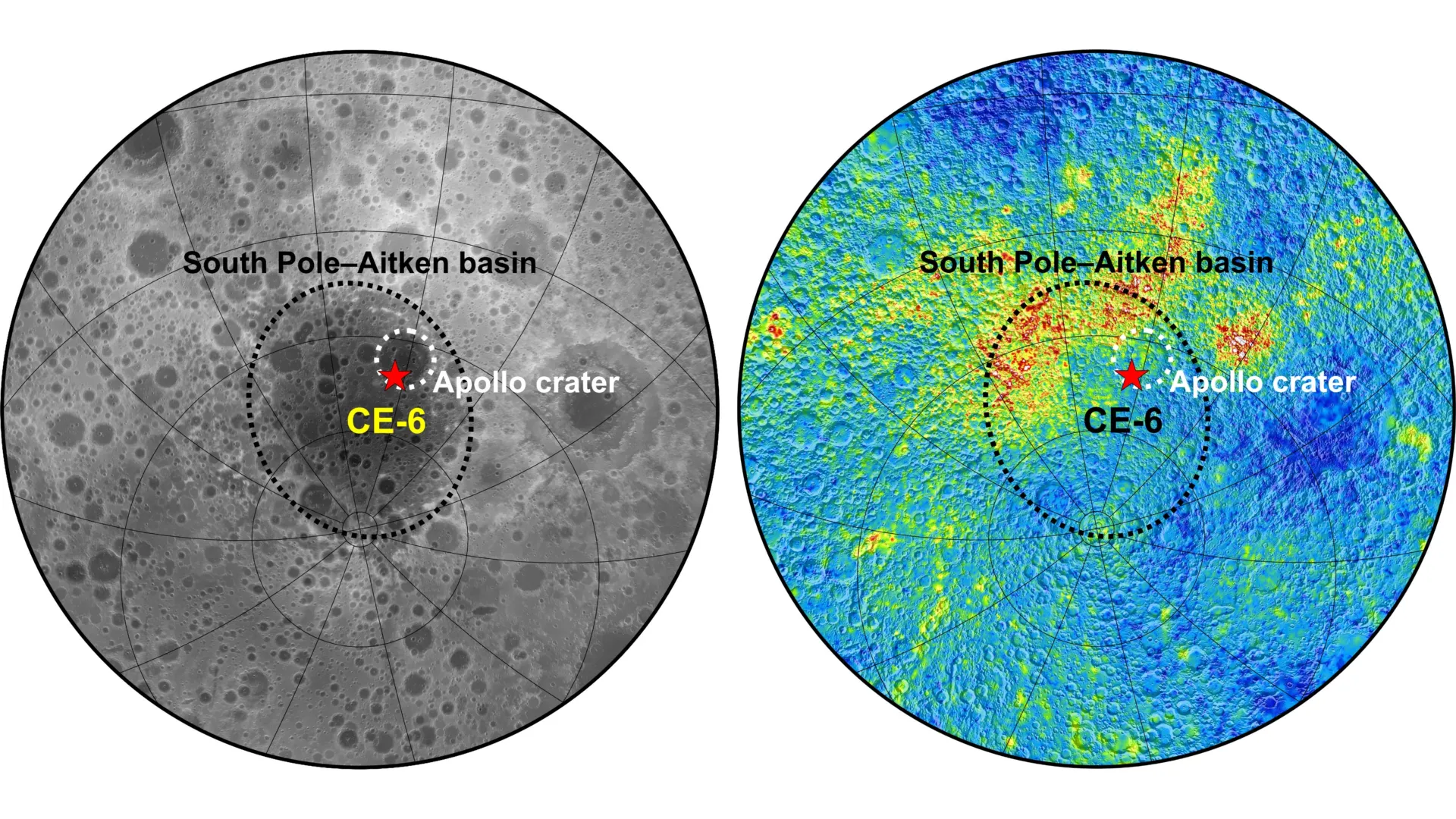
Chang’e-6 lunar soil contains a surprising magnetic time capsule

Scientists studying Chang’e-6 lunar soil have discovered a previously unknown magnetic mineral in natural Moon samples: a form of metallic iron called γ-Fe. Found inside tiny impact-glass particles, the nanoscale iron can preserve a stable magnetic signal, potentially acting like a microscopic fossil of the Moon’s long-lost magnetic field.

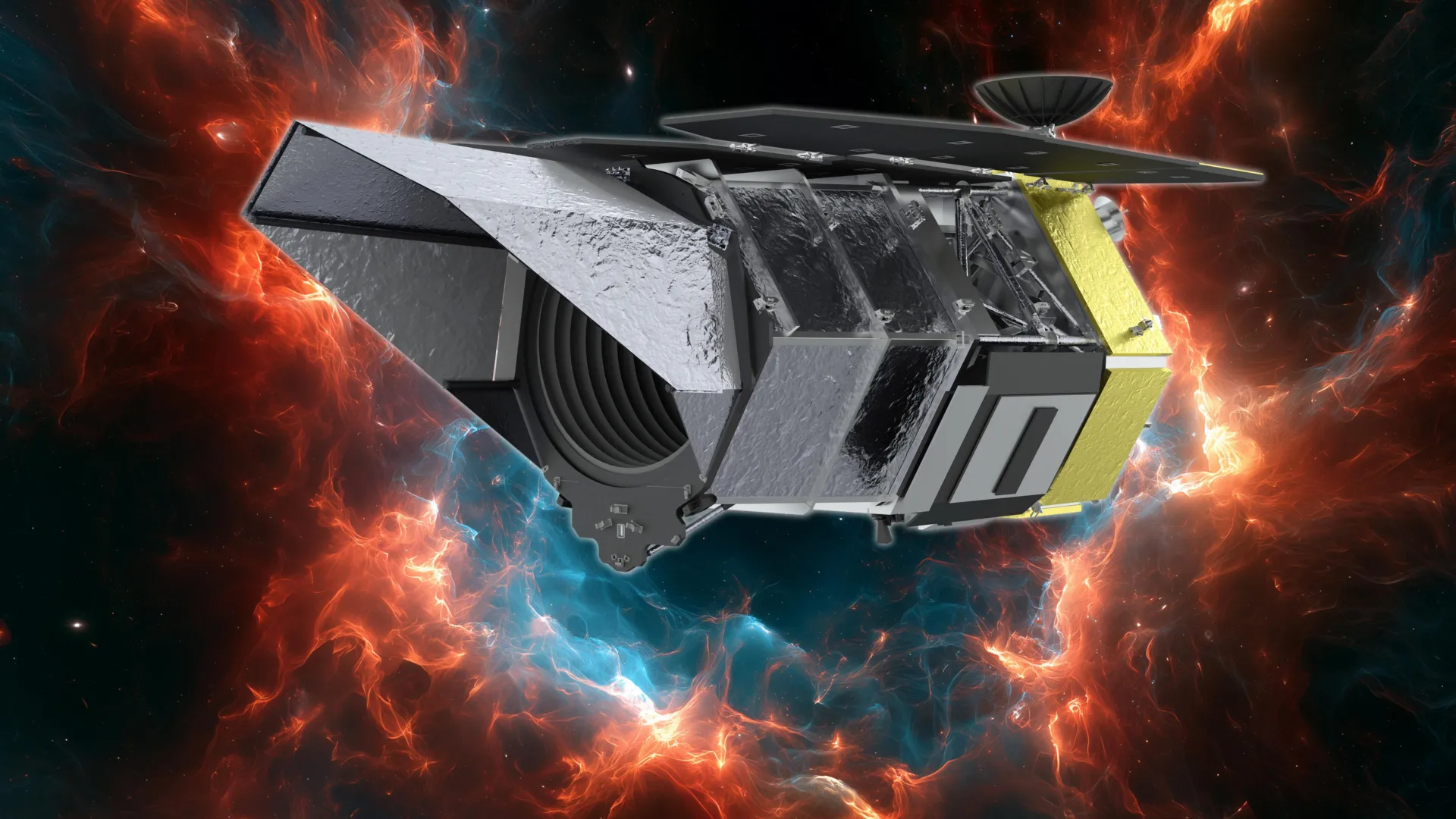
NASA’s Roman telescope just opened its planet-hunting eye

NASA’s Roman Space Telescope has demonstrated remarkable pointing stability and given its powerful planet-imaging coronagraph its first look at the cosmos. The telescope can already stay locked on a target with precision comparable to aiming a laser at a dime from about 150 miles away. Its coronagraph also captured stars in the Large Magellanic Cloud, confirming that the instrument can produce focused images.

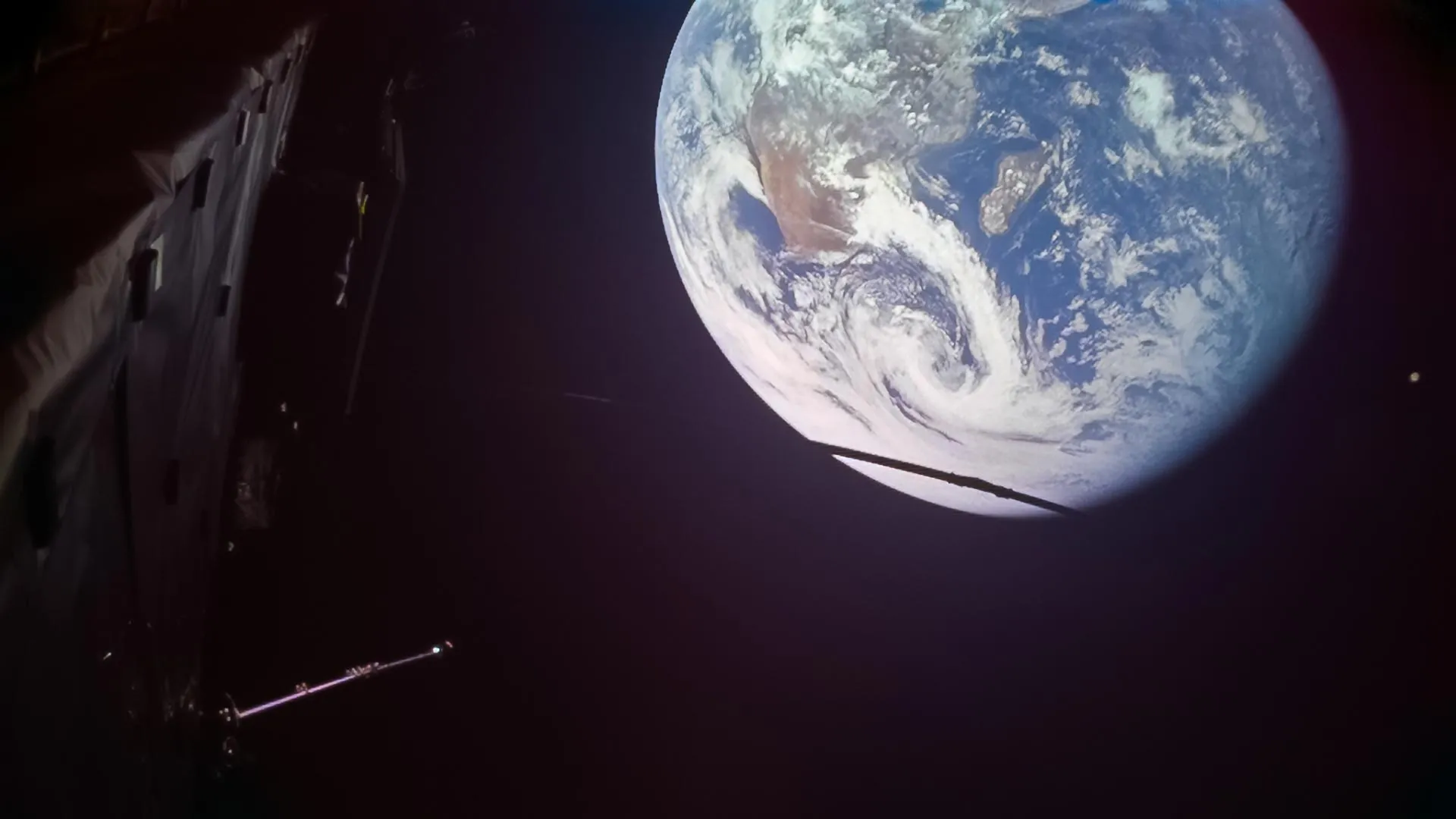
ESA’s Juice just used Earth as a slingshot to Jupiter

ESA’s Juice spacecraft raced past Earth on September 28, using our planet’s gravity to dramatically reshape its path toward Jupiter without burning much fuel. The flyby changed its direction by 20 degrees and increased its speed by 3.5 km/s, while also giving scientists a rare chance to test its instruments on Earth and the Moon.

Advertisement

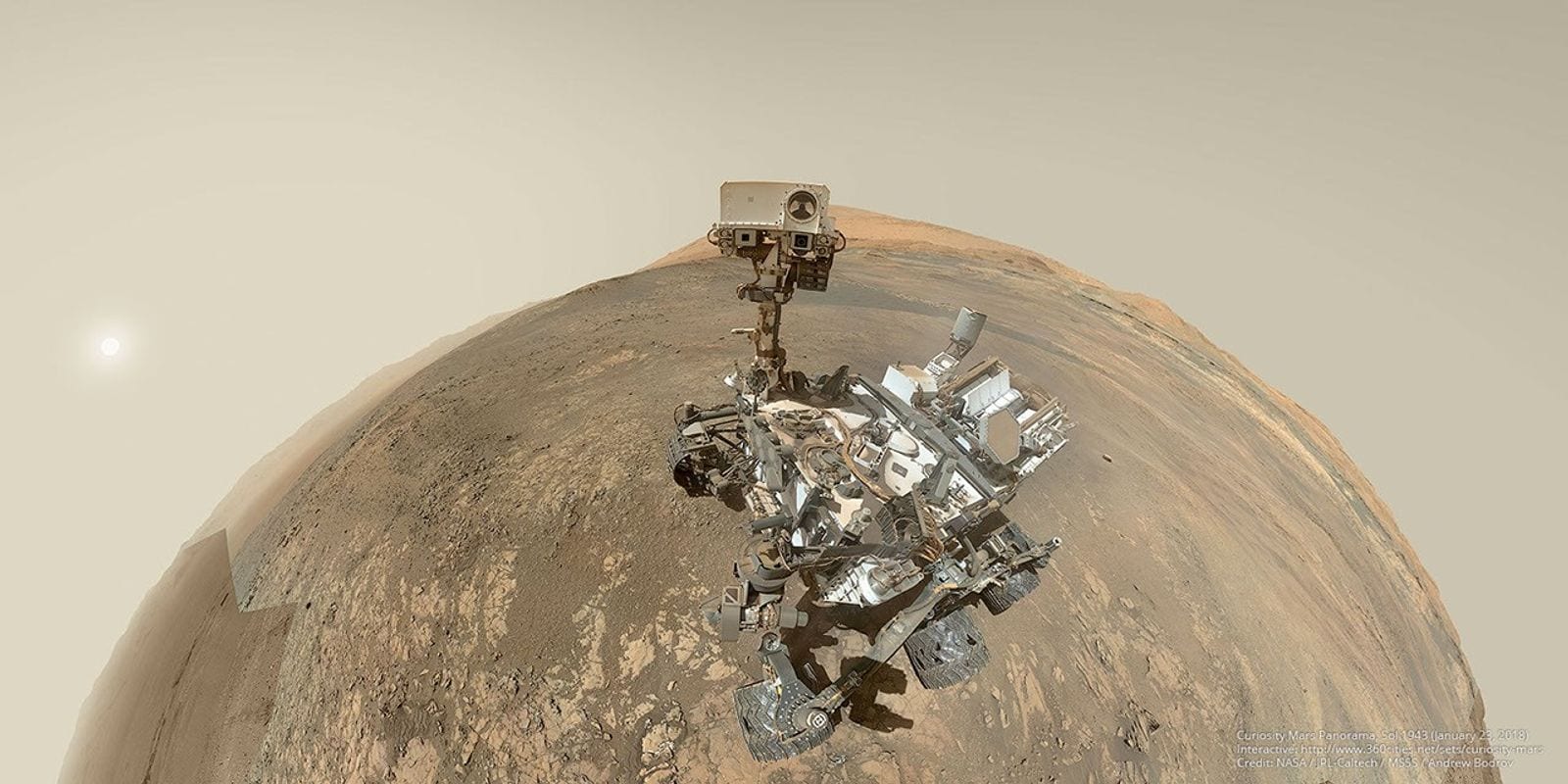
APOD: 2026 October 3 – Selfie at Vera Rubin Ridge

APOD Science APOD APOD: 2026 October 3 –… Today’s APOD Archive Submissions Index Search Calendar RSS Education About Discuss APOD Astronomy Picture of the Day Discover the cosmos! Each day a different image or photograph of our fascinating universe is featured, along with a brief explanation written by a professional astronomer. Selfie at Vera […]