Creosote found in beach pollution investigation
Restrictions remain in place on Blyth Beach after a pollution incident was reported in August.
International news in seven languages
Restrictions remain in place on Blyth Beach after a pollution incident was reported in August.
After a worker at a Russian plague research institute in Siberia died October 2, 2026, nearly 200 of her contacts were under medical observation. But authorities there denied pneumonic plague had caused the death.
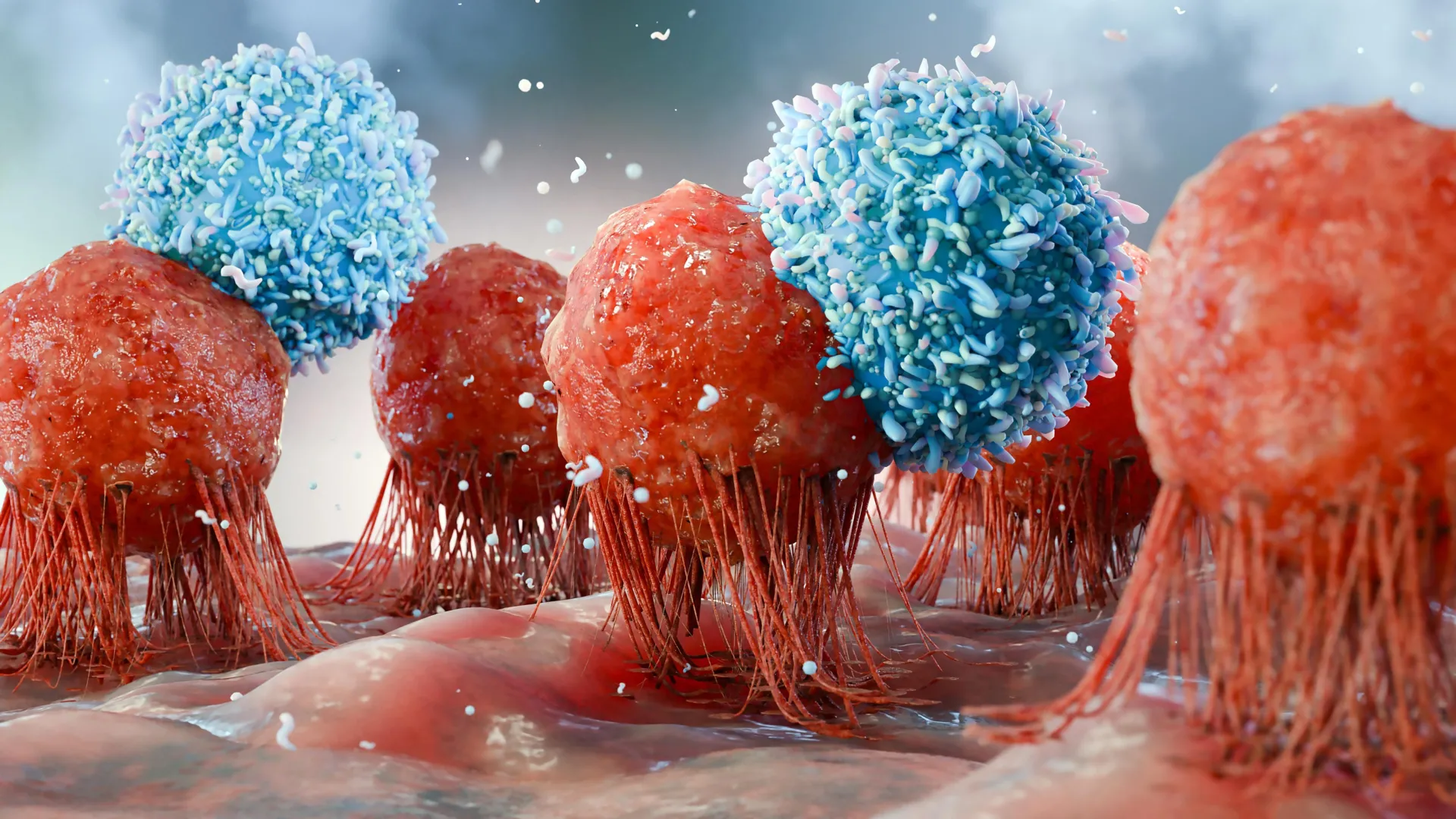
Cancer immunotherapy can lose its punch when tumor-fighting T cells become exhausted, but researchers may have found a way to keep them going longer. Scientists at Memorial Sloan Kettering Cancer Center identified a signaling molecule called MEK that can push T cells to burn through their energy while producing cancer-killing proteins. In animal and laboratory studies, blocking MEK helped the cells conserve energy, survive longer, and remain active even in the harsh environment around tumors.
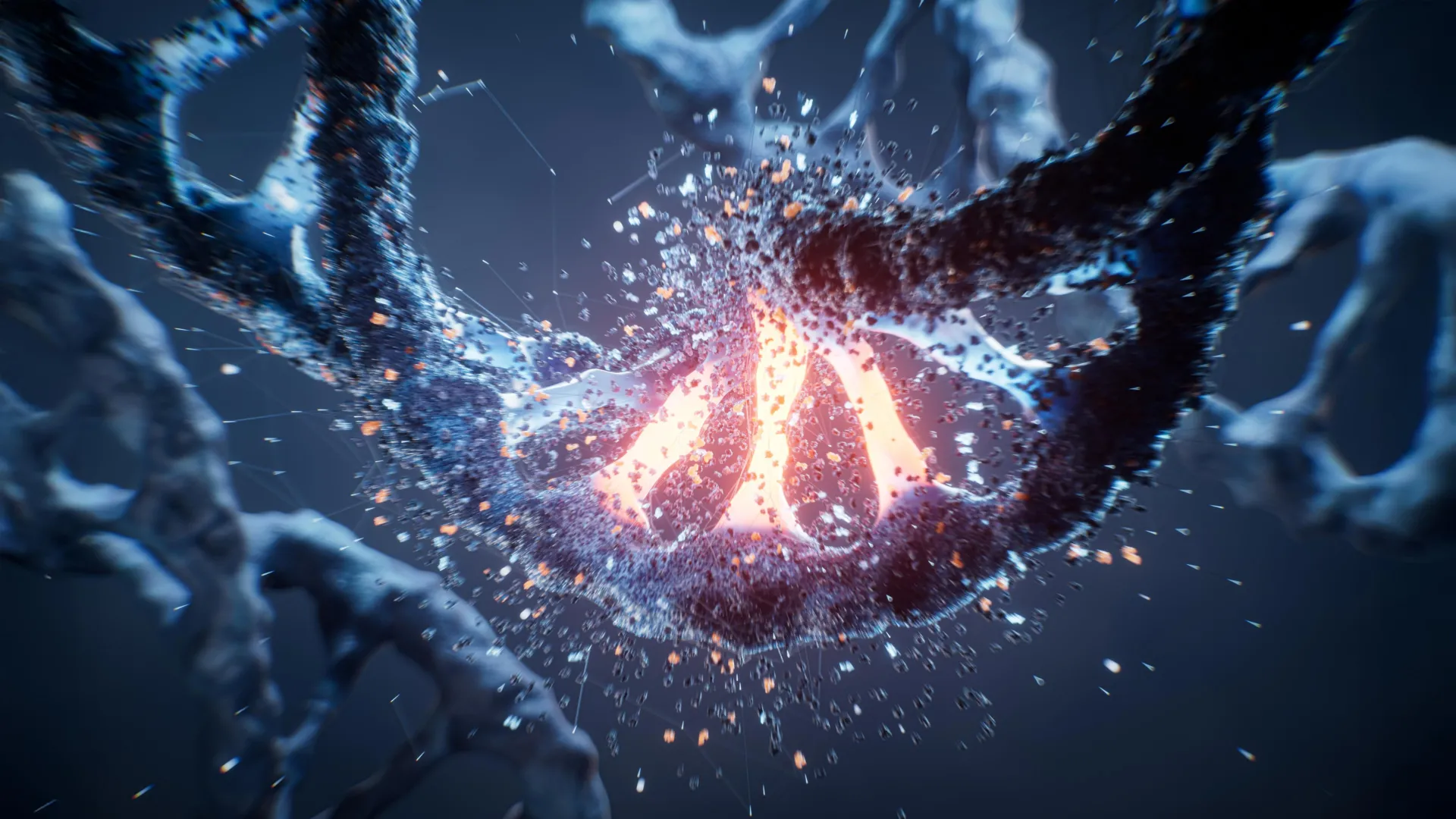
Scientists have discovered a human gene with a remarkable double life: it appears to play an important role in brain cells while still retaining the ability to jump around the genome. Called BC200, the gene evolved millions of years ago from a mobile piece of DNA known as a transposon, but unlike most genes that arose this way, it never lost its mobility. Researchers even found BC200 embedded inside a human poxvirus, suggesting it may have jumped from infected skin cells into the virus.
Scientists have discovered evidence of altermagnetism in a thin, highly tunable material that could help electronics use electron spin instead of relying only on electrical charge. The unusual magnetic state may enable faster, more energy-efficient devices without the unwanted magnetic interference caused by conventional magnets.
NASA has selected the GIMLI project to investigate whether the Marius Hill Pit opens into a vast underground cave or lava tube. Using radar, seismic sensors, gravity measurements, and cameras, researchers will search beneath the lunar surface and estimate the size of any hidden void. Such caves could preserve clues to the Moon’s volcanic history and potentially provide protected shelters for future astronauts.
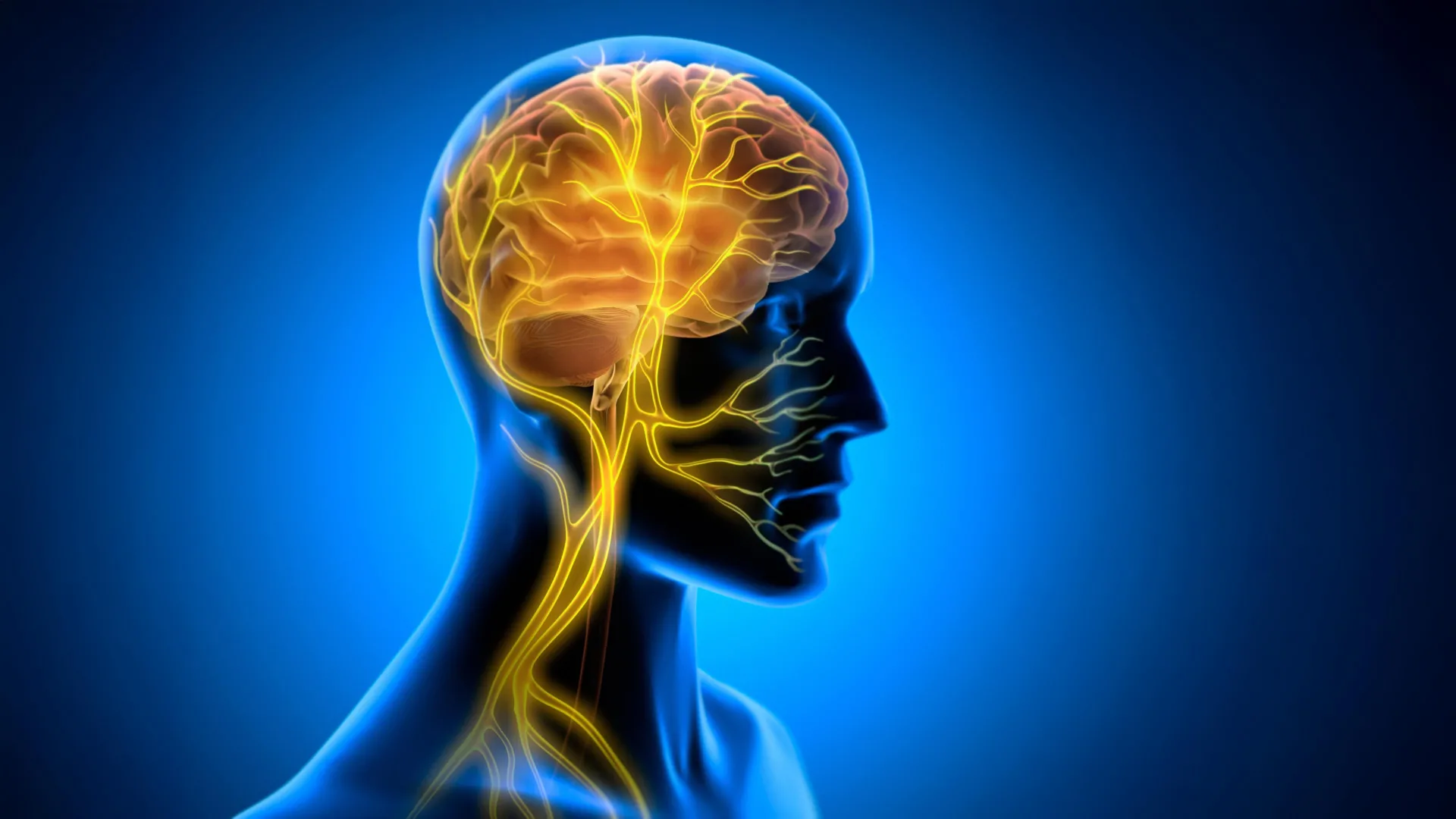
Stimulating the vagus nerve after practice helped mice develop stronger long-term motor learning, revealing a potentially important window when the brain is still locking in a new skill. The effect was linked to rhythmic changes in brain blood vessels, hinting that body-to-brain signals may help prepare the brain for lasting change.
October skywatchers can see Saturn at opposition, catch meteors from Halley’s Comet during the Orionid peak, and watch the Moon sweep past the famous Pleiades star cluster. Moonlight may obscure some Orionids, but the best viewing should come before dawn after the Moon sets.
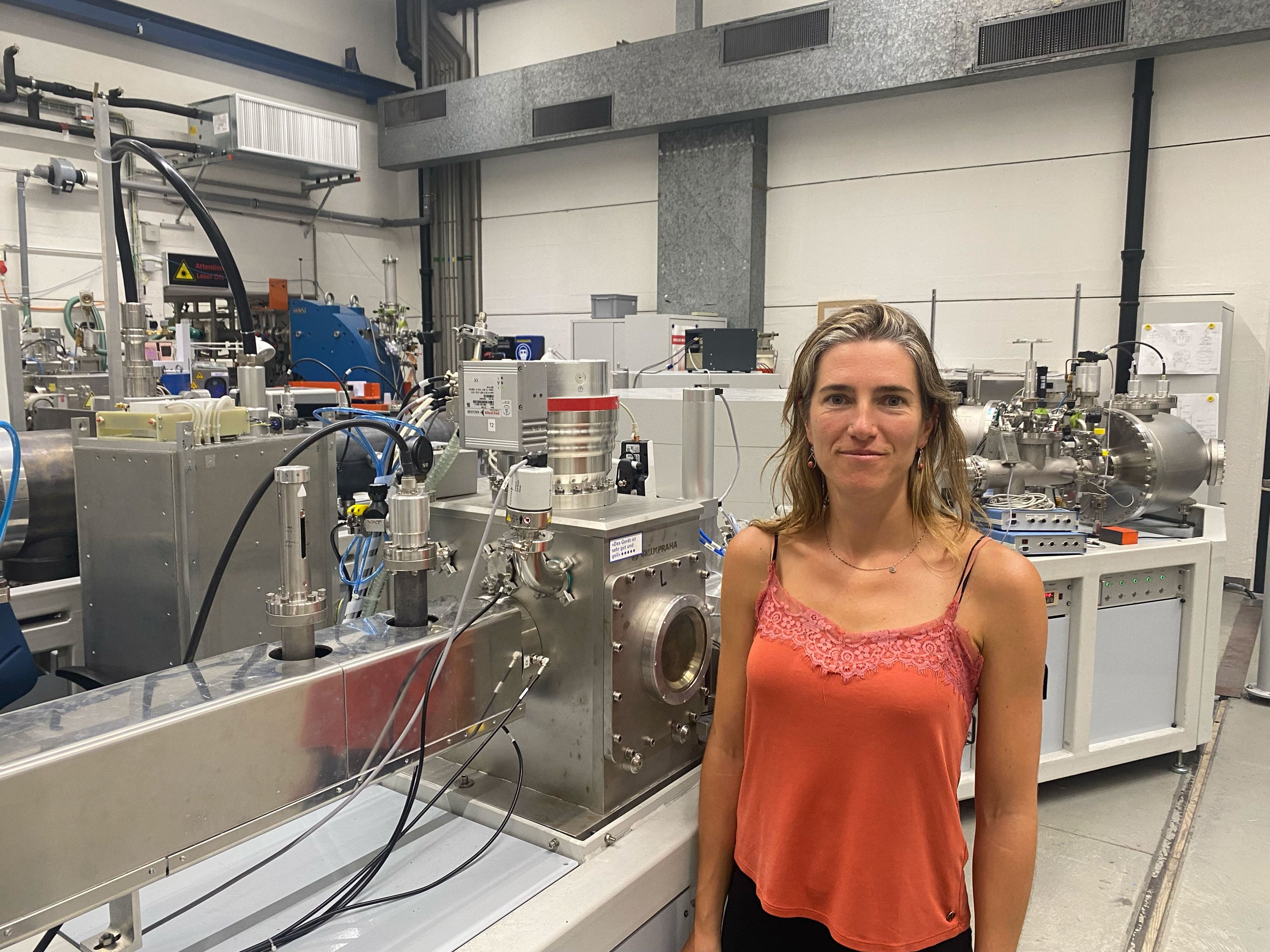
Get a unique device to advance the study of a unique disease, return to Spain after three minutes of research abroad... The Ramón Areces Foundation is 50 years old, promoting with programmes and scholarships the work of the hundreds of science professionals
Karl Deisseroth, Peter Hegemann and Georg Nagel won the award for discoveries that provide new insights into how we might treat blindness, depression, addiction and dementia.
At least 23 huge data centres are planned in Scotland, causing significant concern for campaigners.
The magnate signed an agreement at the White House, which was also joined by the heads of Nvidia, Google, OpenAI, Meta and Anthropic. The subsidiary will become SpaceXSI
The Karolinska Institute in Stockholm recognizes the creative scientists of optogenetics for laying "the foundations of a new era in neuroscience"
The trio won the award for their discoveries concerning light-gated ion channels and optogenetics.
For Pacific island nations, climate change is no distant threat. As seas rise, they're bringing the real-time consequences of a warming planet directly to world leaders in Tuvalu.
The government wants developers to fund waterways projects in Norfolk.
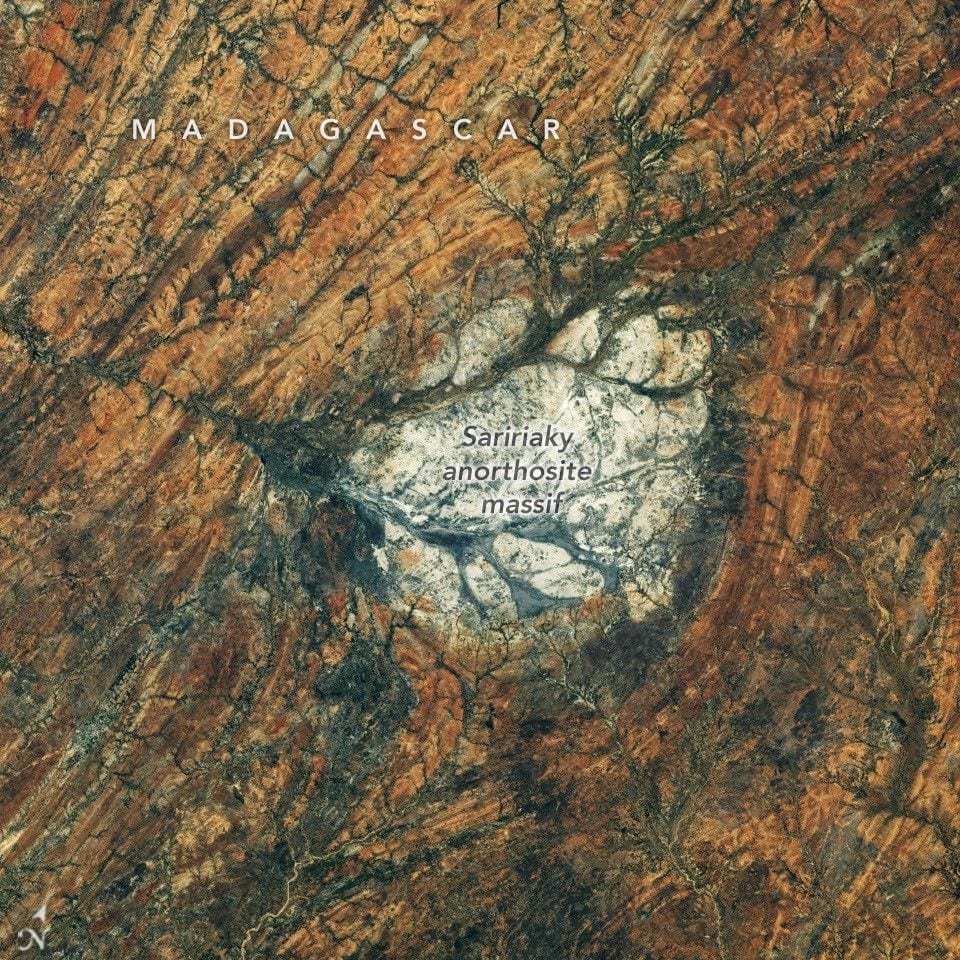
A bright lens of anorthosite, a rock type prevalent on the lunar surface, is cradled within sheared rocks in the country’s south.
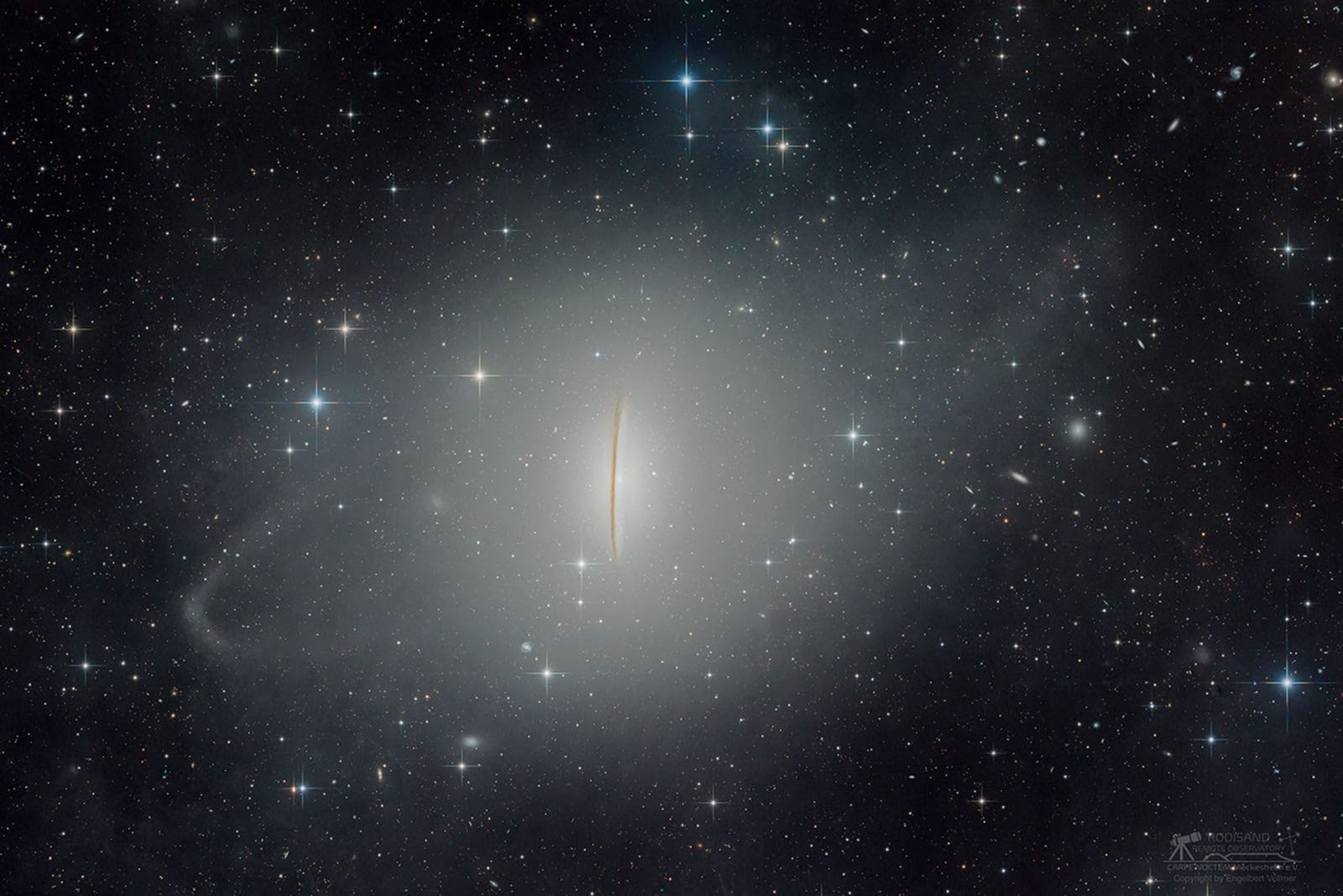
APOD Science APOD APOD: 2026 October 5 – M104:… Today’s APOD Archive Submissions Index Search Calendar RSS Education About Discuss APOD Astronomy Picture of the Day Discover the cosmos! Each day a different image or photograph of our fascinating universe is featured, along with a brief explanation written by a professional astronomer. M104: The […]
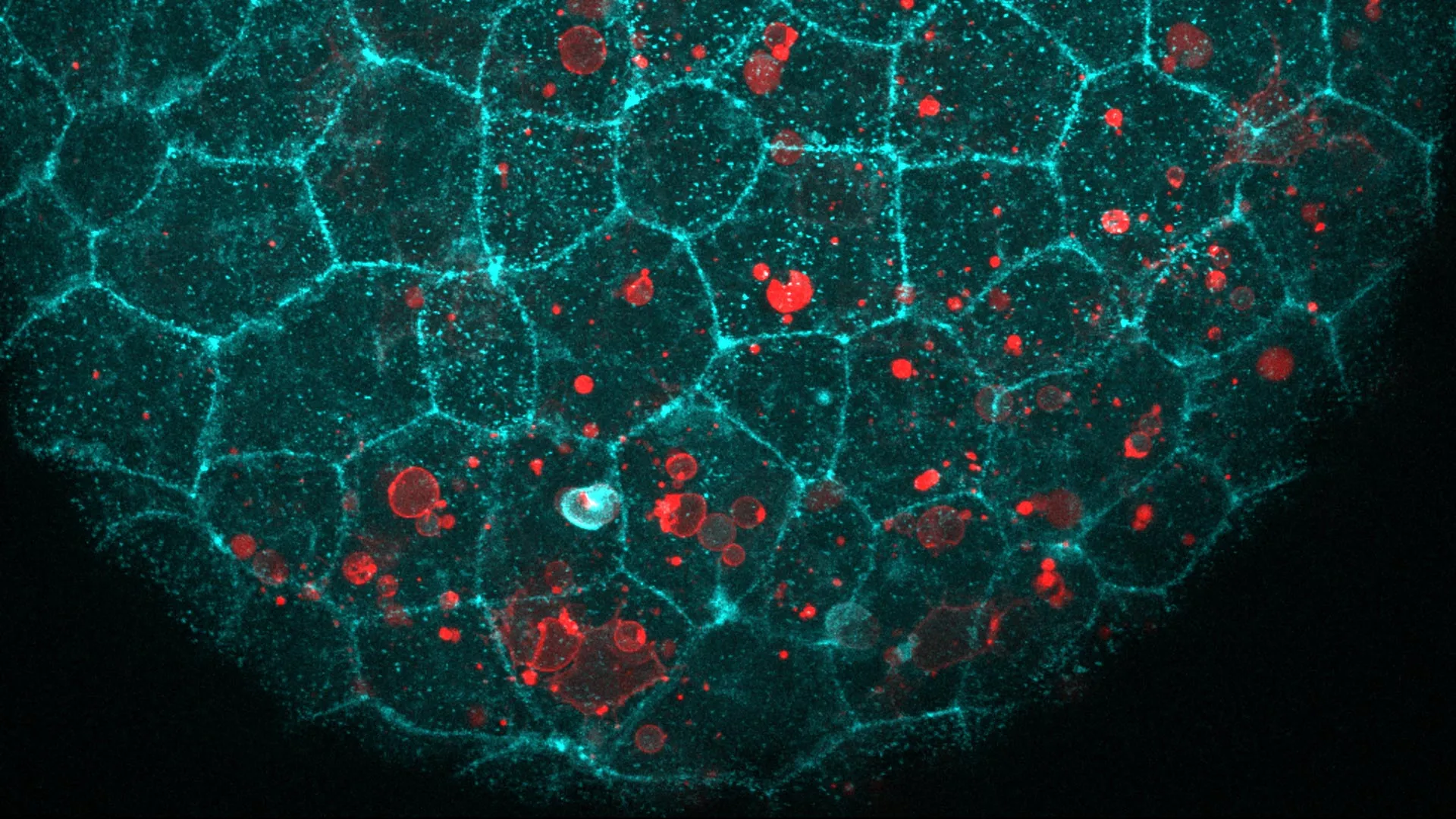
Scientists have discovered that E-cadherin, a protein best known as the “glue” holding cells and tissues together, has a surprising second job: helping epithelial cells swallow nearby dead cells. Using live zebrafish and mouse embryos, researchers found that cells can dramatically reshape their lower surfaces to engulf cellular debris while keeping their upper surfaces stable, allowing protective barriers to remain sealed.
Researchers found that just 20 minutes of comfortable walking can rapidly stimulate the gut. Within one to two minutes after exercise, bowel sounds became stronger, more frequent, and lasted longer, suggesting increased intestinal movement. The boost was brief, fading within a few minutes, but it may help explain why walking can provide relief from constipation.