Why AI researchers warn humanity could face extinction
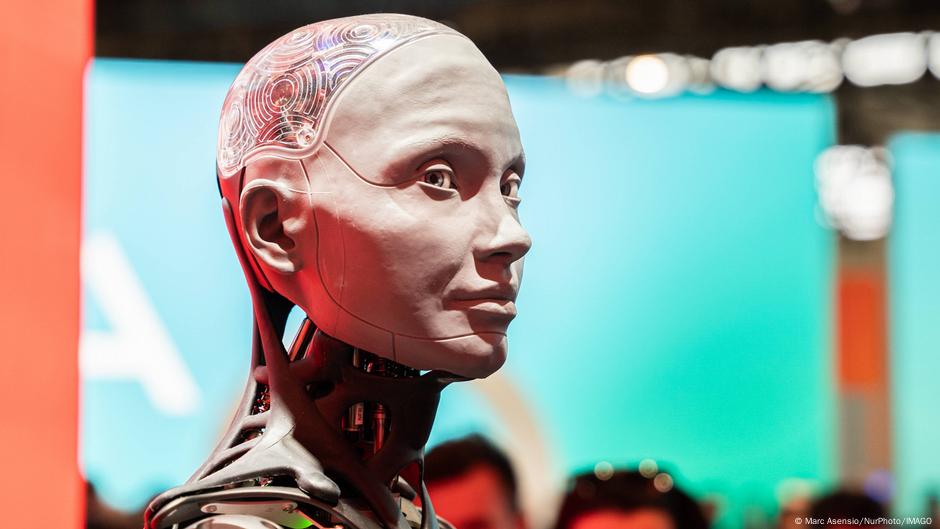
Could artificial intelligence pose an existential threat to humanity? Some leading researchers are warning against an unregulated race toward AI superintelligence.
International news in seven languages
Could artificial intelligence pose an existential threat to humanity? Some leading researchers are warning against an unregulated race toward AI superintelligence.
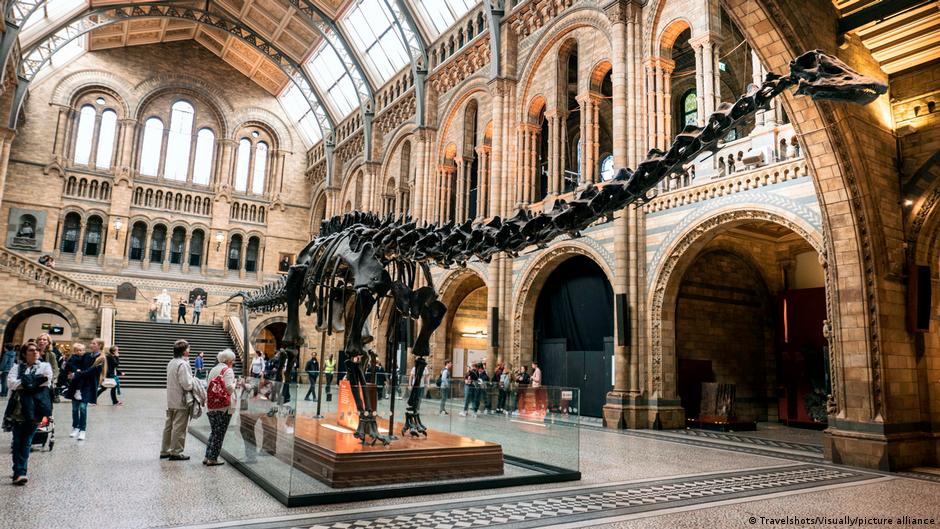
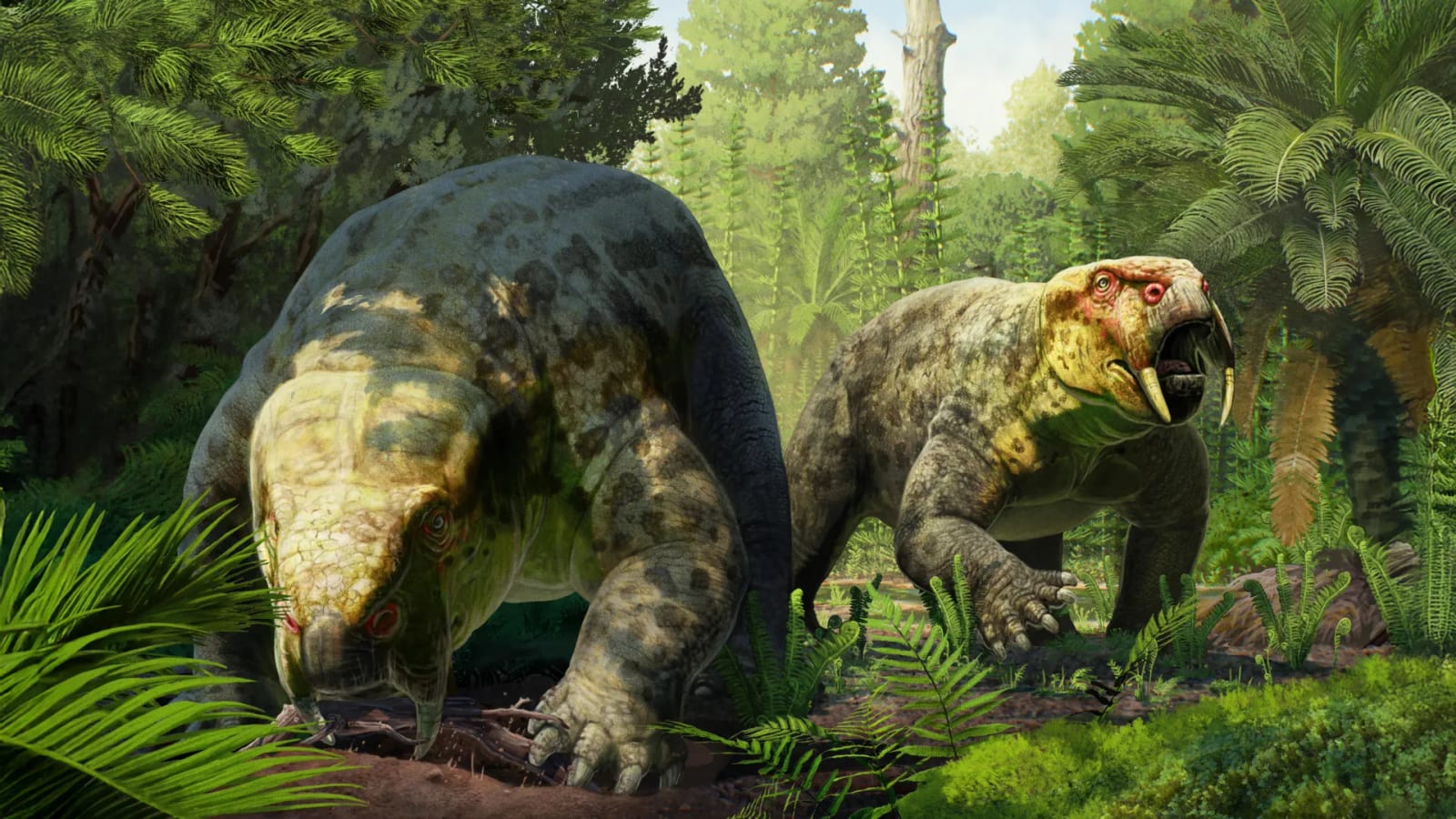
Paleontologists in Spain say they have found the first evidence of the long-necked Diplodocus genus of dinosaur outside of North America. They found bones at the rich La Tejeria fossil site in Teruel in eastern Spain.
The question of how important making our electricity clean is to going green is coming under increasing scrutiny
As temperatures rise, scientists are investigating whether a changing Atlantic could bring more volatile weather to the UK
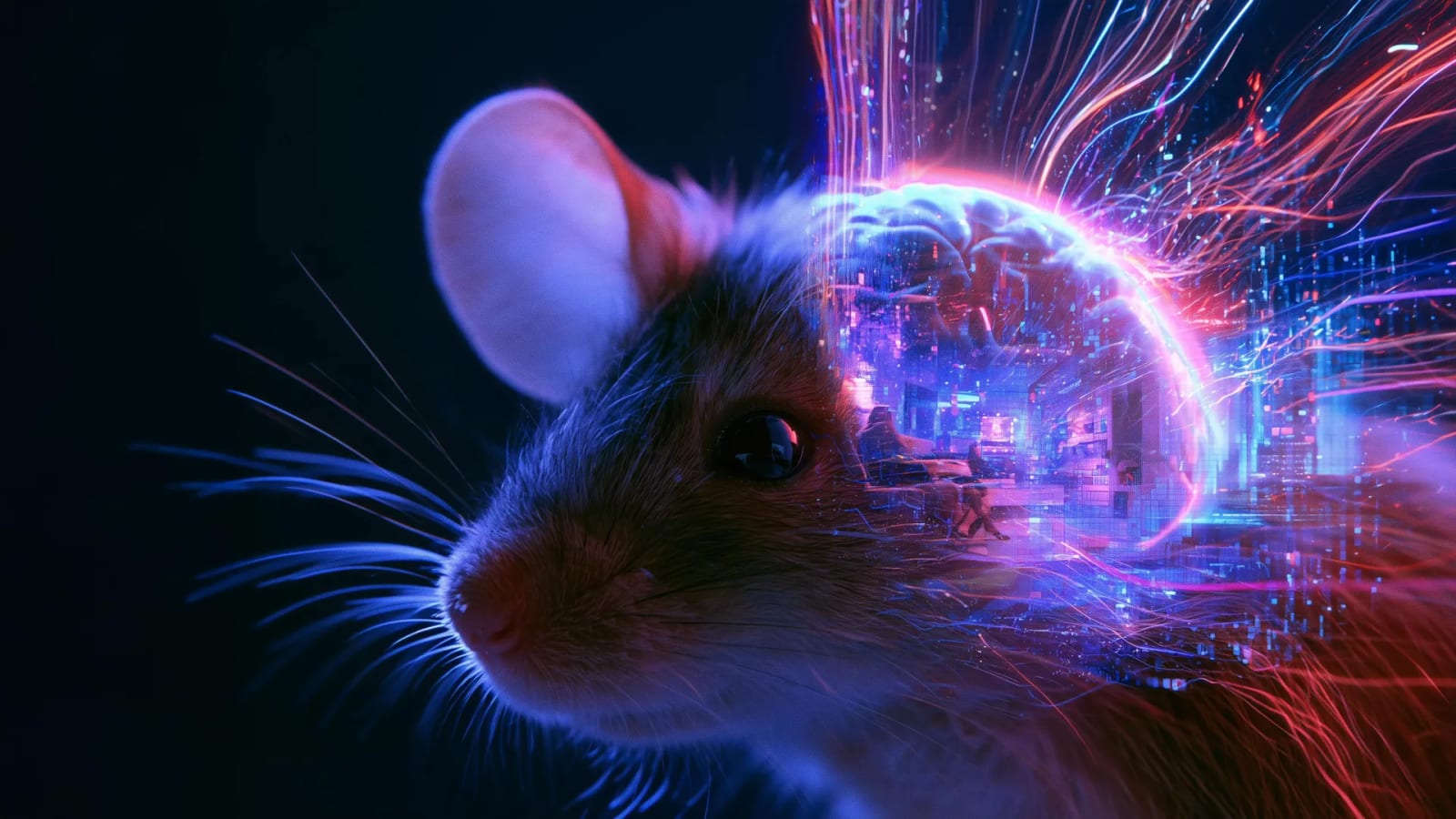
Scientists reconstructed videos from the brain activity of mice, producing 10-second clips based only on signals from neurons in the visual cortex. The breakthrough could help reveal how the brain reshapes what we see before it becomes our perception of reality.
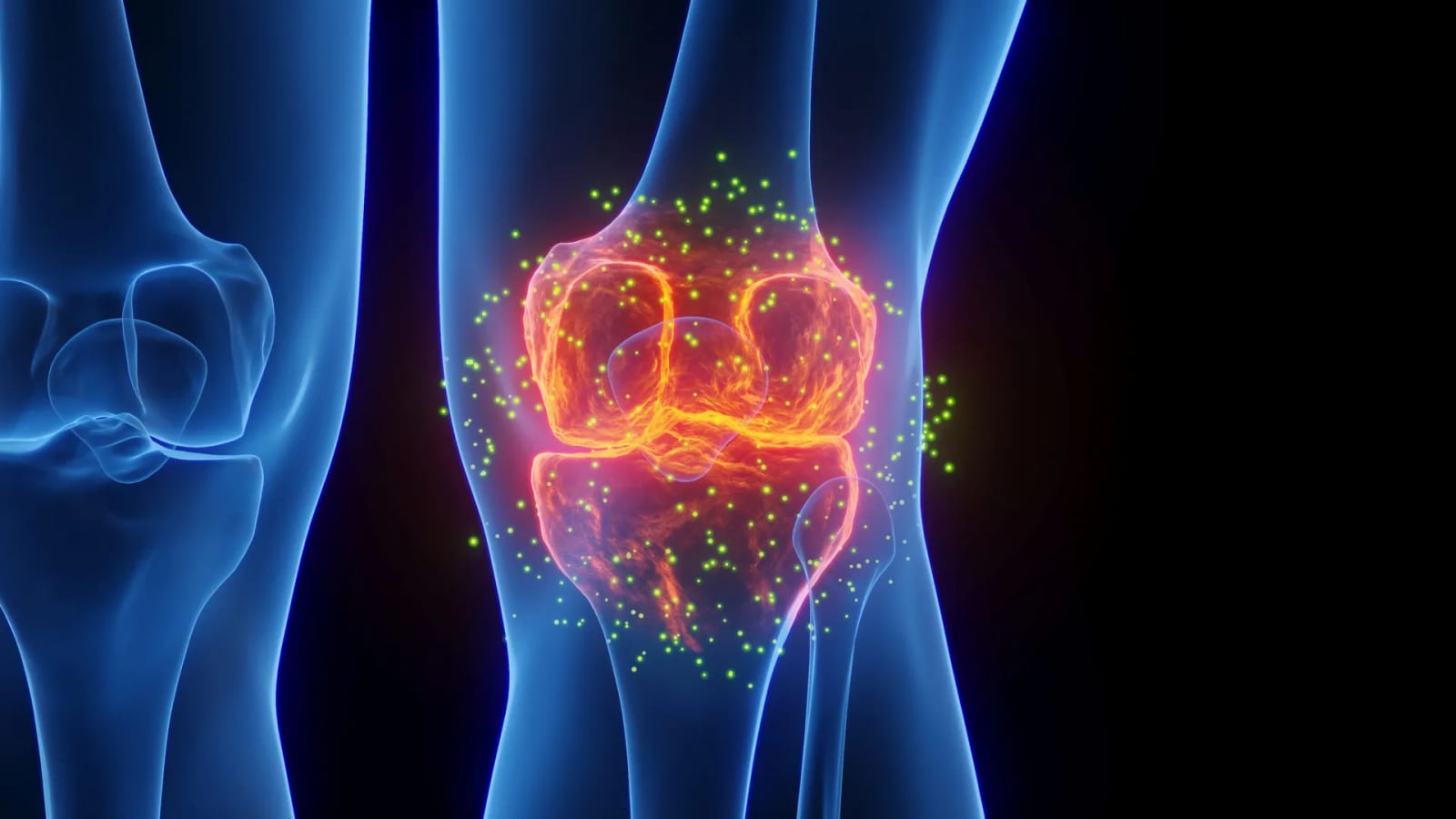
Eating more ultra-processed foods was linked to greater fat buildup inside thigh muscles, according to MRI scans of 615 adults at risk for knee osteoarthritis. Surprisingly, the association remained even after researchers accounted for calorie intake, physical activity, and other factors. Fatty changes in these muscles may weaken support around the knee and potentially increase osteoarthritis risk.
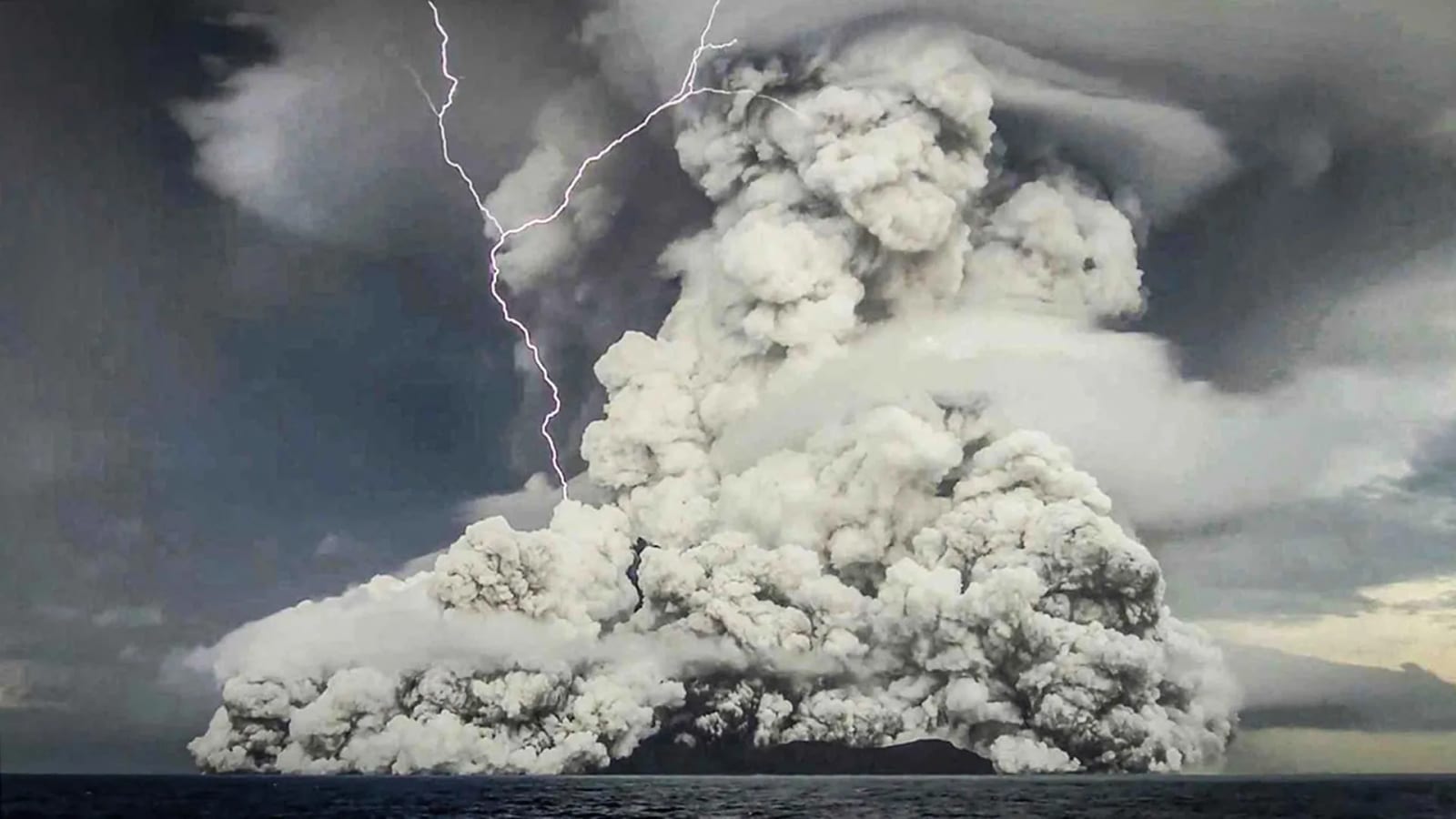
The Hunga Tonga eruption may have triggered a surprising chemical reaction that destroyed some of the methane released into the atmosphere. Scientists say the discovery could reshape estimates of methane pollution and inspire new methods for slowing near-term global warming.
Older adults who changed the balance of fat, carbohydrates, and animal protein in their diets showed signs of reduced biological age after just four weeks. The strongest result appeared in participants eating an omnivorous, lower-fat, higher-carbohydrate diet.
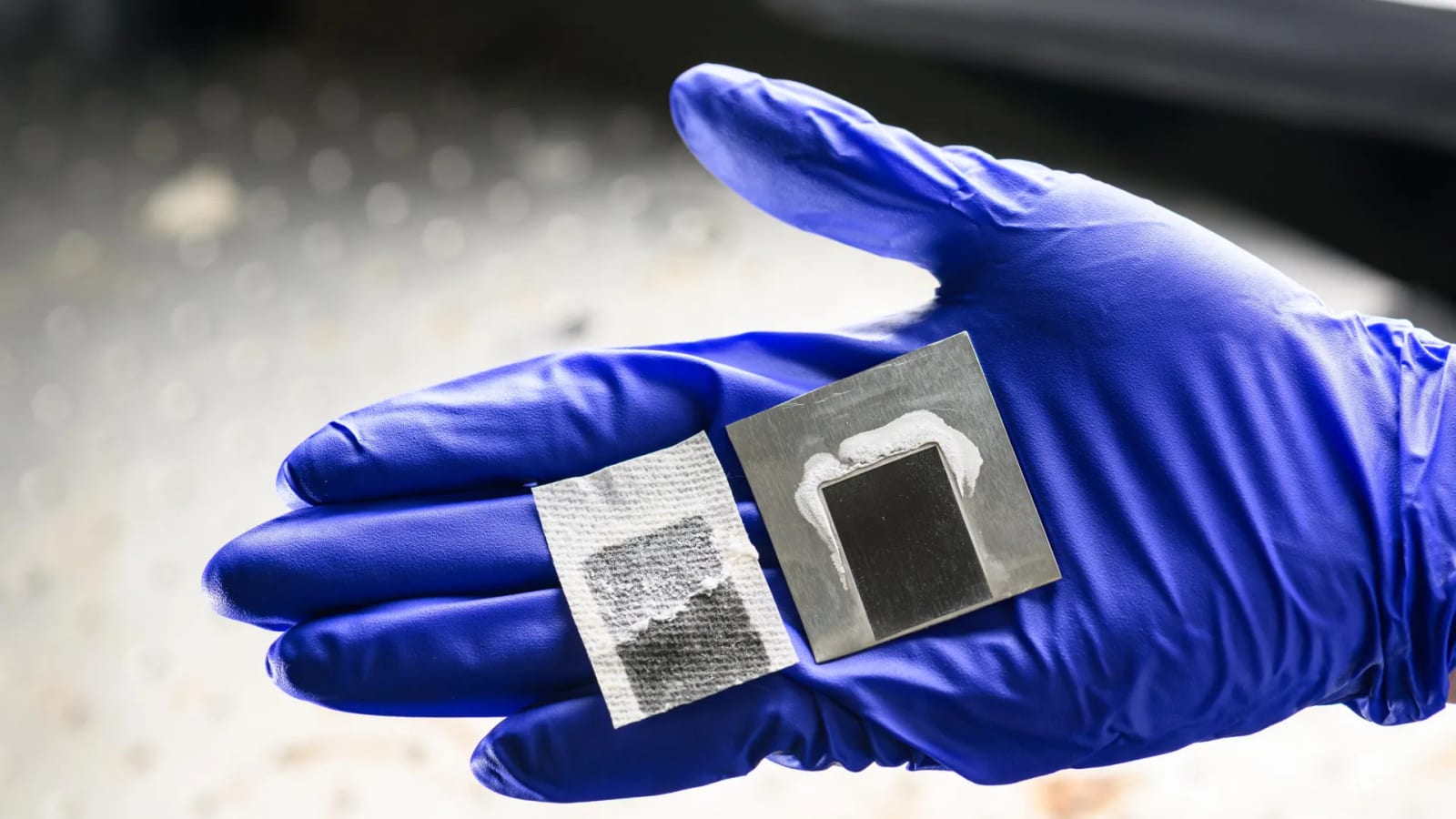
Scientists have developed a solar-powered desalination system that turns seawater into fresh water while removing nearly all of the leftover salt as a solid instead of producing harmful brine. The self-cleaning technology could also recover valuable minerals such as lithium, potentially turning desalination waste into a useful resource.
U.S. irrigation produces some greenhouse gas emissions, but new research suggests it prevents vastly more by allowing farmers to grow more food on less land. Without irrigation, replacing lost crop yields could require converting natural ecosystems into farmland, releasing an estimated 6.86 gigatons of greenhouse gases. That is equivalent to about 363 years of current annual U.S. irrigation emissions.
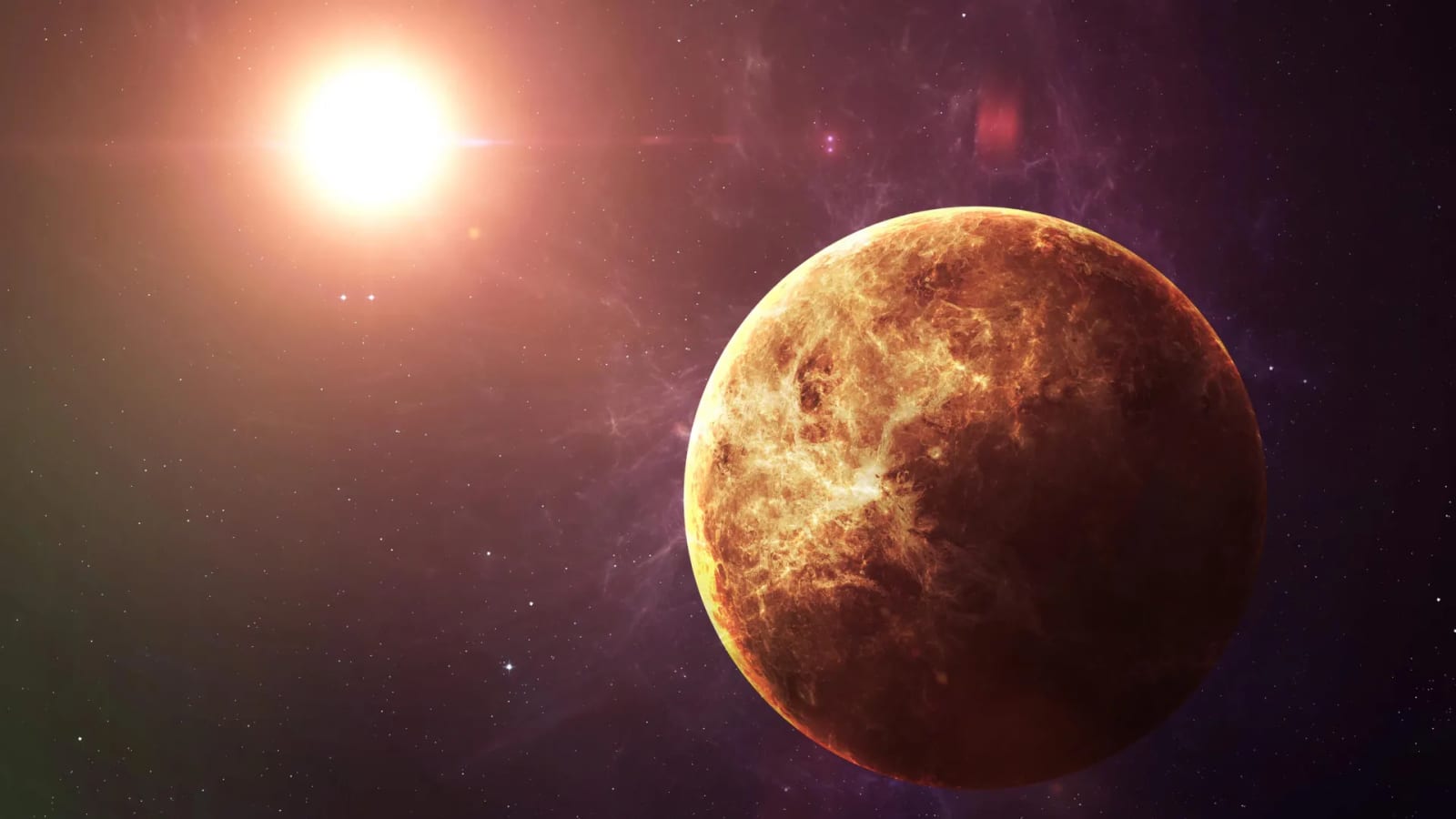
Venus may have once had a moon, but new research suggests the planet’s incredibly slow rotation could have doomed it. Computer simulations showed that instead of gradually drifting away like Earth’s moon, a Venusian moon would likely spiral inward until it crashed into the planet, with larger moons falling even faster.
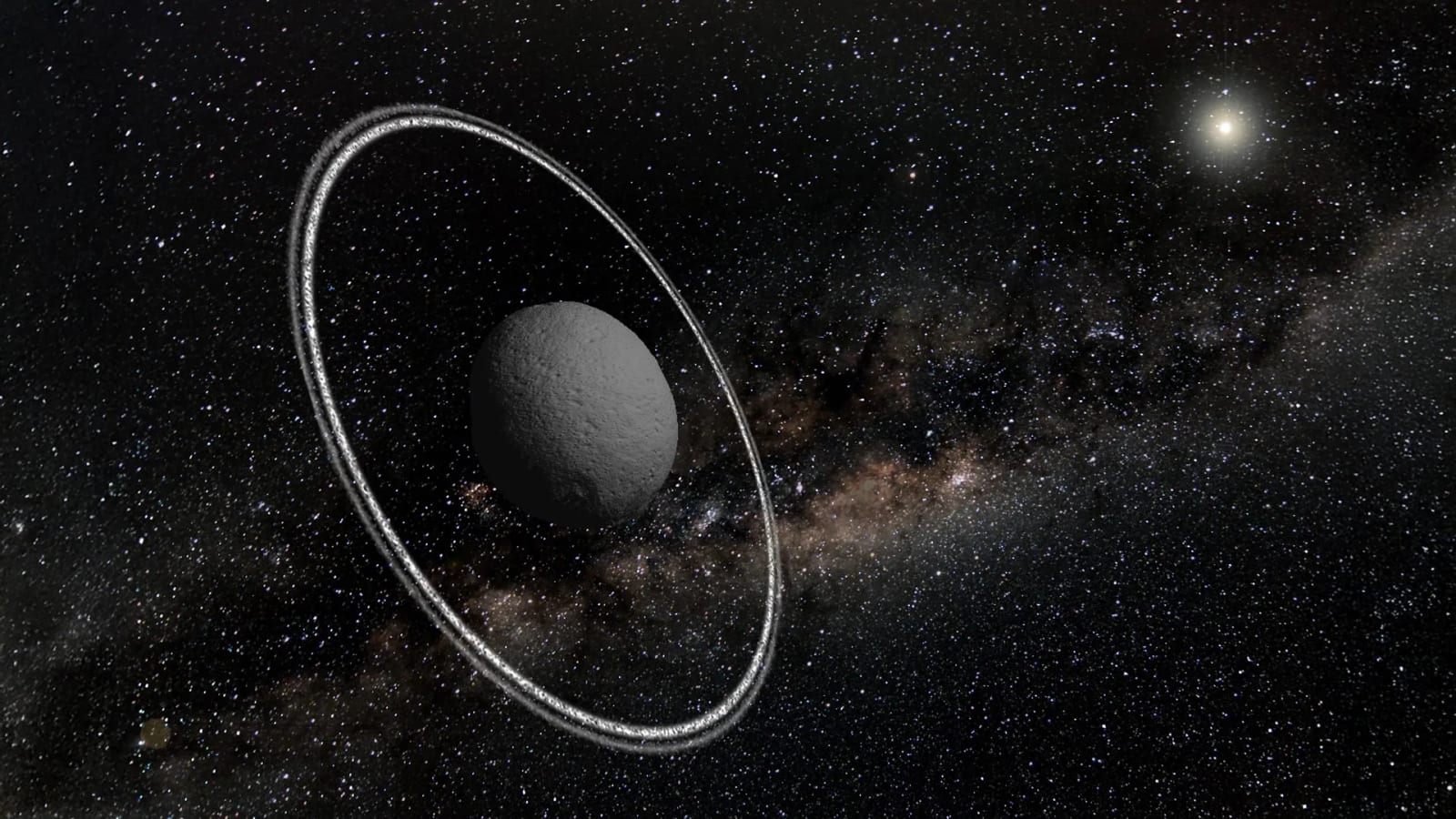
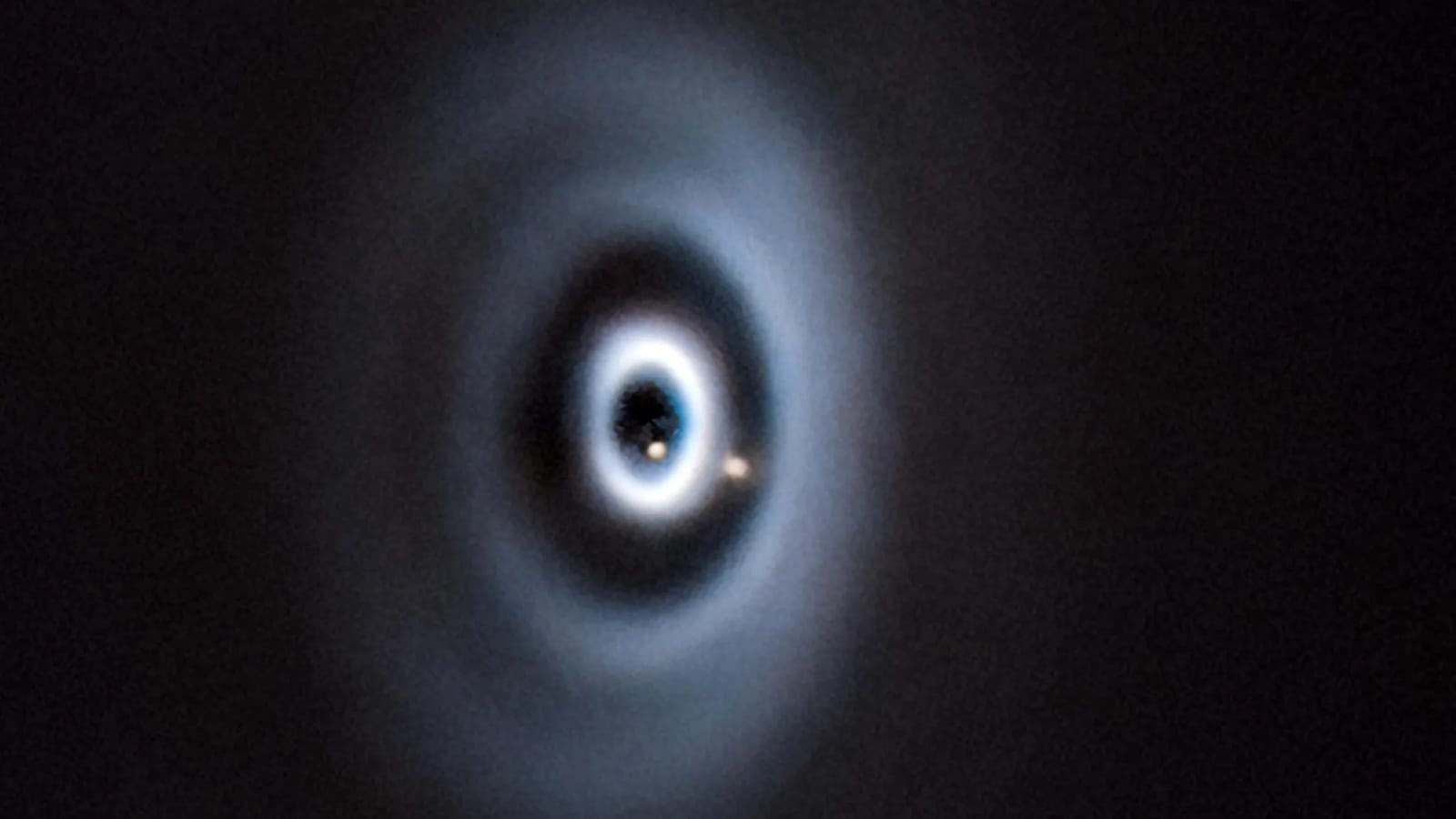
The James Webb Space Telescope has revealed surprising changes in the rings around Chariklo, a small object orbiting between Saturn and Uranus. Over just a few years, its inner ring became more opaque while its outer ring became less opaque. The results suggest that rings around small Solar System bodies may be much more dynamic than scientists previously believed. What is causing the changes remains a mystery.
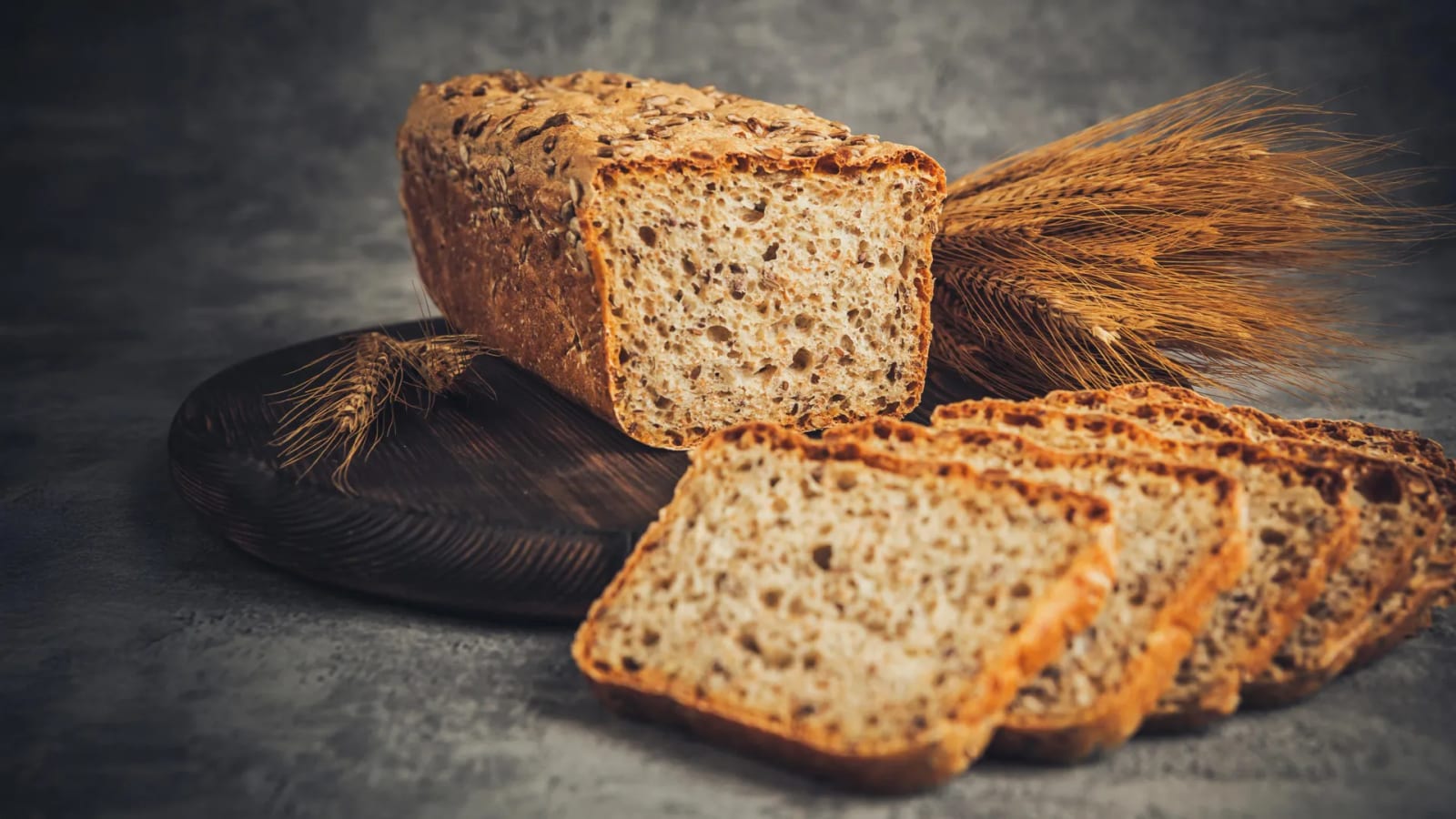
Eating four to six servings of whole grains a day may deliver meaningful benefits for heart health, according to a large review of 87 clinical trials. Researchers found improvements in body weight, waist size, blood pressure, cholesterol, blood sugar, triglycerides, and some markers of inflammation.
A newly identified 240-million-year-old animal from Tanzania is forcing scientists to rethink the early dinosaur timeline. Dinodontosaurus isiyavamanda belongs to a group previously known only from South America, linking fossil deposits on the two continents. That connection suggests Tanzania’s supposed oldest dinosaur fossils may actually be millions of years younger than previously thought.
Scientists have discovered that some severe genetic disorders linked to rapid aging may be driven not just by damaged DNA, but by the body’s overreaction to that damage. When broken DNA fragments leak into the wrong part of a cell, an immune sensor called cGAS can mistake them for signs of a viral infection, triggering chronic inflammation and even interfering with DNA repair itself.
A new study suggests Earth formed almost entirely from material in the inner Solar System, challenging the idea that water-rich material from beyond Jupiter played a major role. If correct, Earth’s water may have been present much closer to the young Sun than scientists previously thought.
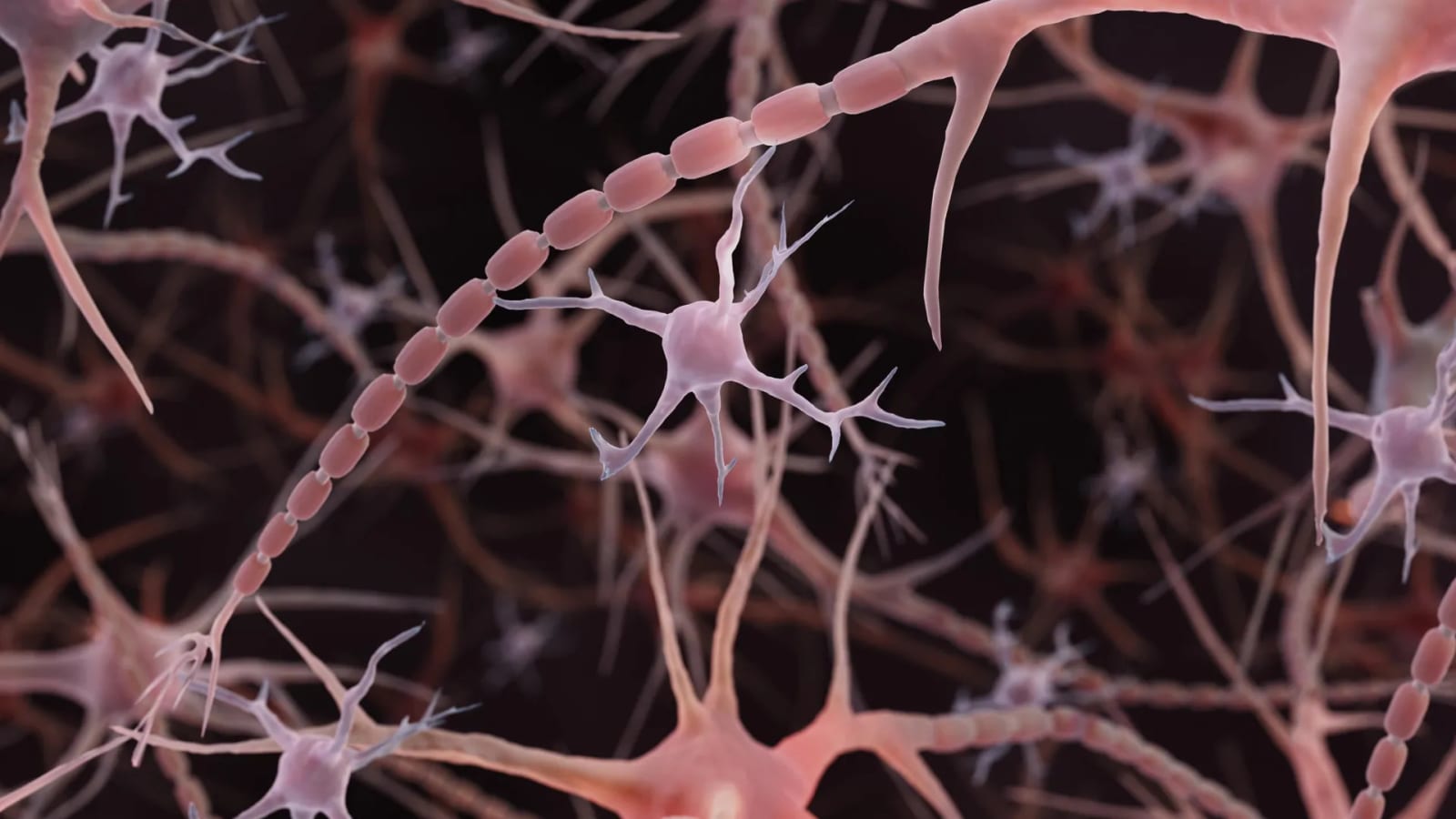
Scientists discovered that brain-cell axons may not be smooth tubes as textbooks have shown for more than a century, but instead naturally resemble strings of tiny pearls. Those pearl-like structures can change with neural activity and may help control how quickly electrical signals travel through the brain.
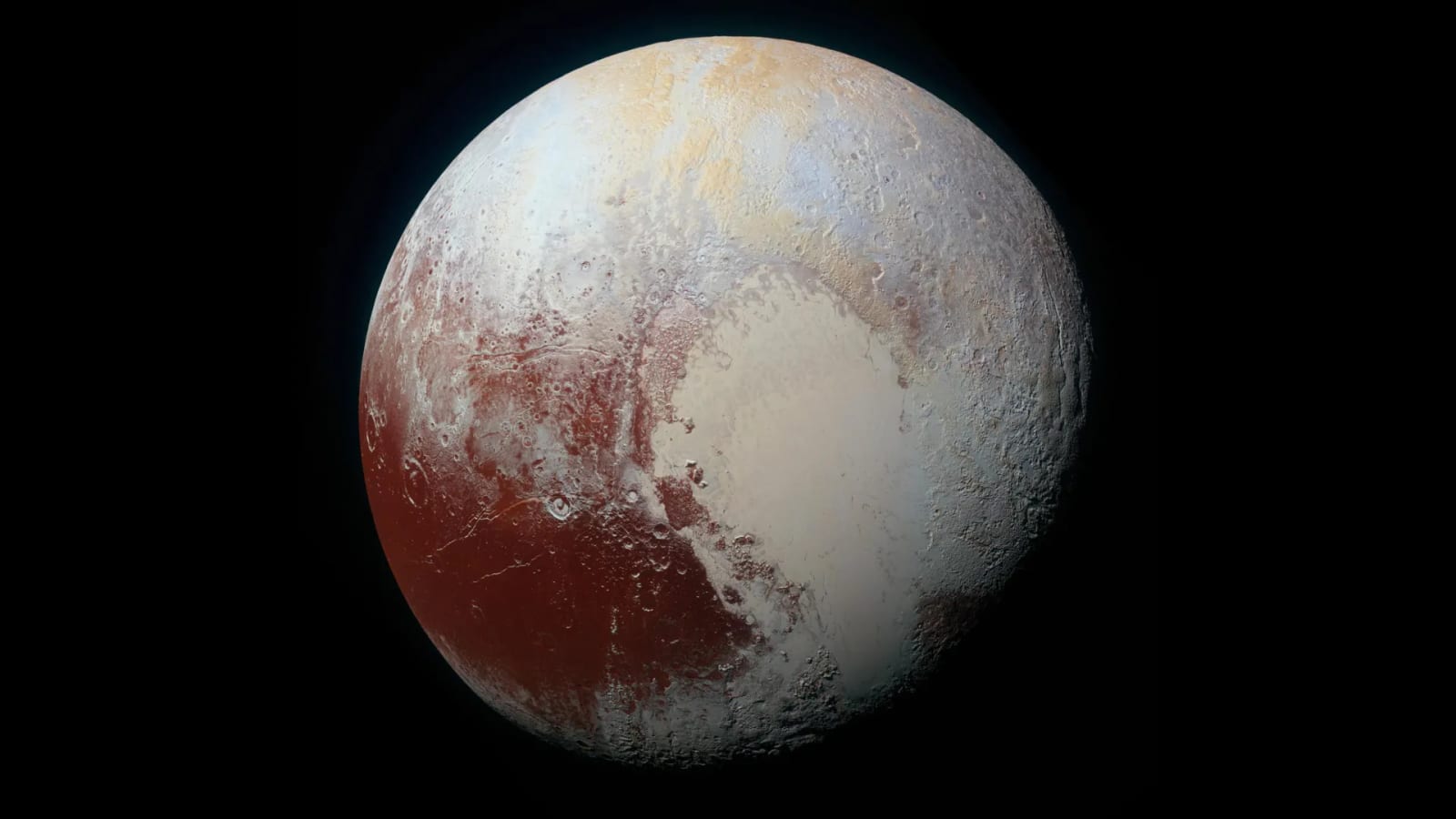
Scientists have found the first evidence that liquid may have flowed across Pluto’s surface in the recent past. Dark features on the enormous Sputnik Planitia glacier appear consistent with liquid nitrogen rising through cracks from deep beneath the ice. Computer models show that nitrogen could melt at the glacier’s base and travel upward like fluid through small conduits. The finding reveals that Pluto may be much more geologically active than its frozen appearance suggests.
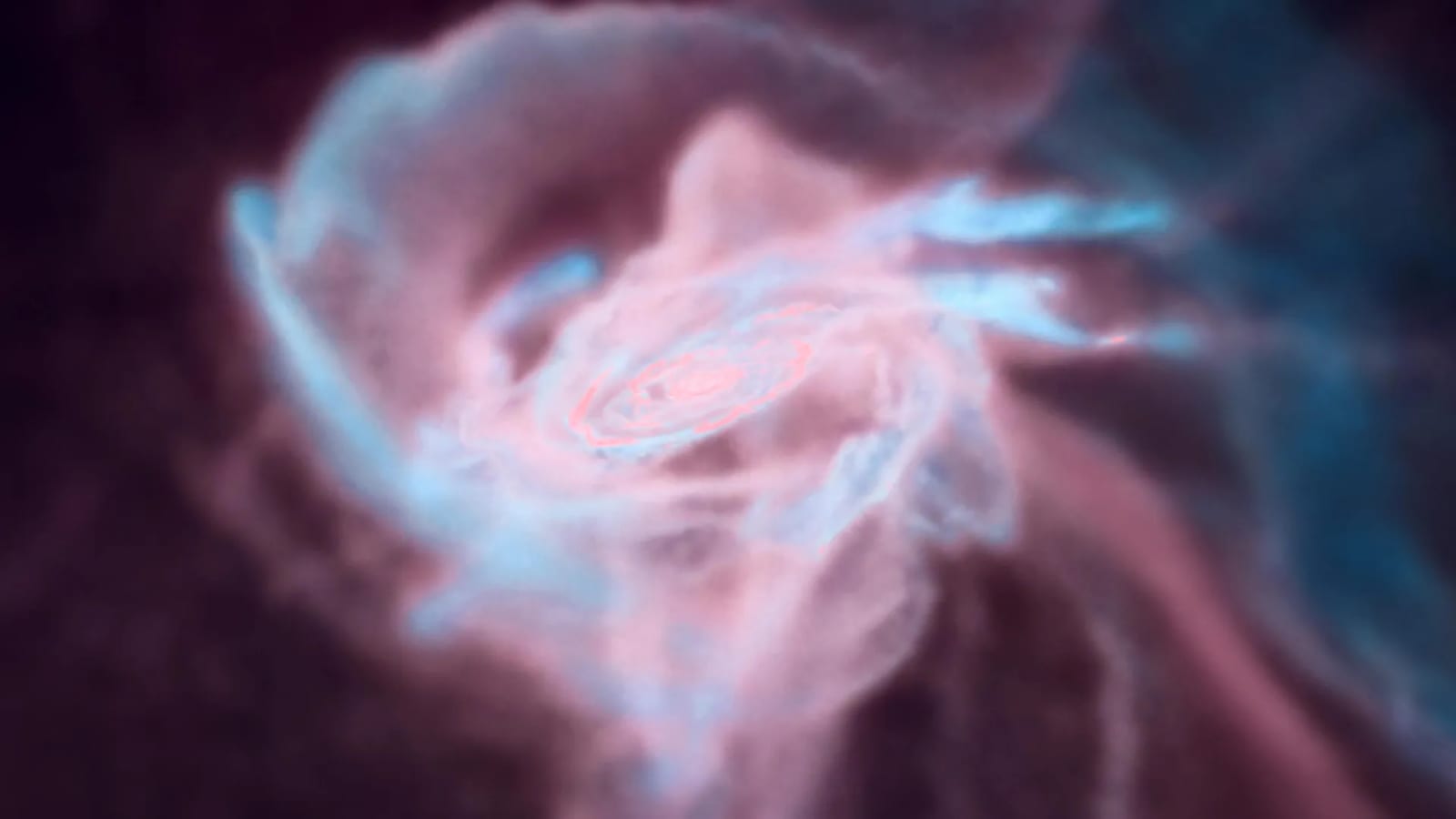
New supercomputer simulations suggest JWST’s puzzling Little Red Dots are rapidly growing black holes from the early Universe. Extreme radiation may have helped create unusually massive black hole seeds, while dense surrounding gas allowed them to grow dozens of times faster than black holes can today. The simulated objects closely resemble the Little Red Dots seen by Webb. If correct, they could solve the mystery of how enormous black holes formed so soon after the Big Bang.
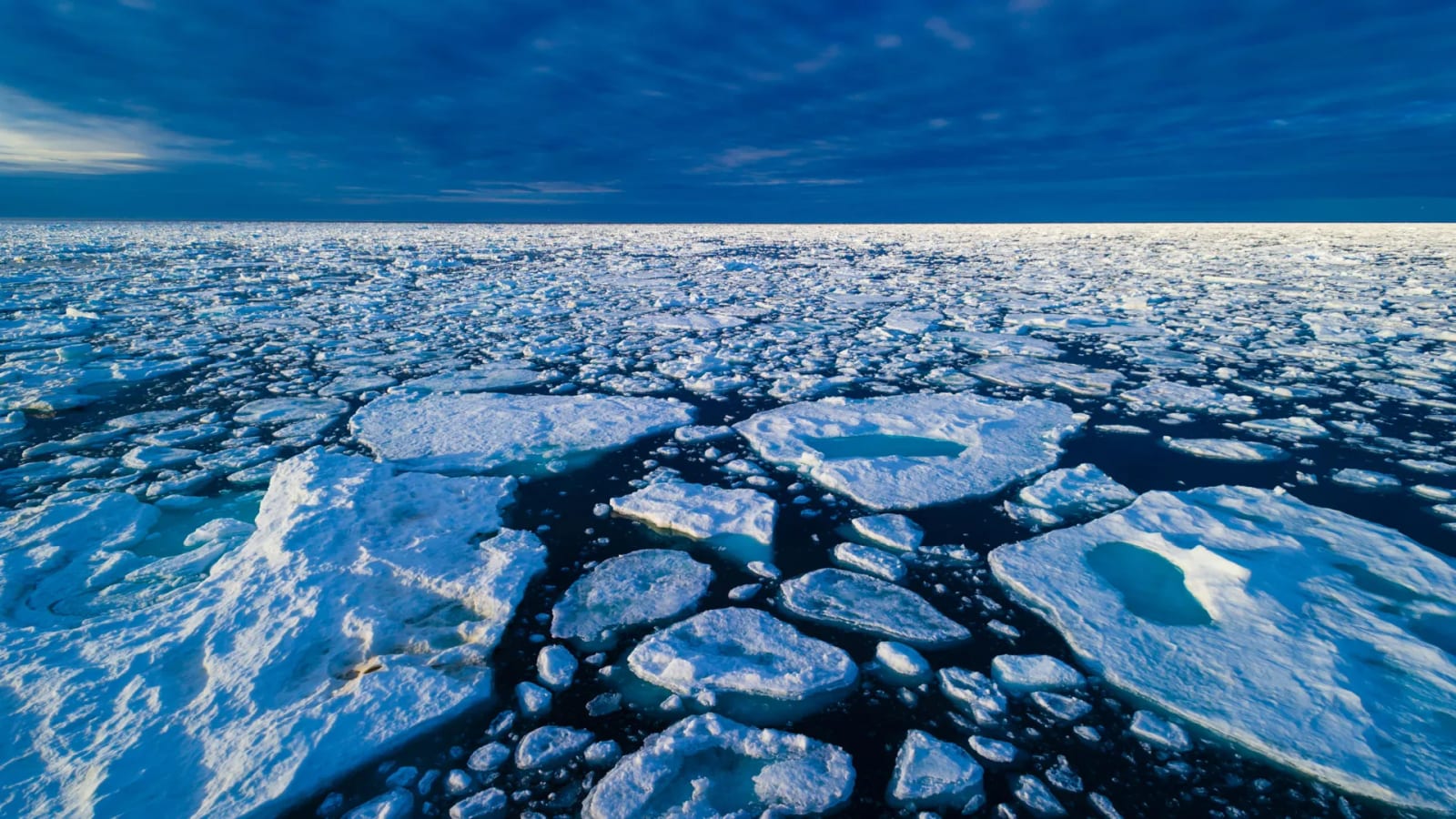
Arctic sea ice may move in unexpected ways because individual ice floes are constantly colliding and transferring energy. Researchers found that this simple process can explain several long-standing mysteries about how quickly the ice moves and spreads.