Advertisement
Advertisement

Science

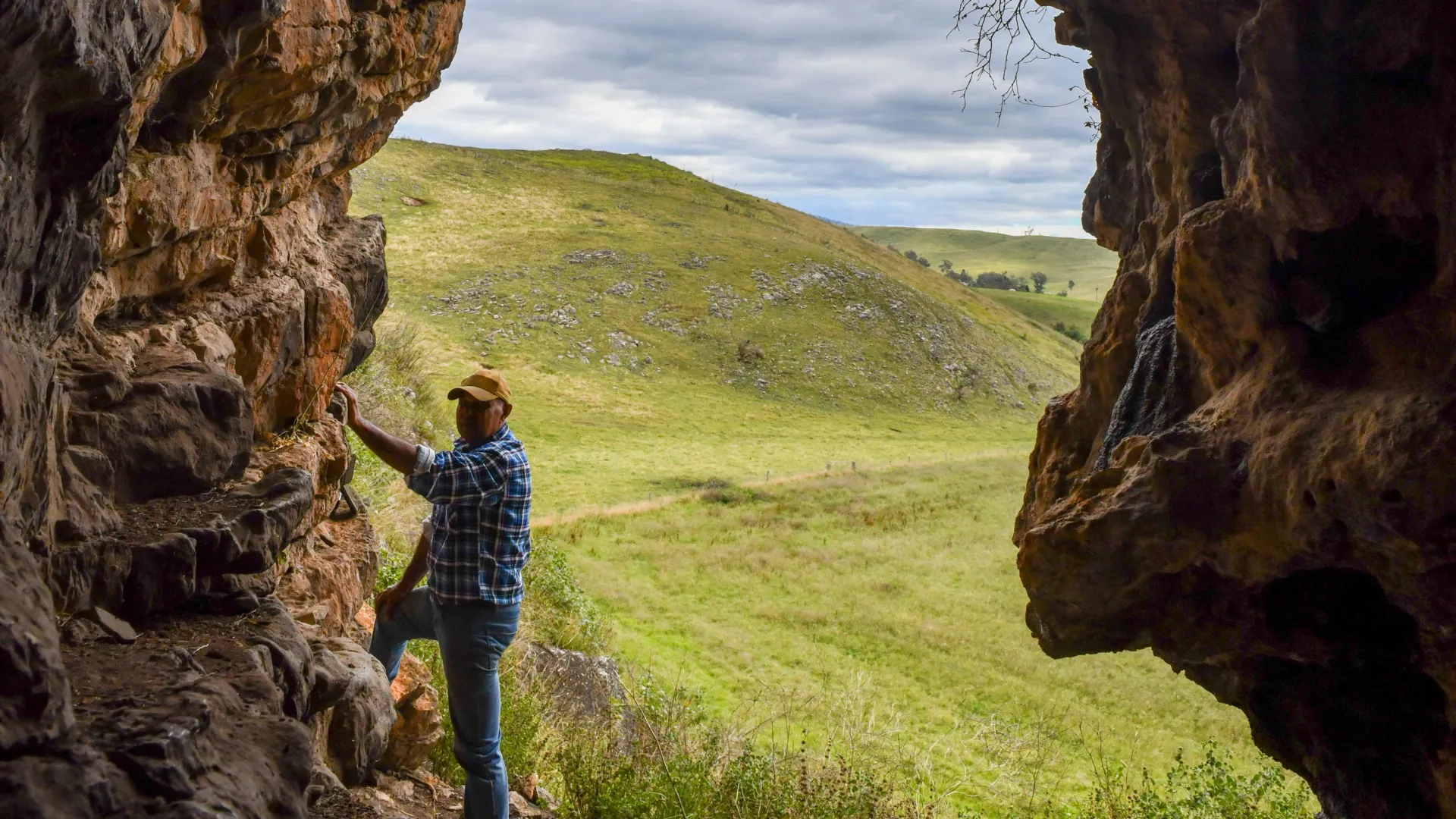
This Australian cave hid 25,000 years of ritual secrets

Microscopic plant remains are revealing how GunaiKurnai ancestors used Cloggs Cave for ritual practices over thousands of years. People deliberately gathered whole grasses, carried them into the dark cave, and burned them in thin layers, leaving behind traces that may span 25,000 years. A standing stone erected around 2,000 years ago and other ritual objects strengthen the evidence that the cave was a long-lived spiritual site.

ScienceDaily

Smelling chocolate helped men complete more reps without feeling more tired

Simply smelling chocolate helped men complete more leg extension repetitions without making the workout feel harder, with dark chocolate producing the strongest effect. The researchers think familiar food aromas may influence appetite and motivation by making the brain anticipate eating.

ScienceDaily

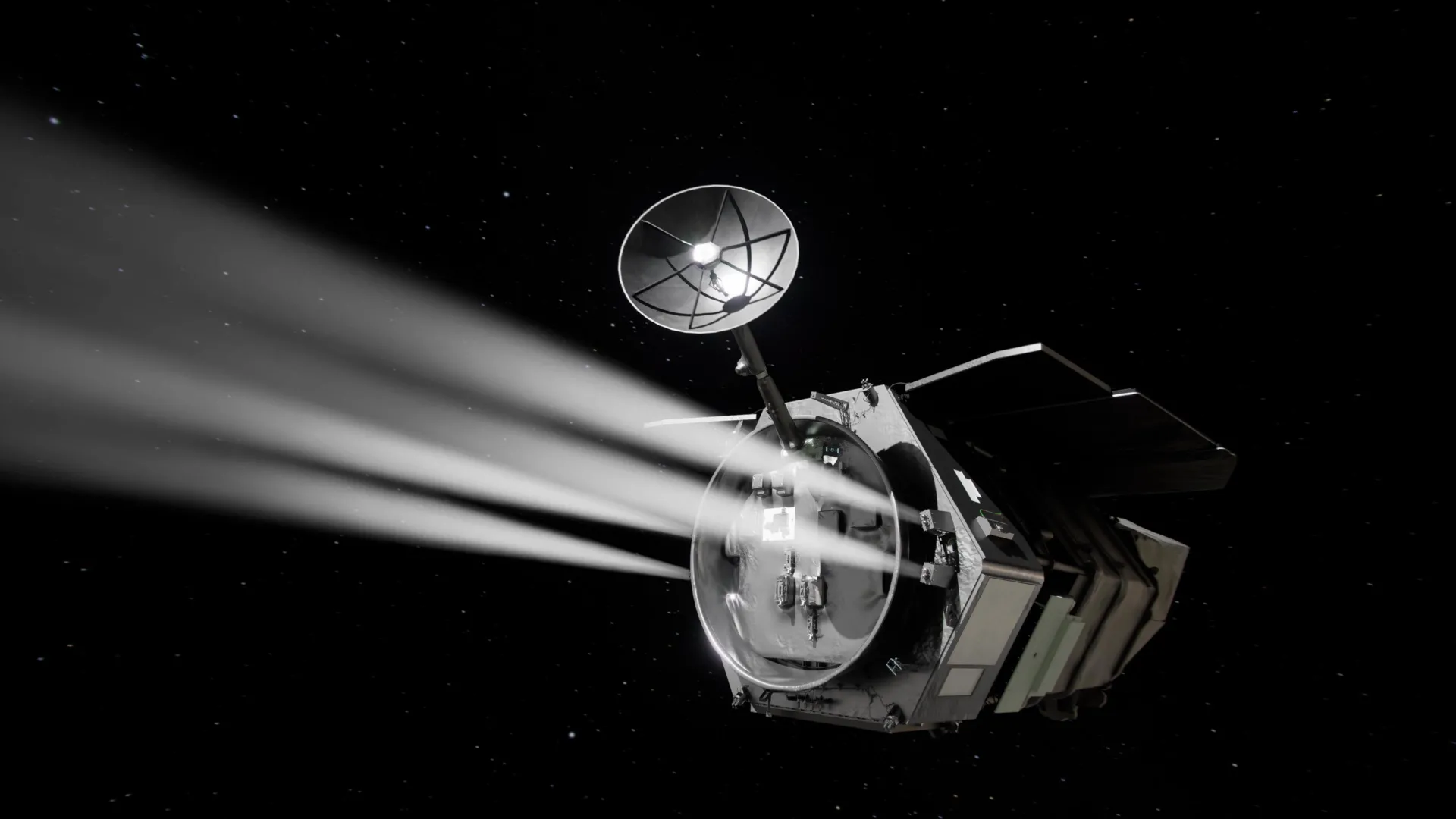
NASA’s Roman Space Telescope could last more than twice as long as planned

NASA’s Roman Space Telescope may now have enough fuel for at least 22 years of science, more than double its original 10 year design life. An extremely precise course correction, extra fuel at launch, and additional expected savings could keep the powerful observatory studying the universe for decades.

ScienceDaily

Scientists are about to test Einstein’s gravity with exotic matter

Scientists have found a new way to create a controlled beam of muonium, an exotic atom containing a heavier cousin of the electron. The advance could allow researchers to test for the first time whether gravity acts on second-generation particles exactly as Einstein’s theory predicts. Any unexpected difference would be a major surprise and could potentially point toward new physics, including a hypothetical fifth force.

ScienceDaily

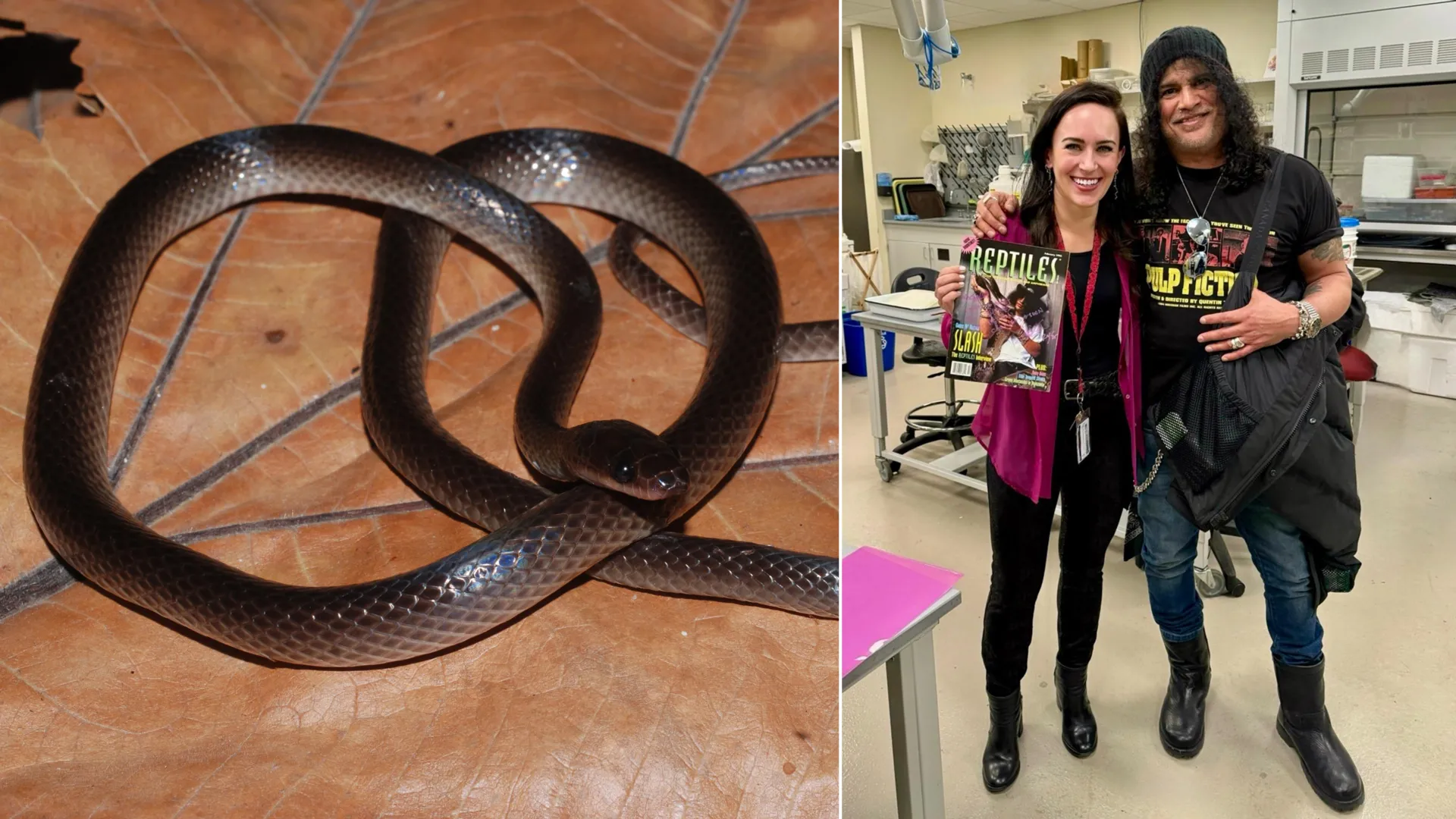
Scientists just named a new snake after Guns N’ Roses legend Slash

A newly discovered snake from New Guinea has been named after Guns N’ Roses guitarist Slash, who has loved reptiles since childhood. Genetic testing and physical differences confirmed that the reddish-brown groundsnake, Lielaphis slashi, is a species scientists had never formally recognized before. The nonvenomous snake may use large rear teeth to catch slippery lizards and reptile eggs.

ScienceDaily

Corals as climate archive: Are El Nino events intensifying?

Records show that El Nino events have been frequent and often extreme over the past few decades. Is this normal? Or is it the result of climate change? Corals can give us a clear indication.

Deutsche Welle (English)
Advertisement

Europe launches two climate observation satellites

The European Space Agency has put two satellites into orbit to take a closer look at the impact of climate change. One of them will focus particularly on plant life.

Deutsche Welle (English)

Scientists recreated what mice saw from brain activity alone

Scientists reconstructed videos from the brain activity of mice, producing 10-second clips based only on signals from neurons in the visual cortex. The breakthrough could help reveal how the brain reshapes what we see before it becomes our perception of reality.

ScienceDaily

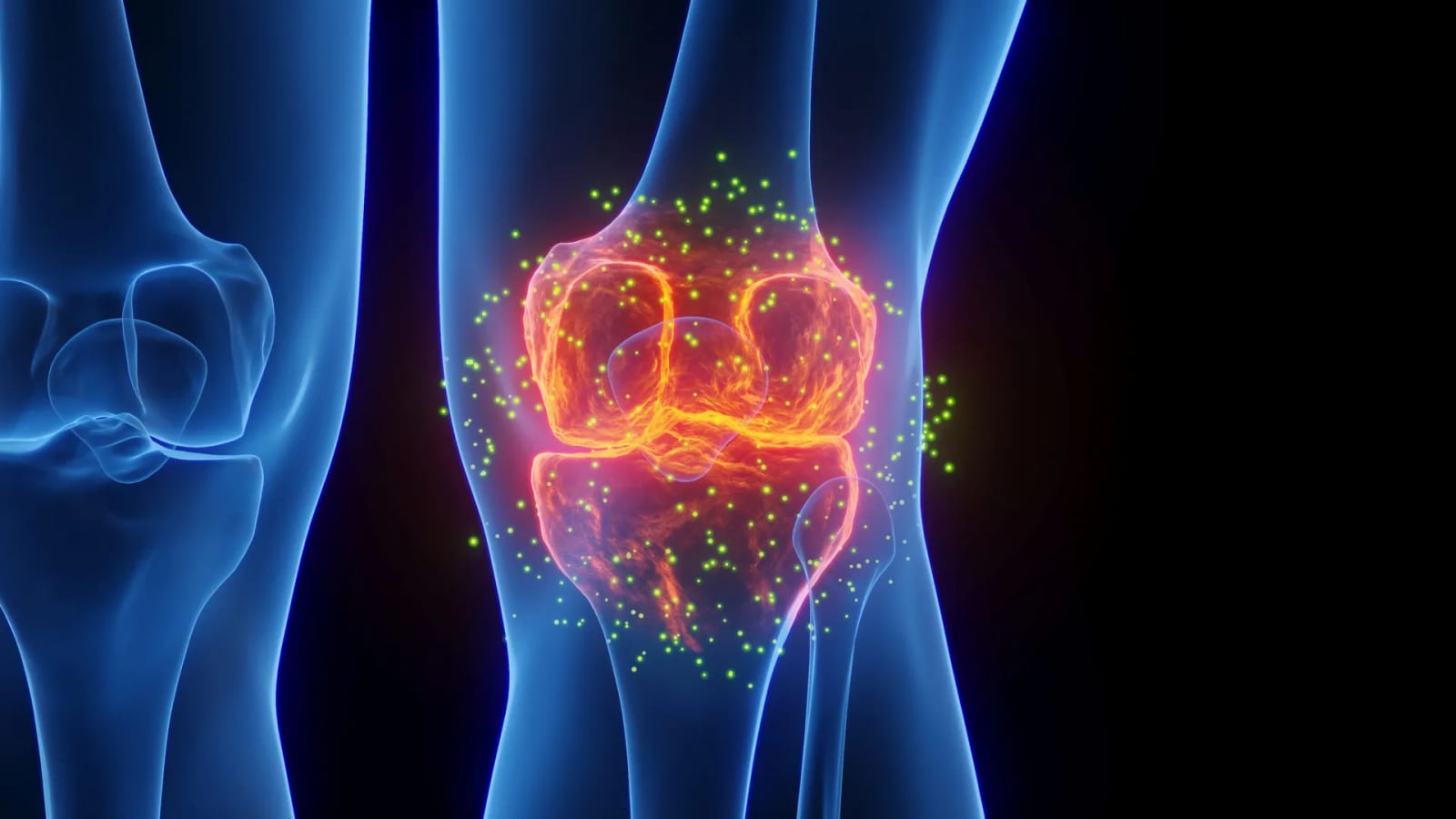
Ultra-processed foods linked to hidden muscle fat that may threaten your knees

Eating more ultra-processed foods was linked to greater fat buildup inside thigh muscles, according to MRI scans of 615 adults at risk for knee osteoarthritis. Surprisingly, the association remained even after researchers accounted for calorie intake, physical activity, and other factors. Fatty changes in these muscles may weaken support around the knee and potentially increase osteoarthritis risk.

ScienceDaily

Scientists stunned as volcano cloud starts destroying methane

The Hunga Tonga eruption may have triggered a surprising chemical reaction that destroyed some of the methane released into the atmosphere. Scientists say the discovery could reshape estimates of methane pollution and inspire new methods for slowing near-term global warming.

ScienceDaily
Advertisement

Scientists reversed biological age in older adults in just 4 weeks

Older adults who changed the balance of fat, carbohydrates, and animal protein in their diets showed signs of reduced biological age after just four weeks. The strongest result appeared in participants eating an omnivorous, lower-fat, higher-carbohydrate diet.

ScienceDaily

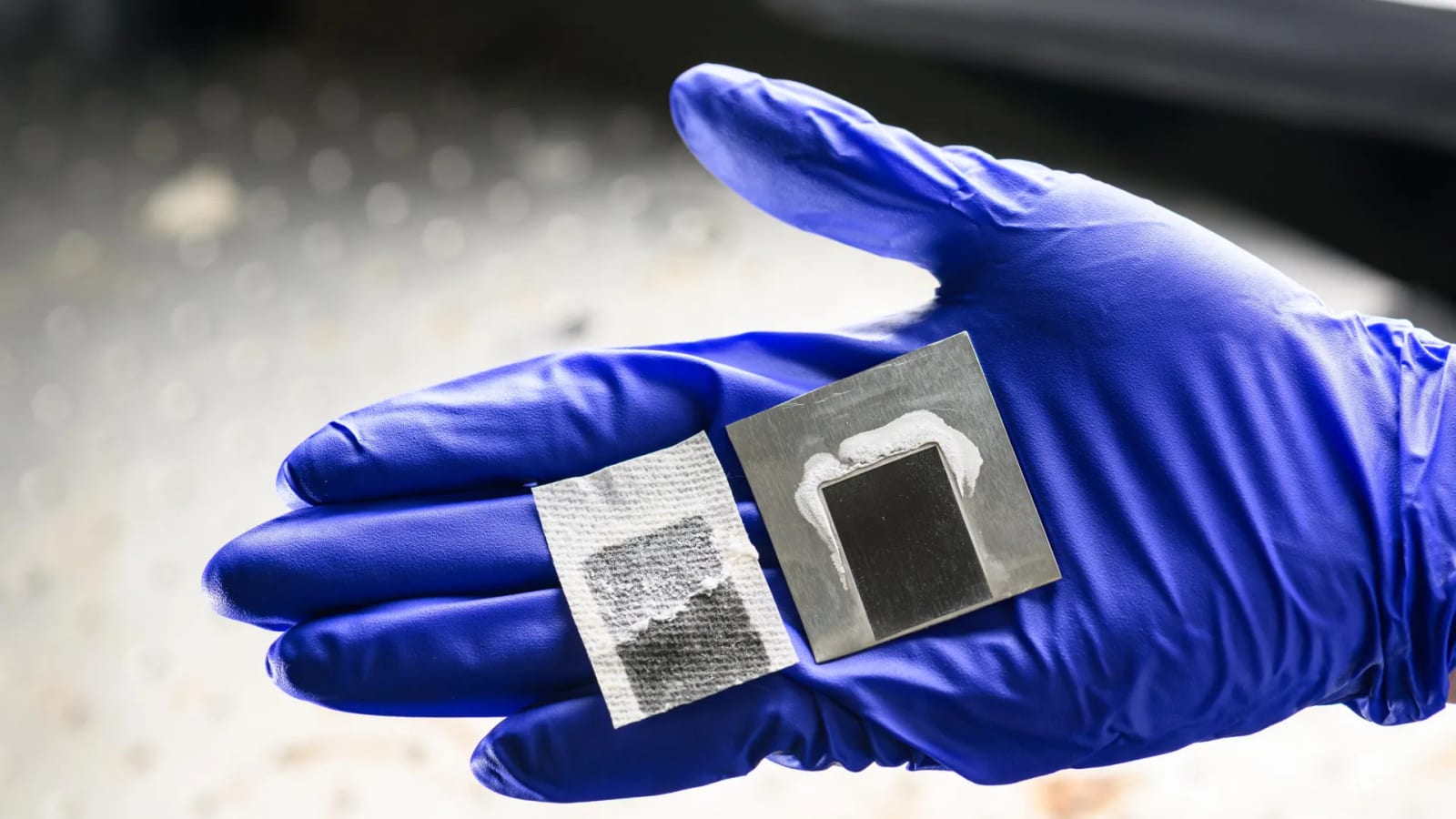
Scientists turn seawater into fresh water without harmful brine

Scientists have developed a solar-powered desalination system that turns seawater into fresh water while removing nearly all of the leftover salt as a solid instead of producing harmful brine. The self-cleaning technology could also recover valuable minerals such as lithium, potentially turning desalination waste into a useful resource.

ScienceDaily

Irrigation’s climate benefit could equal 363 years of its own emissions

U.S. irrigation produces some greenhouse gas emissions, but new research suggests it prevents vastly more by allowing farmers to grow more food on less land. Without irrigation, replacing lost crop yields could require converting natural ecosystems into farmland, releasing an estimated 6.86 gigatons of greenhouse gases. That is equivalent to about 363 years of current annual U.S. irrigation emissions.

ScienceDaily

Venus may have swallowed its own moon

Venus may have once had a moon, but new research suggests the planet’s incredibly slow rotation could have doomed it. Computer simulations showed that instead of gradually drifting away like Earth’s moon, a Venusian moon would likely spiral inward until it crashed into the planet, with larger moons falling even faster.

ScienceDaily