Advertisement
Advertisement

Science

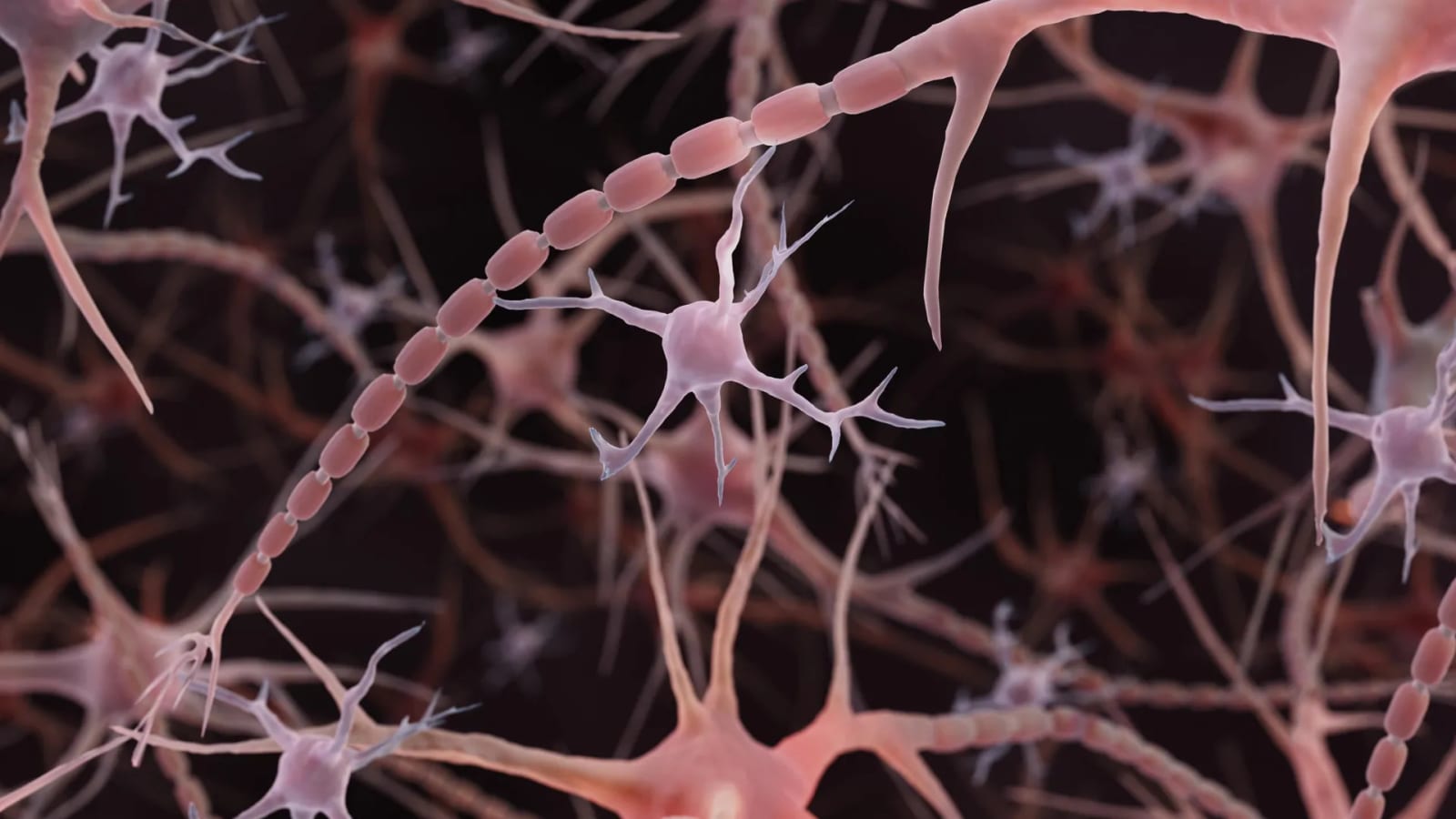
Textbooks may have misdrawn this basic brain structure for 100 years

Scientists discovered that brain-cell axons may not be smooth tubes as textbooks have shown for more than a century, but instead naturally resemble strings of tiny pearls. Those pearl-like structures can change with neural activity and may help control how quickly electrical signals travel through the brain.
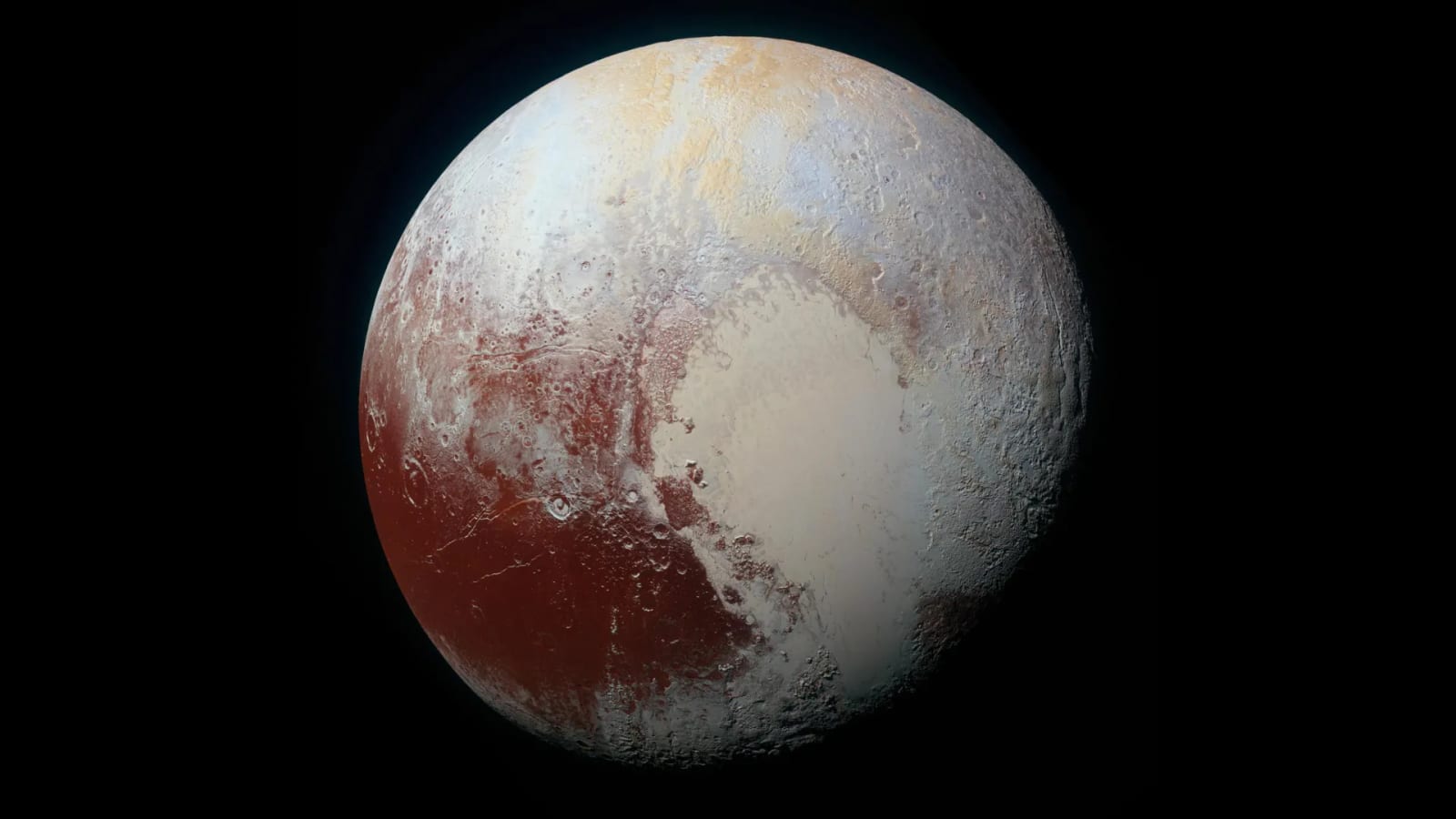
NASA’s New Horizons spots signs of liquid nitrogen flowing on Pluto

Scientists have found the first evidence that liquid may have flowed across Pluto’s surface in the recent past. Dark features on the enormous Sputnik Planitia glacier appear consistent with liquid nitrogen rising through cracks from deep beneath the ice. Computer models show that nitrogen could melt at the glacier’s base and travel upward like fluid through small conduits. The finding reveals that Pluto may be much more geologically active than its frozen appearance suggests.

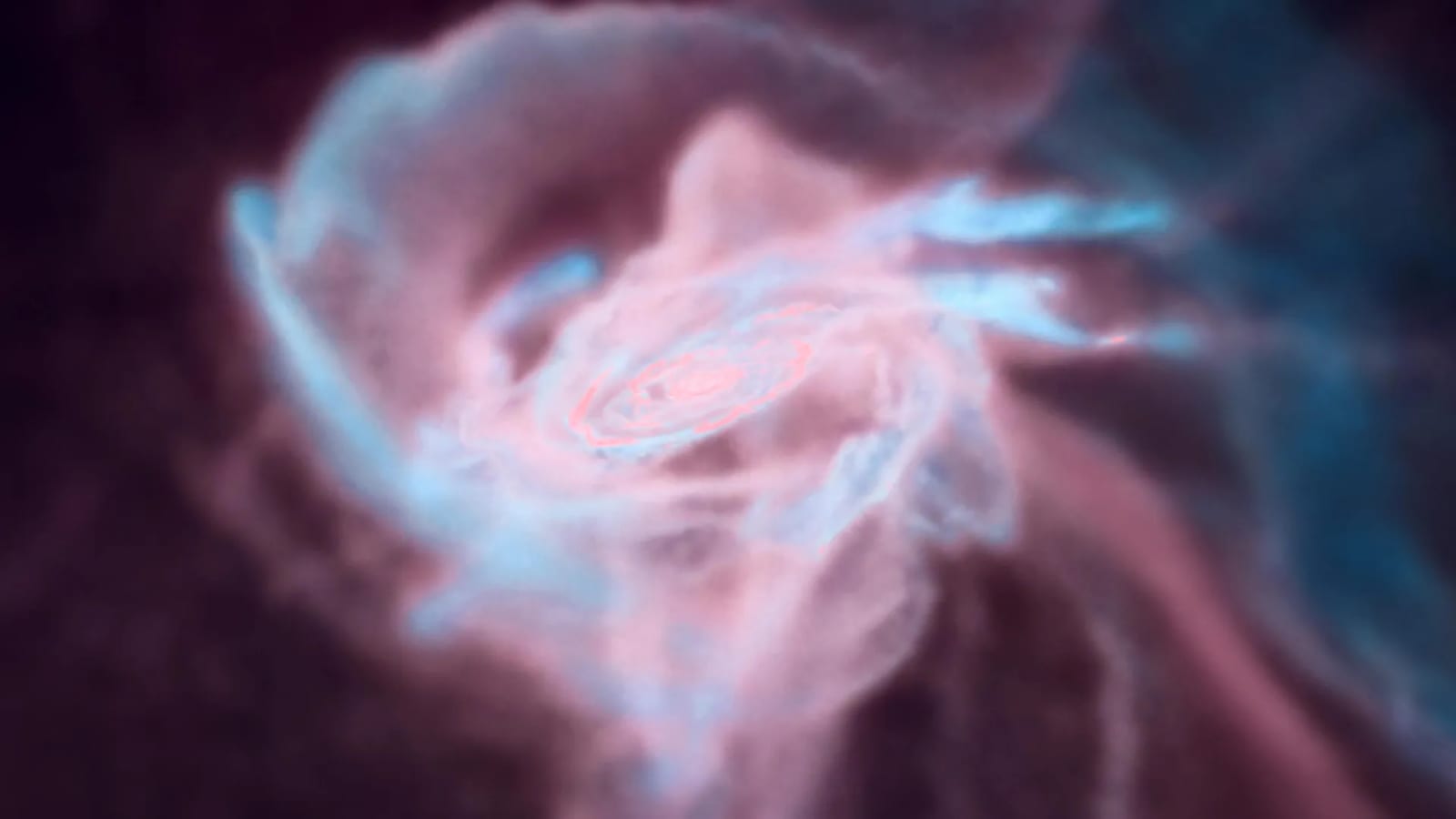
JWST’s mysterious little red dots may be black holes growing at incredible speeds

New supercomputer simulations suggest JWST’s puzzling Little Red Dots are rapidly growing black holes from the early Universe. Extreme radiation may have helped create unusually massive black hole seeds, while dense surrounding gas allowed them to grow dozens of times faster than black holes can today. The simulated objects closely resemble the Little Red Dots seen by Webb. If correct, they could solve the mystery of how enormous black holes formed so soon after the Big Bang.

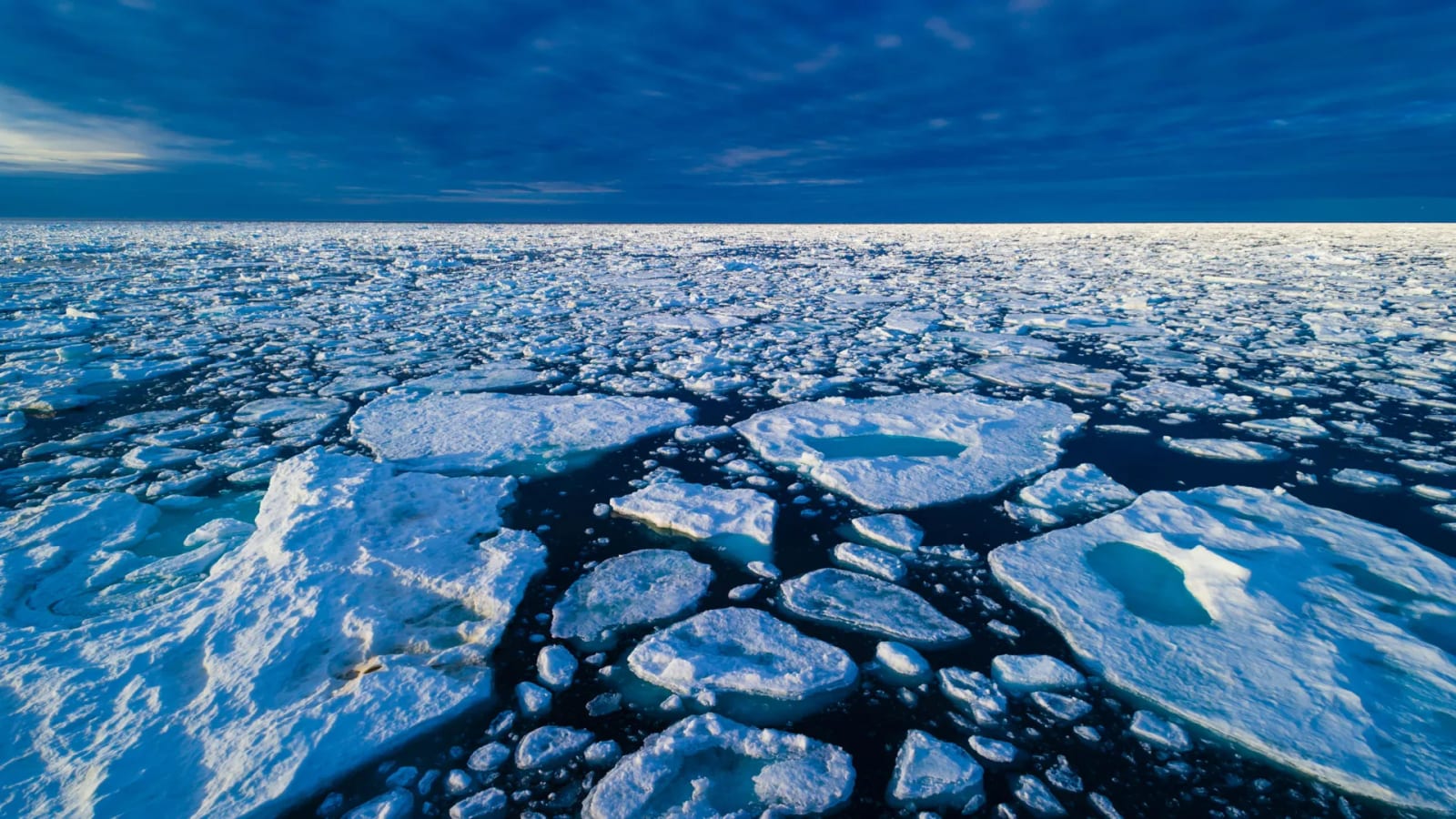
Scientists just discovered why Arctic sea ice moves so strangely

Arctic sea ice may move in unexpected ways because individual ice floes are constantly colliding and transferring energy. Researchers found that this simple process can explain several long-standing mysteries about how quickly the ice moves and spreads.

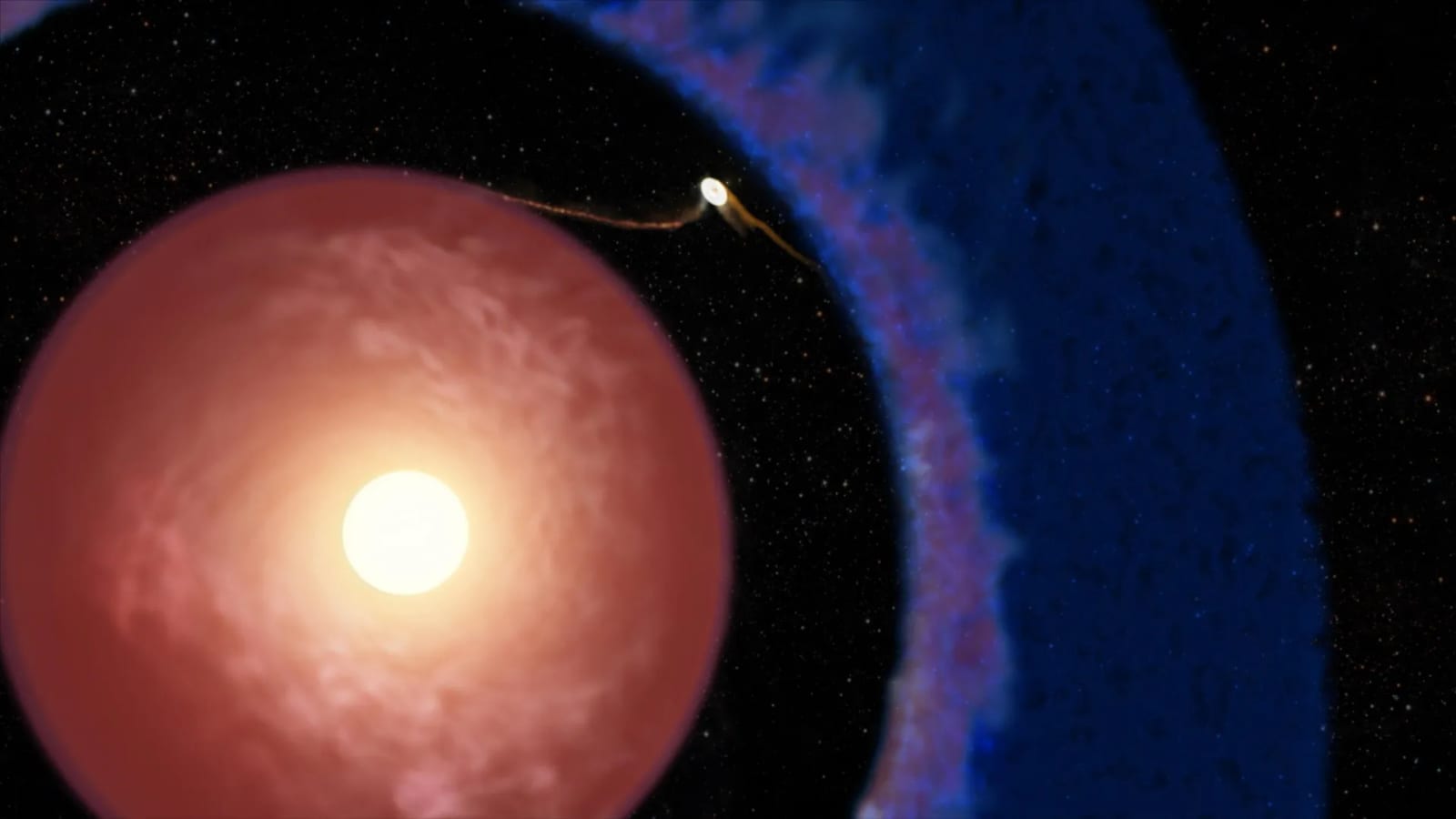
Astronomers just found the youngest known planet ever

Astronomers have confirmed a Jupiter-size planet less than a million years old, making Elias 2-24 b the youngest known planet and giving scientists a rare look at a world still being born. Its surprisingly rapid formation challenges leading theories about how giant planets come together, especially so far from their stars.

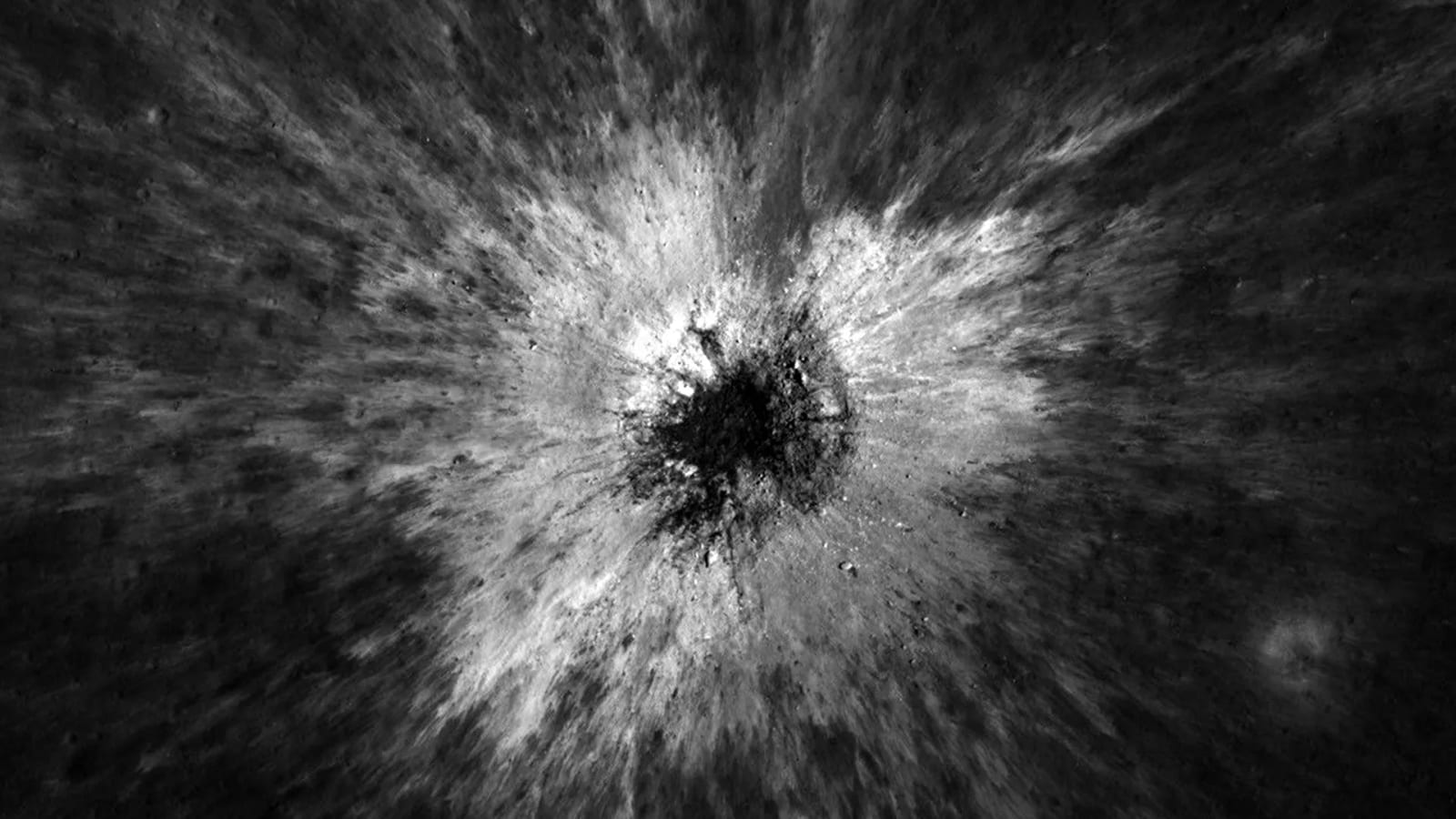
NASA’s Moon orbiter finds a 728-foot crater that wasn’t there before

NASA’s Lunar Reconnaissance Orbiter has revealed a 728-foot-wide crater that formed on the Moon in 2024, making it the largest newly formed crater ever identified in the solar system. The impact disturbed the surface for miles around it, creating a surprisingly large cold zone and showing how dramatically a single collision can reshape the lunar landscape.

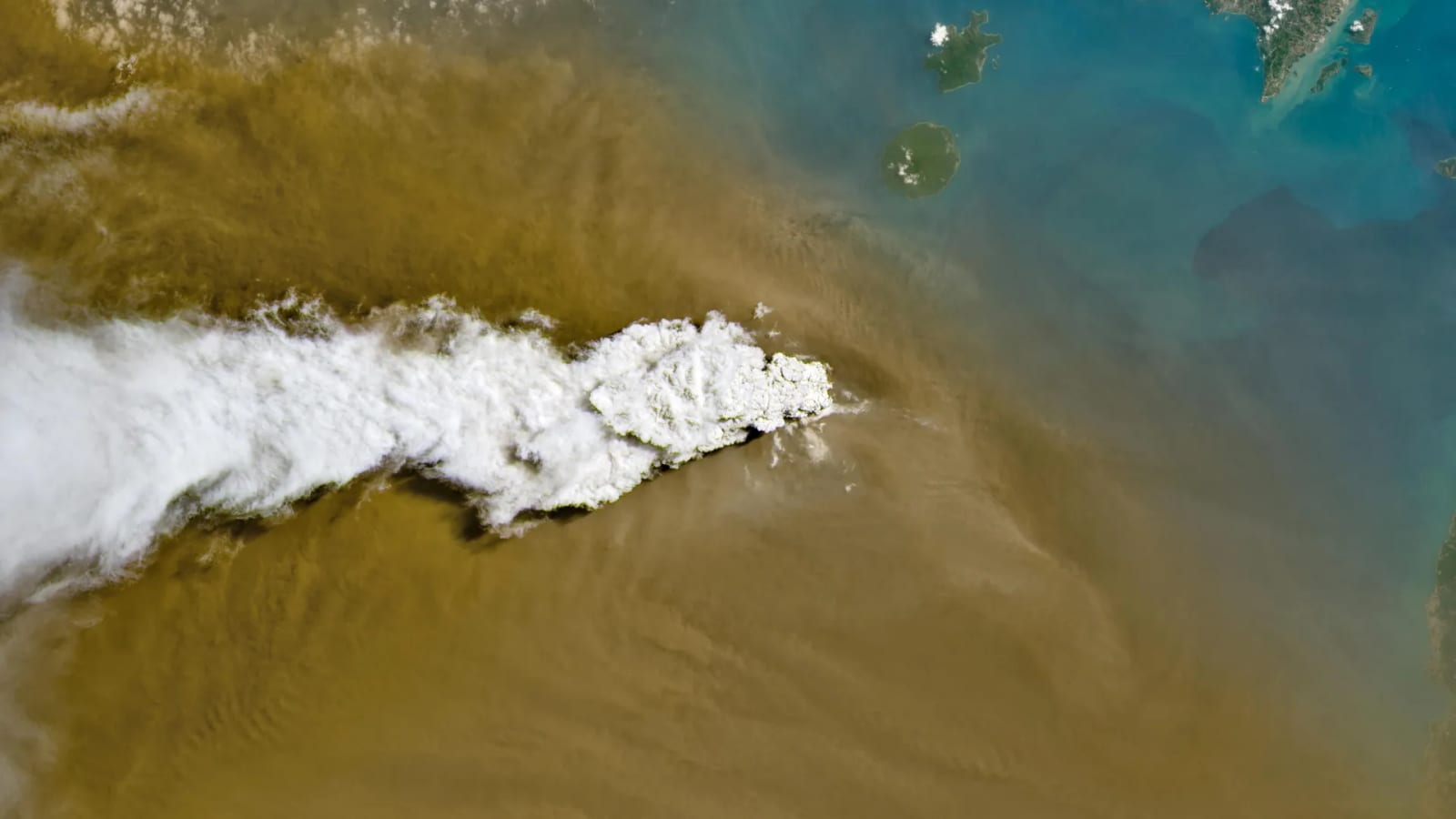
Anak Krakatau blasts ash nearly 10 miles high

Anak Krakatau erupted for more than 24 hours in early September, sending volcanic ash up to 50,000 feet into the atmosphere. The ash cloud shut down eight airports, disrupted nearly 3,000 flights, and affected air quality as far away as Jakarta. NASA satellites captured dramatic views of the plume spreading across the region.

A $100 detector can see invisible particles raining down from space

A pocket-sized, roughly $100 detector can reveal the invisible stream of cosmic particles constantly passing through Earth and even through our bodies. What began as a student physics project is now being used in major experiments, balloon missions, and potentially future spacecraft.

Advertisement

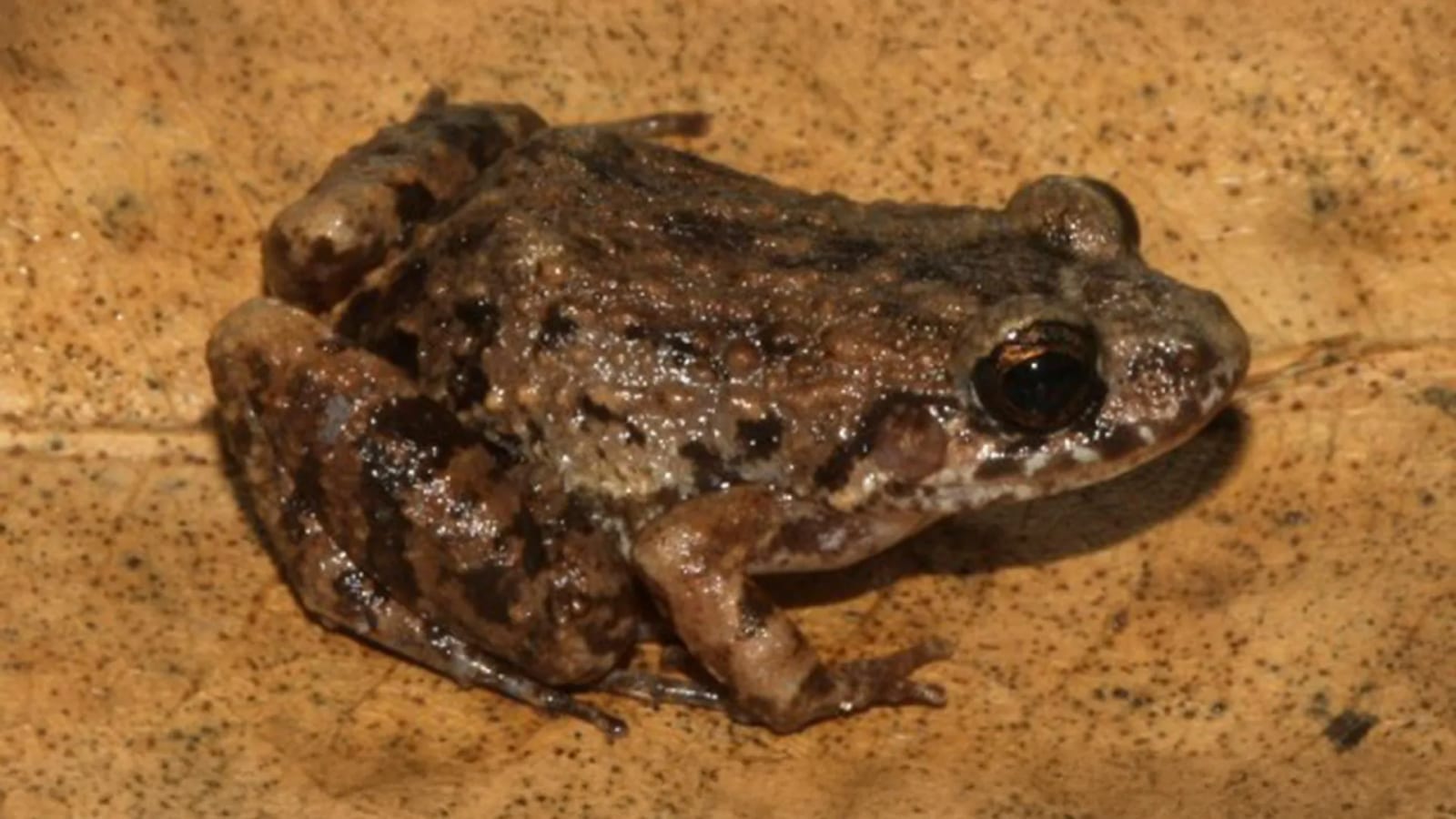
Scientists discover a mysterious new frog hiding in the Amazon

Scientists discovered a new frog species in the flooded forests of the western Amazon, distinguishing it from nearly identical relatives through DNA and its unique call. Adenomera varcena highlights how much Amazonian biodiversity remains hidden even as habitat loss and climate change threaten these poorly understood species.

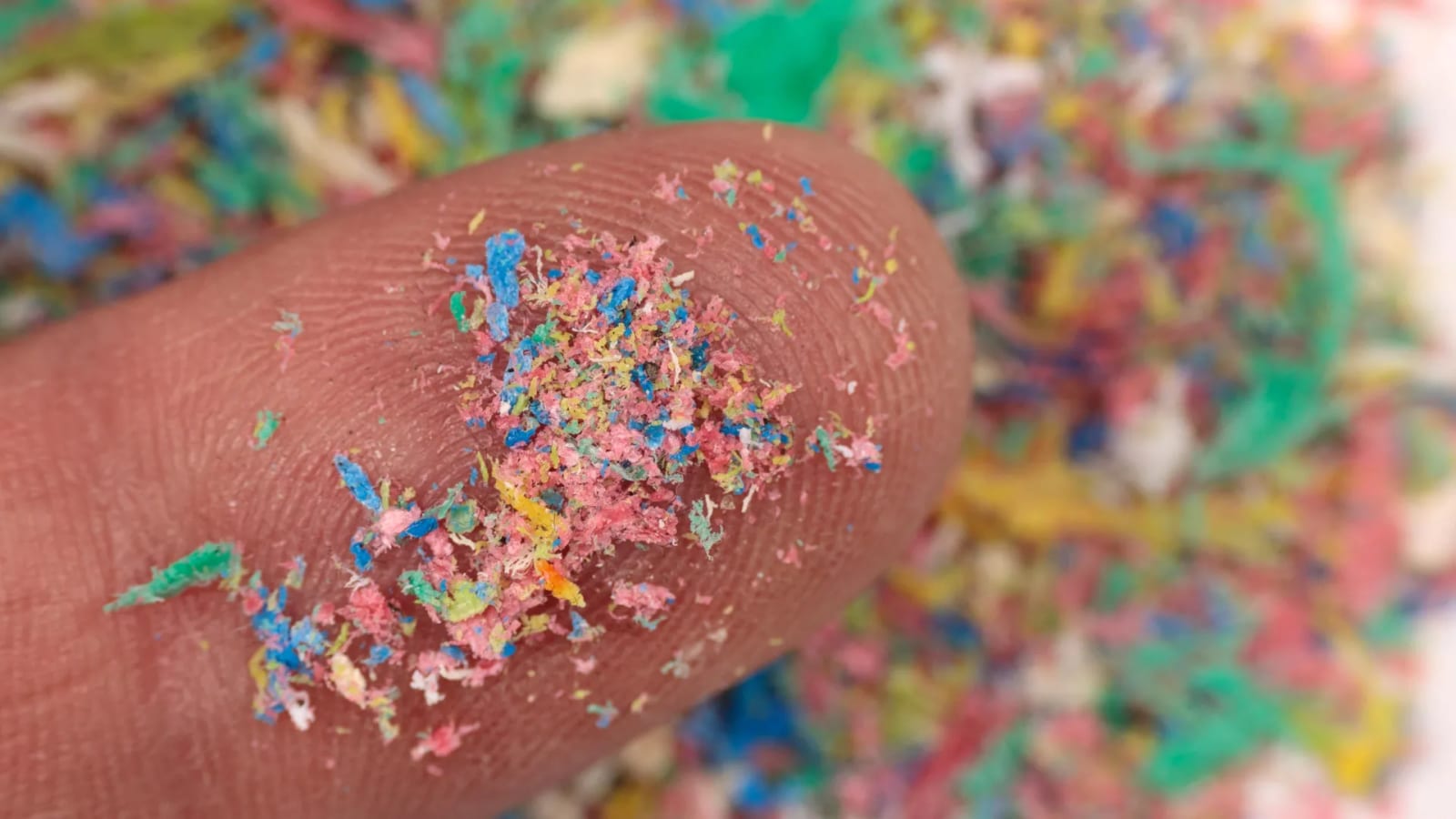
This popular fermented food may help flush nanoplastics from the body

A kimchi-derived bacterium can bind to nanoplastics under gut-like conditions and may help carry them out of the body. In mice, the probiotic more than doubled the amount of nanoplastics detected in feces, pointing to a surprising potential use for microbes from fermented foods.

Advertisement