Advertisement
Advertisement

Science

Rare study reveals a striking divide inside an Alzheimer’s patient’s brain

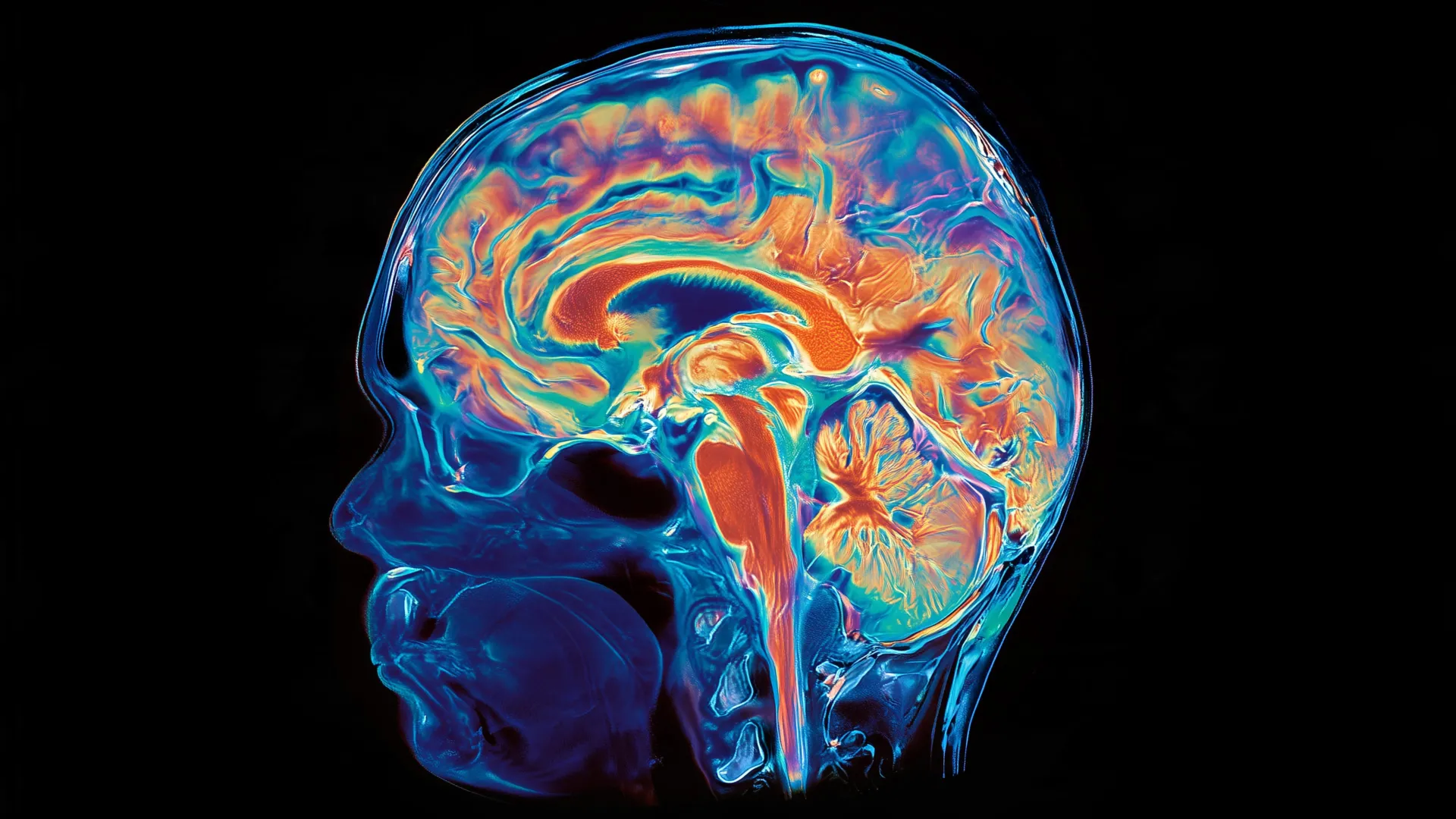
A rare examination of an Alzheimer’s patient’s brain revealed that regions cleared of amyloid plaques had remarkably little of the harmful tau buildup associated with memory loss, while neighboring areas showed extensive damage. The discovery suggests that removing amyloid may have lasting protective effects and could help slow Alzheimer’s progression, especially when treatment begins early.

Strokes have nearly doubled among younger adults, and scientists aren't sure why

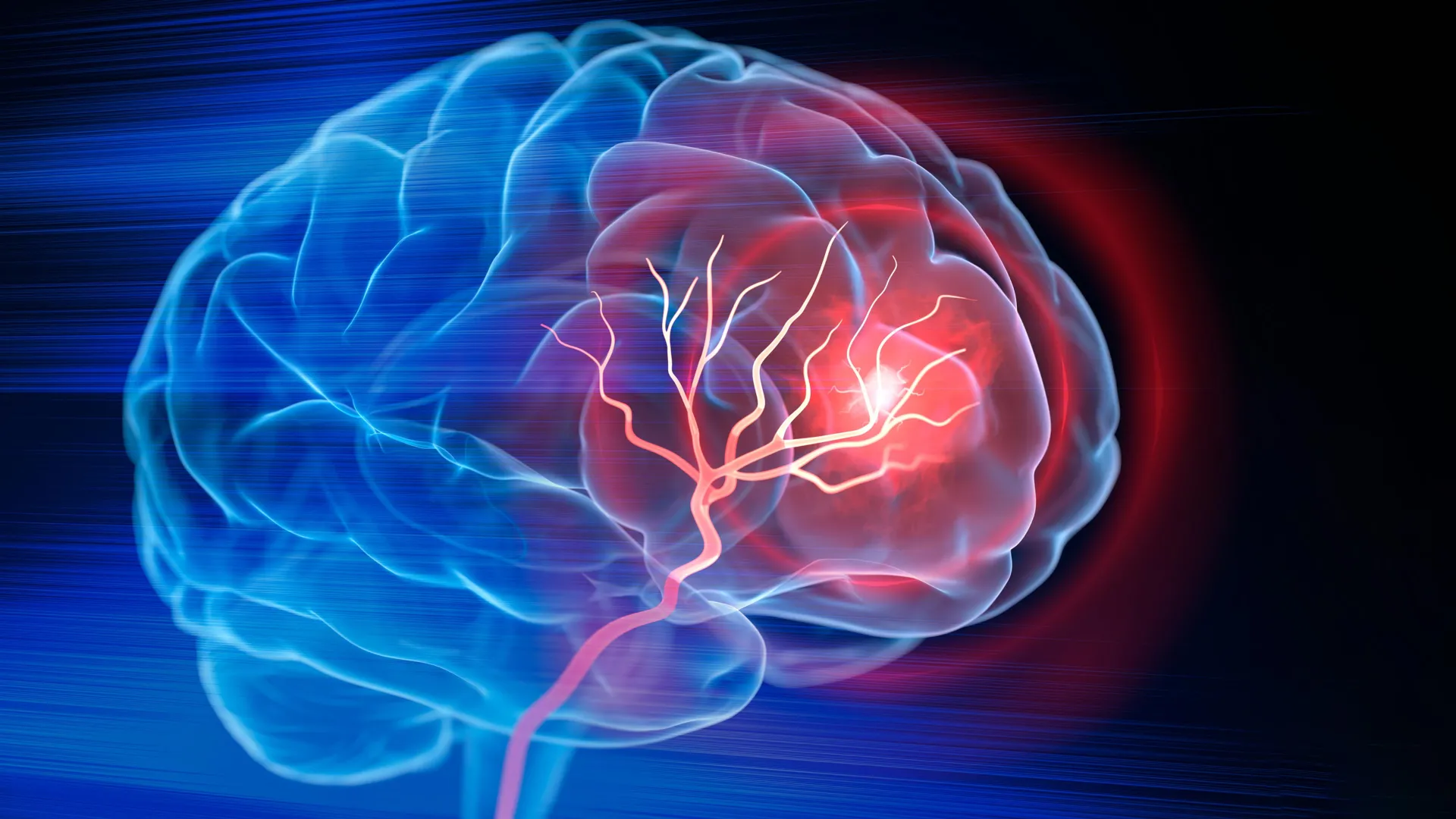
Strokes are becoming alarmingly common among younger adults, with rates nearly doubling among people ages 20 to 54 over nearly three decades. Researchers found that blocked blood vessels in the brain accounted for much of the increase, while high blood pressure, diabetes, and substance use also became more common among younger stroke patients. Although survival rates have improved, more young adults may now face the lasting consequences of stroke.

A fungus is threatening the world’s food supply. Scientists just found a new defense

Scientists have discovered a potential new weapon against a devastating fungus that threatens rice, wheat, and barley worldwide. By engineering a special type of plant immune receptor, researchers created defenses capable of recognizing multiple fungal threats at once. The breakthrough could eventually lead to crops with powerful, long-lasting disease resistance, helping protect a global food supply increasingly threatened by spreading infections and climate change.

Mysterious brain activity under anesthesia challenges what we know about consciousness

Even under general anesthesia, the human brain can analyze language, recognize different types of words, and predict what comes next in a story, according to a surprising discovery by Baylor researchers. The findings challenge our understanding of consciousness and suggest that the unconscious brain is far more capable than scientists previously realized.

Arctic sea ice hits another troubling low in 2026

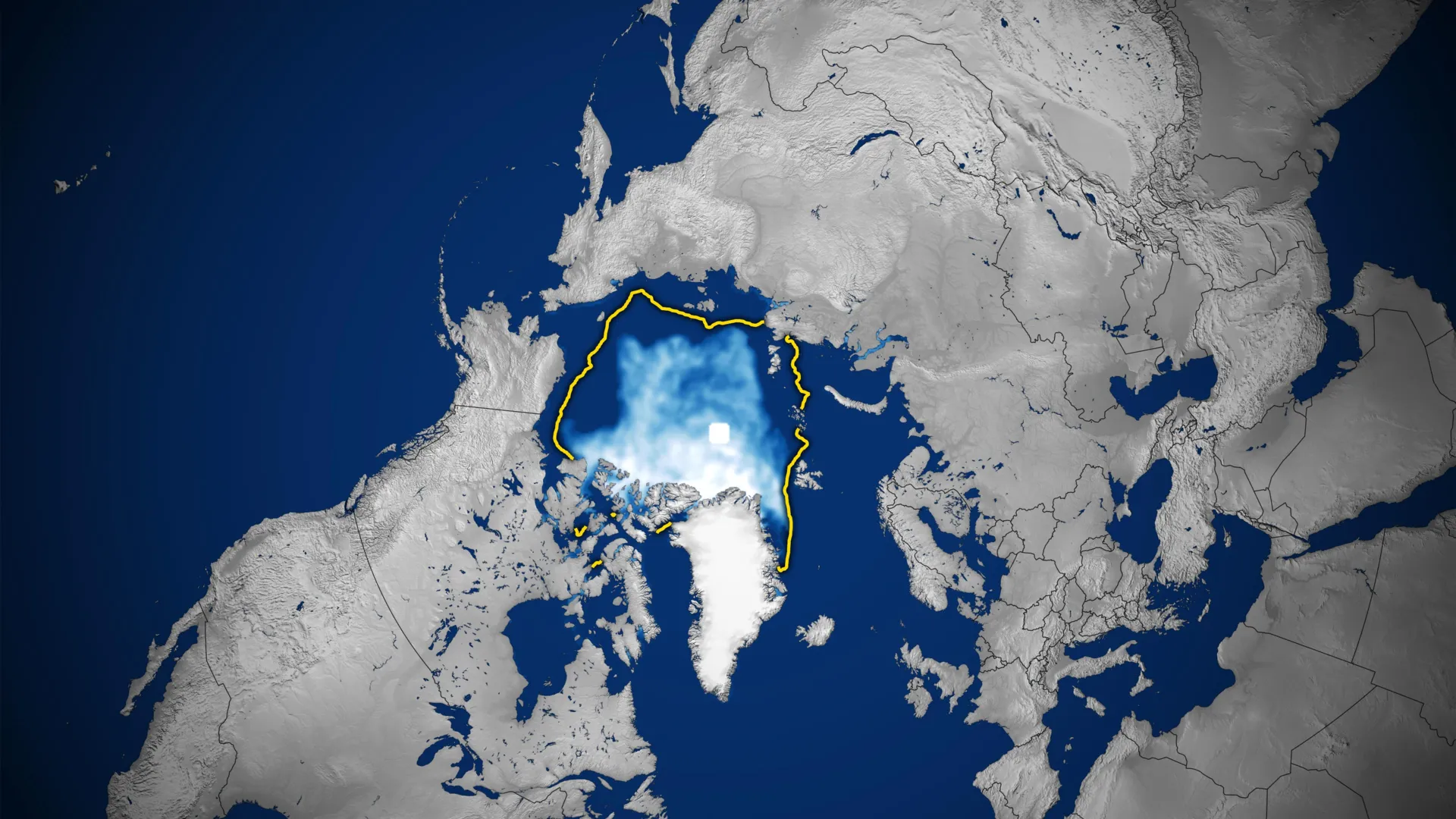
Arctic sea ice is shrinking in both winter and summer, with satellite records revealing that the region's remaining ice is becoming thinner, younger, and more vulnerable to melting. Despite a recent slowdown in summer losses, scientists warn that the Arctic could experience a nearly ice-free summer before 2050.

Advertisement

Scientists reveal 93% of Australia's Indigenous population was lost in just 73 years

A groundbreaking study suggests that 2.22 million Indigenous Australians lived on the continent before European colonization, far more than previously believed. Researchers estimate that 93% of this population was lost within 73 years, revealing a demographic catastrophe on a scale that dramatically changes our understanding of Australian history.

A 47-year study reveals the age when your body starts losing strength

A 47-year study has uncovered a surprising turning point in physical aging: fitness and strength begin declining around age 35, even among people who exercise regularly. Researchers found that this decline accelerates as people get older, but starting to exercise in adulthood can still improve physical performance.

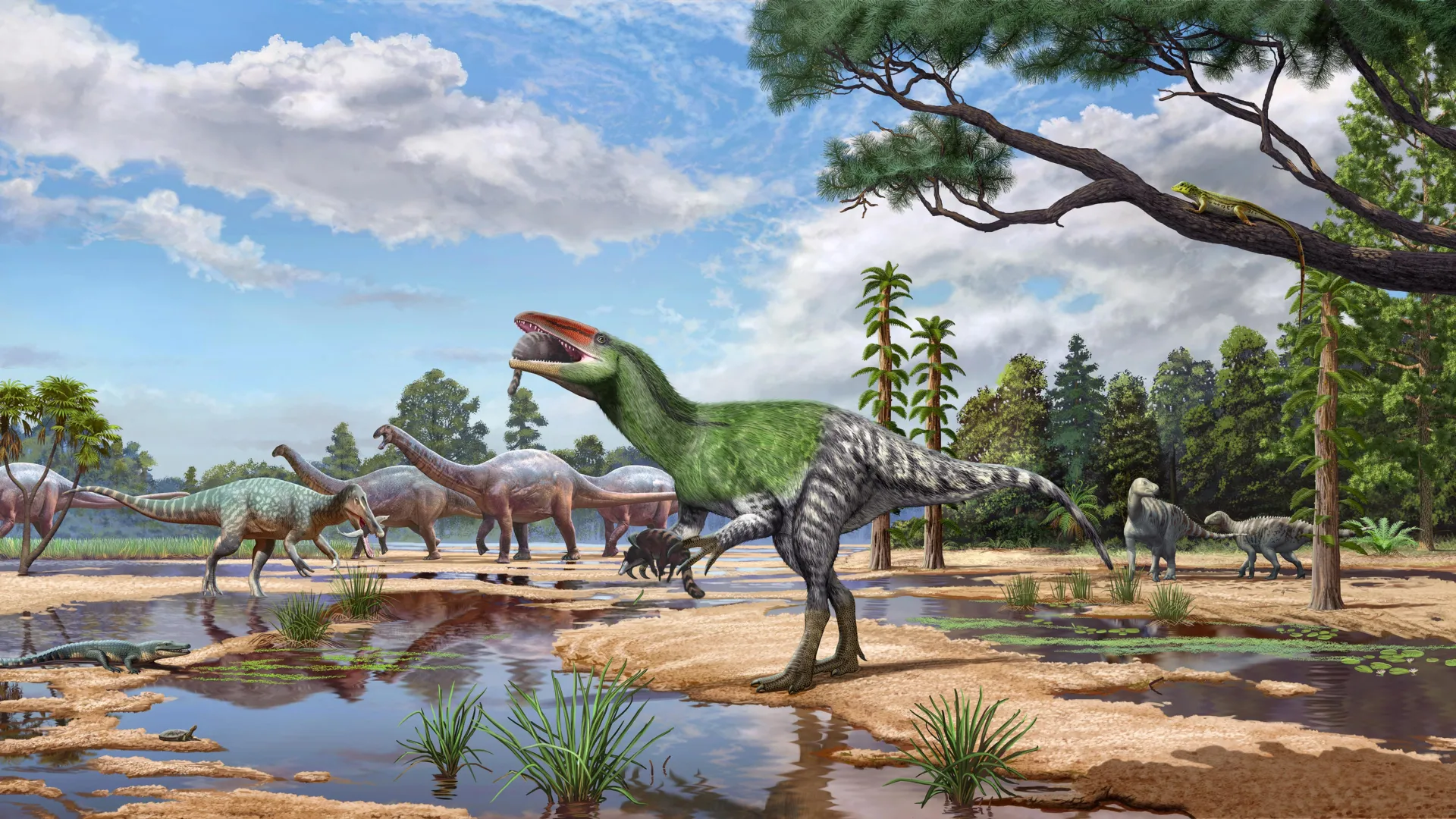
A forgotten fossil reveals a fearsome dinosaur with giant claws

A 120-million-year-old fossil forgotten in a museum for nearly a century has revealed a terrifying new dinosaur that may have been more dangerous to humans than a T. rex. The tiger-sized predator also provides the first evidence of megaraptorans in Europe, helping explain how these mysterious dinosaurs eventually became gigantic hunters.

Ozempic and Wegovy linked to rare risk of sudden vision loss

Popular diabetes and weight loss drugs such as Ozempic and Wegovy have been linked to a slightly increased risk of a rare condition that can cause sudden, potentially permanent vision loss. Although the risk remains very low, Rutgers researchers say the findings warrant attention as millions of people turn to GLP-1 medications.

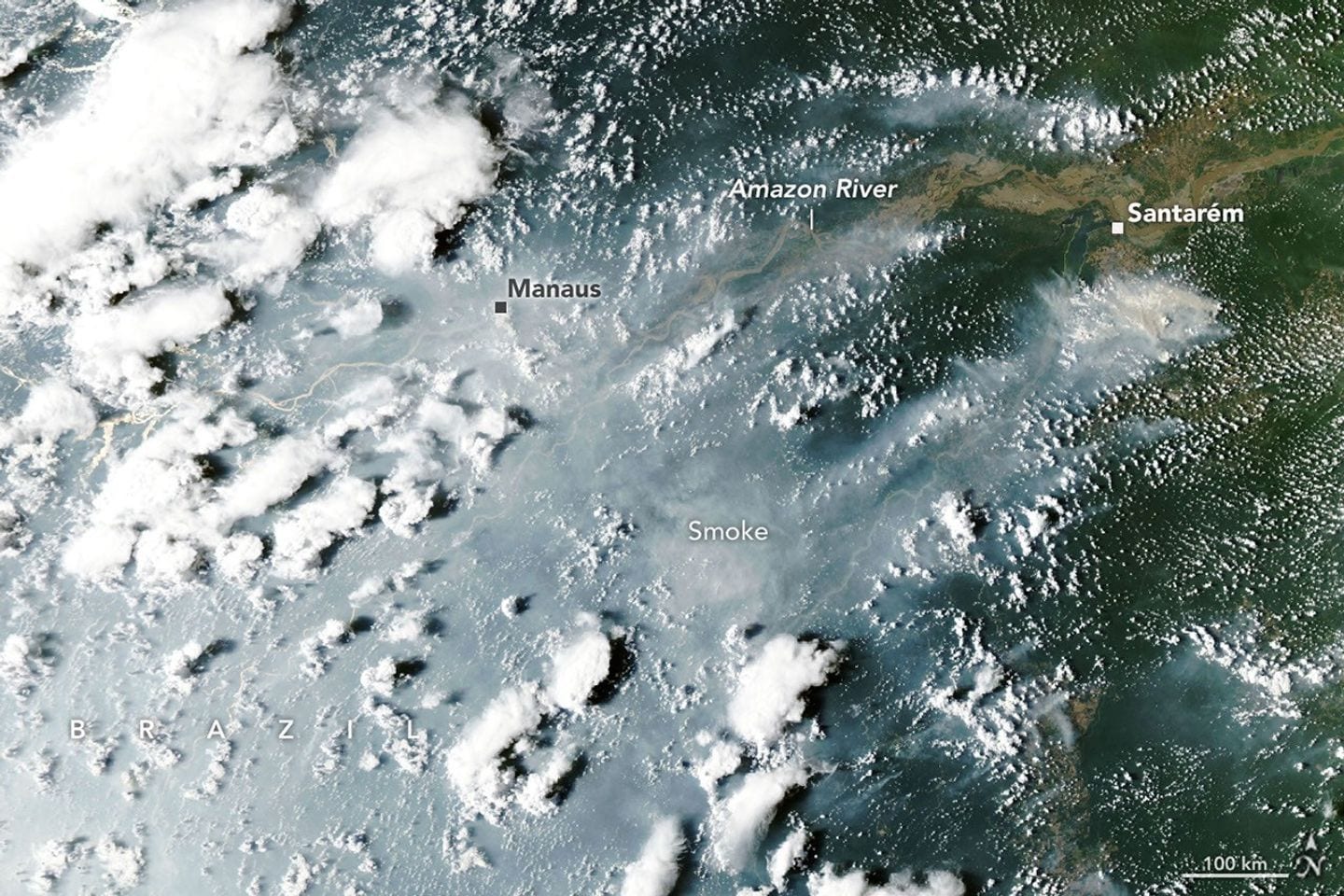
Fires Arrive in the Amazon Rainforest

During El Niño, a cascade of fires across the tropics begins in equatorial Asia and continues in the central and eastern Amazon.

APOD: 2026 October 15 – The Milky Way over Manhattan

APOD Science APOD APOD: 2026 October 15 – The… Today’s APOD Archive Submissions Index Search Calendar RSS Education About Discuss APOD Astronomy Picture of the Day Discover the cosmos! Each day a different image or photograph of our fascinating universe is featured, along with a brief explanation written by a professional astronomer. The Milky […]

Video
Advertisement

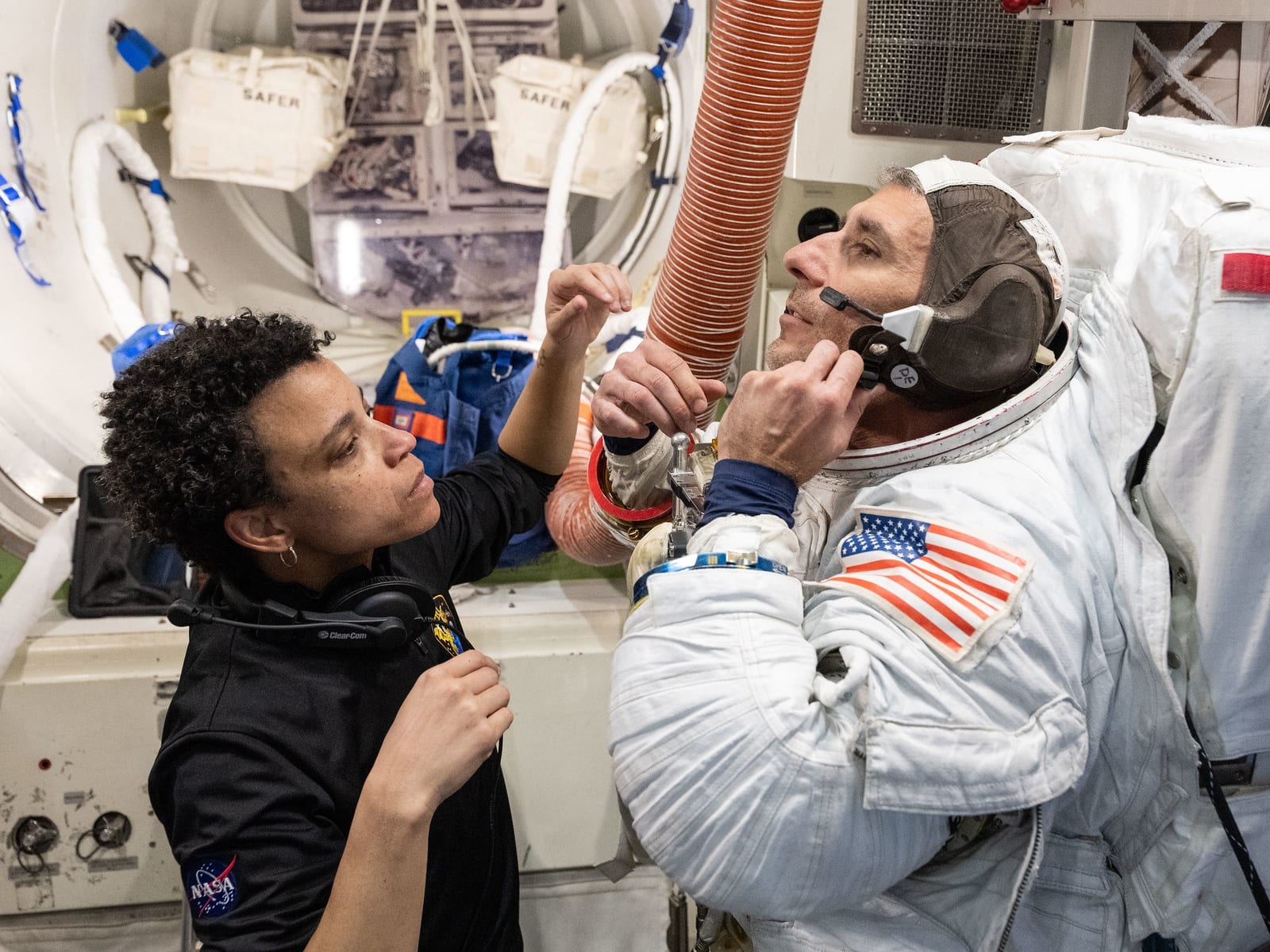
NASA Astronauts to Answer Questions from Florida Students

Editor’s Note: This article was updated Thursday, Oct. 15, 2026, to reflect a change to the event start time. Students in Florida will hear from NASA astronauts Jessica Watkins and Luke Delaney as they answer prerecorded STEM questions while aboard the International Space Station. The Earth-to-space call will begin at 12:30 p.m. EDT Friday, Oct. 16, […]