The EU wants an AI revolution. But on whose terms?
As the US and China race ahead, the European Union seeks to boost its economy with AI. Can it compete while protecting workers, safety and the climate?
International news in seven languages
As the US and China race ahead, the European Union seeks to boost its economy with AI. Can it compete while protecting workers, safety and the climate?
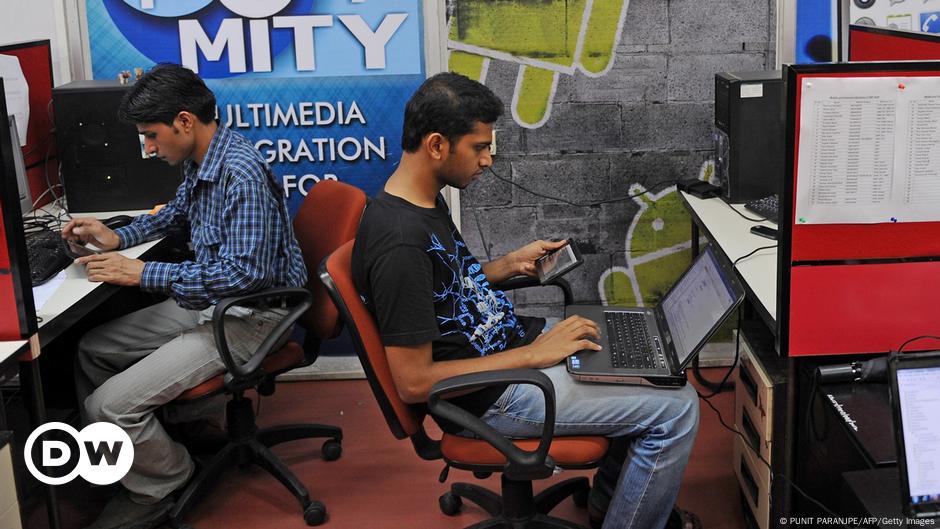
Artificial intelligence is changing the way Indian workplaces operate — raising questions about productivity, skills and entry-level jobs.
The two countries said the agreement aimed to safeguard Europe's automotive industry, encouraging development and research. Automakers in Europe have so far struggled to compete with Chinese electric car companies.
Stargazers are preparing to enjoy an annual festival that celebrates the beauty of the night sky.
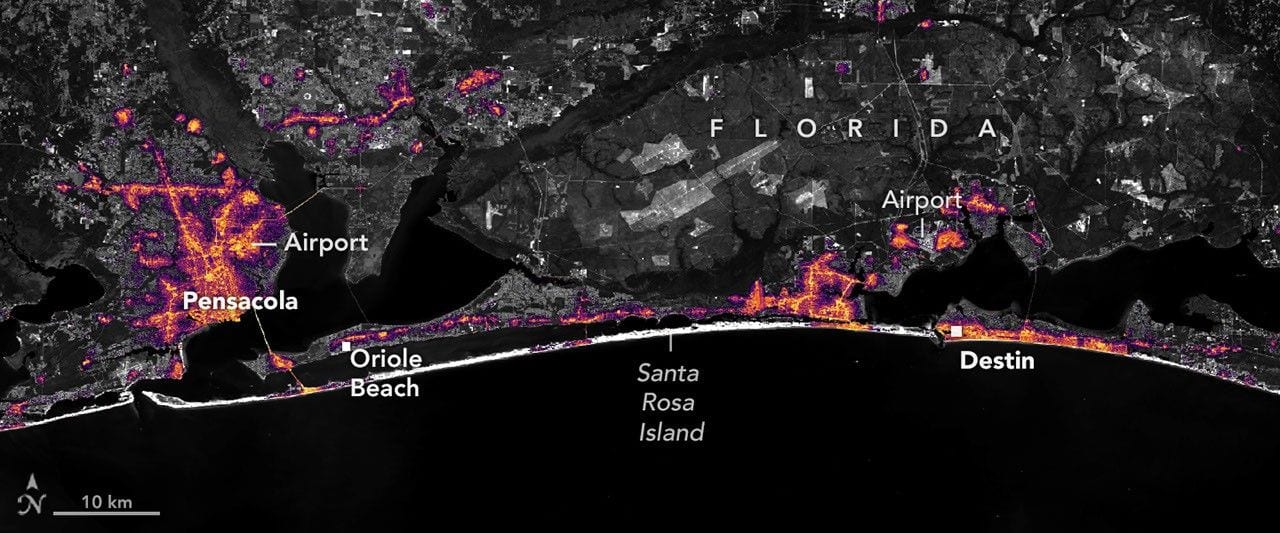
High-definition images of nighttime lights show where the hurricane knocked out power along the Florida Panhandle and how quickly the lights came back.
APOD Science APOD APOD: 2026 October 16 –… Today’s APOD Archive Submissions Index Search Calendar RSS Education About Discuss APOD Astronomy Picture of the Day Discover the cosmos! Each day a different image or photograph of our fascinating universe is featured, along with a brief explanation written by a professional astronomer. To view this […]
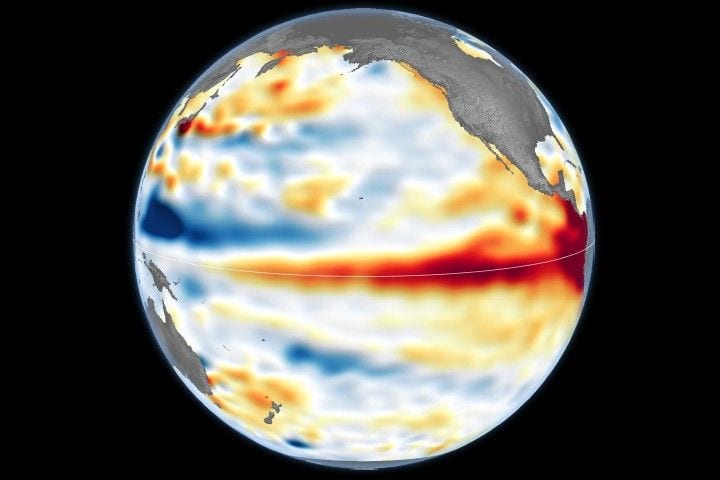
A phenomenon rarer than a solar eclipse and more powerful than any single storm system is unfolding this fall, and NASA is tracking it closely. El Niño is a natural climate pattern that emerges roughly every two to seven years marked by warmer-than-normal water temperatures in parts of the equatorial Pacific. NASA scientists are keeping […]
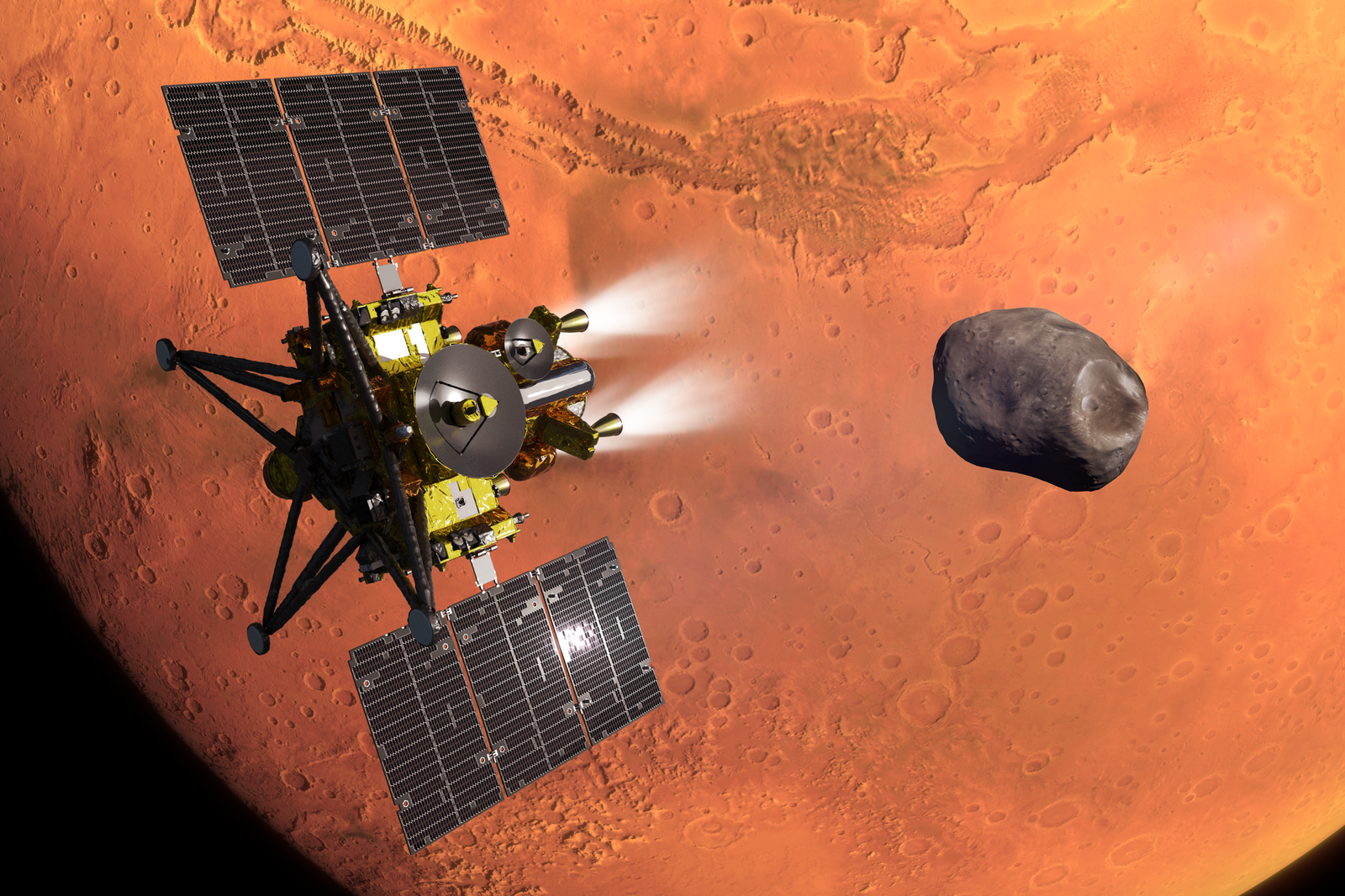
NASA is playing an important role in JAXA’s (Japan Aerospace Exploration Agency) MMX (Martian Moons eXploration) mission, to advance our understanding of Mars’ moons and build on the agency’s long history of exploring the Red Planet. The mission aims to characterize and determine the origin of Mars’ moons Phobos and Deimos and deliver a sample […]
Anthropic researchers warn that AI worms could soon target connected household devices and spread from one device to another. Cyberattacks on French supermarkets illustrate just how vulnerable such systems can be.
Hillingdon Council has shared social media posts showing people allegedly dumping rubbish illegally.
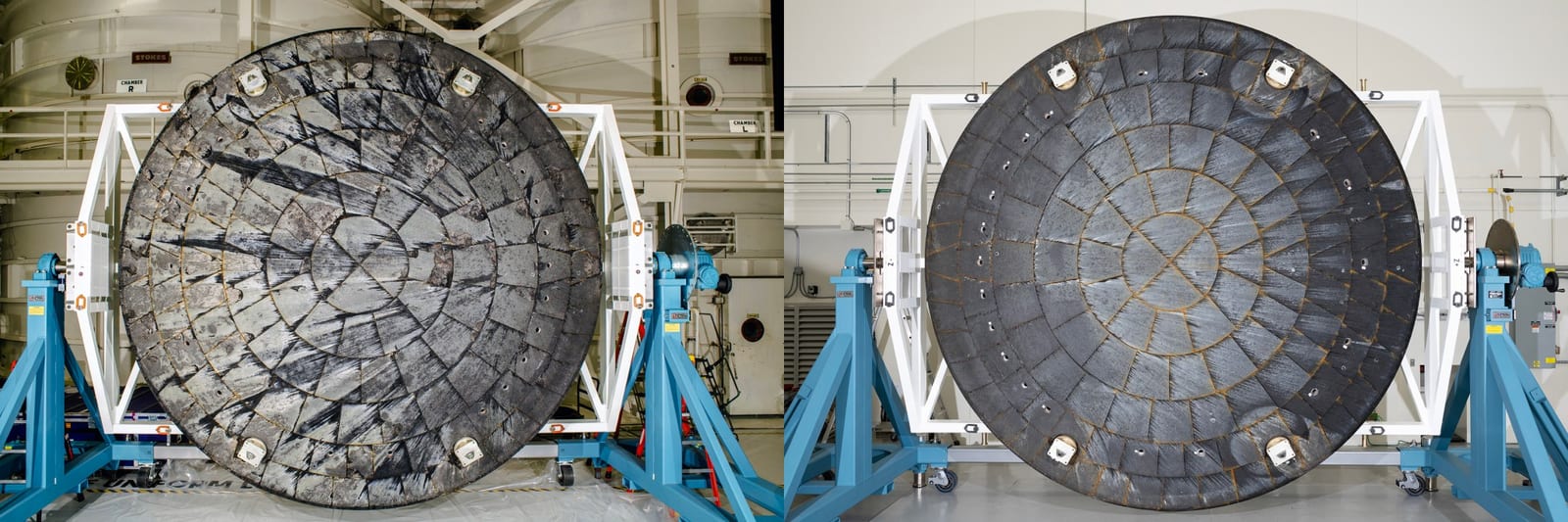
NASA’s Artemis II mission sent four astronauts around the Moon and brought them safely back to Earth, laying a foundation for crewed flights to the Moon’s surface. Additional engineering data analysis of the Orion spacecraft’s heat shield confirmed initial data showing the heat shield performed as expected. In particular, NASA measured whether the thermal protection […]
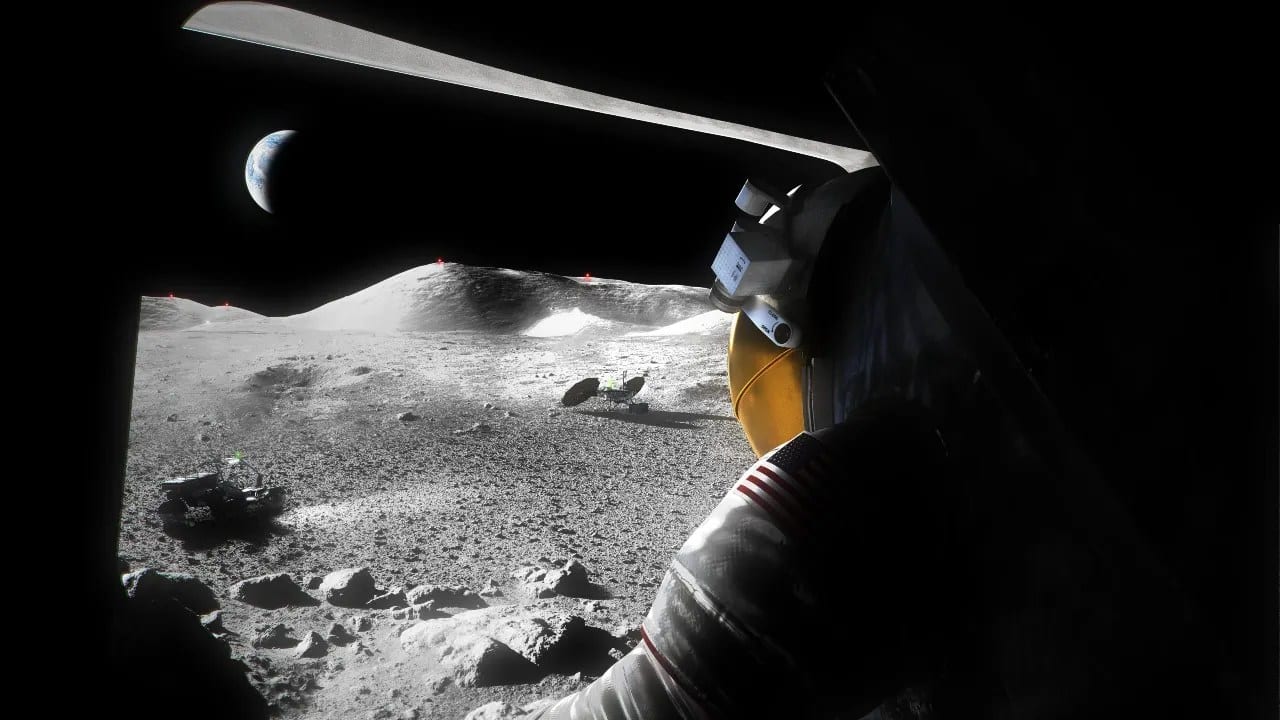
NASA has selected 12 U.S. institutions to receive $12 million to accelerate academic research and technology development in support of the agency’s priorities for exploring the Moon, Mars, and deep space. Through NASA’s Minority University Research and Education Project (MUREP) Space Technology Artemis Research (M‑STAR) initiative, selected institutions will each receive up to $1 million […]
Registration is open for the 2026 NASA Space Apps Challenge, a two-day global event on Saturday, Nov. 14 and Sunday, Nov. 15, where teams work to create solutions inspired by NASA’s most ambitious exploration goals and making use of the agency’s free and open data. The annual challenge, often called a hackathon, is an intensive, […]
Editor’s Note: This article was originally published on Oct. 15, 2026, and has been updated to correct the location of the flights. A NASA Dynamic Aviation A200 aircraft will conduct low-flying research flights over farmland near Amarillo, Texas, from Thursday, Oct. 22, through Monday, Nov. 9. These flights will measure gaseous and particulate emissions from […]
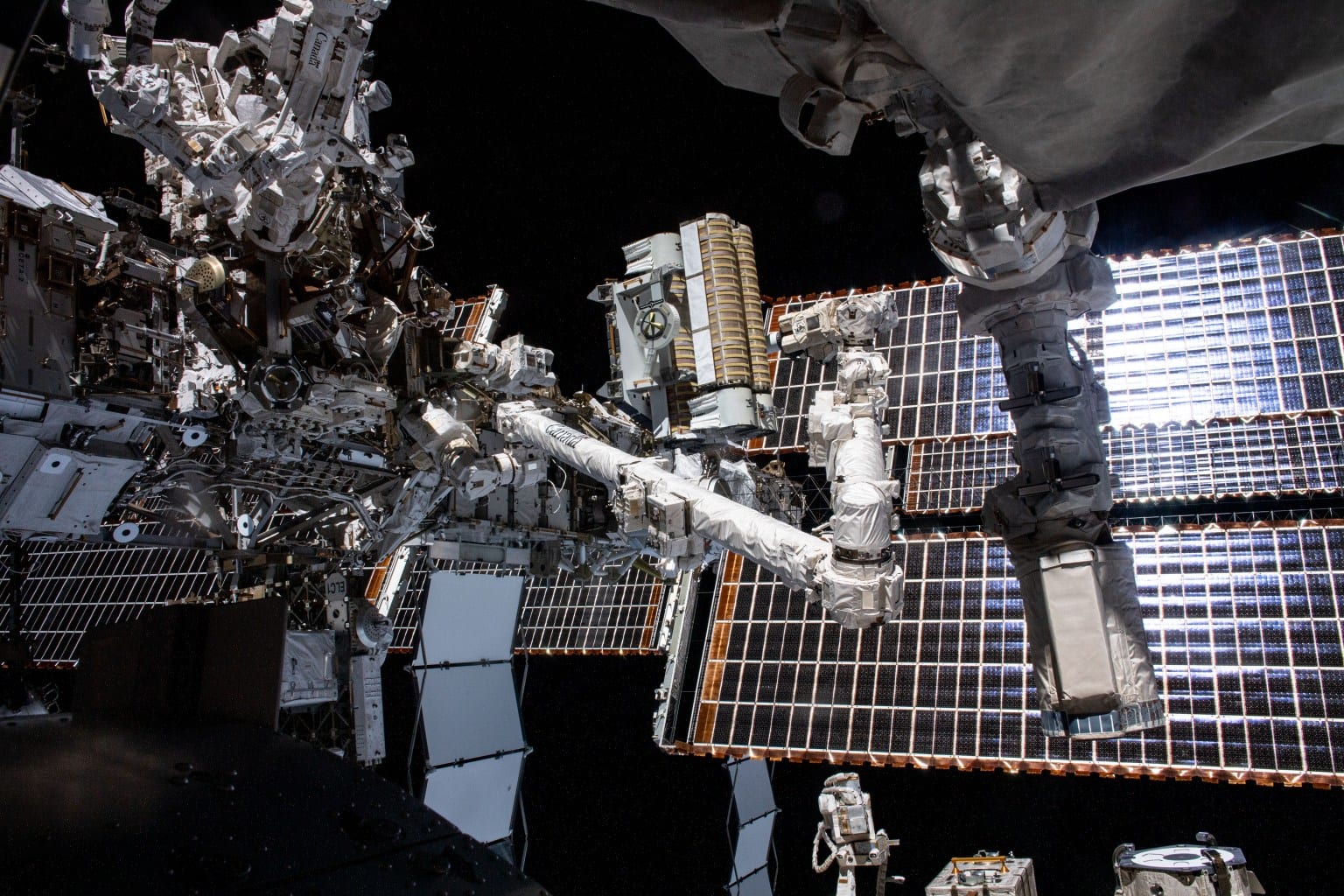
From the International Space Station’s unique position 250 miles above Earth, the Sun is a vital source of energy. Solar power supports the station’s life support systems, daily activities, and hundreds of research investigations that improve life on Earth and prepare humans for deep space exploration. Over the past five years, NASA augmented the station’s […]
Ukraine's president has told Elon Musk that any restriction on the Starlink's system cost lives.
Parts of southern England have entered "severe drought", while about 30 million people are under hosepipe ban.
It comes after a £15m investment from UK Research and Innovation's Local Innovation Partnerships Fund.
A 75,000-year-old Neanderthal spear wound may be evidence violence shaped human life far earlier than thought.
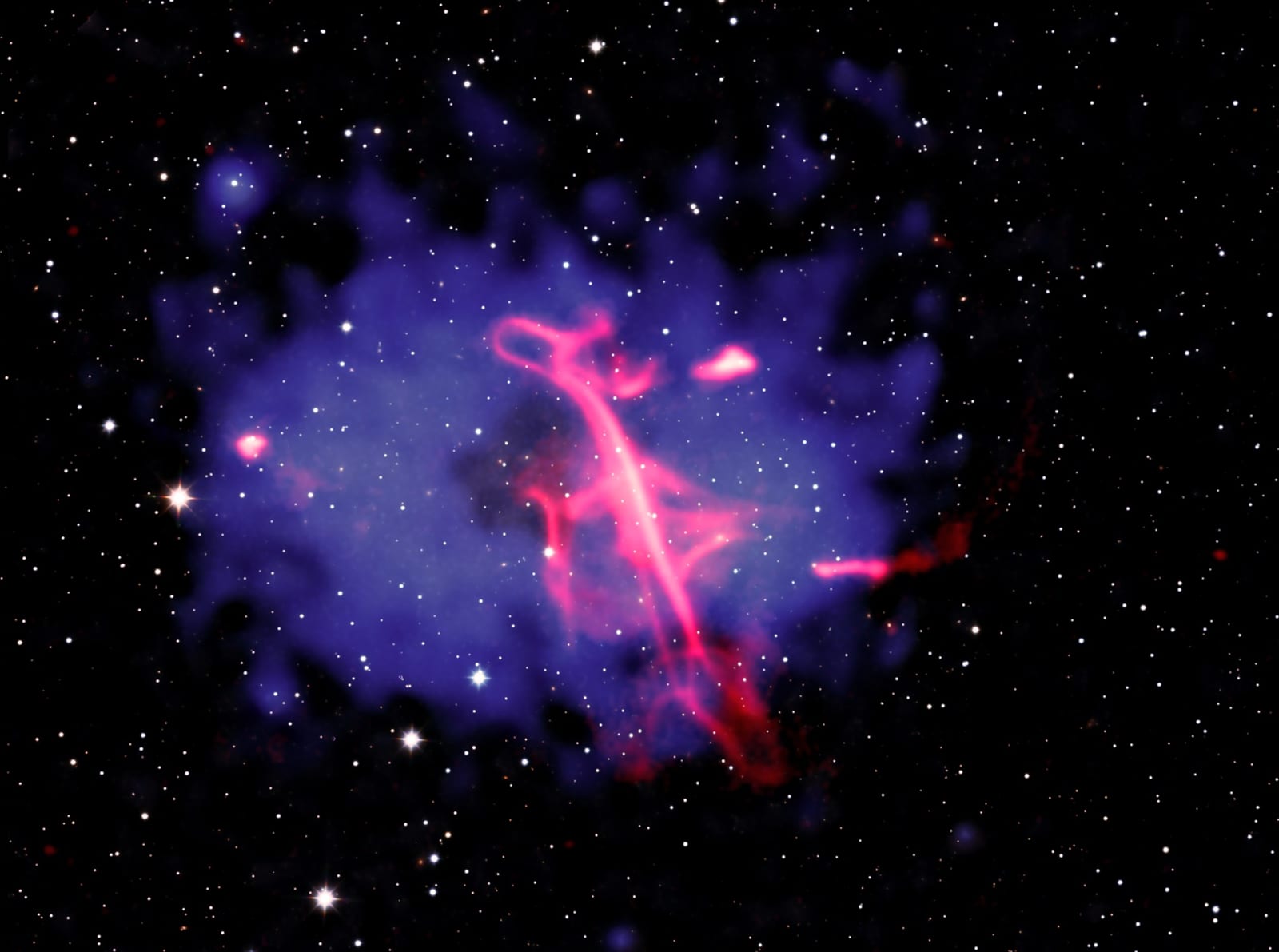
A formation of radio waves looks remarkably like a treble clef in this Oct. 14, 2026, image from NASA’s Chandra X-Ray Observatory. Researchers used Chandra to find that the Treble Clef is likely caused by an outburst from a supermassive black hole, followed by a collision of two galaxy clusters. Read more about this discovery. […]