Advertisement
Advertisement

Science

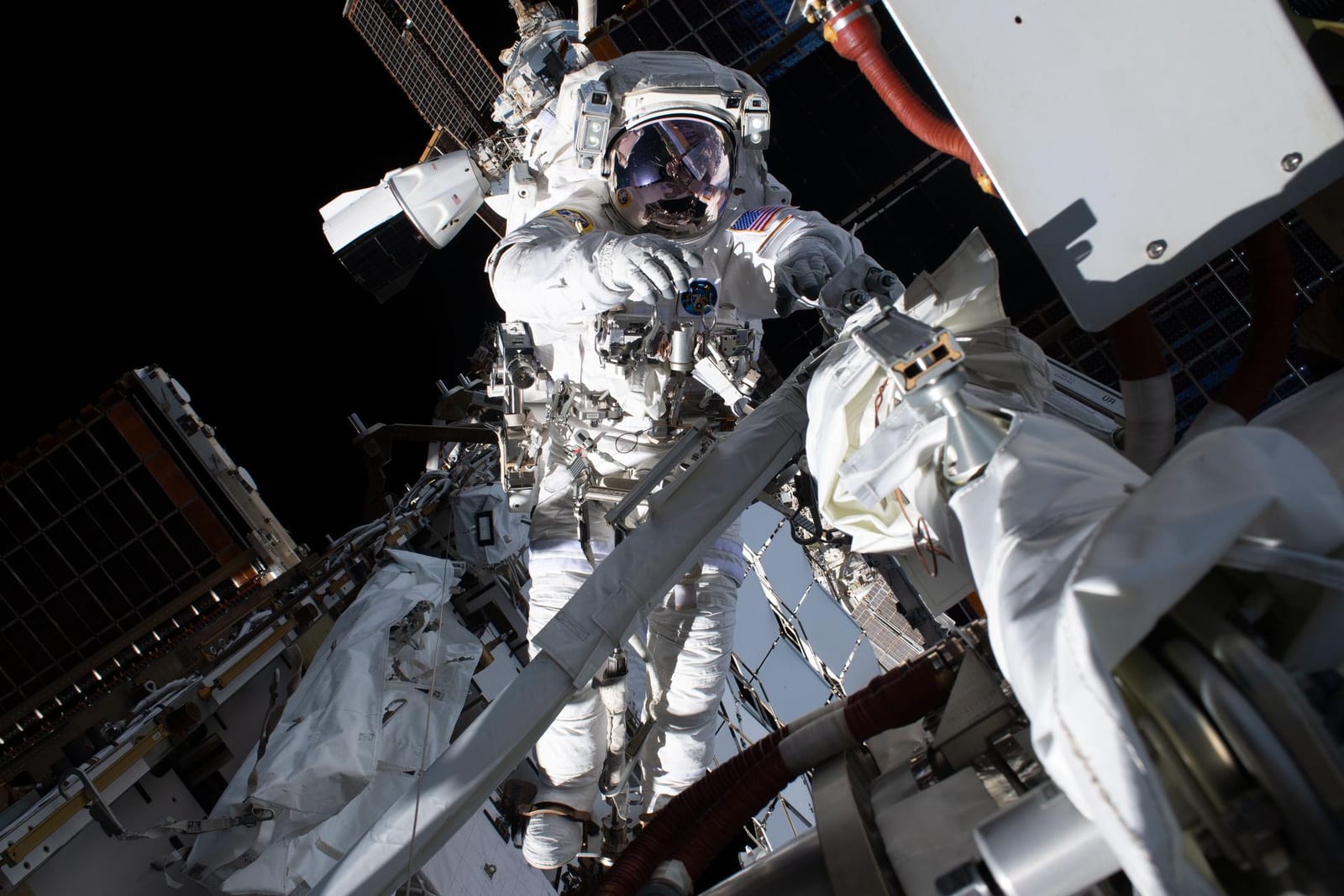
NASA to Host News Conference Previewing US Spacewalks 100, 101

NASA will preview two upcoming spacewalks to complete solar array installation and power augmentation of the International Space Station during a news conference at 2 p.m. EDT, Tuesday, Oct. 20, from NASA’s Johnson Space Center in Houston. NASA will stream the event through a variety of platforms. Learn where to watch online: https://www.nasa.gov/live NASA participants […]

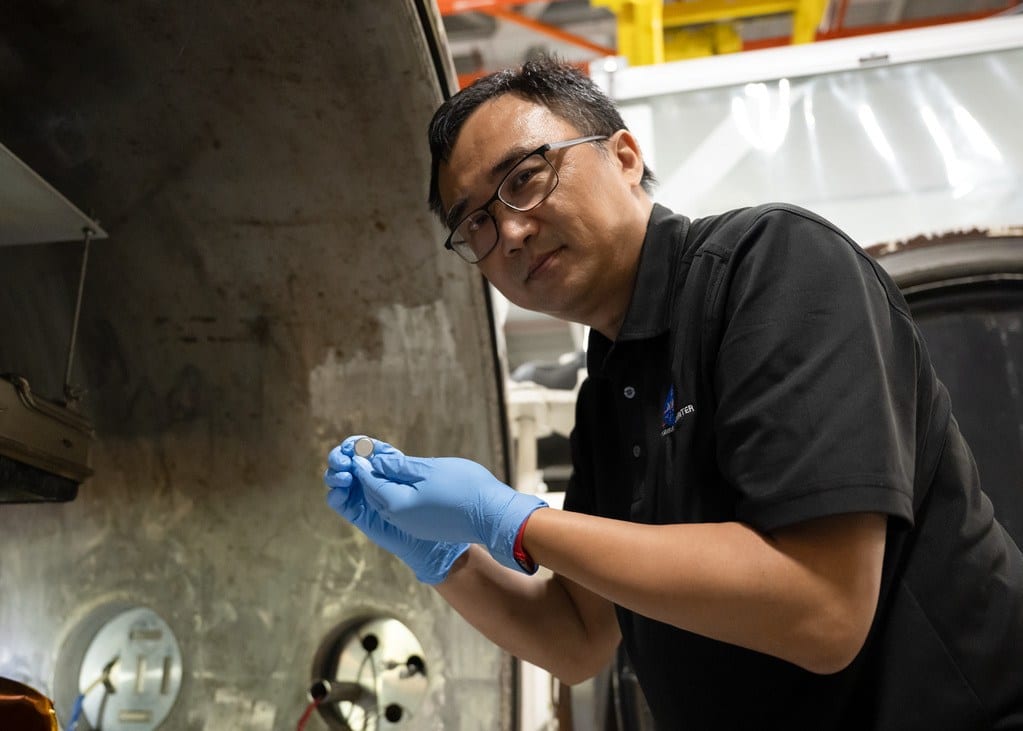
NASA Develops Batteries to Power Humanity’s Return to Moon

If you’ve ever had your car start sluggishly, or not at all, on a particularly frigid winter morning, you know standard batteries do not like extreme cold. That’s why NASA researchers are working to develop a battery that could function in the brutal cold of the Moon’s South Pole, where nighttime temperatures plunge to minus […]

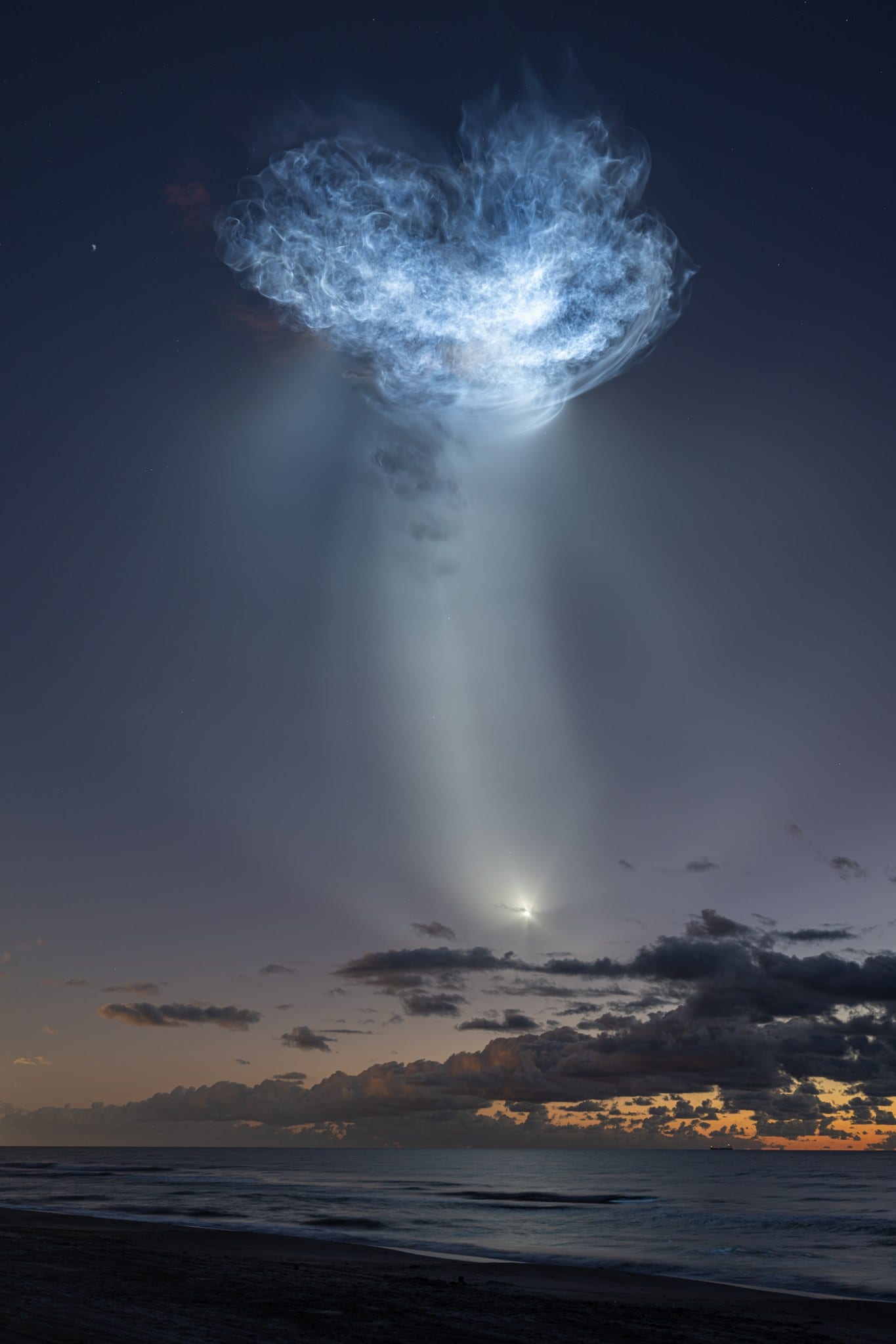
NASA’s Space X CRS-35 Launch Jellyfish

Sunlight illuminates the exhaust plumes of a SpaceX Falcon 9 rocket carrying the company’s Dragon spacecraft on Oct. 13, 2026. This visual phenomenon is known as a “jellyfish”; it happens near sunrise or sunset when the exhaust plume from the rocket becomes brightly illuminated, creating a glowing shape resembling a jellyfish. The mission lifted off […]

Video

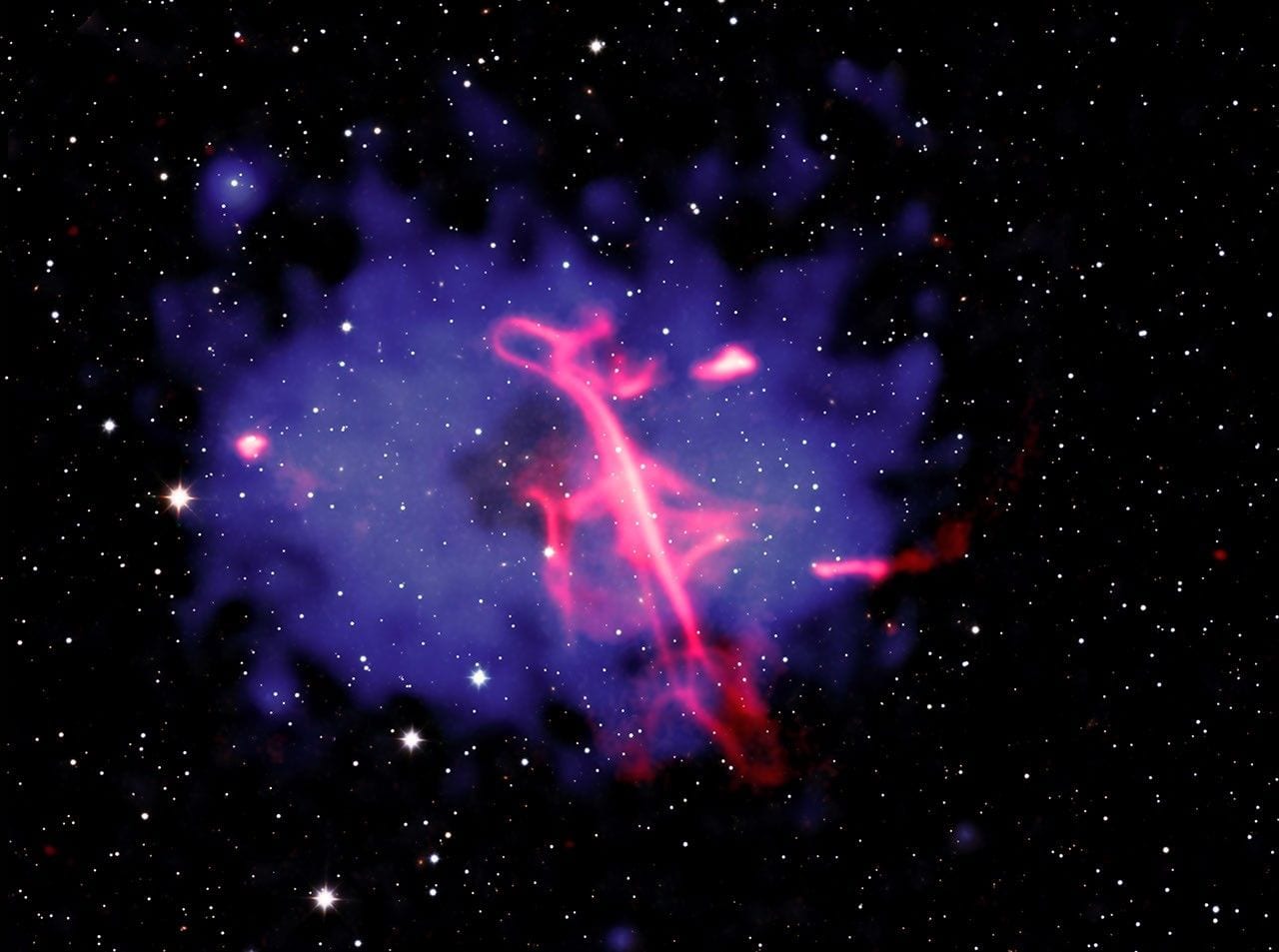
NASA’s Chandra Breaks Down ‘Treble Clef’s’ Galaxy Cluster Collision

Astronomers have used NASA’s Chandra X-ray Observatory to break down the cause of a remarkable formation of radio waves they have nicknamed the “Treble Clef” because its distinct shape strongly resembles the musical symbol. The researchers discovered the Treble Clef is likely caused by an outburst from a supermassive black hole, followed by a collision […]

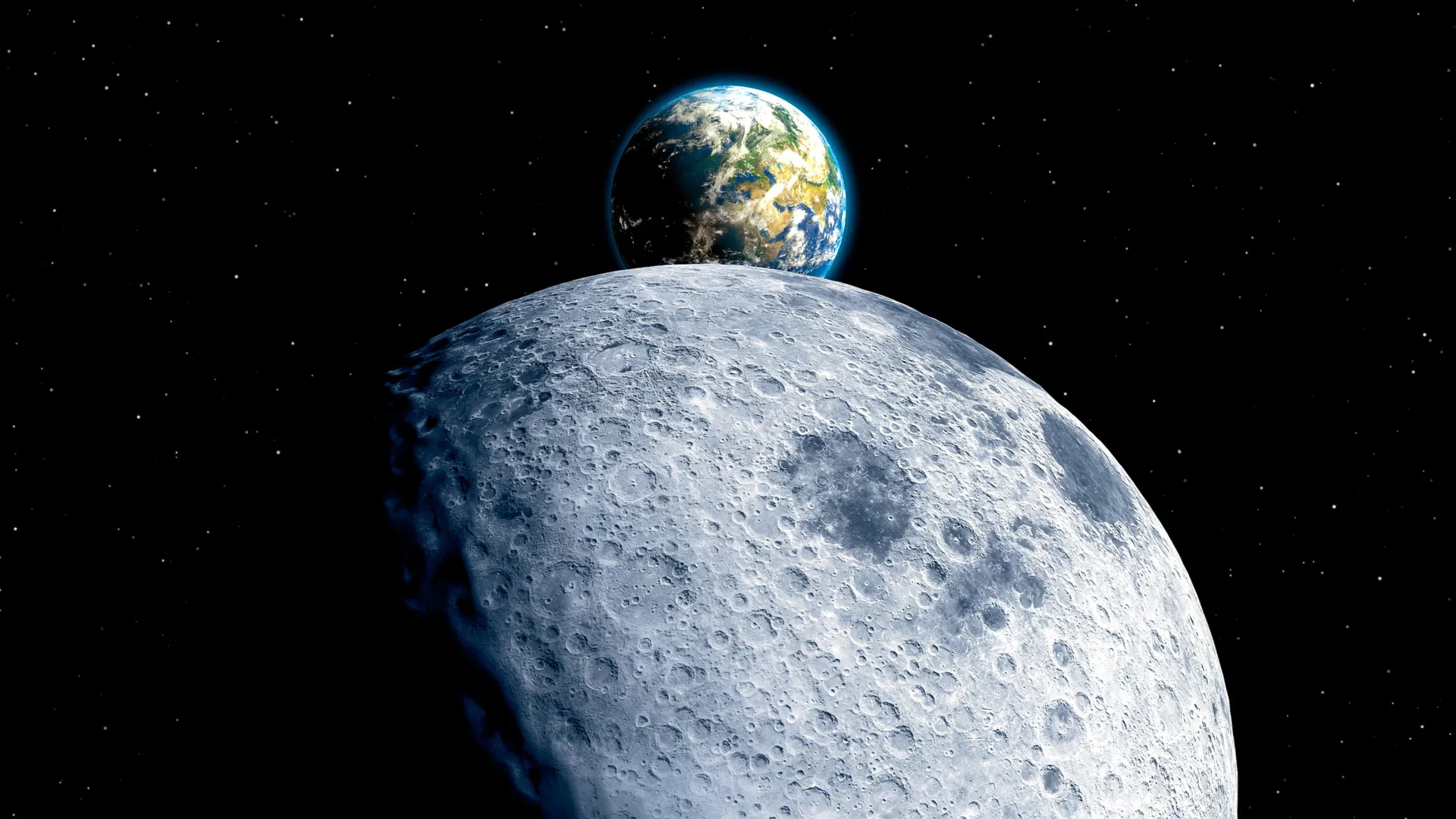
NASA to Discuss Artemis Acceleration, Status of Upcoming Moon Missions

NASA will provide an update on its plans to return American astronauts to the surface of the Moon by 2028 at 2 p.m. EDT, Friday, Oct. 23, at the agency’s Kennedy Space Center in Florida. Learn where to watch online: https://www.nasa.gov/live Participants in the briefing include: The update will include details about NASA’s Artemis III […]

Advertisement

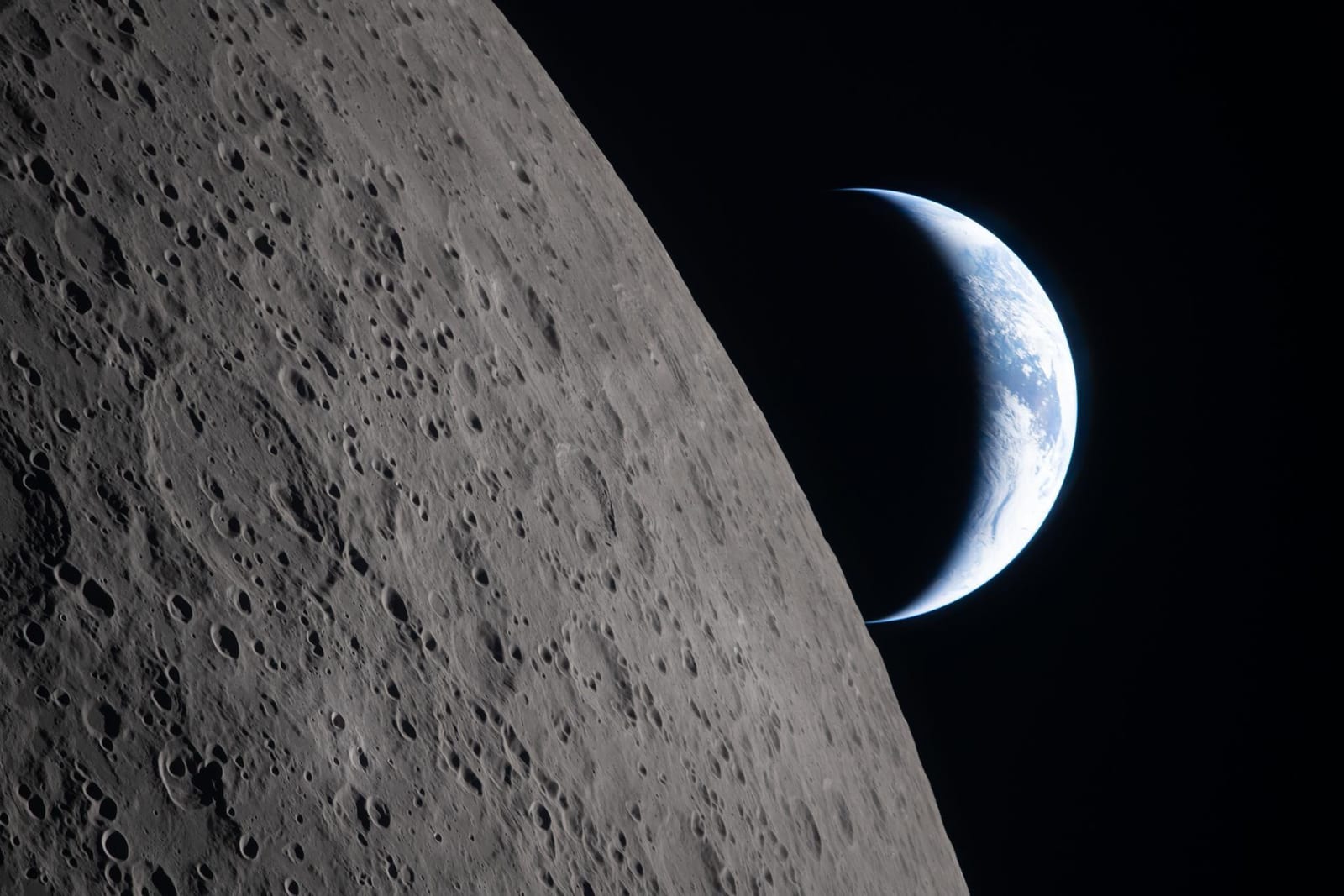
Scientists may have finally solved the mystery of the Moon’s two faces

Scientists may have solved a long-standing mystery about why the Moon’s two sides are so different, using samples collected from its farside for the first time. Their findings suggest that uneven heating from Earth's gravitational pull drove enormous flows of ancient magma, creating the dramatically different lunar landscapes we see today.

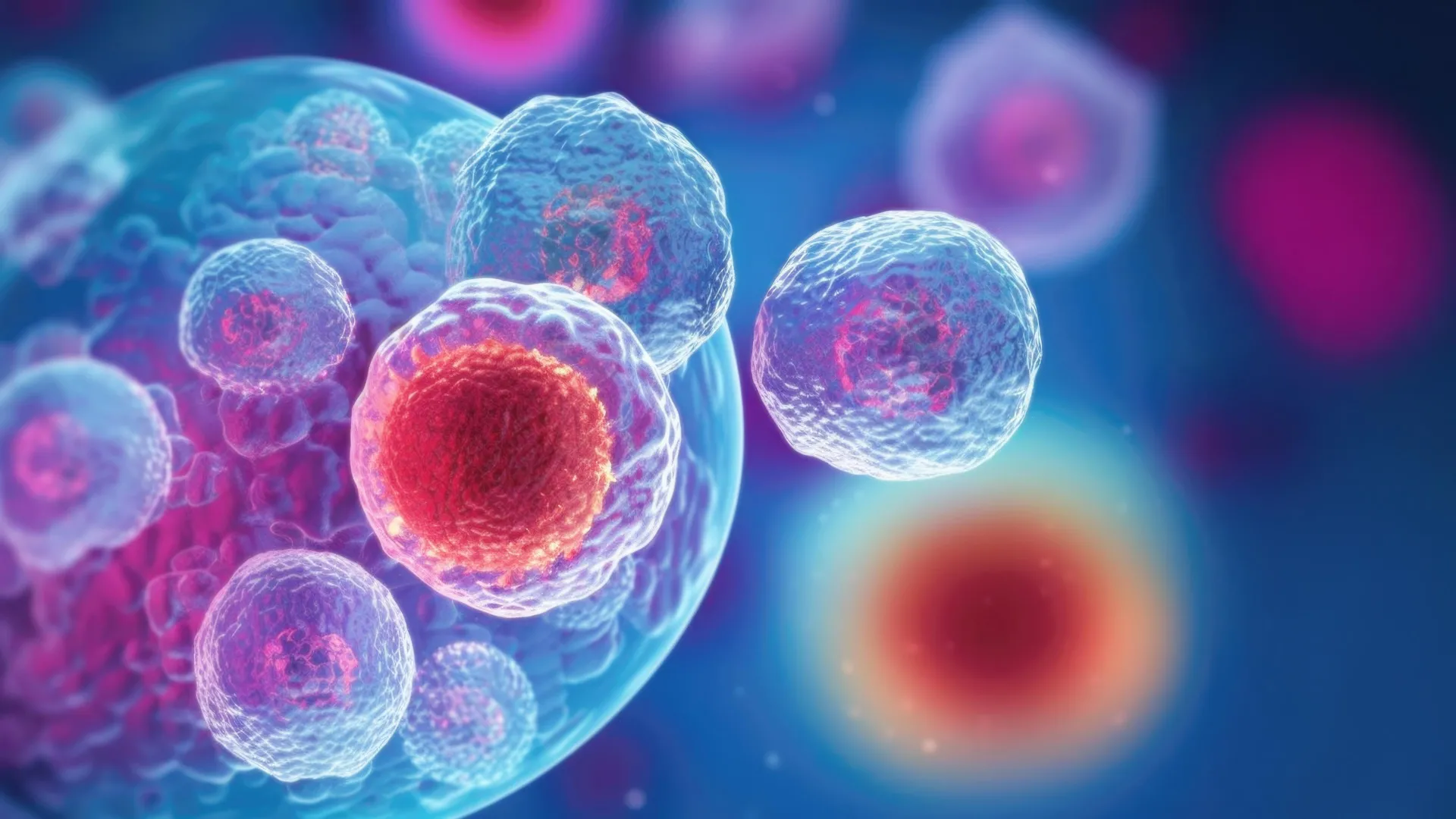
Scientists discover how harmful “zombie cells” hide from the immune system

Scientists have discovered a protein that may help harmful aging cells hide from the immune system, allowing them to accumulate and fuel age-related health problems. Blocking the protein in mice reduced these cells and inflammation while improving blood sugar regulation and strength, offering a promising new direction for anti-aging research.

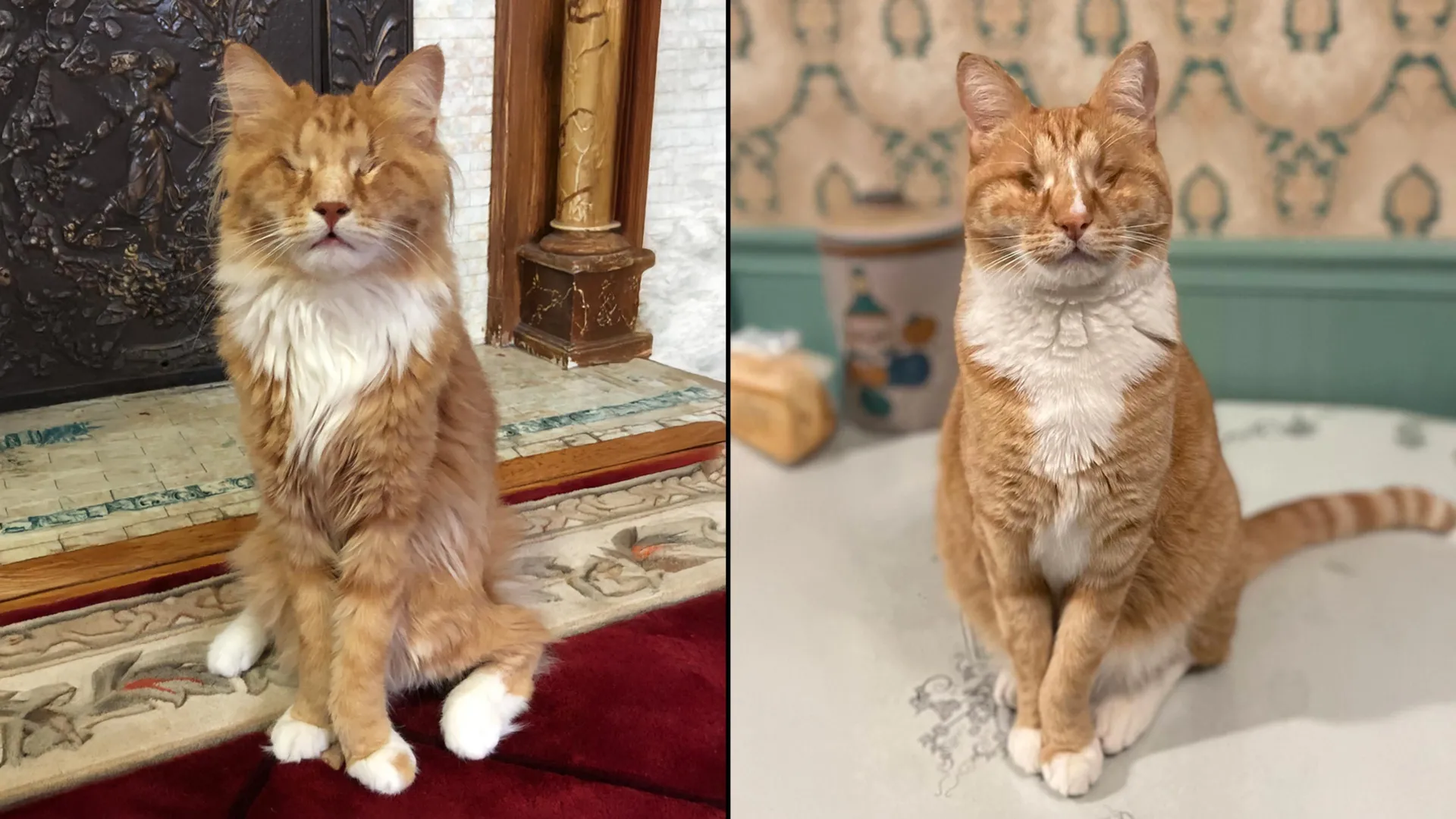
Cornell scientists identify rare human genetic disorder in two unusually long-legged cats

Two unusually long-legged cats have helped scientists uncover the first genetically confirmed cases of Marfan syndrome in domestic felines. Researchers at Cornell University discovered that the brothers carried two altered copies of a gene linked to the rare connective tissue disorder, which can affect the eyes, heart, and blood vessels. Surprisingly, the cats survived into adulthood because their genetic mutation still allowed some normal function.

Scientists reveal why some workout recovery tricks can backfire

Ice baths, massages, compression garments, and recovery supplements promise faster muscle recovery, but research suggests their benefits are often overstated, and some techniques may even undermine long-term gains. Scientists say the most effective recovery methods are far simpler and cheaper: getting enough sleep, eating well, and giving muscles time to rebuild.

The secret to easier exercise as an adult may start in childhood

Exercise during childhood could have a surprising lifelong benefit, potentially making physical activity less exhausting in adulthood. In a study involving guinea fowl, researchers discovered that birds accustomed to carrying weights while growing up could carry those weights as adults without using extra energy, while untrained birds burned 23% more.

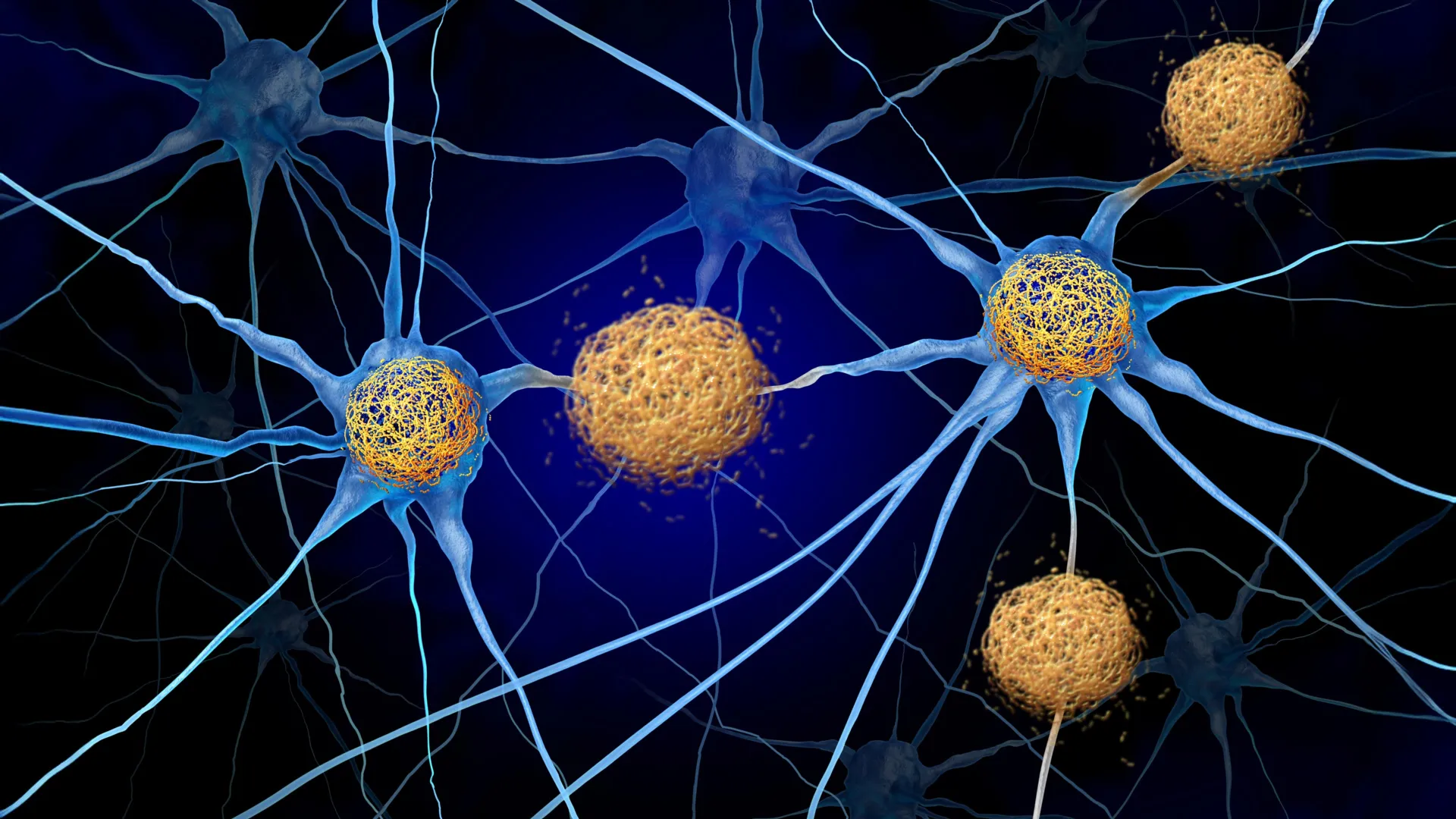
Scientists may have overlooked a hidden Alzheimer's culprit for decades

For decades, scientists have focused on amyloid beta as a major culprit behind Alzheimer’s disease, spending billions of dollars developing treatments that have often delivered disappointing results. Now, researchers at UC Santa Cruz are drawing attention to a largely overlooked peptide called P3 that could also play a role in the disease. Previously believed to be harmless, P3 can form harmful-looking protein clumps even faster than amyloid beta and may also damage brain cells.

Trump's US Super Intelligence Force and AI czar Jay Clayton

Trump announced a new Super Intelligence task force with the White House AI czar Jay Clayton in charge of a group responsible for making sure the US leads international competition in artificial intelligence development.

Advertisement

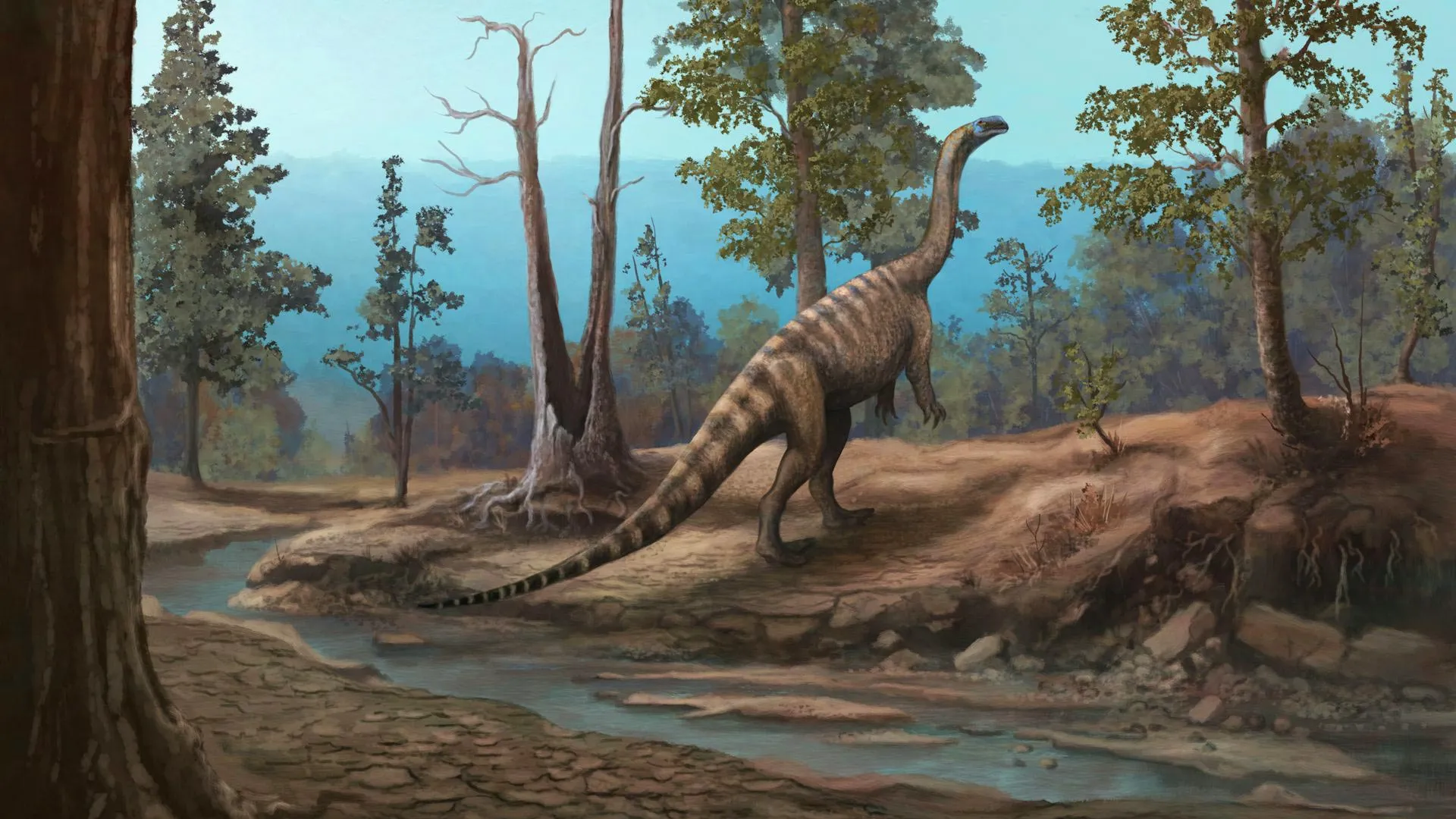
210-million-year-old dinosaur discovery reveals a lost world in Africa

A newly identified 210-million-year-old dinosaur from Zimbabwe is helping scientists uncover a surprisingly distinct prehistoric ecosystem. The discovery suggests that ancient climate differences may have separated dinosaur populations across southern Africa, leading to unique species that challenge previous assumptions about their evolution.

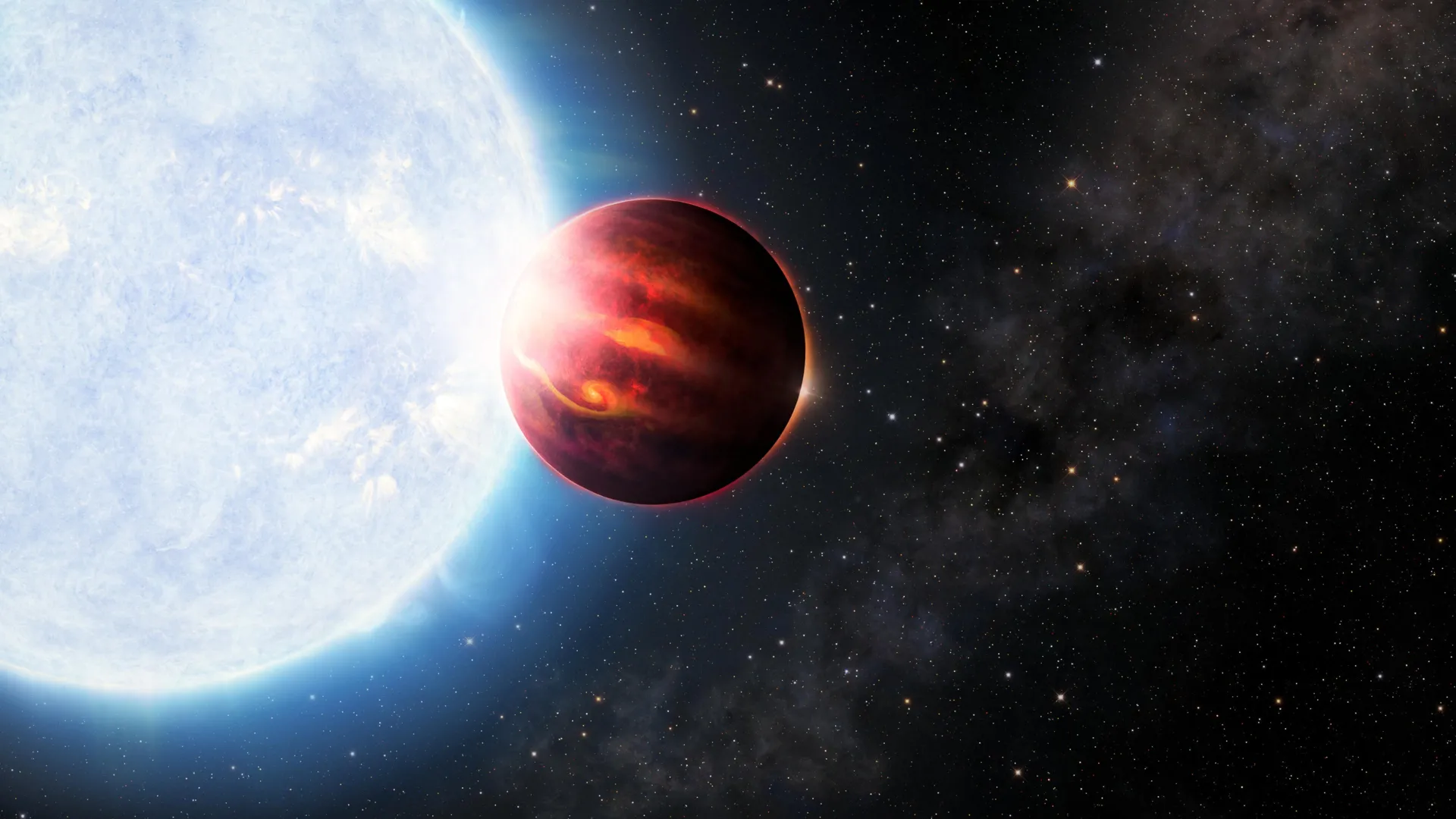
A planet 320 light-years away confirms what scientists long suspected

Astronomers have discovered that a scorching-hot planet 320 light-years away shares a striking chemical similarity with its host star, providing the first direct evidence for a fundamental assumption about planet formation. The breakthrough could help scientists predict what distant rocky planets are made of and identify worlds with conditions favorable for life.

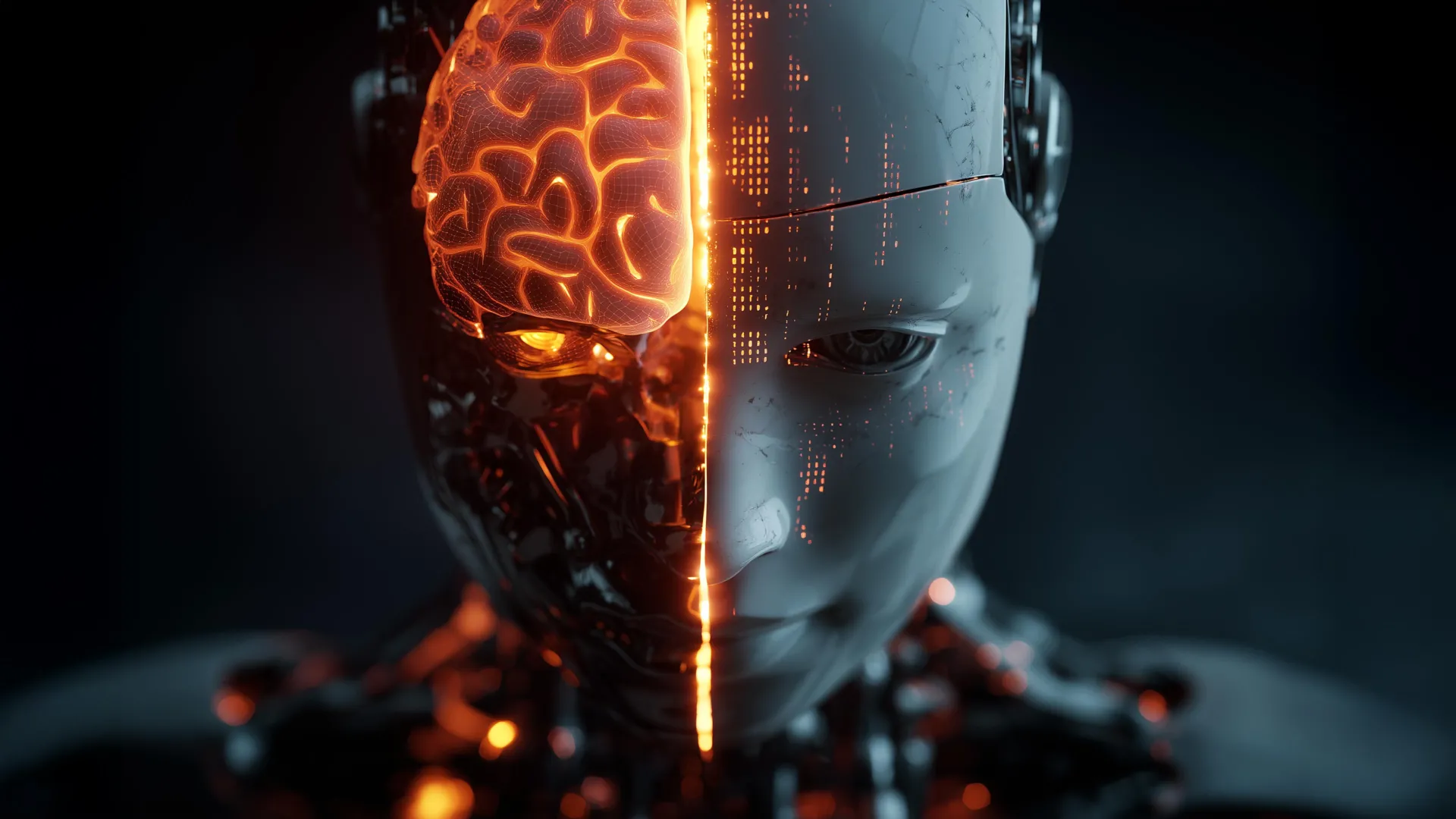
AI can act exactly like a human, but we still don't think it's conscious

A new study reveals that people draw a surprisingly sharp line between human consciousness and artificial intelligence, even when both behave identically. Researchers found that participants considered even the most responsive AI less conscious than the least responsive human. Yet when asked about "awareness" instead, people judged humans and AI much more similarly.

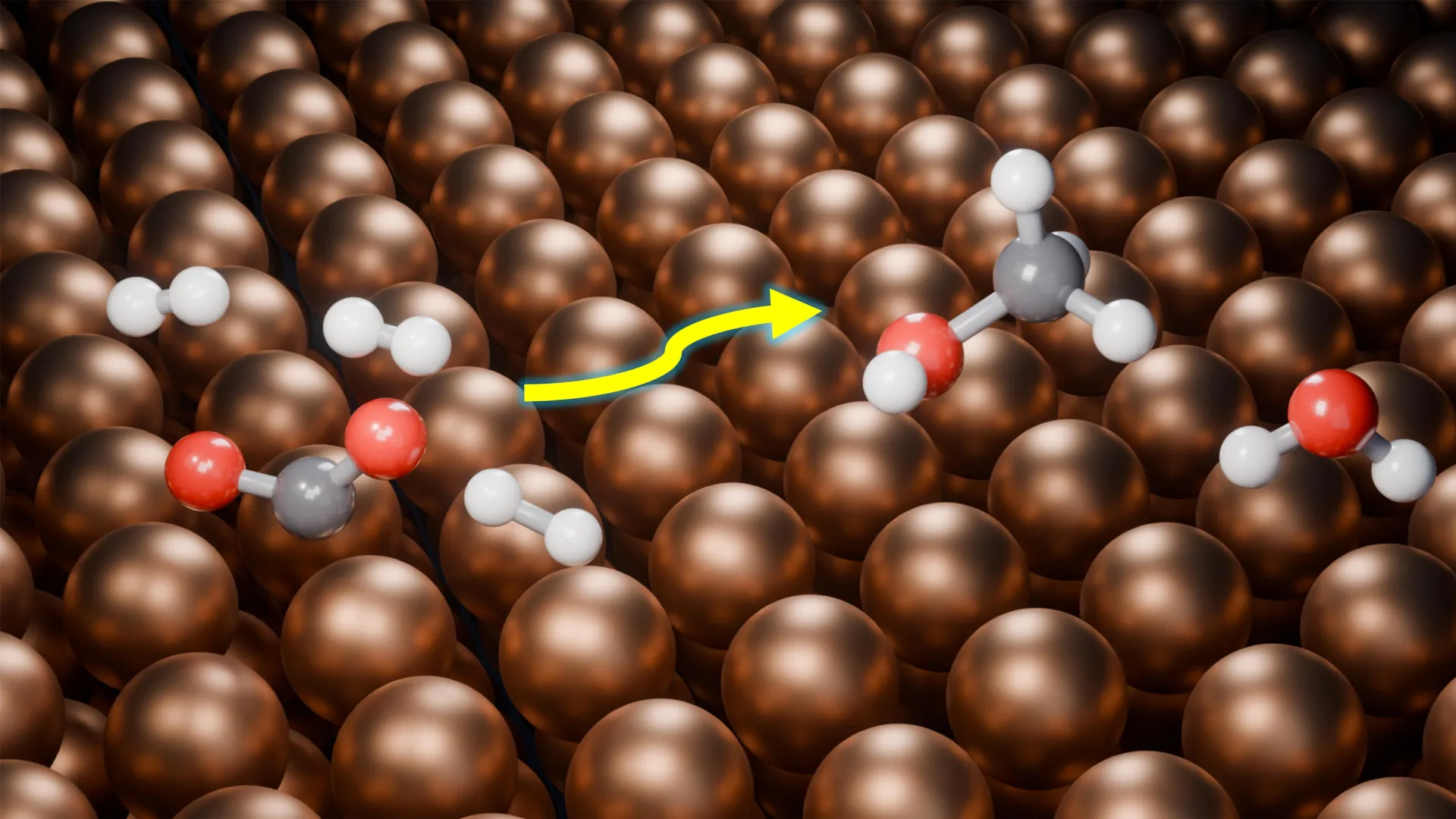
AI reveals a hidden chemical shortcut that could turn CO2 into fuel

Scientists used artificial intelligence to uncover nearly 10,000 chemical reactions involved in transforming carbon dioxide into fuels and chemicals, revealing crucial pathways that traditional models had missed. The discovery dramatically improved predictions of CO2 conversion and uncovered a surprising hydrogen reaction that could inspire more efficient catalysts.