Advertisement
Advertisement

Science

Scientists predicted doomsday for November 13, 2026. Should we be worried?

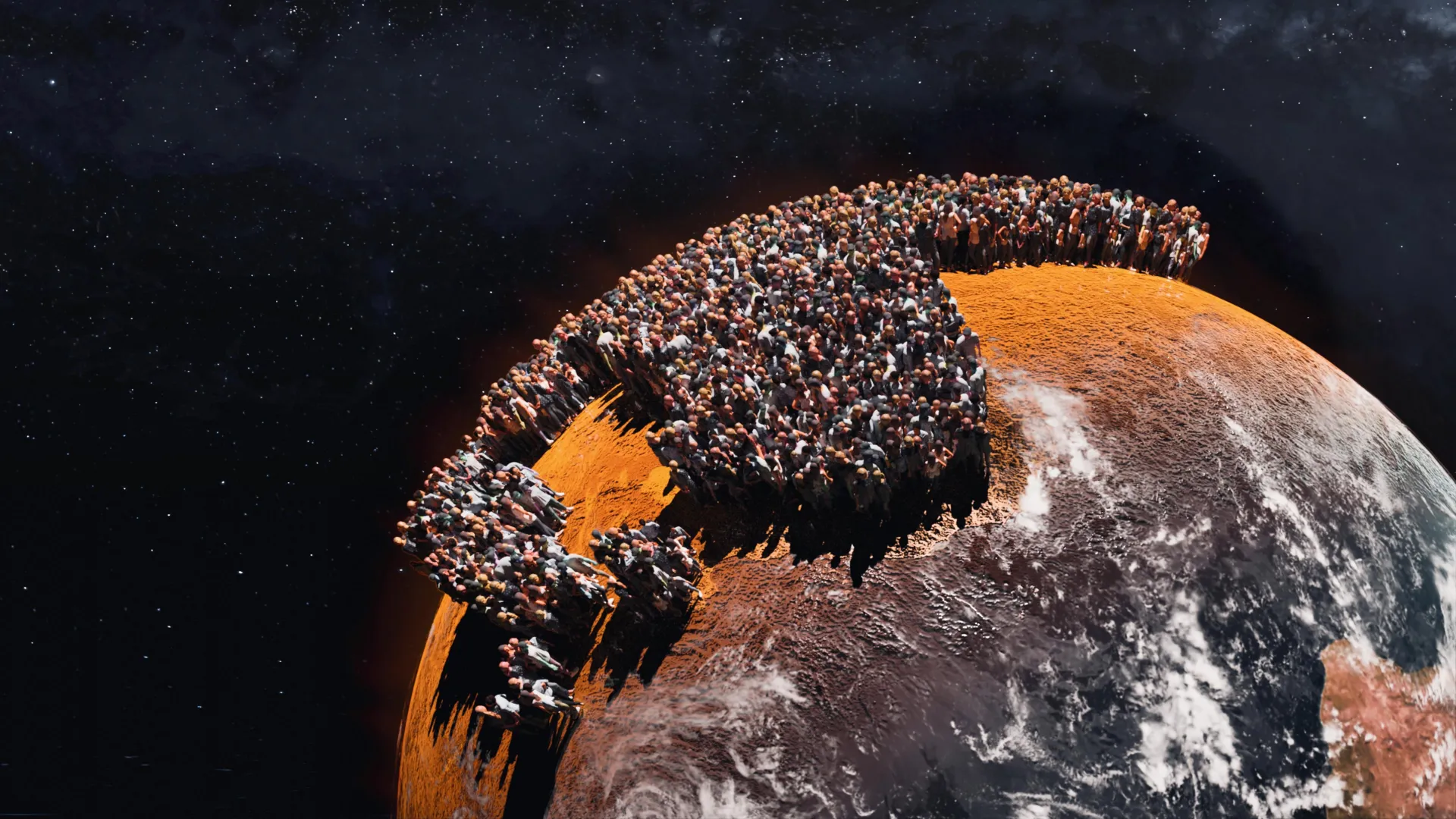
In 1960, scientists predicted that runaway population growth would bring humanity to the brink of destruction on November 13, 2026, and their mathematical forecasts remained surprisingly accurate for decades. But as birth rates declined and population growth slowed, the terrifying prediction unraveled, revealing how even convincing scientific models can fail when human behavior changes.
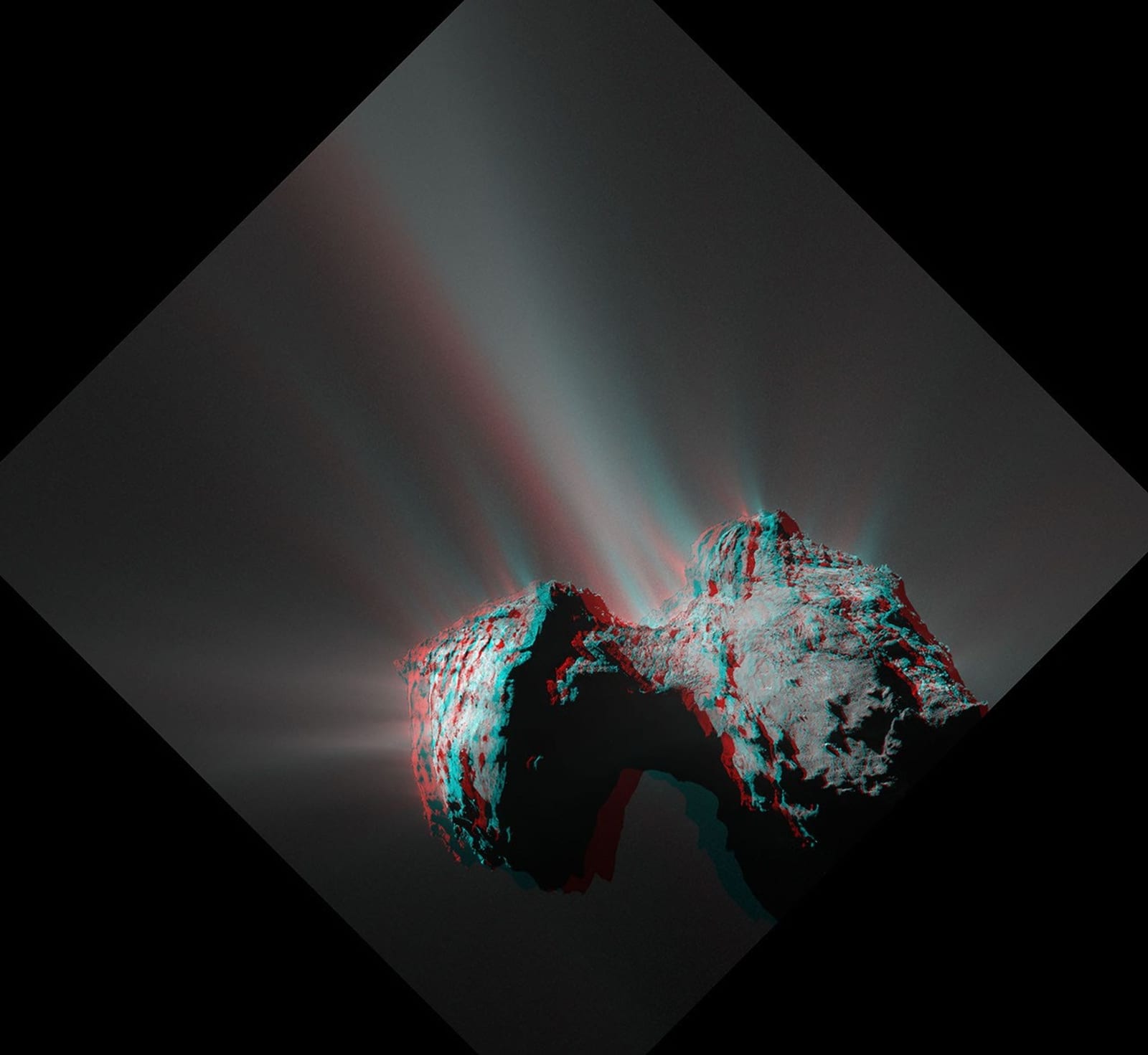
APOD: 2026 October 17 – 3D 67P

APODScienceAPODAPOD: 2026 October 17…Today’s APODArchiveSubmissionsIndexSearchCalendarRSSEducationAboutDiscuss APOD Astronomy Picture of the Day Discover the cosmos! Each day a different image or photograph of our fascinating universe is featured, along with a brief explanation written by a professional astronomer. 3D 67P Explanation: Put on your red/blue glasses and float next to the jagged and double-lobed nucleus of […]

NASA Names Stephen Cash Marshall Space Flight Center Director

NASA Administrator Jared Isaacman has named Stephen Cash director of the agency’s Marshall Space Flight Center in Huntsville, Alabama, effective Monday, Oct. 19. Cash, a veteran NASA engineer and aerospace executive, returns to lead the center where he began his career more than four decades ago. “Marshall contributions to NASA’s missions are historic and it’s […]

Artemis II Heat Shield After Splashdown

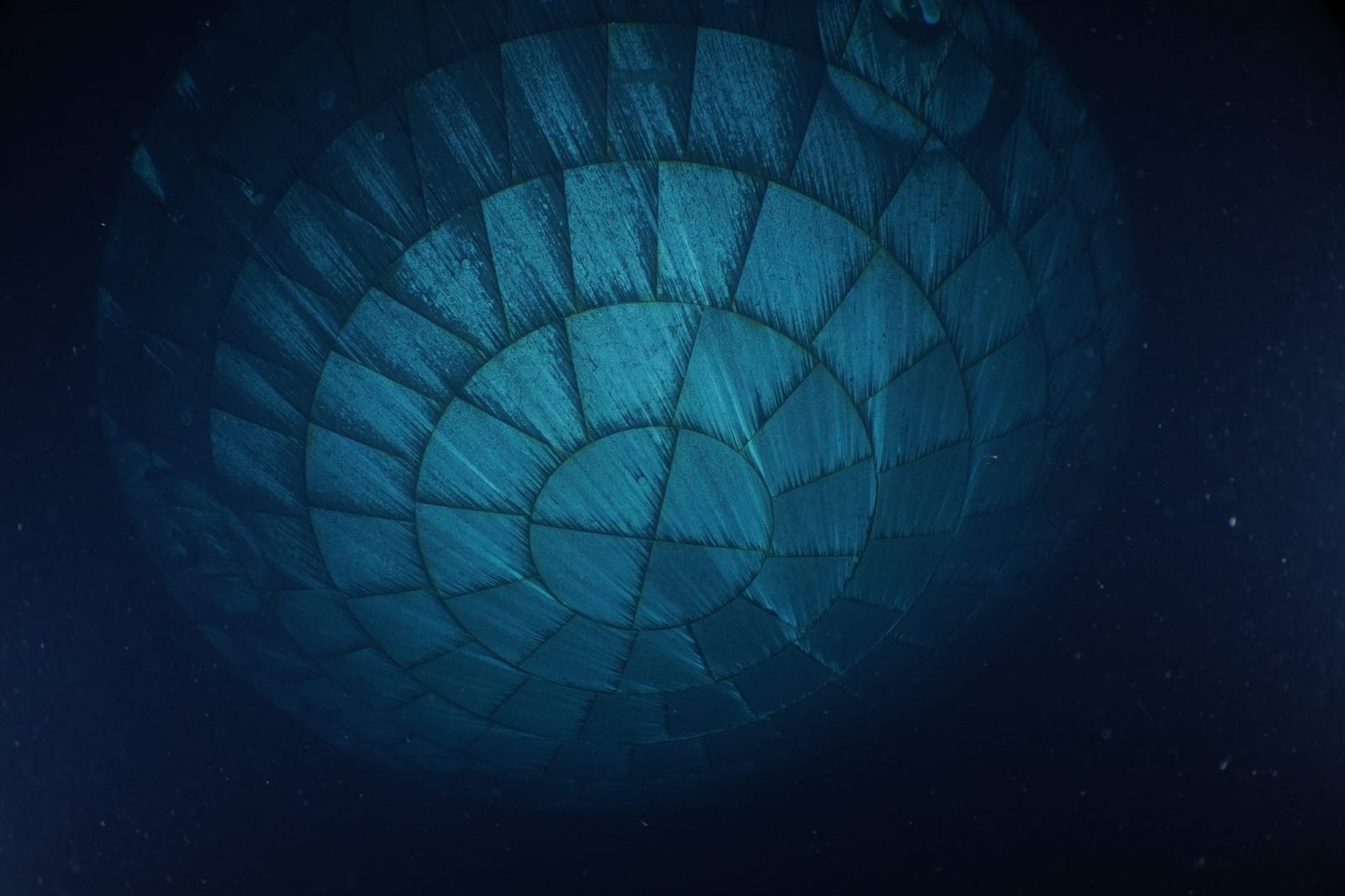
Shortly after NASA’s Artemis II mission splashed down on April 10, 2026, U.S. Navy divers captured underwater imagery of the Orion spacecraft’s heat shield. In the months after, the agency measured whether the thermal protection system effectively safeguarded the crew and Orion systems as the spacecraft reentered Earth’s atmosphere. This rigorous analysis confirmed that the […]

NASA’s Hubble Spies Spiral’s Edge

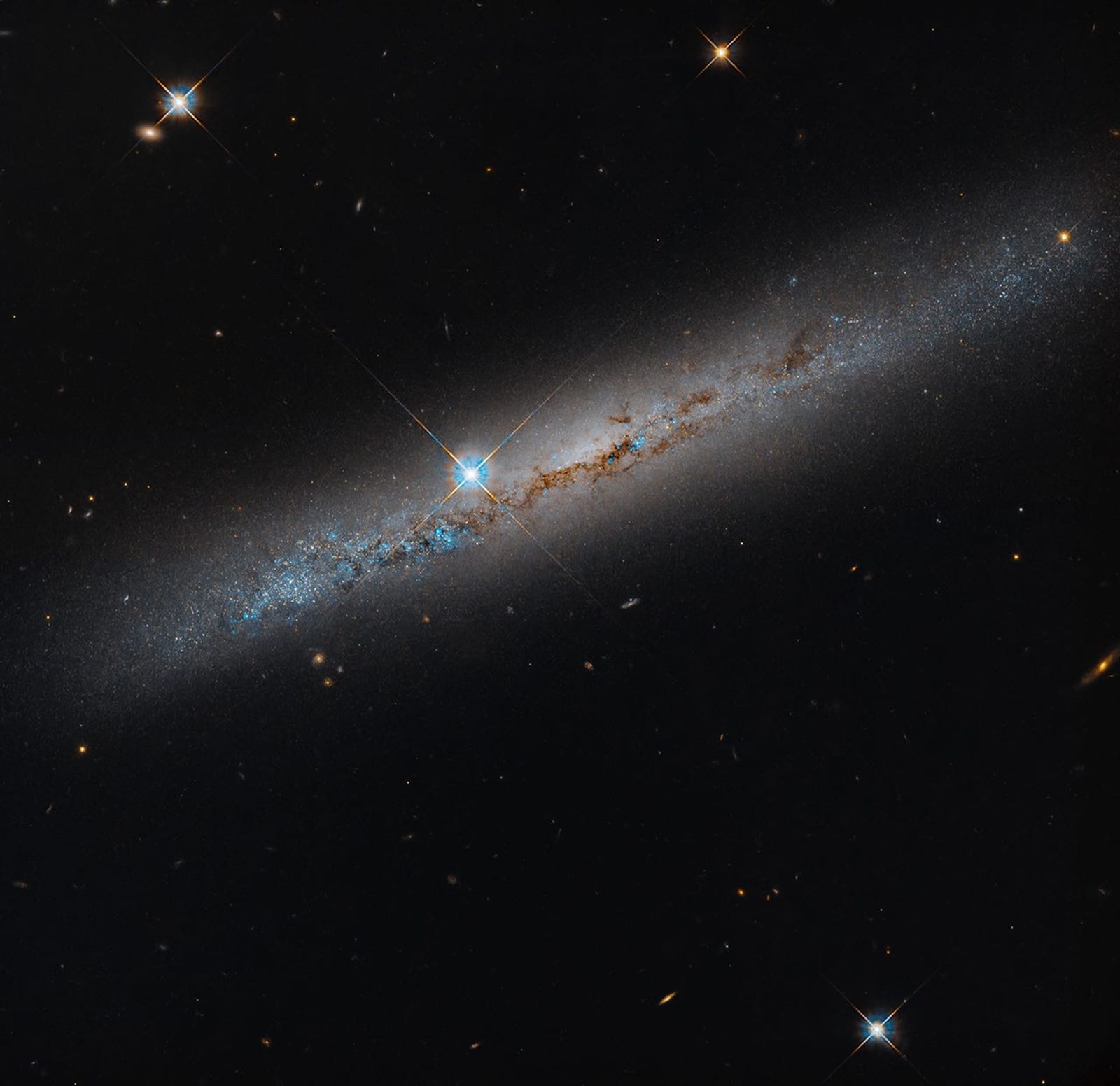
This NASA Hubble Space Telescope image features the edge-on, intermediate spiral galaxy NGC 1827, located roughly 37 million light-years away in the constellation Columba, the Dove.

I Am Artemis: Allison Mjoen

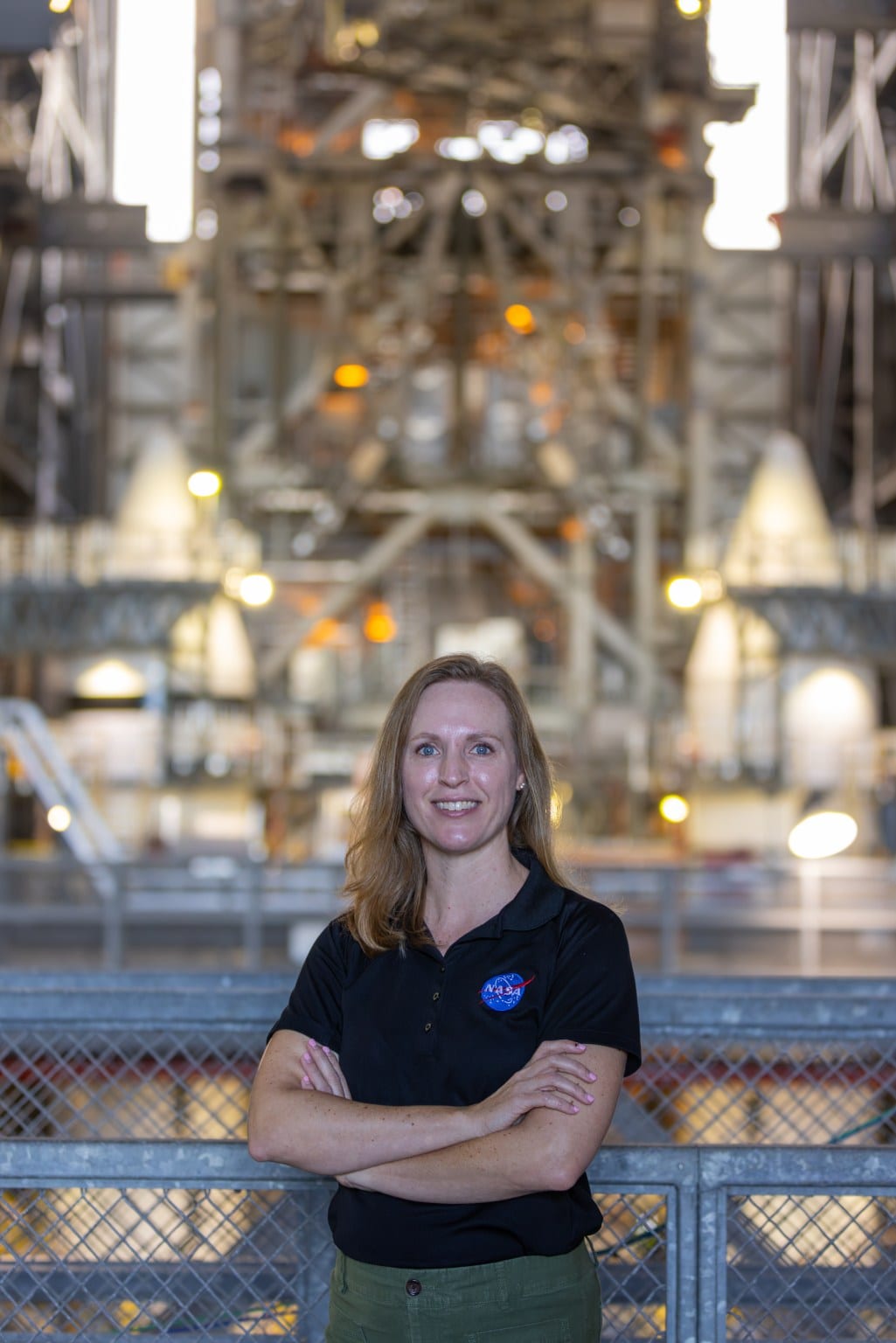
As the supercooled propellant flowed into the core stage, and NASA’s SLS (Space Launch System) rocket roared to life, Allison Mjoen and her family watched with awe and pride. Mjoen, NASA’s operations manager for the agency’s Exploration Ground Systems Program, helped shape the systems and ground operations that will one day send humans back to […]

Advertisement

Astronomers discover a strange universal rule behind black hole eruptions

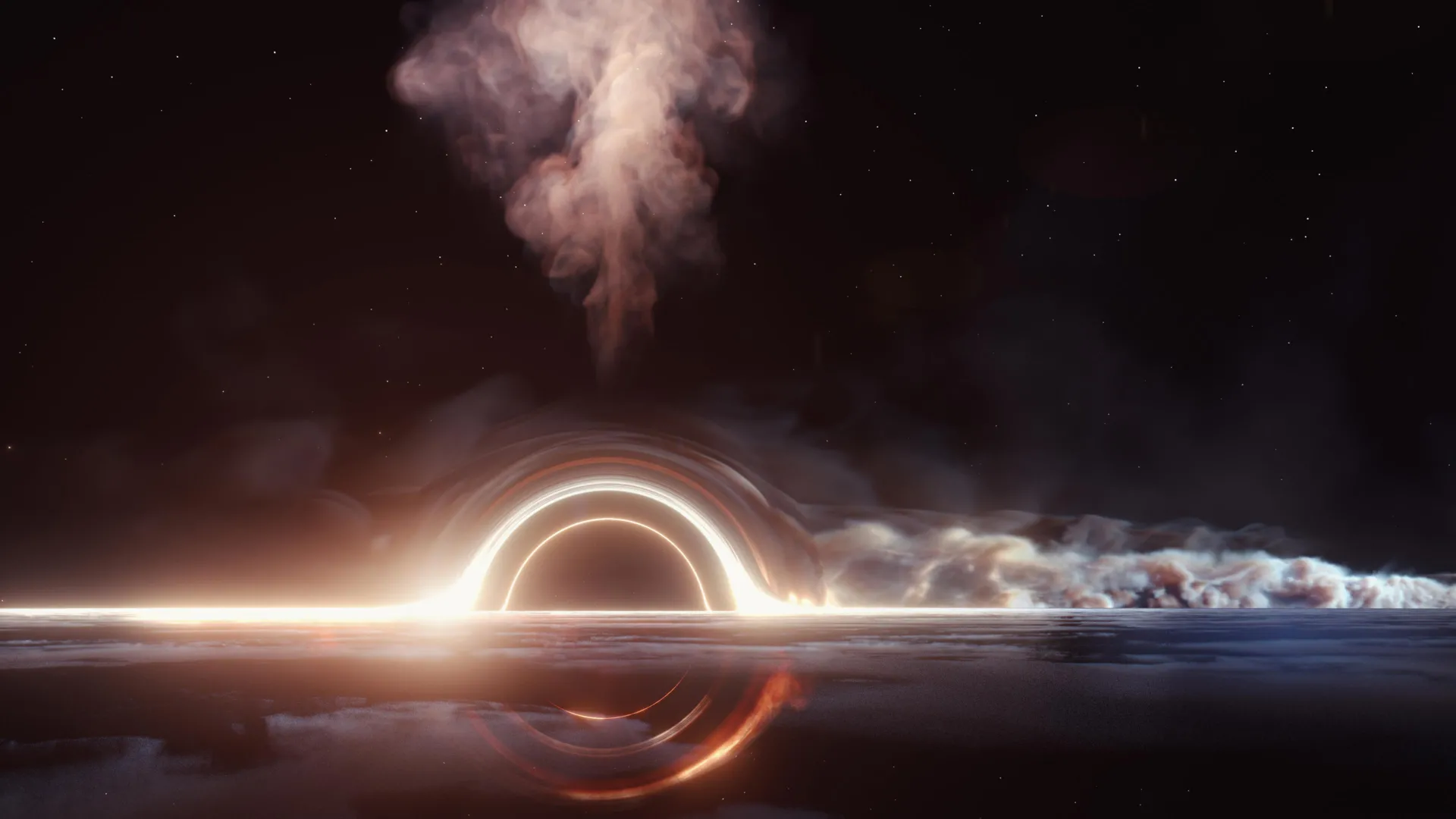
Scientists have discovered that black holes of vastly different sizes appear to launch powerful jets according to the same universal rule. The breakthrough could explain why some black holes suddenly erupt years after devouring a star and help astronomers predict when these spectacular outbursts will happen.

Scientists discover a plastic-eating “Pac-Man” enzyme with a surprising secret

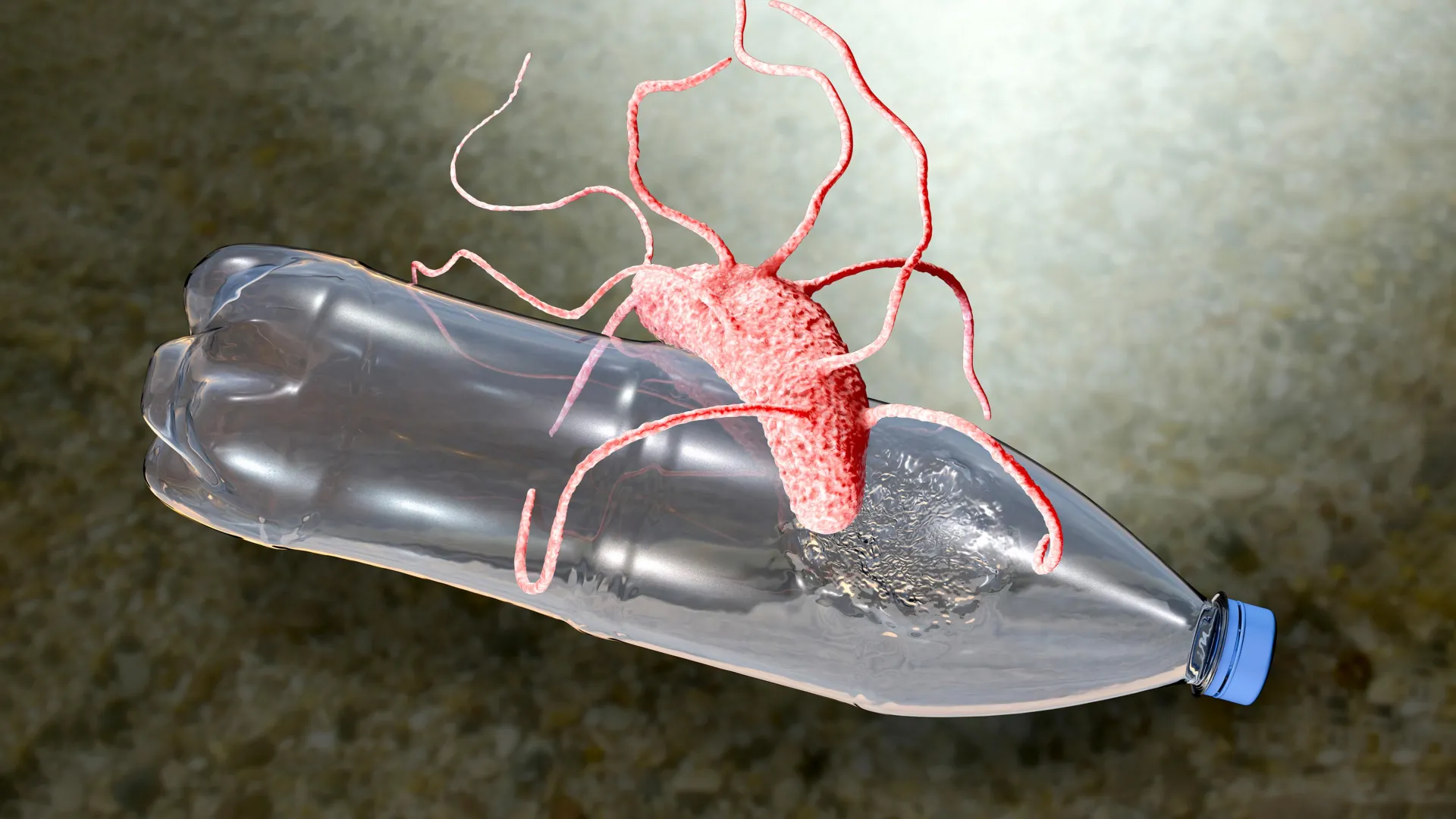
Scientists have discovered a remarkable “Pac-Man enzyme” that helps bacteria devour certain types of plastic and may offer new hope in the fight against plastic pollution. Researchers found that several biodegradable plastics completely broke down in soil within about a year, while conventional plastic remained largely unchanged.

Yale scientists discover how stress changes the brain to make memories stronger

Yale scientists have uncovered how the stress hormone cortisol helps the brain turn emotional experiences into stronger, longer-lasting memories. The discovery reveals that stress can reshape communication between brain networks involved in emotion and memory, potentially explaining why certain moments are so difficult to forget.

A quantum highway just one atom high could transform superconductors

Scientists discovered that atomic steps just one atom high can guide quantum vortices through superconductors, making them move more than 1,000 times more easily in one direction than another. This remarkable control over quantum motion could lead to a new generation of ultra-efficient superconducting electronics.

Scientists discover how exercise reverses muscle aging

Scientists have uncovered a hidden biological mechanism that helps explain how exercise can reverse some of the damage caused by muscle aging. The key is a gene called DEAF1, which becomes overactive with age and interferes with the muscles’ ability to clear damaged proteins and repair themselves. Exercise can help restore this balance, allowing older muscles to rebuild and regain strength, although the benefits may diminish when the system becomes too disrupted.

USC scientists discover how to create a never-ending supply of cancer-fighting cells

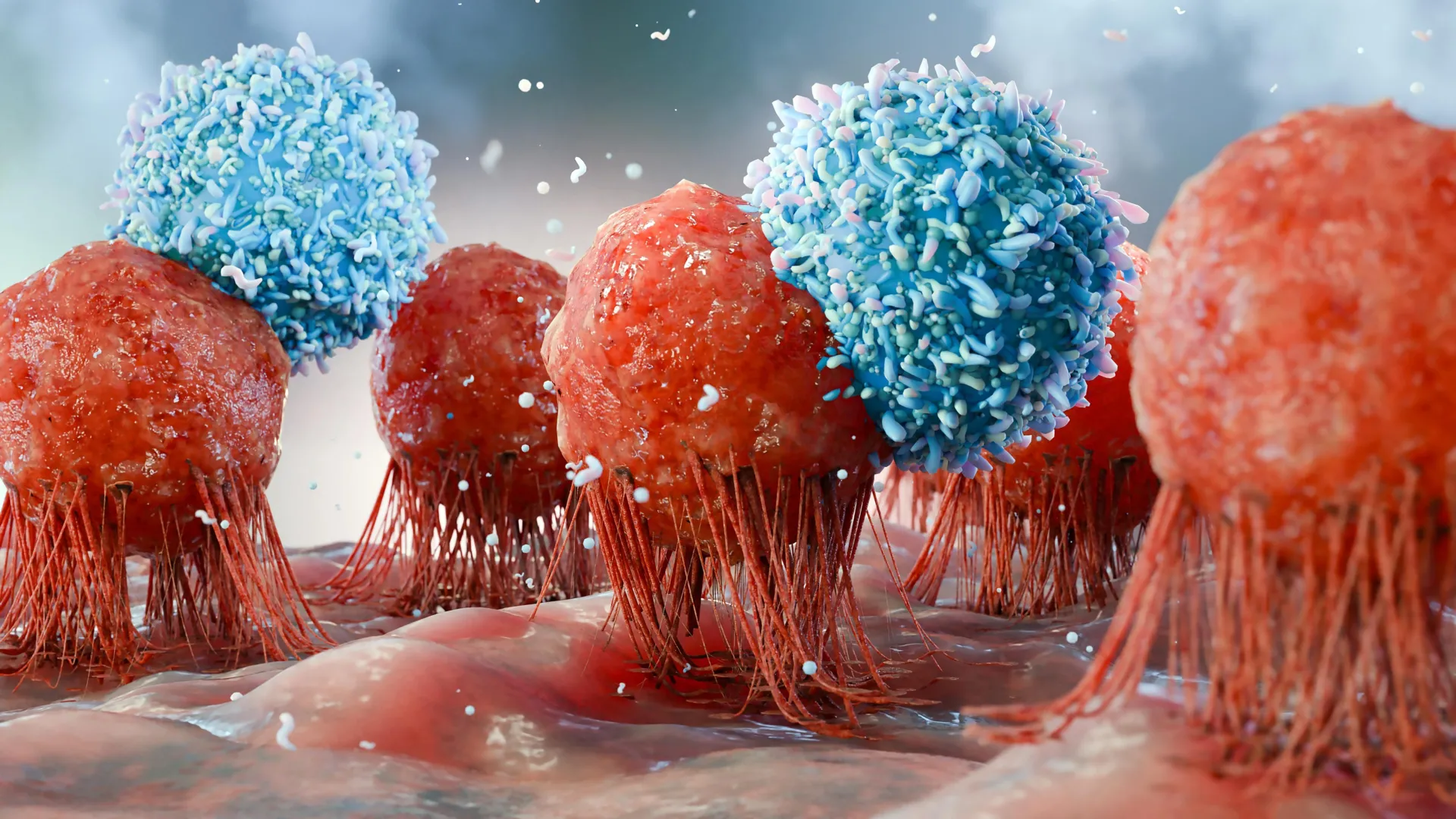
USC scientists have discovered a way to create a potentially renewable supply of genetically engineered immune cells that can attack cancer and strengthen the body's natural defenses. By growing and modifying immature immune cells rather than mature ones, researchers developed a system that can continuously produce tumor-fighting cells inside the body.

A protein that fuels cancer could also be the key to fighting it

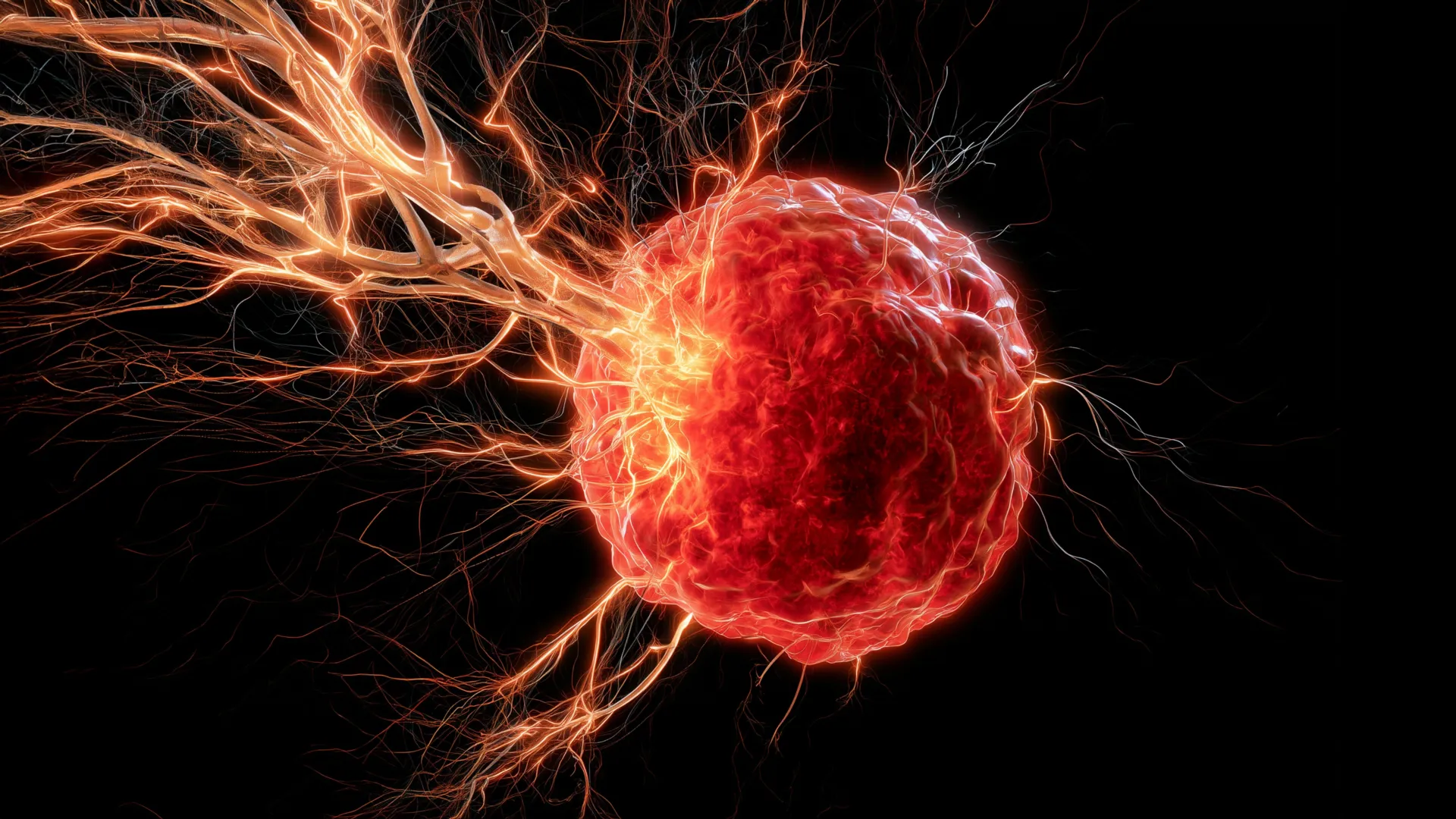
Scientists have discovered how to turn a protein that normally fuels cancer growth into a weapon against it. By activating PPARD in immune cells, researchers made them better at burning fat and attacking tumors, slowing or stopping cancer growth in laboratory experiments. The approach showed promise against colorectal, breast, and ovarian cancers, as well as melanoma.

NASA captures strange waves high above Hurricane Simon

As Hurricane Simon unleashed destructive winds and flooding along Mexico’s coast, NASA satellites captured an extraordinary sight: massive atmospheric waves rippling high above the storm. The rare images reveal how powerful hurricanes can disturb the upper atmosphere, creating patterns that are usually invisible from space.

Advertisement

Antarctica’s sea ice has undergone a stunning reversal

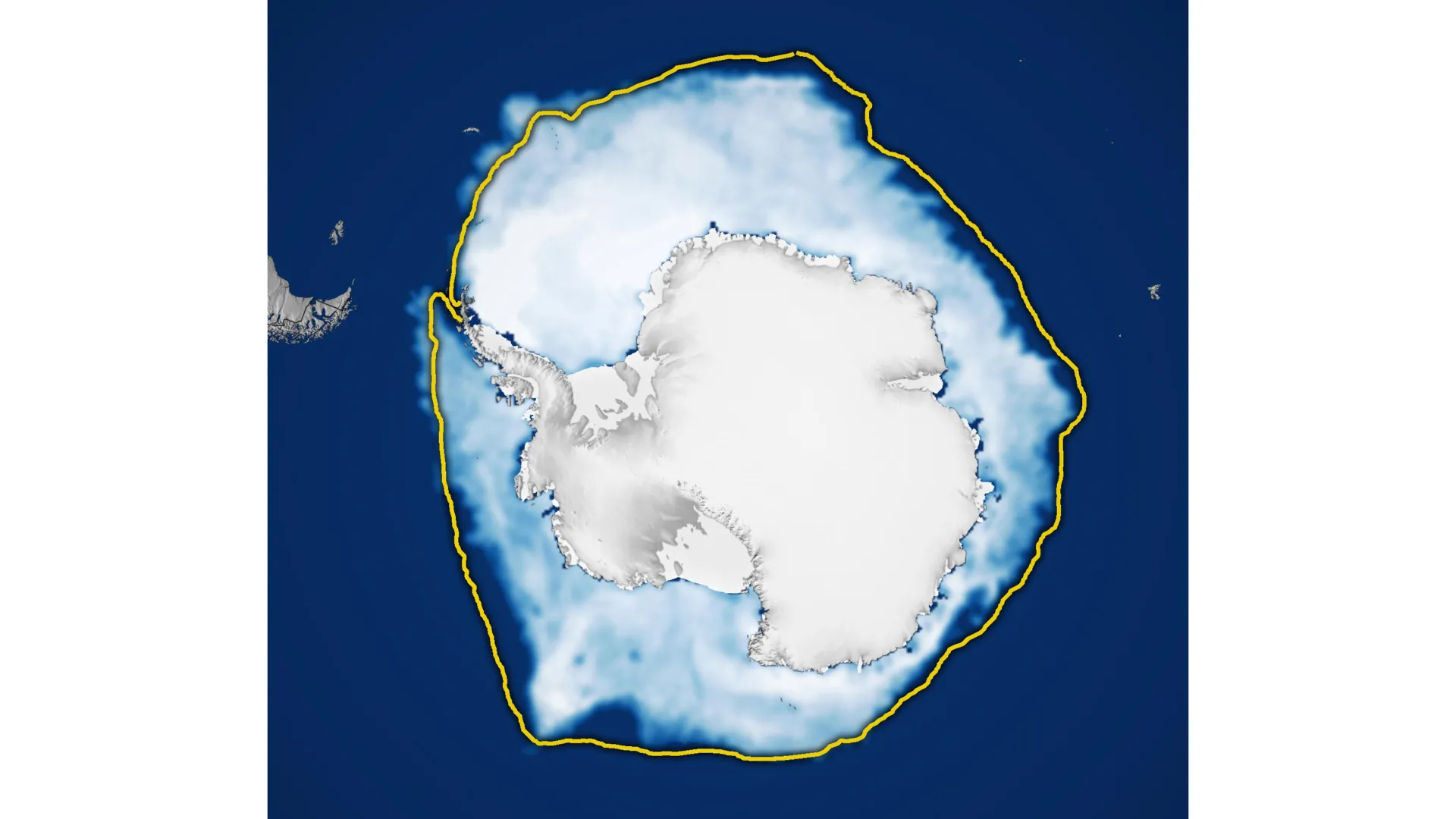
Antarctic sea ice reached its third-lowest winter maximum in 2026, extending a remarkable decline that began after years of record-breaking growth. Scientists are investigating whether the dramatic reversal signals a long-term shift in Antarctica's frozen landscape.

The uranium cubes that exposed Nazi Germany’s nuclear failure

Scientists investigating Nazi Germany's secret nuclear program have uncovered evidence that its final experimental reactor was nowhere near as close to working as previously claimed. Analysis of surviving uranium cubes and wartime documents reveals that Germany lacked the enormous quantities of uranium and heavy water needed to make its reactor operational.

“Crawzilla” was huge. Then scientists found an even bigger crayfish

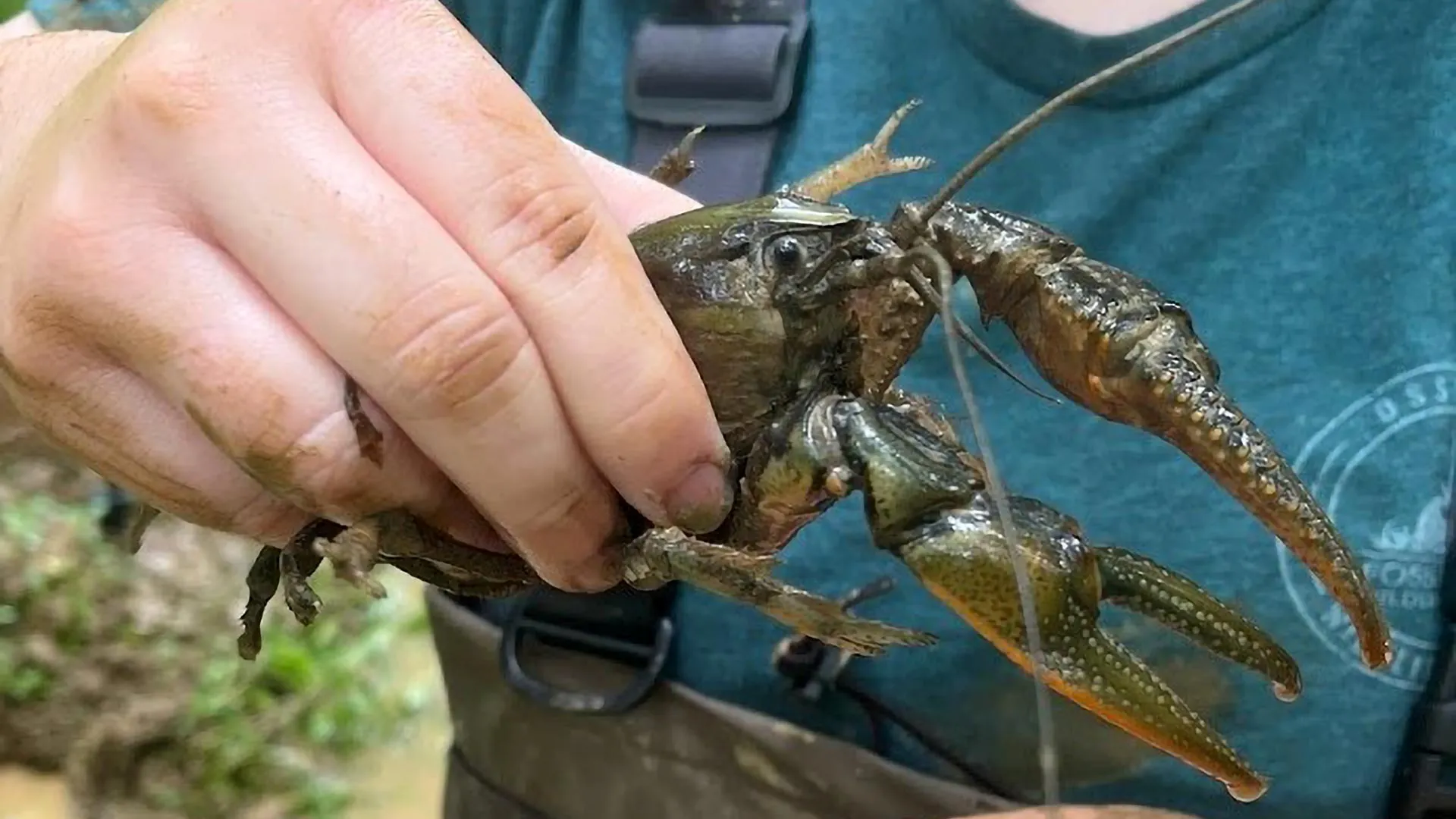
A nationwide search for giant crayfish uncovered a record-breaking Tennessee specimen and a surprising mystery about how big these freshwater creatures can grow. Scientists found that North American crayfish seem to hit a biological size limit, possibly because of their muscles or protective shells.