Advertisement
Advertisement

Science

Scientists link a strange sugar in red meat to a 63% higher diabetes risk

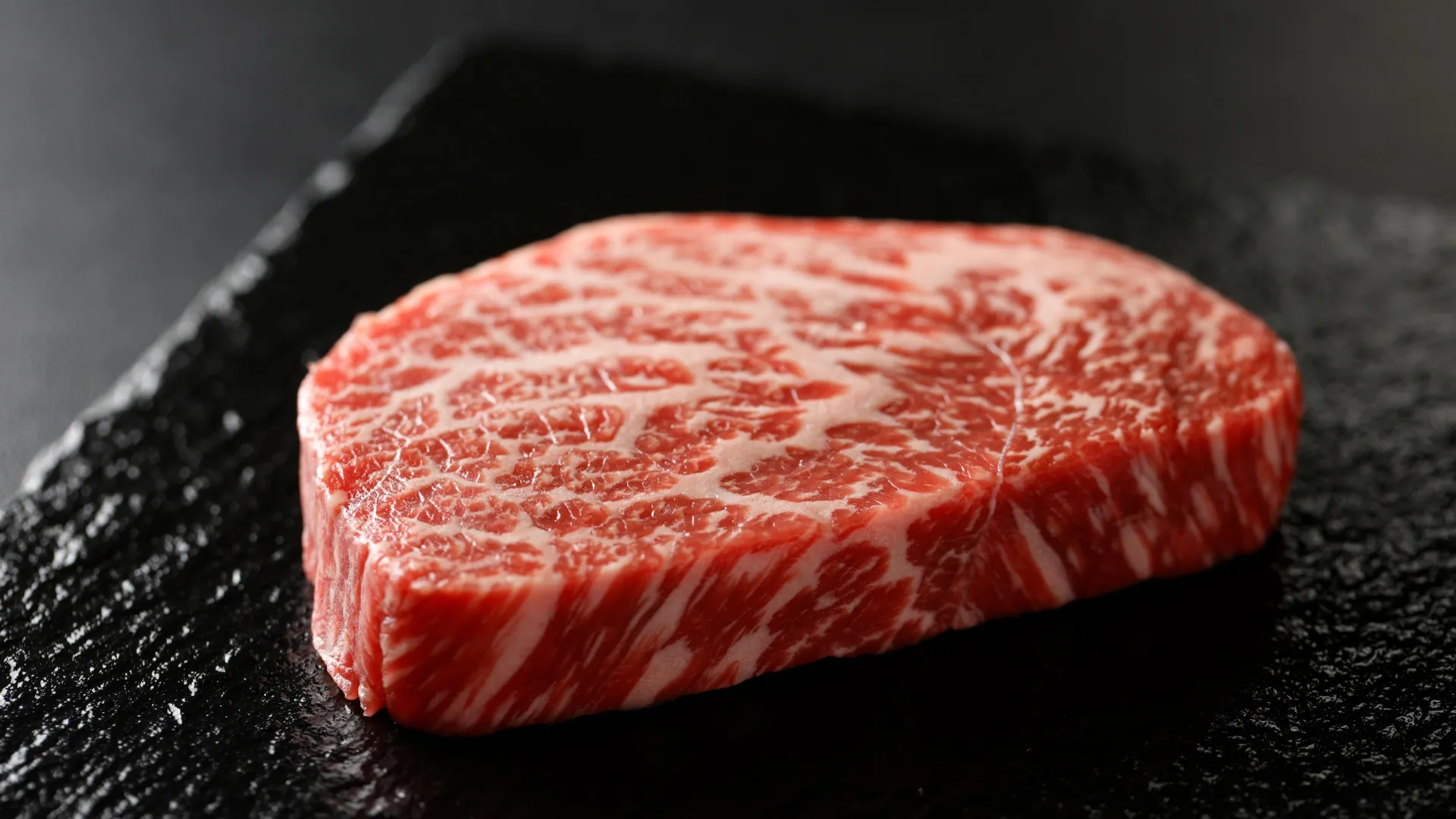
A study of nearly 90,000 adults found that people consuming the most of a little-known sugar found in red meat had a 63% higher risk of developing type 2 diabetes. Scientists suspect the sugar may trigger chronic inflammation, potentially revealing a hidden connection between red meat and diabetes that goes beyond weight gain.

Scientists discover a natural compound that could protect the brain from too much salt

Eating too much salt may do more than raise blood pressure. It could also harm memory and social behavior. In a new study, Japanese researchers discovered that a soy-derived compound called LPC70 helped protect mice from several damaging effects of a high-salt diet. Mice given the supplement had lower blood pressure, better memory, and improved social interactions compared with mice consuming excess salt alone.

Magic mushroom ingredient takes the fight out of aggressive fish

A psychedelic compound found in magic mushrooms appears to have an unexpected effect: calming highly aggressive fish. Researchers discovered that low doses of psilocybin significantly reduced aggressive attacks in mangrove rivulus fish without disrupting their normal social interactions. The findings suggest psilocybin may selectively calm escalating aggression rather than simply suppressing all behavior.

Physicists create a bizarre new quantum state called a fractional fermi sea

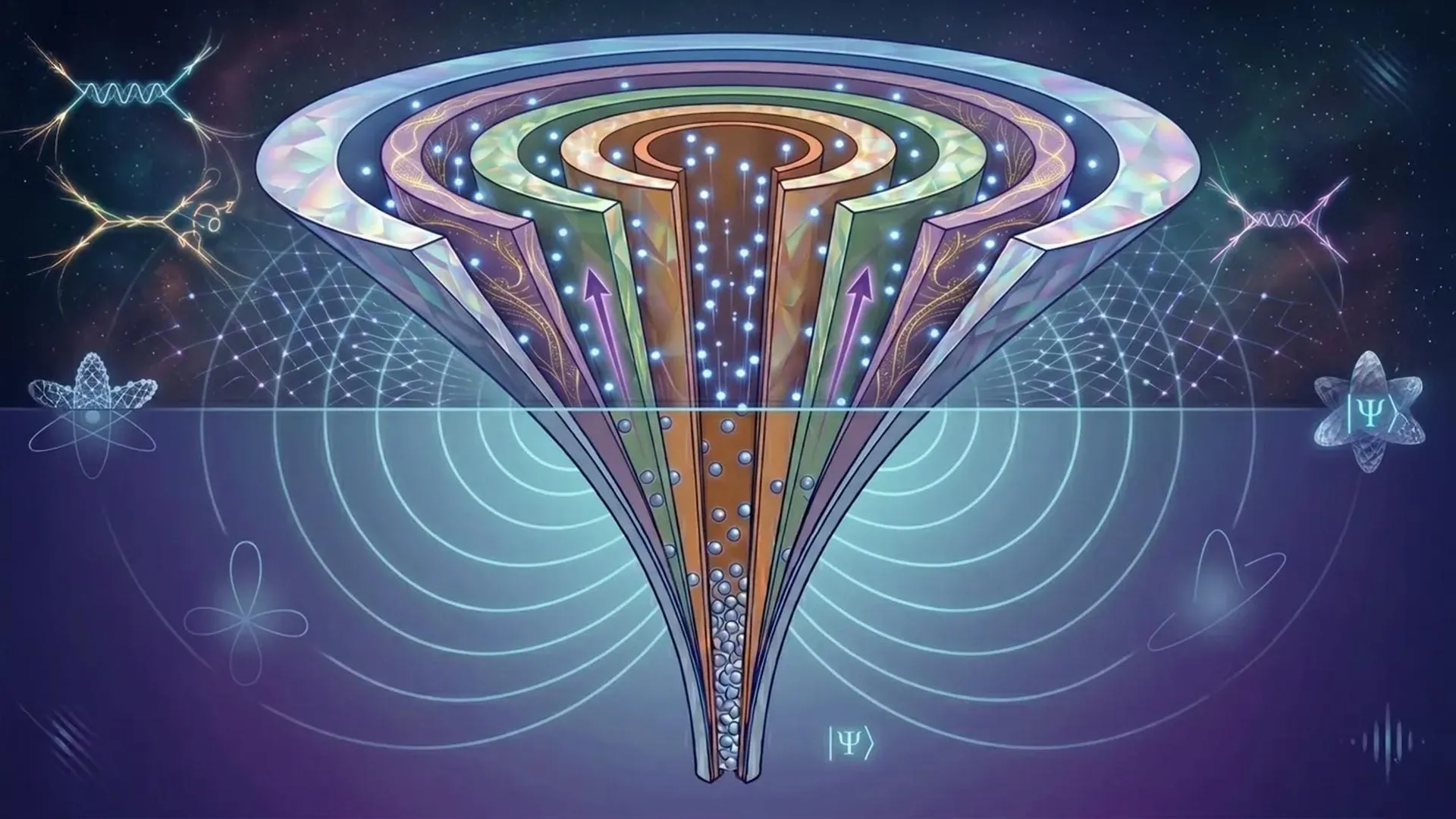
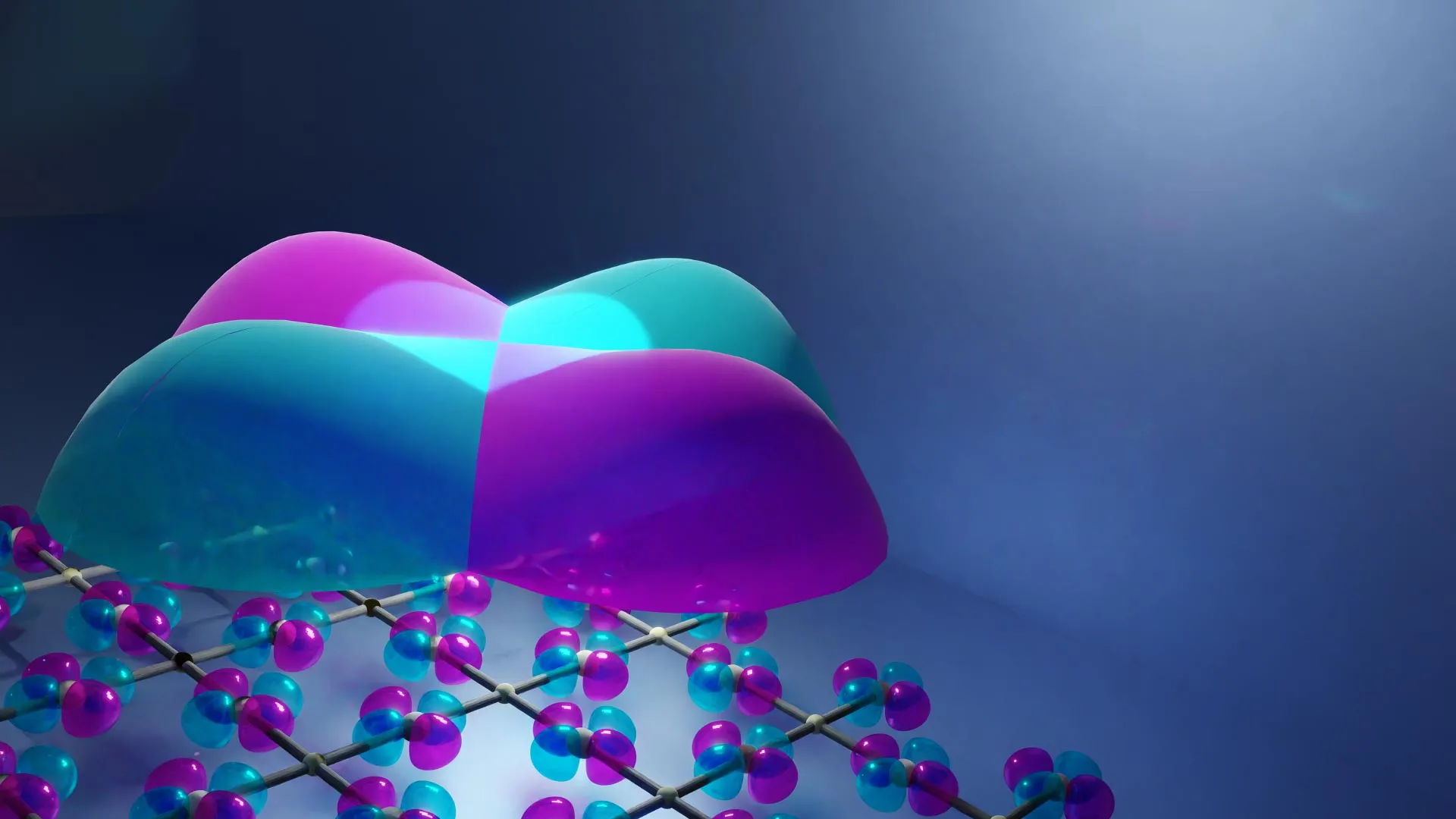
Physicists have discovered a strange new state of quantum matter in which ultracold atoms defy familiar organizational rules, forming a highly excited yet surprisingly orderly configuration called a "fractional Fermi sea." The discovery challenges established quantum theories and hints at exotic quasiparticles that scientists have dubbed potential "super-Fermions."

Advertisement

APOD: 2026 October 18 – Sonified: Eagle Nebula Pillars

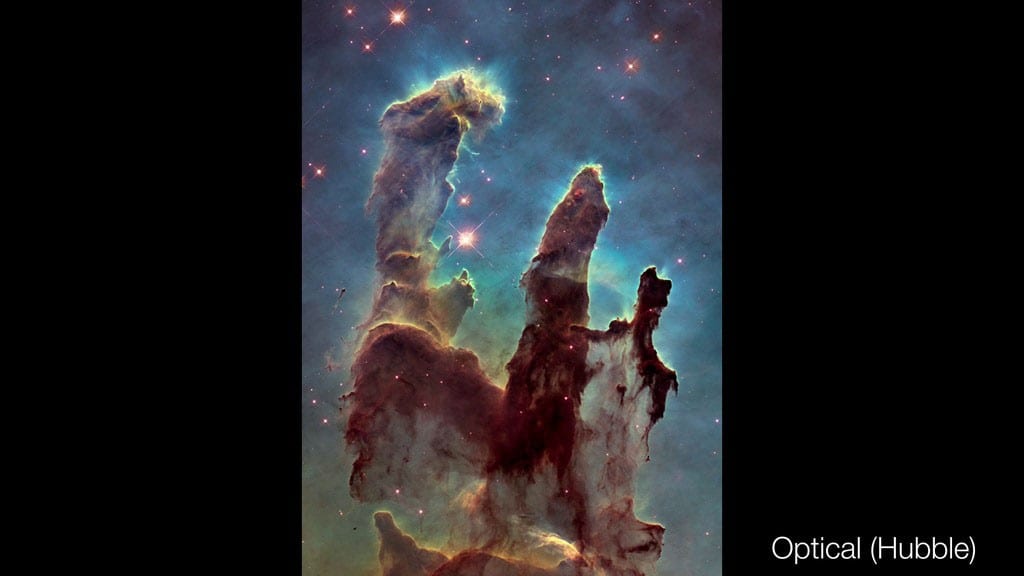
APODScienceAPODAPOD: 2026 October 18 –…Today’s APODArchiveSubmissionsIndexSearchCalendarRSSEducationAboutDiscuss APOD Astronomy Picture of the Day Discover the cosmos! Each day a different image or photograph of our fascinating universe is featured, along with a brief explanation written by a professional astronomer. Sonified: Eagle Nebula Pillars Explanation: Yes, but have you ever experienced the Eagle Nebula with your ears? […]

Video

A 24-year study uncovers a surprising climate benefit beneath forests

Scientists have discovered that some forest soils are becoming surprisingly better at removing methane from the atmosphere as temperatures rise and rainfall declines. A study spanning up to 24 years found methane absorption increasing by an average of 3% annually, challenging previous predictions about climate change's effects on forests.

NASA’s Webb reveals the wild weather of a mysterious world 20 light-years away

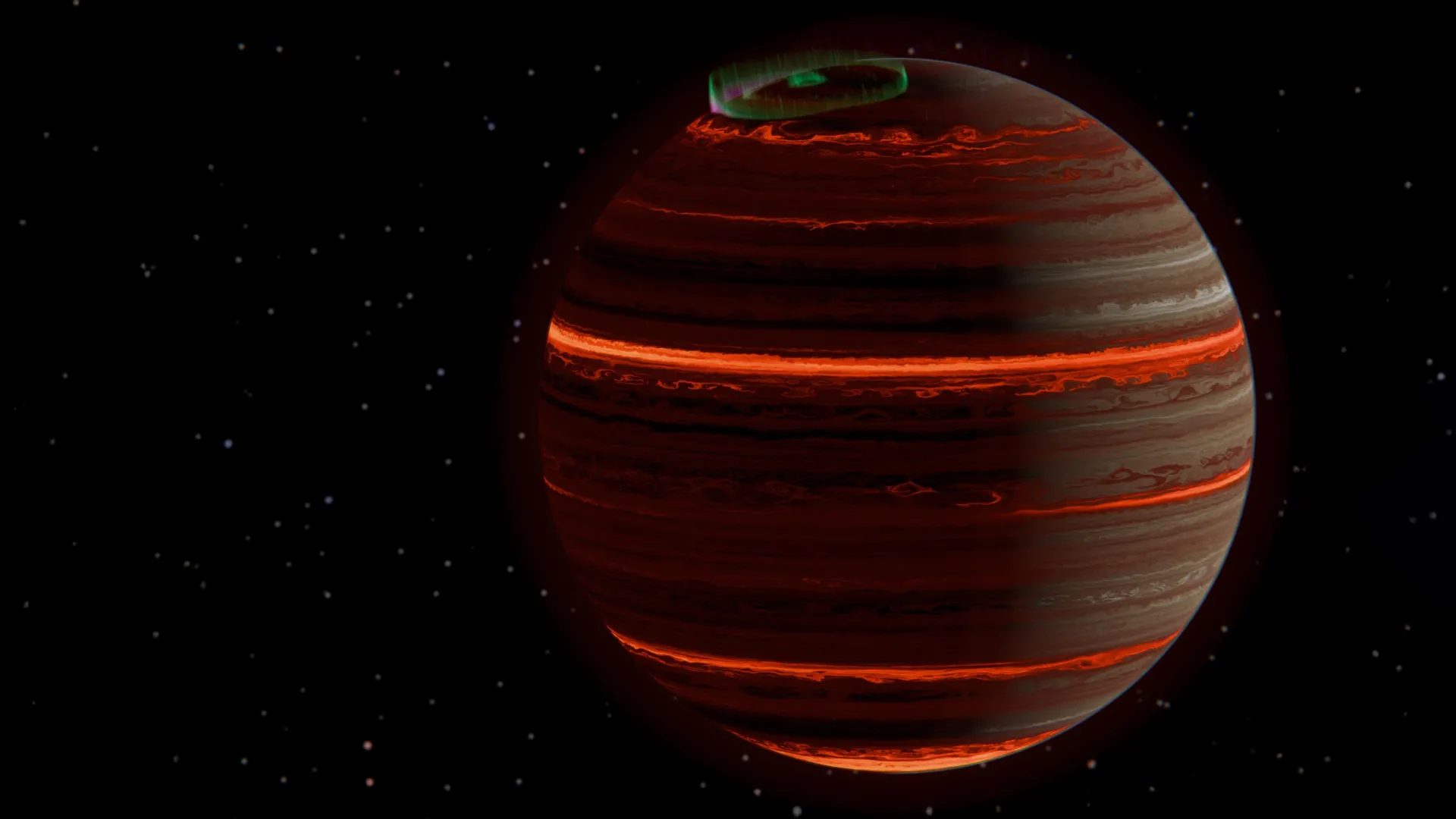
NASA’s James Webb Space Telescope has revealed that a turbulent world 20 light-years away has a surprisingly orderly weather system, with three recurring atmospheric states driven by temperature changes and shifting clouds. The breakthrough gives scientists a powerful new tool for uncovering weather patterns on distant worlds and understanding the conditions that shape their atmospheres.

James Webb reveals a strange bulge in an alien planet's atmosphere

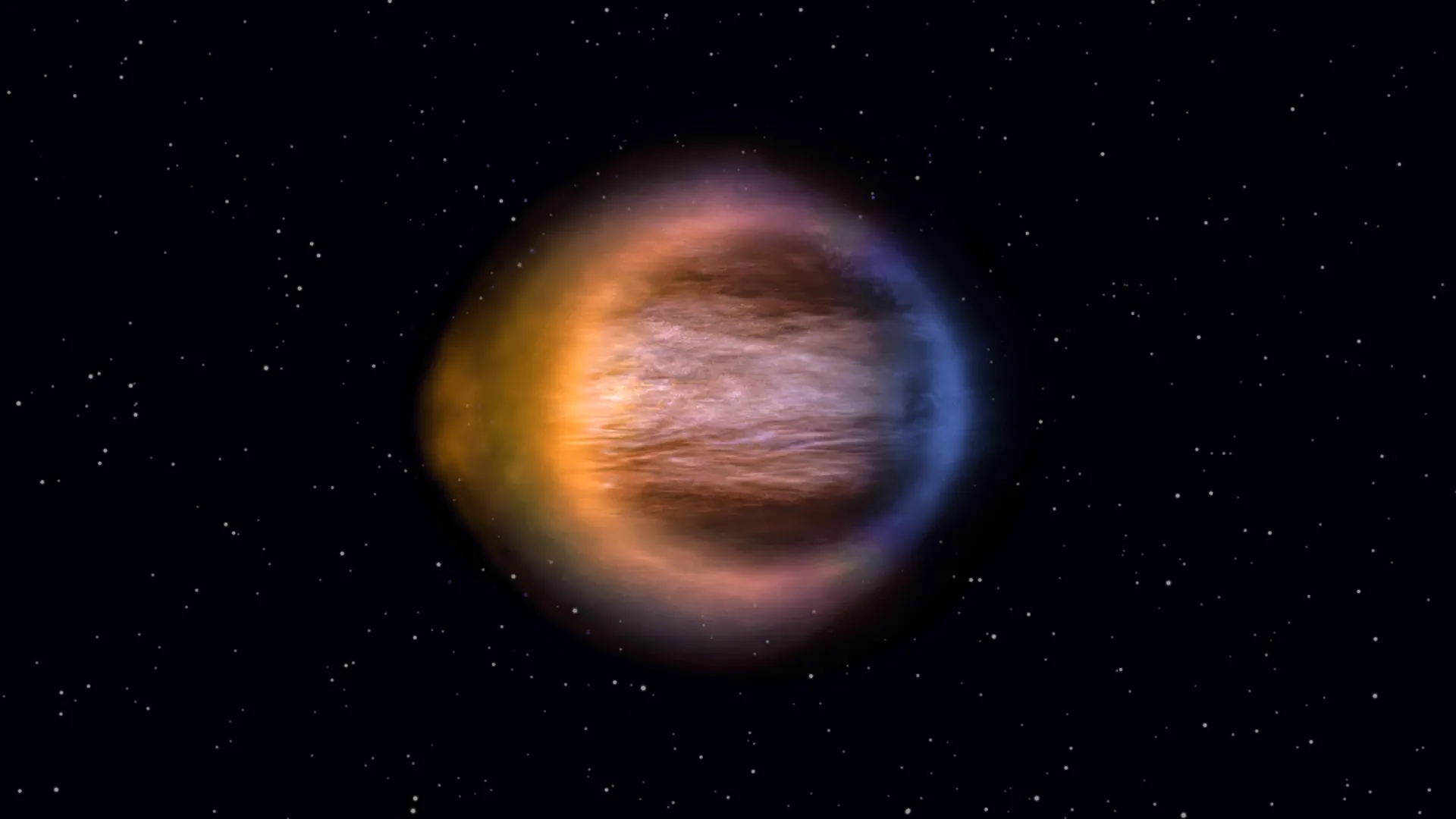
Astronomers using the James Webb Space Telescope have discovered that a distant alien planet's atmosphere is surprisingly lopsided. Located 1,300 light-years away, the scorching gas giant WASP-17b experiences powerful winds that redistribute heat, causing one side of its atmosphere to bulge outward. A groundbreaking new mapping technique revealed these hidden distortions, confirming predictions about how extreme temperatures and winds shape alien worlds.

Advertisement

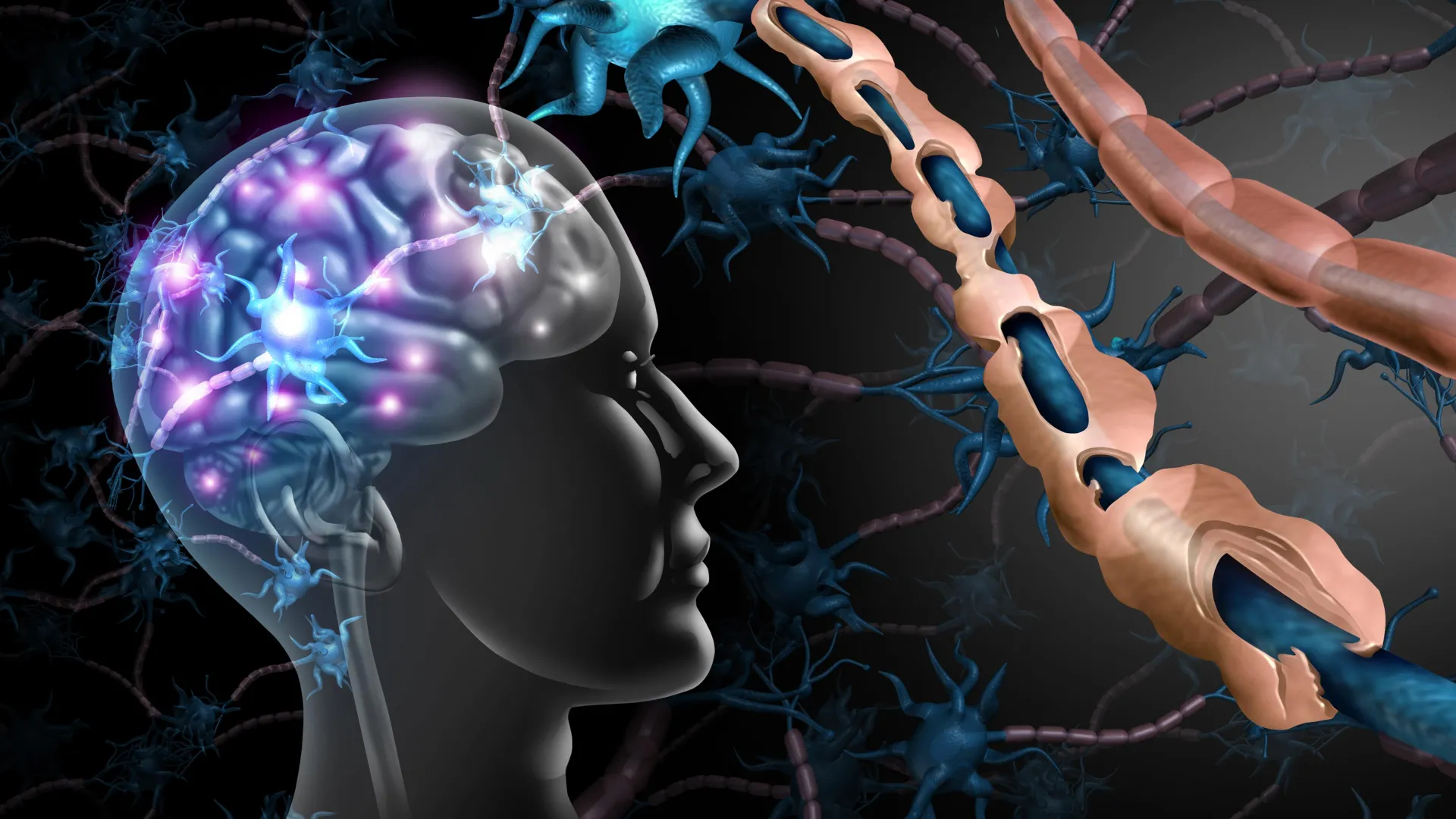
Brain cells meant to protect us may be fueling cognitive decline

Scientists have uncovered a surprising cause of age-related cognitive decline involving brain cells previously thought to be entirely beneficial. As these cells become dysfunctional, they can produce abnormal amounts of myelin, disrupting nerve fibers and potentially contributing to worsening memory and thinking skills.

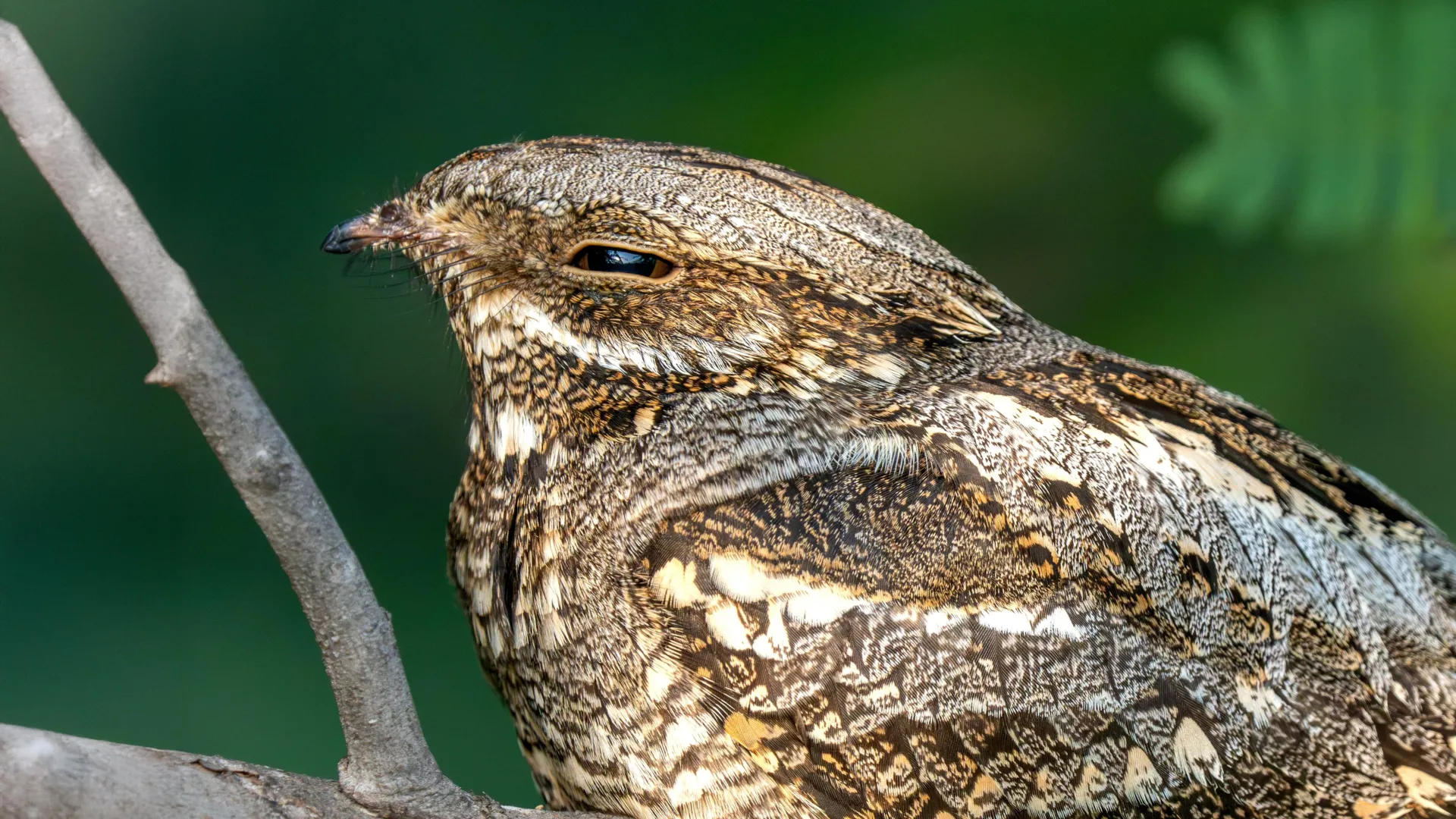
This bird flies thousands of miles, but its wings have a catch

Scientists have uncovered an unexpected trade-off in the wings of the European nightjar, a bird that migrates thousands of kilometers but sacrifices high-speed flight efficiency to hunt insects with remarkable agility. Even more surprisingly, it generates thrust on the upward wingbeat, a technique that could inspire new flying technologies.

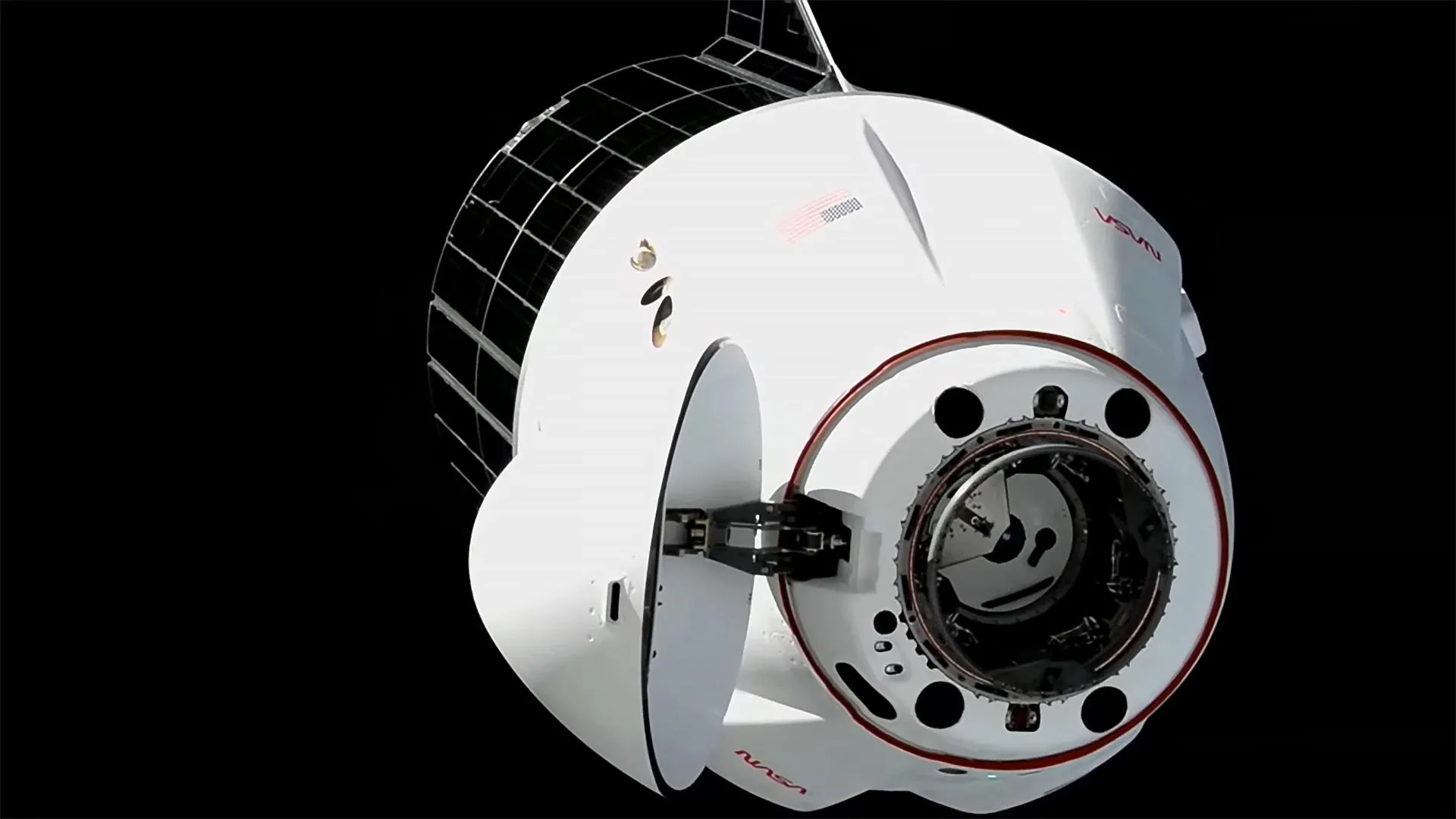
SpaceX just delivered some very strange cargo to the International Space Station

SpaceX just delivered some surprisingly strange cargo to the International Space Station, including tiny brain models, 3D heart tissue, and technology for making artificial retinas in space. Scientists hope these experiments could unlock new ways to treat devastating brain diseases, restore eyesight, and test future medicines. The shipment also includes materials for creating unusual glass in near weightlessness and the station’s final upgraded solar arrays.

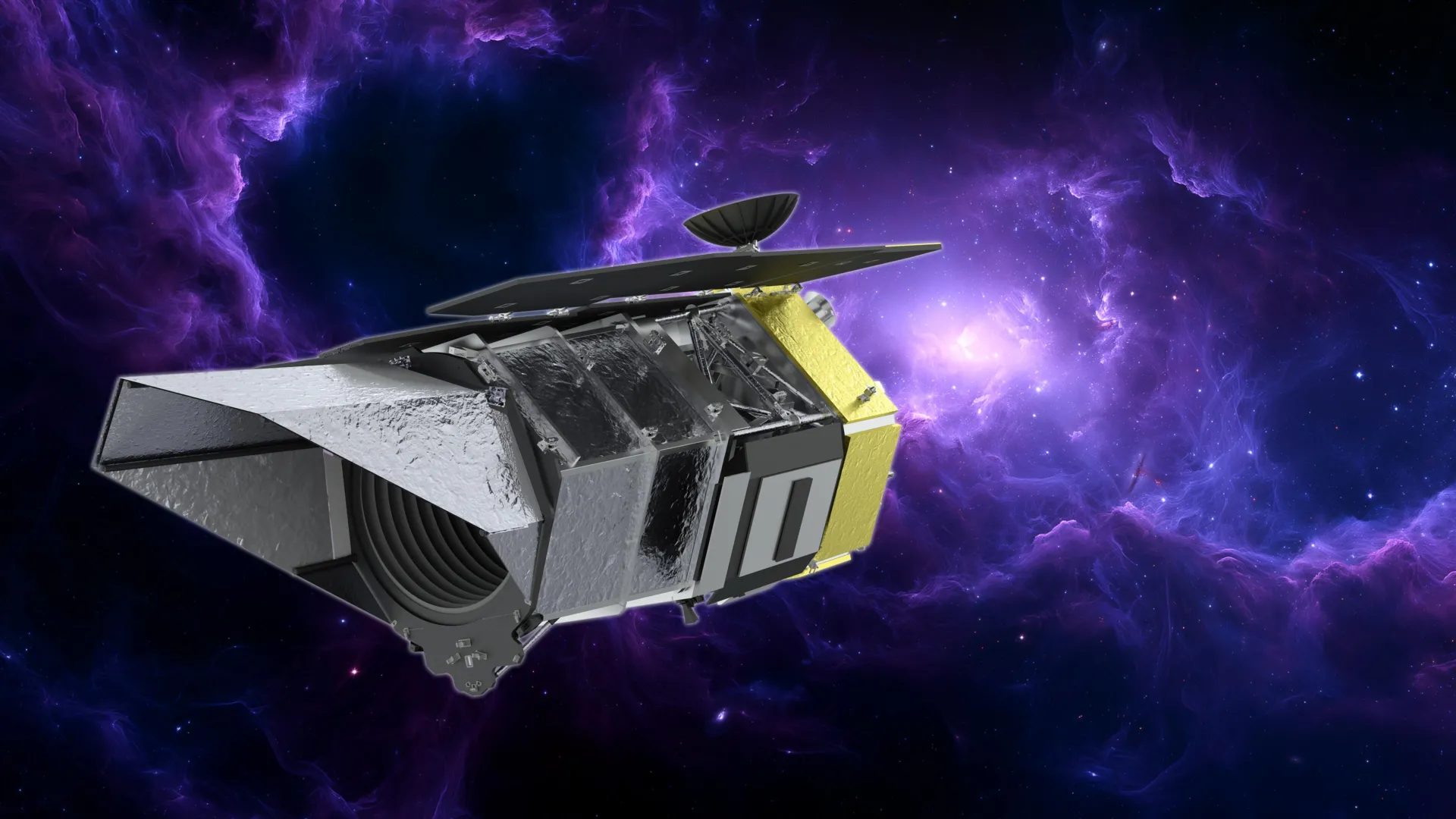
NASA’s Roman Space Telescope exceeds expectations by nearly 30%

NASA’s Nancy Grace Roman Space Telescope has exceeded expectations after engineers made incredibly tiny adjustments to sharpen its view of the universe. By moving a mirror just one-sixteenth the width of a human hair, the team helped bring its powerful instruments into near-perfect alignment. Roman’s Wide Field Instrument now produces image quality nearly 30% better than predicted, promising exceptionally sharp cosmic surveys.