The Land of the Standing-Up Rocks
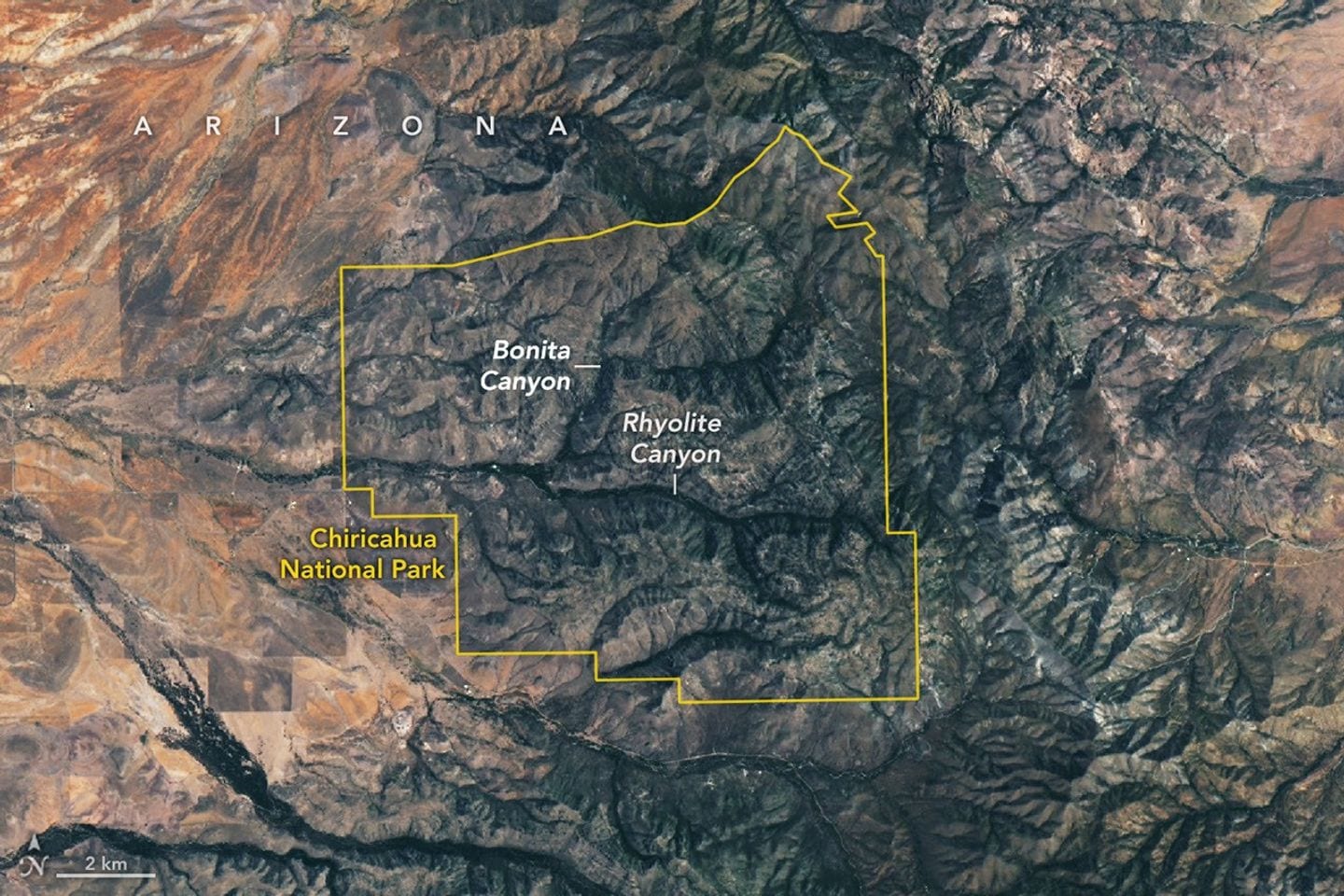
A national monument since the 1920s, Chiricahua is America’s newest national park.
International news in seven languages
A national monument since the 1920s, Chiricahua is America’s newest national park.
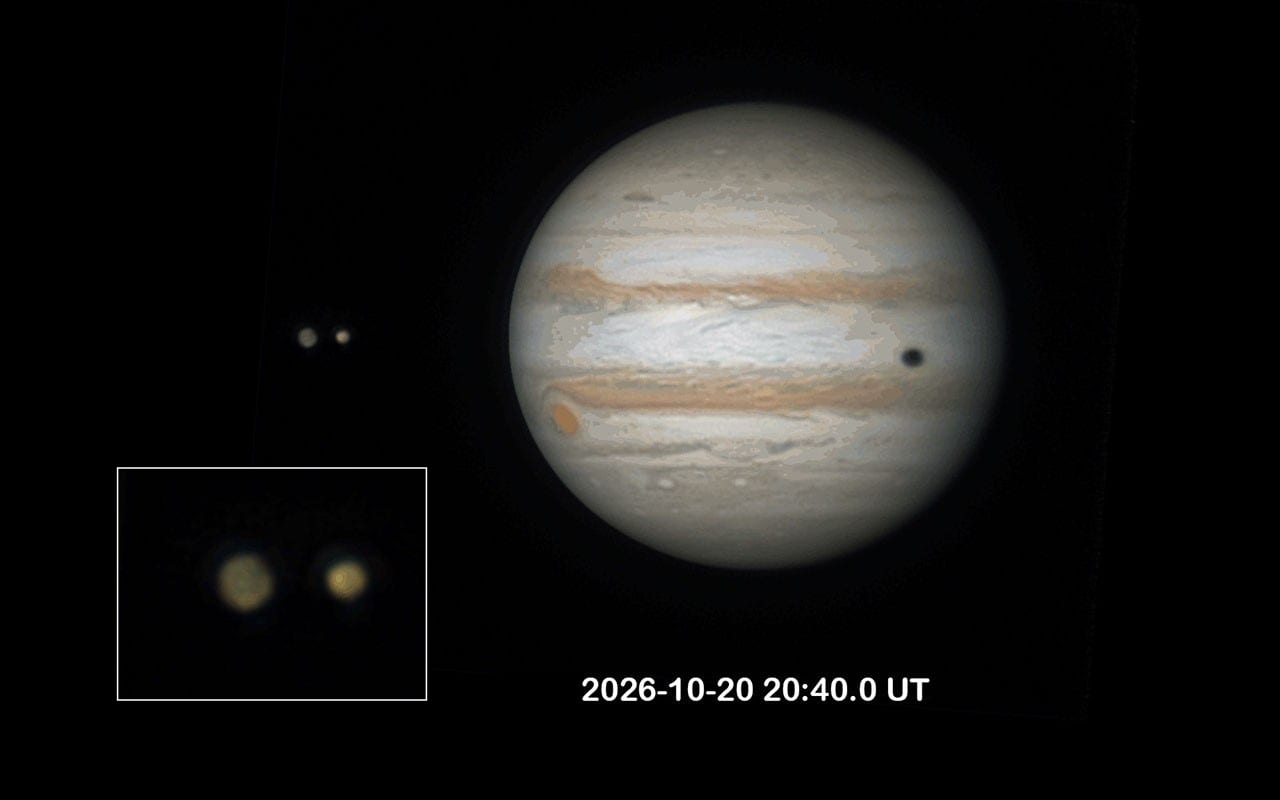
APODScienceAPODAPOD: 2026 October 28 – The…Today’s APODArchiveSubmissionsIndexSearchCalendarRSSEducationAboutDiscuss APOD Astronomy Picture of the Day Discover the cosmos! Each day a different image or photograph of our fascinating universe is featured, along with a brief explanation written by a professional astronomer. To view this video please enable JavaScript, and consider upgrading to a web browser that supports […]
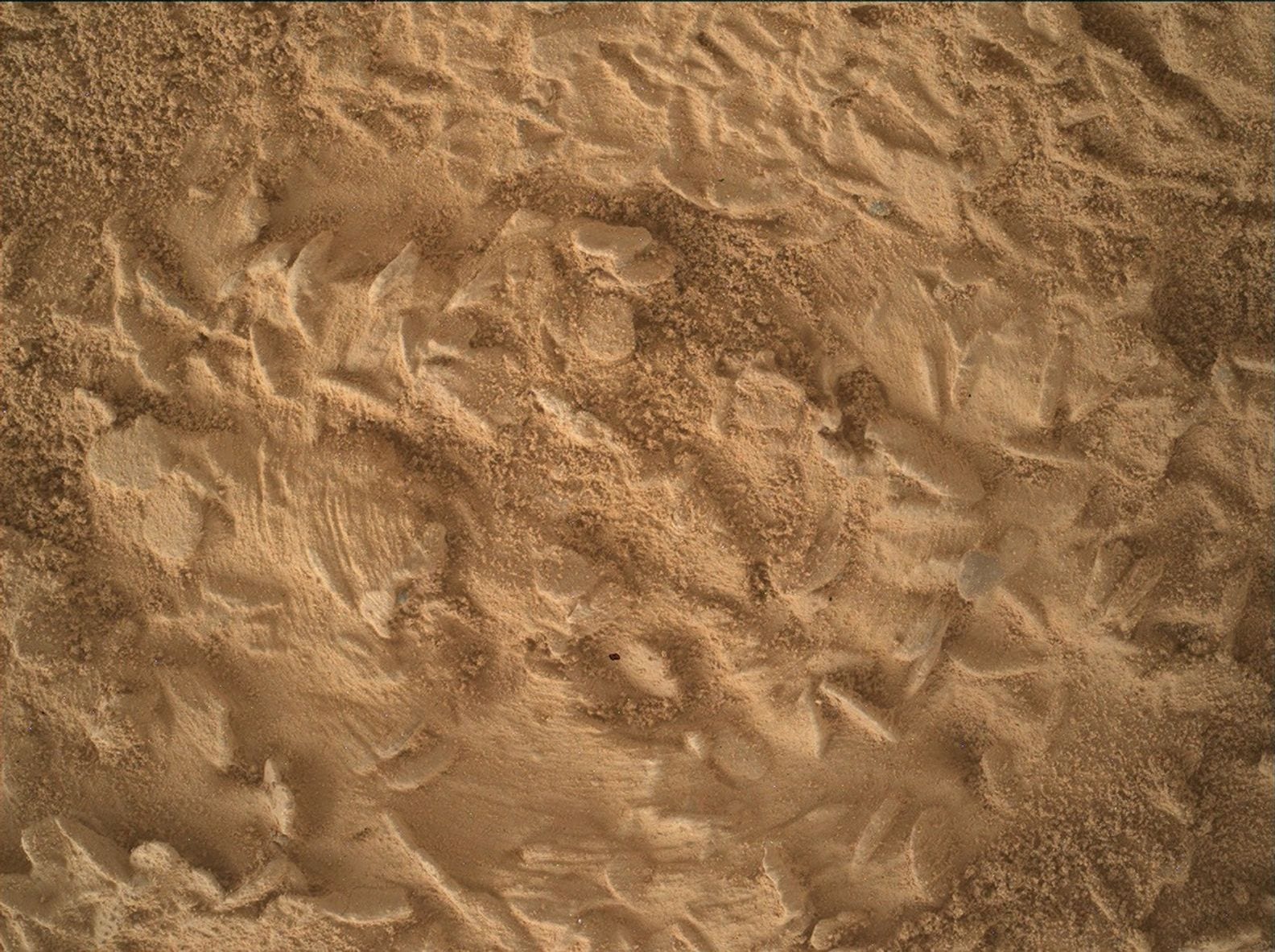
Written by Lucy Lim, Planetary Scientist at NASA’s Goddard Space Flight Center Earth planning date: Friday, Oct. 16, 2026 Following the Basque Lakes drill campaign, Curiosity has returned to a spot just a few meters away from the “Chiu Chiu” block to conduct our next drill campaign. “Chiu Chiu” itself wasn’t a good candidate for […]
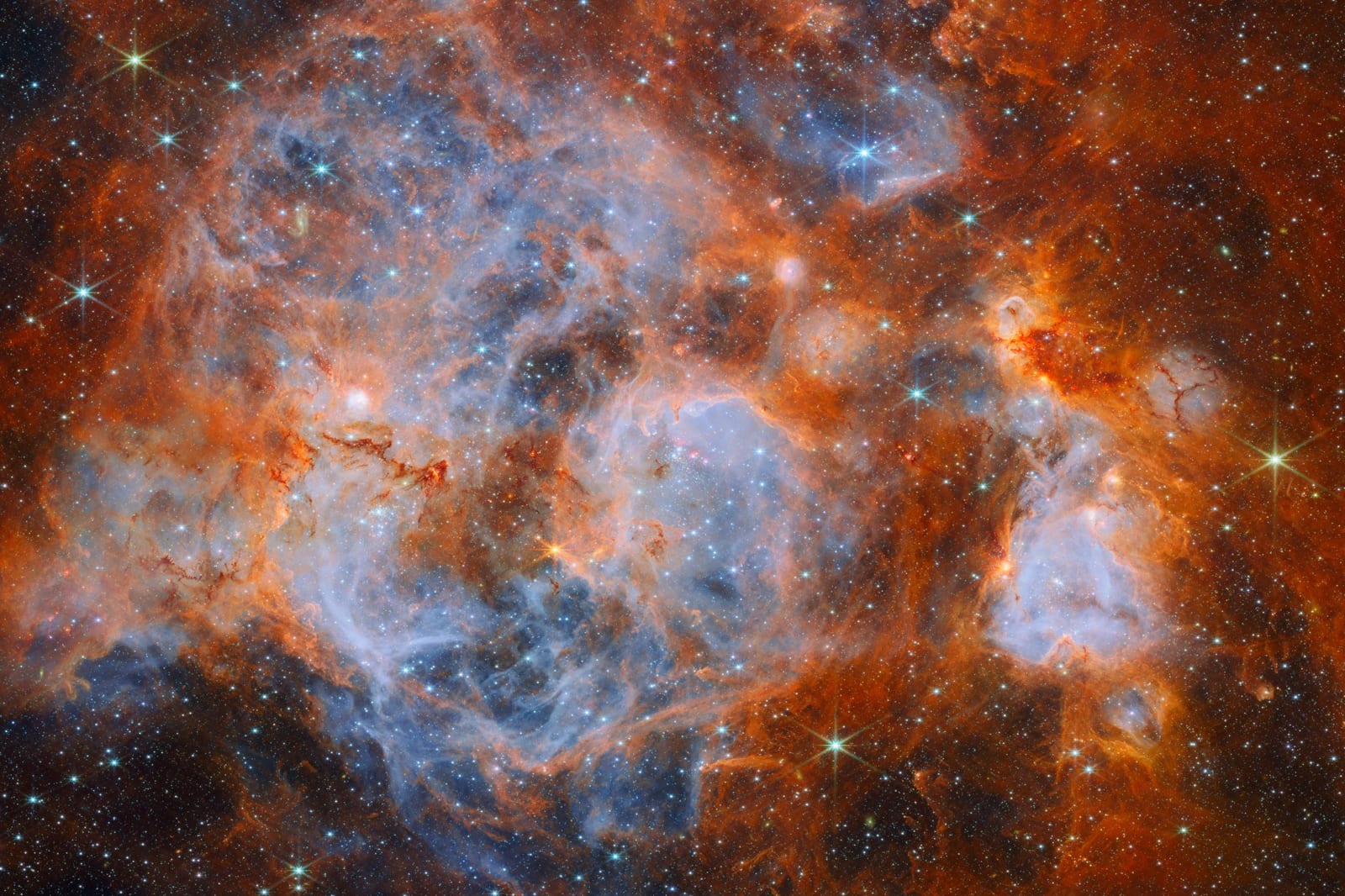
In this Webb image released on Oct. 22, 2026, we see a turbulent cauldron of star formation filled with dense clumps of gas. This region is named N159 and is located 161,000 light-years away in the Large Magellanic Cloud, one of the satellite galaxies orbiting the Milky Way galaxy. This region has a lower metallicity […]
So far, 2026 has seen a flood of successes for volunteers who do NASA science, exemplifying NASA’s commitment to gold-standard science—transparent, reproducible and intrinsically collaborative. The Backyard Worlds: Planet 9 project announced that their project volunteers have now discovered most of the known brown dwarfs, celestial objects that are similar to planets. The Zooniverse platform, […]
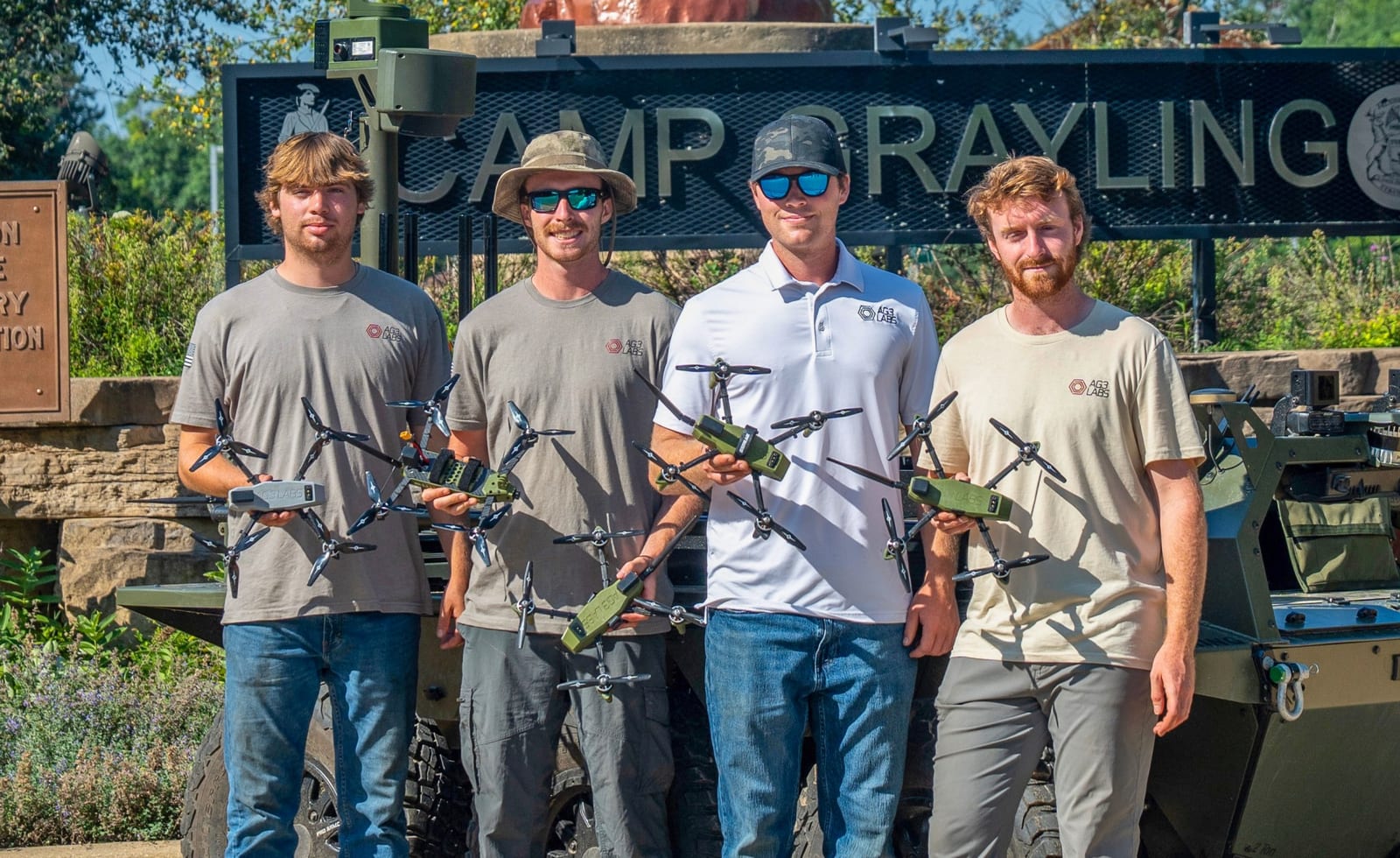
Five years ago, Gavin Gardner was a Michigan State University engineering student researching next-generation drone technology as part of a NASA grant. Garder expected the research to be demanding – but he was surprised that navigating the financial side of the work presented an even greater challenge. Although Gardner was used to leading fellow students […]
The space of La 1 obtained a 21.7% share of screen and an average of 2.7 million spectators, almost 10 points above 'The Ant'
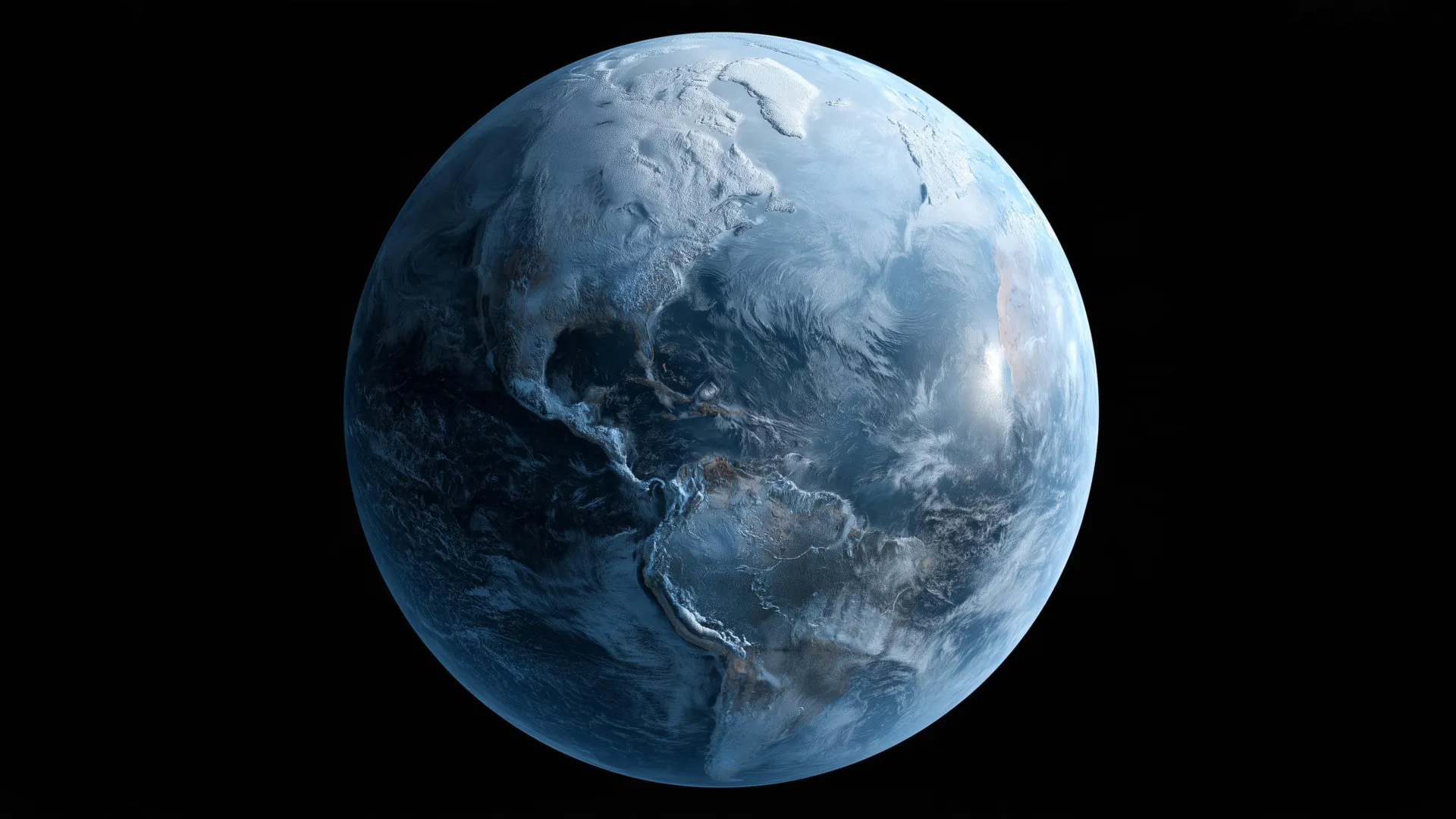
Scientists have uncovered a surprising connection between Earth's opposite poles that may help explain how the planet plunged into past ice ages. New research suggests that as massive ice sheets expanded across the Northern Hemisphere, they cooled Atlantic Ocean waters that eventually traveled south toward Antarctica. This cooling may have disrupted Southern Ocean circulation, allowing the ocean to absorb and store more carbon dioxide from the atmosphere, further cooling the planet.
Scientists have uncovered a long-lost volcanic system in Iran that dates back roughly 100 million years, revealing a hidden chapter in Earth's tectonic history. The discovery sheds new light on the disappearance of an ancient ocean and the powerful geological forces that reshaped the Middle East.
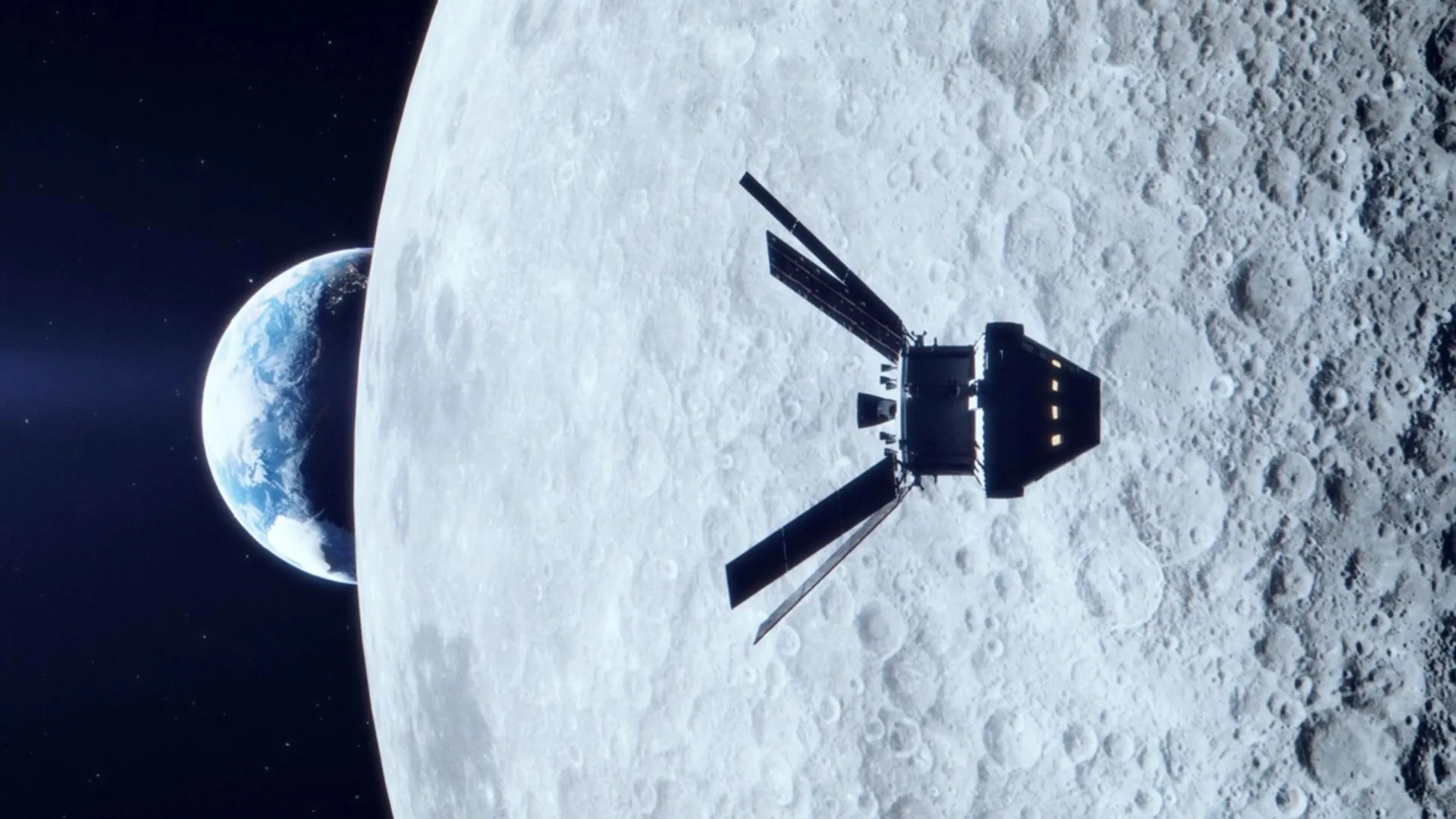
NASA’s Artemis I mission has revealed that cosmic radiation near the Moon is higher than in Earth orbit, but not by as much as scientists might expect. Tiny experimental detectors also uncovered surprising details about how radiation passes through the human body, offering valuable insights for future lunar exploration.
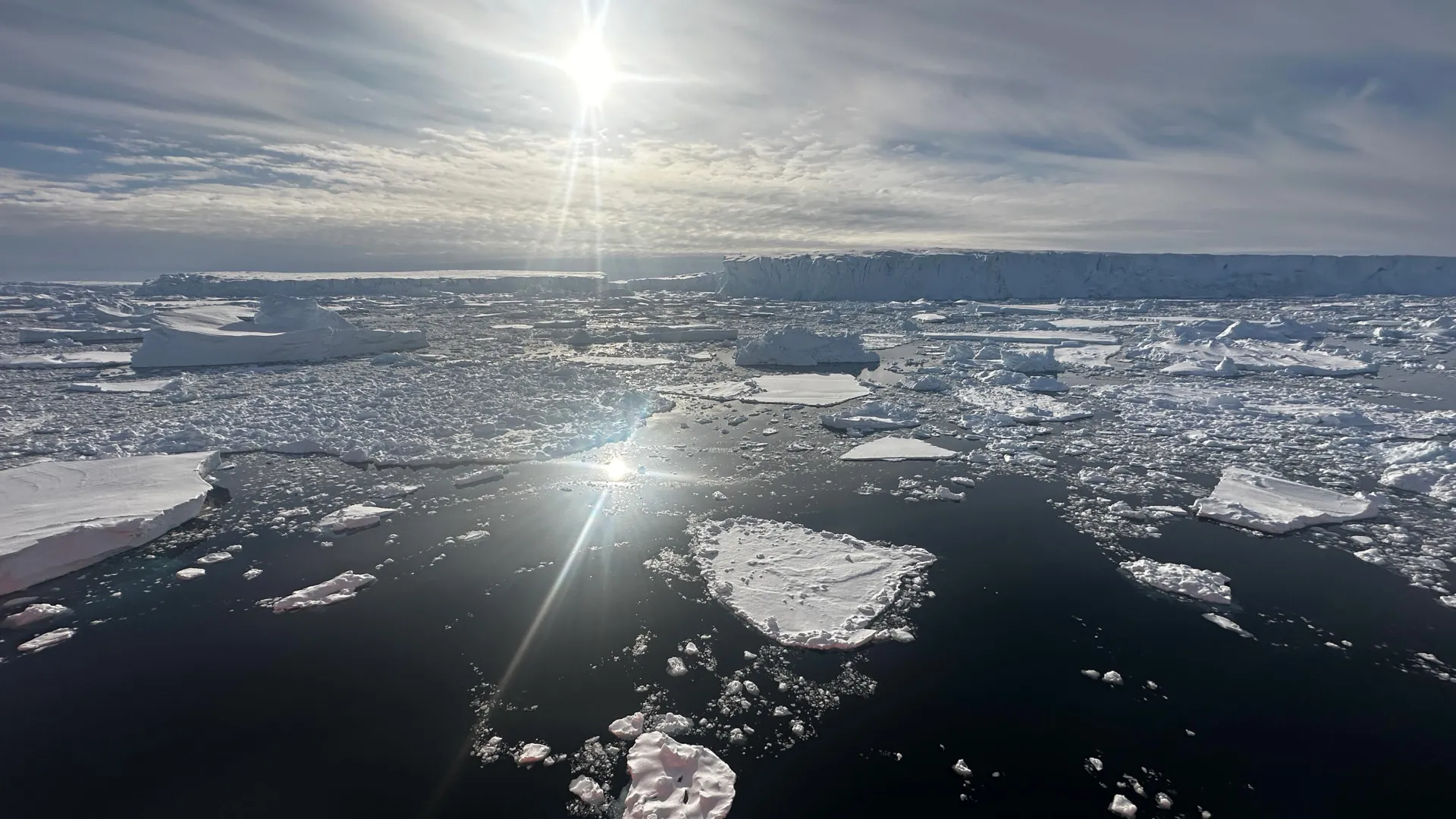
Antarctica’s Thwaites Glacier may be melting twice as much as previously predicted, even without additional global warming. Scientists discovered that warm ocean water is penetrating miles beneath the ice, weakening its foundations and accelerating its retreat. A new model predicts that the glacier could add up to 30 millimeters to global sea levels by 2100, with a 60% chance of losing a crucial stabilizing ridge.
Scientists have uncovered a hidden defense mechanism in aging muscles that sacrifices strength to protect cells from damage. In mice, partially restoring a crucial molecule reversed signs of muscle wasting and prevented premature death, raising hopes for new treatments for age-related muscle decline.
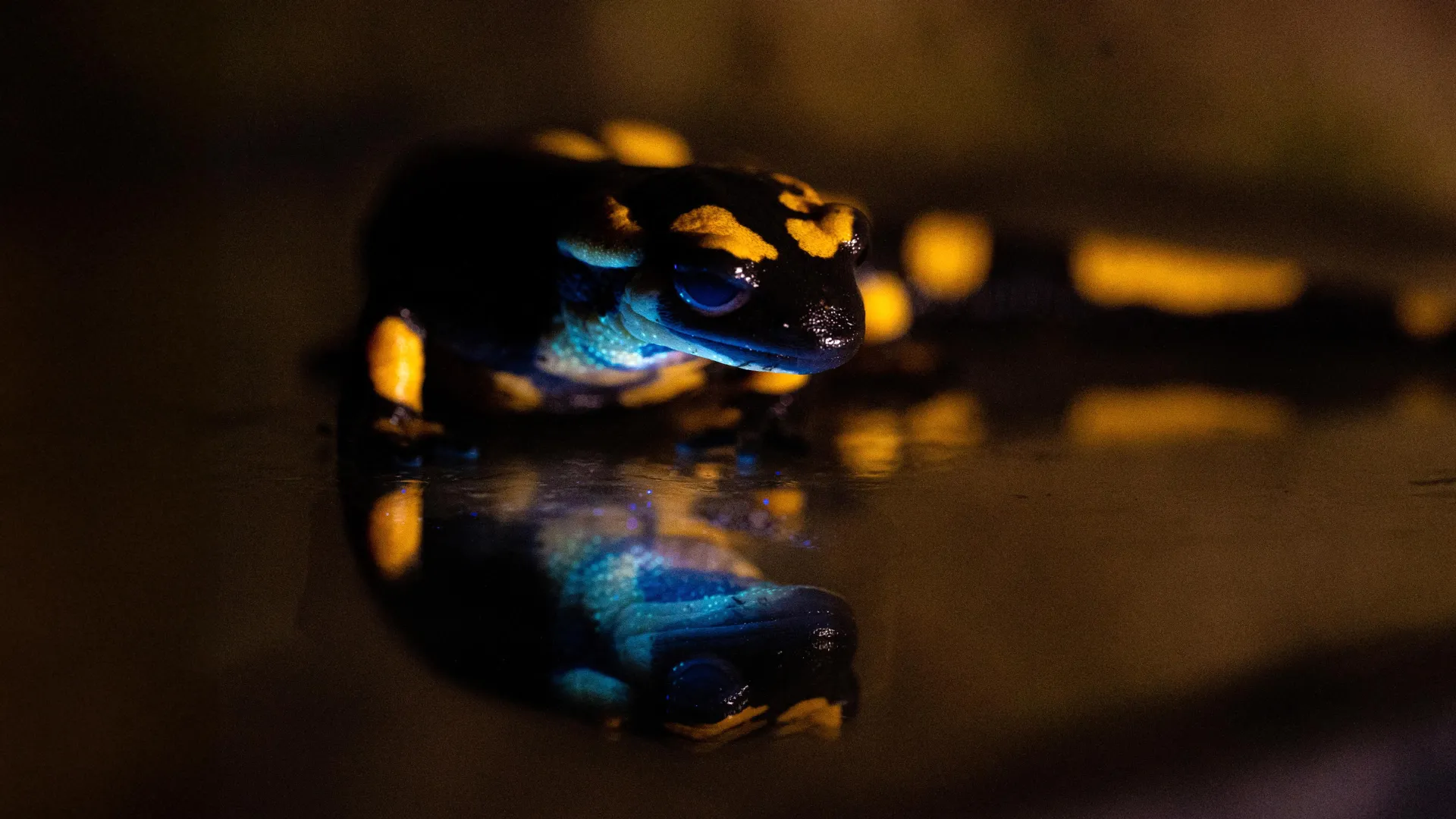
Researchers have discovered a surprising hidden ability in Europe's familiar black-and-yellow fire salamanders: they glow green and cyan under ultraviolet light. The mysterious fluorescence comes mainly from glands in their skin and their toxic secretions, which can continue glowing for more than 24 hours after being released.
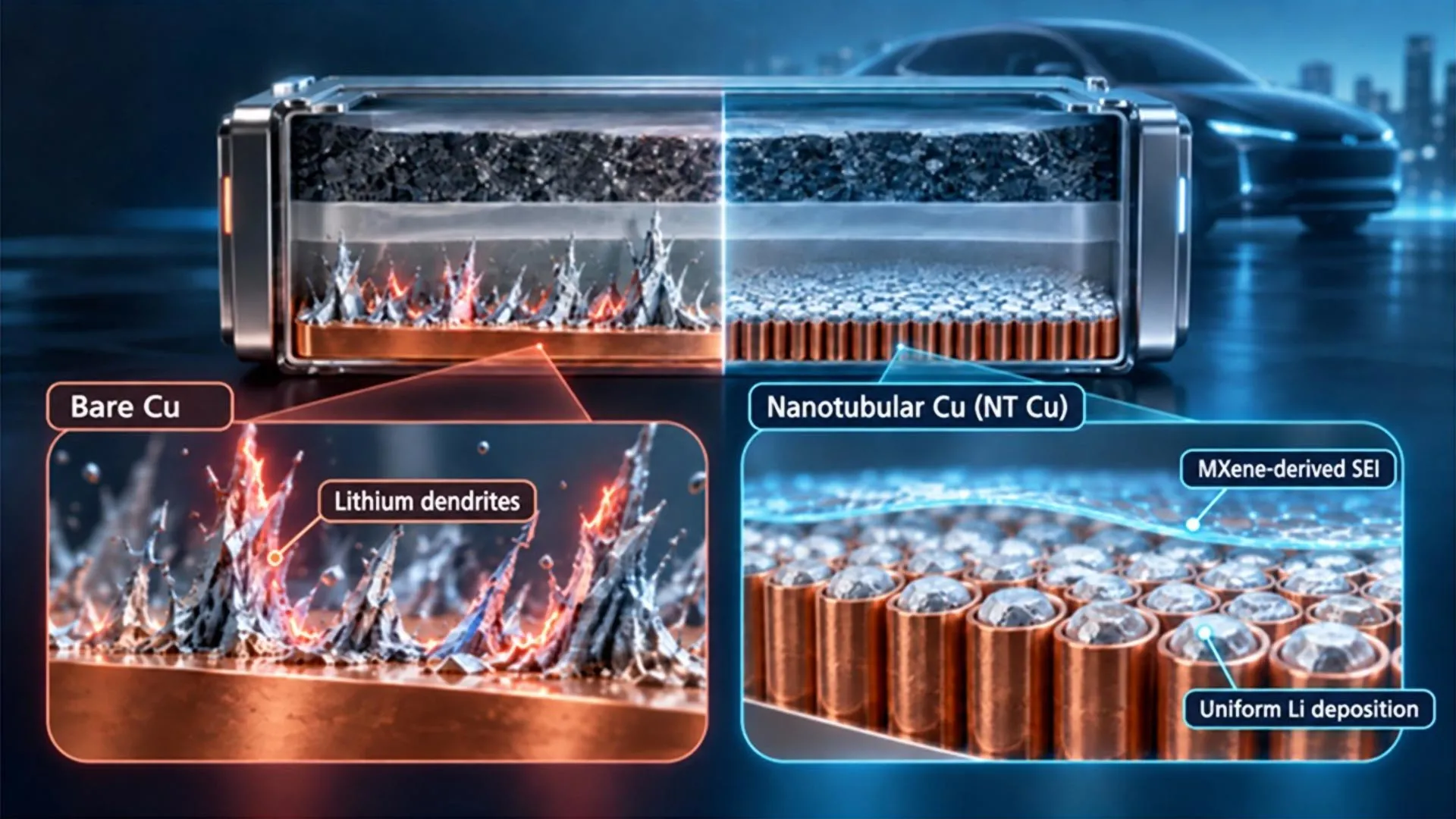
Scientists have developed a new technology that could make electric vehicle batteries smaller, lighter, and longer-lasting, potentially allowing cars to travel farther on a single charge. By borrowing precision manufacturing techniques from computer chip production, they found a way to prevent damaging lithium buildup that has held back next-generation batteries.
Young people in Germany are preparing to protest over education and climate change. Politicians fear violence like in France, but an expert sees differences.
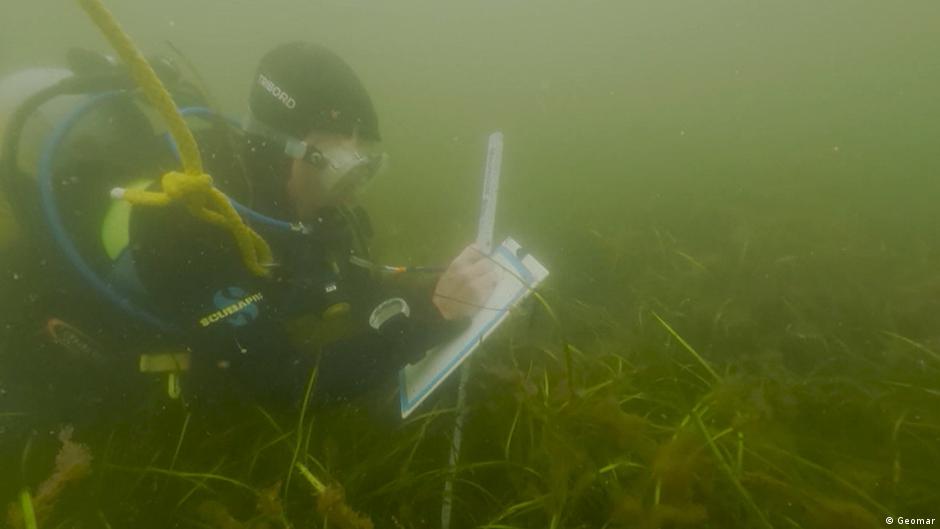
Seagrass protects coasts, shelters thousands of species and stores CO2. But some 30% of this valuable ecosystem has disappeared since the late 19th century. Can we bring it back?
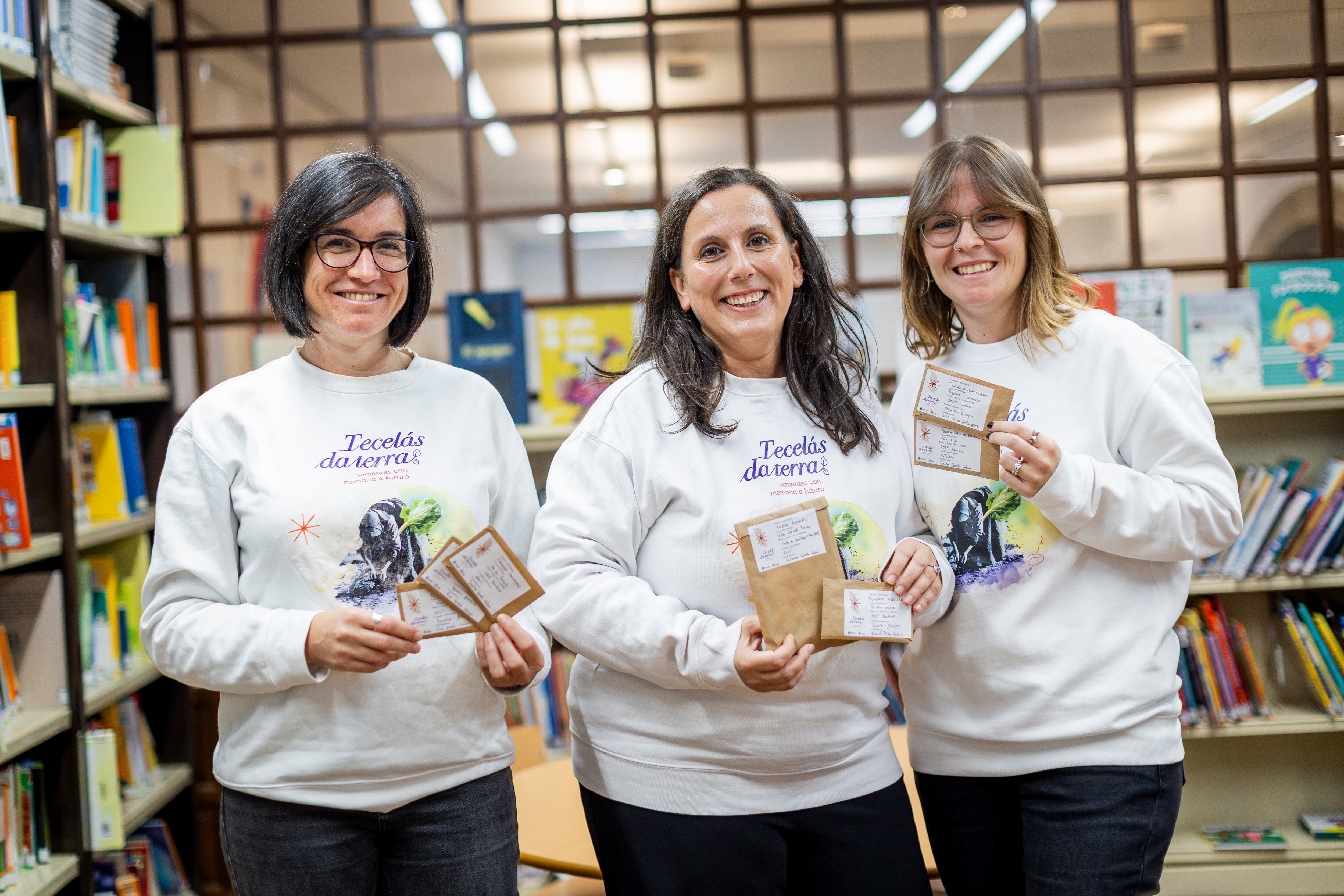
This Galician initiative, driven by three social educators, seeks to promote food sovereignty, gender equality and the culture of care by creating spaces in which to share seeds, wisdom and land-related experiences
The asteroid that killed the dinosaurs may have set the stage for ants to conquer the planet, with a surprising boost from “jumping genes” hidden in their DNA. Scientists discovered that bursts of activity from these mobile genetic elements coincided with the rise of major ant groups and may have helped sharpen their extraordinary ability to communicate through smell.
A major new study reveals that autistic children’s brains process faces differently, and those differences may begin earlier than scientists previously thought. Researchers found that brain signals associated with recognizing faces become more specialized as neurotypical children grow older, but show much less change in autistic children. The discovery could help explain why some autistic people have difficulty recognizing faces and reading emotions.
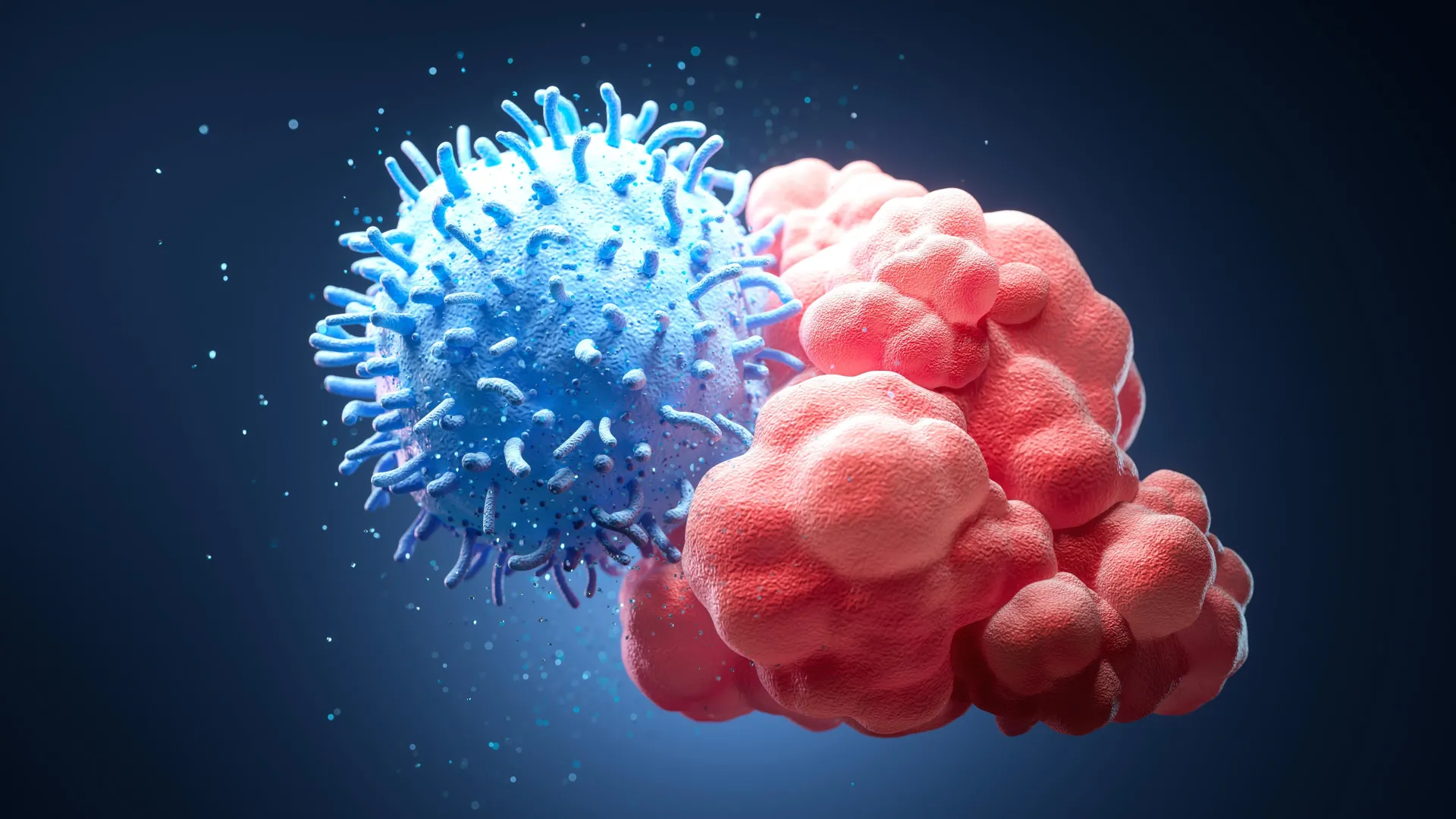
Scientists at McGill University have discovered a surprising new ability of immune cells that could change how we understand long-term immunity. Researchers found that T cells can actually sense how stiff their surrounding tissues are, using these physical signals to help determine whether they develop into long-lasting memory cells that protect against future infections.