Advertisement
Advertisement

Science

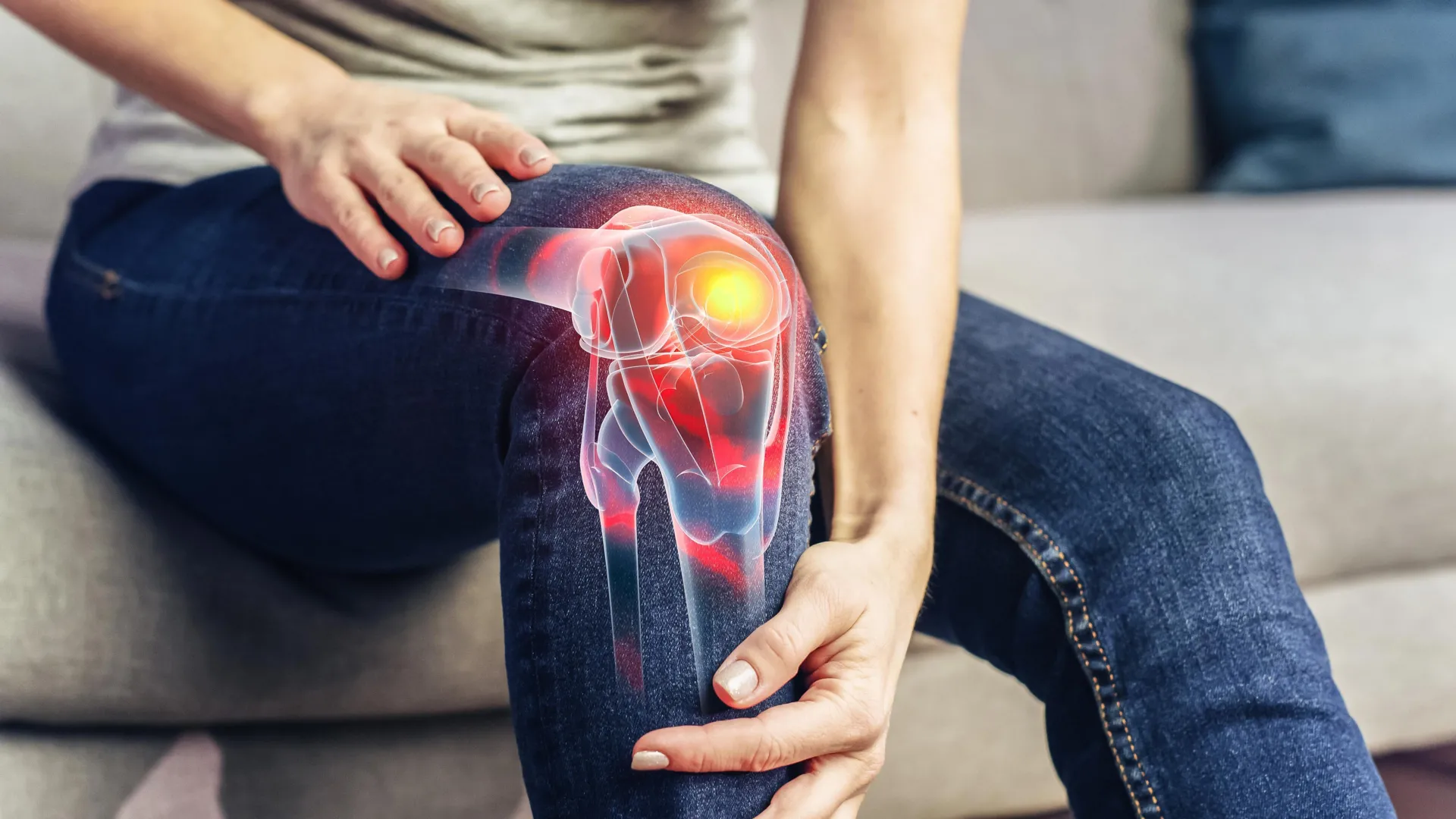
A simple daily fiber supplement reduced arthritis pain and improved strength

A new clinical trial suggests that a simple daily fiber supplement could significantly reduce knee osteoarthritis pain, improve muscle strength, and make the body less sensitive to pain. Researchers discovered that the benefits may be linked to changes in gut bacteria and the hormone GLP-1, revealing a promising new approach to arthritis relief.

What's happening to our rubbish?

As Scotland's recycling rate falls to its lowest level in five years, Kevin Keane looks at what happens to our rubbish.

1.9-million-year-old discovery rewrites the story of human evolution

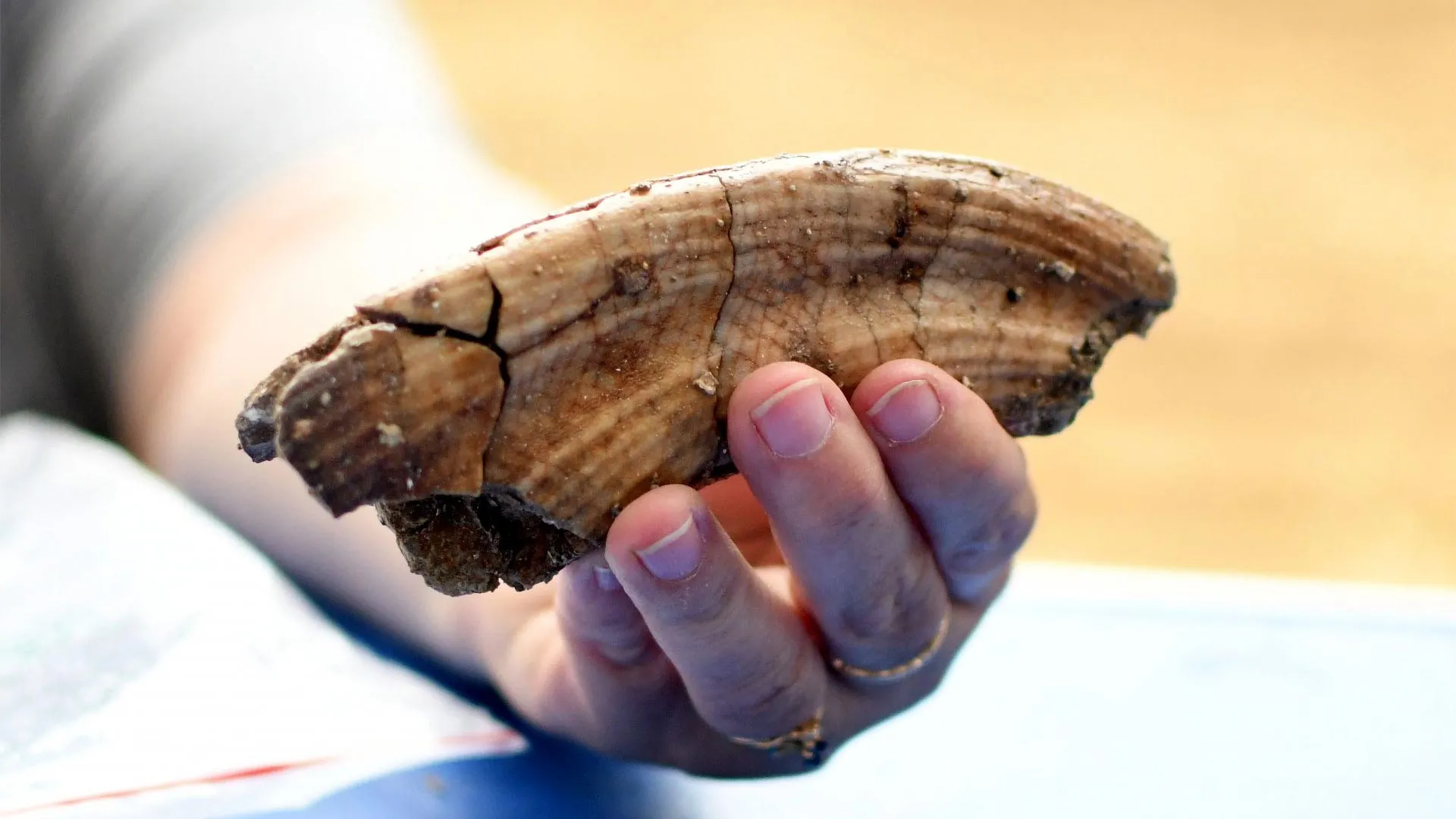
New evidence suggests that early humans reached the Jordan Valley at least 1.9 million years ago, hundreds of thousands of years earlier than scientists previously thought. Advanced dating methods revealed that the ‘Ubeidiya site is roughly as old as the famous Dmanisi site in Georgia, placing both among the earliest known human settlements outside Africa.

Advertisement

The surprisingly simple exercise that could lower your blood pressure

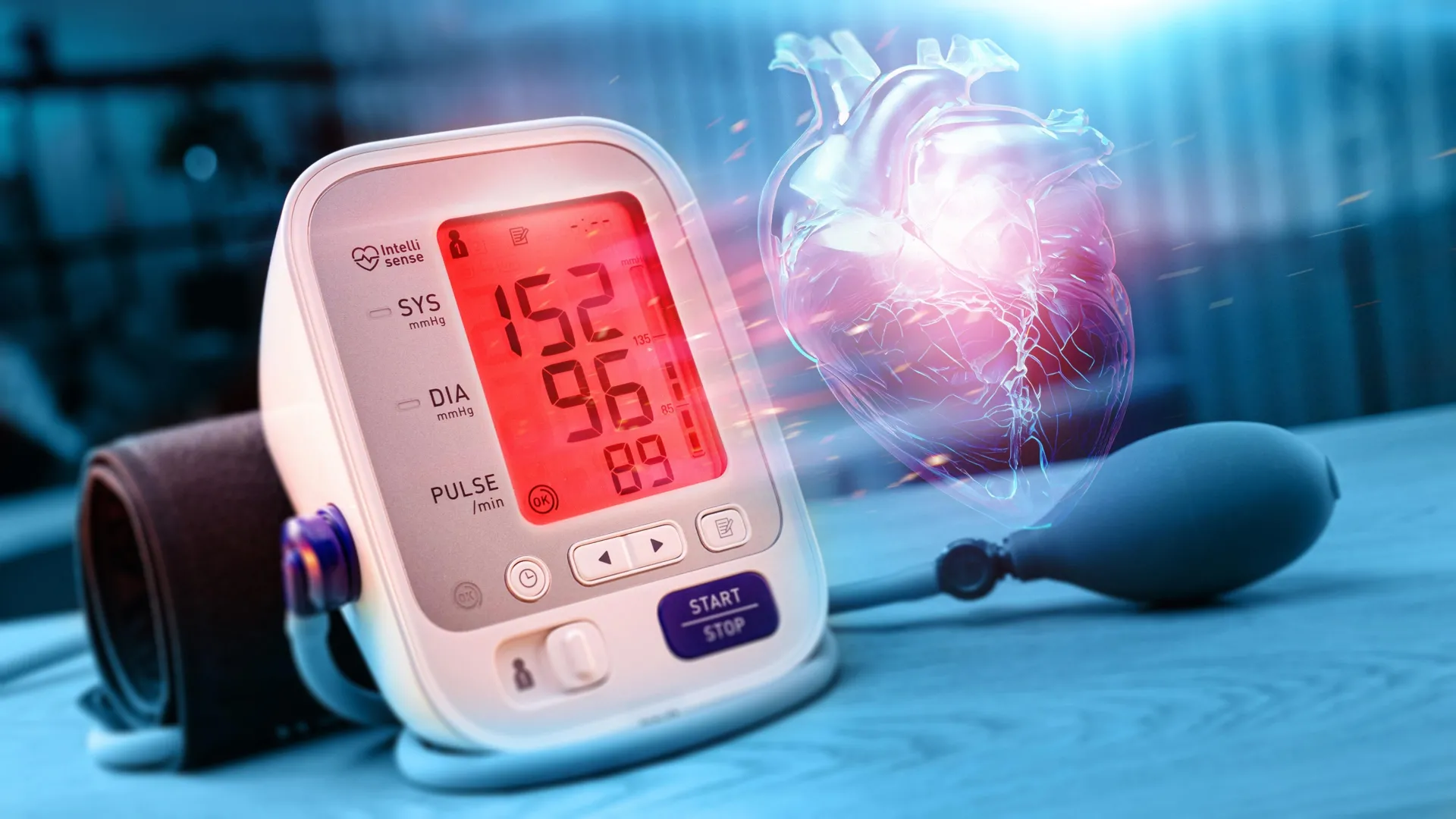
A surprisingly simple exercise routine could help lower blood pressure without requiring daily workouts or expensive equipment. In a study of 100 adults, researchers found that wall squats performed just once or twice a week helped maintain significant reductions in systolic blood pressure over the short term.

A tiny laser beam could make computer memory 1,000 times faster

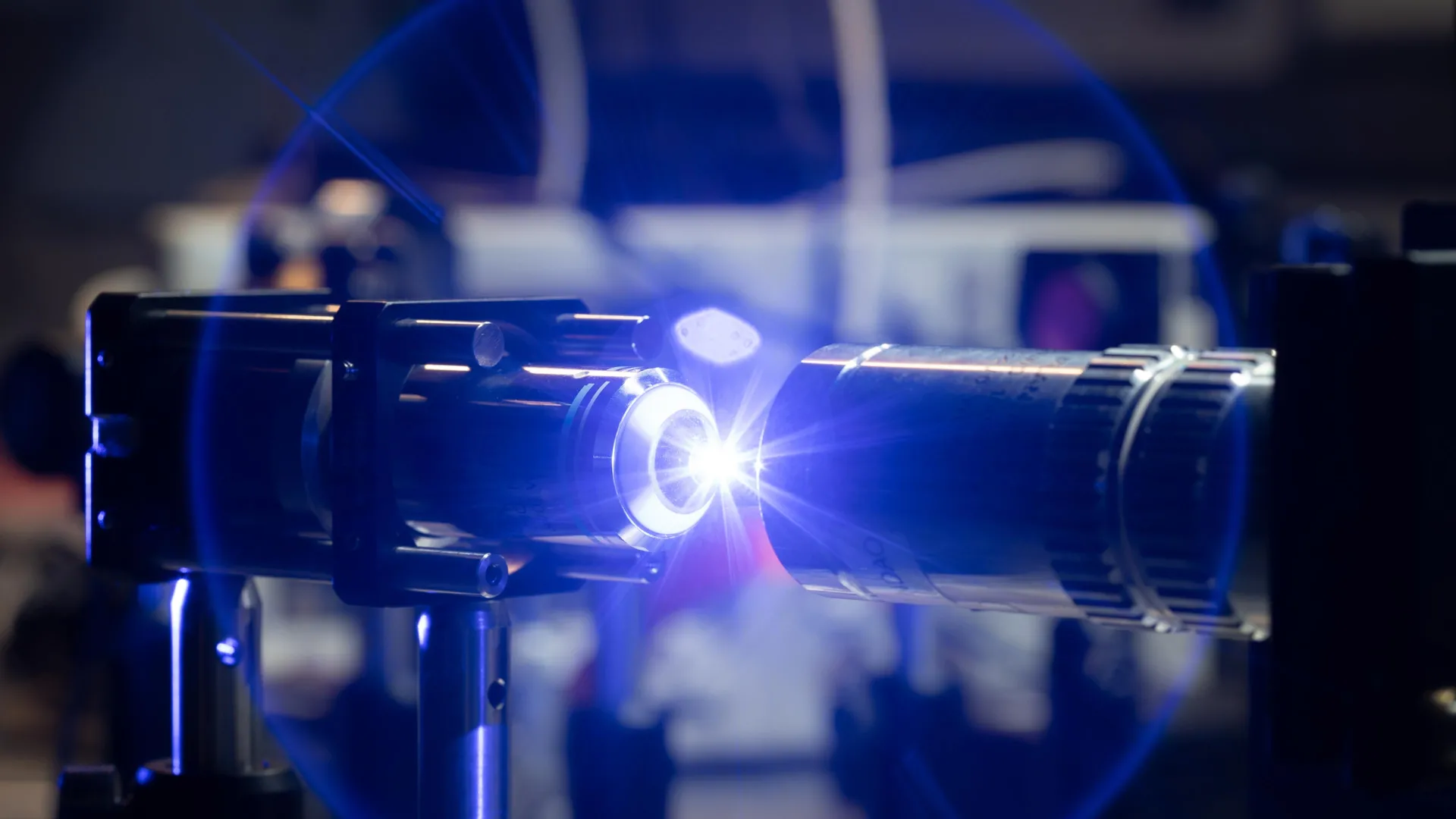
Scientists at UC San Diego have developed a surprising new way to store digital information using light instead of magnets, potentially paving the way for smaller, faster, and more energy-efficient memory devices. By precisely shaping and shrinking an ultrafast laser beam, researchers demonstrated that they could switch magnetic states in a material, the basic process used to write digital data. The technique could potentially operate more than 1,000 times faster than conventional magnetic switching methods.

Do spiders dream? Scientists just found a surprising clue

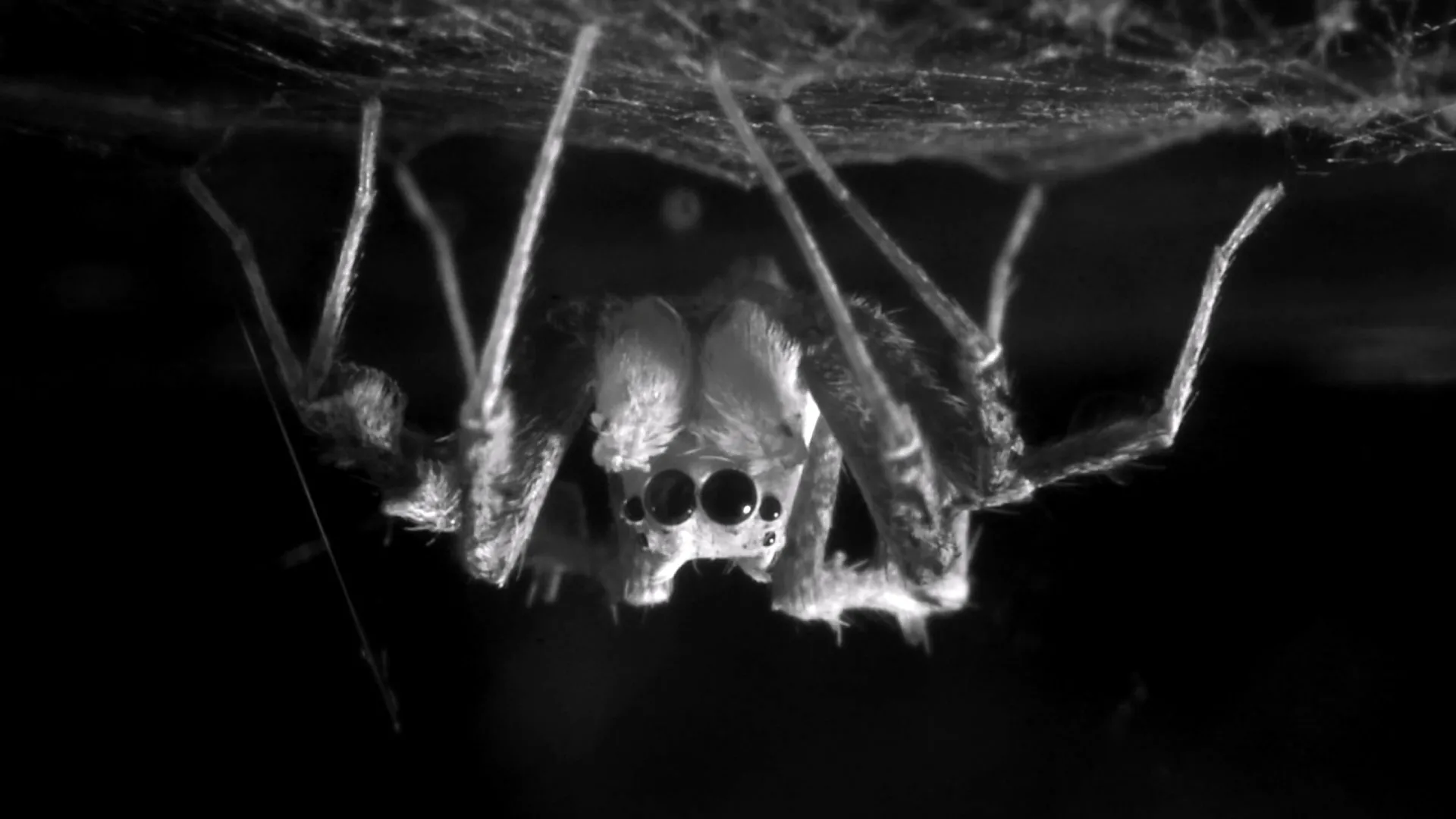
Scientists have discovered that spiders may sleep in ways surprisingly similar to humans, complete with distinct sleep stages and a dream-like REM state. Researchers at the University of Bonn studied the Australian jumping spider Portia fimbriata, a remarkably clever hunter known for its sophisticated strategies. By recording the spiders over several days and nights, they found clear evidence of regulated sleep, including a REM-like stage marked by eye movements and muscle twitches.

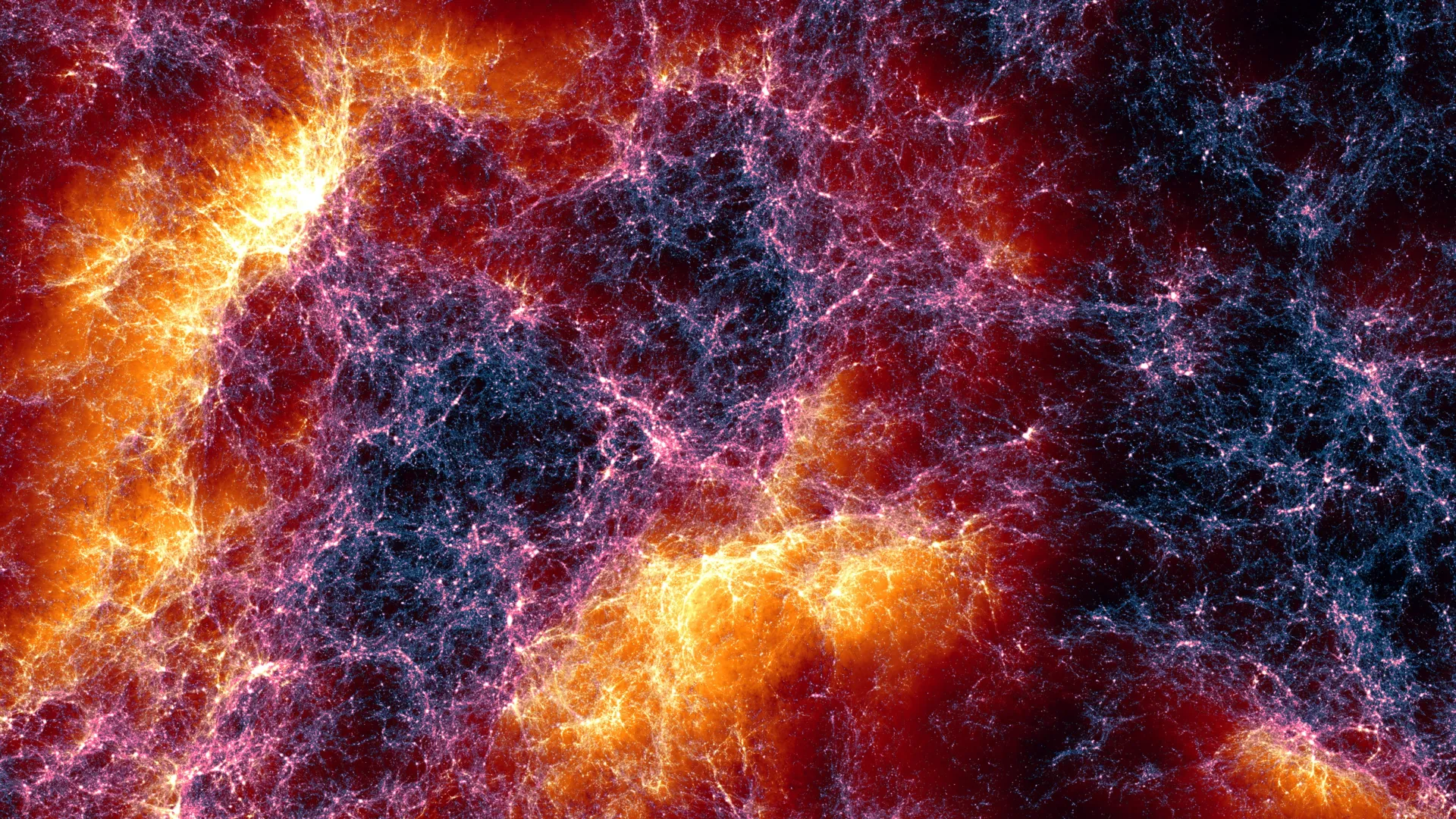
Smithsonian scientists just recreated the first 2 billion years of the Universe

Scientists have created one of the largest and most detailed simulations of the early universe ever made, offering an extraordinary new glimpse into the cosmos shortly after the Big Bang. Called Lumina, the groundbreaking simulation recreates the universe’s first 2 billion years, showing how dark matter, gas, and radiation interacted to give rise to the earliest stars, galaxies, and black holes.

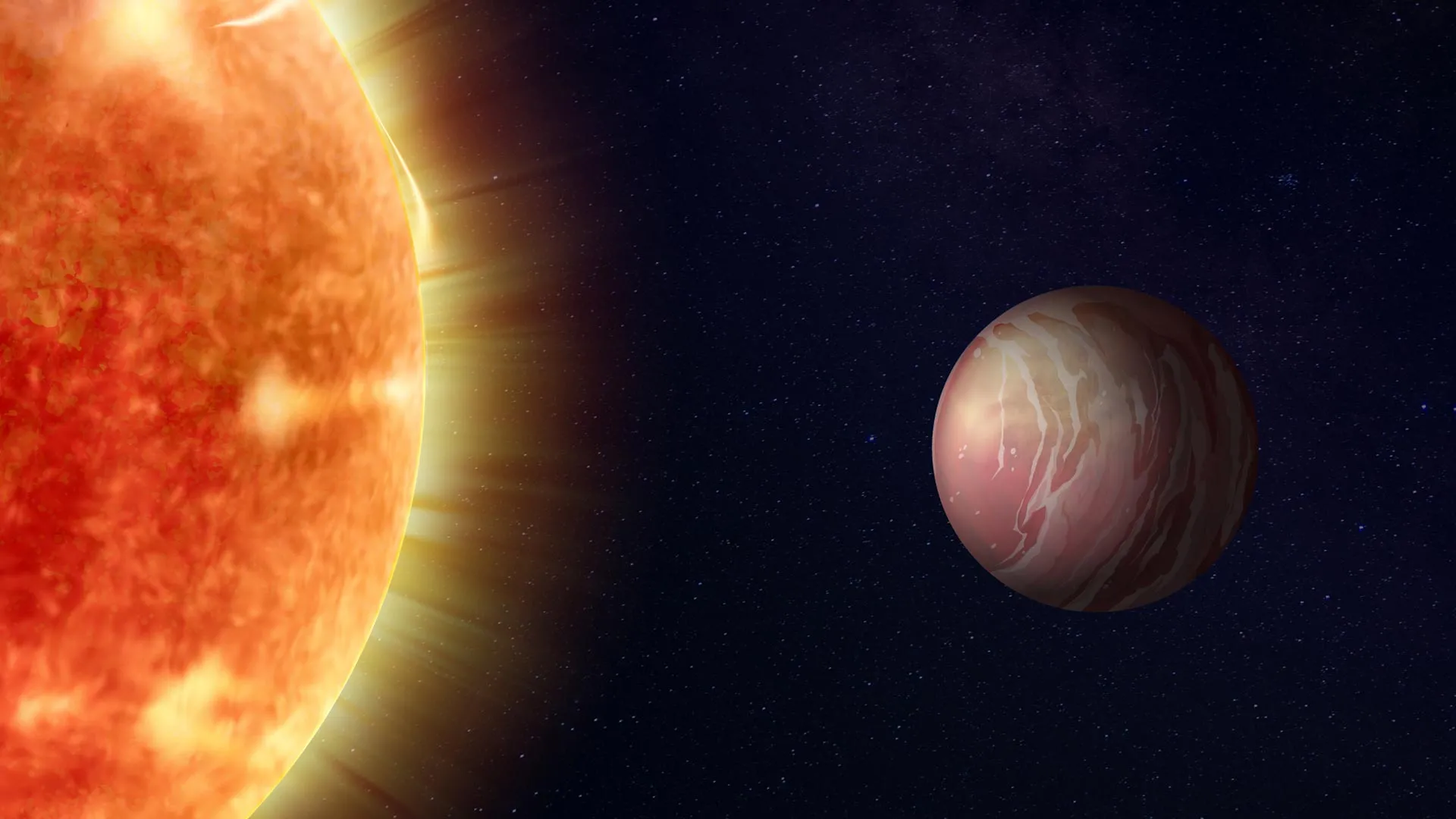
James Webb discovers a scorching lava planet with a “giant sunscreen”

A scorching lava planet 280 light-years away has surprised astronomers by apparently maintaining a thick atmosphere despite conditions that should have stripped it away billions of years ago. James Webb Space Telescope observations suggest that TOI-561 b reflects about 75% of incoming starlight, possibly because of mineral clouds that act like a giant sunscreen. The planet may also be continually replenishing its atmosphere through gases released from a global ocean of molten rock.

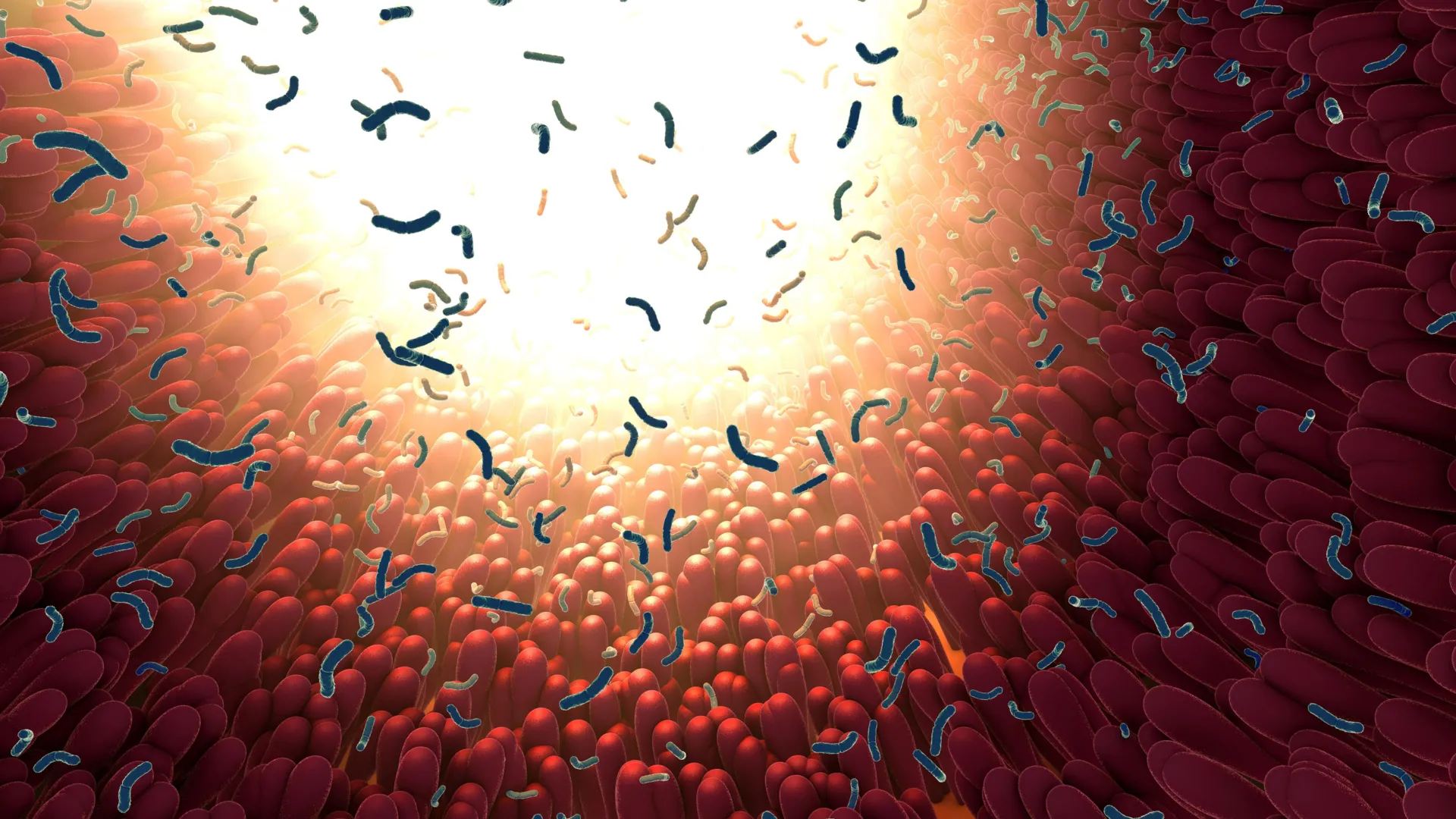
The secret to slower aging may be hiding in your gut

The secret to aging more slowly may be hiding in your gut. Scientists discovered that certain gut bacteria are strongly linked to how quickly the body ages, with microbial differences accounting for about 15% of the variation in biological aging rates. Some bacterial species were associated with slower aging, while others were linked to accelerated aging.

Advertisement

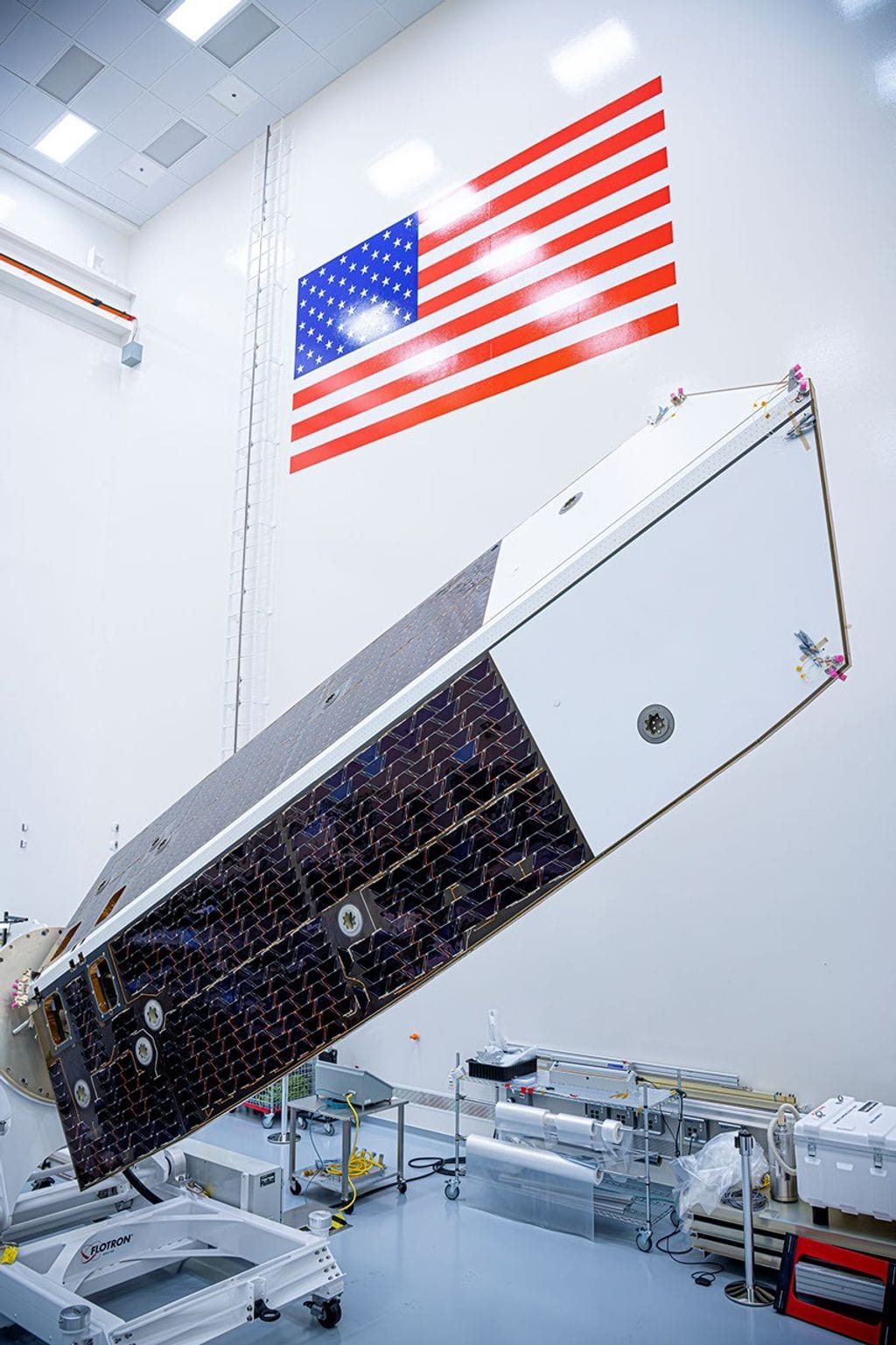
NEO Surveyor’s Sunshade Gets Inspected

Description The large sunshade of NASA’s Near-Earth Object (NEO) Surveyor is mounted on an assembly ring during inspections in a clean room at BAE Systems Space & Mission Systems in Boulder, Colorado, in July 2026. The sunshade structure stands 20 feet (6 meters) tall and measures 8 feet (2.4 meters) wide at its base. Its two flat […]

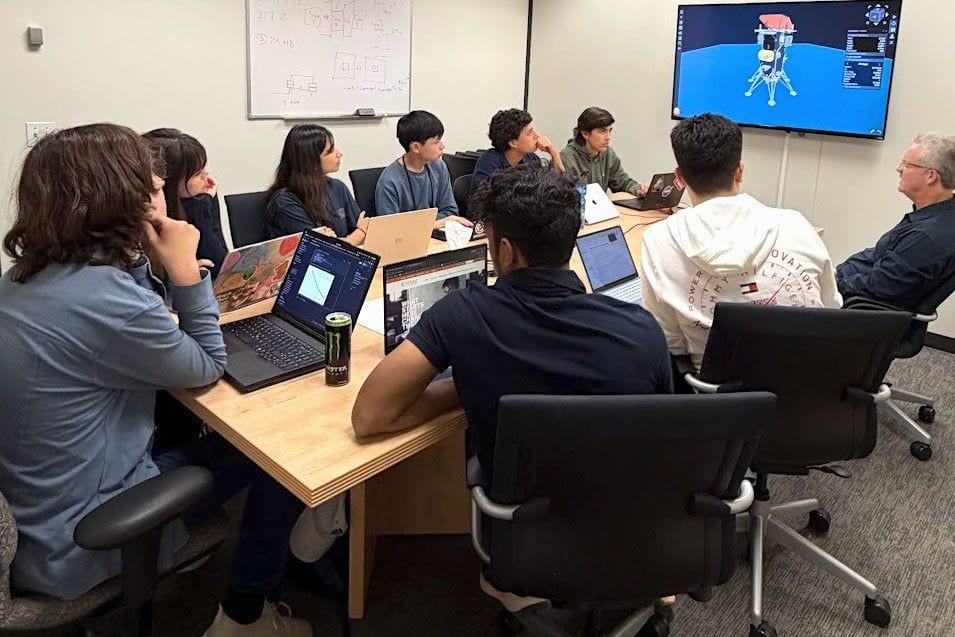
NASA SEES Interns Tackle Real-World Challenges in Lunar Exploration

The NASA STEM (Science, Technology, Engineering, and Mathematics) Enhancement in Earth Science (SEES) Internship Program at the University of Texas Center for Space Research places high school students on small, mission-focused research teams mentored by NASA, academic, and industry experts. During summer 2026, the SEES Mission Architecture Tool for Research, Integration, and eXploration (MATRIX) team […]