Advertisement
Advertisement

Health

Addressing Global Health Challenges: Irish Taoiseach Varadkar and WHO Director-General in Dublin Talks

Ireland’s Taoiseach (Prime Minister) Leo Varadkar welcomed Dr Tedros Adhanom Ghebreyesus, WHO Director-General, to Dublin today, to discuss strengthening the partnership between Ireland and the WHO across a range of global and domestic health areas. Dr Tedros also met with Michael Higgins, the President of Ireland. The meetings underscores Ireland's commitment to actively address pressing health issues on both national and global fronts. The discussions delved into strategies for tackling health emergencies, enhancing healthcare infrastructure, and fostering collaborative research initiatives.

Digital payments to health workers boost retention, motivation, and impact

An immunization worker gets set up to receive her wages on her mobile wallet in the Democratic Republic of the Congo. Credit: WHO Campaigns in Africa to stop polio and other diseases have a more stable, better-motivated workforce thanks to WHO’s collaboration with countries and partners to pay frontline health workers through their mobile phones instead of in cash. “Over 80 percent of workers are saying they prefer the digital payments,” said Ahmed Hamani Djibo, head of WHO’s Digital Finance Team. WHO has been leading among international organizations in moving away from the unwieldy, less-sec

Call for urgent agreement on international deal to prepare for and prevent future pandemics

A high-powered intervention by 23 former national Presidents, 22 former Prime Ministers, a former UN General Secretary and 3 Nobel Laureates is being made today to press for an urgent agreement from international negotiators on a Pandemic Accord, under the Constitution of the World Health Organizaion, to bolster the world’s collective preparedness and response to future pandemics.

WHO calls for action to uphold right to health amidst inaction, injustice and crises

To mark World Health Day (7 April), the World Health Organization (WHO) is running the “My health, my right” campaign to champion the right to health of everyone, everywhere. The campaign advocates for ensuring universal access to quality health services, education, and information, as well as safe drinking water, clean air, good nutrition, quality housing, decent working and environmental conditions, and freedom from discrimination. All around the world, the core challenges consistently compromising the right to health are political inaction coupled with a lack of accountability and funding,

Advertisement

Scientists discover a surprising danger in smaller cancer cells

Scientists have discovered that unusually small cancer cells carrying extra chromosomes can be far more aggressive than larger ones, growing faster, spreading more readily, and resisting common treatments. The surprising finding could help explain why some tumors are especially dangerous and provide a new way to predict cancer outcomes.

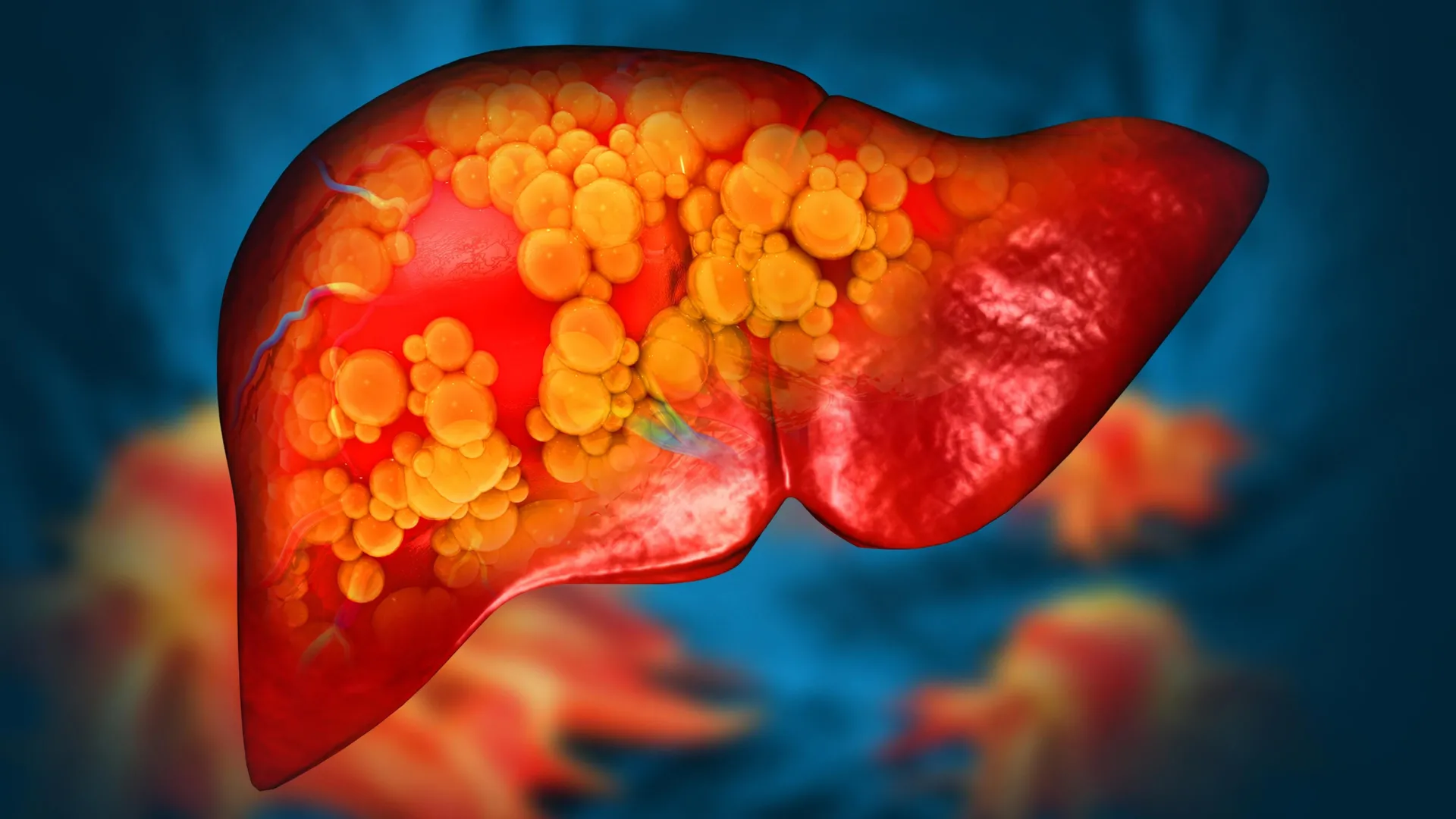
Eating late at night linked to up to 30% higher risk of liver disease

Eating late at night could be putting your liver at risk, according to a large study led by Oregon Health & Science University. Researchers analyzed data from nearly 200,000 people and found that those who regularly ate after dinner or around bedtime had a 20% to 30% higher risk of liver disease, including fatty liver disease and cirrhosis.

Cancer is rising in younger adults, and scientists can't fully explain why

A major study found that several cancers are rising faster among younger adults in England, even as smoking, diet, and other established risk factors have generally improved. Excess weight explains only part of the increase, leaving scientists searching for other possible causes, including changes in the gut microbiome and early-life exposures.

Advertisement