Man, 70, died of eye cancer after scan concerns weren't followed up
A coroner warns there's a risk of future deaths due to "substantial delays" in ophthalmology follow-ups.
International news in seven languages
A coroner warns there's a risk of future deaths due to "substantial delays" in ophthalmology follow-ups.
Acorns says it spends about £100,000 a year dealing with donated items that cannot be sold.
The Northern Ireland secretary says there is "very little financial accountability or responsibility" across the executive.
The Scottish athlete, who has inoperable brain tumours, previously made a tearful plea for more investment in brain cancer research on BBC Breakfast.
Stephen Gilbert, 74, was born with unilateral microtia, a rare condition in which the external ear is underdeveloped or missing on one side.
1.6 million women struggling with chronic UTIs
Jo Goldsmith said the RSV vaccine was not available when she was pregnant, but that she would have had it.
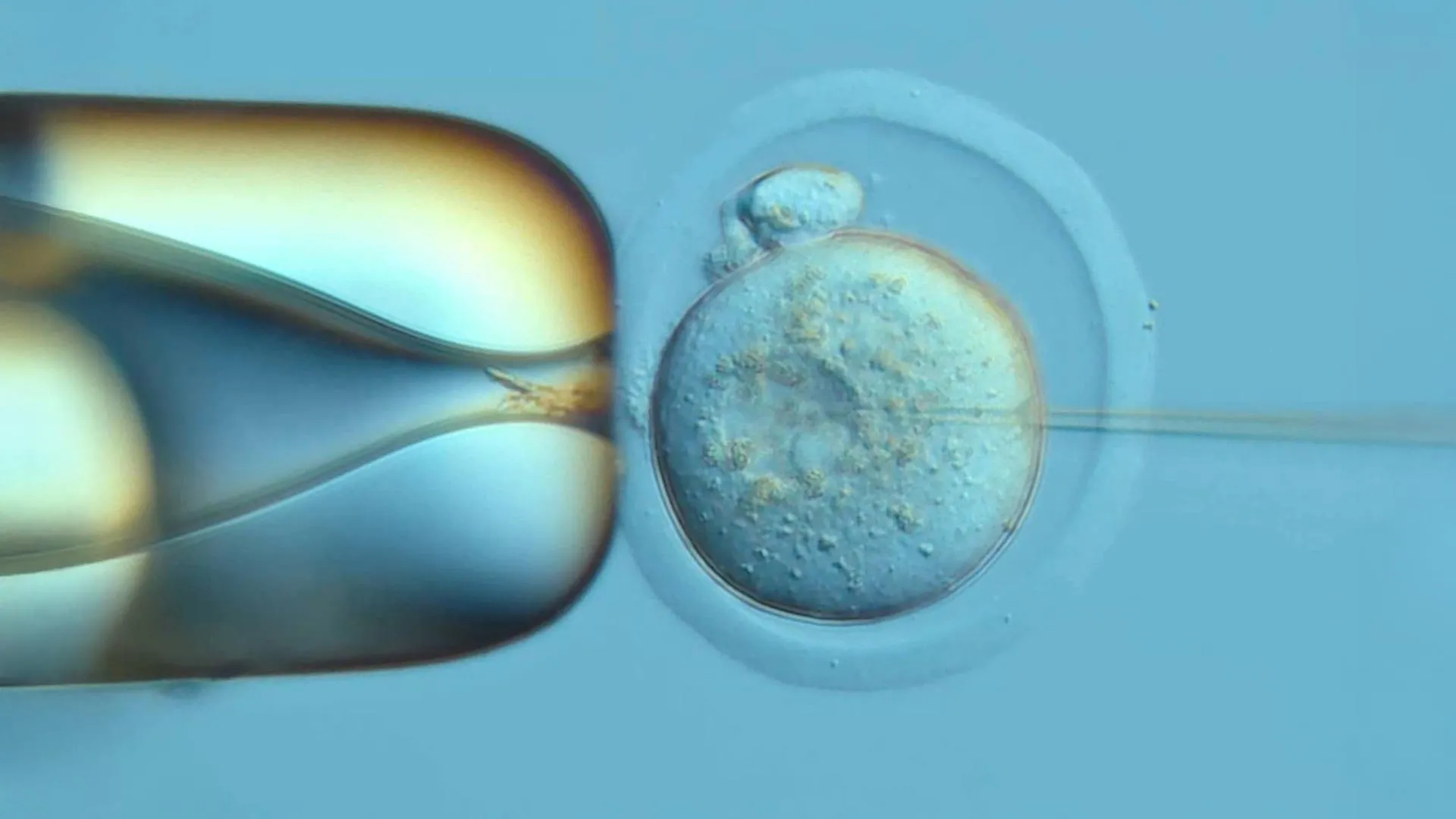
Scientists have traced the development of a mouse embryo from its first two cells to the formation of organs, using a remarkable DNA recording system that reveals the family history of individual cells. Their findings uncover how different cell types emerge on their own schedules and could help explain what goes wrong in birth defects, genetic disorders, and cancer.
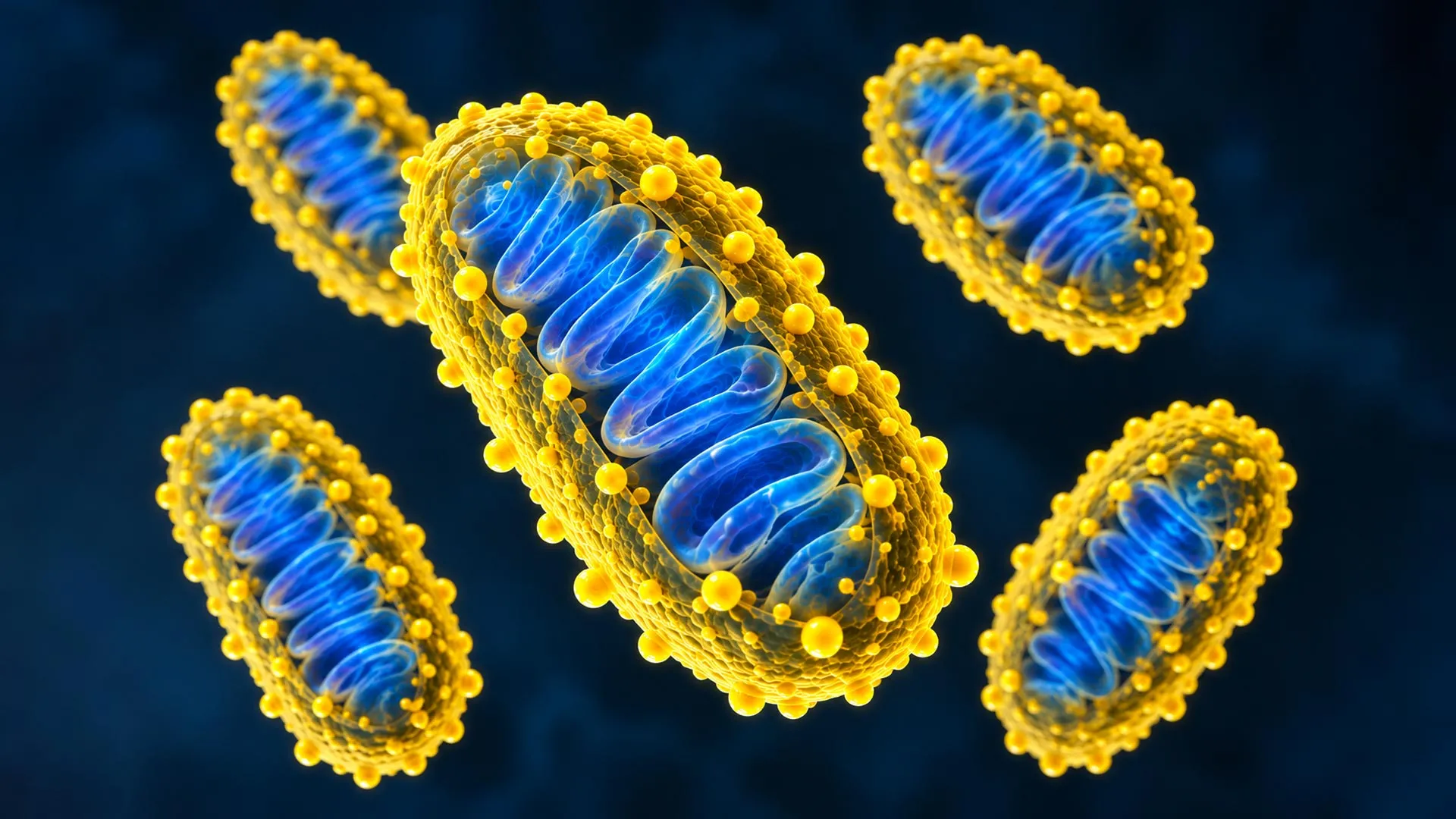
Scientists have created a new coating for mitochondria that preserves their ability to produce energy, potentially opening the door to new treatments for diseases involving these tiny cellular powerhouses. The technology could one day help transfer healthy mitochondria into damaged cells, although its effectiveness in transplantation remains unproven.
Scientists have discovered that the body's cellular recycling system behaves very differently during aging than previously believed, with higher activity sometimes linked to worse physical health. A small study suggests that even gentle exercise could help restore more youthful cellular recycling patterns in older adults.
Your daily routine could have a bigger impact on your ability to handle stress than you realize. A Binghamton University study of approximately 400 college students found that eating breakfast regularly, exercising, sleeping well, and taking fish oil were associated with greater psychological flexibility, which helps people adapt to stressful situations. Poor sleep and unhealthy eating habits, meanwhile, were linked to lower flexibility and resilience.
Kelly O'Shea says she's "lost faith" in women's health after paying £20k for treatment she needed.
A group of clinicians warns technology use in English schools is driving a rise in health problems like short-sightedness.
Medics in Spain raced against time to save Sandra McCartney's life after her heart stopped beating.
Kelly O'Shea says she has "lost faith" in women's health after paying £20k for treatment she needed.
At just three weeks old, Leo suddenly became suddenly unwell, caused by Group B Streptococcus
It provides information about a range of services to support mental health, officials say.
Nipsa has been holding meetings with members working across the health service and said they had given a clear message over their frustrations.
A charity heart scan led to Simon Morris having surgery for a blocked artery he didn't know he had.
Jordan Caldwell, who once struggled to see a future beyond anorexia, says bodybuilding gave him a new purpose in life.