Rural lives cannot be an 'afterthought', healthcare campaigners say
Campaigners warn that rural communities face being cut off from vital hospital services.
International news in seven languages
Campaigners warn that rural communities face being cut off from vital hospital services.
The NHS Alliance said "difficult decisions" lie ahead and some maternity services may have to be consolidated.
Agents try to attract people on housing benefit by using social media videos that offer free rooms and holidays.
Grand Theft Auto VI lets you build and nurture a romantic relationship but some say dates with a fictional character are a step too far.
On 29 March, the Knight Center for Journalism in the Americas at the University of Texas-Austin, in collaboration with the WHO, UNESCO and UNDP and with funding from the European Union, will launch its second massive open online course for journalists to improve their coverage of COVID-19 vaccines. The course, led by former CNN correspondent and WIRED journalist Maryn McKenna is initially being offered in English, French, Portuguese, and Spanish. The course is free and available to journalists who are interested in acquiring new knowledge and resources to improve their coverage of COVID-19 vac
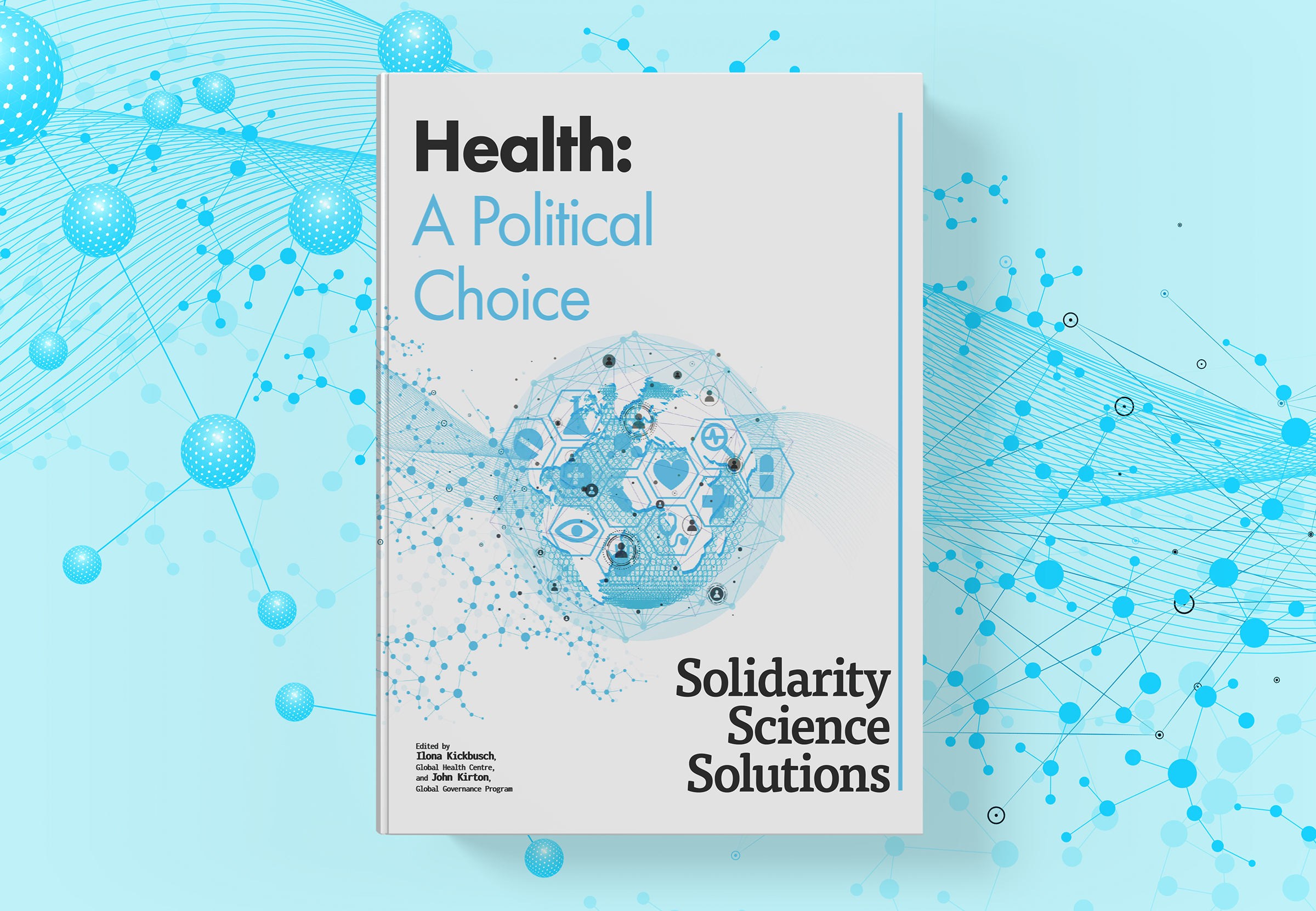
Ending the COVID-19 pandemic is among the world’s most pressing priorities. The challenges we have all faced since the beginning of the outbreak have put health centre stage, highlighting the urgent need to invest resources and effort in strengthening health systems, addressing health inequities, and embracing innovation to find solutions to old and new problems. We will only find a way out of this crisis through science, finding solutions and by working together, in solidarity. In this new book, key leading figures in international health and development have come together to share their thou
The heads of the International Monetary Fund, World Bank Group, World Health Organization and World Trade Organization held on 9 November the 2nd High-Level Consultations with the CEOs of leading COVID-19 vaccine manufacturing companies. At the meeting, all participants agreed on the urgency of delivering more vaccine doses to low-income countries, where less than 2.5% of the population has been fully vaccinated.
Symposium presented in partnership with the World Health Organization and The Metropolitan Museum of Art is a “cultural call to action” to invest in the arts to improve physical, mental, and social health On November 14, 2021, leading policy advocates, artists, and researchers from cultural organizations, healthcare centers, government, and the United Nations will convene at The Metropolitan Museum of Art in New York in a call to action to acknowledge and act on the evidence base for the health benefits of the arts. The day-long Healing Arts Symposium, presented in partnership with the World H
The European Commission’s Joint Research Centre (JRC) and the World Health Organization (WHO) concluded a Collaborative Research Arrangement that aims to mainstream behavioural insights into public health programmes and policies worldwide.
On 15 November 2021, the State of Qatar and WHO convened their first Strategic Dialogue, building on their strong partnership and their commitment to work jointly in addressing global health challenges. The overall objective of the meeting was to create a platform to facilitate regular dialogue with WHO leadership and technical experts on WHO programmes and policies. This event also provided an opportunity to review the key areas supported by Qatar and explore new areas of collaboration including the impact of COVID-19, emergency response and preparedness, science and innovation, neglected tro
On 22 November 2021 Paul Bekkers, ambassador and permanent representative of the Netherlands to the United Nations Office at Geneva and Ms Jane Ellison, executive director, external relations and governance, met to sign an amendment increasing the Netherlands’s core voluntary contribution to the World Health Organization (WHO).
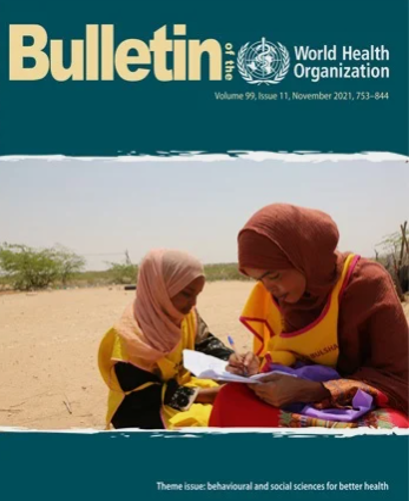
The Bulletin of the World Health Organization is a fully open-access journal of public health with a special focus on low and middle-income countries. In November 2021 (Volume 99(11); 2021 Nov 1), a special theme issue on behavioural and social science for better health was published. Link to articles in the WHO Bulletin
On 16 December 2021 the Government of Belgium and WHO signed a new €8 million multiyear contribution agreement for the period 2021-2025, to support increasing global equitable access to health products and health technologies globally. This contribution will focus on equitable access for health products related to the current pandemic, and health products related to other communicable and non-communicable diseases. Through this support, the Belgium government will facilitate technology transfer through the mRNA vaccine technology transfer hub and work on increasing regulatory capacity and fair
Ukraine has joined the growing list of countries that will receive support from the global WHO mRNA technology transfer hub in South Africa. The manufacturer, Darnitsa, was evaluated by WHO and found to have the potential to be able to absorb the mRNA technology to produce vaccines and potentially other health products. So far, there are 15 selected recipients of the mRNA technology through the WHO hub. WHO and partners will work with these countries’ governments and with the technology recipients to develop a roadmap and put in place the necessary training and support to enable the technology
Scientists have discovered that a protein linked to youth helps protect the brain’s immune cells from age-related decline. Restoring the protein in older mice improved the cells’ ability to clear debris and reduced signs of inflammation, raising hopes for future treatments targeting brain aging and Alzheimer’s disease.
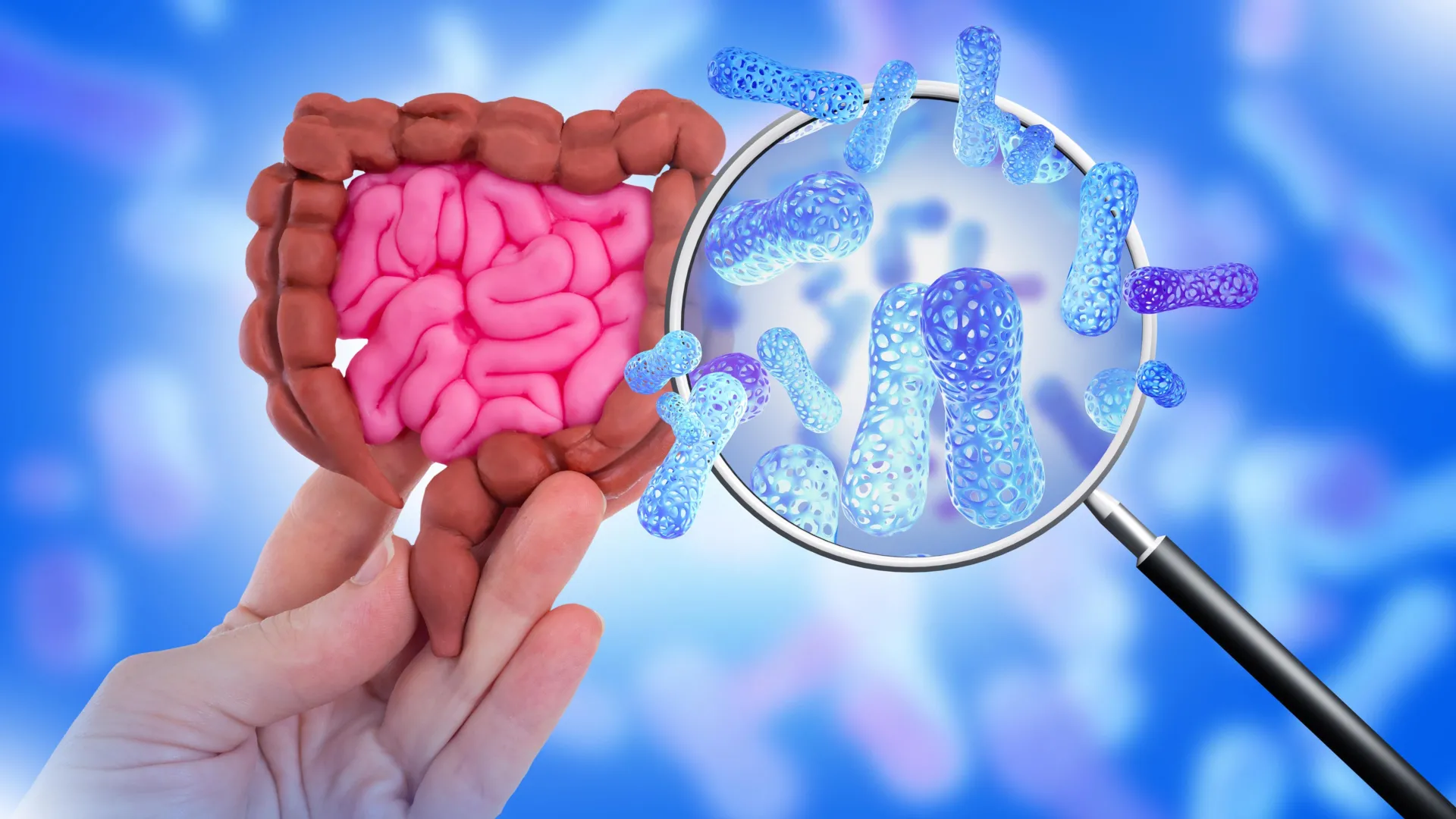
Scientists have discovered that many common sweeteners can interfere with gut bacteria, with some combinations involving medications producing surprisingly strong effects. One sweetener mixed with a widely prescribed antidepressant reduced beneficial bacteria and microbial diversity in laboratory experiments, raising new questions about potential effects on gut health and immunity.
Yvette Cooper also announces £140m investment in England's urgent care system, ahead of winter.
A seaside town is hosting an early morning alternative for clubbing fans.
The practical impact of Northern Ireland's budget delay seemed relatively muted until earlier this week when hospital doctors announced two strikes.
Washington – WHO Director-General Dr Tedros Adhanom Ghebreyesus and United States Secretary of Health and Human Services Xavier Becerra agreed Tuesday to develop a work plan in 2023 to tackle shared priorities, chief among them the world’s health security and pandemic preparedness. “As always, good to see Dr Tedros and discuss how we can promote the health of all people across the globe,” Secretary Becerra tweeted after the meeting. The strategic dialogue focused on universal health coverage, primary health care, equity, and the global health workforce. While in Washington, Dr Tedros also met