The male athletes affected by REDs
BBC Sport speaks to long-distance runner Jake Smith and former Olympic champion Jonny Brownlee about their experiences with relative energy deficiency in sport.
International news in seven languages
BBC Sport speaks to long-distance runner Jake Smith and former Olympic champion Jonny Brownlee about their experiences with relative energy deficiency in sport.
For the last two years Megan has been in agony and unable to stand straight because of her ketamine use.
AI may help doctors judge how ill a patient is using a single photograph of their face, say US researchers.
Can activities like yoga, dance and fitness encourage more girls to enjoy sport?
Women share their experience of lichen sclerosus.
For the last two years Megan has been in agony and unable to stand straight because of her ketamine use.
A full access package includes WHO policy guidance on the use of antigen-based rapid diagnostic tests, manufacturer volume guarantees for low and middle-income countries, catalytic funding to assist governments to deploy the tests and an initial US$50 million procurement fund Several rapid, point-of-care antigen tests are being assessed by WHO for Emergency Use Listing (EUL) Agreements between the Bill & Melinda Gates Foundation and test manufacturers Abbott and SD Biosensor make available innovative tests priced at a maximum of US$5 for low- and middle-income countries (LMICs) The Global
The COVID-19 pandemic has disrupted or halted critical mental health services in 93% of countries worldwide while the demand for mental health is increasing, according to a new WHO survey. The survey of 130 countries provides the first global data showing the devastating impact of COVID-19 on access to mental health services and underscores the urgent need for increased funding. The survey was published ahead of WHO’s Big Event for Mental Health ̶ a global online advocacy event on 10 October that will bring together world leaders, celebrities, and advocates to call for increased mental health
COVAX announced the signing of an advance purchase agreement for up to 40 million doses of the Pfizer-BioNTech vaccine; rollout to commence with successful execution of supply agreements. Additionally, COVAX announced that, pending WHO emergency use listings, nearly 150 million doses of the AstraZeneca/Oxford candidate are anticipated to be available in Q1 2021, via existing agreements with the Serum Institute of India (SII) and AstraZeneca. COVAX is therefore on track to deliver at least 2 billion doses by the end of the year, including at least 1.3 billion doses to 92 lower income economies
Nearly 2.3 million children under the age of five in Yemen are projected to suffer from acute malnutrition in 2021, four United Nations agencies warned today. Of these, 400,000 are expected to suffer from severe acute malnutrition and could die if they do not receive urgent treatment. The new figures, from the latest Integrated Food Security Phase Classification (IPC) Acute Malnutrition report released today by the Food and Agriculture Organization of the United Nations (FAO), UNICEF (the United Nations Children’s Fund), the World Food Programme (WFP), the World Health Organization (WHO) and p
The coronavirus (COVID-19) pandemic has triggered devastating consequences for human life and the global economy. Maritime and air transport are two essential activities that underpin global trade and mobility and are key to a sustainable socio-economic recovery. More than 80% of global trade by volume is moved by maritime transport. The global economy depends on the world’s 2 million seafarers who operate the global fleet of merchant ships. Seafarers have been severely impacted by the travel restrictions imposed during the pandemic. As of January 2021, it is estimated that some 400,000 seafar
An effective response to the coronavirus (COVID-19) pandemic requires the understanding and use of social and behavioural data alongside biomedical data. Recognizing this need, the Behavioural Insights and Sciences Unit of the World Health Organization (WHO) and the WHO Regional Office for Africa (AFRO) designed a survey tool tailored to Africa, to make it easier for countries to collect context-specific social and behavioural data. The objective was to inform the COVID-19 response at the country level while also allowing regional comparisons. This case study describes how the tool was adapted
Dr Tedros Adhanom Ghebreyesus, WHO Director-General, has appointed Mr Carl Bildt as WHO Special Envoy for the Access to COVID-19 Tools Accelerator (ACT-Accelerator). In his role as WHO Special Envoy for the ACT-Accelerator, Carl Bildt will help lead the collective advocacy for the ACT-Accelerator, mobilizing support and resources so it can deliver against its strategy for 2021. He will also support the leaders of the ACT-Accelerator co-convening agencies, particularly in aligning work that cuts across the diagnostics, therapeutics, vaccines pillars and health-system connector; consult widely o
Many countries are making progress in the fight against tobacco, but a new World Health Organization report shows some are not addressing emerging nicotine and tobacco products and failing to regulate them. Increased adoption of WHO-recommended tobacco control measures More than four times as many people are now covered by at least one WHO-recommended tobacco control measure as compared with 2007. The six MPOWER measures are monitoring tobacco use and preventive measures; protecting people from tobacco smoke; offering help to quit; warning about the dangers of tobacco; enforcing bans on advert
The World Health Organization (WHO) and the Swiss Confederation today signed a Memorandum of Understanding to launch the first WHO BioHub Facility as part of the WHO BioHub System, which was announced in November 2020. This facility will enhance the rapid sharing of viruses and other pathogens between laboratories and partners globally. Based in Spiez, Switzerland, the facility will serve as a centre for the safe receipt, sequencing, storage and preparation of biological materials for distribution to other laboratories, in order to inform risk assessments, and sustain global preparedness again
Produced in collaboration with the WHO, UNESCO and UNDP, this course -- created by the University of Texas-Austin and the Knight Center for Journalism in the Americas -- helps journalists to improve their coverage of the pandemic. The course is offered in English, Arabic, French, Portuguese, Russian and Spanish and is self-directed. (Chinese and Hindi self-directed versions are also in the works and will be posted here in the coming months.) The course is free and available to journalists who are interested in acquiring new knowledge and resources to improve your coverage and understanding of
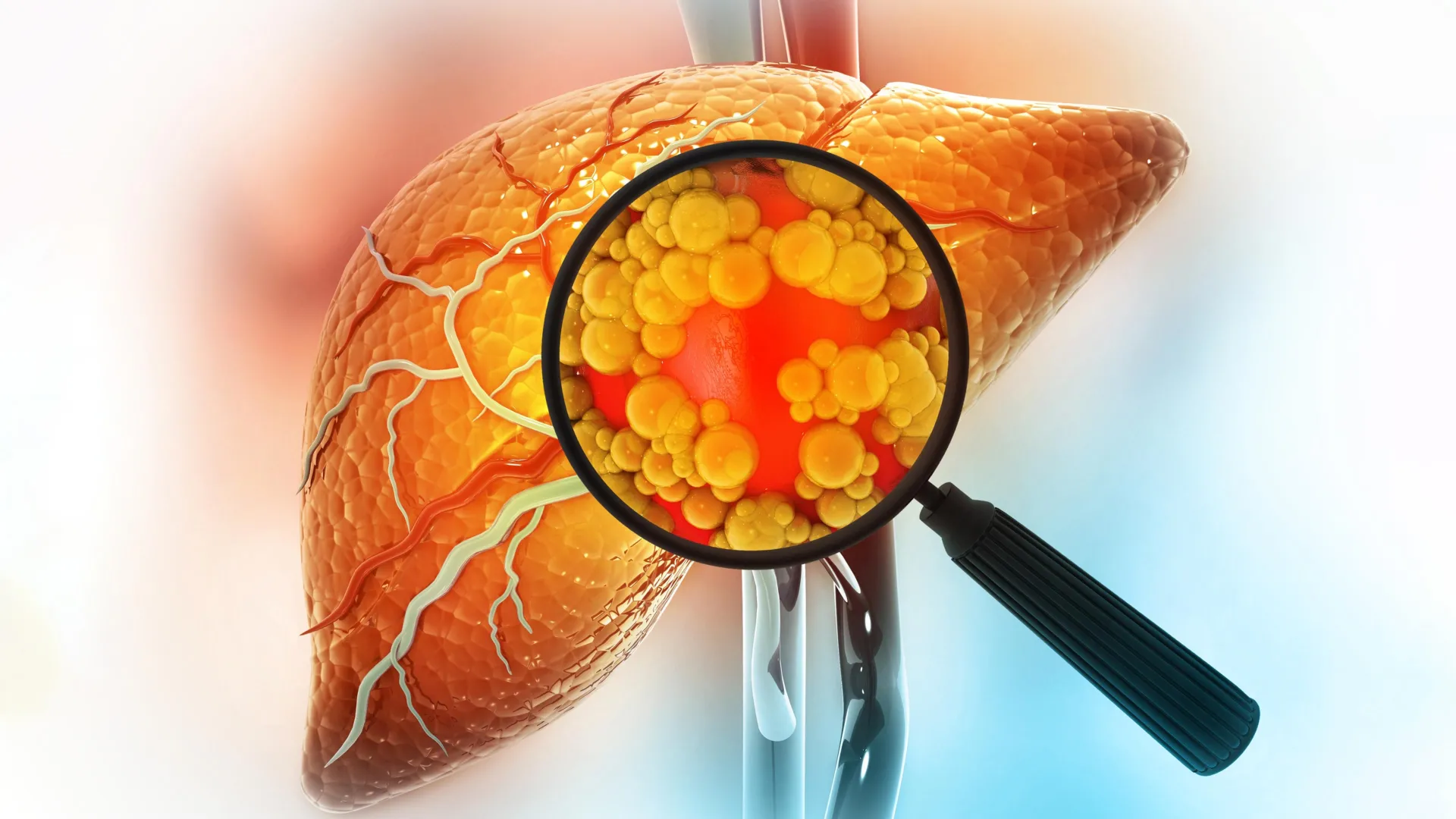
A common liver disease affecting nearly 30% of adults worldwide may be far more complicated than scientists previously realized. Mayo Clinic researchers have discovered that fatty liver disease actually consists of five distinct biological subtypes, each carrying different risks for liver failure, cancer, heart disease, and other serious complications.
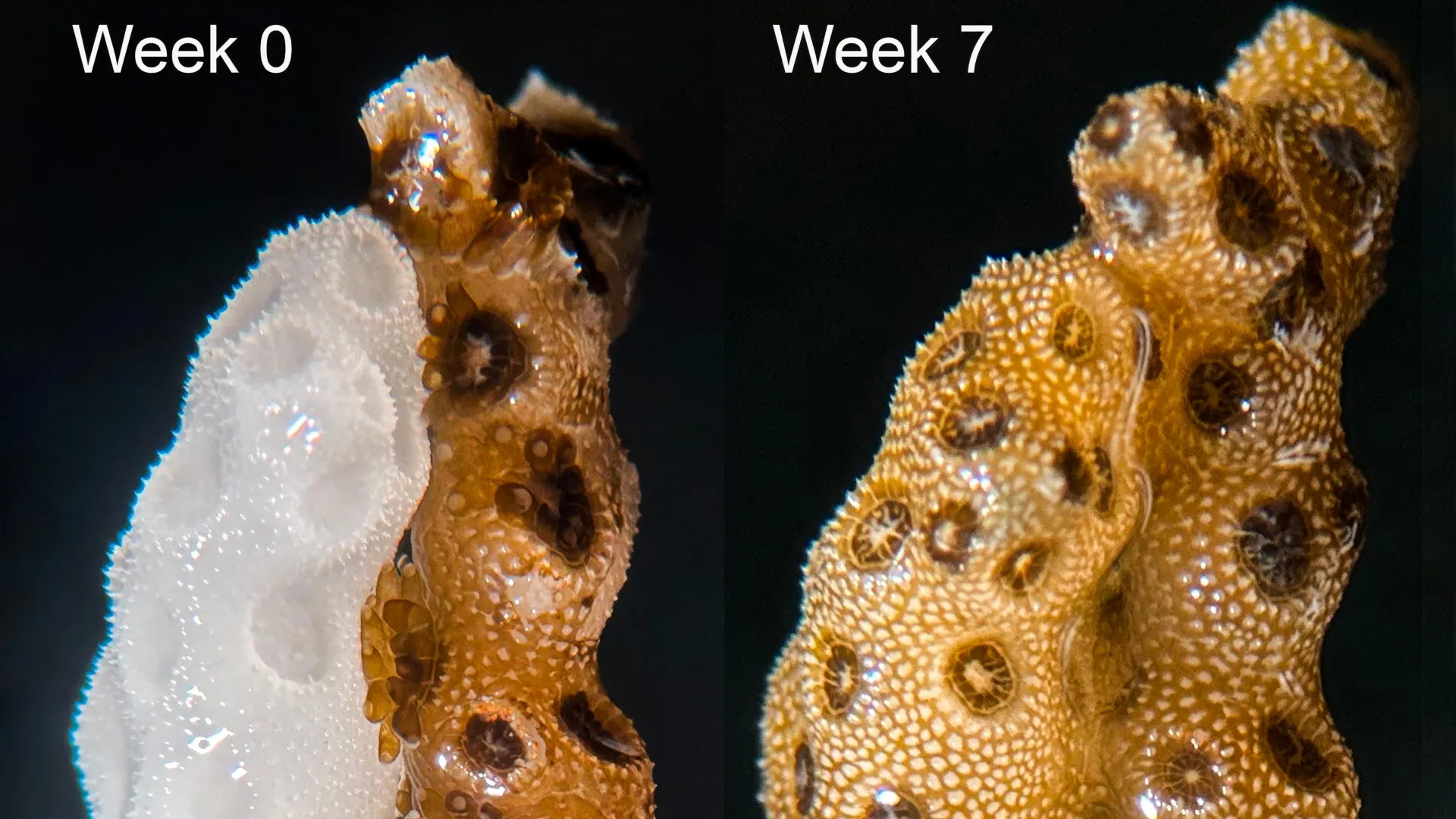
Scientists have discovered that severely bleached corals can make a remarkable comeback simply by touching healthy, genetically identical corals. In laboratory experiments, dying corals regained their color and fully recovered within seven weeks, with as little as five days of contact sometimes enough to start the healing process.
The BBC's Quentin Sommerville spoke to the daughter of a former heroin addict about the effect drugs have had on her family.
Michael Lynch, from Men's Action Network (MAN) offered to meet the Derry City footballer James McClean.