Advertisement
Advertisement

Health

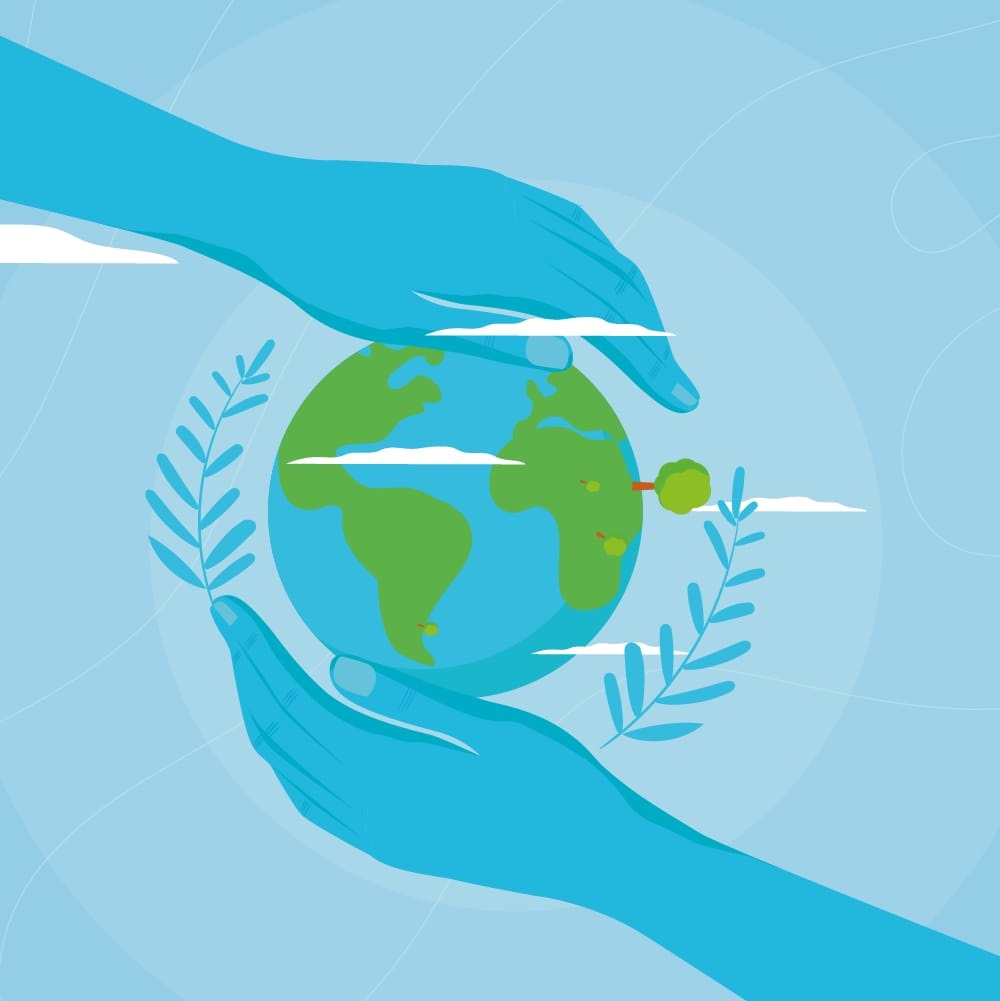
Act now: migrant inclusion in climate action is an obligation, not an option

On the occasion of the 27th Conference of the Parties of the UNFCCC (COP27), the United Nations Network on Migration calls on Member States to recognize the opportunities to work towards sustainable, rights-based mitigation and adaptation to climate change in order to address human mobility(1) in this context in line with the recommendations of the UNFCCC Taskforce on Displacement.

Belgium and WHO pursue tighter collaboration in a day of strategic dialogue

From left to right: Director-General Development Cooperation & Humanitarian Aid Belgium Dr Rombouts, WHO Director-General Dr Tedros, H.E. Ambassador Mr Marc Pecsteen de Buytswerve, Permanent Representative of Belgium to the United Nations. @WHO Geneva, 9 November 2022 – In a full day of strategic dialogue, Belgium and WHO shared global health priorities of the longstanding partnership and agreed to build their collaboration on universal health coverage, health-systems strengthening and equitable access to essential health technologies. The delegation from Belgium – headed by Dr Heidy Rombo

WHO and the Netherlands call for stronger cooperation under the new Dutch Global Health Strategy

Mr Roland Driece, Director for International Relations at the Netherlands’ Ministry of Health, Welfare and Sport, Mr Gerard Steeghs, Director Multilateral Organisations and Human Rights, Dr Catharina Boehme, Chef de Cabinet, WHO Geneva, 17 November 2022 – The Netherlands discussed its new strategy for Global Health with WHO on Thursday and called for deeper coordination with the Organization to improve global health – aiming to strengthen health systems at home and worldwide, better prepare for pandemics and address the impact of climate change on public health. The presentation of the Dutch G

First joint WHO-World Health Summit strengthens engagement with a diverse range of partners

October 2022 - Geneva, WHO signed new agreements with a variety of civil society, political and community stakeholders in October at the World Health Summit in Berlin, a three-day hybrid event that reached some 60 000 participants worldwide. For the first time, WHO co-hosted the Summit, which drew 4,100 in-person participants from 141 countries to more than to more 60 sessions with a common goal: improving health for everyone, everywhere. At the event, WHO expanded partnerships with civil society and advocates, and formalized strategic engagements with non-traditional stakeholders - relationsh

The Netherlands increases its flexible contribution for “a strong and agile WHO”

On 29 November 2022, the Ministry of Foreign Affairs of the Netherlands and the World Health Organization (WHO) signed a new multi-annual agreement for US$ 36.68 million in core voluntary contributions for the period 2022-2025. Core voluntary contributions are funds that WHO can use and allocate as needed to address health priorities and challenges. Flexible funding such as this allows the Organization to keep pace with the ever-changing demands of global health and achieve what the world expects of it to improve the health and well-being of all, including those in the most vulnerable situatio

New WHO technical package to help countries improve health data for COVID-19 response and beyond

Today, as part of its commitment to strengthening health information systems and improving health[1], especially in the context of the COVID-19 pandemic, WHO announced a new approach to improving access to life-saving data: the SCORE for Health Data Technical Package. The COVID-19 pandemic has highlighted the urgent need for timely and reliable data to drive strategic health action. Too many countries still lack both the infrastructure to routinely gather health data and the analytical capacity to use these data for effective health actions and emergency response. “Countries must be able to me

Advertisement

Stanford’s new microscope reveals living cells like never before

Stanford scientists have developed a revolutionary microscope that reveals the hidden inner workings of living cells in real time, without the fluorescent labels that can interfere with observations. The breakthrough could provide new insights into cancer, infectious diseases, and how drugs interact with cells.

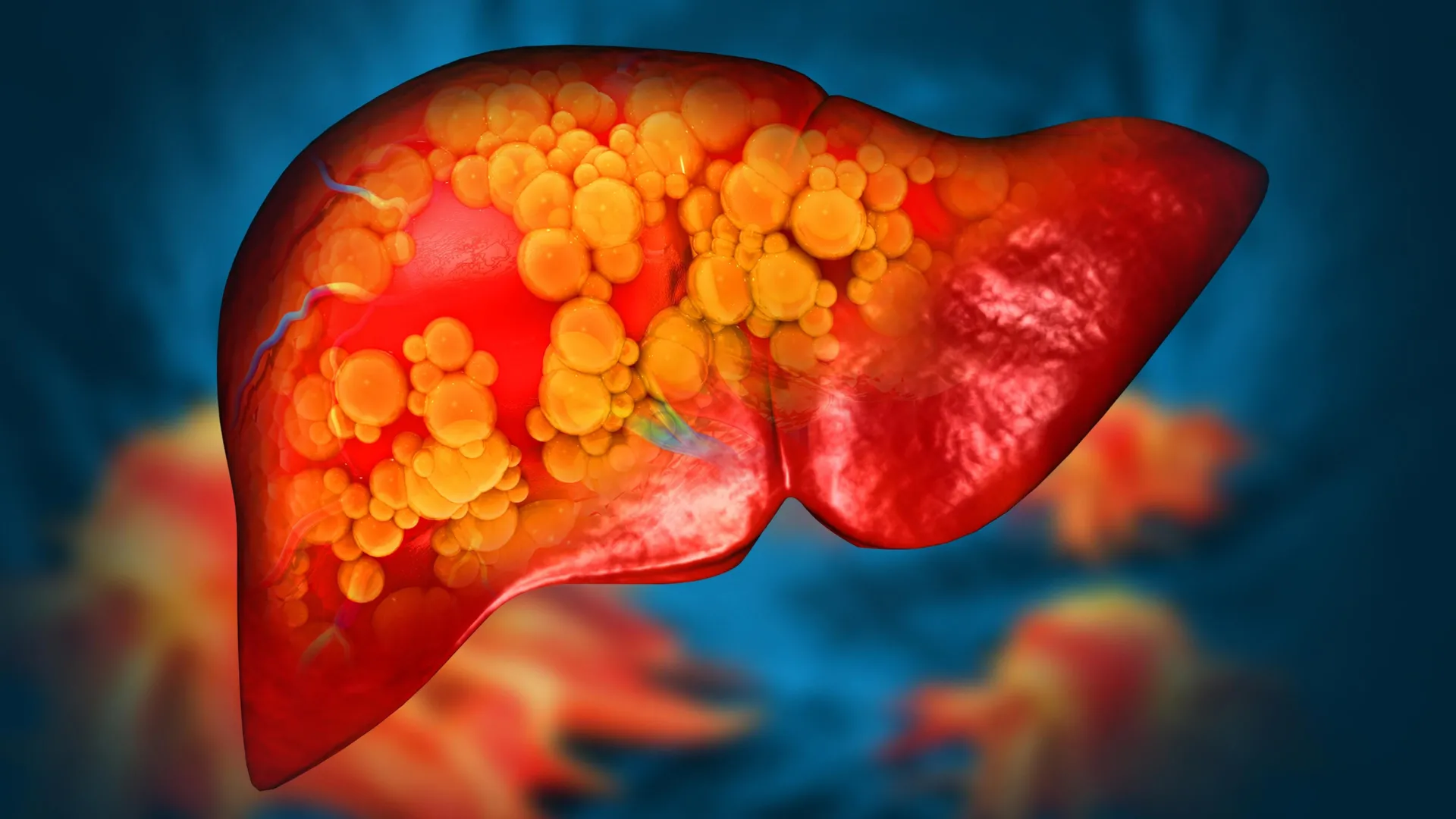
New drug reverses severe fatty liver disease by repairing the gut

Scientists have discovered that a potential new drug can reverse severe fatty liver disease in animal models by restoring gut health and blocking harmful substances from reaching the liver. The breakthrough could pave the way for new treatments for liver disease and potentially other serious conditions, including cardiovascular disease.

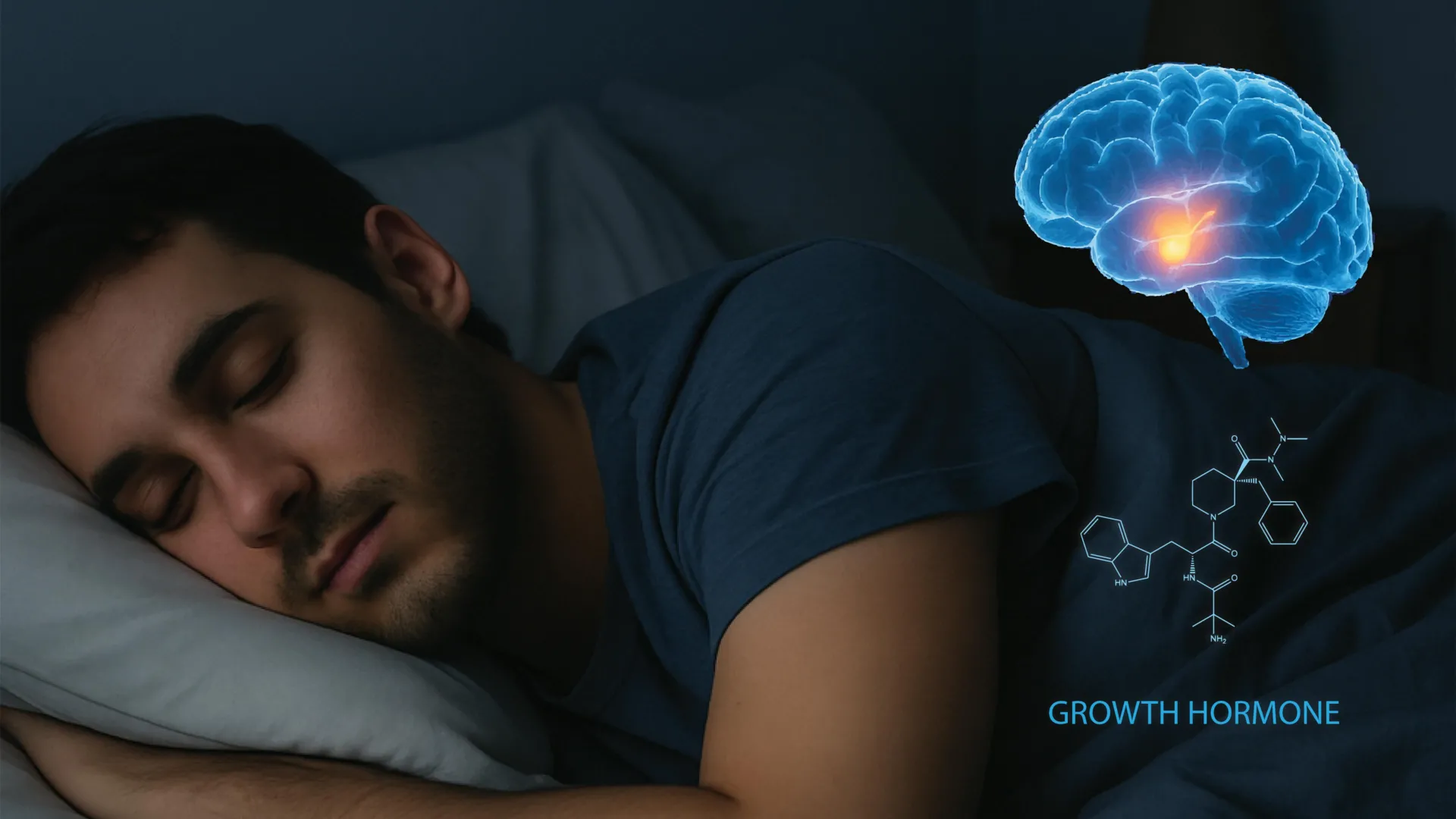
Scientists discover how deep sleep builds muscle, burns fat, and boosts the brain

Scientists have discovered a surprising two-way relationship between sleep and growth hormone, revealing how the brain carefully balances physical recovery with wakefulness. The findings could help explain why poor sleep harms metabolism and brain health, potentially opening the door to new treatments for sleep and neurological disorders.

WHO sends health supplies to reach 400 000 people impacted by the earthquakes in Türkiye and the Syrian Arab Republic

In response to the devastating earthquakes impacting Türkiye and the Syrian Arab Republic, the World Health Organization delivered 72 metric tons of trauma and emergency surgery supplies, including treatments, to both countries to support ongoing response efforts. A first charter flight departed to Türkiye on 9 February carrying 37 metric tons of life-saving supplies, and a second flight is scheduled to deliver 35 metric tons of supplies to the Syrian Arab Republic today. In total, these life-saving supplies from both flights will be used to treat and care for 100 000 people as well as for 120

Advertisement

New collaboration targets better bone health and ageing

The World Health Organization (WHO) and the European Society for Clinical and Economic Aspects of Osteoporosis, Osteoarthritis and Musculoskeletal Diseases (ESCEO) today signed an agreement to develop a strategic roadmap on bone health and ageing and advocate for a public health strategy to prevent fractures among older people. The five-year agreement was signed at the WHO Headquarters in Geneva, Switzerland by Dr Anshu Banerjee, WHO Assistant Director-General ad interim, Universal Health Coverage/Life Course and Dr Jean-Yves Reginster, President of ESCEO. “This agreement is an important step

WHO Director-General announces Global Health Leaders Awards

WHO Director-General Dr Tedros Adhanom Ghebreyesus will present two lifetime achievement awards to recognize outstanding contributions to advancing global health during the high-level opening session of the 76th World Health Assembly.