Advertisement
Advertisement

Health

Massive study of 460,000 people challenges ultra-processed food cancer fears

A massive study of more than 460,000 Americans found that ultra-processed foods were not associated with increased colorectal cancer risk overall, challenging a widely held assumption. While processed meat was linked to higher cancer incidence, ultra-processed whole grains and dairy products were associated with lower incidence.

Too much RNA can starve cells of energy, scientists discover

Scientists have uncovered an unexpected danger lurking inside cells: too much RNA can damage the structures responsible for producing energy. A new study found that excess RNA, including the normally essential messenger RNA (mRNA), can directly disrupt mitochondria without relying on the immune system. The discovery could help explain how viral infections and certain aging-related diseases damage cells.

WHO statement on heated tobacco products and the US FDA decision regarding IQOS

WHO takes this opportunity to remind Member States that are Parties to the WHO Framework Convention of Tobacco Control (FCTC) of their obligations under the Convention. Heated tobacco products are tobacco products, meaning that the WHO FCTC fully applies to these products. (Decision FCTC/COP8(22)) Specifically, Article 13.4(a) obliges Parties, to prohibit "all forms of tobacco advertising, promotion and sponsorship that promote a tobacco product by any means that are false, misleading or deceptive or likely to create an erroneous impression about its characteristics, health effects, hazards or

COVID-19 Emergency Committee highlights need for response efforts over long term

The Emergency Committee on COVID-19, convened by the WHO Director-General under the International Health Regulations (2005) (IHR), held its fourth meeting on 31 July. In its statement following the meeting, published today, it expressed “appreciation for WHO and partners’ COVID-19 pandemic response efforts, and highlighted the anticipated lengthy duration of this COVID-19 pandemic, noting the importance of sustained community, national, regional, and global response efforts.” After a full discussion and review of the evidence, the Committee unanimously agreed that the outbreak still constitute

Advertisement

Plane carrying WHO trauma and surgical supplies arrives in Beirut, Lebanon

A plane carrying 20 tonnes of WHO health supplies has landed in Beirut, Lebanon, to support the treatment of patients injured by the massive blast that occurred in the city on 4 August. The supplies will cover 1000 trauma interventions and 1000 surgical interventions for people suffering from injuries and burns resulting from the blast. The shipment was airlifted from WHO’s logistics hub in Dubai earlier this afternoon using a plane donated by the Government of the United Arab Emirates, a key WHO partner in health emergency response. “Our hearts and prayers are with all those affected by this

World Humanitarian Day 2020: A tribute to aid workers on the front lines

Amid a global pandemic, unprecedented needs and growing insecurity, aid workers and health-care responders are staying and delivering to the world’s most vulnerable people. Last year was the most violent on record for humanitarians, with 483 attacked, 125 killed, 234 wounded and 124 kidnapped. The UN condemns all attacks on humanitarians. OCHA and partners present the inspiring stories of humanitarian #RealLifeHeroes who are stepping up to meet the challenges. Today, World Humanitarian Day, the world honours all humanitarians – many working in their own communities – who are going to extraordi

Global polio eradication initiative applauds WHO African region for wild polio-free certification

Today, the Africa Regional Certification Commission certified the WHO African Region as wild polio-free after four years without a case. With this historic milestone, five of the six WHO regions – representing over 90% of the world’s population – are now free of the wild poliovirus, moving the world closer to achieving global polio eradication. Only two countries worldwide continue to see wild poliovirus transmission: Pakistan and Afghanistan. The Global Polio Eradication Initiative (GPEI) congratulates the national governments of the 47 countries in the WHO African Region for today’s achievem

172 countries and multiple candidate vaccines engaged in COVID-19 vaccine Global Access Facility

Nine CEPI-supported candidate vaccines are part of the COVAX initiative, with a further nine candidates under evaluation, and procurement conversations on-going with additional producers not currently receiving research and development (R&D) funding through COVAX – giving COVAX the largest and most diverse COVID-19 vaccine portfolio in the world 80 potentially self-financing countries have submitted non-binding expressions of interest to the Gavi-coordinated COVAX Facility, joining 92 low- and middle-income economies that are eligible to be supported by the COVAX Advance Market Commitment

In WHO global pulse survey, 90% of countries report disruptions to essential health services since COVID-19 pandemic

WHO to roll out learning and monitoring tools to improve service provision during pandemic The World Health Organization (WHO) today published a first indicative survey on the impact of COVID-19 on health systems based on 105 countries’ reports. Data collected from five regions over the period from March to June 2020 illustrate that almost every country (90%) experienced disruption to its health services, with low- and middle-income countries reporting the greatest difficulties. Most countries reported that many routine and elective services have been suspended, while critical care - such as c

COVID-19 could reverse decades of progress toward eliminating preventable child deaths, agencies warn

With the number of under-five deaths at an all-time recorded low of 5.2 million in 2019, disruptions in child and maternal health services due to the COVID-19 pandemic are putting millions of additional lives at stake The number of global under-five deaths dropped to its lowest point on record in 2019 – down to 5.2 million from 12.5 million in 1990, according to new mortality estimates released by UNICEF, the World Health Organization (WHO), the Population Division of the United Nations Department of Economic and Social Affairs and the World Bank Group. Since then, however, surveys by UNICEF a

WHO’s three messages for UNGA75

As the world comes together at an unprecedented virtual session of the 75th UN General Assembly (UNGA), WHO has three messages to share.

Managing the COVID-19 infodemic: Promoting healthy behaviours and mitigating the harm from misinformation and disinformation

The Coronavirus disease (COVID-19) is the first pandemic in history in which technology and social media are being used on a massive scale to keep people safe, informed, productive and connected. At the same time, the technology we rely on to keep connected and informed is enabling and amplifying an infodemic that continues to undermine the global response and jeopardizes measures to control the pandemic.

Advertisement

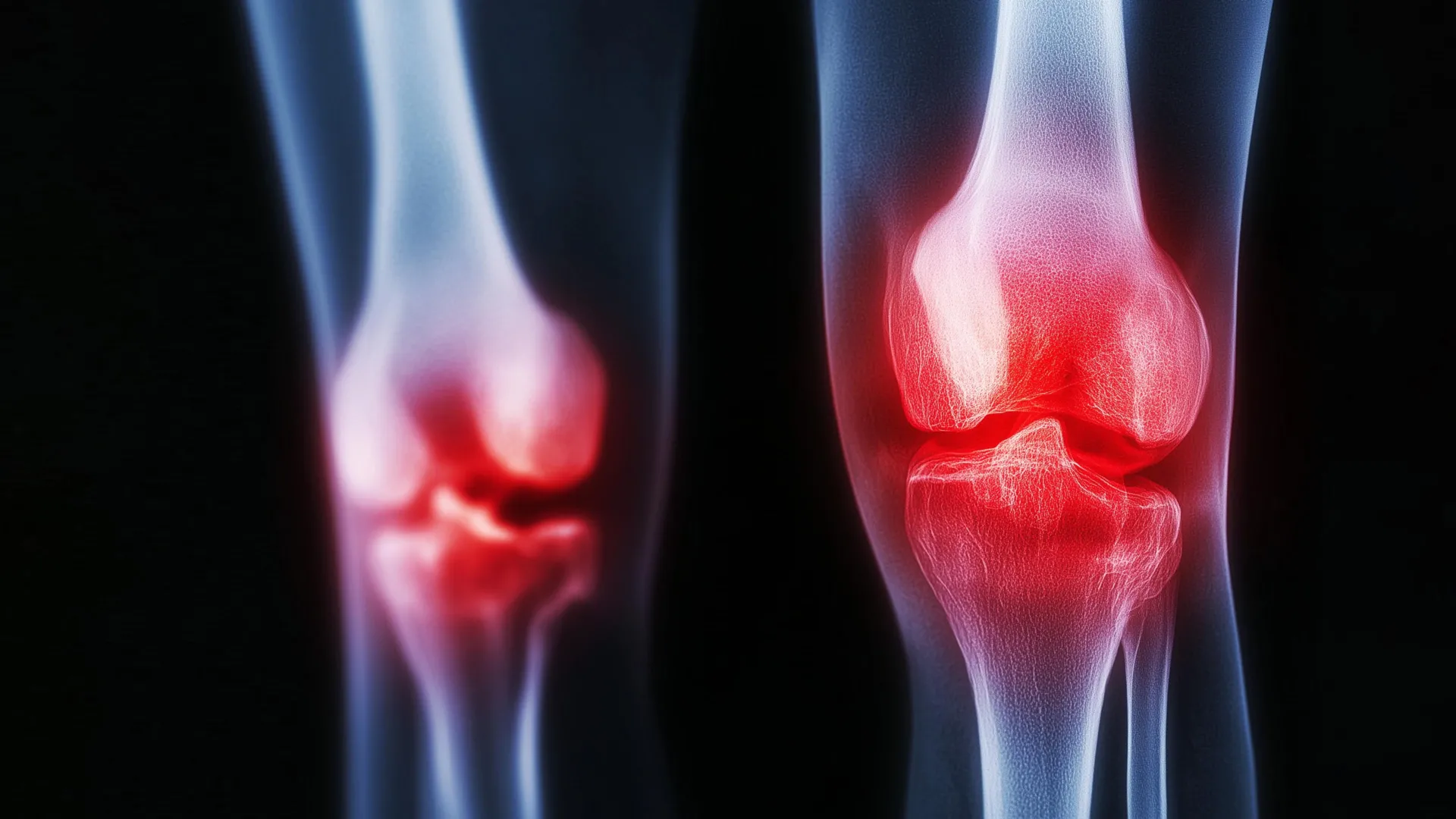
Why painful arthritis can return stronger after cancer treatment

Researchers discovered that recurring arthritis triggered by cancer immunotherapy may be driven by immune cells that remember previous attacks and return in a more aggressive state. The findings could pave the way for treatments that prevent painful flare-ups while preserving the immune system's ability to fight cancer.

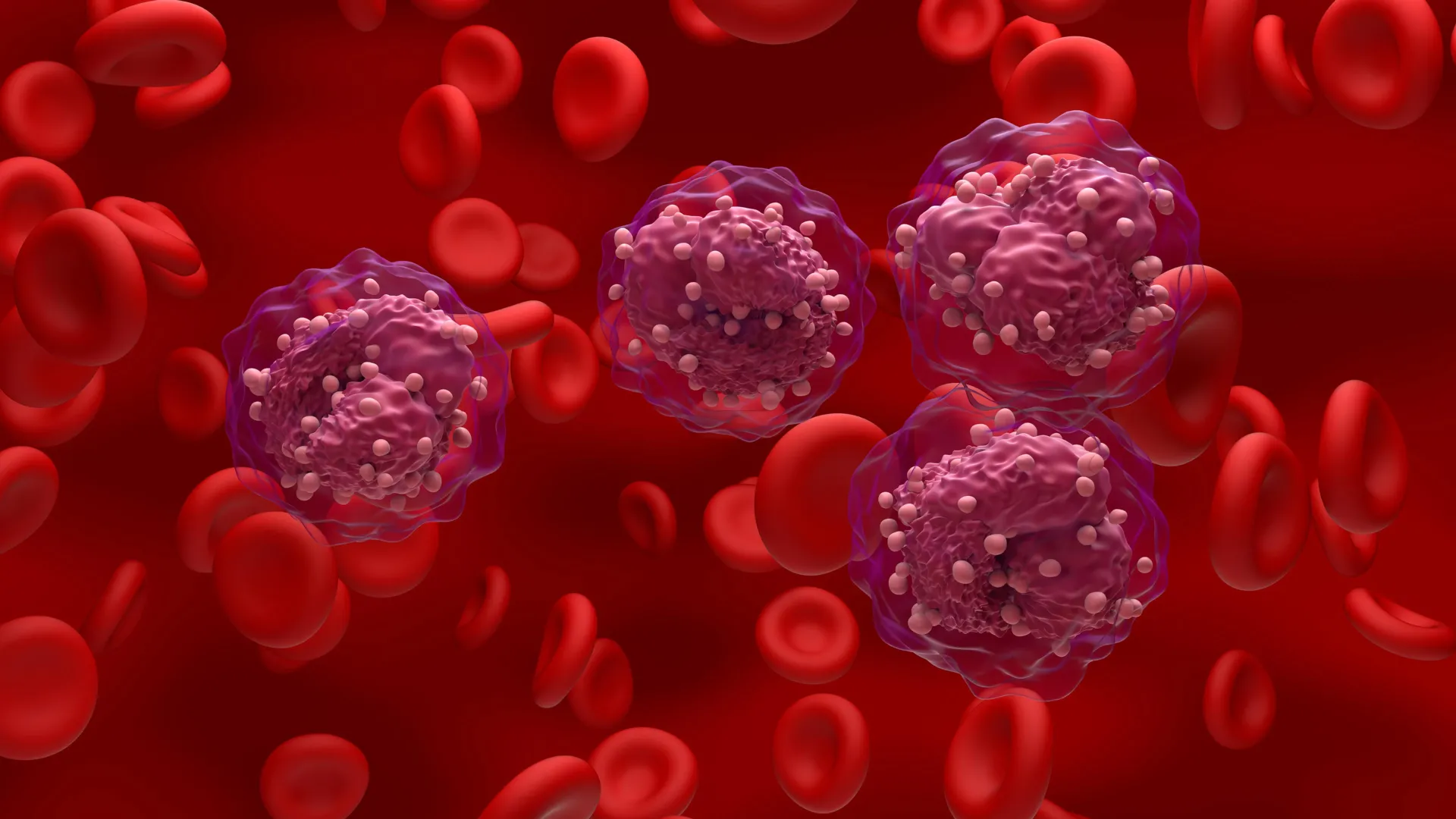
Scientists discover a surprising link between vitamin C and cancer survival

A surprising clinical trial suggests that taking vitamin C daily could improve survival in people with precancerous blood disorders and early-stage blood cancers. Patients receiving the supplement had fewer adverse events and showed a promising survival advantage, raising hopes that a common vitamin could help protect against leukemia-related complications.