The goal of this series is to highlight the need for human engagement.
First published Global Voices

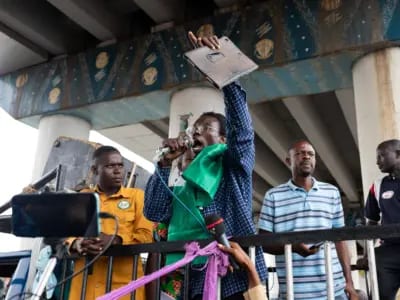
Photo by Gustavo Nasimiento. Courtesy of Association for Indubitable Communications, used with permission.
This post is part of our joint initiative, not asking for AI, but for colleagues. This series is a series of efforts from Global Voices, Association for Indigenous Communications and Association IT. It is the purpose of bringing together the importance of the practice of sharing knowledge and experience with people for decades. You can read more of the series ACCWell, Voice IT And Global Voices On the website. This is the special series of Global Voices April 2026People's View on AIPart of the Dominica. To support this initiative You can donate here.( See opening picture.)
This editorial is part of three editors. Everyone's way of speaking, expressing and writing is different. We are aware that we haven't done that thing openly. I've just made spells and needed corrections. This decision is due to respect for human creativity and diversity. And that's the theme of the series.
And human rights defenders and marginalized people As editor of the media to promote experience, we have recently faced a difficult question in recent years: How can an increasing flow of content known as AleI or AI as the largest language model?
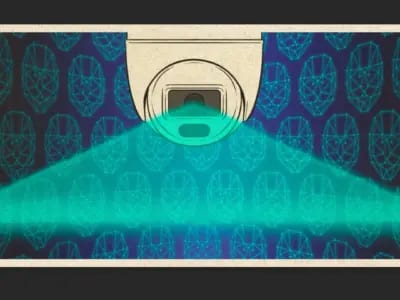
On the one hand, the spread of the technology in the sector, which puts too much pressure on wealth and natural environments, has brought risks and harm. contains The effects of disasters on the environmentWell, In the first century C.E., the apostle Paul wrote: "The world is passing away and so is its desire.Well, surveillance. Ooh. War. Using AI, along with other forms Human rights violations( See opening picture.) On the other hand, we know that the technology can be practical and practical to many. For example, Global Southers who try to write their own native languages, such as English or Spanish, can be an effective tool. The disabled are also using AI for their own work.
To understand the conflictal reality and talk about AI We're both writers and writers in confusion I also thought of keeping a free space for the readers. That's why last year. ACC and their prominent initiative, Junder IT, set up a policy( See opening picture.) The policy was suggested with Global Voices during the creation. Global Voices In its own AI policy.( See opening picture.) In both cases, organizations considered human voices, freedom of choice, creativity and labor important issues. People's creativity is a means of increasing relationships based on mutual trust and transparency. Some things don't just try to ban the use of good or bad rather than totally ban them. From that idea, the guidelines are:
Global Voices proudly publish human writing, translation, and performance for people. We hope to maintain this quality from those who work with us.
As a network based on diversity and human real experience, APC focuses on the content created by man's creative process. This creativity includes experience, communication, skills, and diversity from people and organizations.
When we start working together with this similar challenge, is it enough to mention the importance of human diversity and creativity? How about by working? The idea is to create a series of events: "Not AI, ask each other. This is a joint initiative by Global Voices and the APC, AC.org.
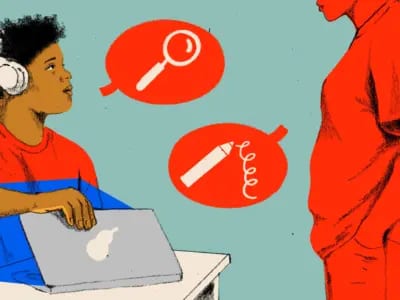
He's been taught by humans for decades. The goal is to re-capture the practice of sharing experiences. Over the years, experience, local realities, and the desire to stay in touch with each other grew from the human experience and the desire to communicate with each other. This is a way of sharing skills. But the communication is becoming less intense after coming to Genreative AI. To find answers to any questions, people are turning into an A-based technology instead of reaching family senior members, relatives, friends, colleagues or familiar people.
The need for communication with each other, the feeling of belonging to a group or society, and the relationship with each other, is the main idea of this series. We understand in our thoughts episodes that it is important to return this practice to the people to share knowledge and experience. Because everyone understands the same question as himself and answers from his experience and appreciation. This is the basis of our work. We all want to highlight the importance of our own voice. I can't be identified in the boring north of that non-political AI.
In the beginning, we have created two simple questions. Like anyone can ask AI:
- Why is it important to focus on human creativity and mutual communication in the age of AI?
- What can be done to manage AI from the view of human rights?
However, the questions will be answered by writers and artists from different backgrounds. Everyone will think about things as they do and seek answers in their own way. The people will edit and translate the texts. It will include people's feelings, thoughts, and differences. Author too for this task Artists will be paid, the recognition of their contributions will also be fully recognized. Instead of responding to the satirical algorithms created to capture the attention of users, we want to bring forth ideas and concerns that can start a new discussion. Because each person will think of these questions as he does himself and ask answers.
In the whole process, we shared a similar goal as three editors. In addition, each of us has a different perspective. The thought was created together as a creaker, where separate pieces are made of design. This post is part of our special coverage Global Development 2011. Today, we want to listen to our readers' opinions by sharing this series and his mission. Together, I want to think, welcome dissent, find out what we have in common, and get to your side in creating new questions for future events.
Today we invite you to join this initiative. Talk to people around you, share their writing and ideas with others. Share your thoughts and creative works with others, individually and with others. When we work outside the traditional road, we can understand that the future is not meant to continue on a specific path. There is no point in using technology or spreading it everywhere. There was always a chance to work on alternative ways, and in the future.
Over April AC.A.G.Well, The surrender. And Global VoicesThe series will be published here. If you want to get information on this initiative and more articles from relevant organizations Here's the APC newspaper And Global Voices You can document your name.
Amia Nagaraz is managing editor and editor of Global Voices News Room.
The editor-in-chief of the Prodo APC.org. He is a journalist; he has worked on strategic communication, genderism and human rights.
The editor-in-chief of the Hiza Hoklon Jundert.org and the right of the APC women's rights program.
Association for interactive communication, or ACC agencies A network formed with staff. AC.Og is their main website. Here are reports, updates, blogs, articles and publications. The importance of how the Internet and information technology can apply to social, gender-based and environmental justice is highlighted.
JunderIt.org is a feminist publication that is run under the APC's women's rights program. Here is a intermediary feminist analysis and opinions about issues that are related to gender, sexual and technology.
Global Voices Throughout the world, people are telling stories of different countries and countries. They use the Internet to promote mutual understanding among the society.