Advertisement
Advertisement

Topic

should

Politics

'They should be afraid': Serbia's student-led victory over Vučić sends warning to 'corrupt' leaders

François Picard welcomes Helena Ivanov, Associate Research Fellow at the Henry Jackson Society, a London-based foreign policy and national security think tank advocating liberal democracy, strong transatlantic alliances, robust Western defence capabilities and the international promotion of democratic institutions. Ivanov describes the election as a historic turning point in Serbian politics. After 14 years of Aleksandar Vučić's political dominance, the reported electoral victory of a student-led movement represents, more than a challenge to an entrenched political establishment.

Sports

Should Palmer have been sent off earlier than he was?

Match of the Day pundit Martin Keown looks at the red card shown to Cole Palmer during Chelsea's 2-0 defeat to Tottenham, with the former Arsenal defender agreeing with the decision and suggesting Palmer was lucky not to receive a straight red for an early incident.

Entertainment

Who Should Be the Next James Bond? 25 Picks for the New 007

Ever since Daniel Craig announced that he would be turning in the tuxedo and putting down the martini glass, the race has been on to decide who will be chosen as the next James Bond. The rumor mill has been heating up for years now, but now it’s really down to the wire for the […]

Advertisement
Politics

🇧🇷 Brazil: Why should you care about the country's elections?

🗳️ On October 25, a runoff election in #Brazil could change the political landscape of #LatinAmerica. In the first round, #FlavioBolsonaro, son of ex-president Jair #Bolsonaro, beat incumbent President Luiz Inacio #Lula da Silva by a little over two million votes. 👉 But why should you care about who will win this second round? Our journalist Vitoria Barreto explains.

Science

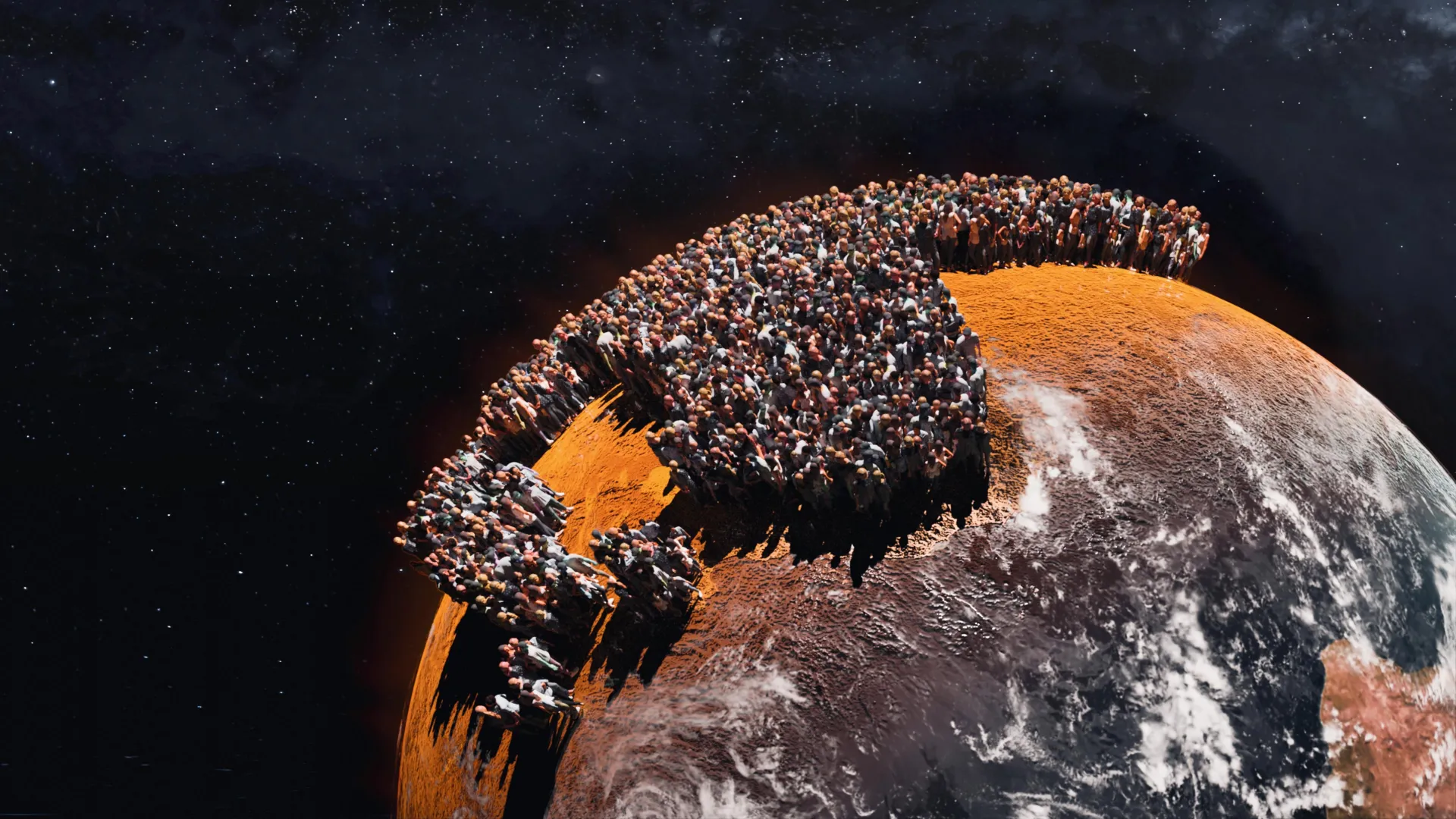
Scientists predicted doomsday for November 13, 2026. Should we be worried?

In 1960, scientists predicted that runaway population growth would bring humanity to the brink of destruction on November 13, 2026, and their mathematical forecasts remained surprisingly accurate for decades. But as birth rates declined and population growth slowed, the terrifying prediction unraveled, revealing how even convincing scientific models can fail when human behavior changes.

Advertisement