Advertisement
Advertisement

Topic

scientists

Health

Scientists find a youth protein that helps aging brain cells act young again

Scientists have discovered that a protein linked to youth helps protect the brain’s immune cells from age-related decline. Restoring the protein in older mice improved the cells’ ability to clear debris and reduced signs of inflammation, raising hopes for future treatments targeting brain aging and Alzheimer’s disease.

Health

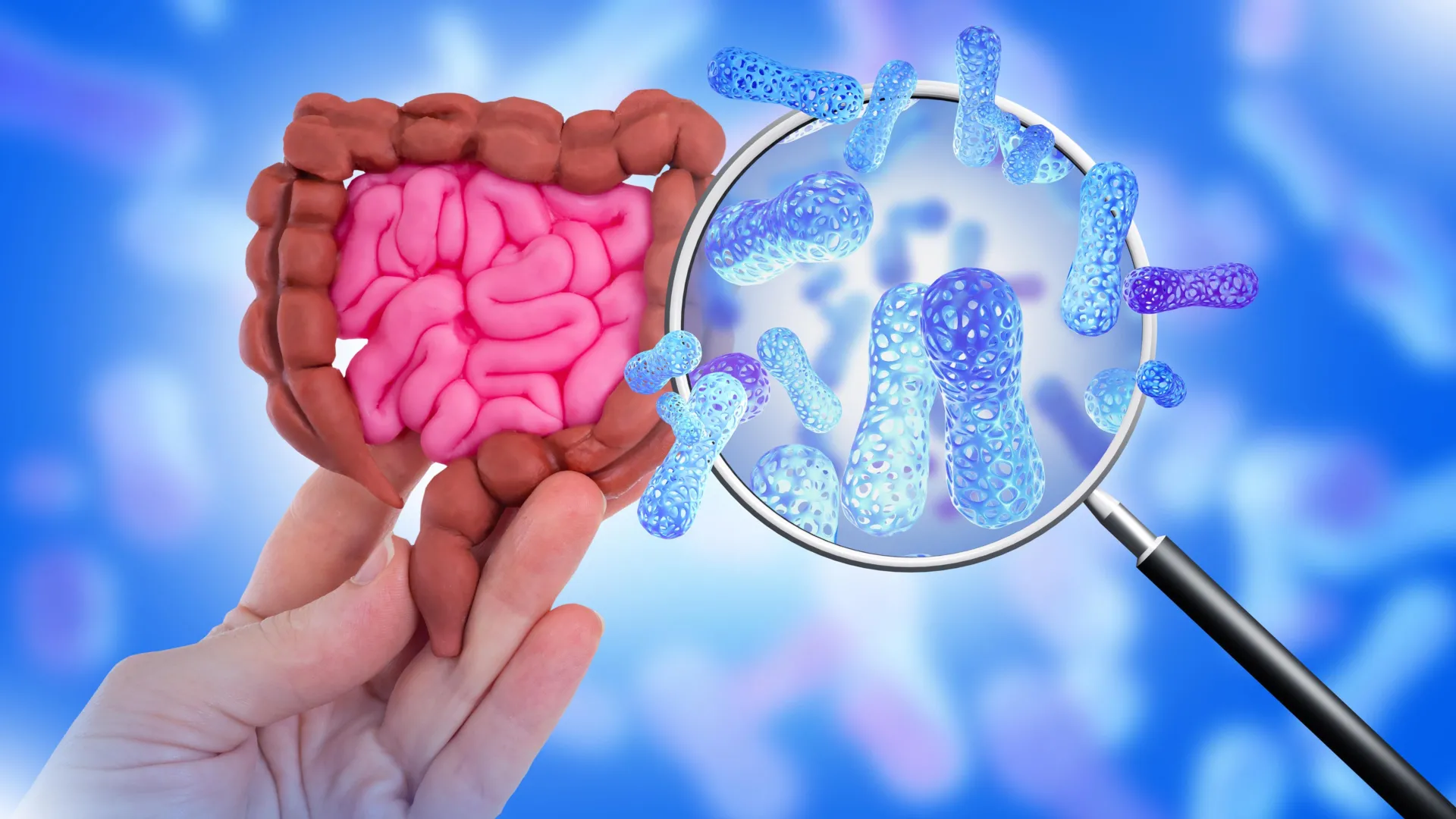
Scientists tested 39 sweeteners and uncovered surprising gut effects

Scientists have discovered that many common sweeteners can interfere with gut bacteria, with some combinations involving medications producing surprisingly strong effects. One sweetener mixed with a widely prescribed antidepressant reduced beneficial bacteria and microbial diversity in laboratory experiments, raising new questions about potential effects on gut health and immunity.

Science

Scientists discover that male and female skin play by different rules

Scientists have uncovered a surprising difference in how male and female skin repairs and renews itself. By tracking individual skin stem cells in living mice for five months, researchers discovered that female cells work together in a highly coordinated way, while male cells operate more independently. This synchronization, driven by sex hormones, helps explain why wounds heal faster in female mice, especially during the first few days.

Science

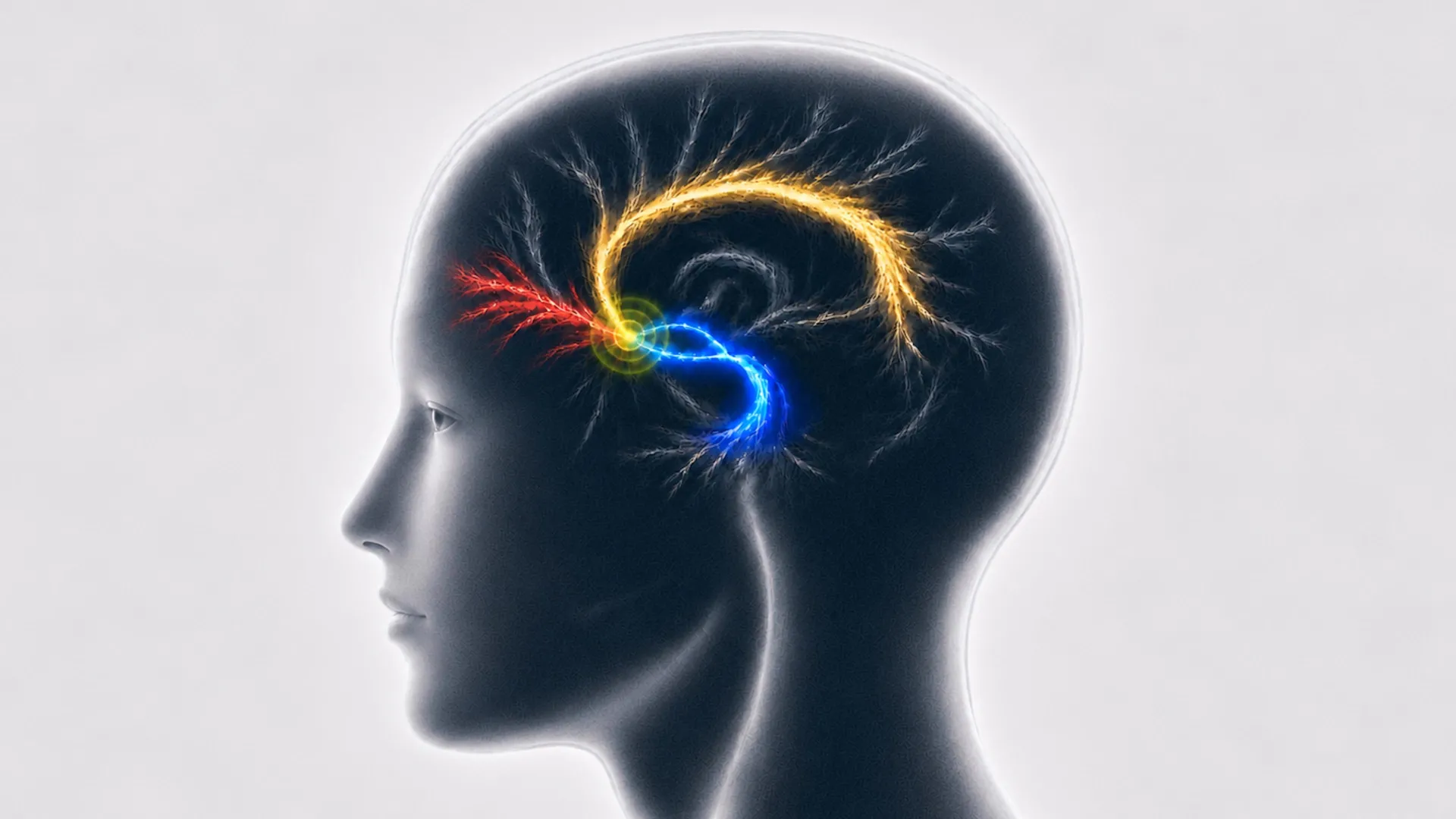
Scientists uncover 3 key brain pathways linked to lasting depression relief

Researchers have uncovered three brain pathways linked to lasting improvements in people receiving deep brain stimulation for severe, treatment-resistant depression. They also discovered that patients who failed to improve after two years shared a striking pattern: insufficient stimulation of a crucial brain connection. The findings suggest that millimeters in electrode placement could make a major difference in treatment outcomes.

Science

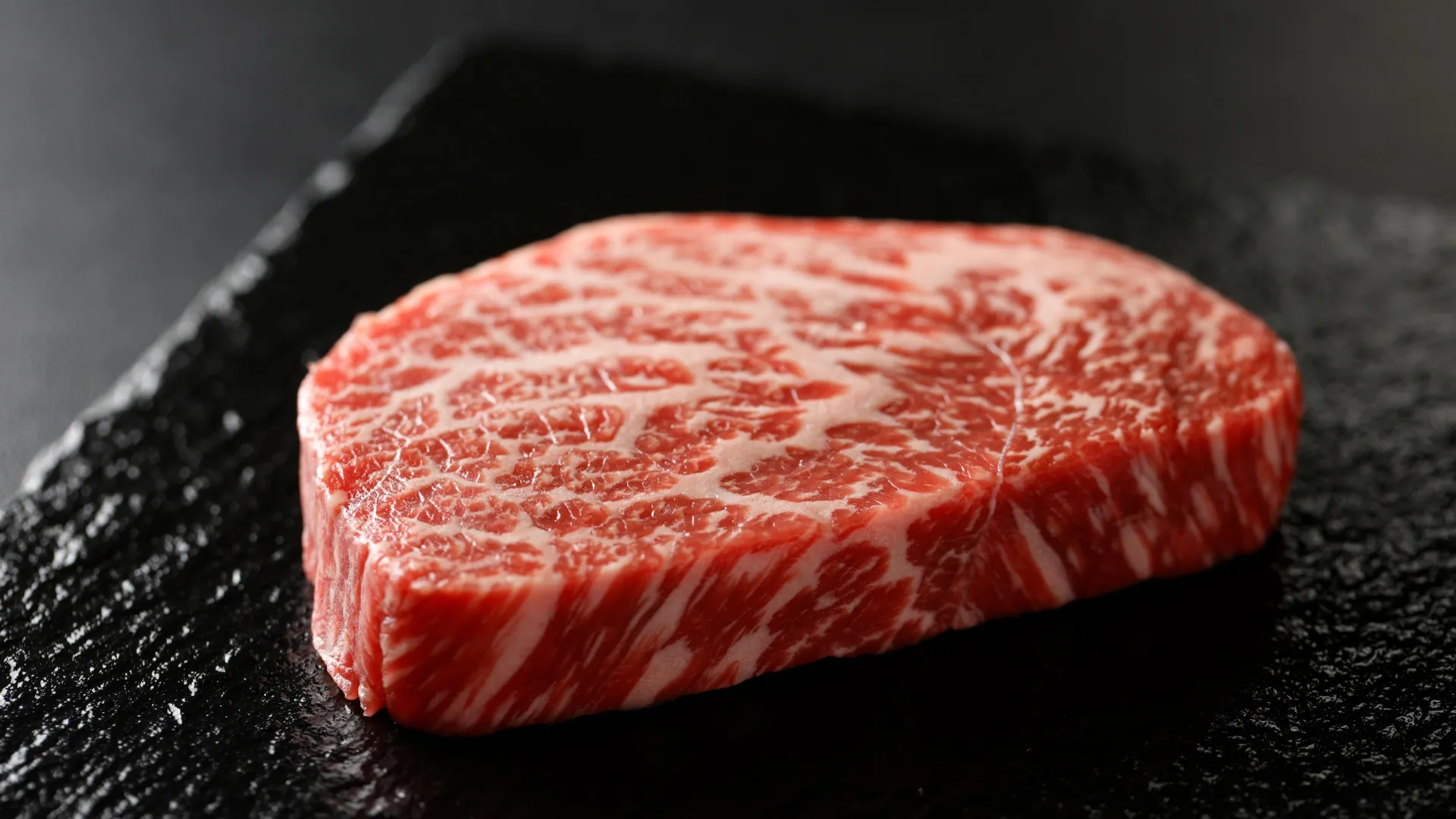
Scientists link a strange sugar in red meat to a 63% higher diabetes risk

A study of nearly 90,000 adults found that people consuming the most of a little-known sugar found in red meat had a 63% higher risk of developing type 2 diabetes. Scientists suspect the sugar may trigger chronic inflammation, potentially revealing a hidden connection between red meat and diabetes that goes beyond weight gain.

Science

Scientists discover a natural compound that could protect the brain from too much salt

Eating too much salt may do more than raise blood pressure. It could also harm memory and social behavior. In a new study, Japanese researchers discovered that a soy-derived compound called LPC70 helped protect mice from several damaging effects of a high-salt diet. Mice given the supplement had lower blood pressure, better memory, and improved social interactions compared with mice consuming excess salt alone.

Advertisement
Science

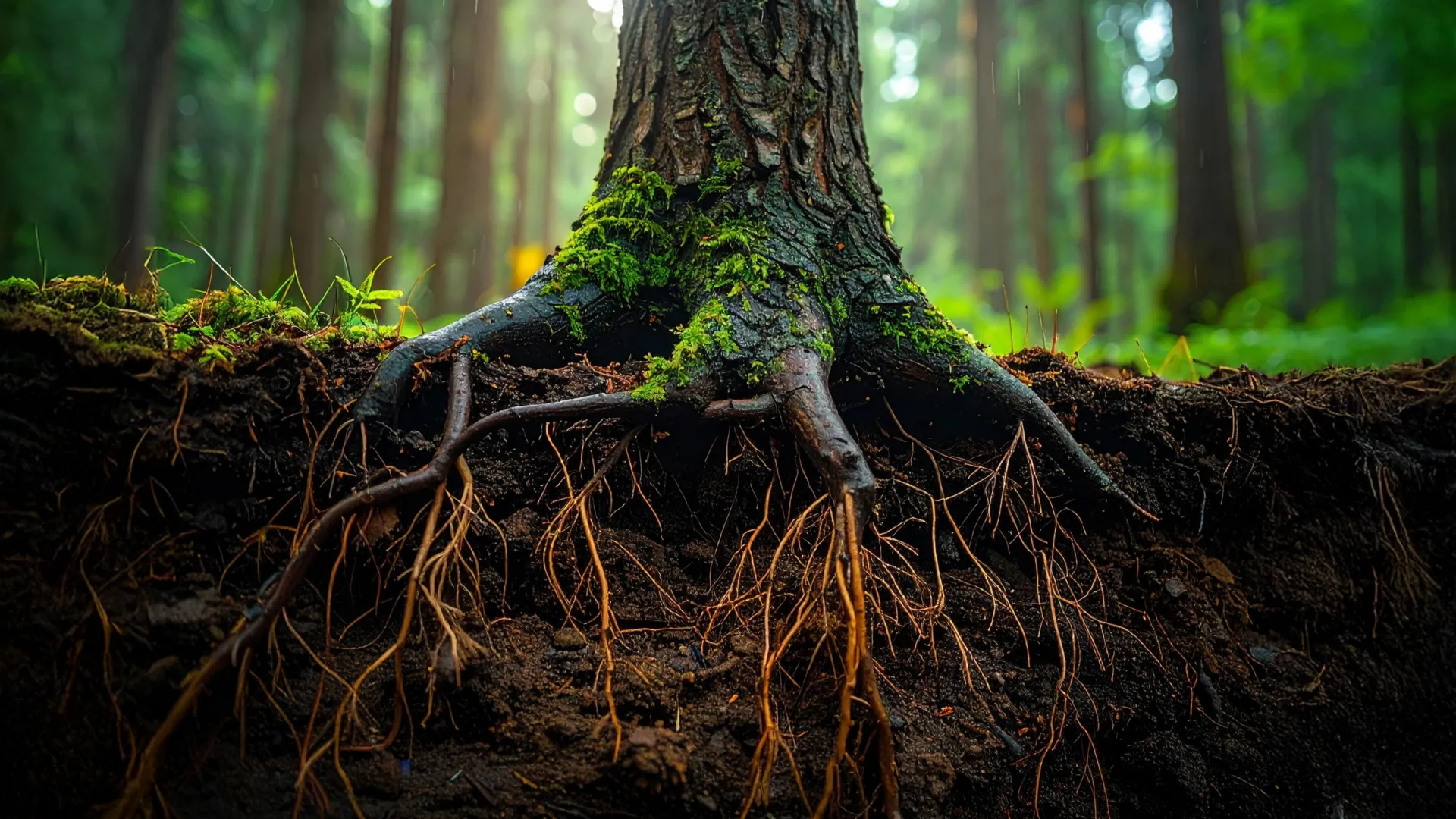
A 24-year study uncovers a surprising climate benefit beneath forests

Scientists have discovered that some forest soils are becoming surprisingly better at removing methane from the atmosphere as temperatures rise and rainfall declines. A study spanning up to 24 years found methane absorption increasing by an average of 3% annually, challenging previous predictions about climate change's effects on forests.

Science

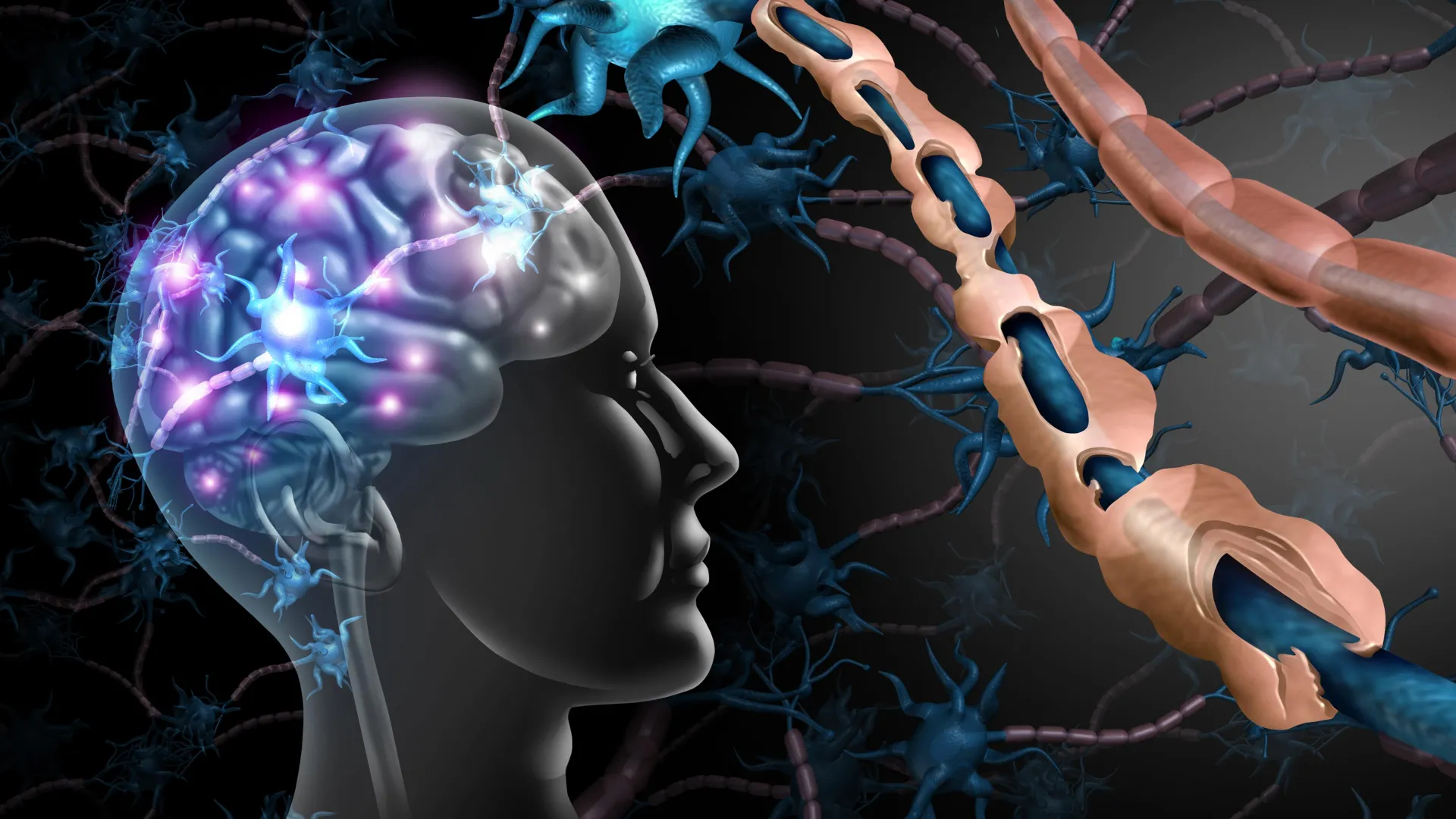
Brain cells meant to protect us may be fueling cognitive decline

Scientists have uncovered a surprising cause of age-related cognitive decline involving brain cells previously thought to be entirely beneficial. As these cells become dysfunctional, they can produce abnormal amounts of myelin, disrupting nerve fibers and potentially contributing to worsening memory and thinking skills.

Science

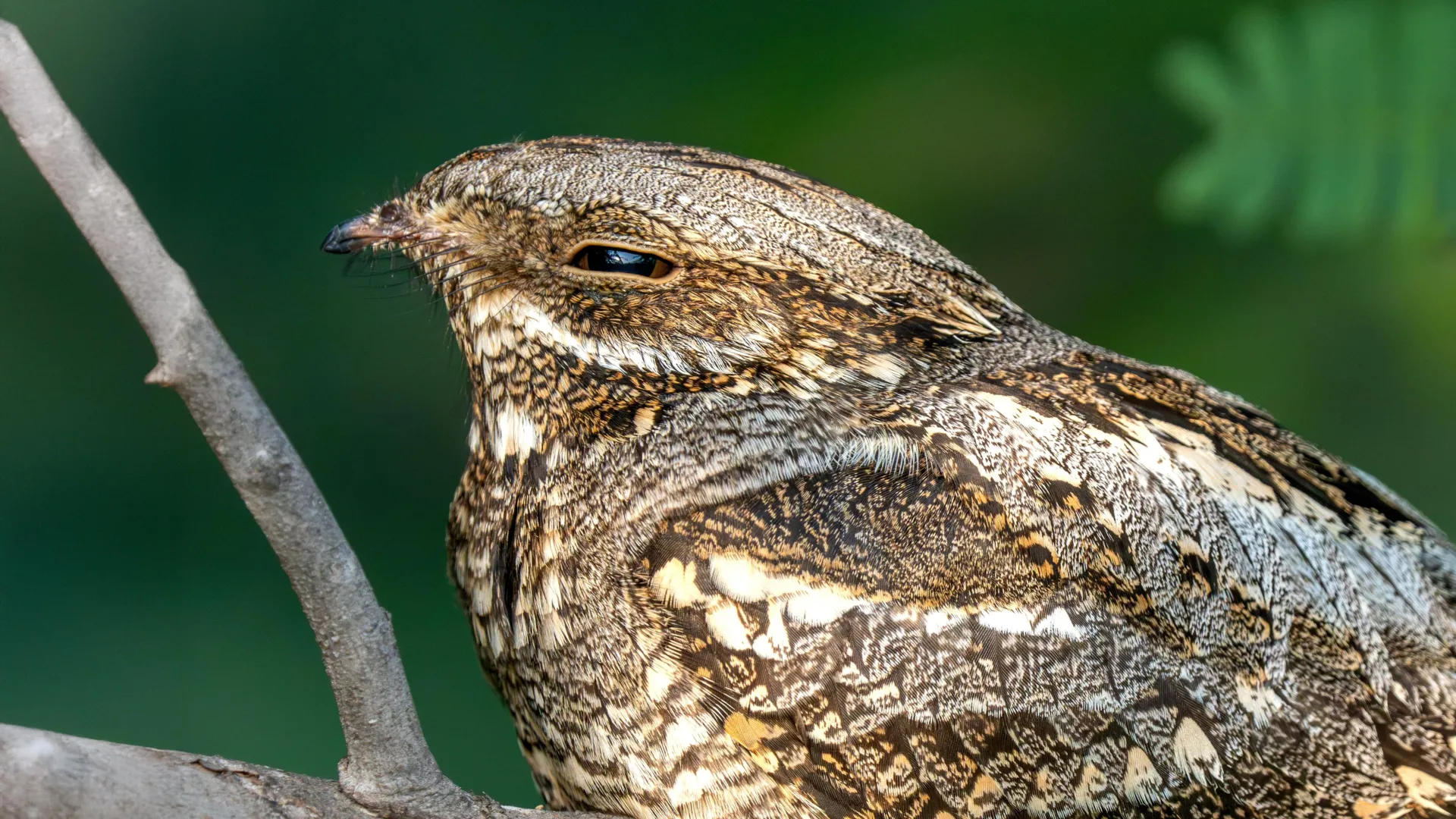
This bird flies thousands of miles, but its wings have a catch

Scientists have uncovered an unexpected trade-off in the wings of the European nightjar, a bird that migrates thousands of kilometers but sacrifices high-speed flight efficiency to hunt insects with remarkable agility. Even more surprisingly, it generates thrust on the upward wingbeat, a technique that could inspire new flying technologies.

Science

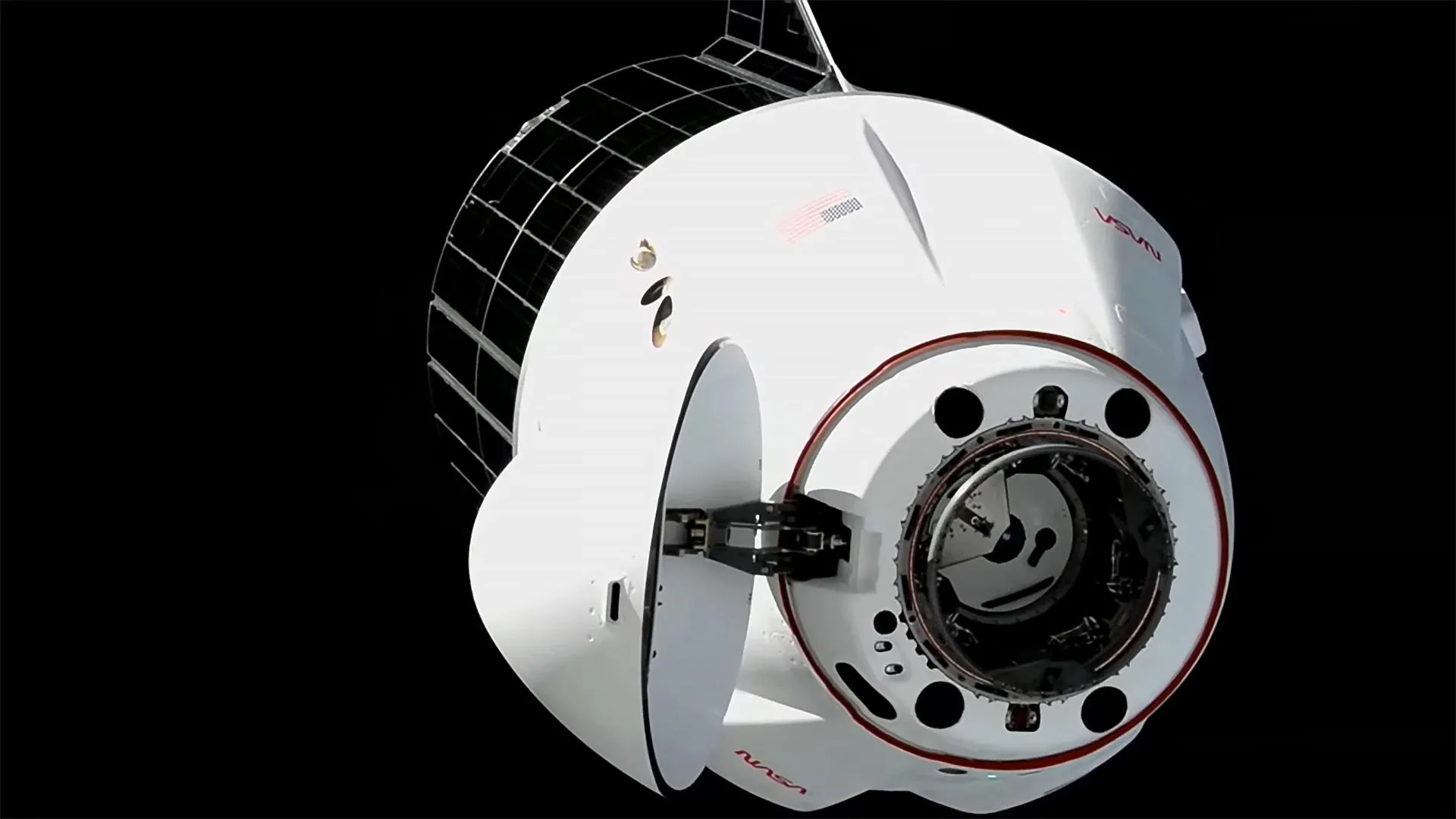
SpaceX just delivered some very strange cargo to the International Space Station

SpaceX just delivered some surprisingly strange cargo to the International Space Station, including tiny brain models, 3D heart tissue, and technology for making artificial retinas in space. Scientists hope these experiments could unlock new ways to treat devastating brain diseases, restore eyesight, and test future medicines. The shipment also includes materials for creating unusual glass in near weightlessness and the station’s final upgraded solar arrays.

Science

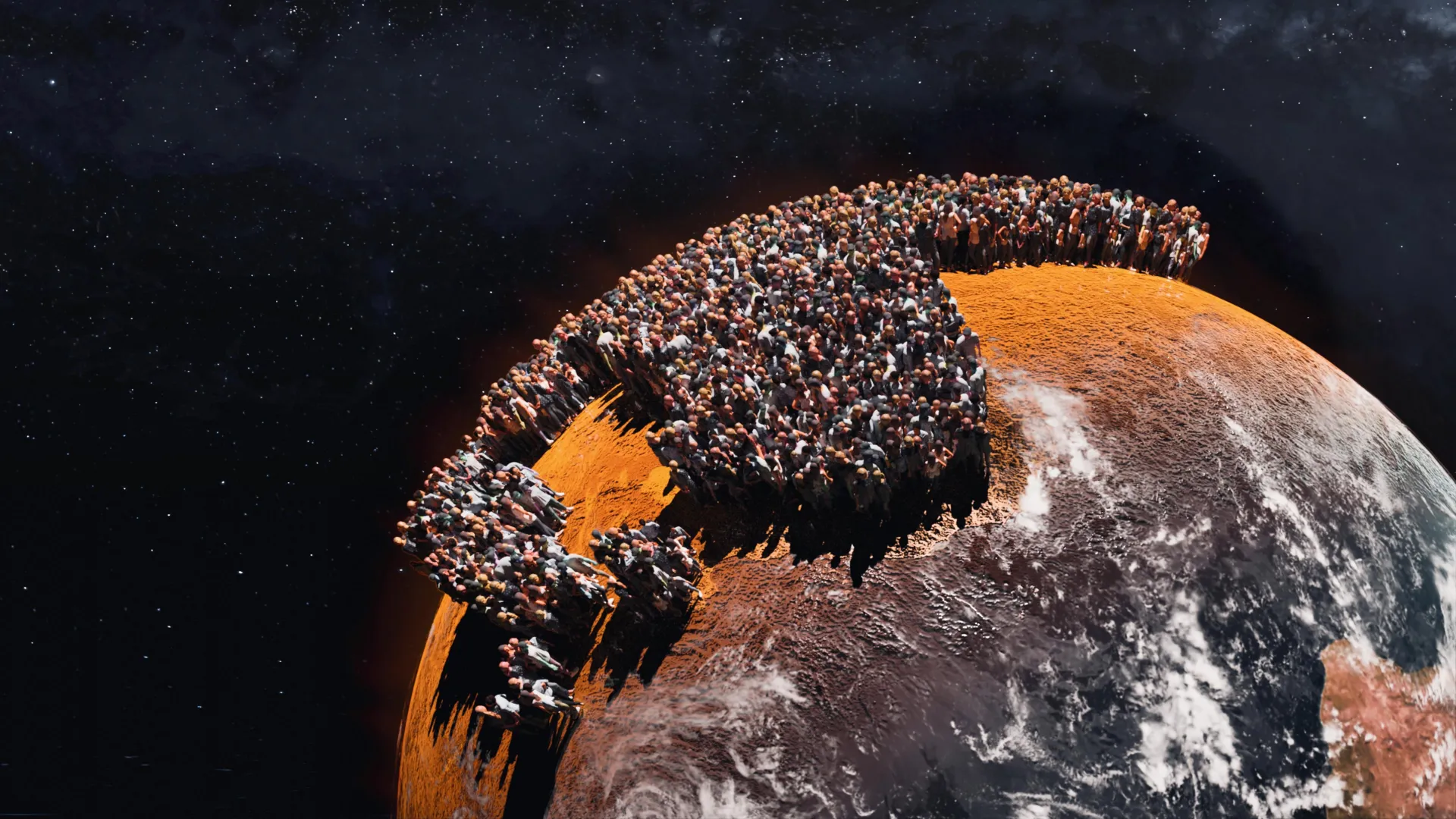
Scientists predicted doomsday for November 13, 2026. Should we be worried?

In 1960, scientists predicted that runaway population growth would bring humanity to the brink of destruction on November 13, 2026, and their mathematical forecasts remained surprisingly accurate for decades. But as birth rates declined and population growth slowed, the terrifying prediction unraveled, revealing how even convincing scientific models can fail when human behavior changes.

Health

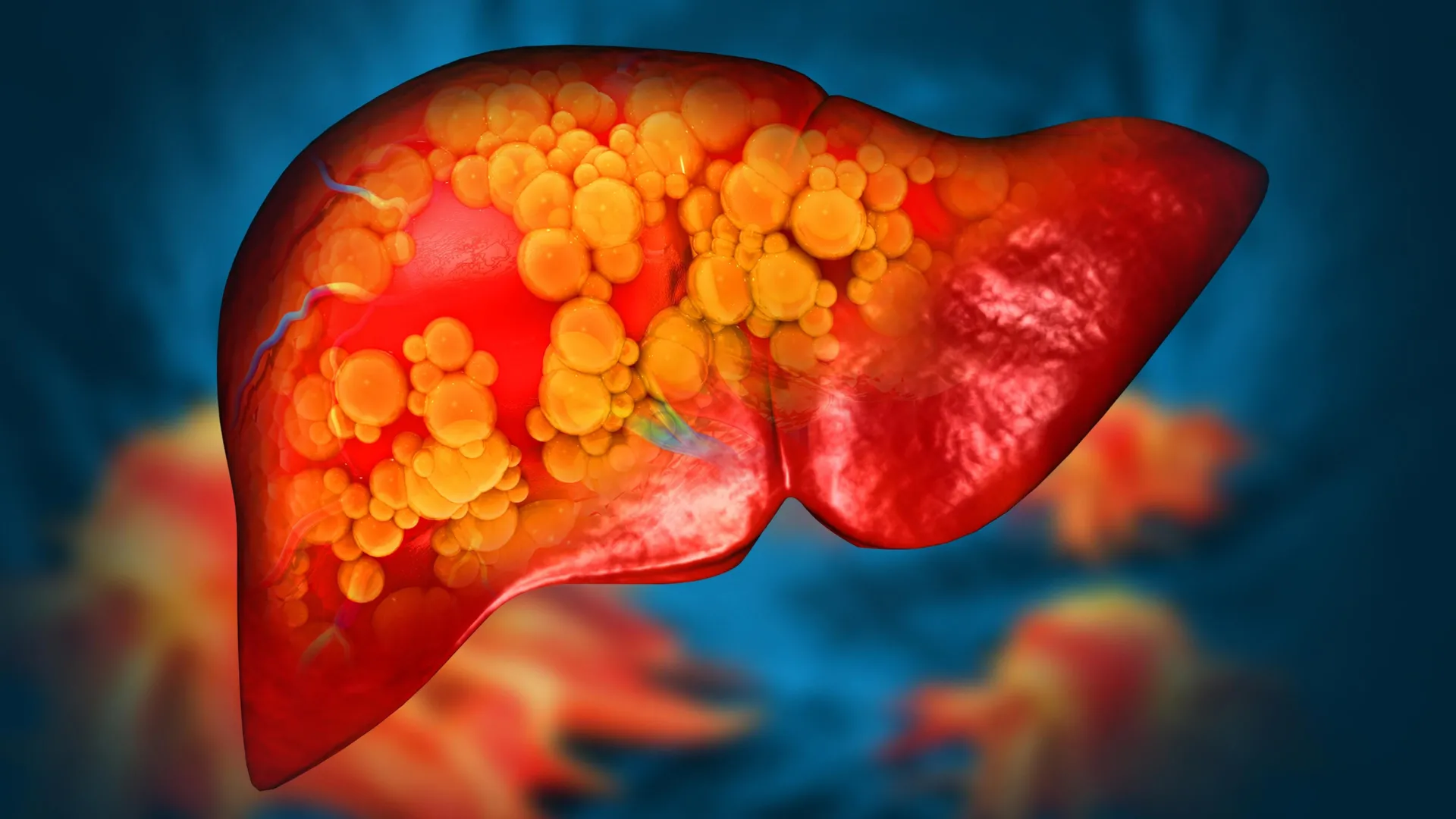
New drug reverses severe fatty liver disease by repairing the gut

Scientists have discovered that a potential new drug can reverse severe fatty liver disease in animal models by restoring gut health and blocking harmful substances from reaching the liver. The breakthrough could pave the way for new treatments for liver disease and potentially other serious conditions, including cardiovascular disease.

Health

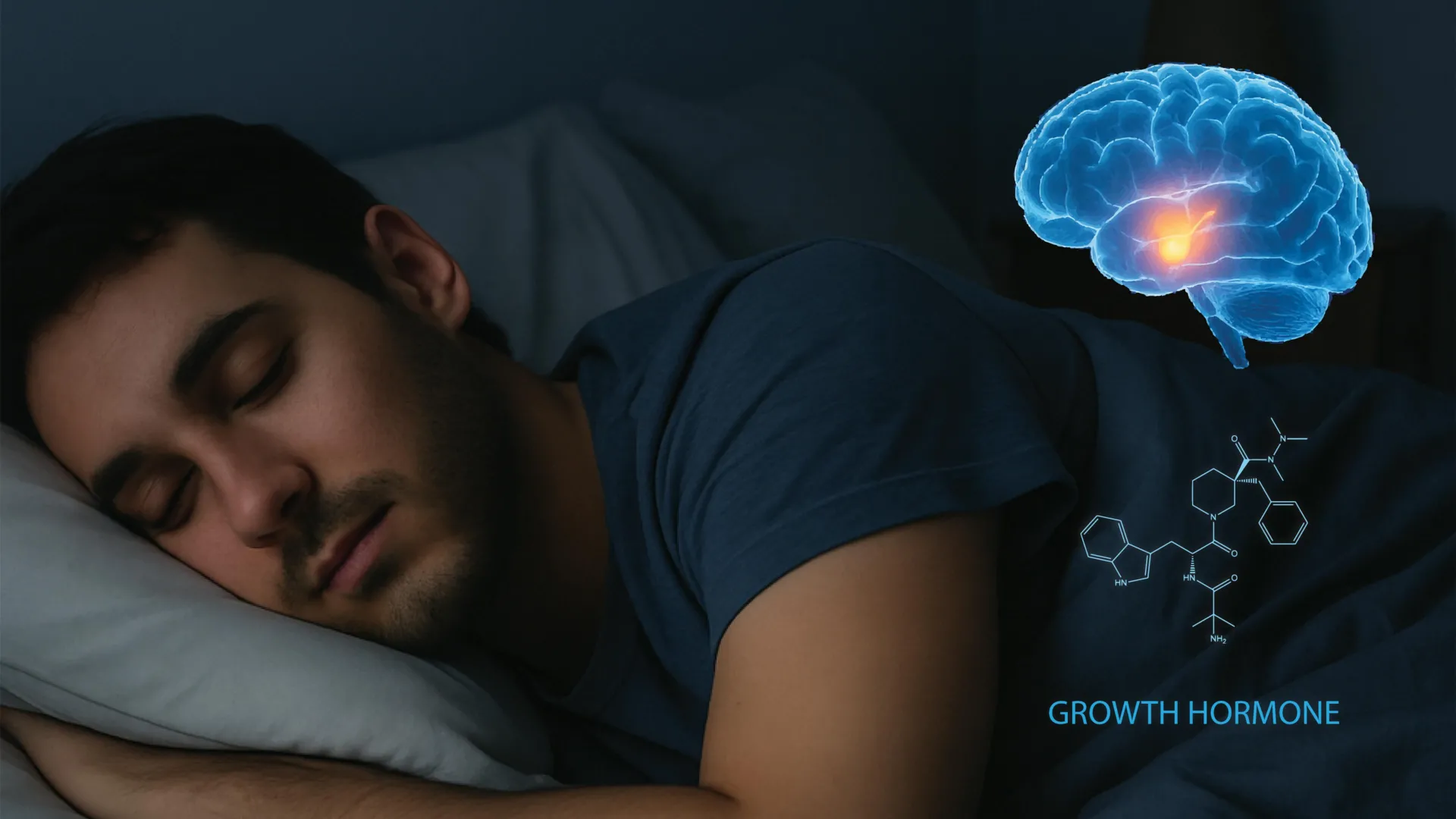
Scientists discover how deep sleep builds muscle, burns fat, and boosts the brain

Scientists have discovered a surprising two-way relationship between sleep and growth hormone, revealing how the brain carefully balances physical recovery with wakefulness. The findings could help explain why poor sleep harms metabolism and brain health, potentially opening the door to new treatments for sleep and neurological disorders.

Science

Astronomers discover a strange universal rule behind black hole eruptions

Scientists have discovered that black holes of vastly different sizes appear to launch powerful jets according to the same universal rule. The breakthrough could explain why some black holes suddenly erupt years after devouring a star and help astronomers predict when these spectacular outbursts will happen.

Advertisement
Science

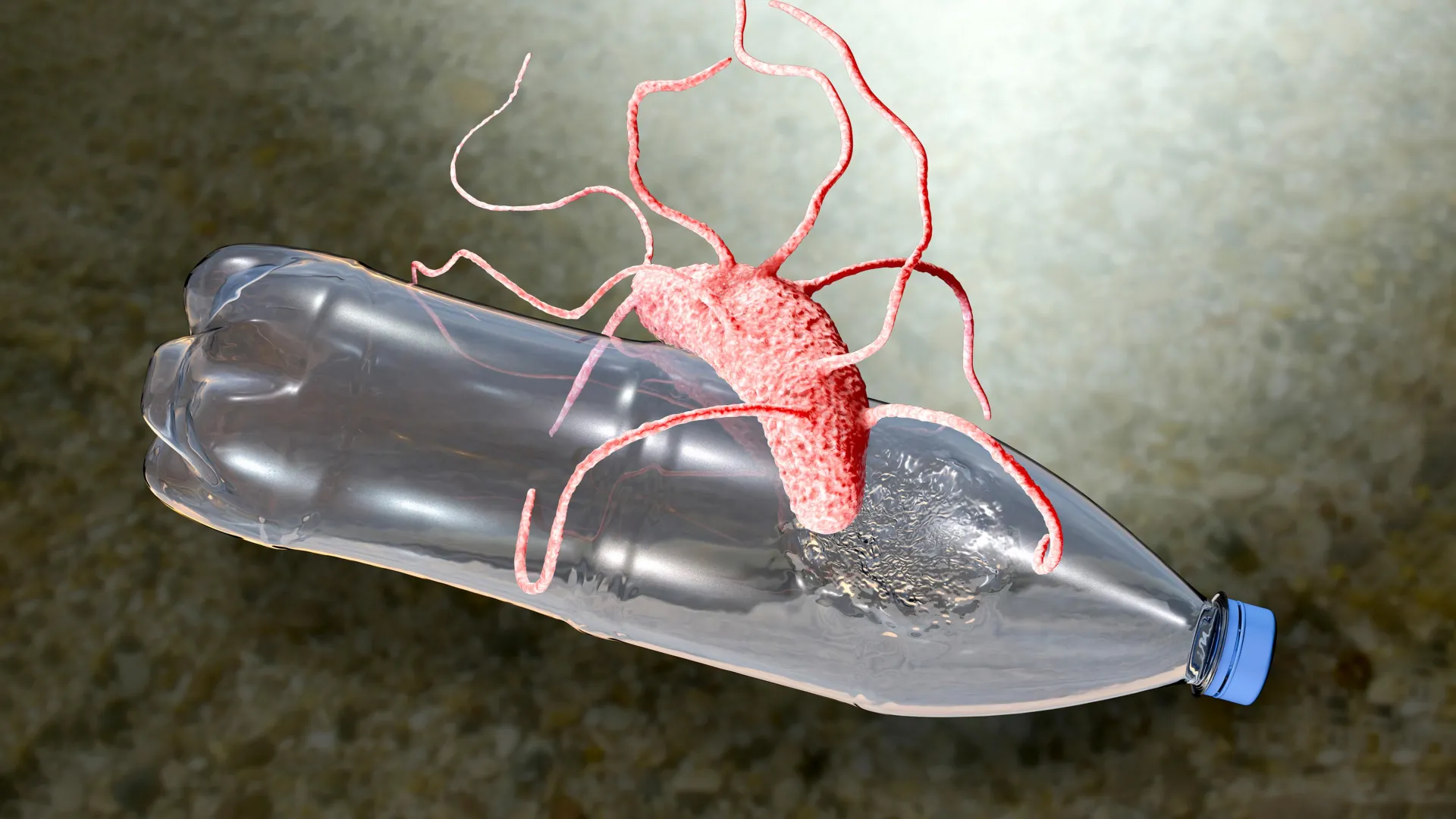
Scientists discover a plastic-eating “Pac-Man” enzyme with a surprising secret

Scientists have discovered a remarkable “Pac-Man enzyme” that helps bacteria devour certain types of plastic and may offer new hope in the fight against plastic pollution. Researchers found that several biodegradable plastics completely broke down in soil within about a year, while conventional plastic remained largely unchanged.

Science

Yale scientists discover how stress changes the brain to make memories stronger

Yale scientists have uncovered how the stress hormone cortisol helps the brain turn emotional experiences into stronger, longer-lasting memories. The discovery reveals that stress can reshape communication between brain networks involved in emotion and memory, potentially explaining why certain moments are so difficult to forget.

Science

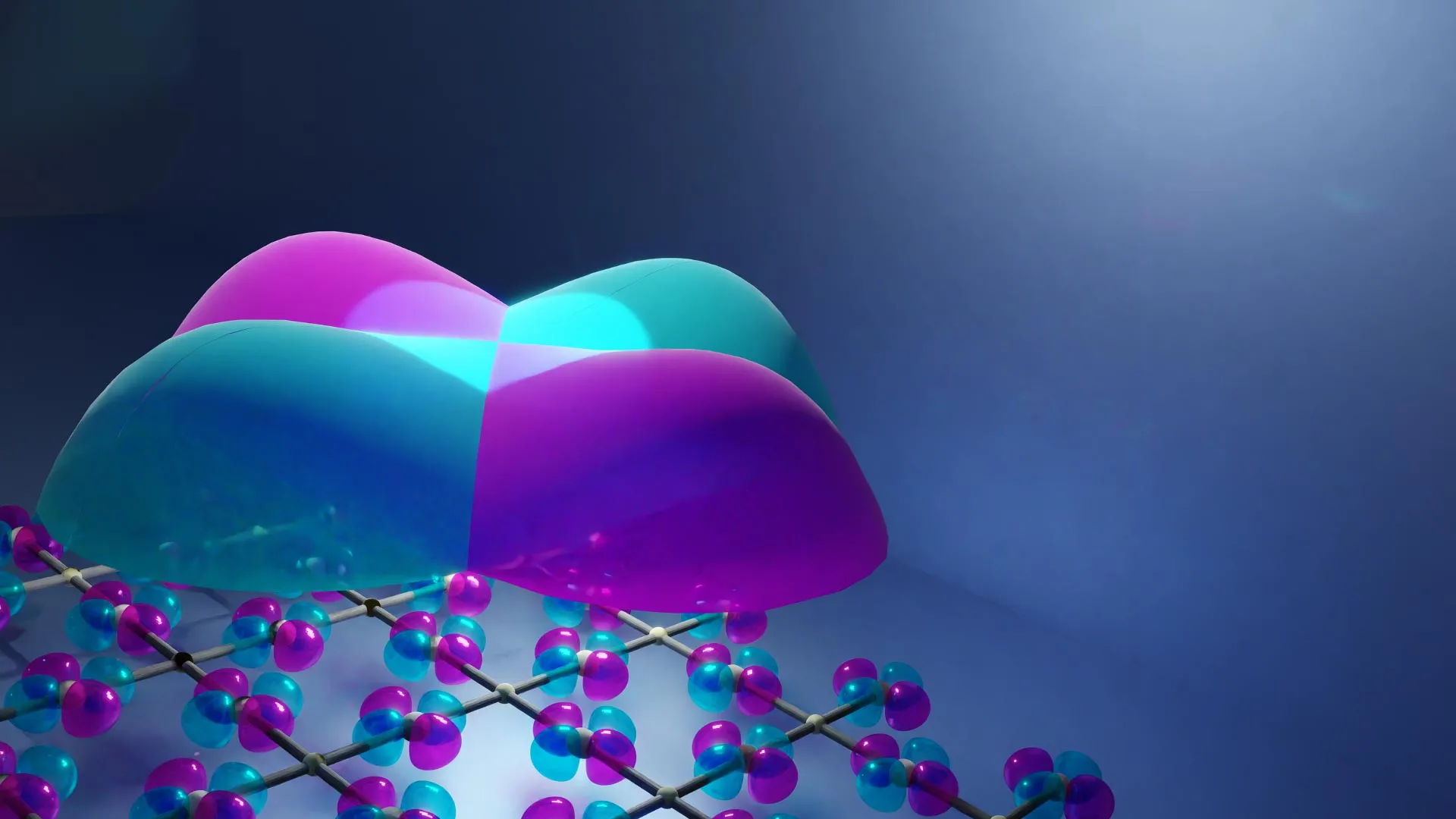
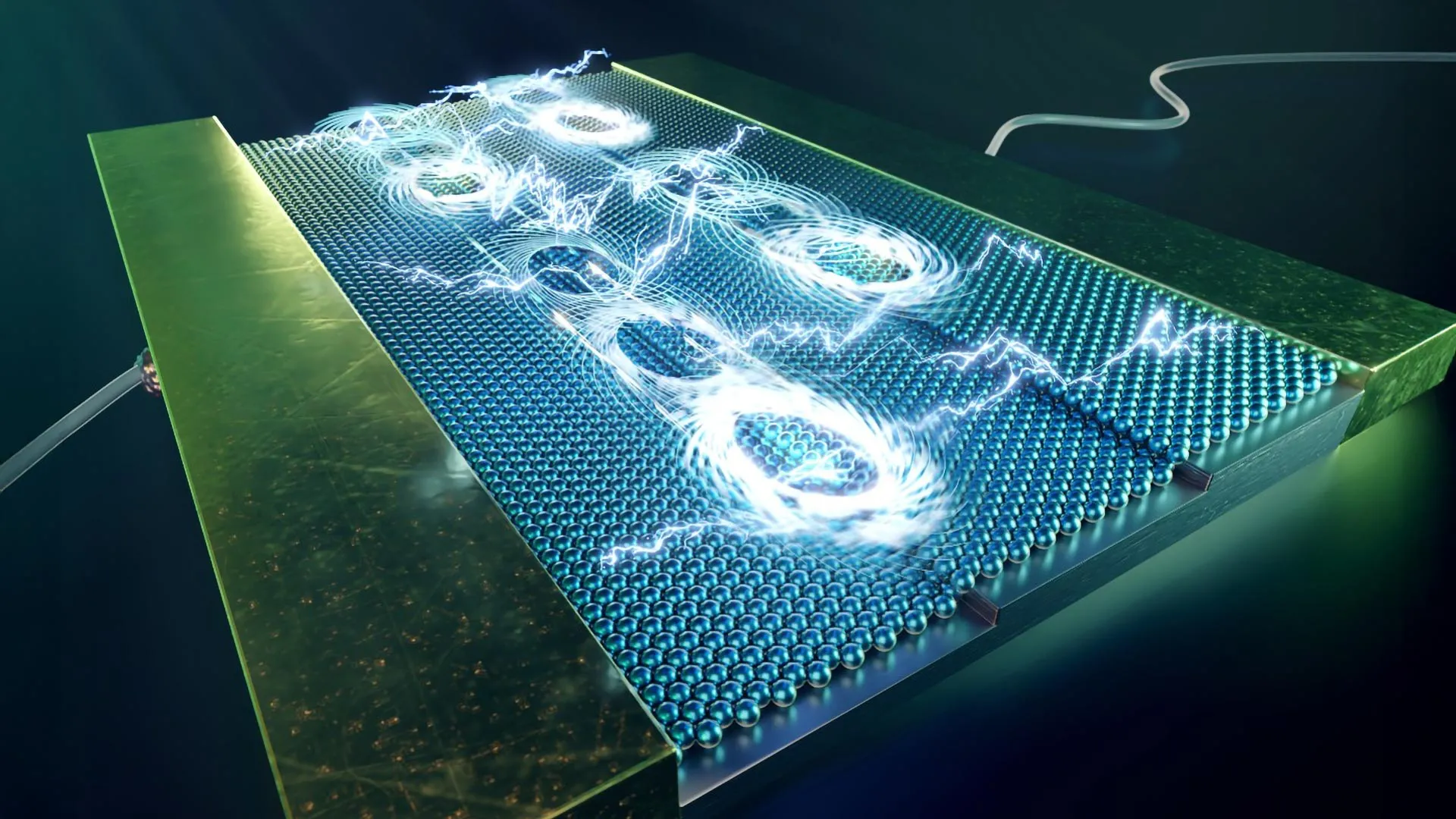
A quantum highway just one atom high could transform superconductors

Scientists discovered that atomic steps just one atom high can guide quantum vortices through superconductors, making them move more than 1,000 times more easily in one direction than another. This remarkable control over quantum motion could lead to a new generation of ultra-efficient superconducting electronics.

Science

Scientists discover how exercise reverses muscle aging

Scientists have uncovered a hidden biological mechanism that helps explain how exercise can reverse some of the damage caused by muscle aging. The key is a gene called DEAF1, which becomes overactive with age and interferes with the muscles’ ability to clear damaged proteins and repair themselves. Exercise can help restore this balance, allowing older muscles to rebuild and regain strength, although the benefits may diminish when the system becomes too disrupted.