Advertisement
Advertisement

Topic

scientists

Science

Your aging brain may be trading memory for something more valuable

The aging brain may be undergoing a remarkable transformation rather than simply losing its abilities, shifting its focus from remembering details to understanding the bigger picture. Scientists suggest this change could be an evolutionary adaptation that helps older adults develop wisdom and share decades of knowledge with younger generations.

Health

Scientists discover a surprising link between vitamin C and cancer survival

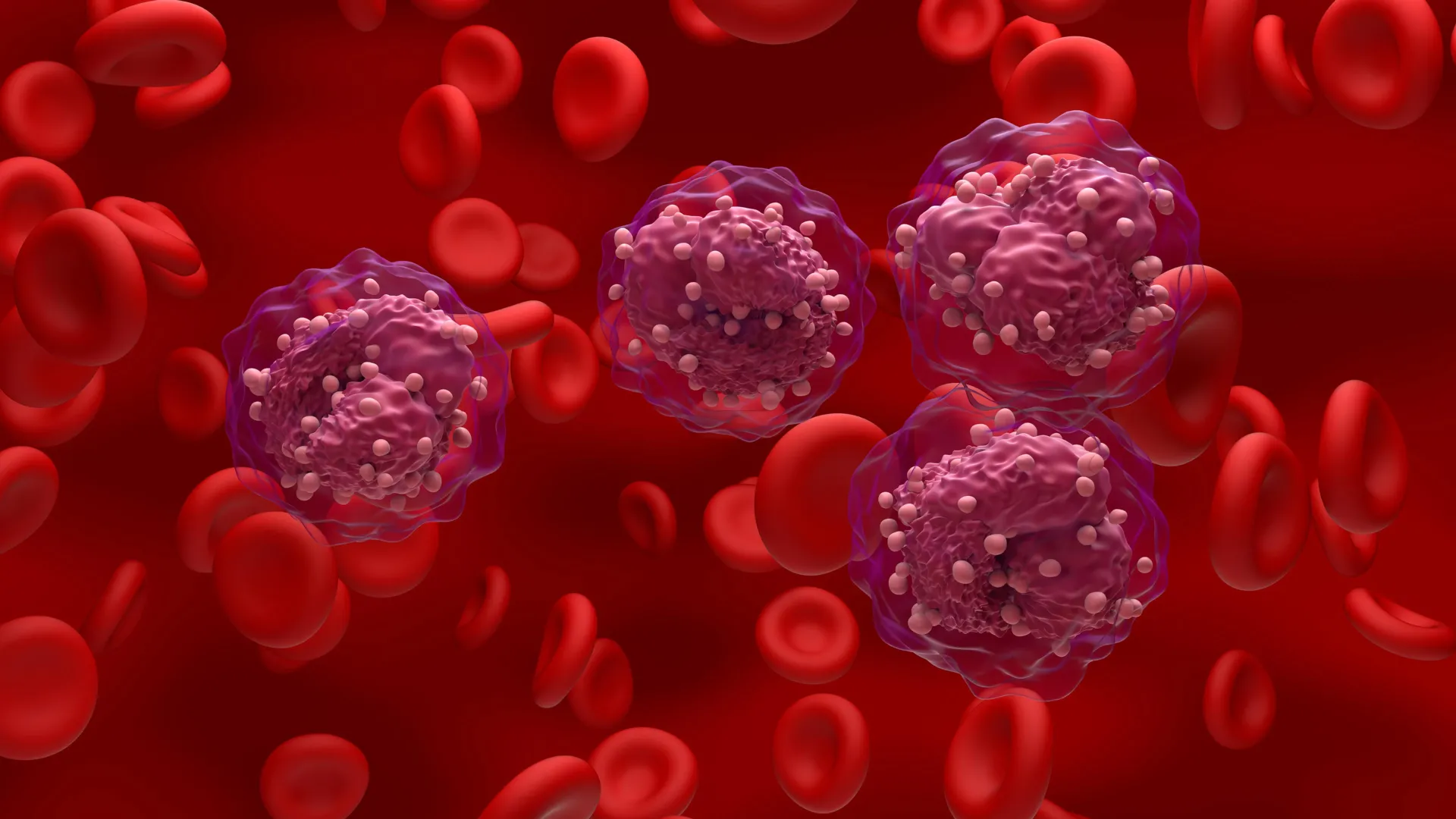
A surprising clinical trial suggests that taking vitamin C daily could improve survival in people with precancerous blood disorders and early-stage blood cancers. Patients receiving the supplement had fewer adverse events and showed a promising survival advantage, raising hopes that a common vitamin could help protect against leukemia-related complications.

Science

Scientists discover a bizarre Jurassic “squid” unlike anything ever seen

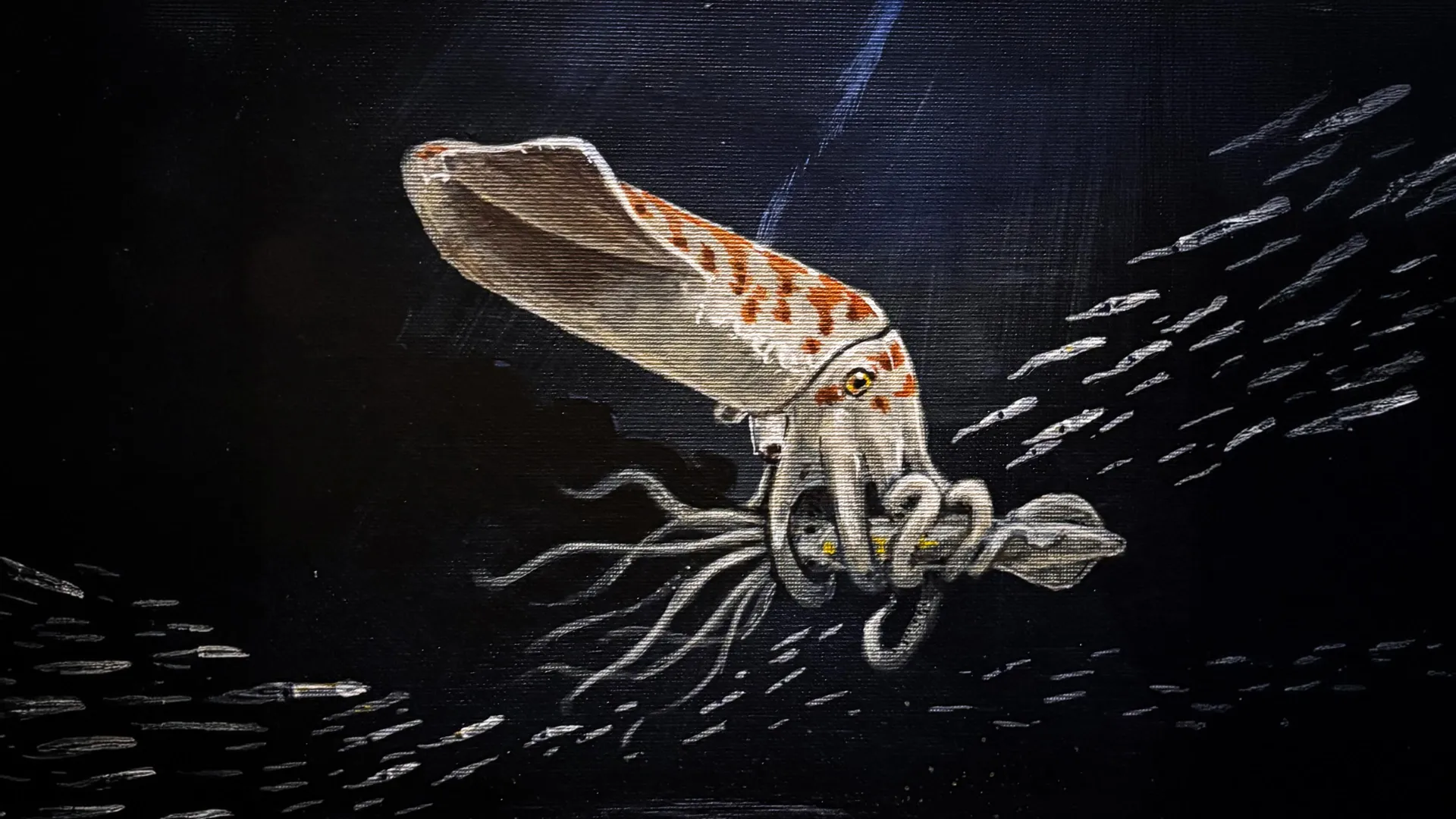
Scientists have identified the “fattest” belemnite ever discovered, a bizarre, barrel-shaped squid relative that lived in Wyoming’s ancient seas 160 million years ago. The exceptionally rare fossils reveal a creature unlike anything previously known, potentially a predator of smaller squid-like animals and a surprising survivor of a supposedly vanished family.

Science

Astronomers uncover new secrets of the Universe’s first five minutes

Scientists have achieved a major breakthrough in understanding the Universe’s earliest moments, measuring the amount of helium formed in the first five minutes after the Big Bang with unprecedented precision. Using one of the world’s most powerful telescopes, an international team studied 15 remarkably pristine galaxies that act as cosmic time capsules, preserving clues from nearly 13.8 billion years ago.

Science

Scientists finally uncover why statins can cause muscle pain

Scientists have uncovered a surprising reason why statins, the widely prescribed cholesterol-lowering drugs that help prevent heart attacks and strokes, can sometimes cause muscle pain, weakness, and even severe muscle damage. Using advanced imaging technology, researchers discovered that statins can attach to a crucial protein in muscle cells and force open a channel that normally controls calcium flow. This causes calcium to leak continuously, potentially damaging muscle tissue.

Health

A simple touch can bring dying corals back to life in just 7 weeks

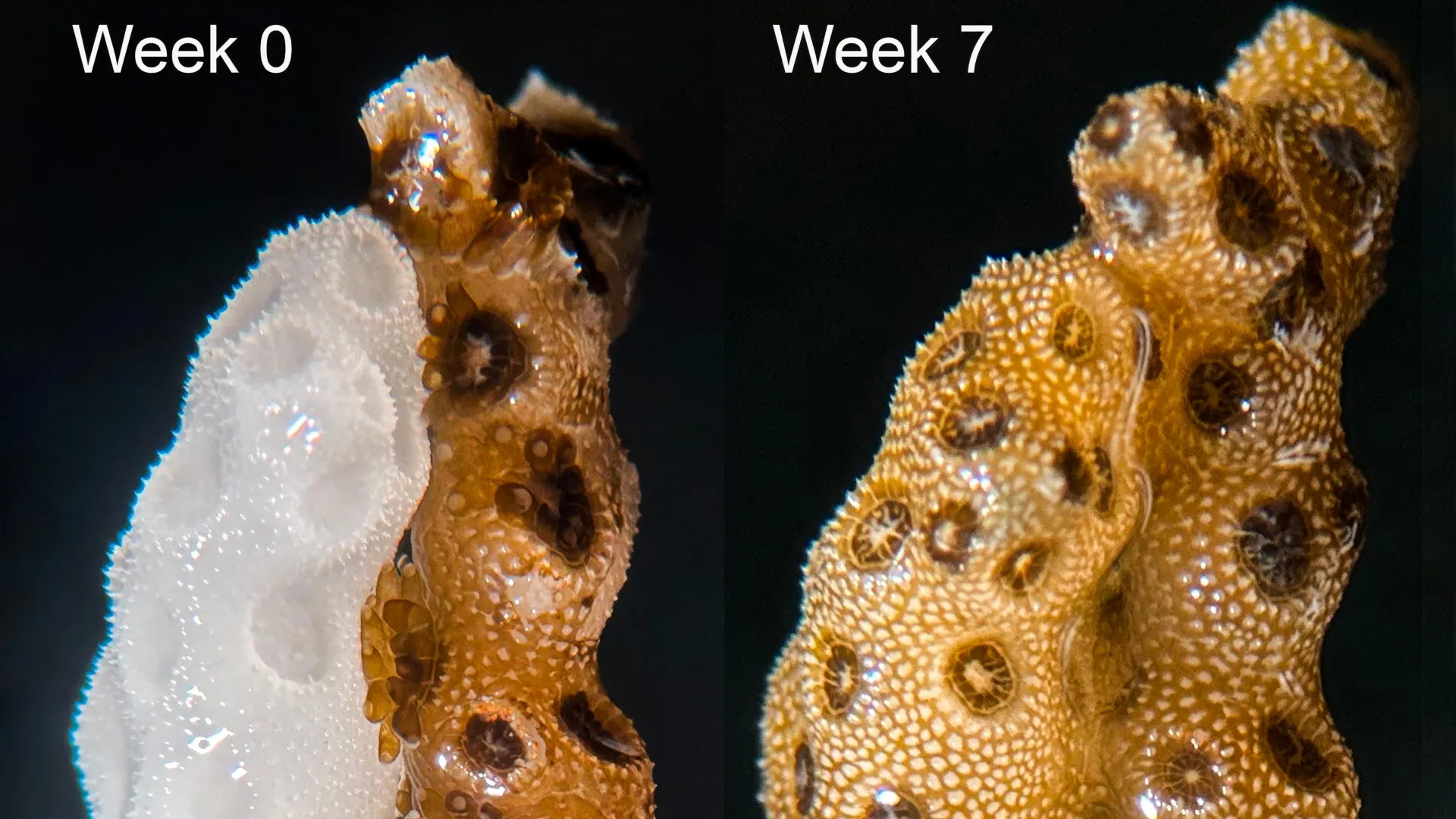
Scientists have discovered that severely bleached corals can make a remarkable comeback simply by touching healthy, genetically identical corals. In laboratory experiments, dying corals regained their color and fully recovered within seven weeks, with as little as five days of contact sometimes enough to start the healing process.

Advertisement
Science

Scientists win 2026 Nobel Prize for controlling brain cells with light

A discovery in tiny algae led to a Nobel Prize-winning breakthrough that allows scientists to switch brain cells on and off using light. The revolutionary technique has already helped researchers activate memories and is opening new possibilities for restoring vision and treating brain disorders.

Science

Scientists discover why some people still can’t taste food after COVID-19

Scientists have uncovered a possible explanation for why some people struggle to taste food more than a year after recovering from COVID-19. By examining taste buds from patients with lingering symptoms, researchers discovered molecular abnormalities that weaken the signals responsible for detecting sweet, bitter, and savory flavors.

Science

Something strange is happening beneath a volcano near 2 million people

Scientists have discovered evidence of two hidden magma sources beneath Nicaragua’s Masaya volcano, where satellite observations revealed mysterious ground movements suggesting magma is shifting deep underground. The findings could improve eruption forecasting for the active volcano, which sits near 2 million people and attracts tourists to its spectacular lava lake.

Science

Why some people escape Alzheimer’s despite carrying a high-risk gene

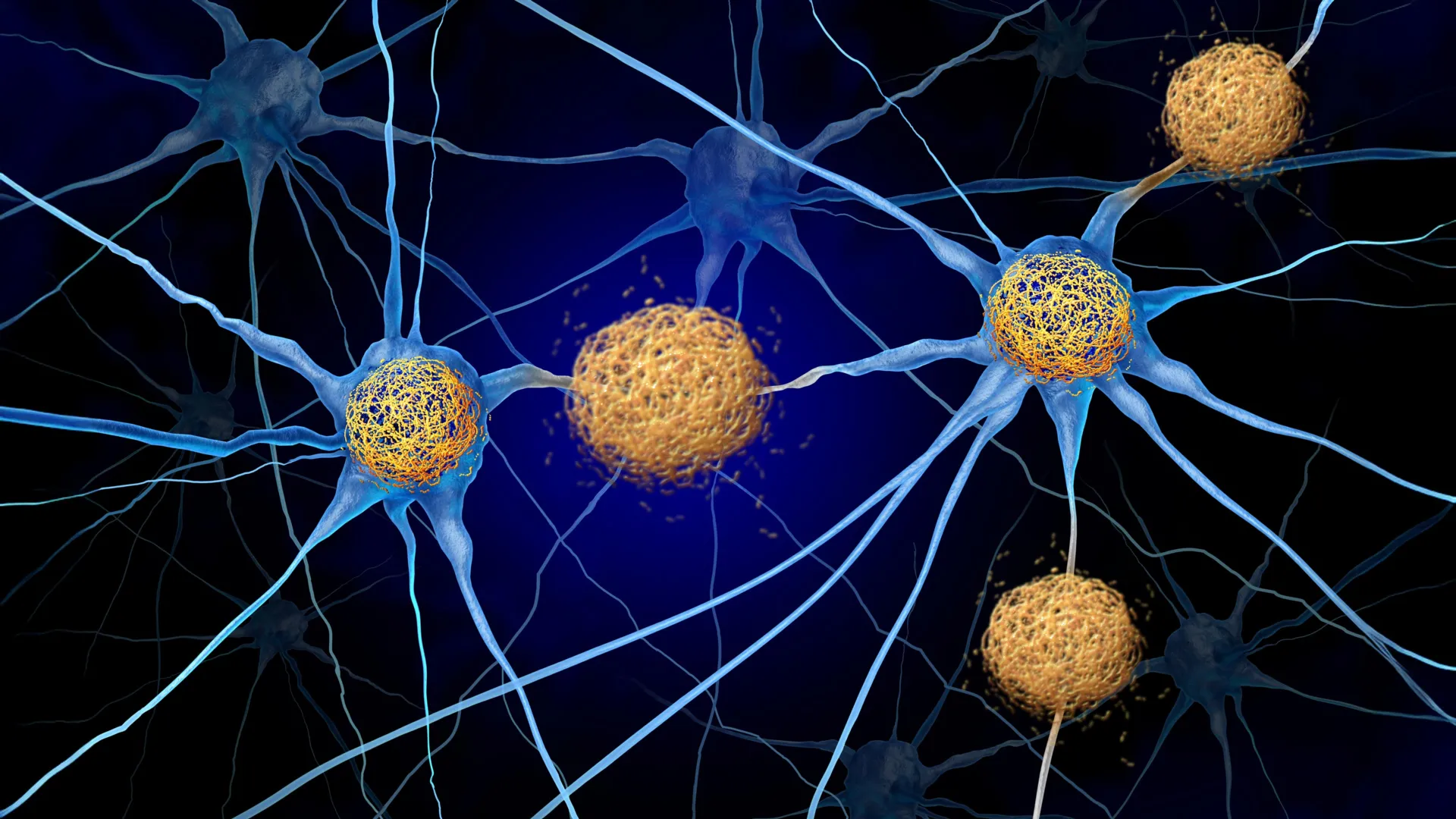
Scientists have discovered why some people with a high genetic risk of Alzheimer’s remain mentally sharp into their 80s, uncovering a rare mutation that protects the brain from harmful protein buildup. The findings reveal a potential new way to prevent early brain damage and could pave the way for treatments that mimic this natural defense.

Science

Alaska’s monster tsunami sent water 1,580 feet up a mountain

A massive landslide in Alaska triggered the second-highest tsunami ever recorded, sending water and debris 1,580 feet up a mountainside just hours after tourists visited the area. Scientists discovered that the disaster was preceded by several warning signs, including rapid glacier retreat, heavy rainfall, and thousands of tiny seismic tremors. As glaciers retreat, similar disasters could become a growing danger in mountainous coastal regions.

Science

Just 3,000 steps a day may help slow Alzheimer's, scientists find

Walking just 3,000 steps a day could help slow Alzheimer’s-related brain changes, according to new research. Scientists discovered that physical activity was linked to less buildup of harmful tau proteins and nearly half the cognitive and functional decline, even in people already showing early signs of the disease. The strongest benefits appeared at 5,000 to 7,500 daily steps, suggesting that the popular 10,000-step goal may not be necessary.

Health

Scientists find a youth protein that helps aging brain cells act young again

Scientists have discovered that a protein linked to youth helps protect the brain’s immune cells from age-related decline. Restoring the protein in older mice improved the cells’ ability to clear debris and reduced signs of inflammation, raising hopes for future treatments targeting brain aging and Alzheimer’s disease.

Advertisement
Health

Scientists tested 39 sweeteners and uncovered surprising gut effects

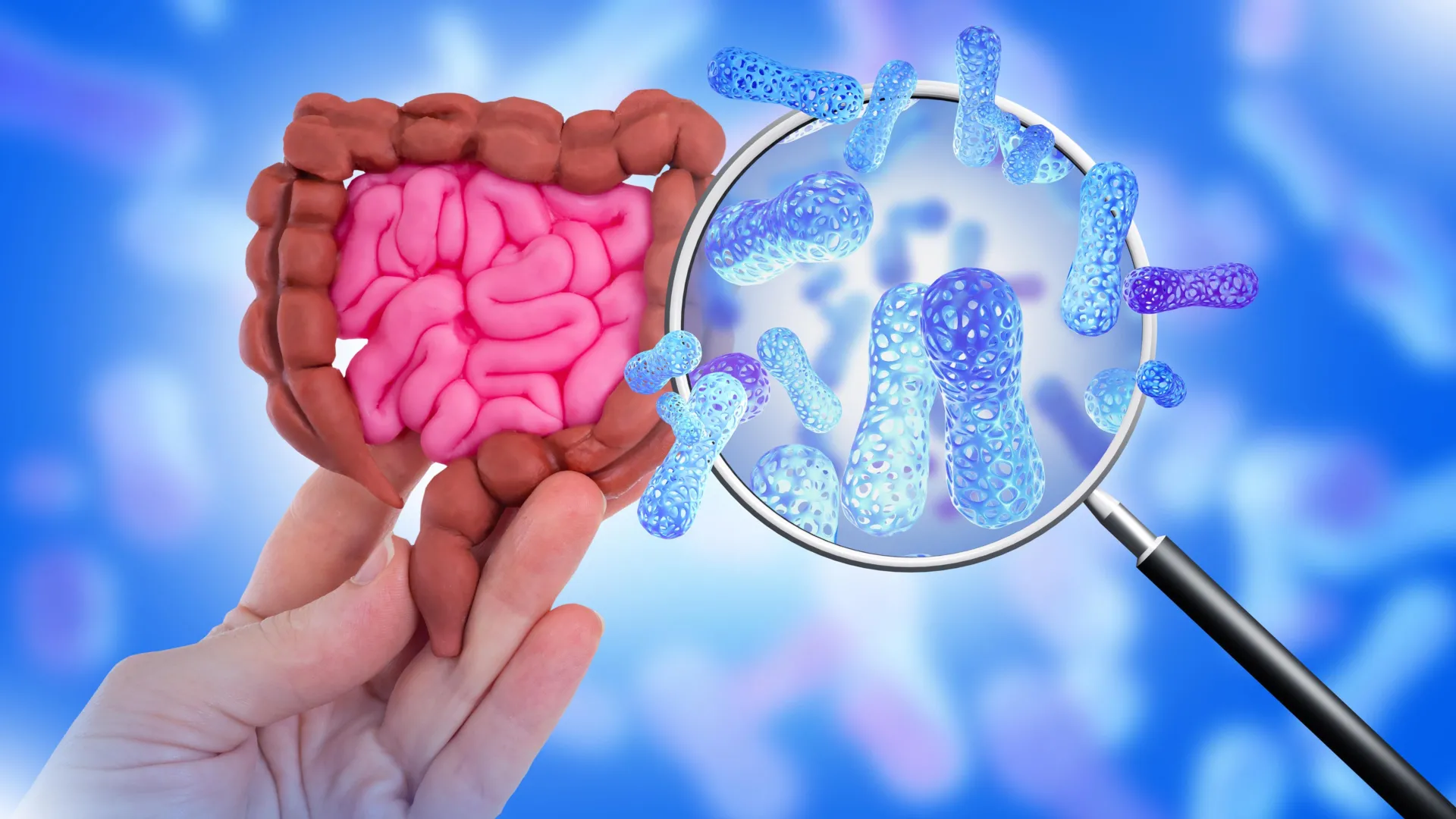
Scientists have discovered that many common sweeteners can interfere with gut bacteria, with some combinations involving medications producing surprisingly strong effects. One sweetener mixed with a widely prescribed antidepressant reduced beneficial bacteria and microbial diversity in laboratory experiments, raising new questions about potential effects on gut health and immunity.

Science

Scientists discover that male and female skin play by different rules

Scientists have uncovered a surprising difference in how male and female skin repairs and renews itself. By tracking individual skin stem cells in living mice for five months, researchers discovered that female cells work together in a highly coordinated way, while male cells operate more independently. This synchronization, driven by sex hormones, helps explain why wounds heal faster in female mice, especially during the first few days.

Science

Scientists uncover 3 key brain pathways linked to lasting depression relief

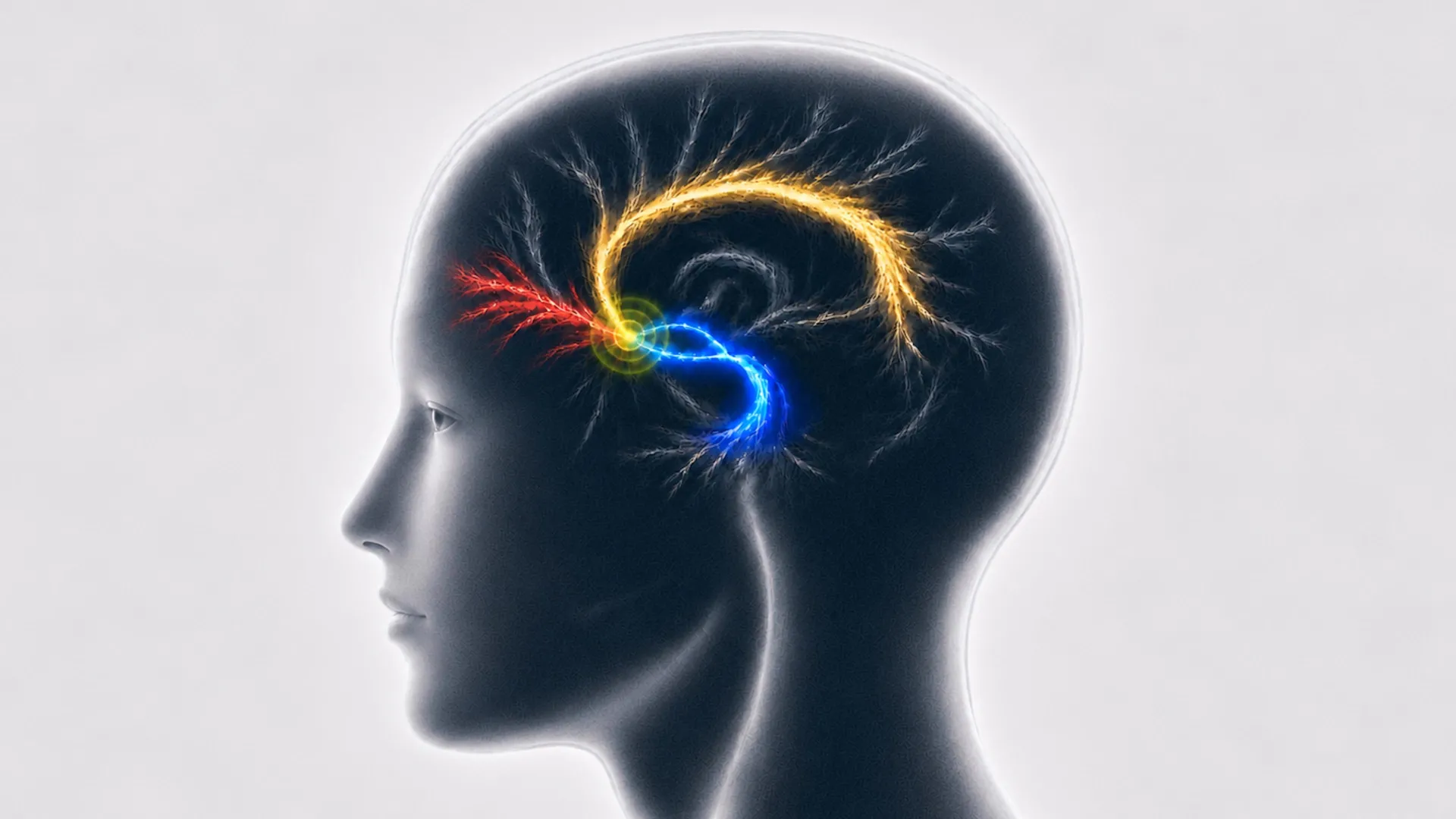
Researchers have uncovered three brain pathways linked to lasting improvements in people receiving deep brain stimulation for severe, treatment-resistant depression. They also discovered that patients who failed to improve after two years shared a striking pattern: insufficient stimulation of a crucial brain connection. The findings suggest that millimeters in electrode placement could make a major difference in treatment outcomes.