Politics
Russia’s parliamentary election: Who’s on the ballot, and why it matters
United Russia won more than two-thirds of the Duma's seats in the 2021 election and is poised to dominate the body again
International news in seven languages
Topic
United Russia won more than two-thirds of the Duma's seats in the 2021 election and is poised to dominate the body again
Russian President Vladimir Putin signed a decree on Thursday to transfer assets of Swiss food giant Nestle and three French groups to a company called LEV Management. Most Western companies quickly sold their Russian operations and holdings after Moscow launched its full-scale invasion of Ukraine, and the Kremlin has since made it difficult for firms to leave the country.
Voting got underway on Friday in a tightly controlled three-day parliamentary election in Russia which President Vladimir Putin has framed as a barometer of support for Russia's war in Ukraine. It is the first parliamentary election since Russia launched its full-scale war in Ukraine in February 2022, and most anti-war candidates have been excluded from the ballot.
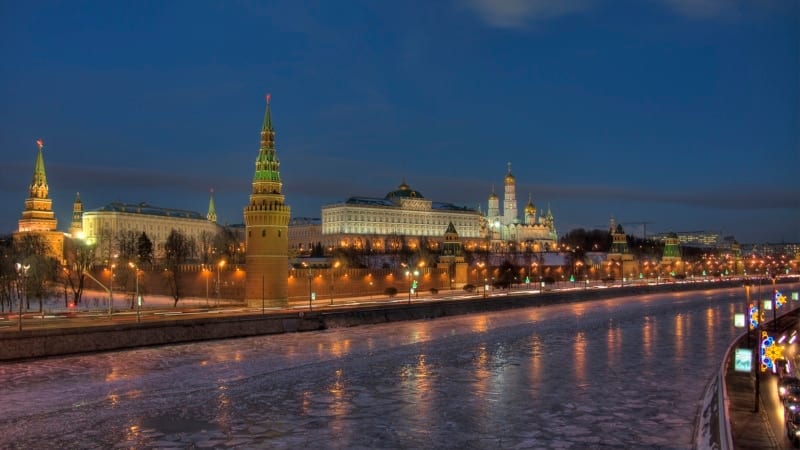
There is no doubt over the outcome of this vote, but for the Kremlin they are still an important moment.
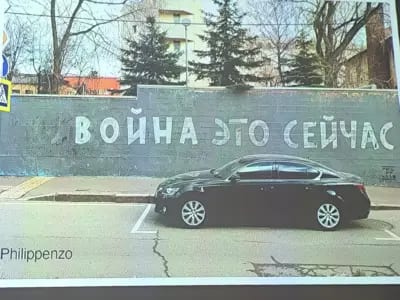
At first, artists who emigrated still dealt with themes of war and their departure from Russia. Later, these broadened to include loss of home, identity, displacement and loneliness.
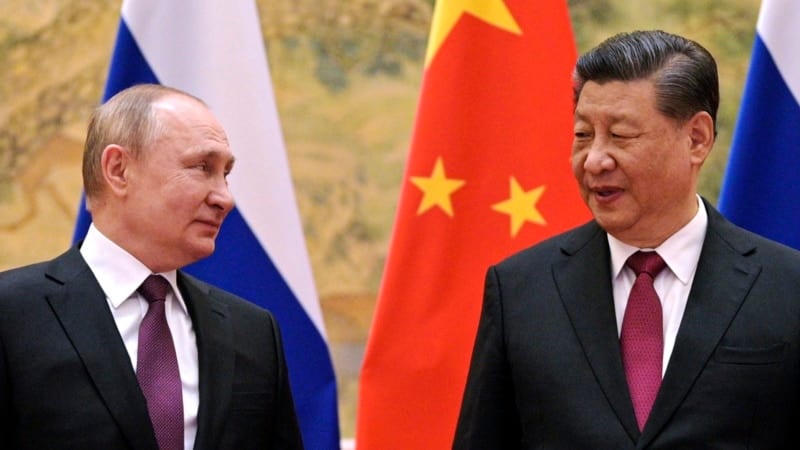
Western politicians have repeatedly called on China to limit or cease tacit support for Russia’s bloody war against Ukraine. In response, China’s leadership insists it is committed to peace and respect for the territorial integrity of other nations. But unlike most United Nations member states, China has never condemned Russia's full-scale invasion of Ukraine, and their military-diplomatic partnership — from joint bomber flights near the U.S. state of Alaska to votes in the U.N. Security Council — has only helped the Kremlin overcome its international isolation. While President Donald Trump ha
Kremlin spokesman Dmitry Peskov said Friday that there were reasons for "cautious optimism" regarding a proposed ceasefire deal between Ukraine and Russia, following talks between a U.S. envoy and Russian President Vladimir Putin in Moscow. Speaking to reporters in a telephone news briefing, Peskov referenced comments from Putin on Thursday in which he expressed qualified support for a U.S. ceasefire proposal to halt Russia's war with Ukraine for 30 days but said some questions needed to be answered. Peskov said that while much remains to be done, Putin "expressed solidarity with [U.S. Preside