Politics
The view from Russia: ‘No party can be antiwar’ in parliamentary election
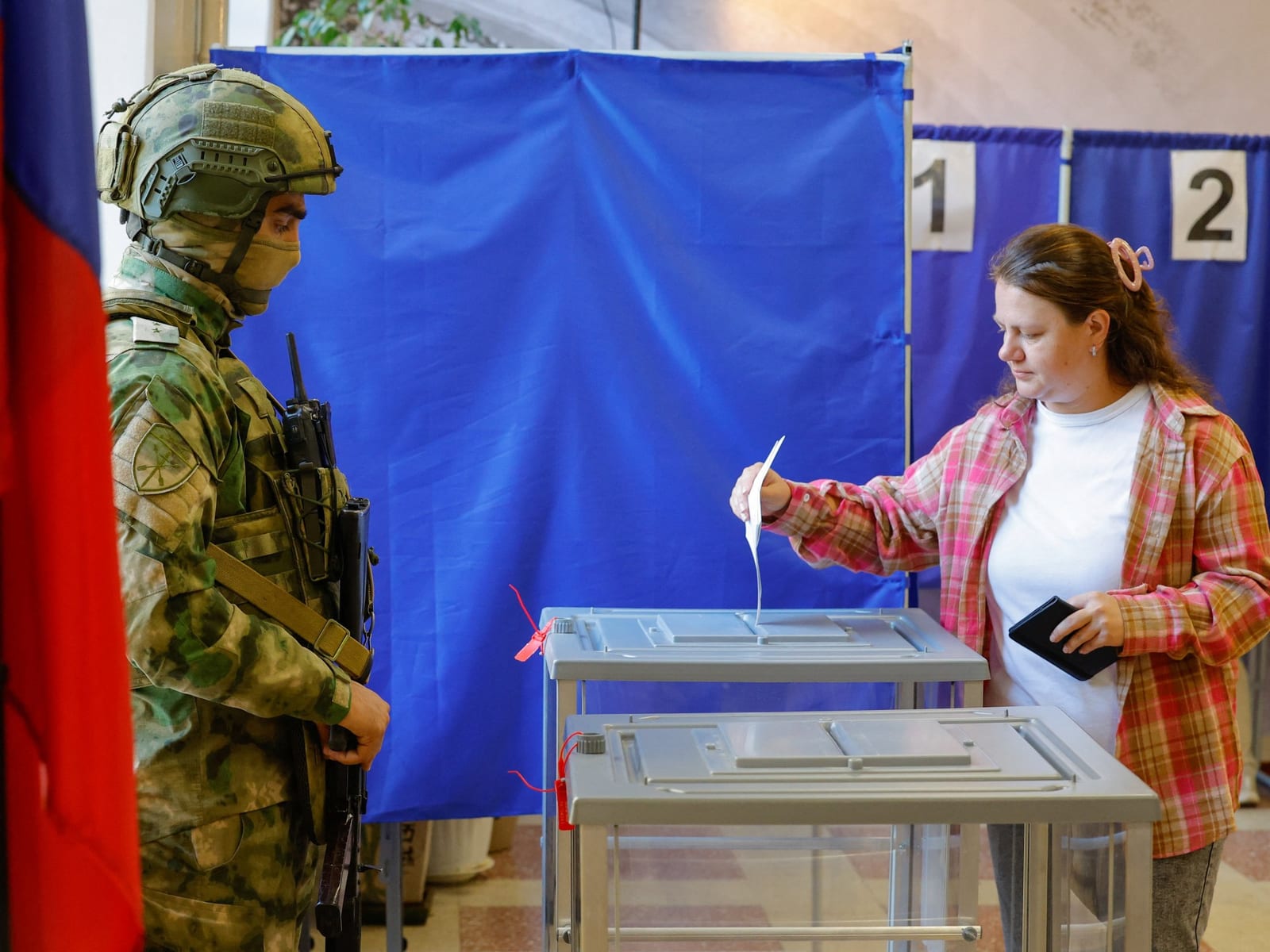
First vote since Russia invaded Ukraine seen as a sham by some and an opportunity to strengthen nationalism by others.
International news in seven languages
Topic
First vote since Russia invaded Ukraine seen as a sham by some and an opportunity to strengthen nationalism by others.
Nestlé is assessing its options after Russia placed the Swiss food giant’s local assets under temporary external administration.
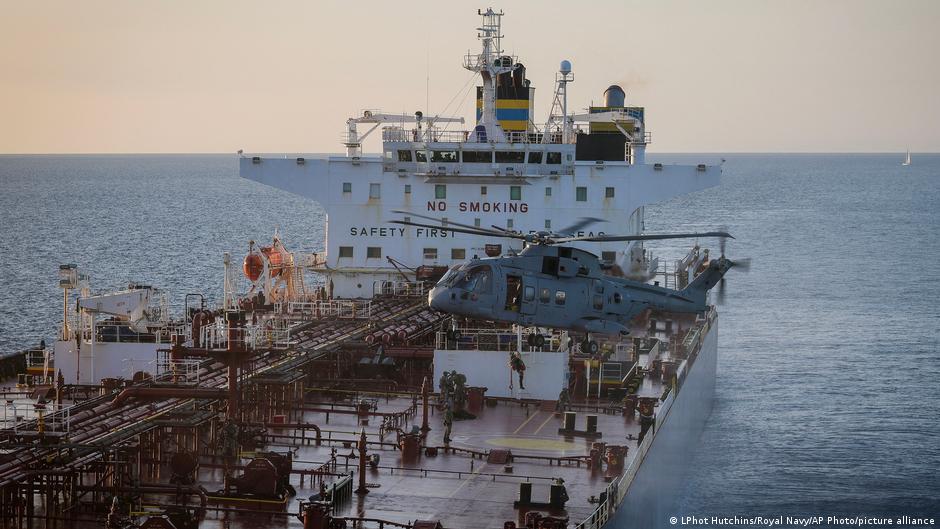
The German government wants to follow other EU countries and take more decisive action against Russia's shadow fleet, accusing it of helping Moscow evade sanctions and carry out acts of sabotage.
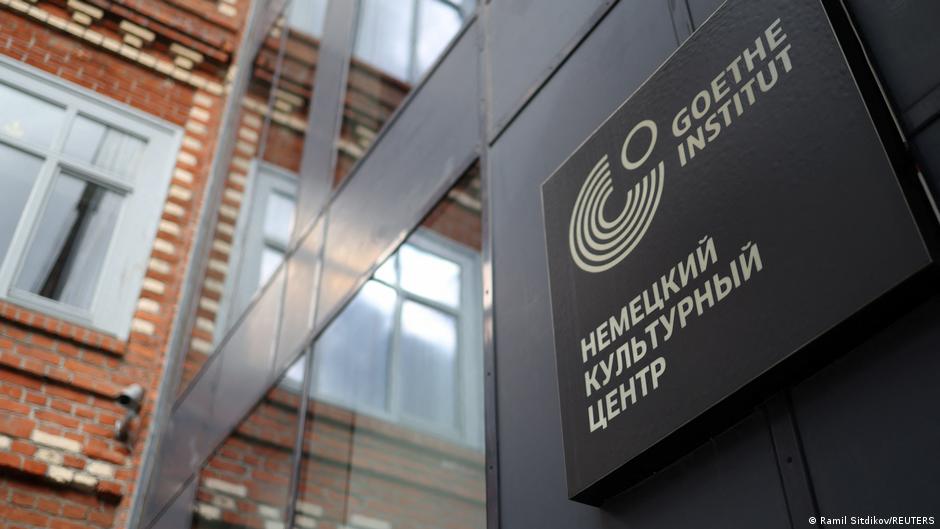
The Goethe-Institut was one of the last German institutions still operating in Russia. However, following Moscow's decision to close its offices, all employees will have to stop working by September 13.
Incursions by Russian drones into Moldovan and Romanian airspace are increasingly common. This week the Ukrainian president's plane was stopped from taking off from Chisinau. Observers suspect the attacks are deliberate.
Canceled language exams, disrupted plans to study in Germany and the disappearance of an important cultural link: DW users shared how the closure of Germany's Goethe-Institut in Russia has affected their lives.
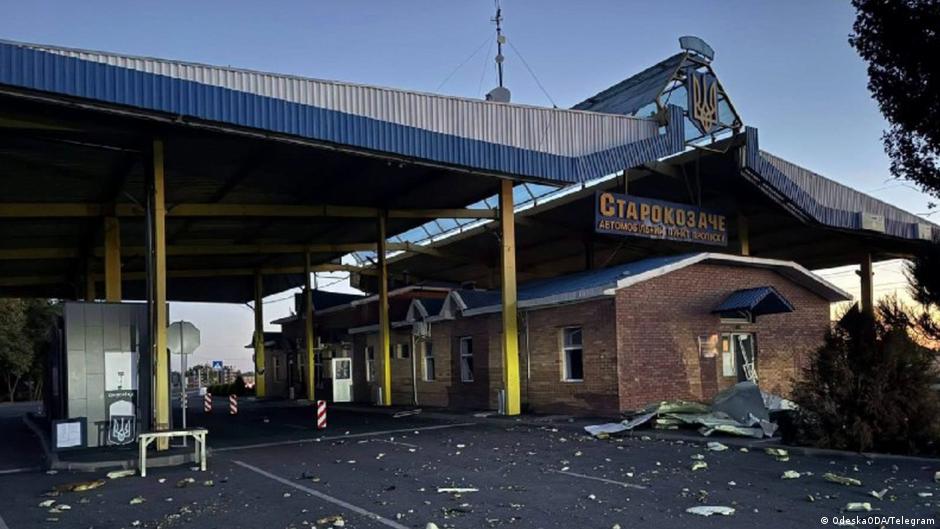
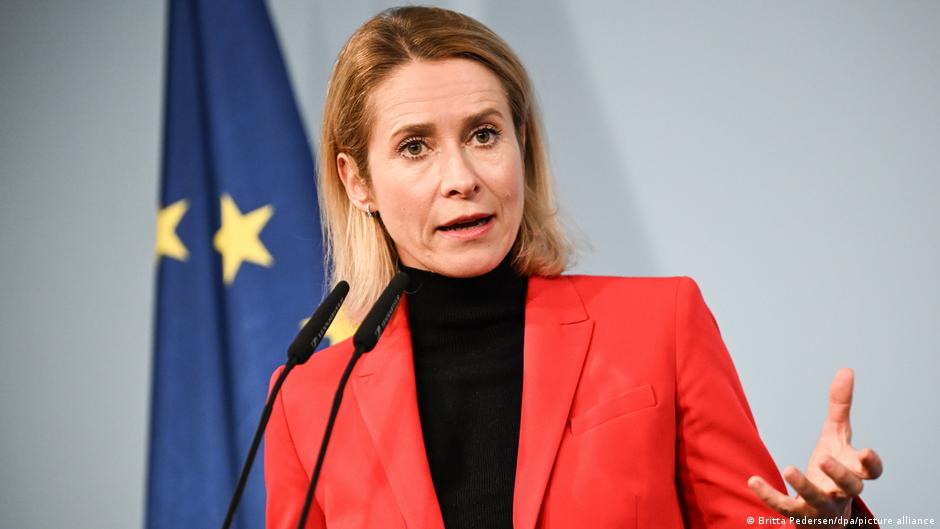
Russia's drone attack on a train near the Ukraine-Poland border has triggered EU calls to up support for Kyiv. Allies of Ukraine should show they "are not scared," said the bloc's top diplomat, Kaja Kallas.
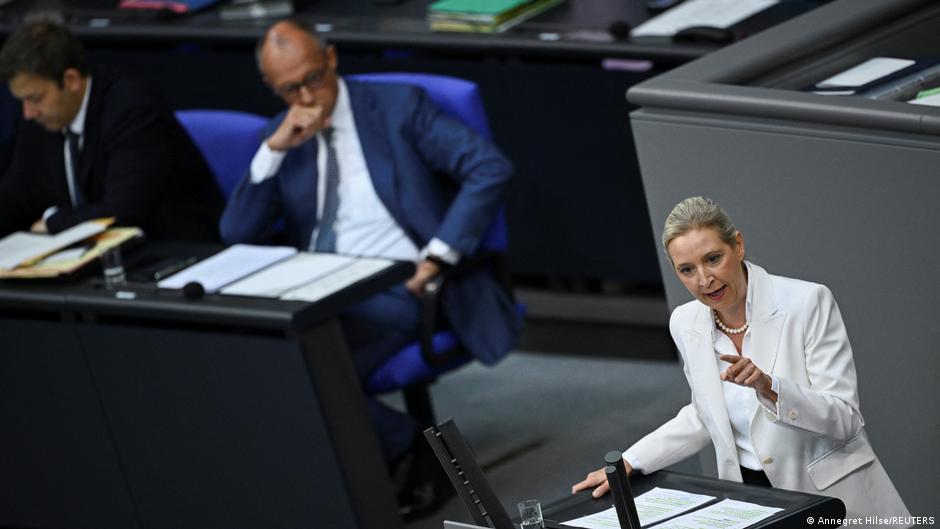
Emboldened by its win in Saxony-Anhalt, the far-right Alternative for Germany wants the government to change its Ukraine and Russia policies. Berlin is staying the course, but support is fading — especially in the east.
Donald Trump, under fire for record US diesel prices, claims Russia and Ukraine have agreed to stop striking energy targets. Russia said nothing; Ukraine said "we expect specifics from our partners" on any such move.
New trilateral talks between Ukraine, Russia and the US could begin in October, according to Kyiv and Moscow. Few expect a breakthrough, but Ukraine is seeking a partial de-escalation to help it get through the winter.
Russia's aggression, Trump's threats against Greenland and the race for critical raw materials are pushing the Arctic to the top of Europe's agenda.
PRESS REVIEW – Friday, September 18: Russia holds its first parliamentary elections since the Ukraine war. Since only parties loyal to Vladimir Putin are running, the elections are seen as nothing but a veneer of democracy. In sports: Zinedine Zidane will unveil his first selection as coach of the French football team. Brisbane 2032 Olympic and Paralympic organisers approve a croc-infested river to hold canoe and rowing events. Finally, the first new feline species in a century has been discovered.
Russia's first parliamentary election since the invasion opens with no antiwar party on the ballot.
Fuel shortages, drone strikes and mobilization rumors are fueling anxiety and war fatigue in Russia. As support for peace talks grows among Russians, the Kremlin is watching closely ahead of parliamentary elections.
Russia is holding elections for the State Duma for the first time since Moscow sent troops into Ukraine in 2022. The party of President Vladimir Putin is expected to win the highly controlled affair.
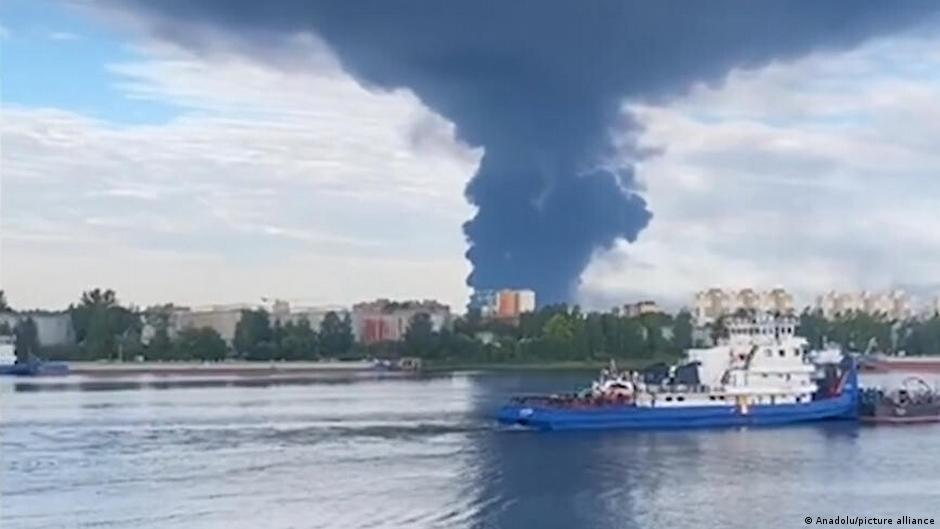
Moscow on Friday struck four Ukrainian cargo vessels in the Black Sea, according to Russian state media. The attacks came as polling stations in Russia opened for the country's first parliamentary election since the start of the war in Ukraine. Follow our liveblog for all the latest updates.
Polls opened in Russia's Far East on Friday as the country began three days of voting for its parliamentary election, the first since Moscow launched its full-scale invasion of Ukraine. The Kremlin's main party, United Russia, is poised to keep its grip on power alongside other parties aligned with President Vladimir Putin, as the only party that criticised the war was removed from the ballot.
Alison Sargent is pleased to welcome Grégoire Roos, Director of the Europe and Russia and Eurasia Programmes at Chatham House. According to Roos, Russia’s parliamentary election is revealing because of what the electoral process can still tell us about the political system Vladimir Putin has constructed. In the absence of any meaningful competition, and anti-war opposition excluded, Roos argues that the most revealing signals may lie elsewhere: in turnout, the timing of voting, the performance of the remaining parties, and the Kremlin’s effort to frame participation itself as evidence of natio
United Russia won more than two-thirds of the Duma's seats in the 2021 election and is poised to dominate the body again
Russian President Vladimir Putin signed a decree on Thursday to transfer assets of Swiss food giant Nestle and three French groups to a company called LEV Management. Most Western companies quickly sold their Russian operations and holdings after Moscow launched its full-scale invasion of Ukraine, and the Kremlin has since made it difficult for firms to leave the country.